Turtles Care Guide
Get to Know Your Turtle
Basic Information
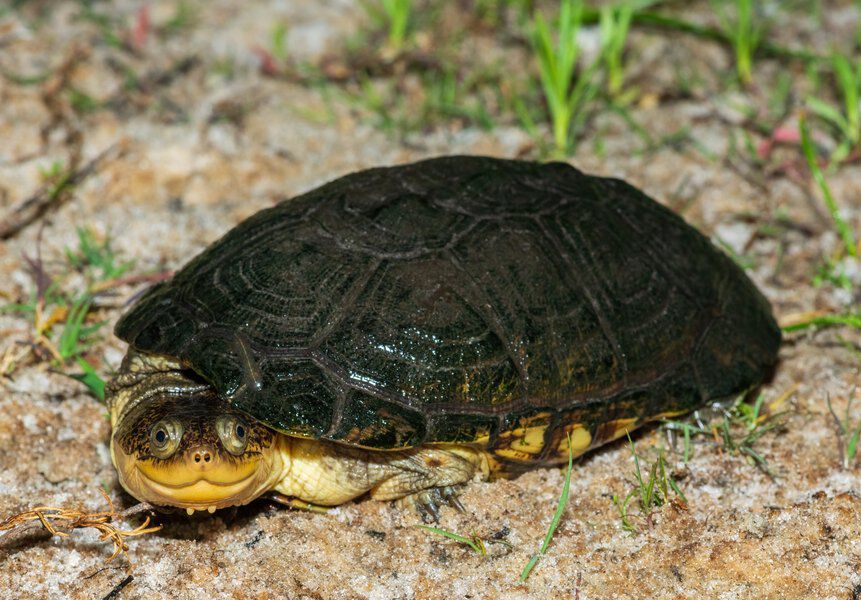
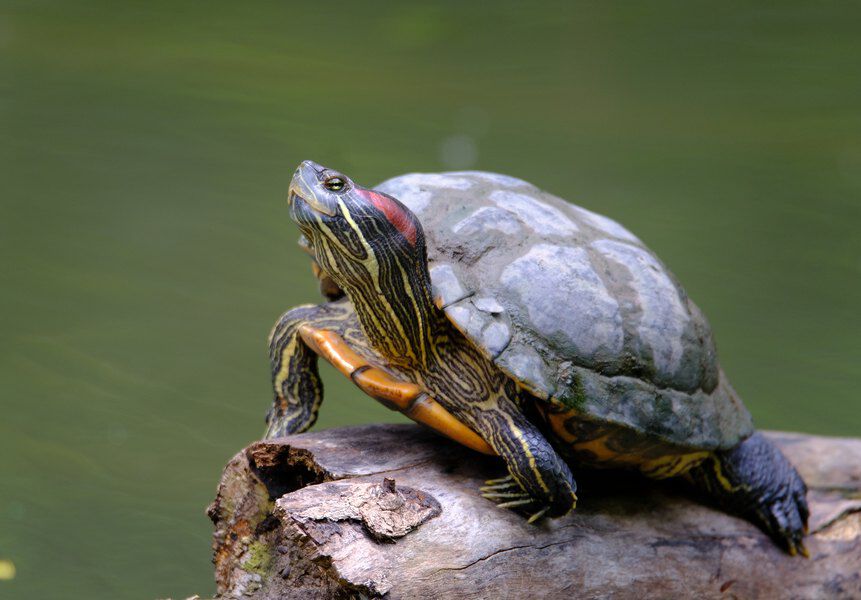
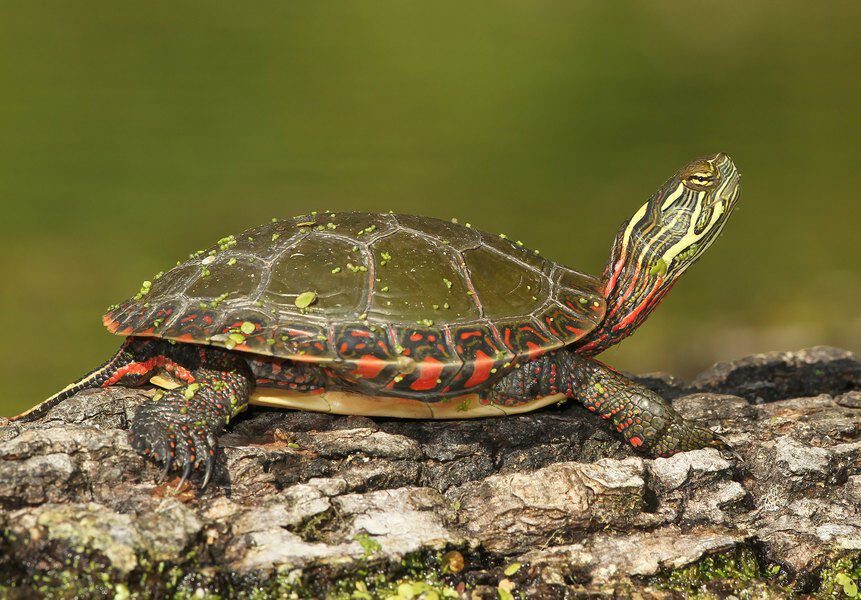
Includes common pet species such as Red Eared Sliders, Yellow Bellied Sliders, Painted Turtles, Map Turtles, Cooter Turtles and Musk Turtles
Common Name
Turtle (Aquatic)
Scientific Name
Varies by species (e.g. Trachemys scripta, Chrysemys picta, Graptemys spp., Sternotherus spp.)
Adult Size
Varies by species, 4 - 12 inches+ (some species grow larger)
Life span
20 - 40+ years (with proper care)
Temperament
Generally calm and curious, can be active and may be shy at first
Checklist for Your Turtle
Essential Items
Appropriately sized aquarium (larger is better)
Filtration system (canister filter recommended)
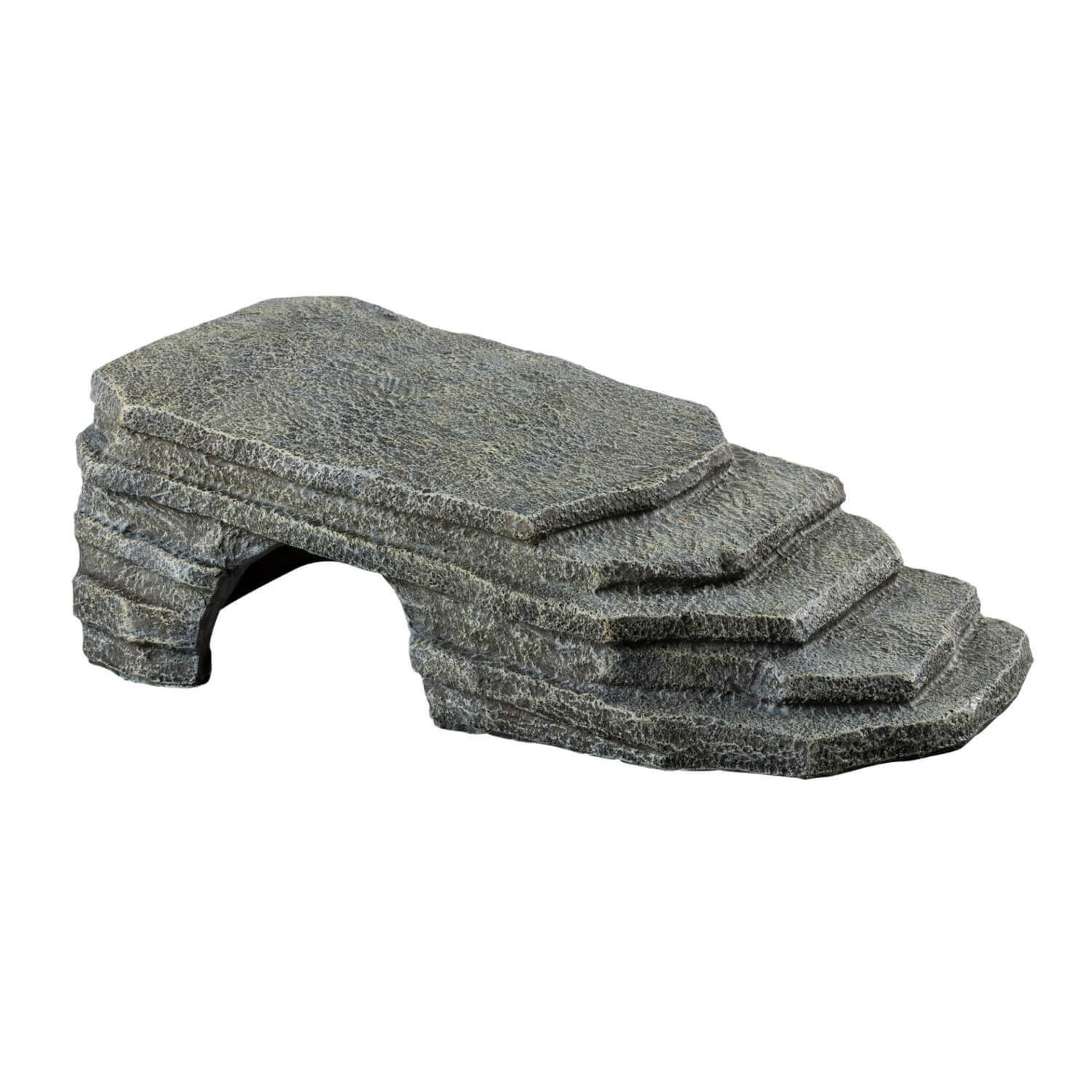
Basking platform (above water)
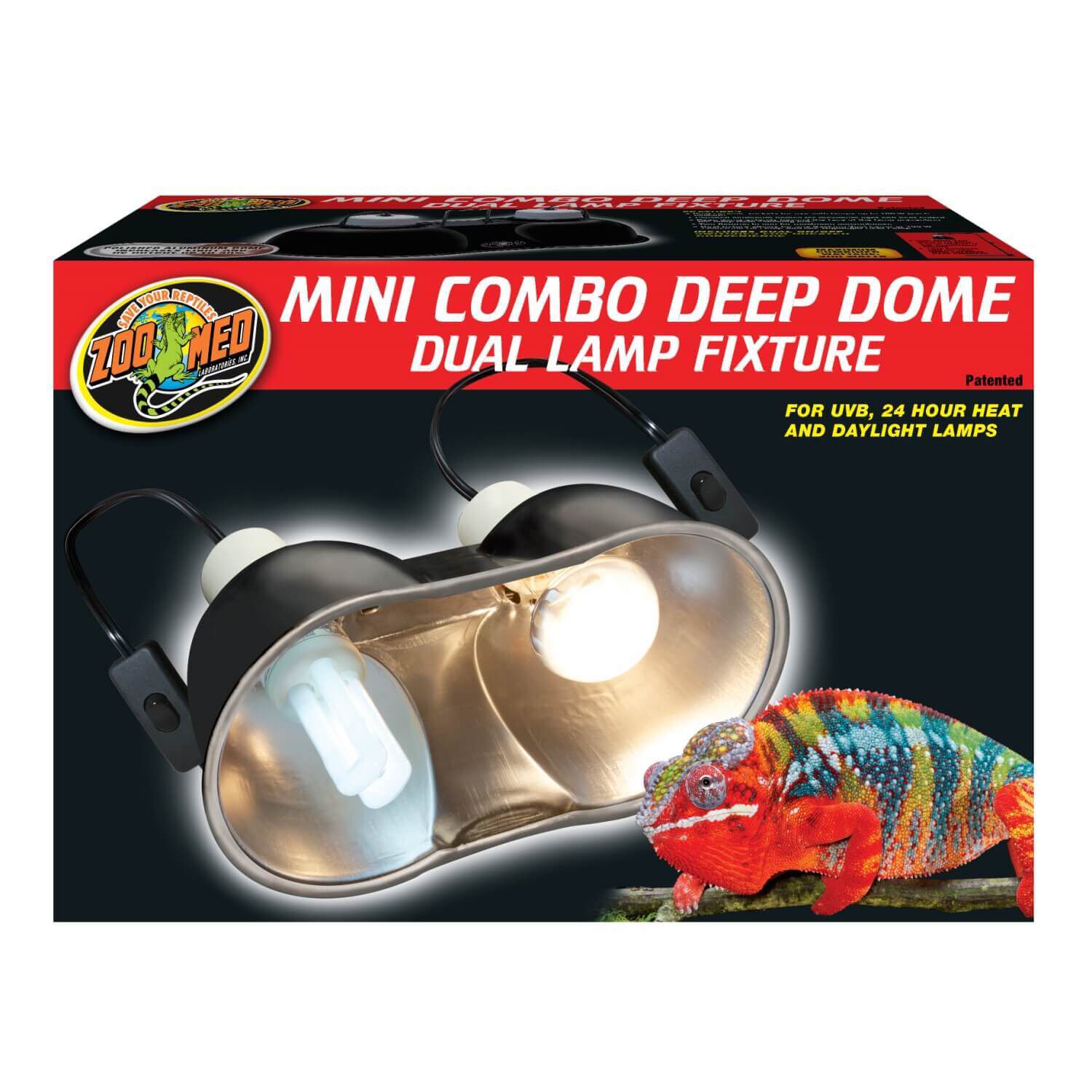
UVB lighting (T5 5.0 or 10.0)
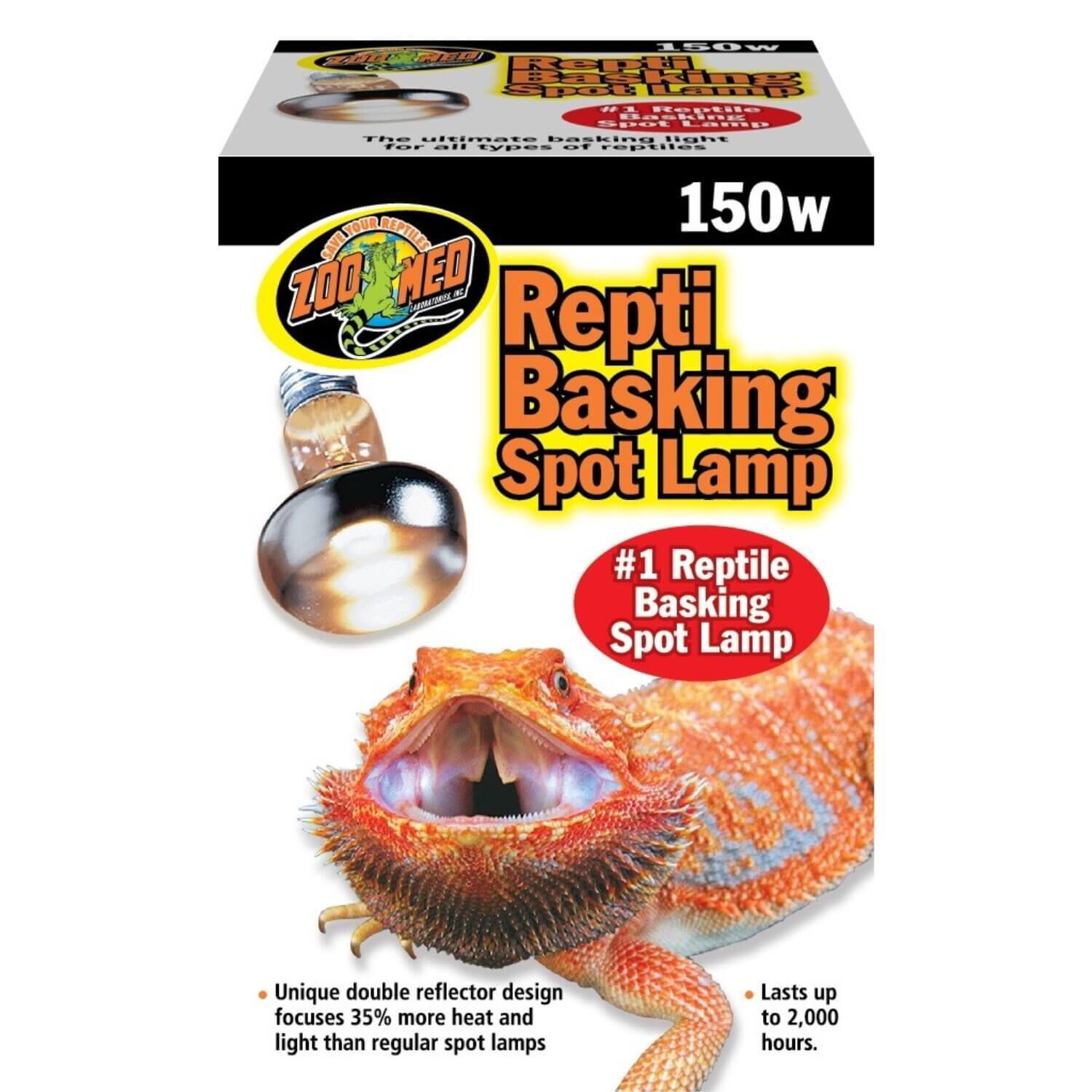
Basking heat lamp
Thermometer (water & basking)
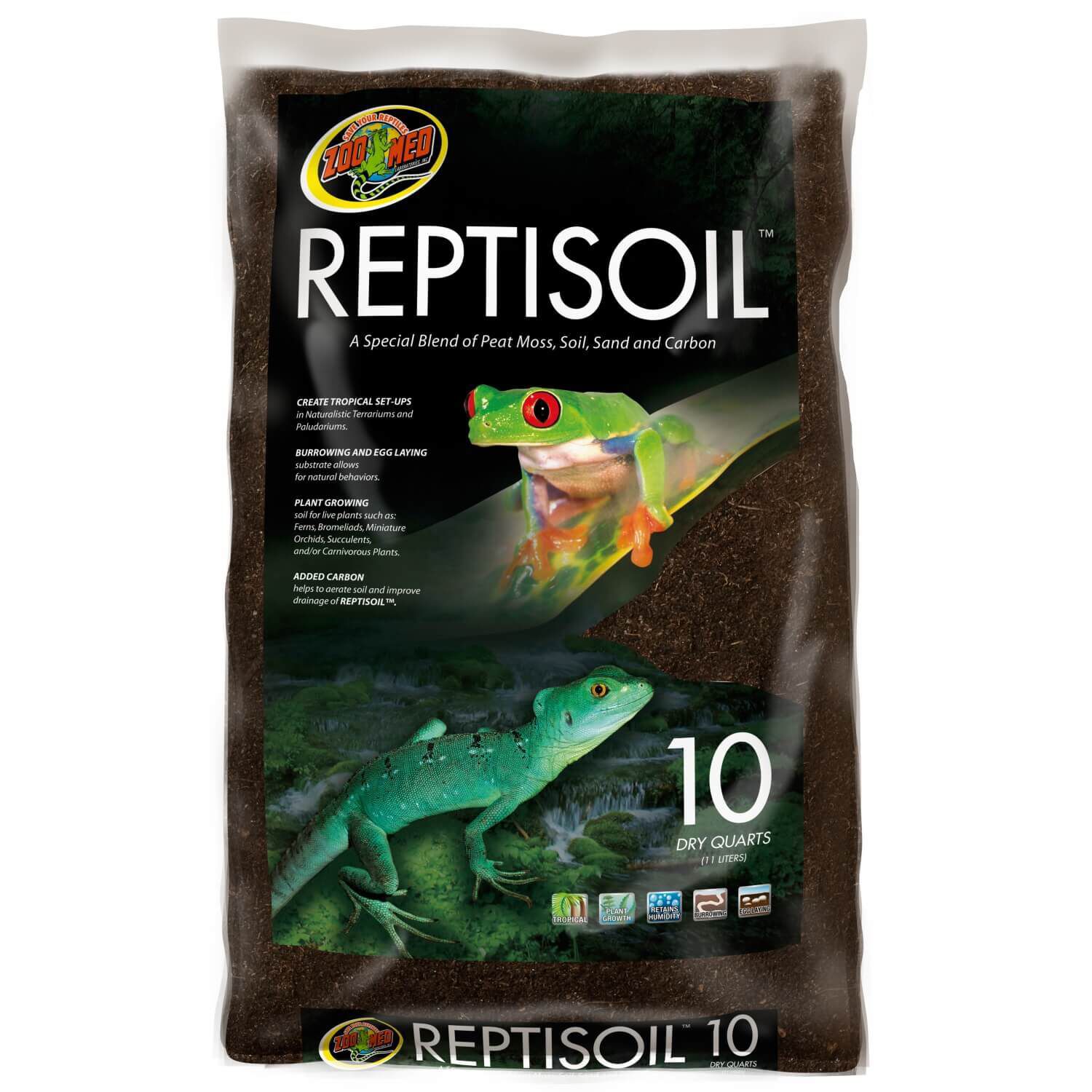
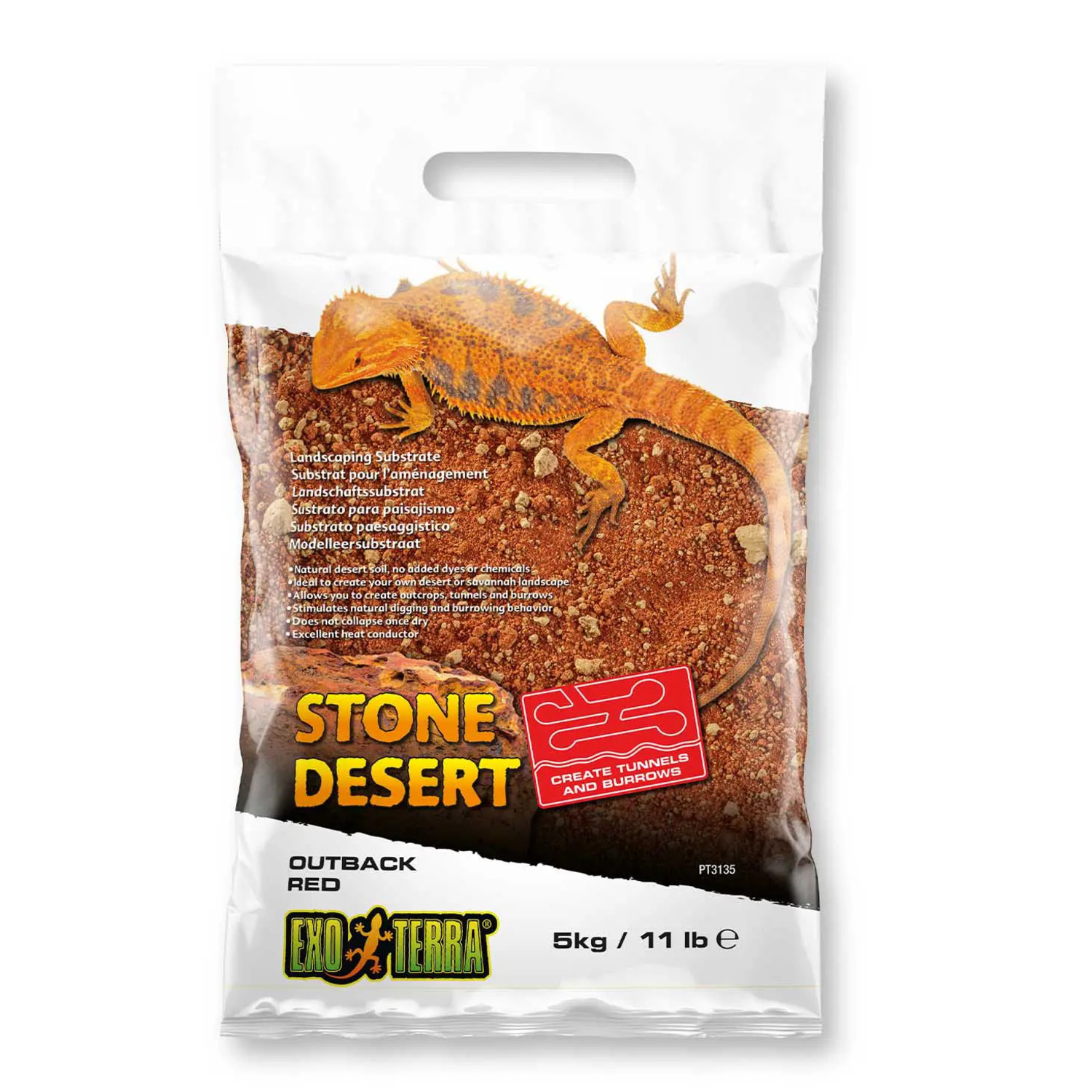
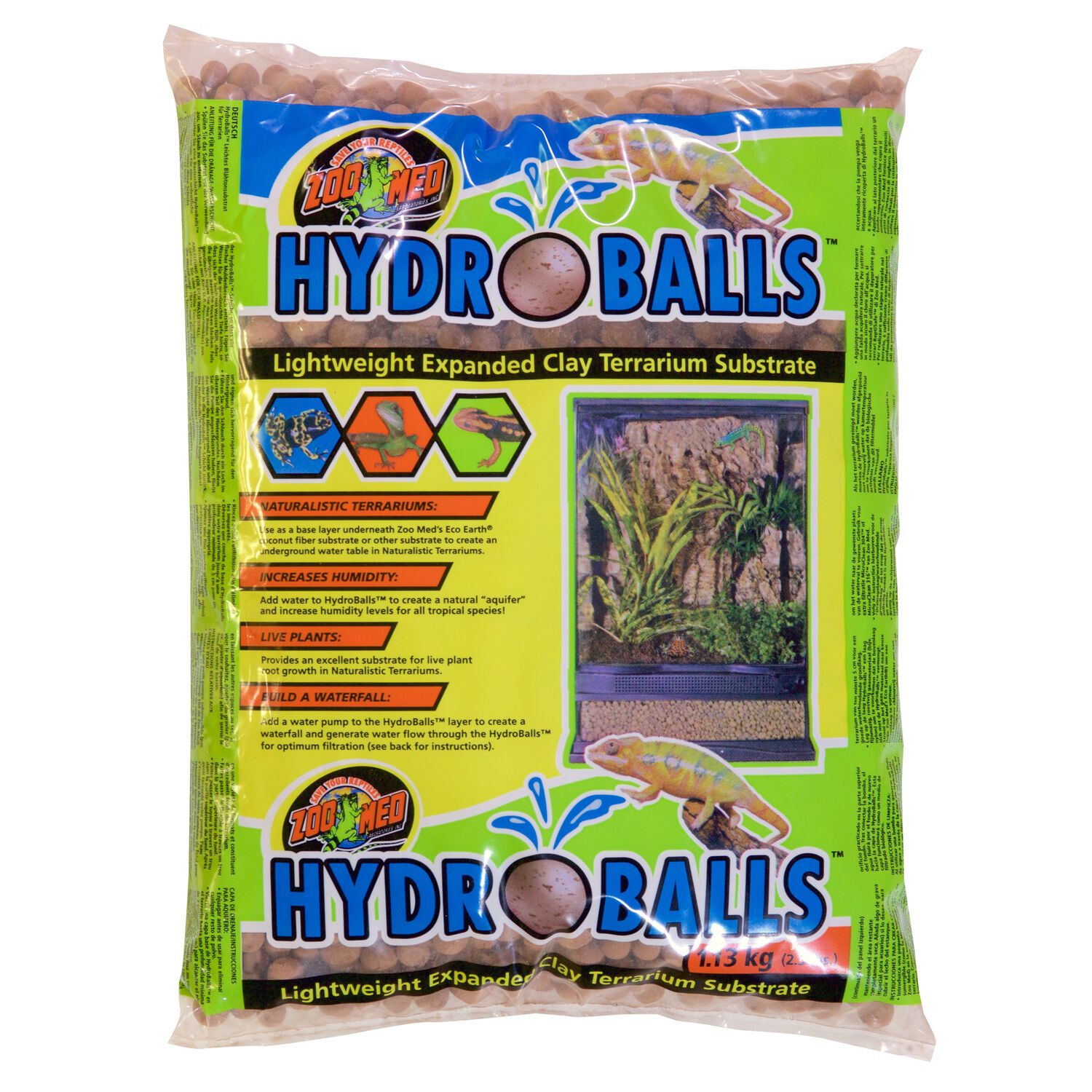
Substrate (bare bottom or smooth gravel)
Water conditioner (dechlorinator)
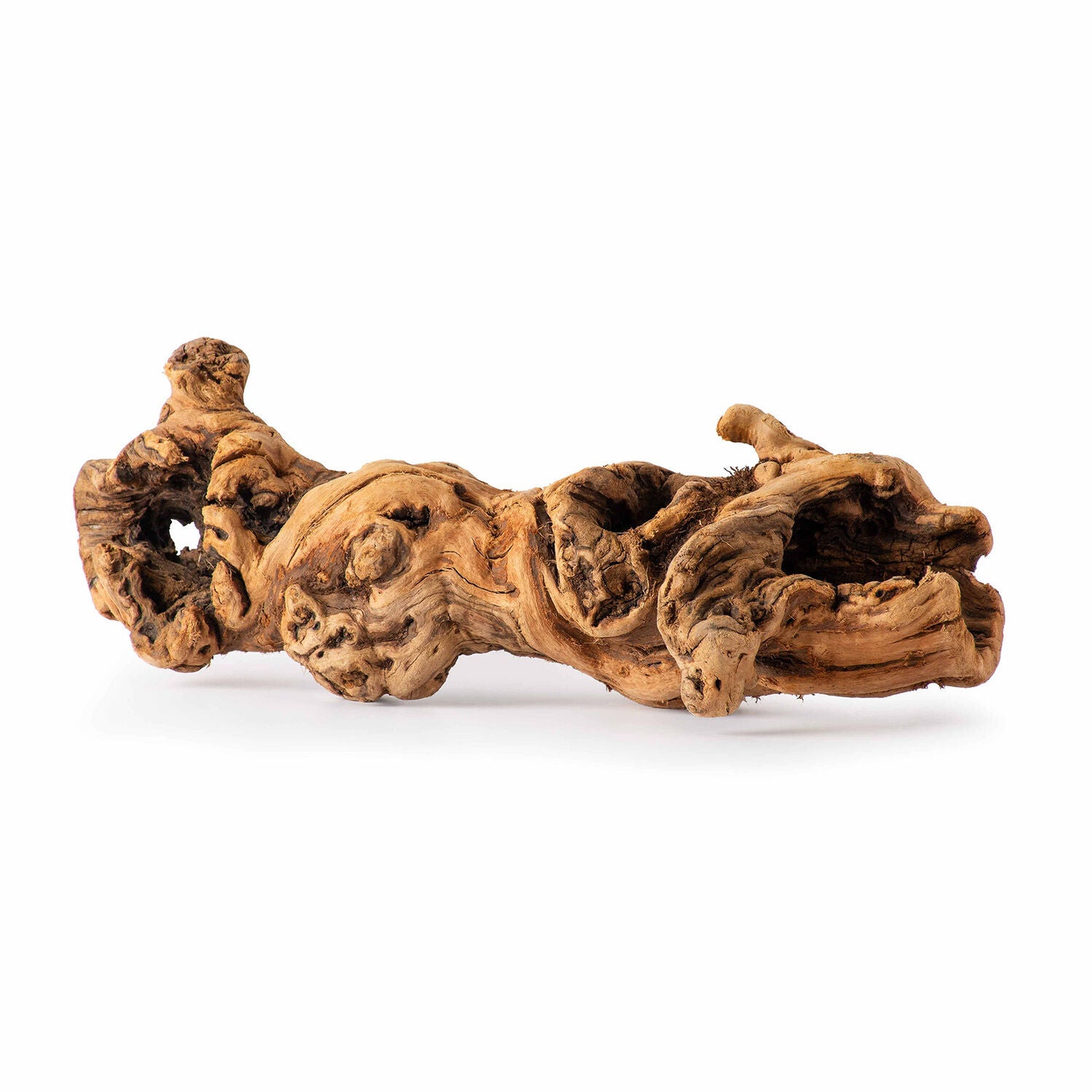
Hiding places (plants, caves, driftwood)
Food (turtle pellets, variety of protein & vegetables)
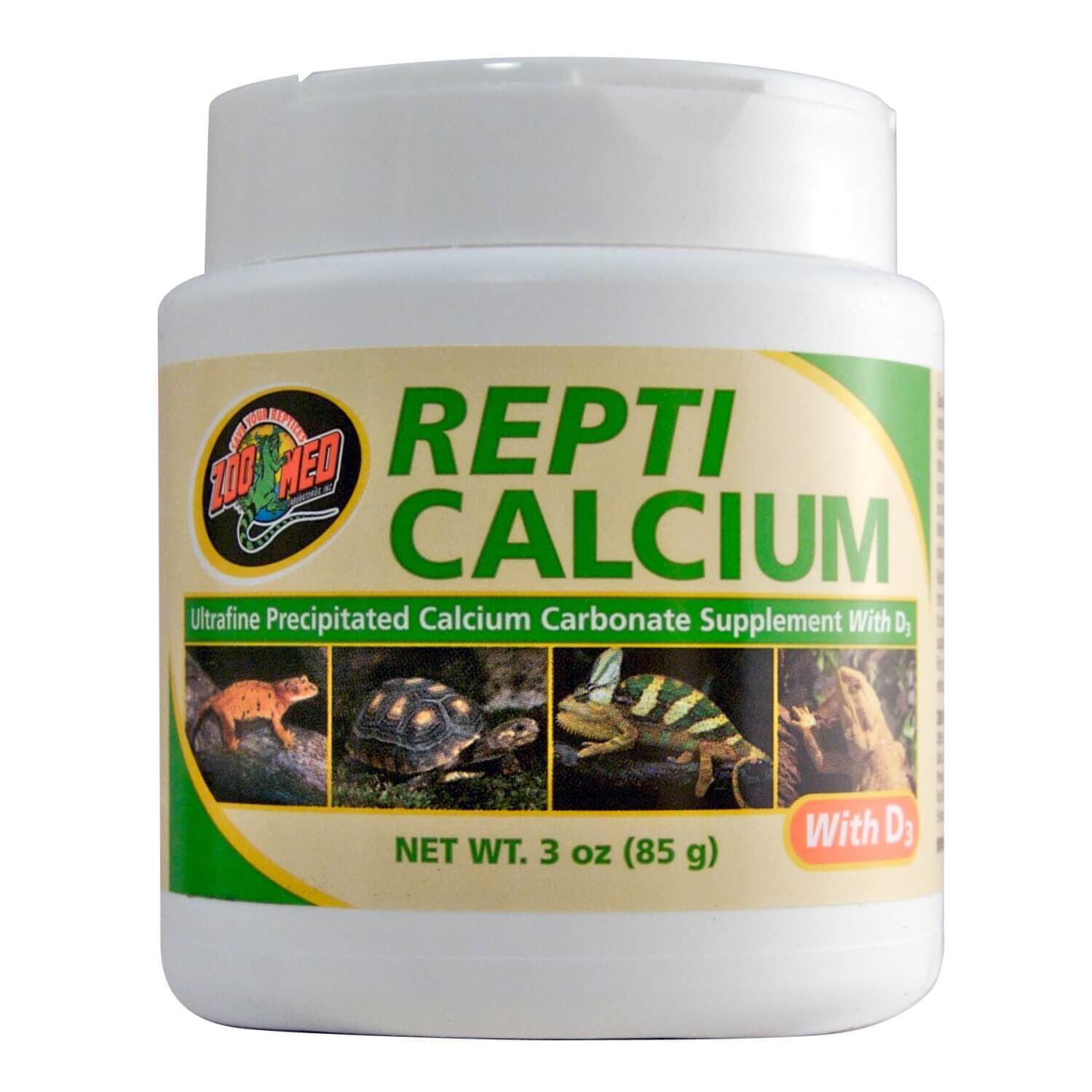
Calcium supplement (with or without D3)
Aquatic plants (live or artificial)
Regular cleaning supplies
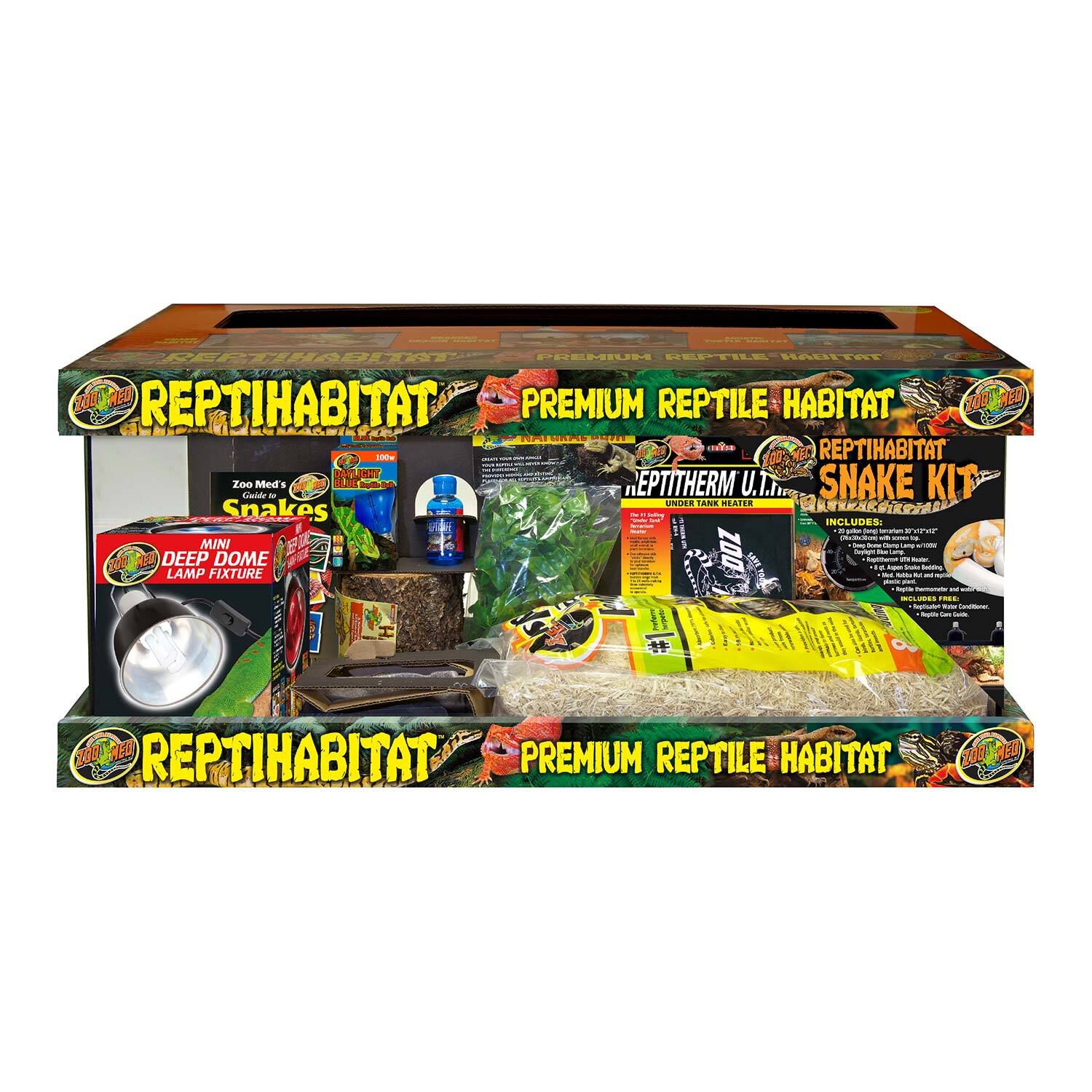
Everything your Turtle needs, all in one place.
Shop Turtle Supplies
Feeding Your Turtle
Diet
- Omnivores – offer a variety of foods.
- High-quality aquatic turtle pellets (species appropriate, floating or sinking).
- Protein sources: insects, earthworms, feeder fish, shrimp, snails and occasional lean meats.
- Vegetables: dark leafy greens (romaine, red/green leaf lettuce, collard greens, dandelion greens), carrots, squash, zucchini and aquatic plants.
- Offer a variety of foods to ensure proper nutrition.
- Feed juveniles daily and adults 3 - 5 times per week.
- Remove uneaten food after a few hours to maintain water quality.
- Provide a calcium supplement (with or without D3) several times per week.
Turtle Habitat
Caging & Environment
Housing & Environment
- Requires a large aquarium with both swimming space and a dry basking area.
- Recommended minimum size:
- Hatchlings/juveniles: 20 - 40 gallons
- Adults (sliders, painted, cooters): 75 - 120 gallons+
- Larger species (some map turtles): 120+ gallons
- Use a strong filtration system (canister filter recommended) to keep water clean.
- Provide a sturdy basking platform that is completely out of the water.
- Use a substrate such as large river rock or keep a bare bottom for easier cleaning (small gravel can be ingested).
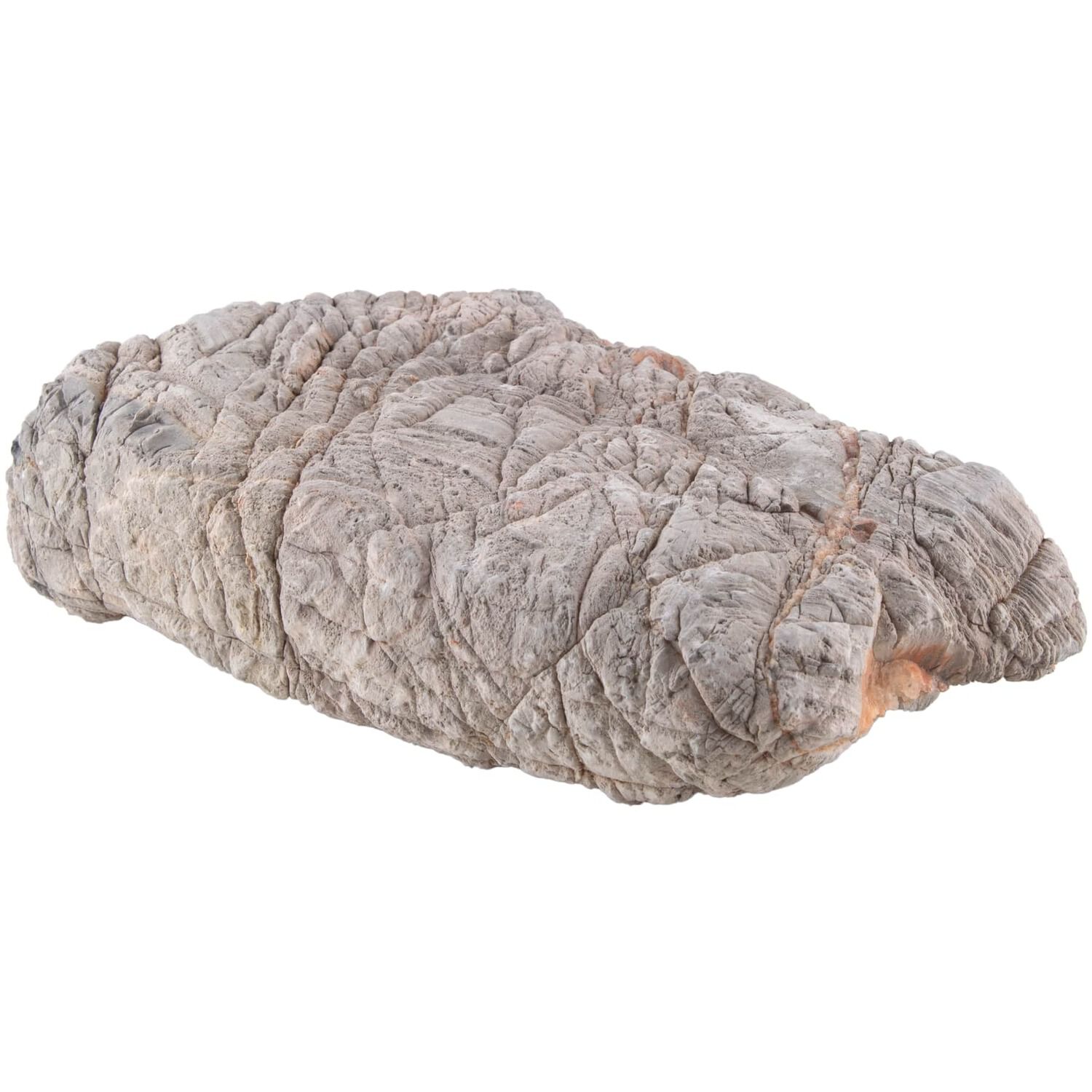
- Include hiding places, driftwood, rocks and live or artificial plants for enrichment.
- Keep the tank in a low-traffic area with stable temperatures and no direct sunlight.
Temperature & Lighting
- Basking temperature: 85 - 95°F (29 - 35°C)
- Water temperature: 72 - 78°F (22 - 26°C)
- Provide UVB lighting (T5 5.0 or 10.0) for 10 - 12 hours daily. Replace bulbs every 10 - 12 months.
- Use a basking heat lamp (or ceramic heat emitter) to maintain proper basking temperature.
- Provide a natural day/night cycle (12 hours light / 12 hours dark).
Water Quality
- Maintain clean, dechlorinated water at all times.
- Use a strong filtration system and perform 25 - 50% water changes weekly (or more often depending on tank size and bioload).
- Water parameters:
- Temperature: 72 - 78°F (22 - 26°C)
- pH: 6.5 - 8.0
- Ammonia: 0 ppm
- Nitrite: 0 ppm
- Nitrate: below 20 - 40 ppm
- Provide plenty of swimming space to encourage exercise and overall health.
Handling Your Turtle
Behavior & Handling
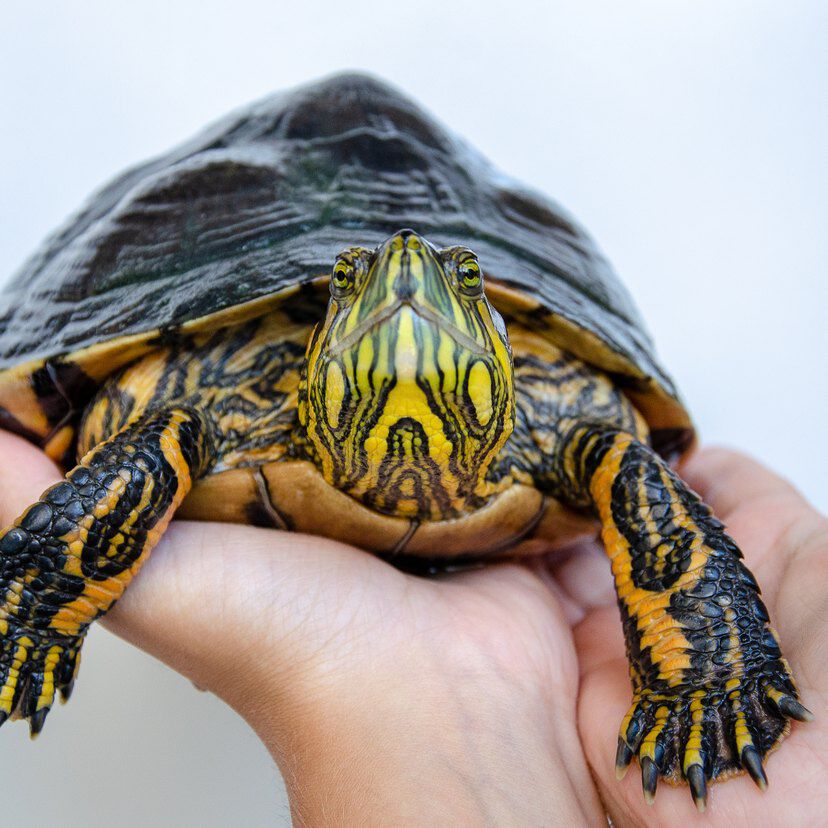
- Generally calm and can become comfortable with regular, gentle handling.
- Allow the turtle to acclimate for 1 - 2 weeks before frequent handling.
- Always support the body with both hands.
- Avoid grabbing by the legs or tail.
- Turtles can be active and enjoy swimming, climbing and basking.
- Provide enrichment such as plants, rocks and varied terrain.
Common Health Problems
Turtle Health and Well-being
Health & Safety
- Keep the enclosure clean to prevent bacterial infections and shell issues.
- Monitor for signs of illness such as lethargy, loss of appetite, swollen eyes or soft shell.
- Provide proper UVB lighting and a balanced diet to prevent Metabolic Bone Disease (MBD).
- Always wash your hands before and after handling.
- Do not release pet turtles into the wild.
163 Results
163 Results
No products found for selected filters. Please try with different filters.
Showing 0 of 0