Aquatic Plants Care Guide

Get to Know Your Aquatic Plants
Basic Information
BASIC VARIETY
Beautiful • Beneficial • Beginner Friendly
Common Name
Aquatic Plants
Scientific Name
Various
Type
Live Aquatic Plants
Size
Varies by species
Growth Rate
Slow to Fast
Life span
Years with proper care
Placement
Foreground to Background
Checklist for Your Aquatic Plants
Essential Items
Aquarium
Substrate (gravel or aquarium soil)
Plant fertilizer (root tabs or liquid)
CO₂ (optional but beneficial)
Aquarium light
Water conditioner
Algae scraper
Pruning scissors
Planting tweezers
Net
Test kit
Filter
Heater
Everything your Aquatic Plants needs, all in one place.
Shop Aquatic Plants Supplies
Feeding Your Aquatic Plants
Food & Water
- Plants get most of their nutrients from the water and substrate.
- Use a quality aquarium light 8–10 hours daily.
- Root tabs and liquid fertilizers help promote healthy growth.
- Clean, well-filtered water with stable parameters is essential.
Aquatic Plants Habitat
Caging & Environment
- Suitable for freshwater aquariums of all sizes.
- Provide appropriate substrate and lighting for each species.
- Maintain stable water parameters: 72–78°F, pH 6.5–7.5.
- CO₂ and fertilizers can enhance growth but are not required.
Popular Beginner Plants:
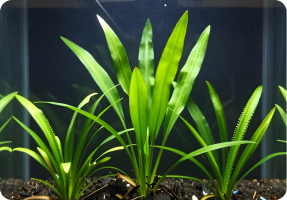
- Amazon Swords
- Large, hardy plants with long, broad leaves. Great for mid to background areas.
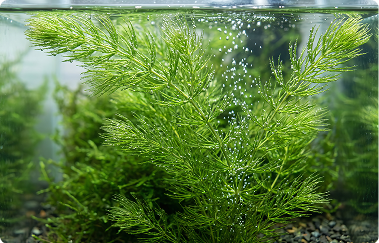
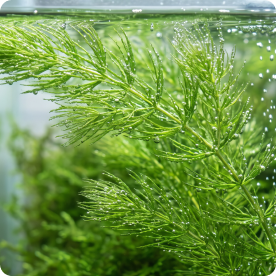
- Anacharis (Elodea)
- Fast-growing stem plant that helps absorb excess nutrients and oxygenates the water.
- Java Fern
- Hardy, low-maintenance plant that grows attached to driftwood or rocks. Ideal for low light.
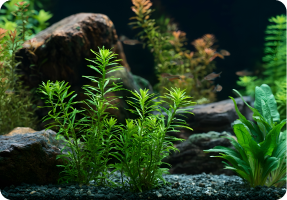
- Broad Leaf Ludwigia
- Colorful stem plant with green to reddish leaves. Easy to grow with good lighting.
- Other Easy Plants
- Java Moss, Cryptocoryne, Water Wisteria, Dwarf Sagittaria
Handling Your Aquatic Plants
Behavior & Handling
- Rinse plants gently before planting to remove any loose debris.
- Plant root feeders in the substrate; attach epiphytes (like Java Fern) to driftwood or rocks—do not bury the rhizome.
- Trim regularly to encourage healthy growth and prevent shade issues.
- Remove dead or yellowing leaves to keep water clean.
- Provide enough space for plants to grow and thrive.
Common Health Problems
Aquatic Plants Health and Well-being
Safety
- Live plants are safe for fish, shrimp and most invertebrates.
- They help improve water quality by absorbing nitrates and providing oxygen.
- Avoid using household fertilizers or plant treatments not intended for aquariums.
- Be cautious with pesticides or chemicals—always remove plants and replace carbon before returning to the tank.
93 Results
93 Results
No products found for selected filters. Please try with different filters.
Showing 0 of 0
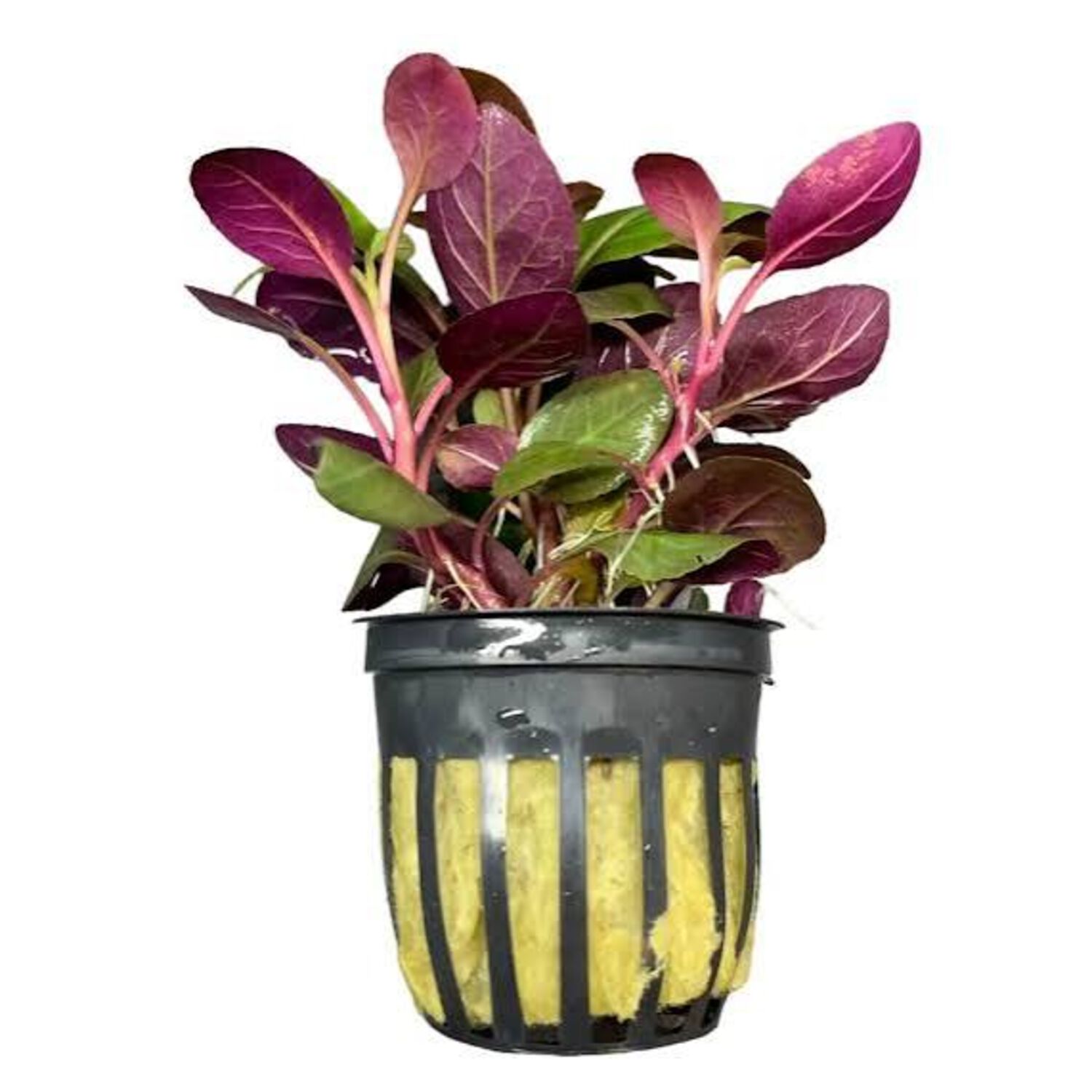
Cardinal Plant Potted
$5.99
*Price and in-stock availability vary by store
LIVE PET
Details
Request a Call
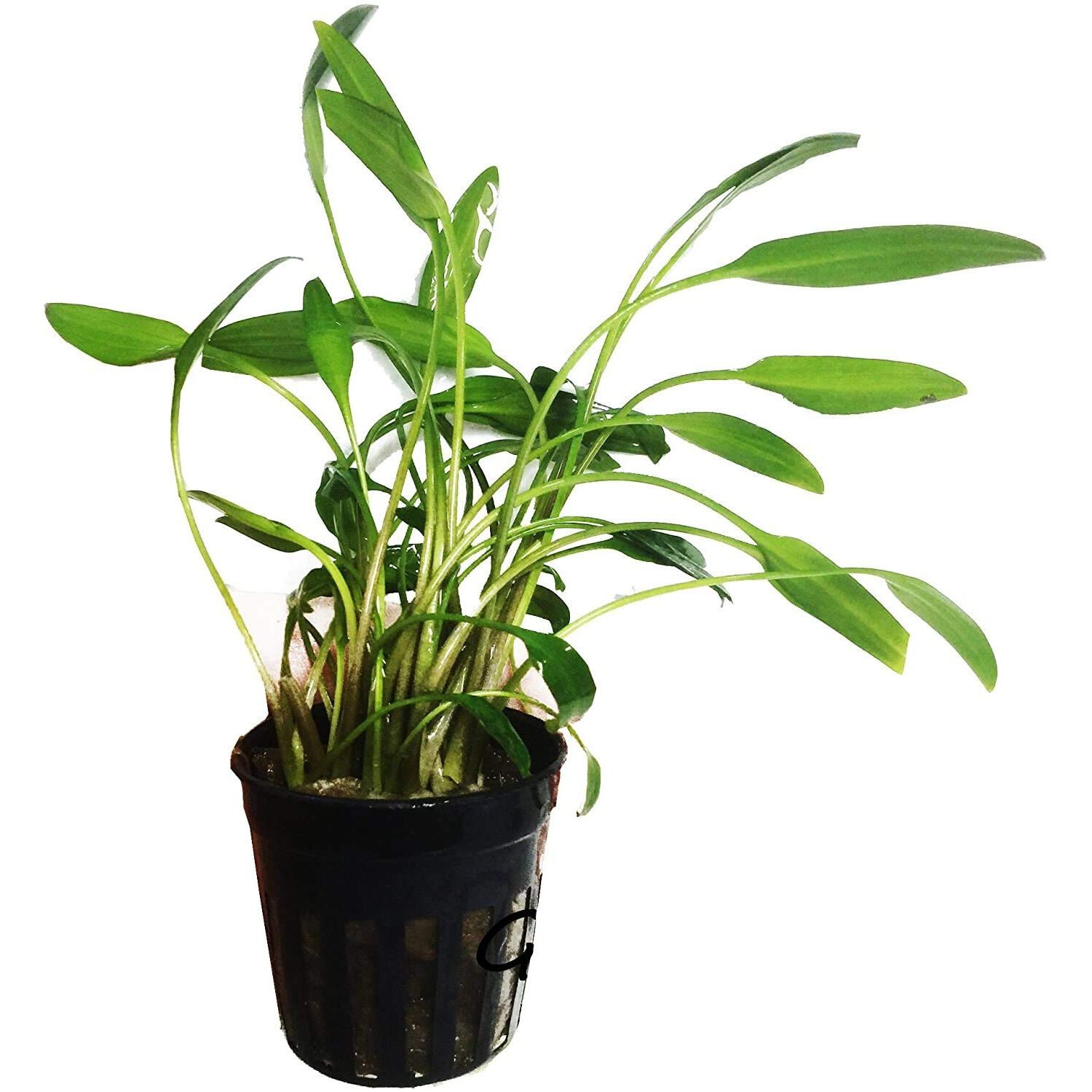
C. Lutea Potted
$6.99
*Price and in-stock availability vary by store
LIVE PET
Details
Request a Call
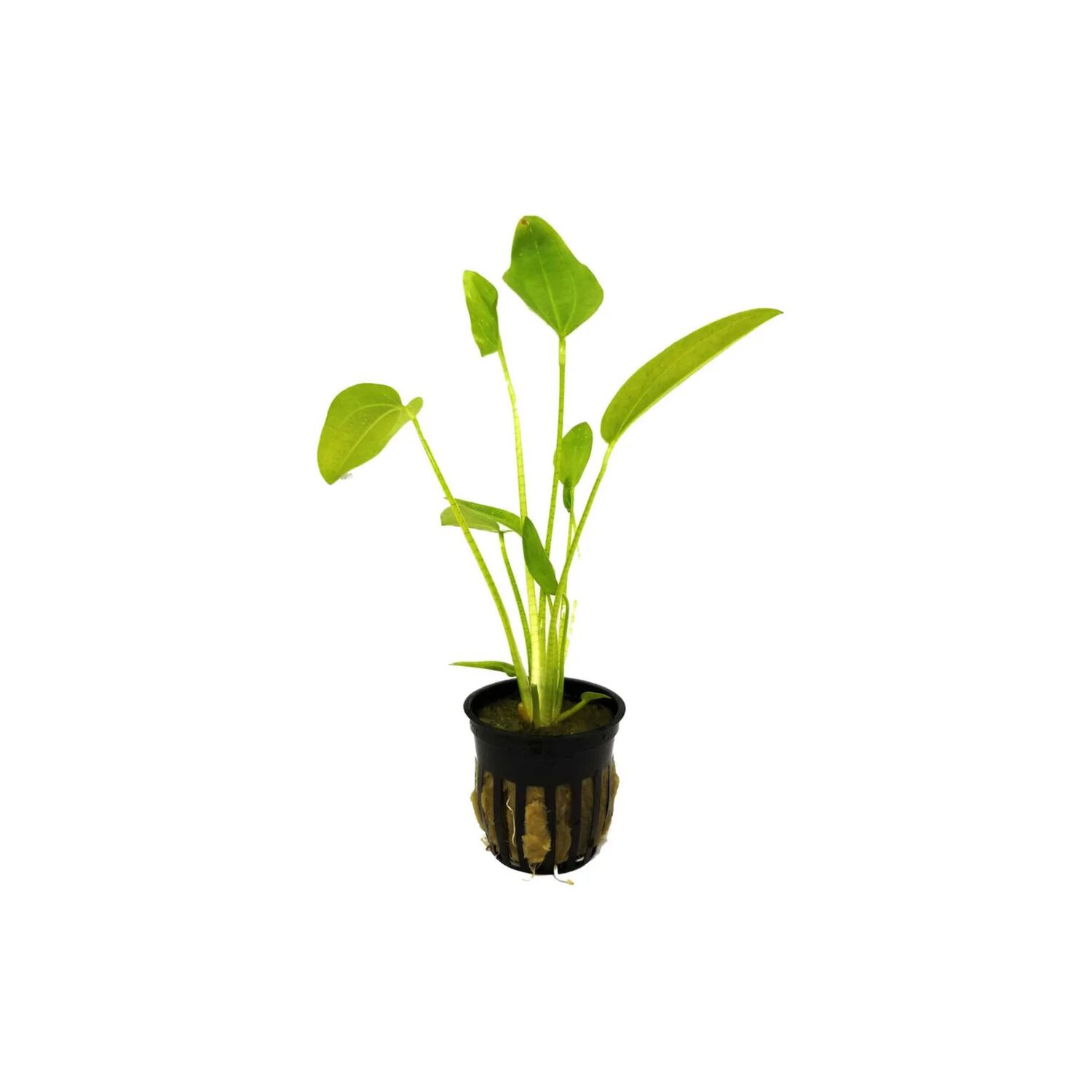
Medium Radican Sword
$5.49
*Price and in-stock availability vary by store
LIVE PET
Details
Request a Call
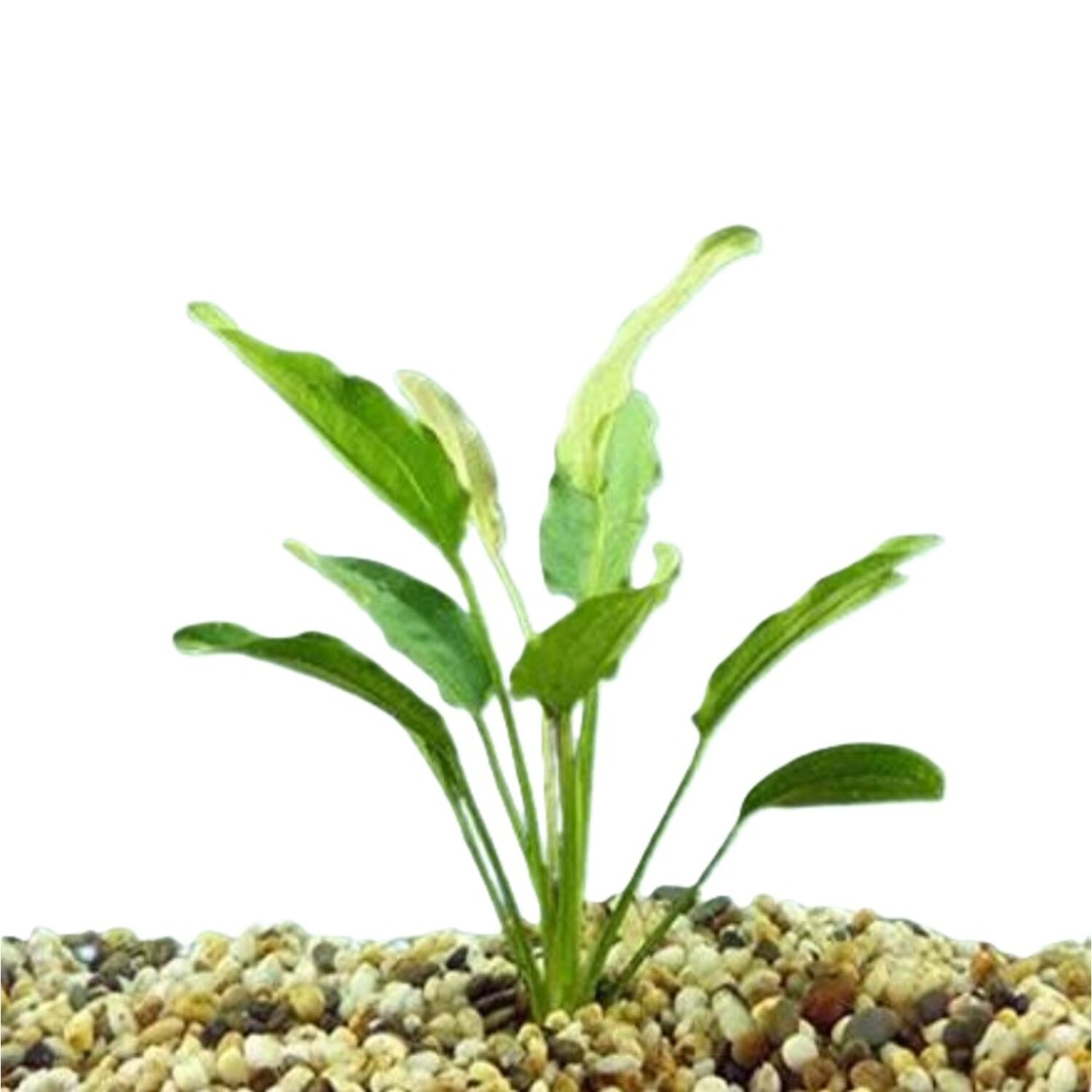
Small Oriental Sword
$3.99
*Price and in-stock availability vary by store
LIVE PET
Details
Request a Call
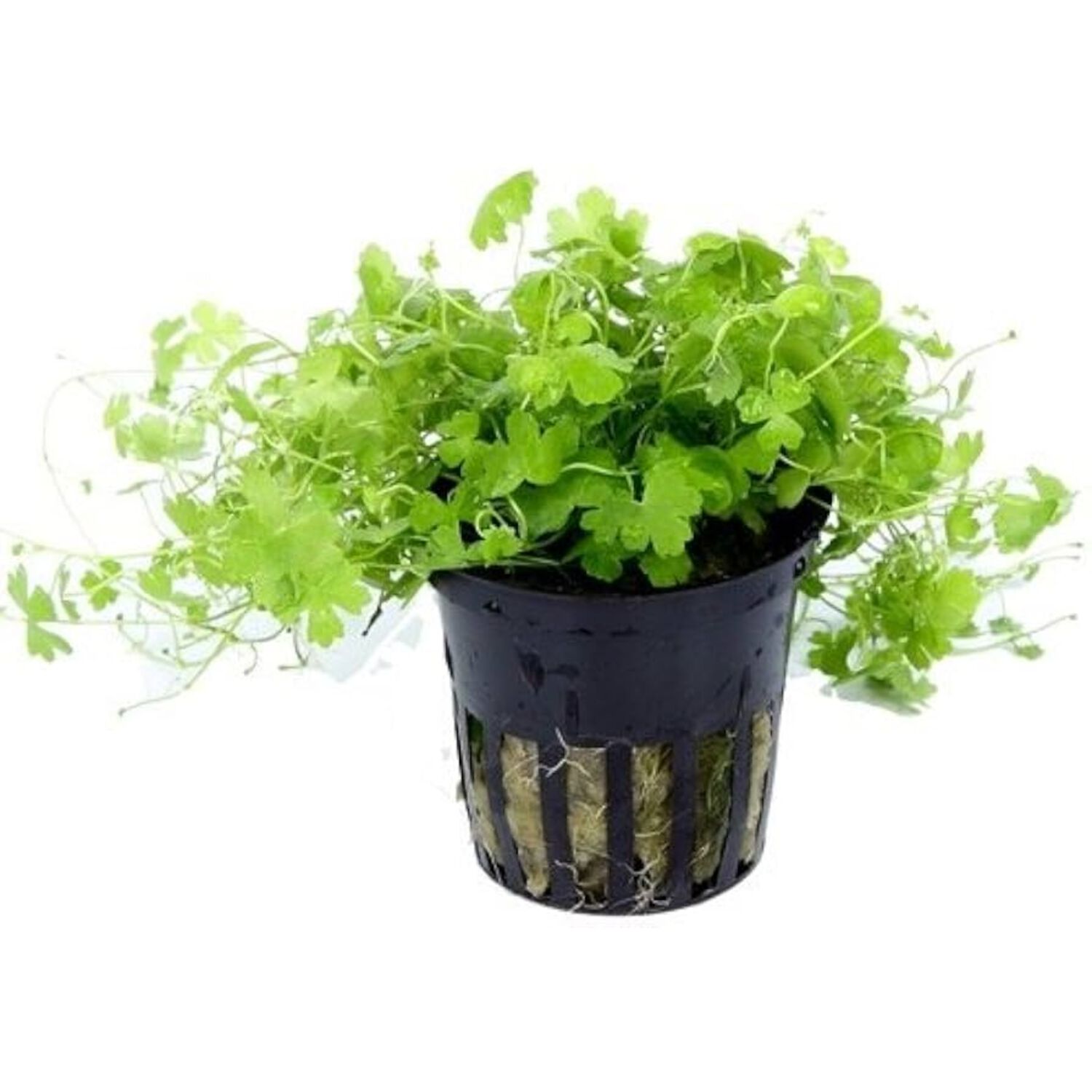
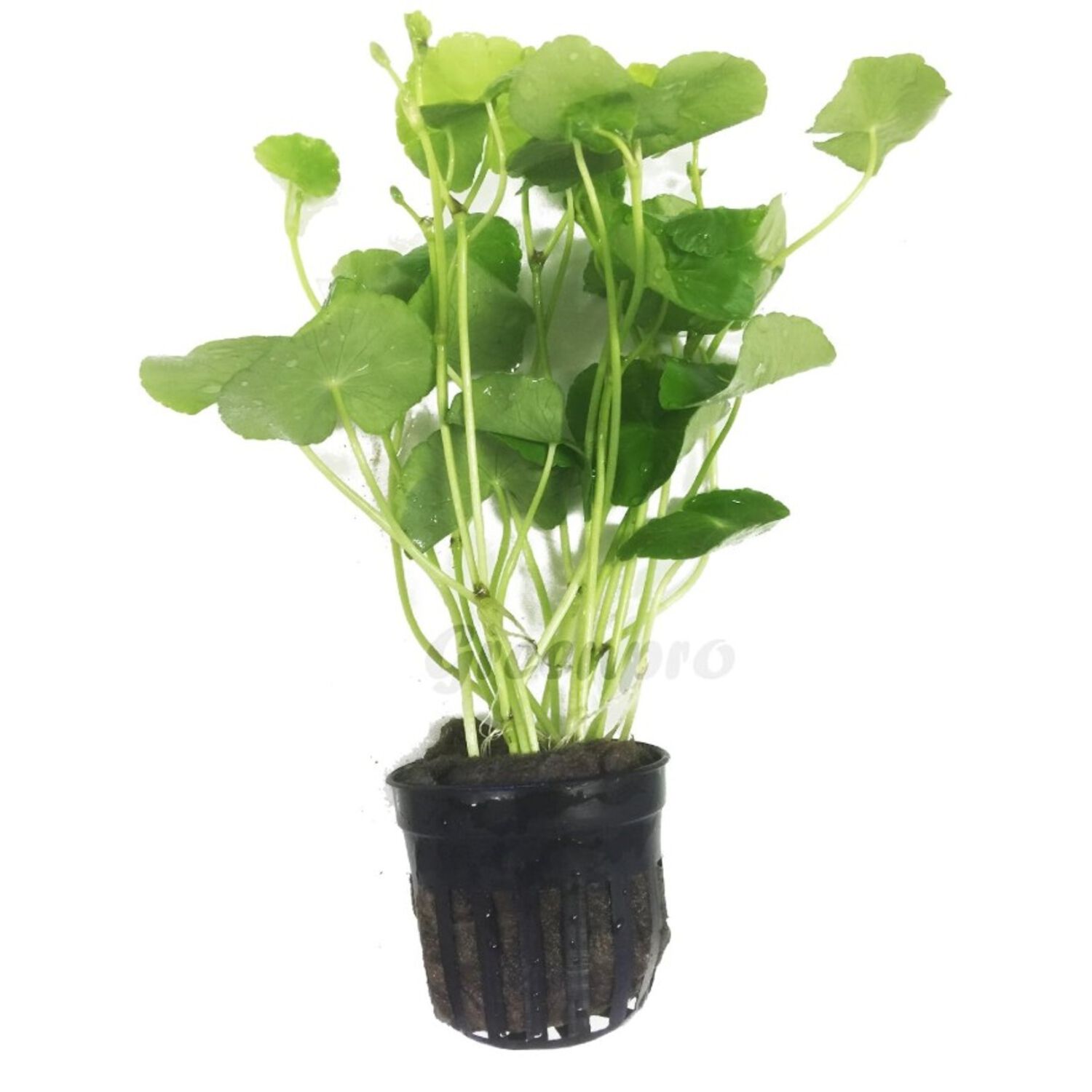
Hydrocotyle Japan Potted
$5.99
*Price and in-stock availability vary by store
LIVE PET
Details
Request a Call
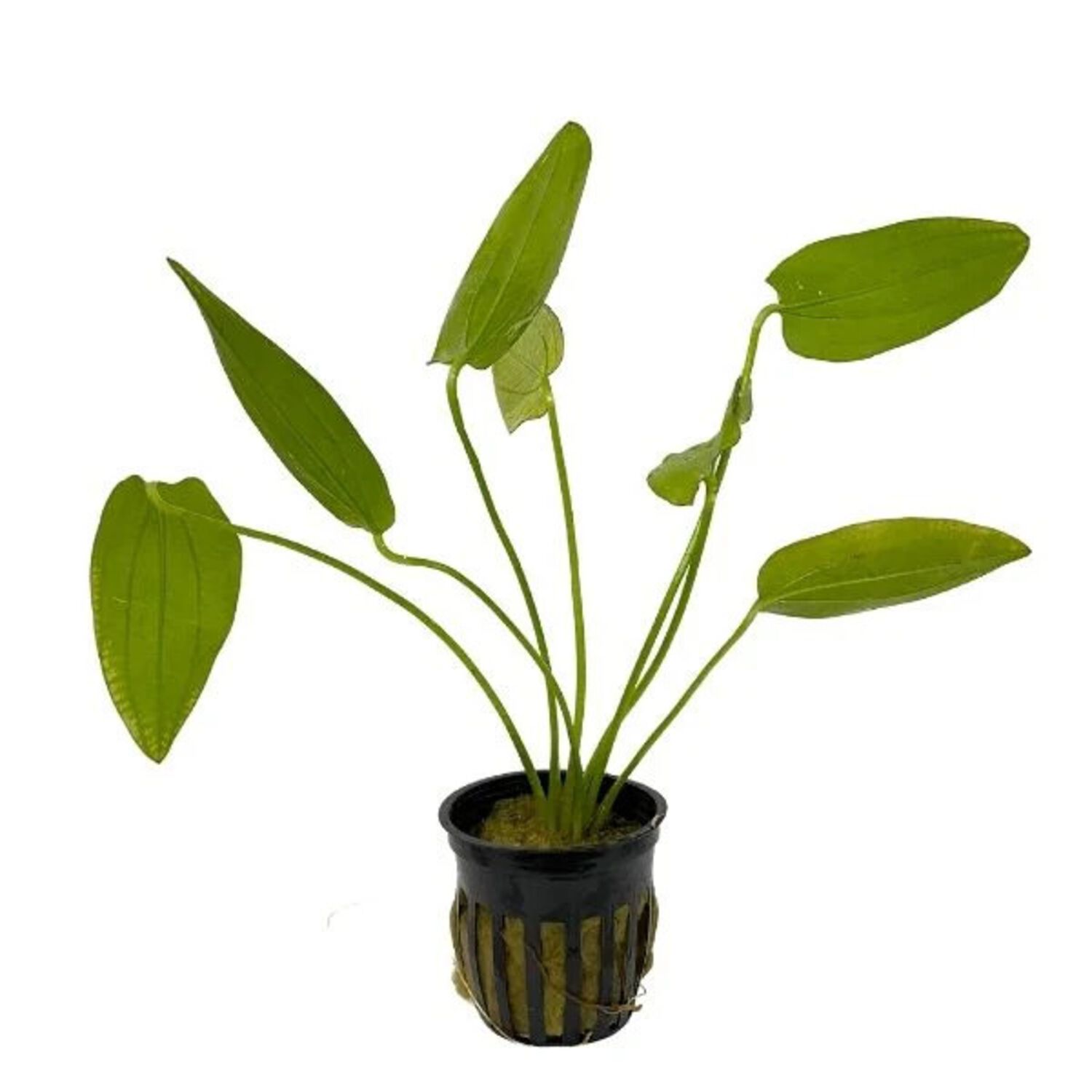
Medium Oriental Sword
$6.99
*Price and in-stock availability vary by store
LIVE PET
Details
Request a Call
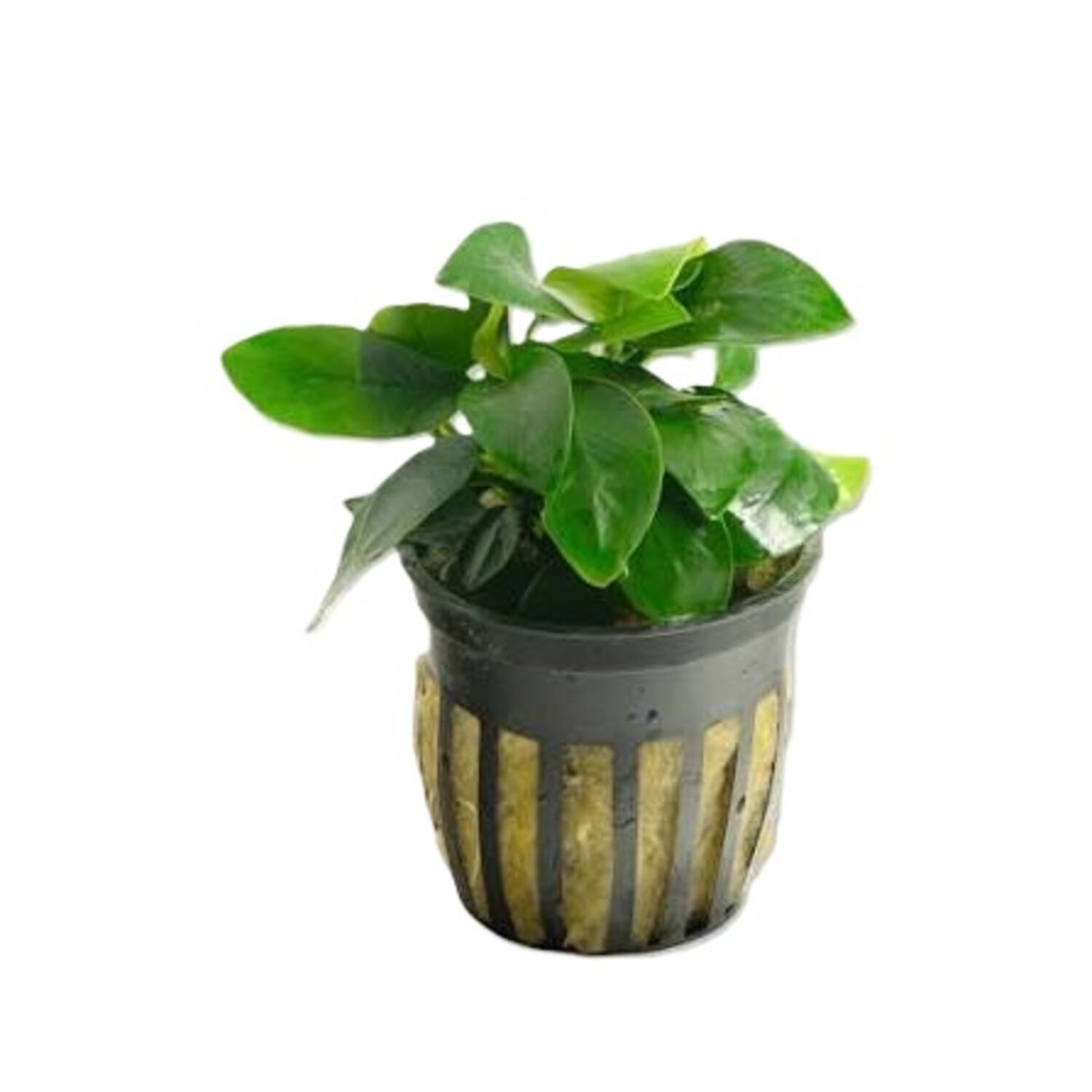
Anubias Nana Potted
$14.99
*Price and in-stock availability vary by store
LIVE PET
Details
Request a Call
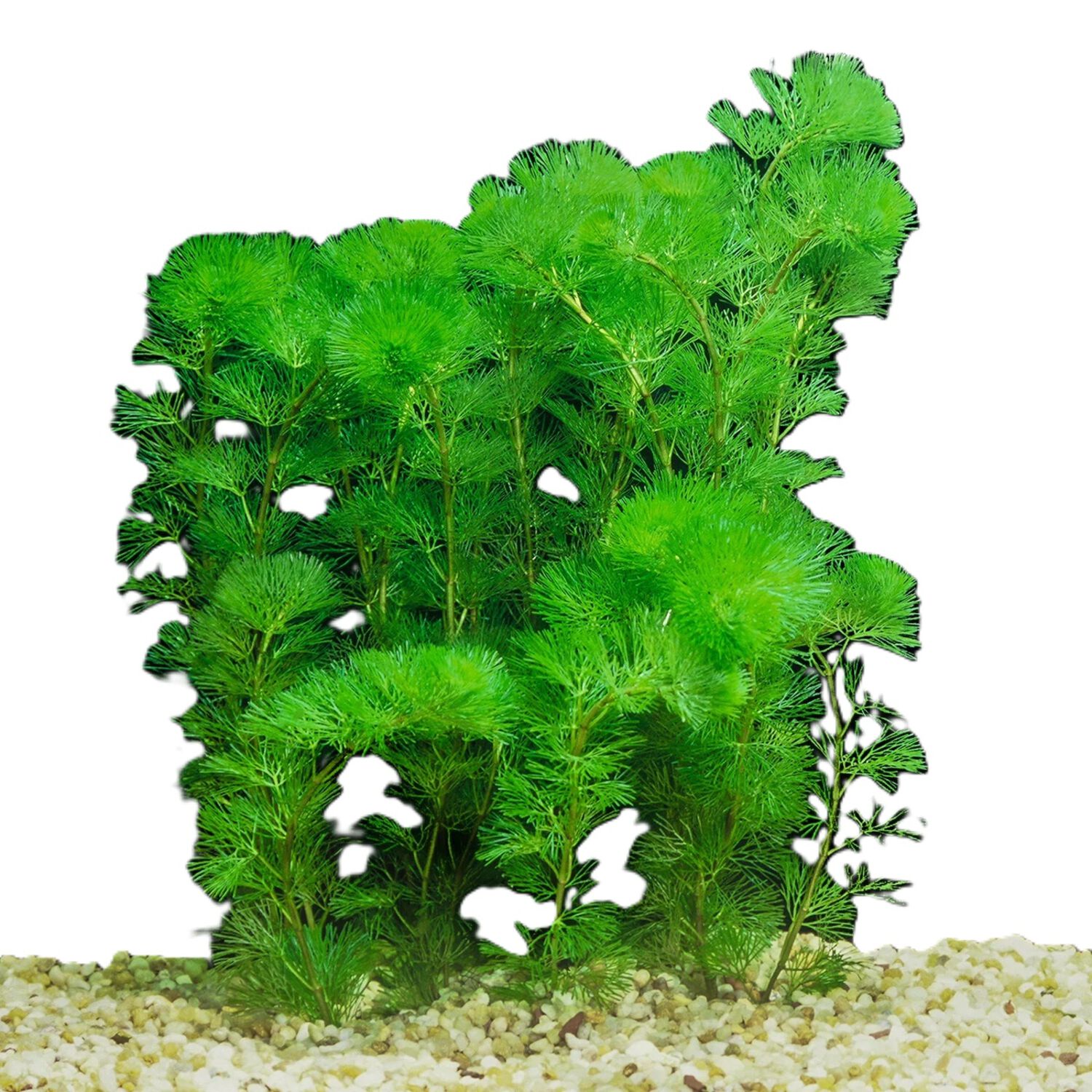
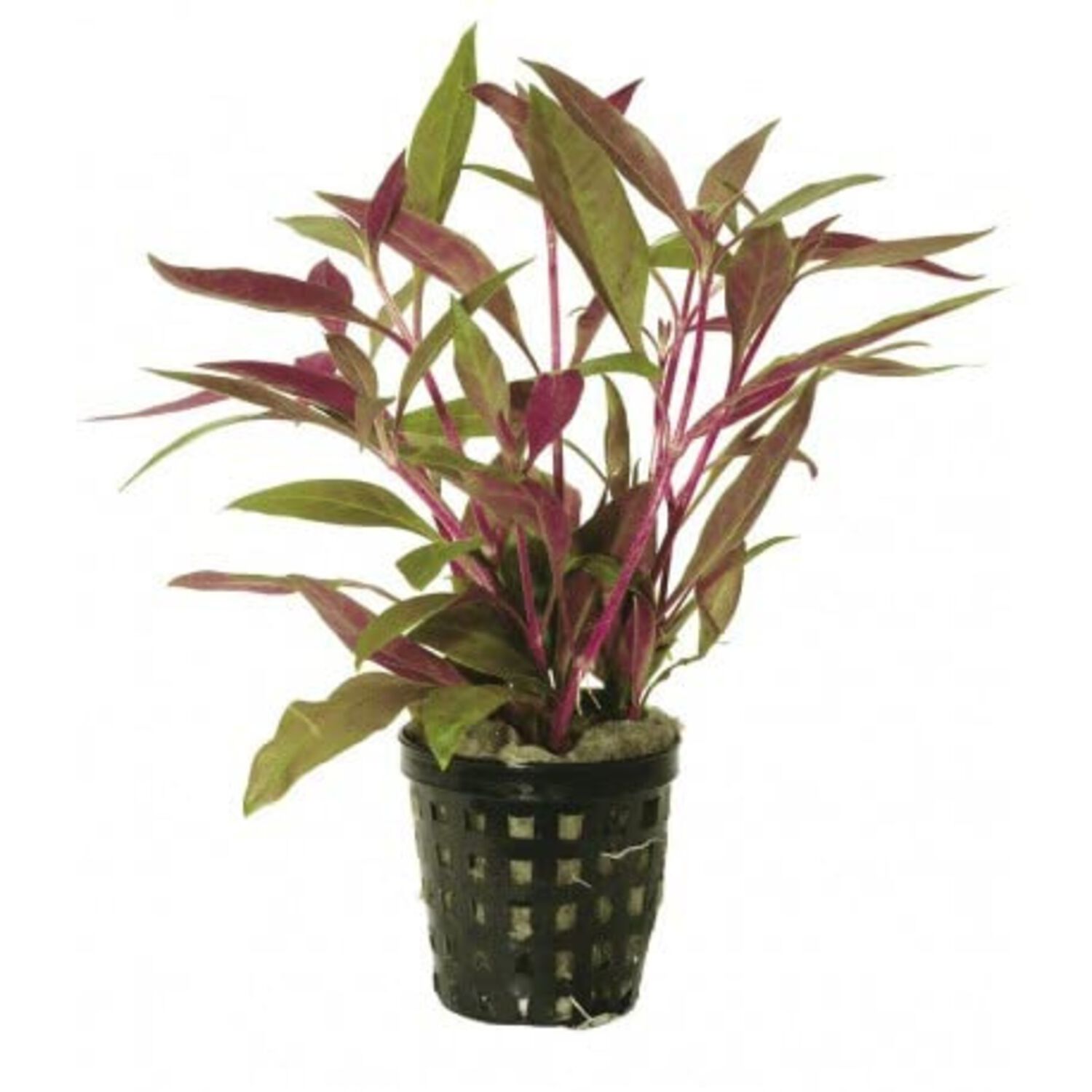
Telanthera Potted
$5.99
*Price and in-stock availability vary by store
LIVE PET
Details
Request a Call
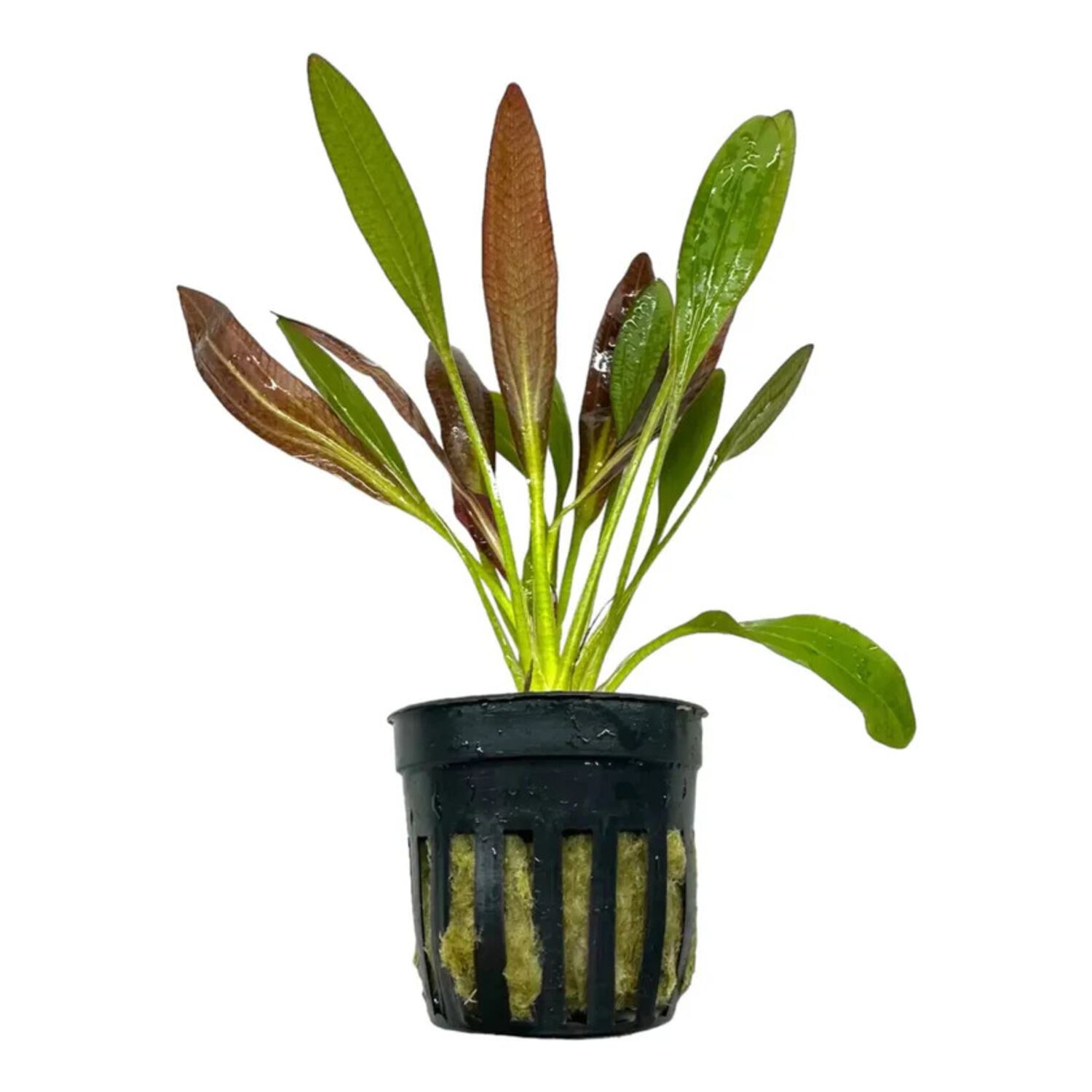
Red Rubin Potted
$5.99
*Price and in-stock availability vary by store
LIVE PET
Details
Request a Call
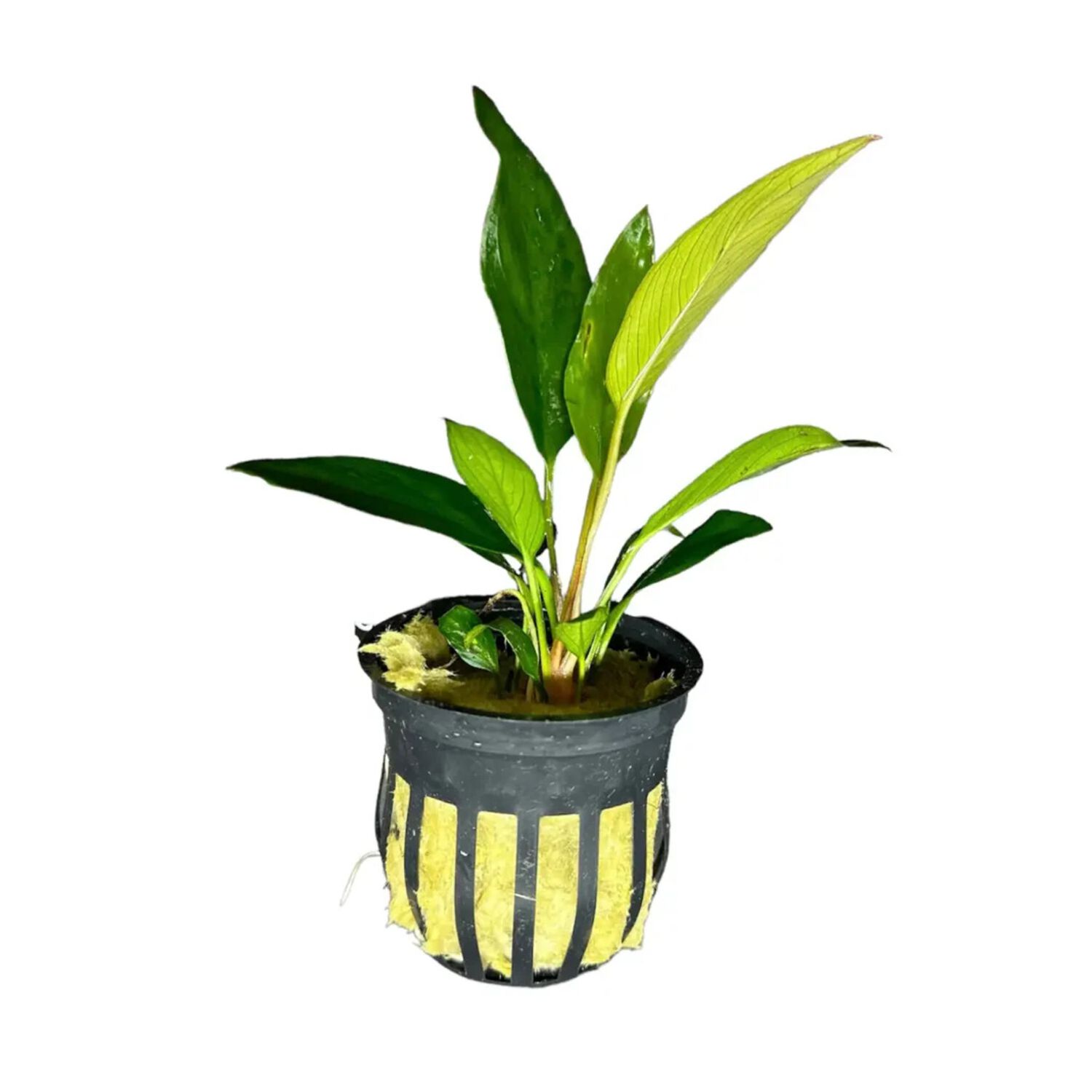
Anubias Frazeri Potted
$14.99
*Price and in-stock availability vary by store
LIVE PET
Details
Request a Call
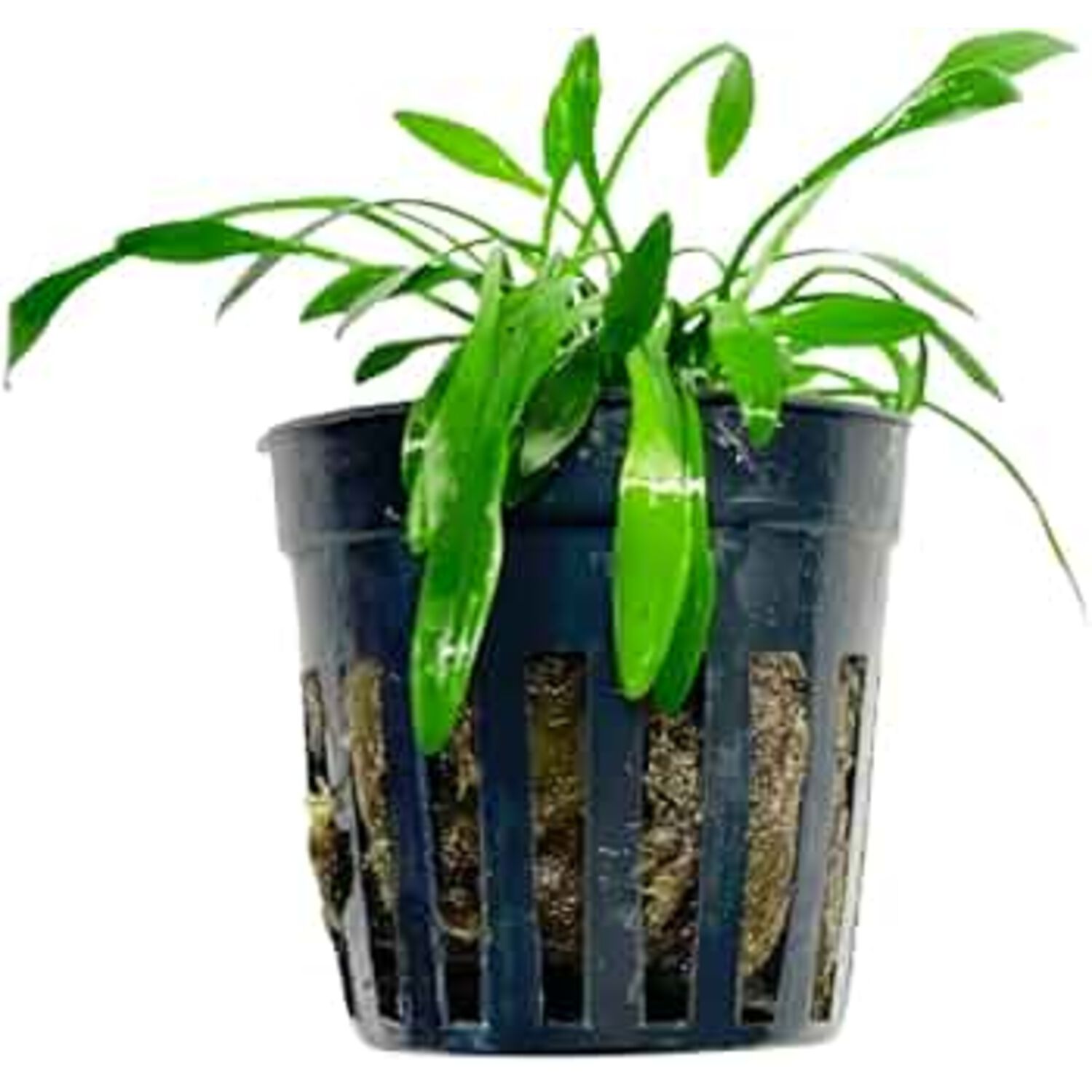
C. Parva Potted
$5.99
*Price and in-stock availability vary by store
LIVE PET
Details
Request a Call
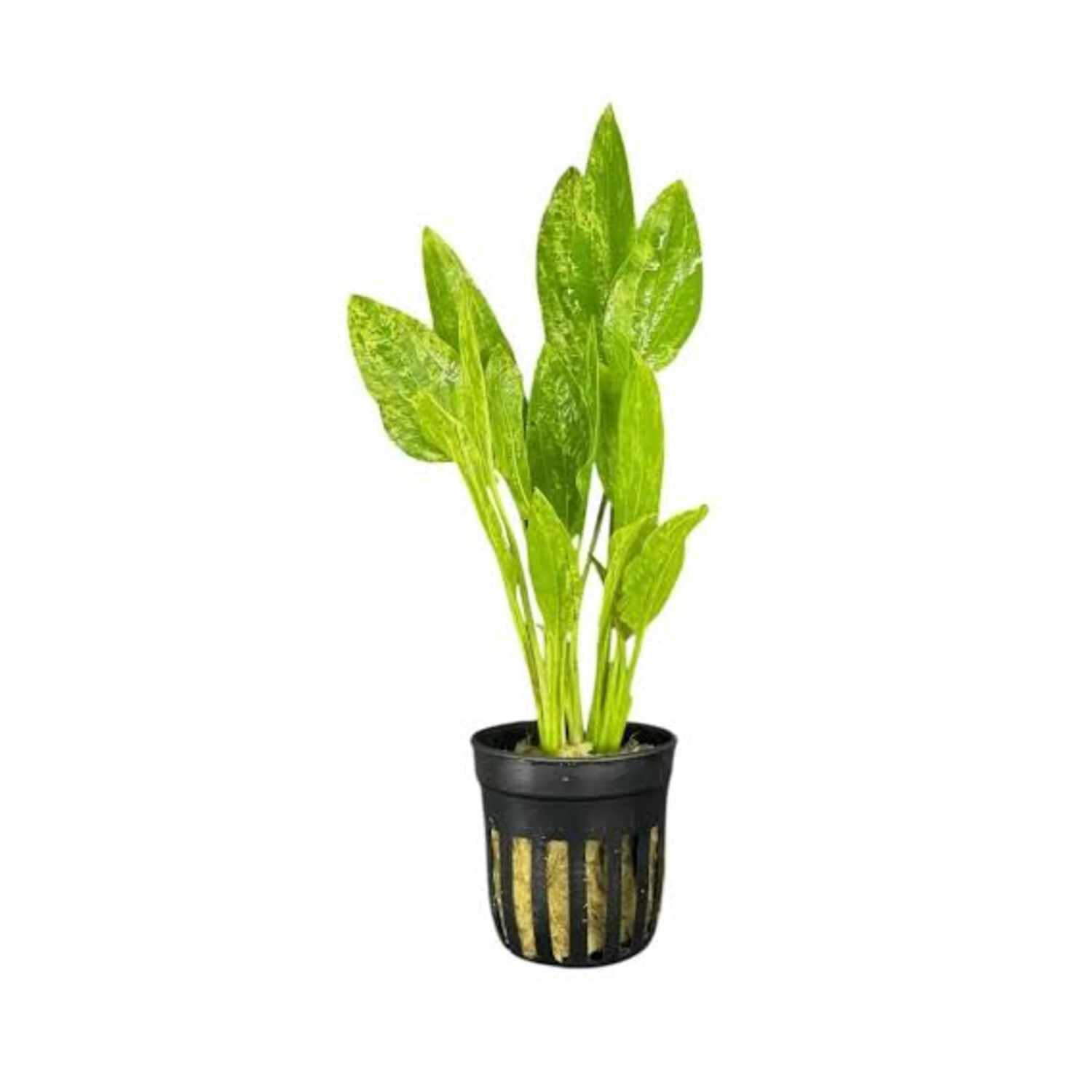
Radican, Marble Q Potted
$5.99
*Price and in-stock availability vary by store
LIVE PET
Details
Request a Call
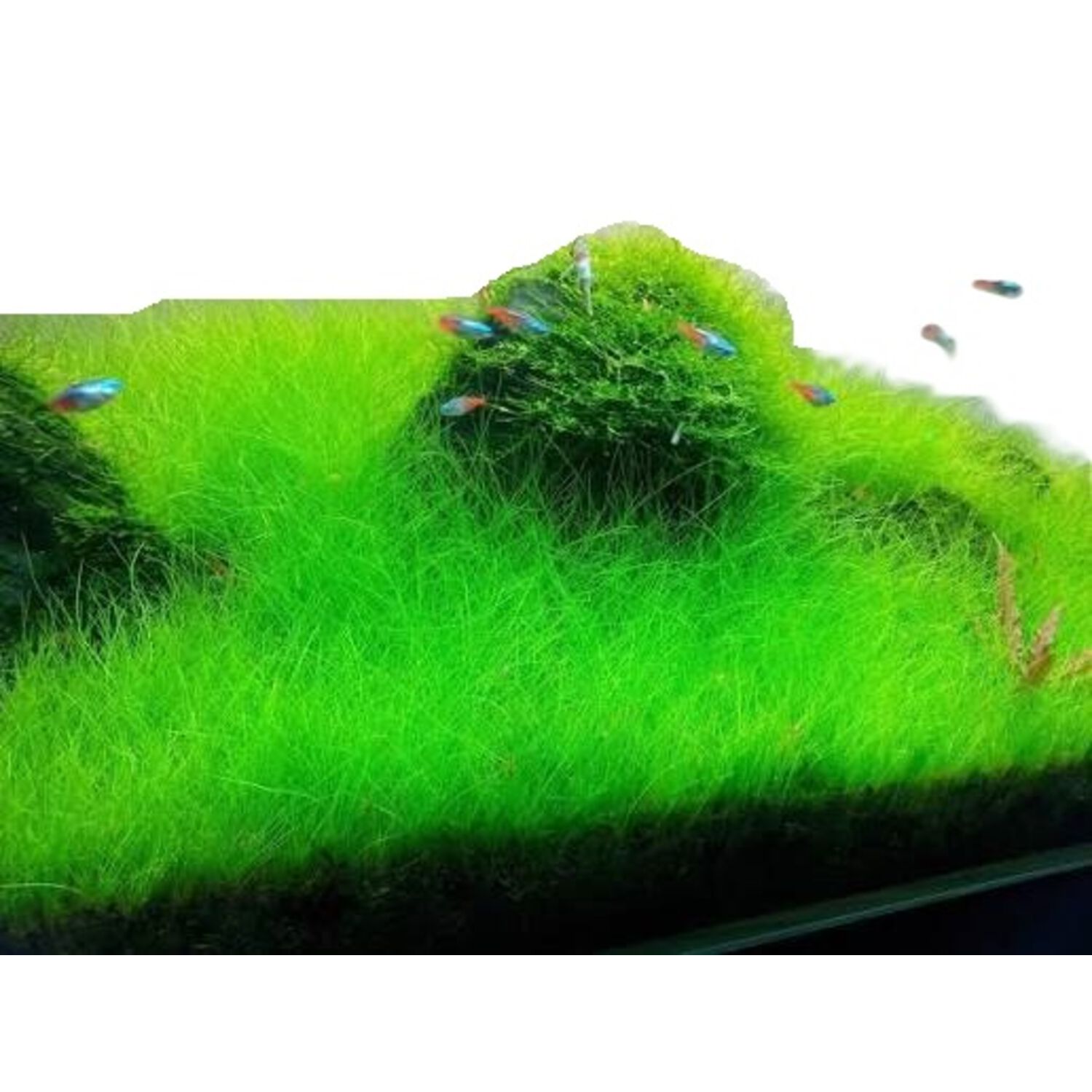
Foreground Plants On Mat
$7.99
*Price and in-stock availability vary by store
LIVE PET
Details
Request a Call
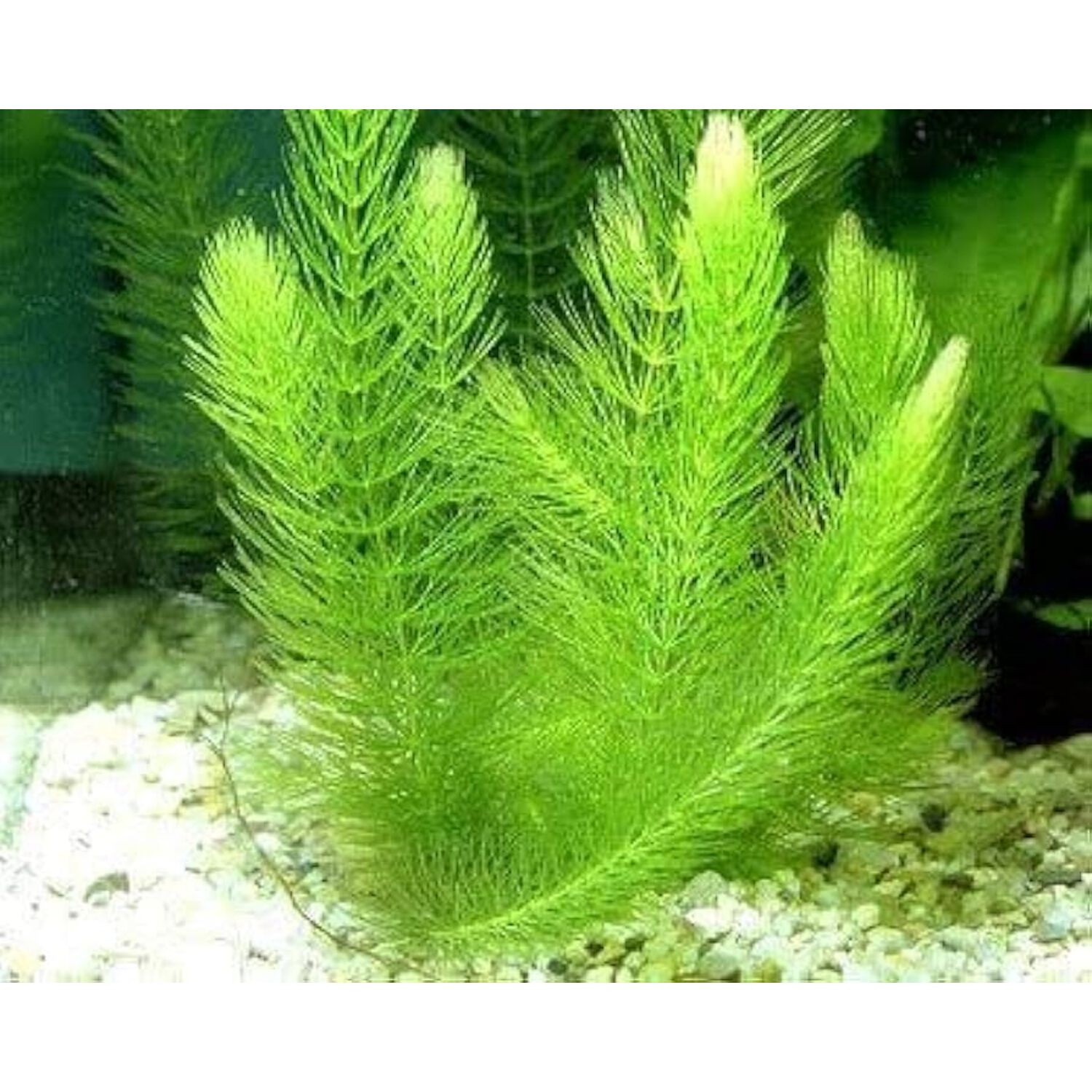
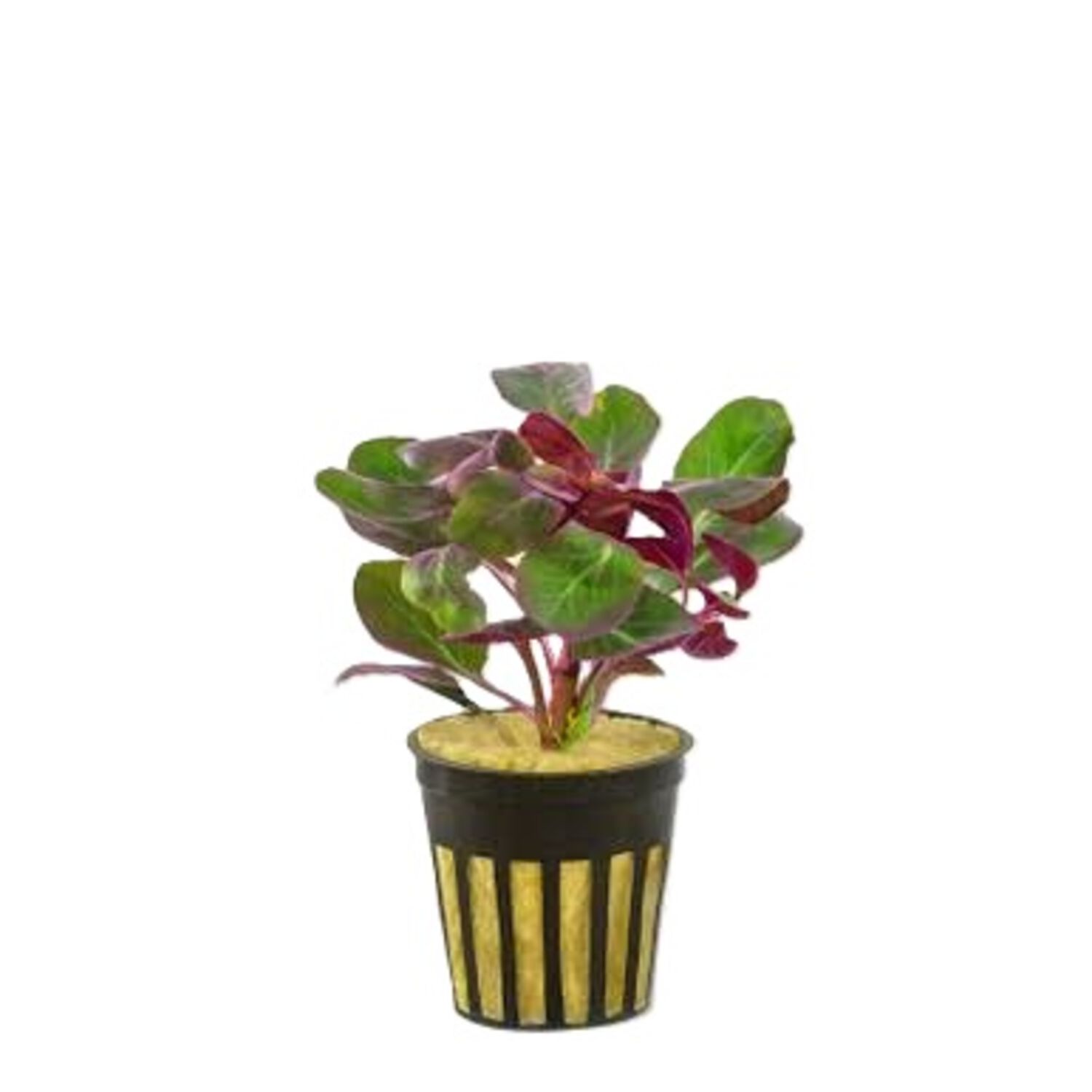
Cardinal Plant On Wood
$14.99
*Price and in-stock availability vary by store
LIVE PET
Details
Request a Call
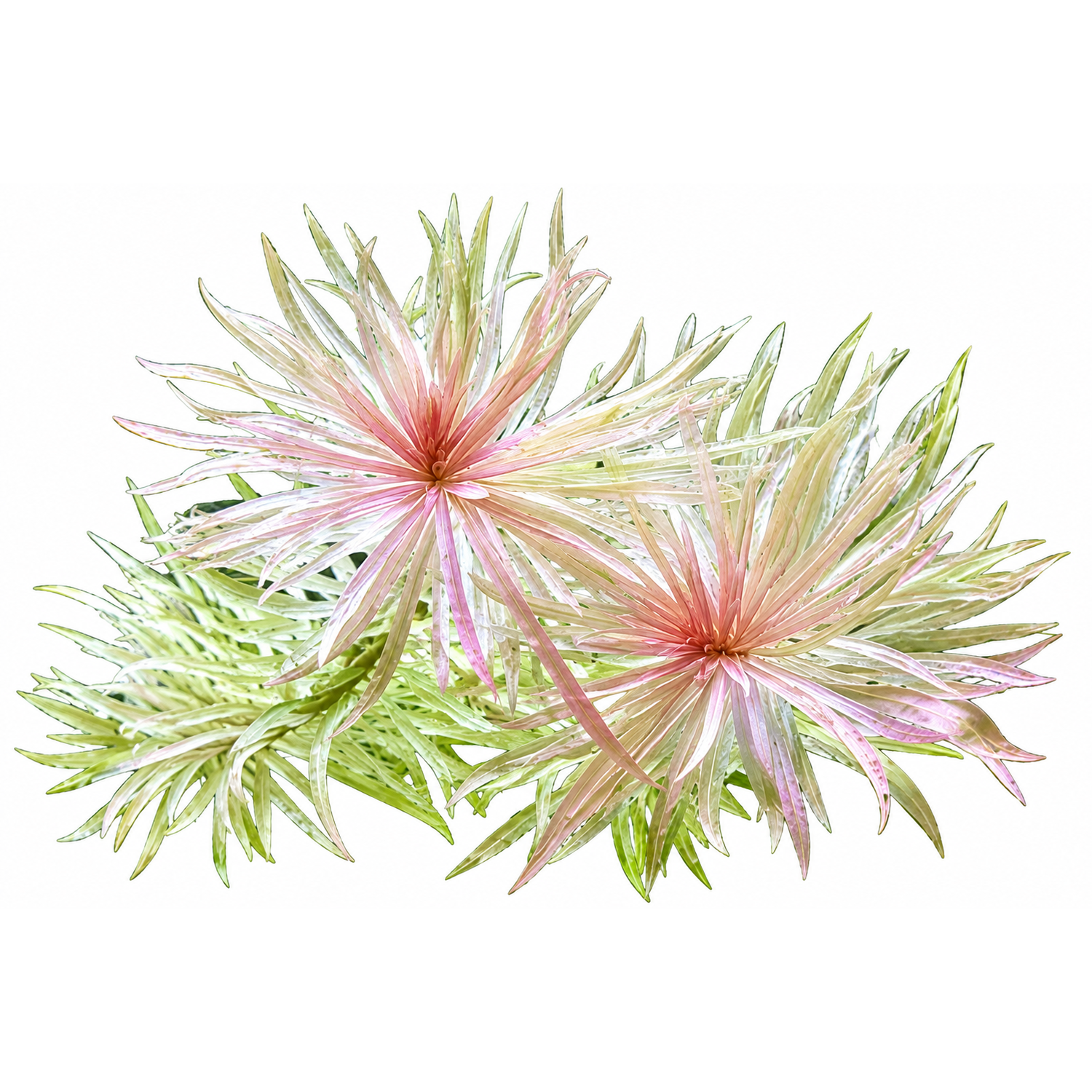
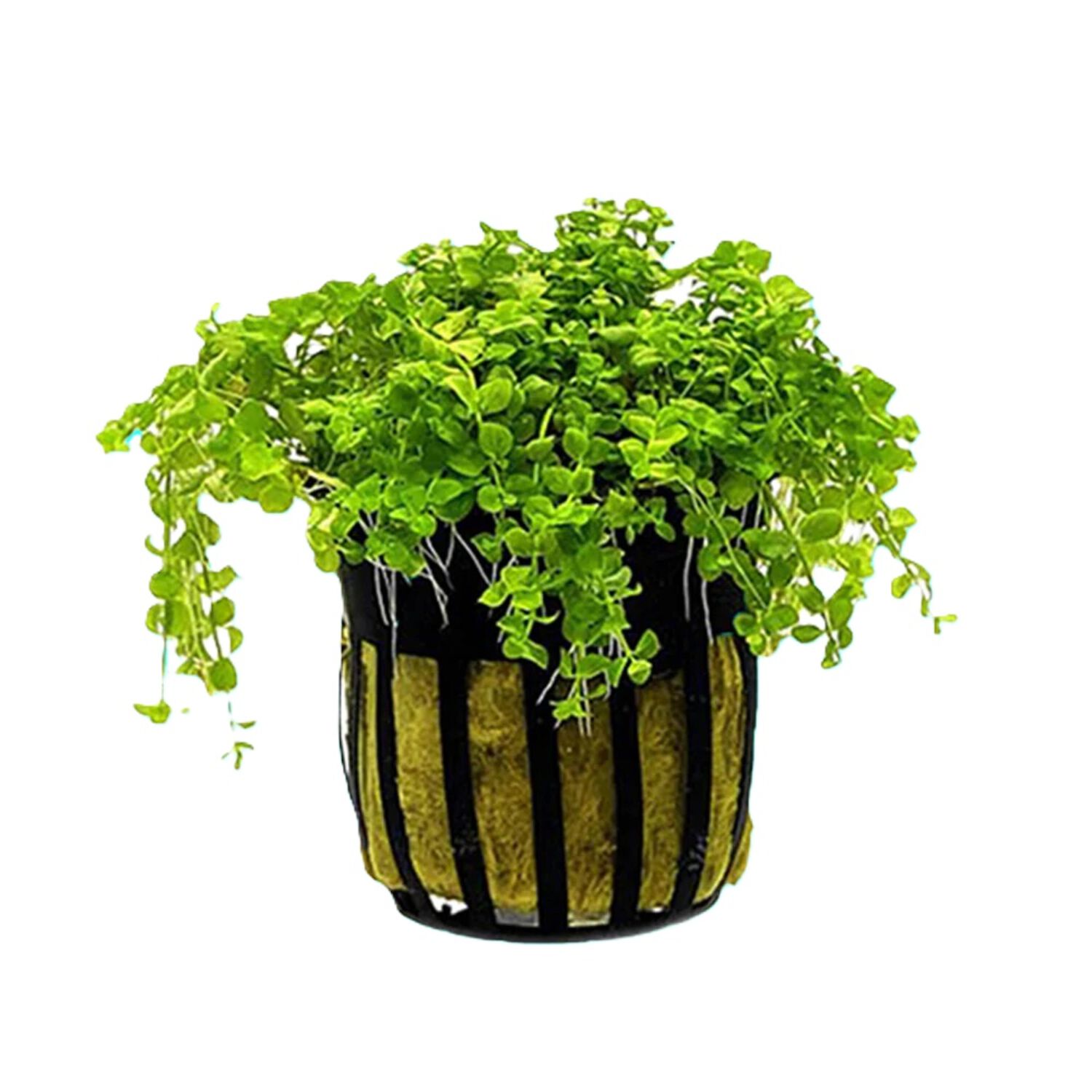
Micranthemum 'Monte
$5.99
*Price and in-stock availability vary by store
LIVE PET
Details
Request a Call
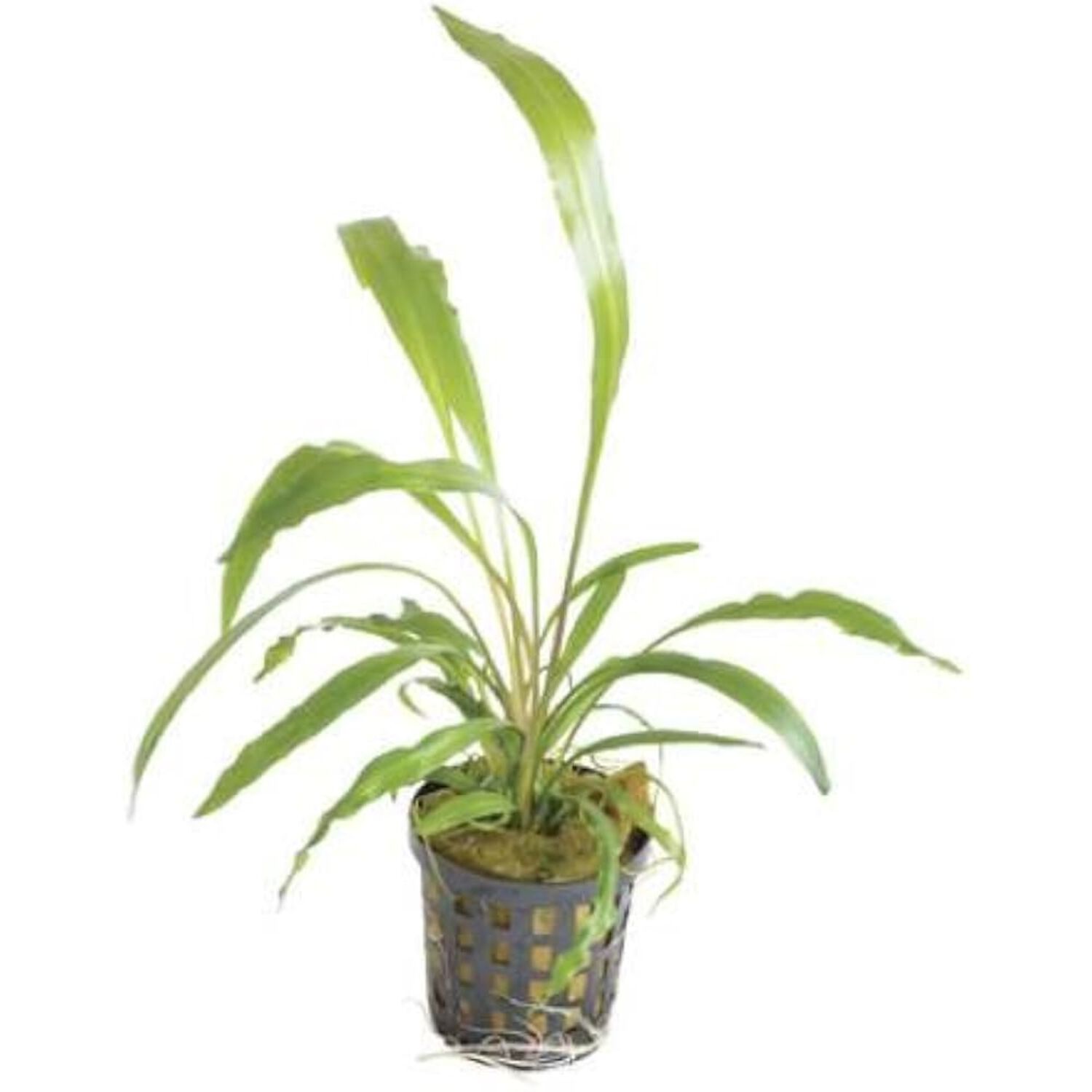
Cryptocoryne Spiralis
$9.49
*Price and in-stock availability vary by store
LIVE PET
Details
Request a Call
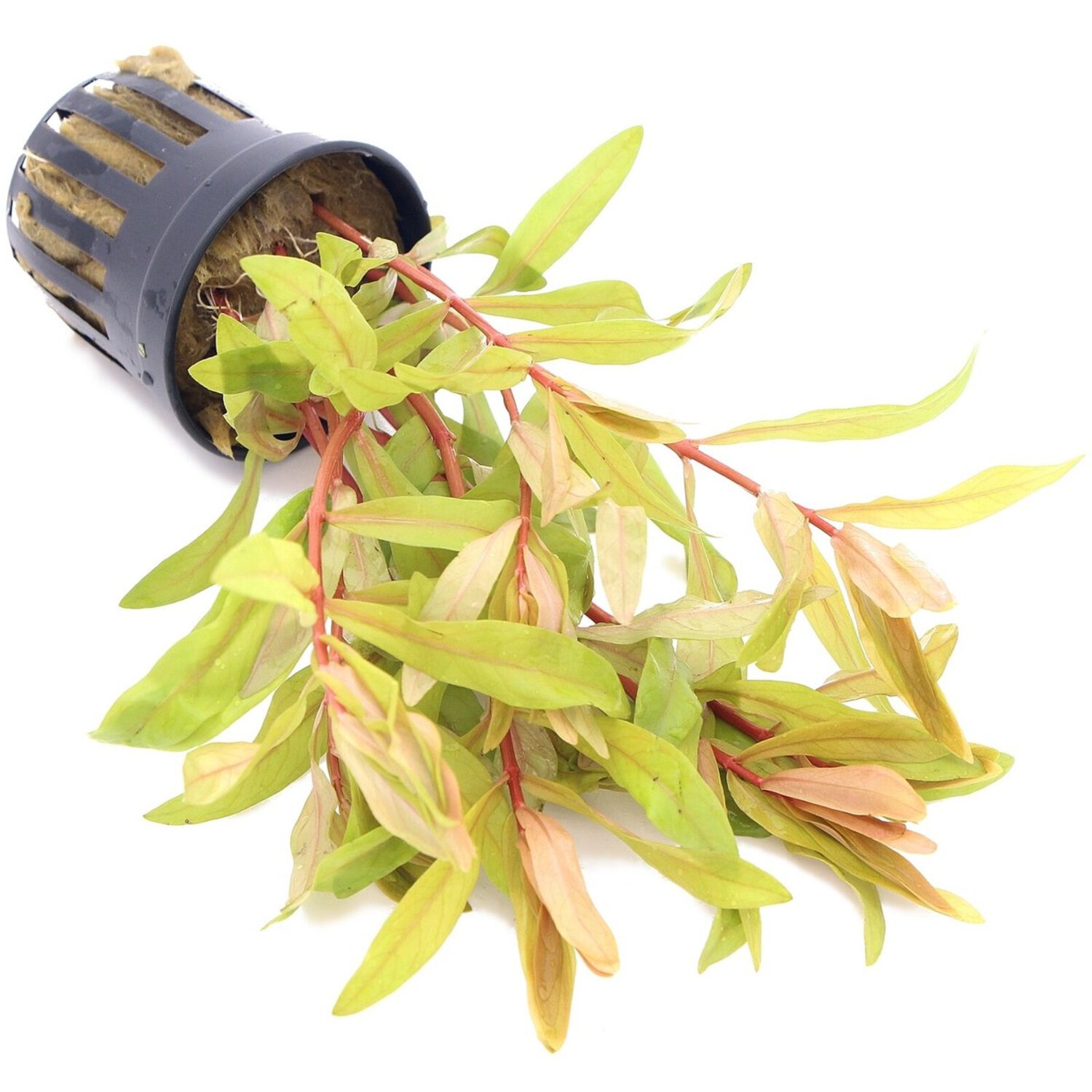
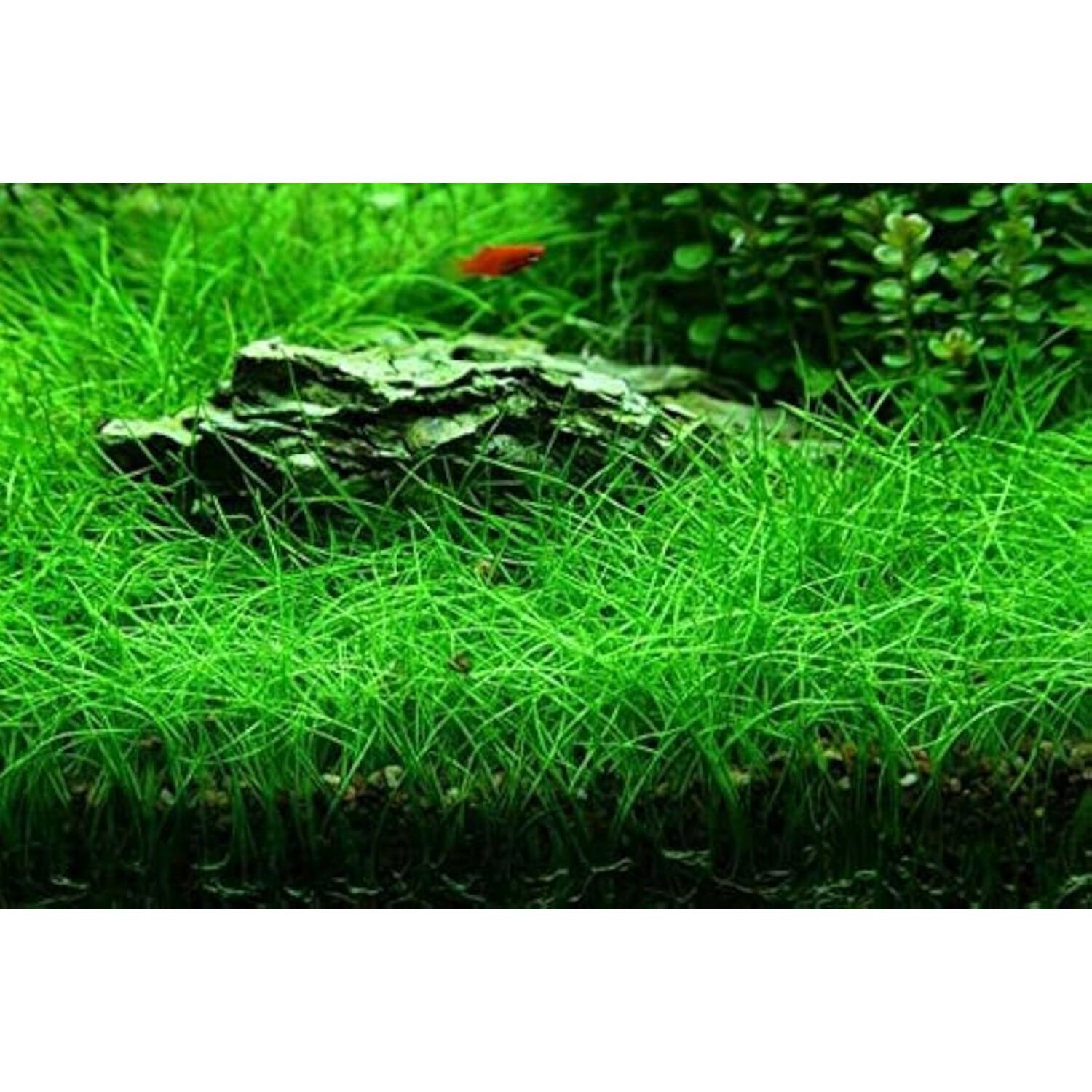
Hairgrass, Dwarf
$6.99
*Price and in-stock availability vary by store
LIVE PET
Details
Request a Call
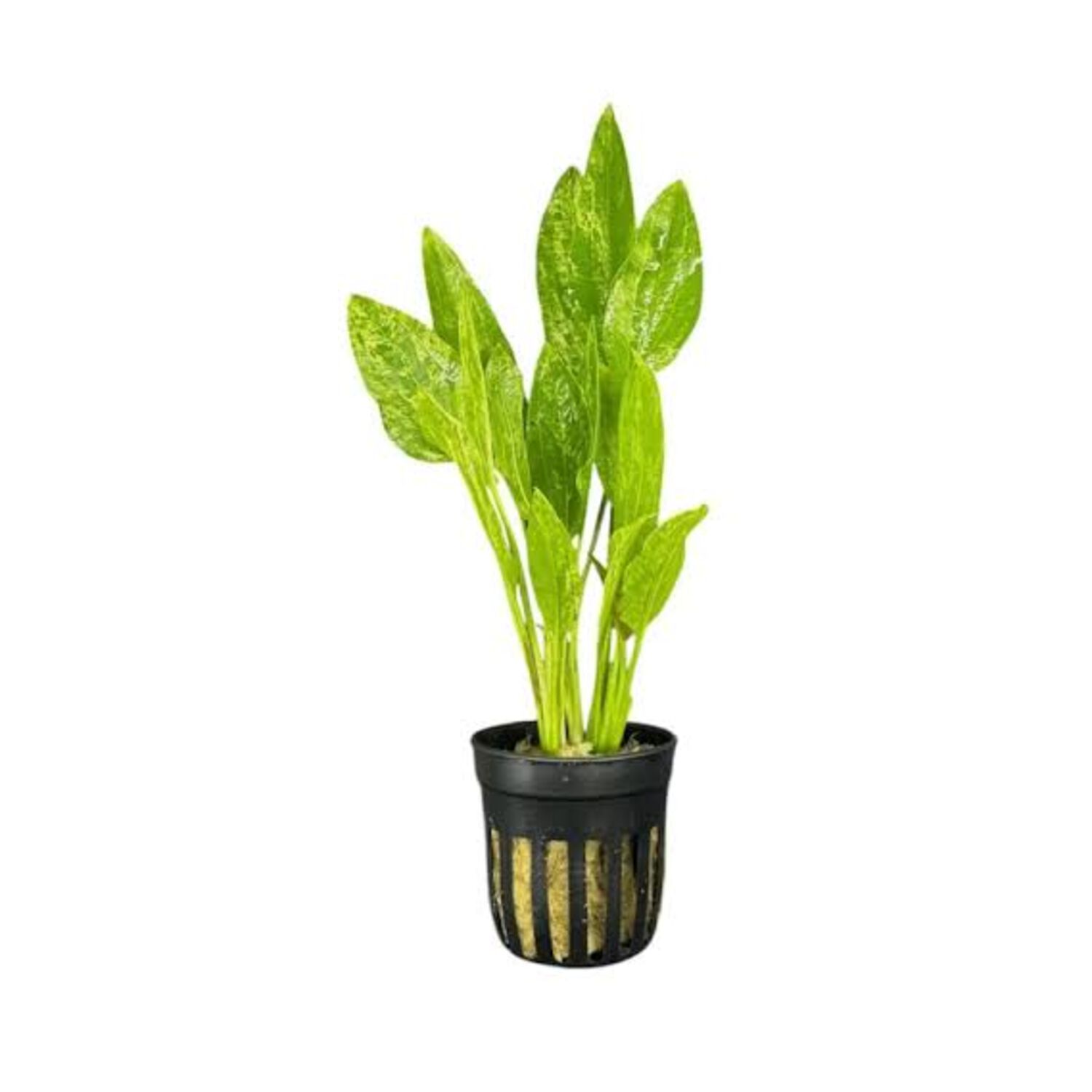
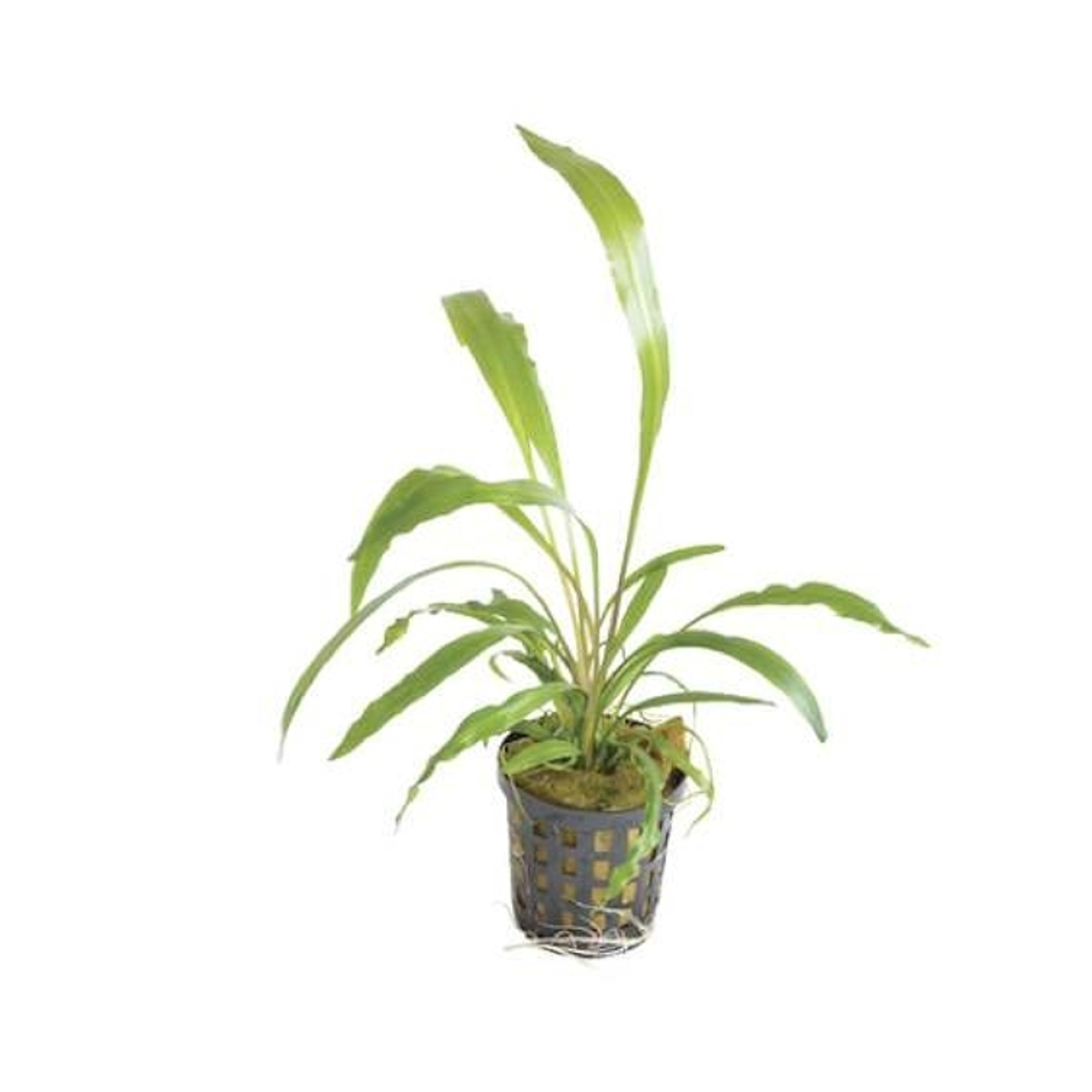
C. Spiralis Potted
$5.99
*Price and in-stock availability vary by store
LIVE PET
Details
Request a Call
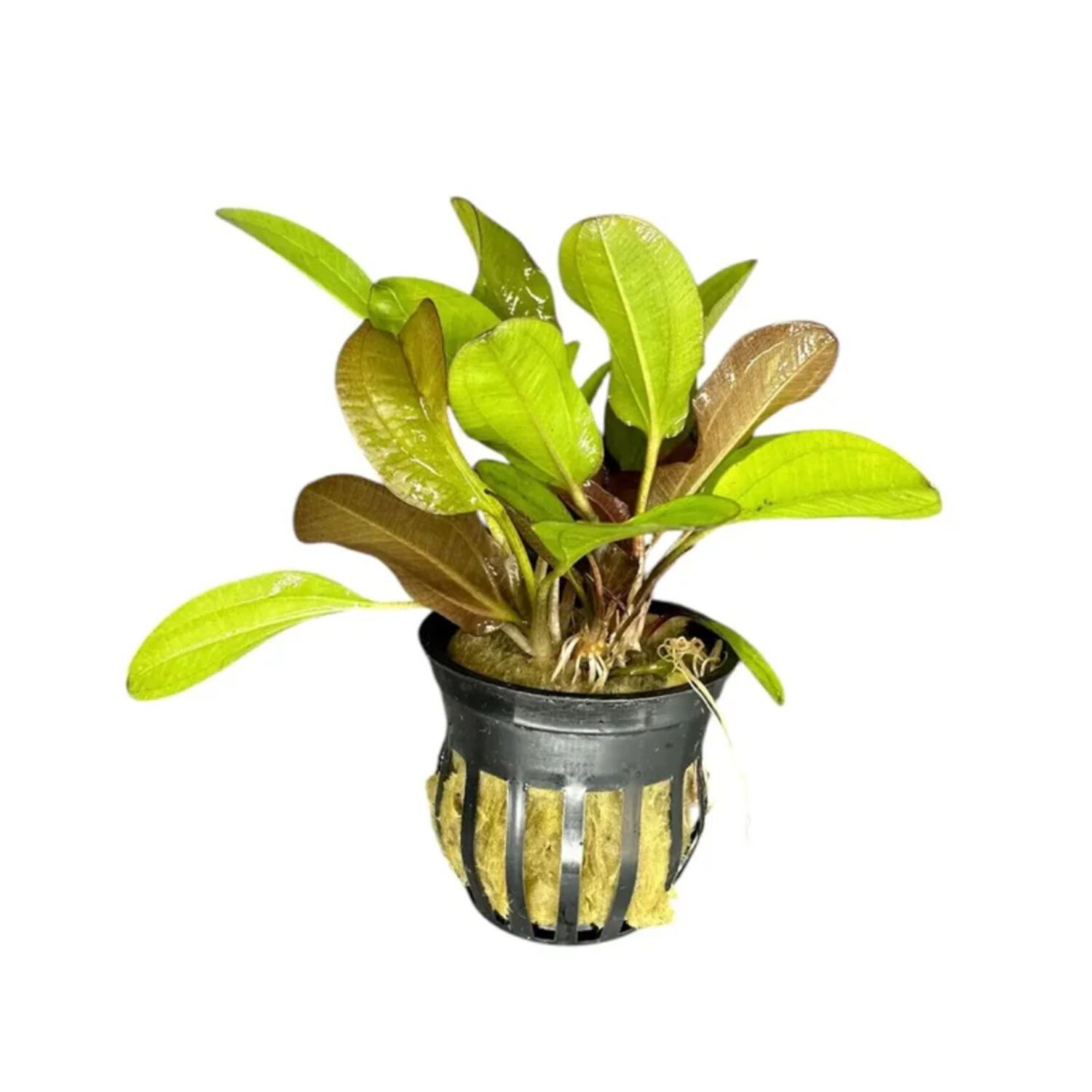
Kleiner Bared Potted
$5.99
*Price and in-stock availability vary by store
LIVE PET
Details
Request a Call
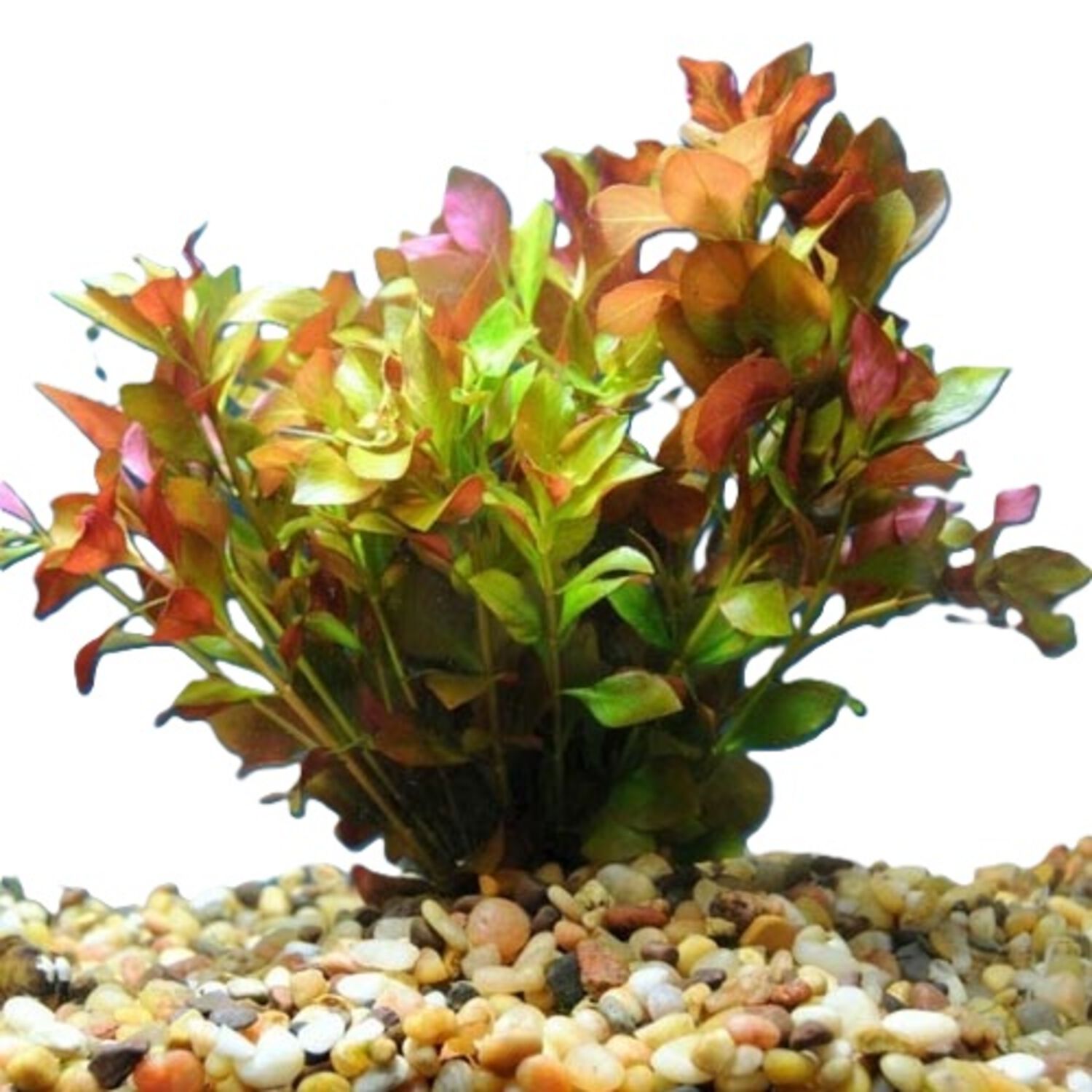
Broad Leaf Ludwigia
$3.49
*Price and in-stock availability vary by store
LIVE PET
Details
Request a Call
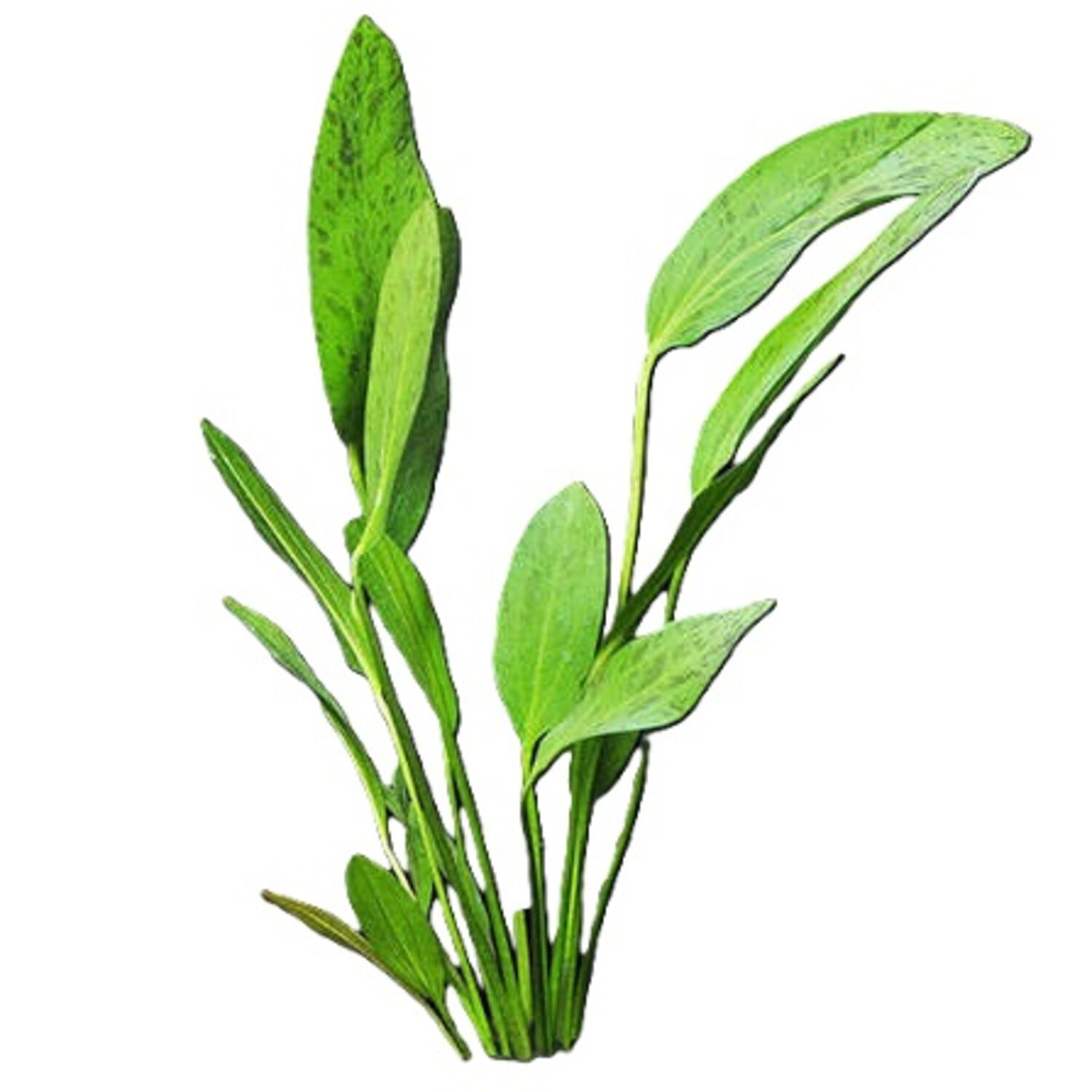
Small Ozelot Sword
$3.99
*Price and in-stock availability vary by store
LIVE PET
Details
Request a Call
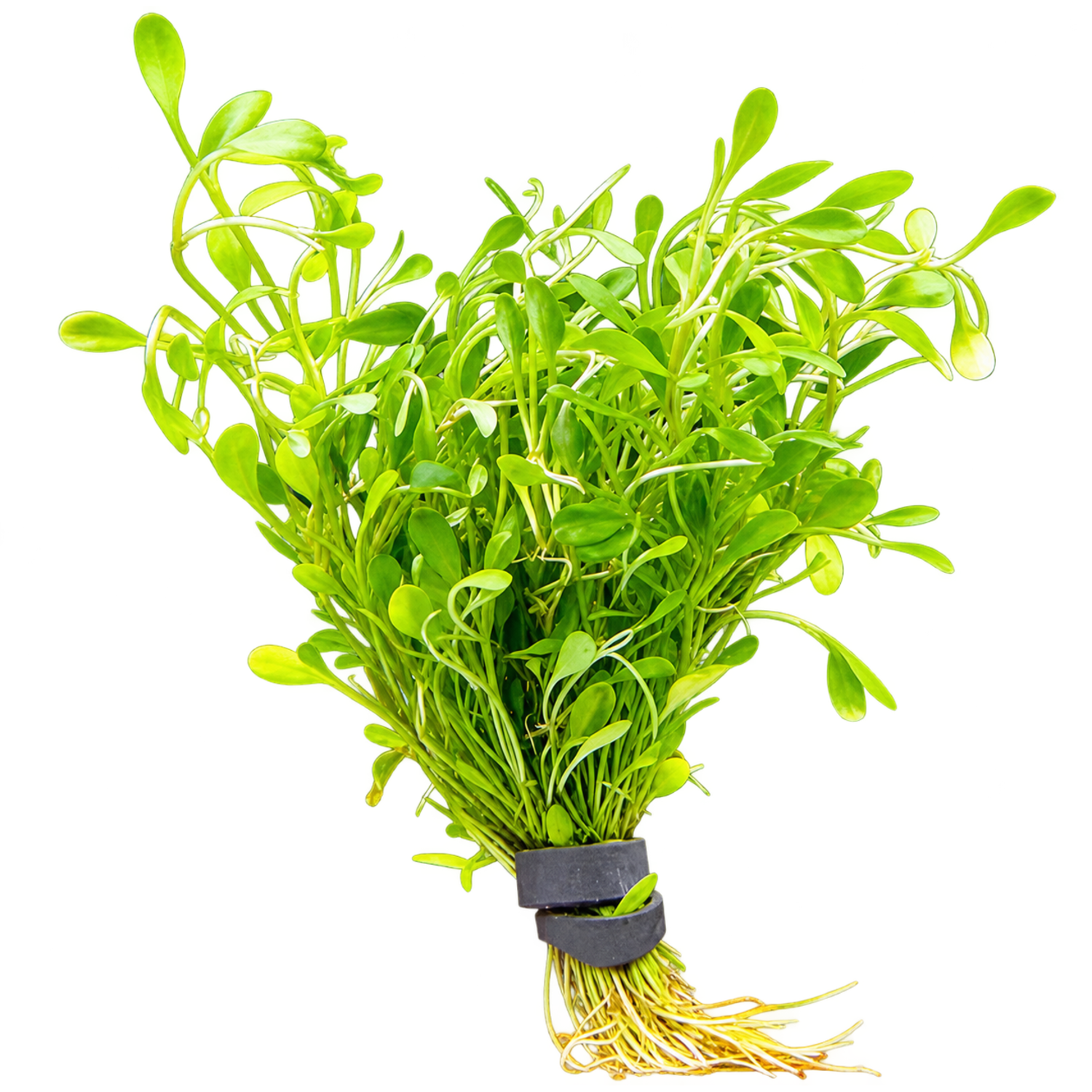
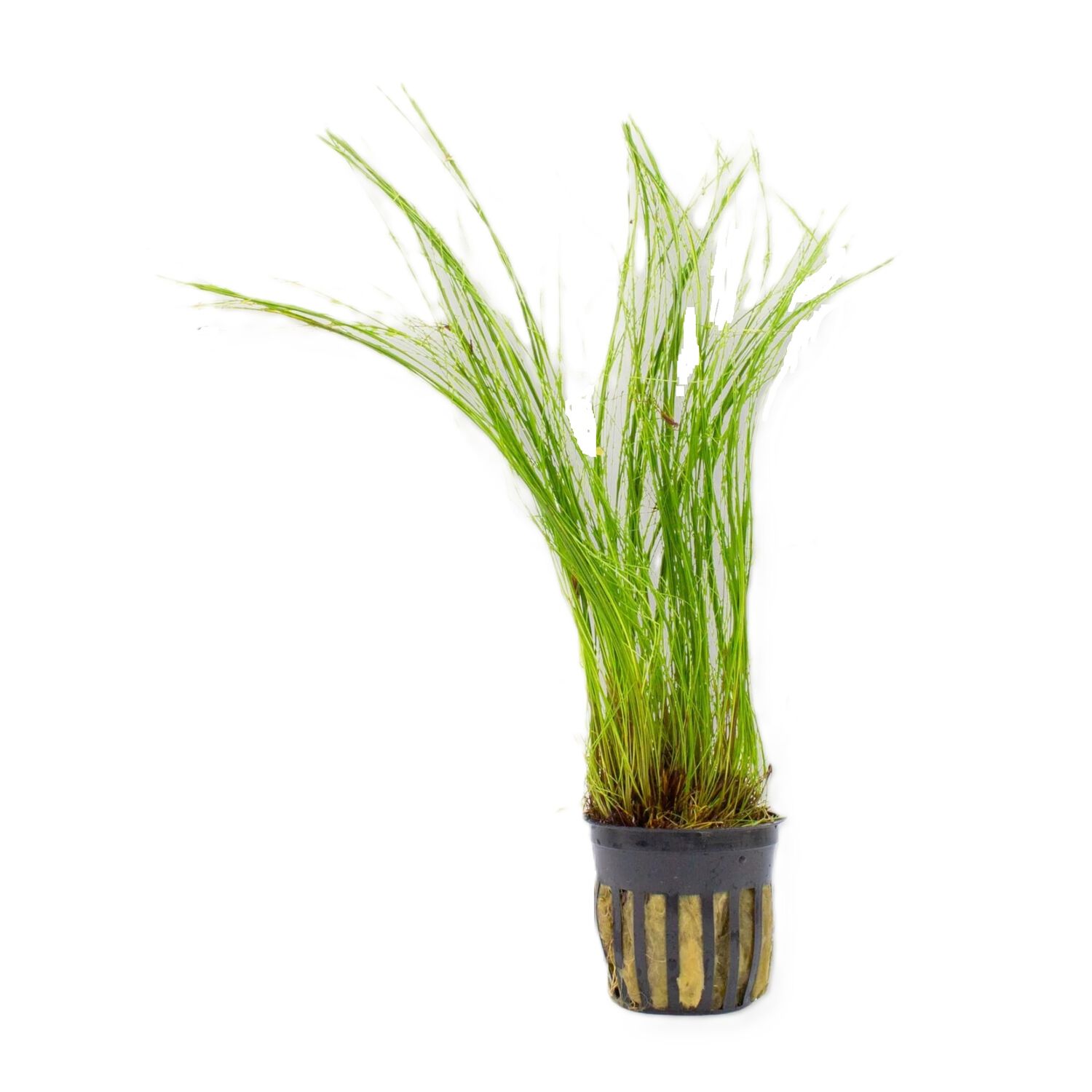
Hairgrass, Giant On Wood
$14.99
*Price and in-stock availability vary by store
LIVE PET
Details
Request a Call
