Pacman Frog Care Guide
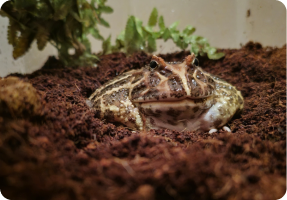
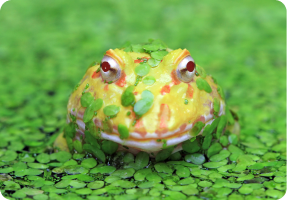
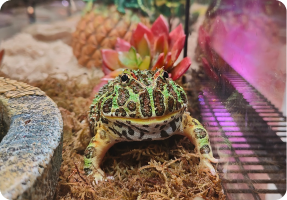
Get to Know Your Pacman Frog
Basic Information
Common Name
Pacman Frog
Scientific Name
Ceratophrys ornata
Size
4 - 6”
Life span
7 - 10 Years
Diet
Insectivore
Handling Ease
Fair
Checklist for Your Pacman Frog
Essential Items
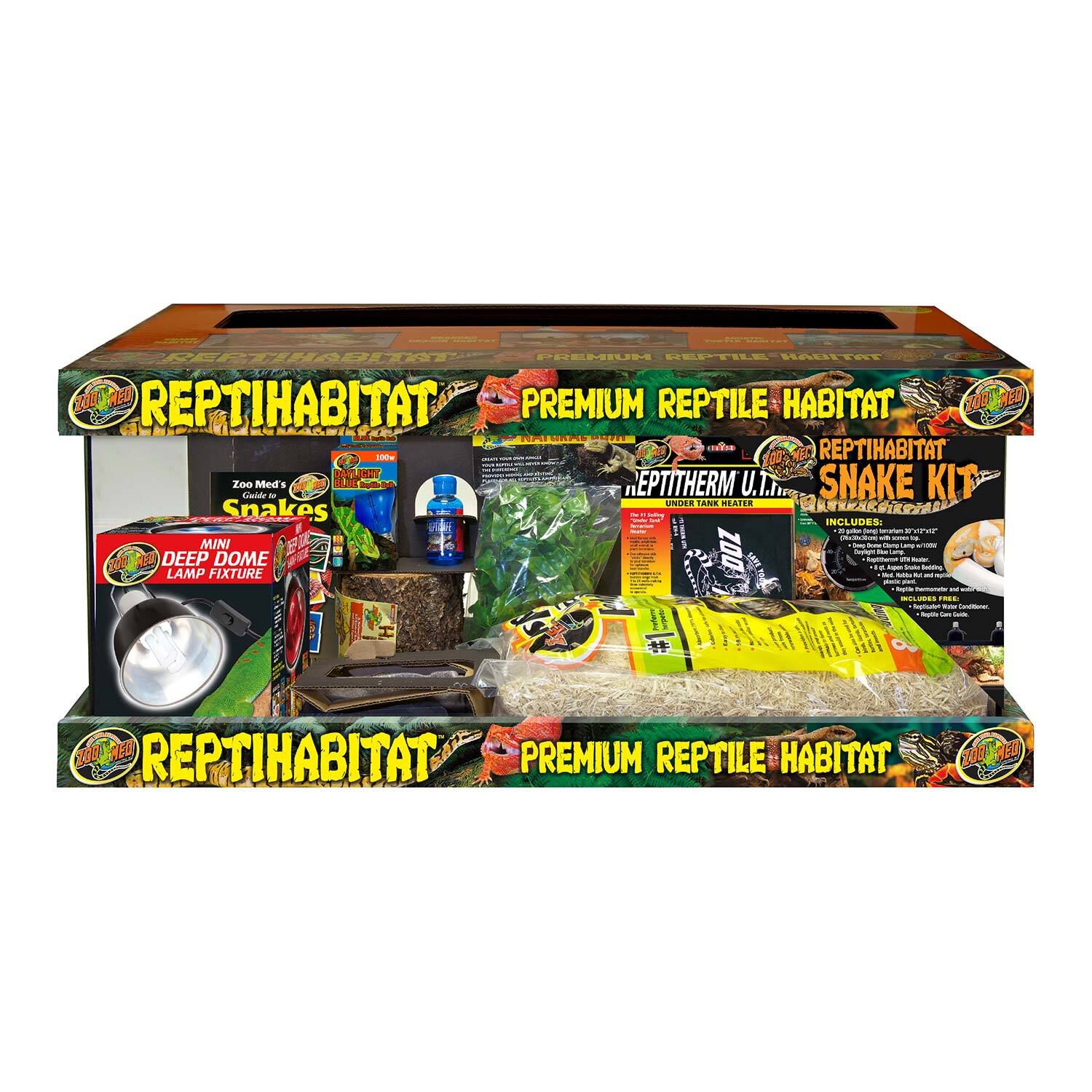
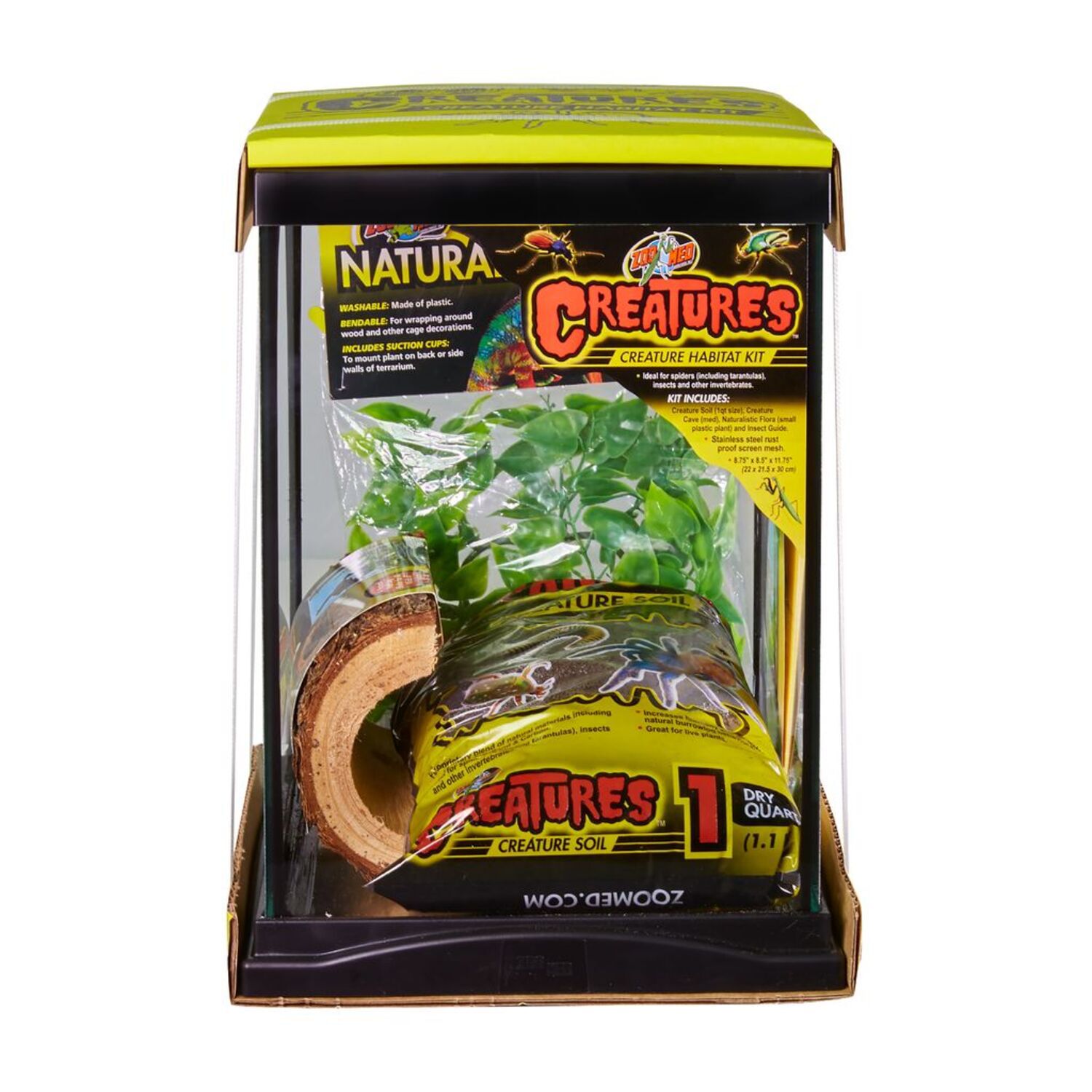
Tank
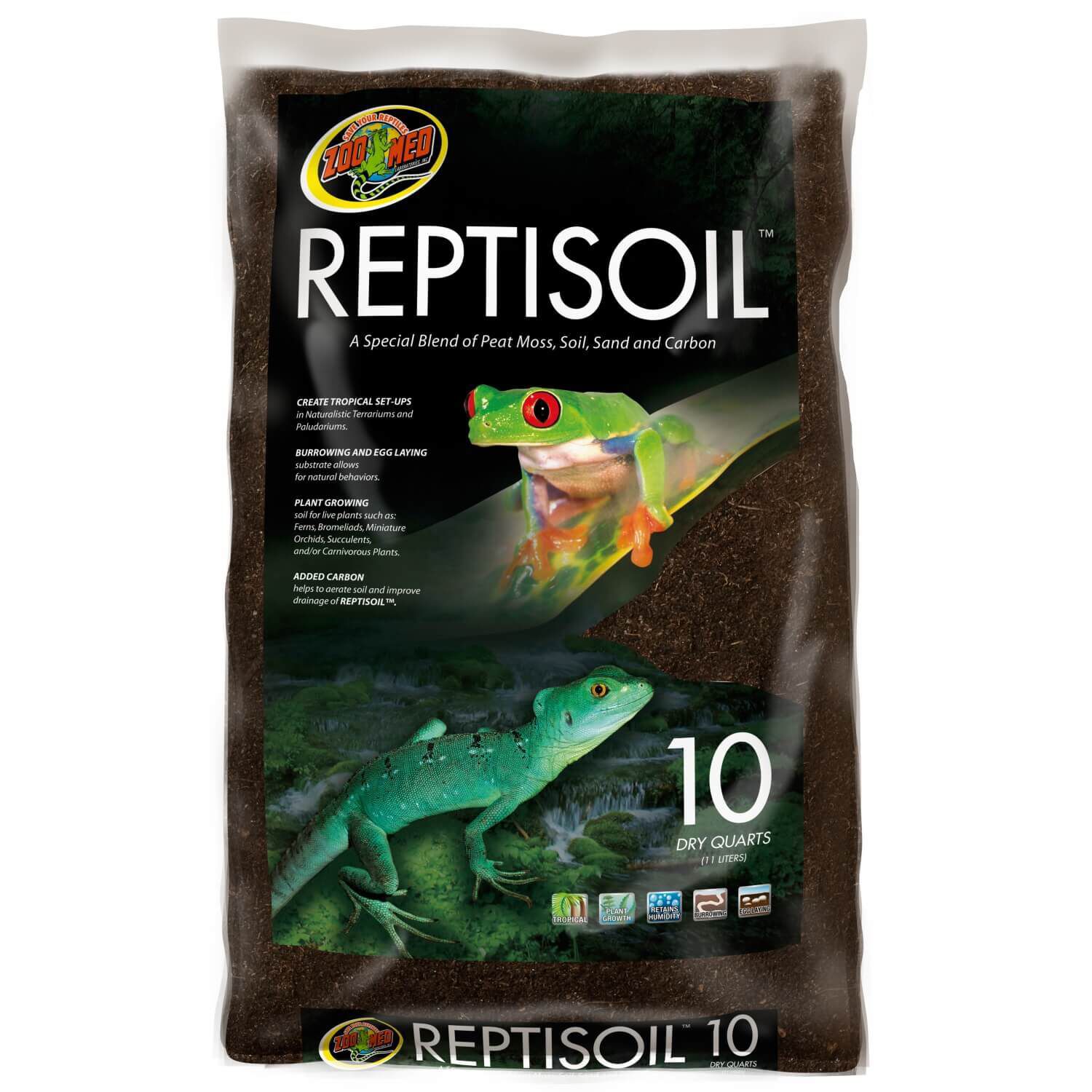
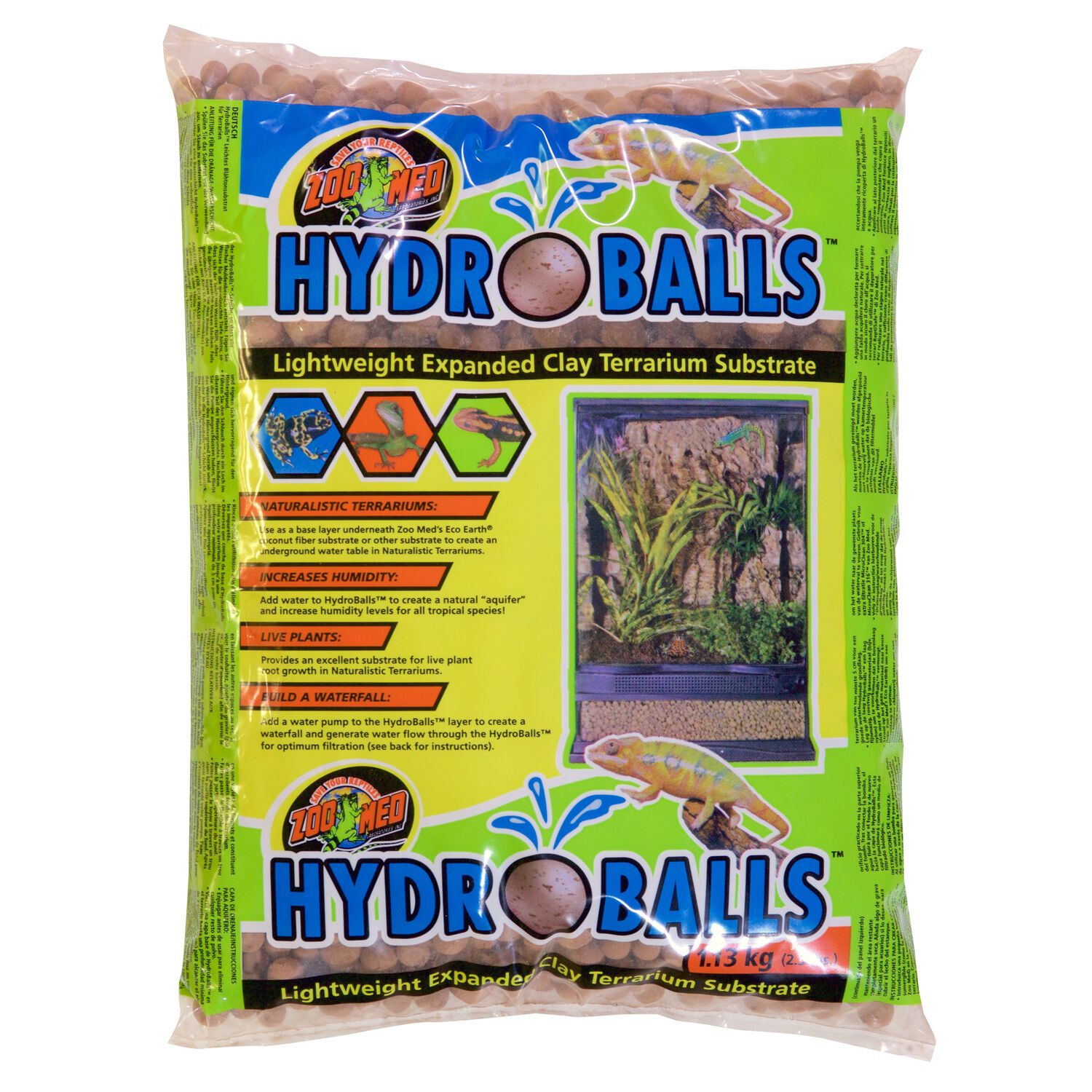
Substrate
Tank cover
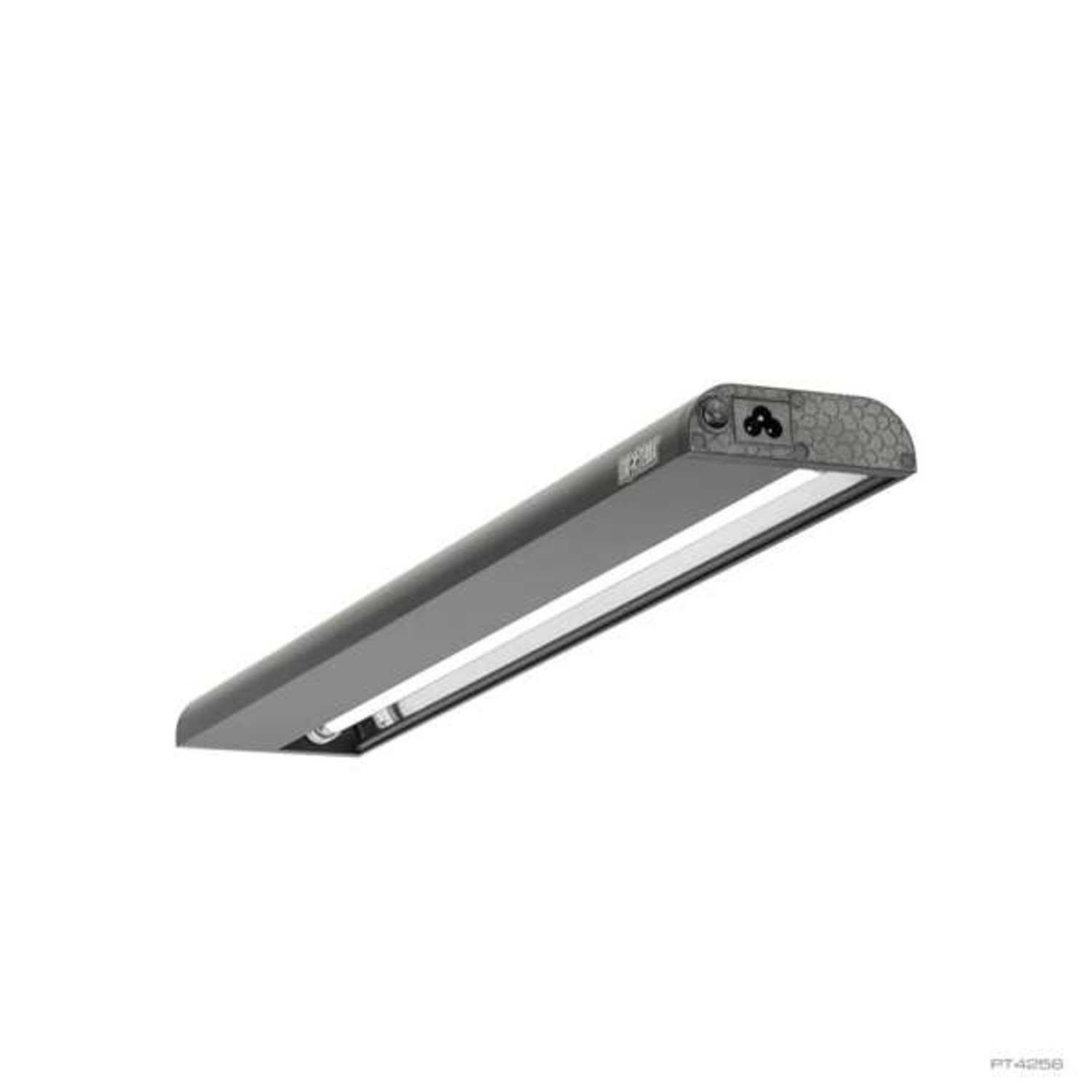
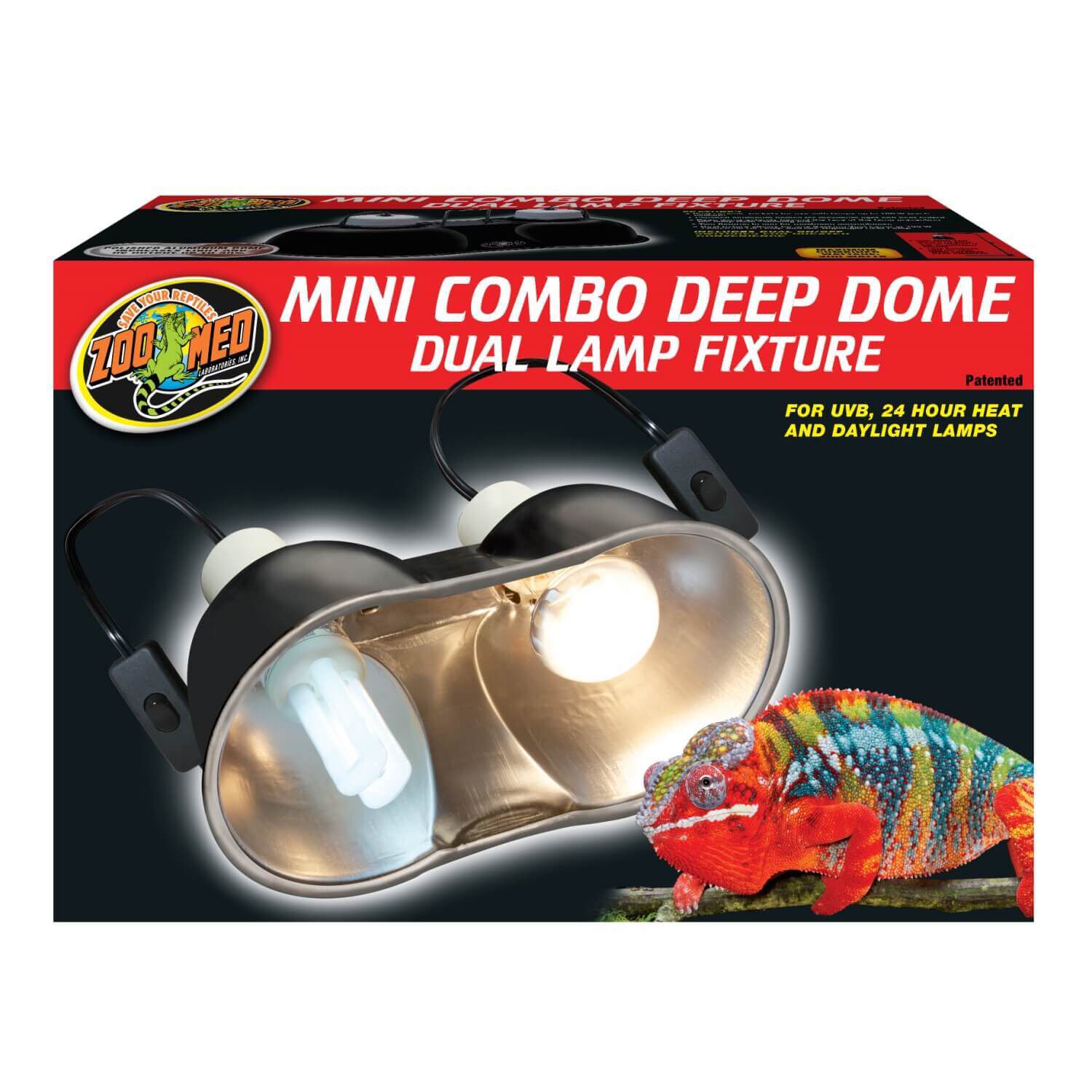
Lamps
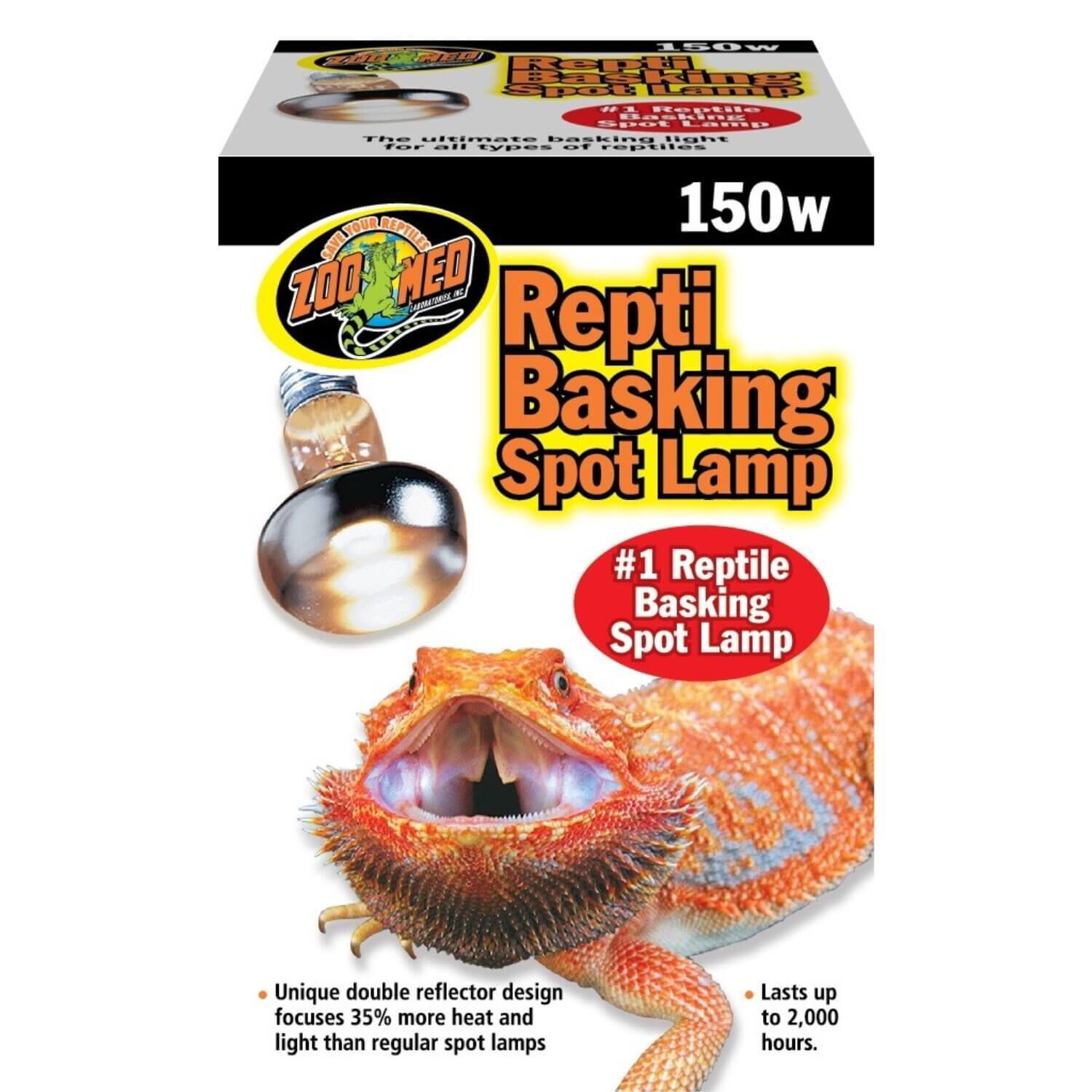
Basking light
Ceramic heater
Heat pad
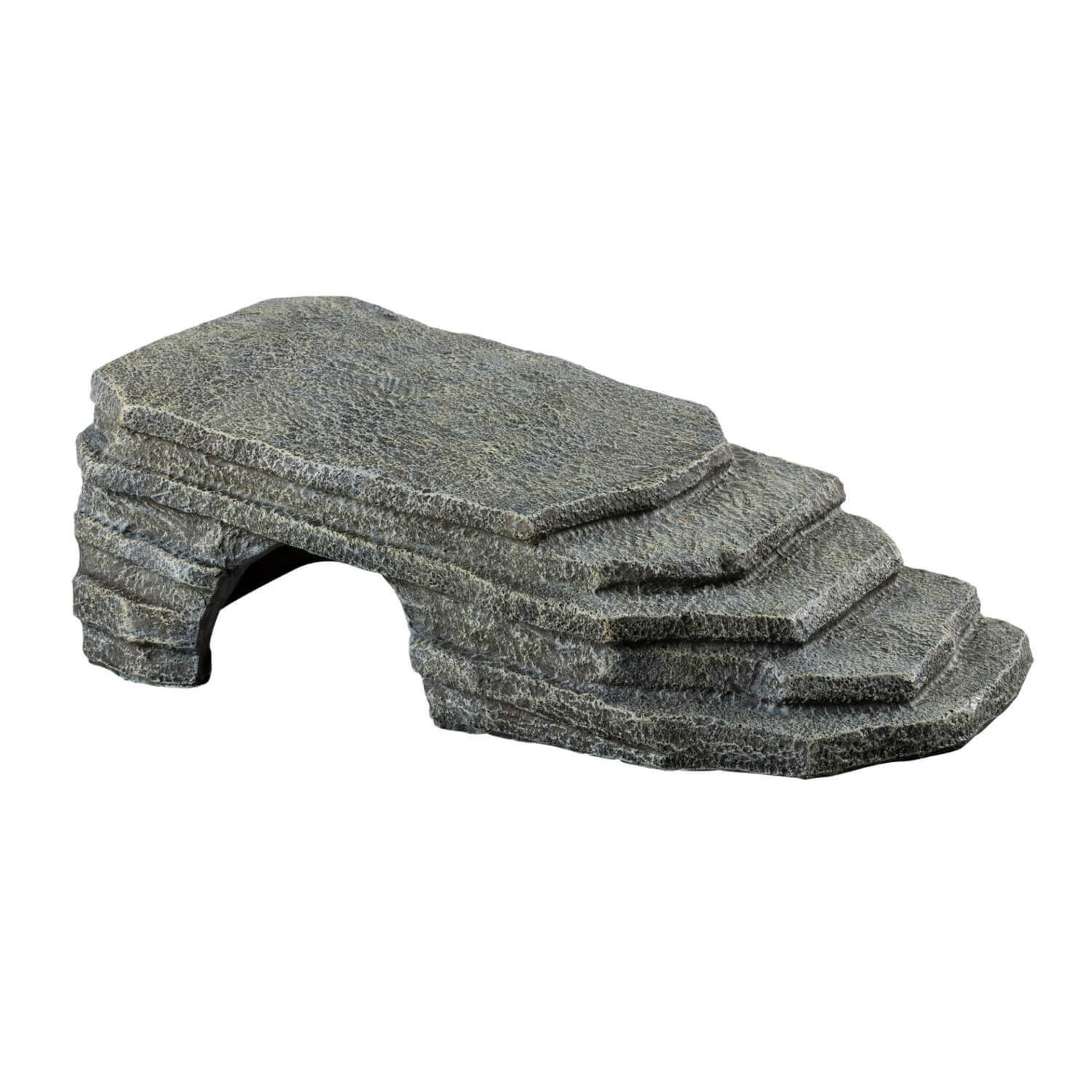
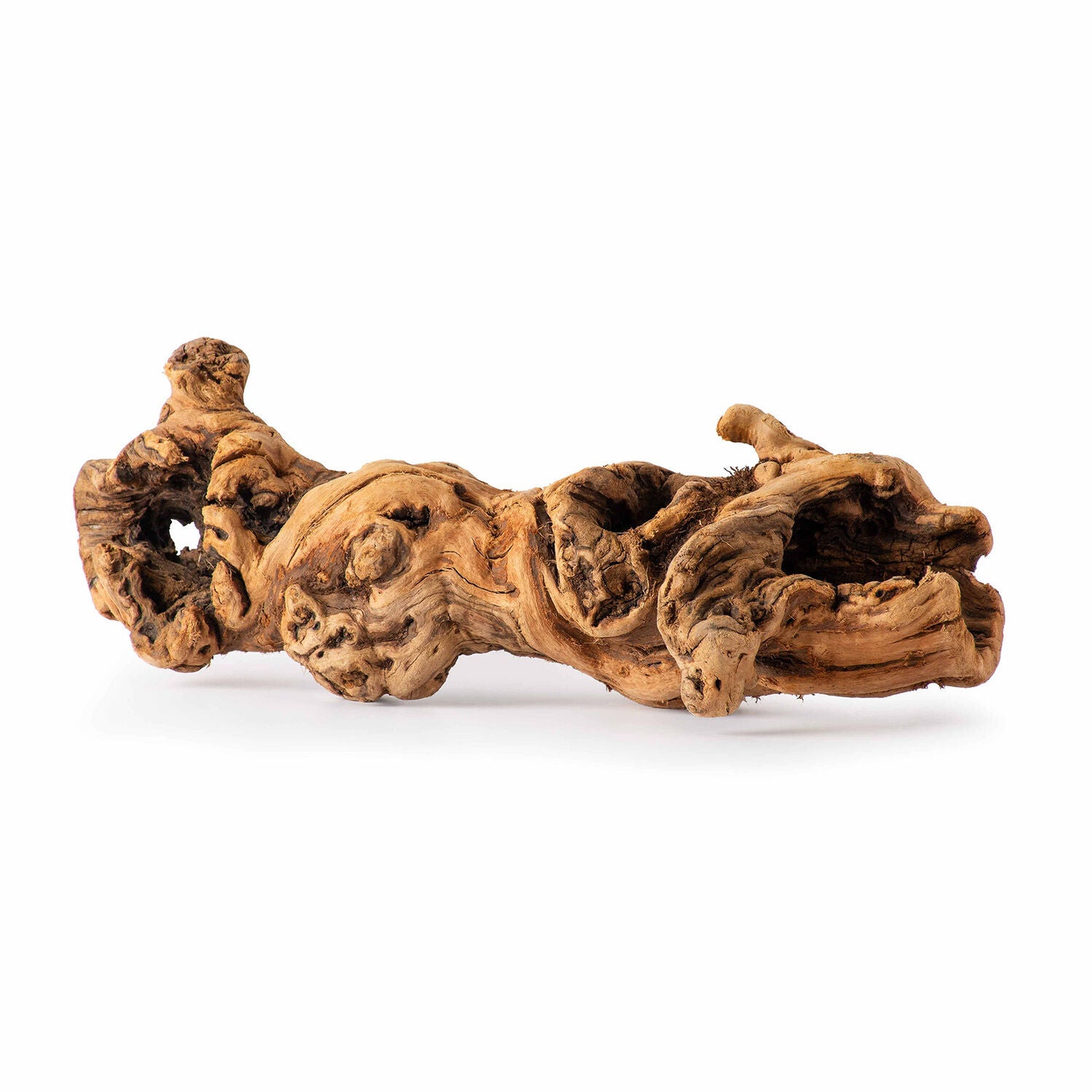
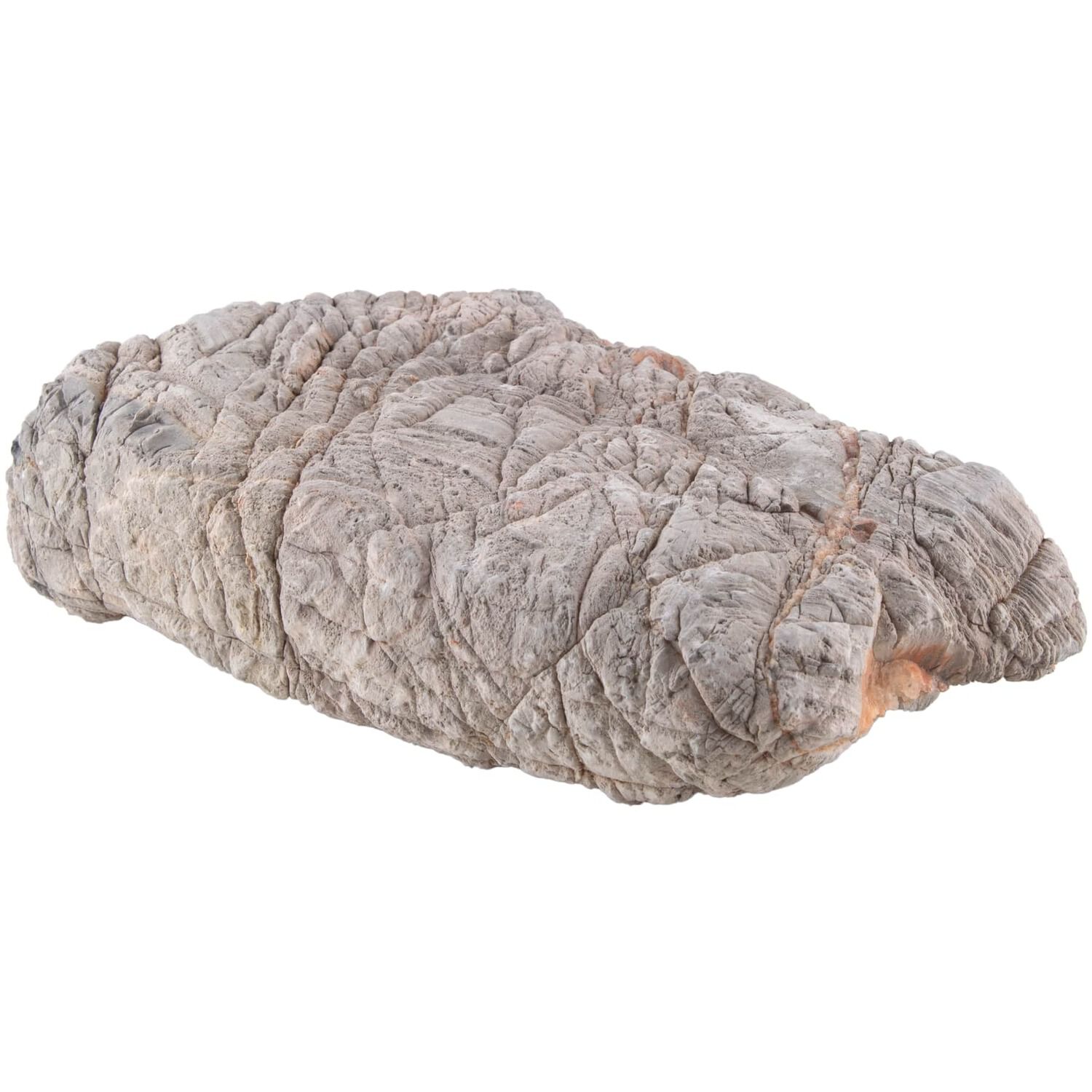
Hideaways
Plants
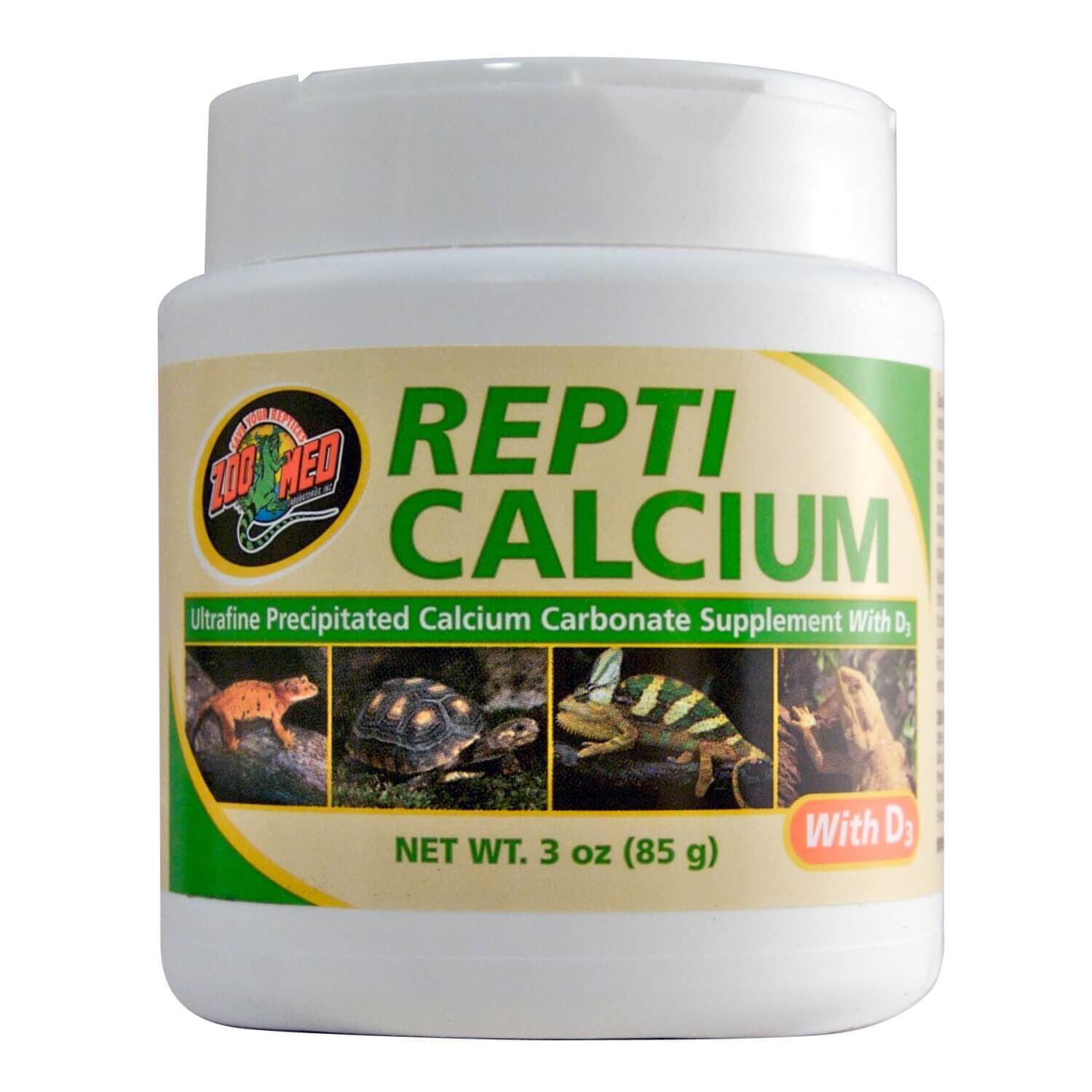
Calcium powder
Multivitamin powder
Water conditioner
Water bowl
Sponge
Feeding tongs
Food
Everything your Pacman Frog needs, all in one place.
Shop Pacman Frog Supplies
Feeding Your Pacman Frog
Food & Water
- Offer a diverse diet that includes appropriately sized live prey such as crickets, mealworms, waxworms, and roaches.
- Occasionally supplement their diet with pinkie mice or small feeder fish for added variety and nutrition.
- Feed juvenile Pacman frogs (under 6 months) every day or every other day to support their rapid growth.
- Adult frogs can be fed every 2-3 days to maintain their size and health.
- Adjust feeding frequency based on the frog’s activity level, weight, and overall condition.
- Select prey items sized appropriately to fit the frog’s mouth, ensuring they are not too large to prevent choking. Adjust prey size as the frog grows to maintain proper nutrition and avoid overfeeding.
- Dust prey with a reputable reptile vitamin and mineral supplement at least once a week to ensure the frog receives essential nutrients such as calcium and vitamin D3.
- Water needs to be dechlorinated or bottled spring water and changed regularly to maintain cleanliness. This includes drinking and misting.
Pacman Frog Habitat
Caging & Environment
- Provide a spacious enclosure with a minimum size of 10 gallons for a single adult Pacman frog.
- Use a substrate that retains moisture, such as coconut fiber and moss, to maintain the proper humidity levels.
- Ensure a substrate depth of at least 2-3 inches to allow for burrowing, as Pacman frogs are known to burrow to escape heat and maintain moisture.
- Include hiding spots and shelters in the enclosure to provide security for the frog.
- Use artificial or live plants, as well as branches and other decorations, to create a more natural and stimulating environment.
- Provide a shallow water dish large enough for the frog to soak in but not too deep to avoid drowning.
Lighting and Temperature
- Pacman frogs are nocturnal, so they don’t require intense lighting. Use low-wattage bulbs to simulate their natural environment.
- Provide a consistent day-night cycle to mimic their natural habitat.
- Maintain a temperature range of 75-85°F (24-29°C) during the day. A slight temperature drop at night is acceptable but avoid drastic fluctuations.
- Use an under-tank heating pad or ceramic heat emitter to create a warm spot on one side of the enclosure. This allows the frog to regulate its body temperature by moving between warm and cooler areas.
- Maintain humidity levels between 70-80% to replicate the natural rainforest environment necessary for thriving Pacman frogs. Adequate moisture helps with shedding, hydration, and overall well-being.
- Regularly mist the enclosure and use a hygrometer to monitor and adjust humidity levels accordingly.
- Ensure the substrate is kept moist but not waterlogged. This helps maintain a humid environment without risking respiratory issues. Use dechlorinated water or bottled spring water.
Handling Your Pacman Frog
Behavior & Handling
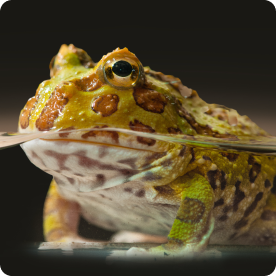
- These frogs MUST be kept individually, because they are cannibalistic and will eat anything their size or smaller.
- Pacman frogs are generally not fond of frequent handling. They are primarily sedentary and prefer staying in their enclosure. Limit handling to essential activities such as cleaning or health checks to reduce stress.
- Pacman frogs have a sit-and-wait feeding strategy. They are ambush predators and will often wait for prey to come close before striking. When feeding, use tongs to avoid accidental bites, as they can mistake fingers for food.
163 Results
163 Results
No products found for selected filters. Please try with different filters.
Showing 0 of 0