Ball Python Care Guide
Get to Know Your Ball Python
Basic Information
Common Name
Ball Python (Called Royal Python in U.K.)
Scientific Name
Python regius
Distribution
Western African countries of Ghana and Togo
Size
Up to 5’
Life span
20 - 35 years
Checklist for Your Ball Python
Essential Items
Food
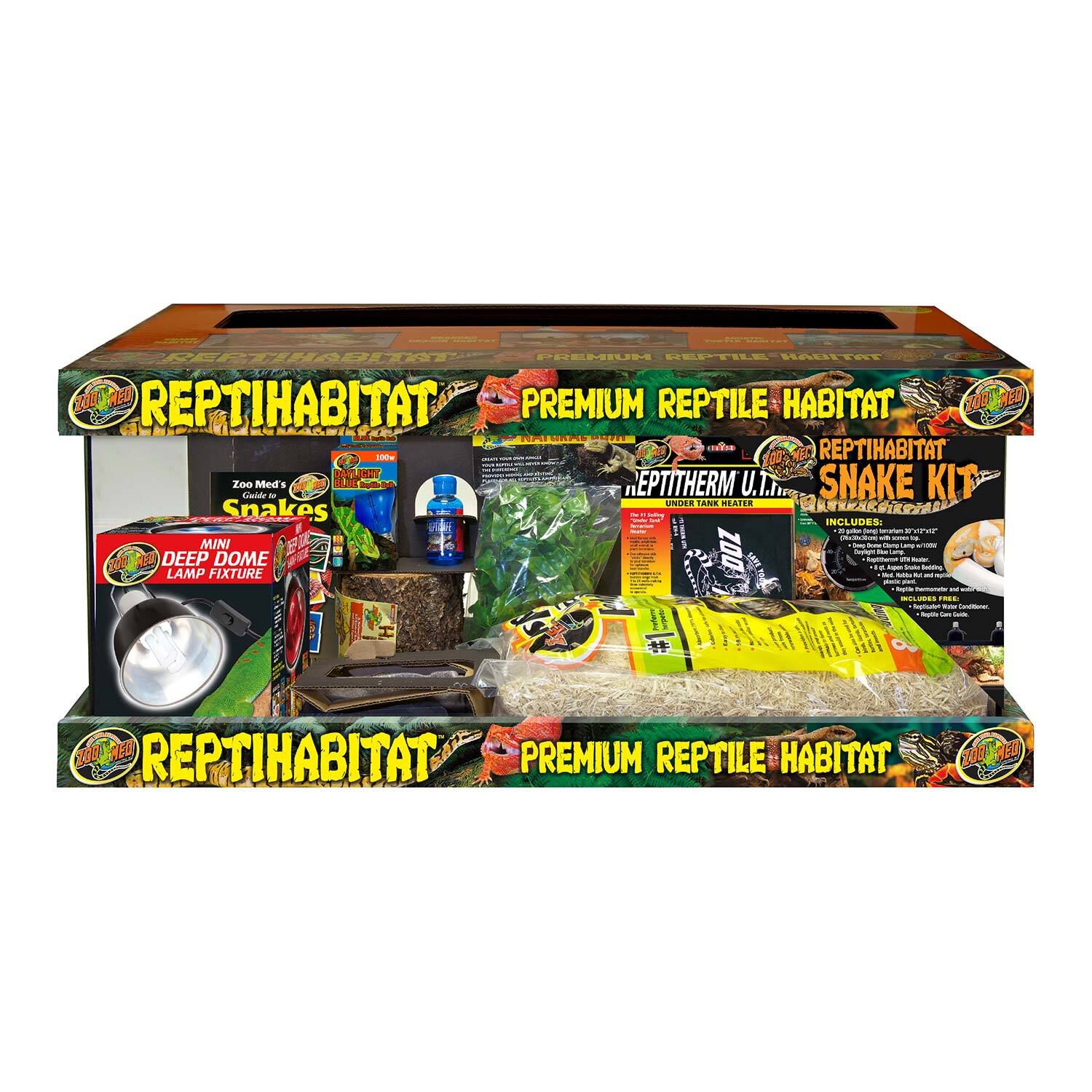
Habitat with lid
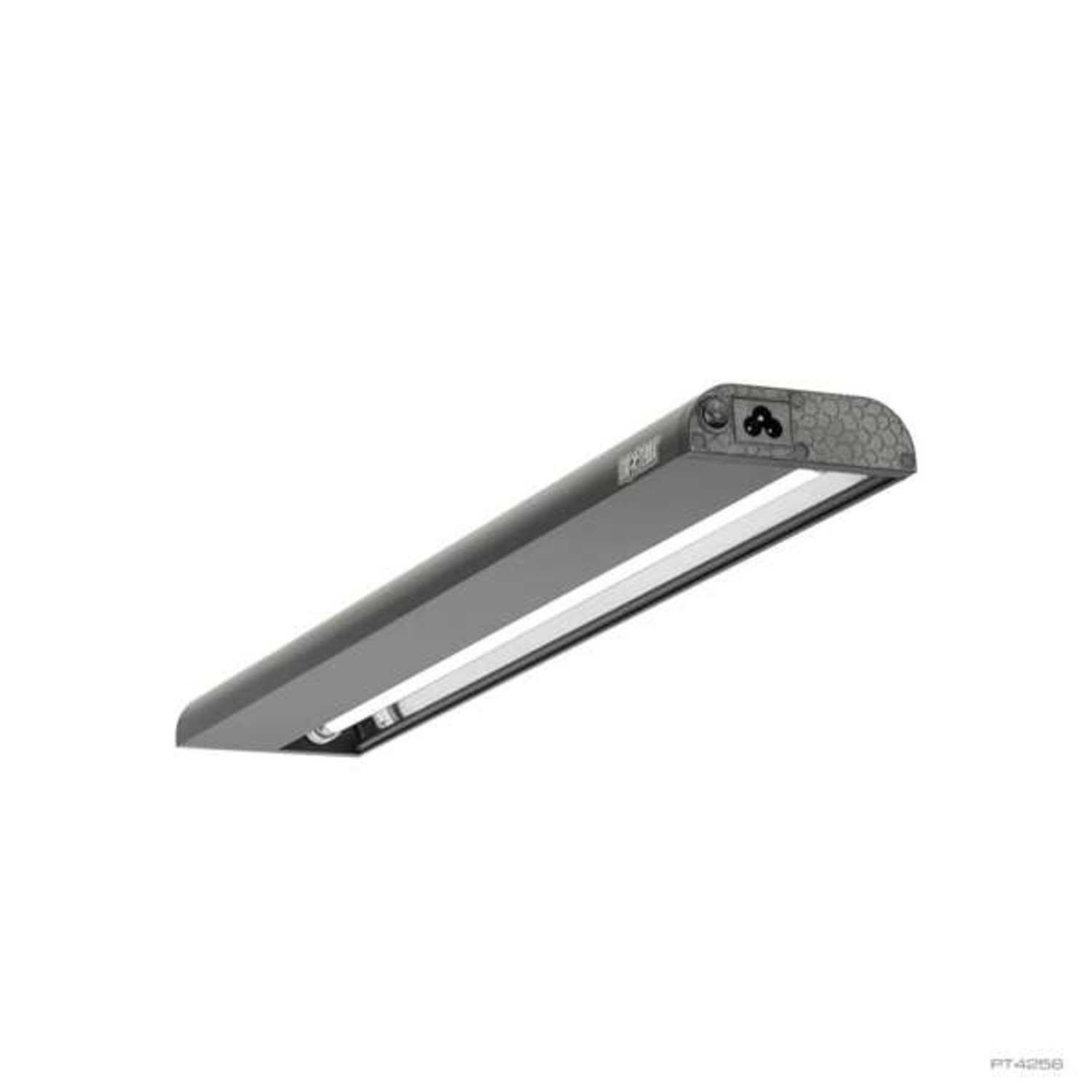
Lighting
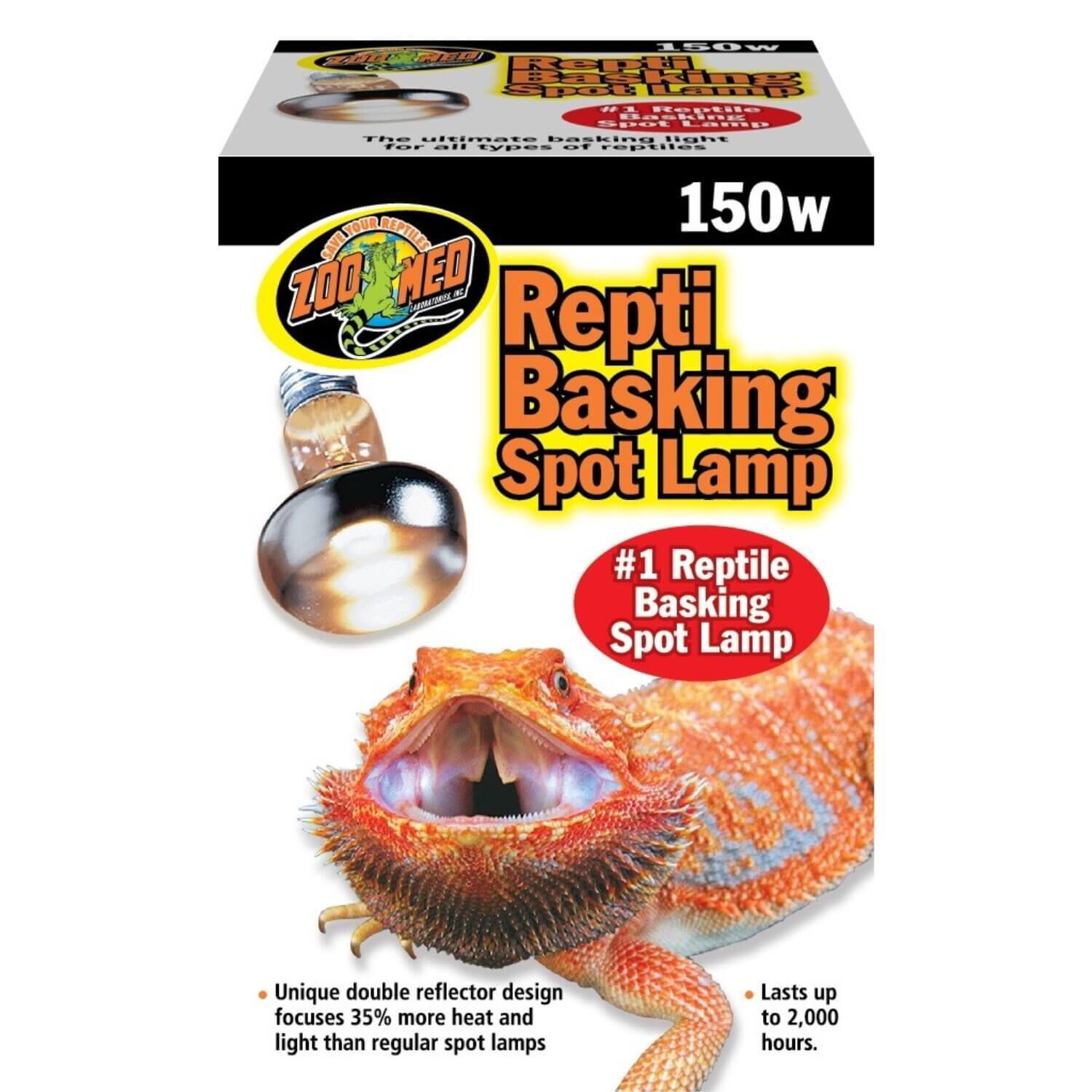
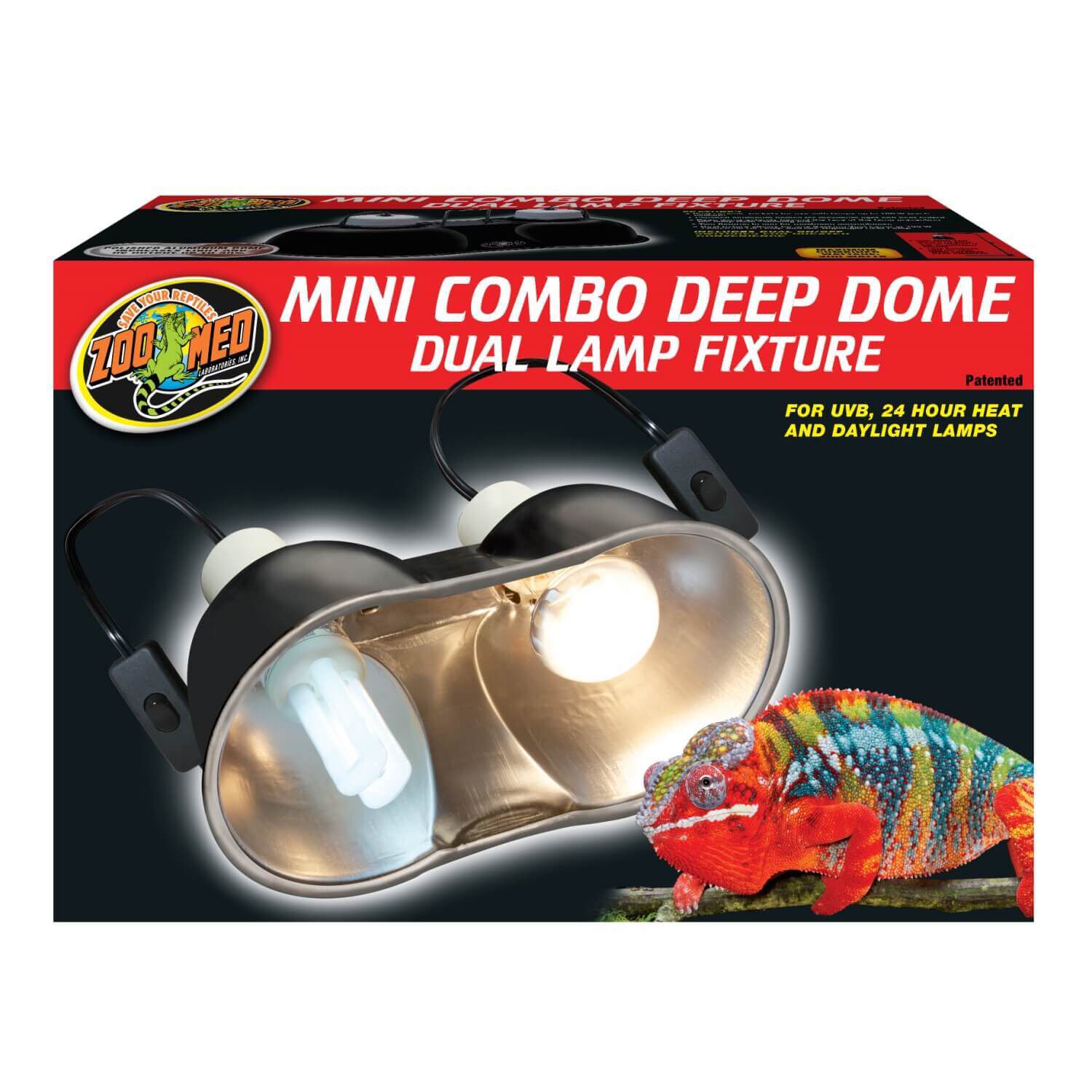
Heat lamps
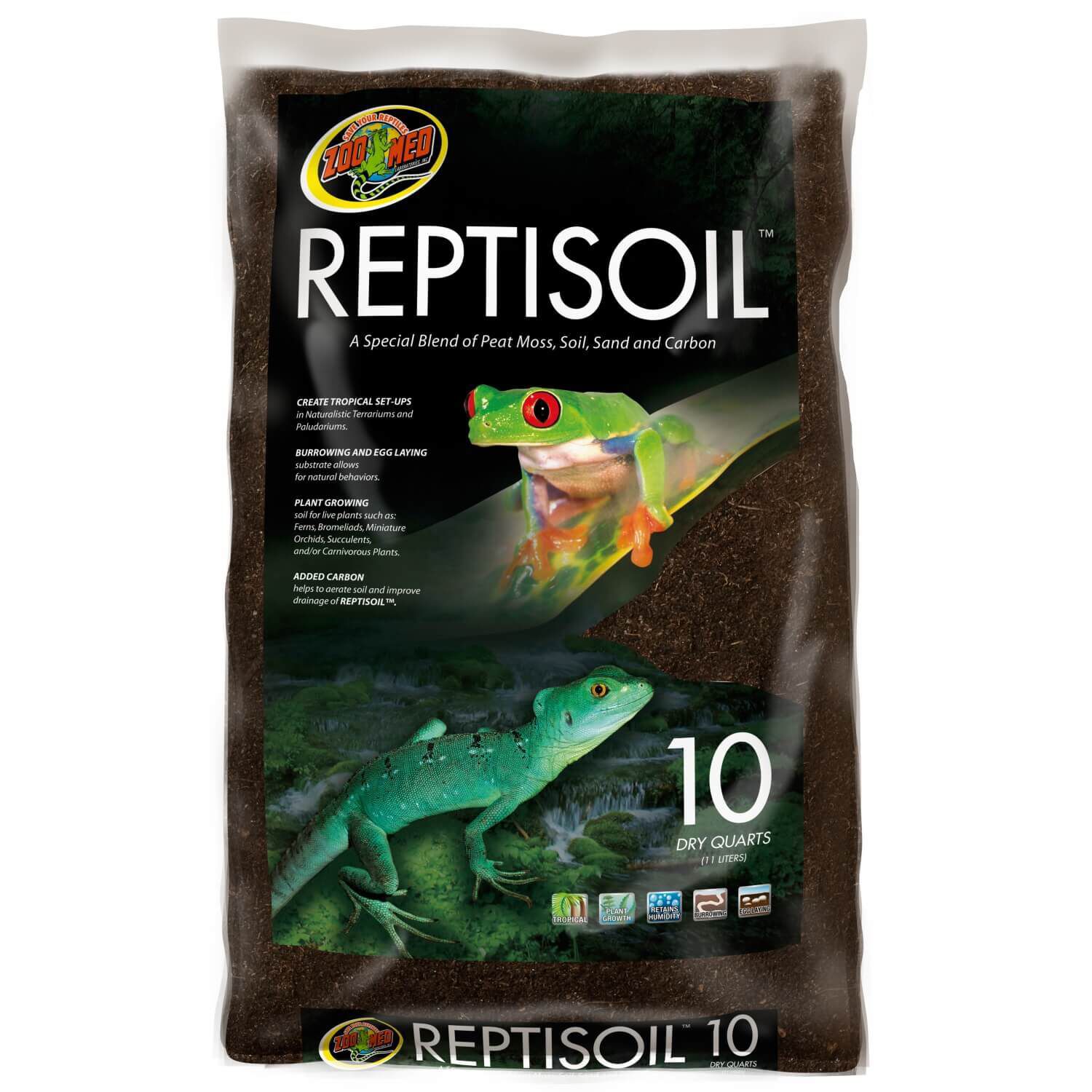
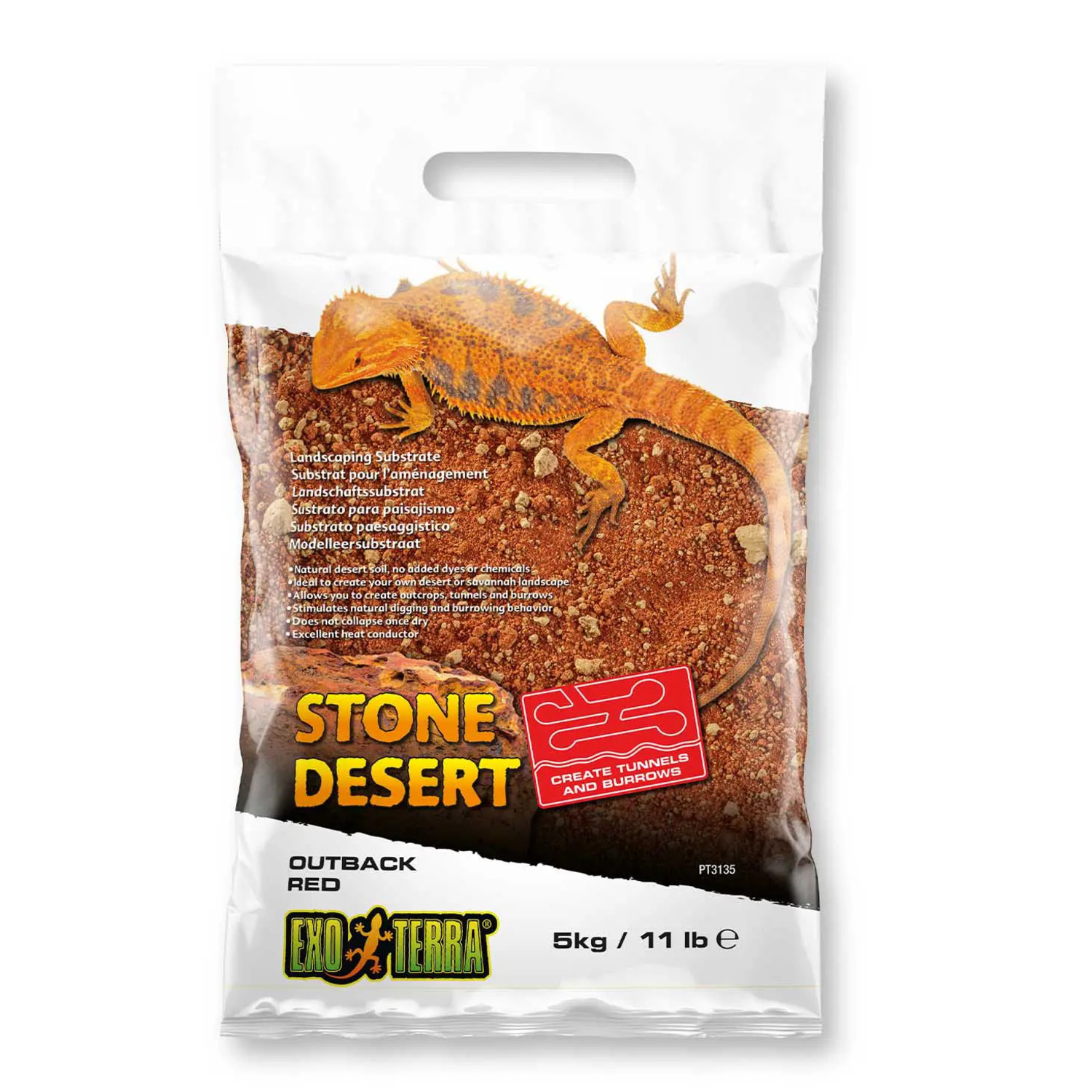
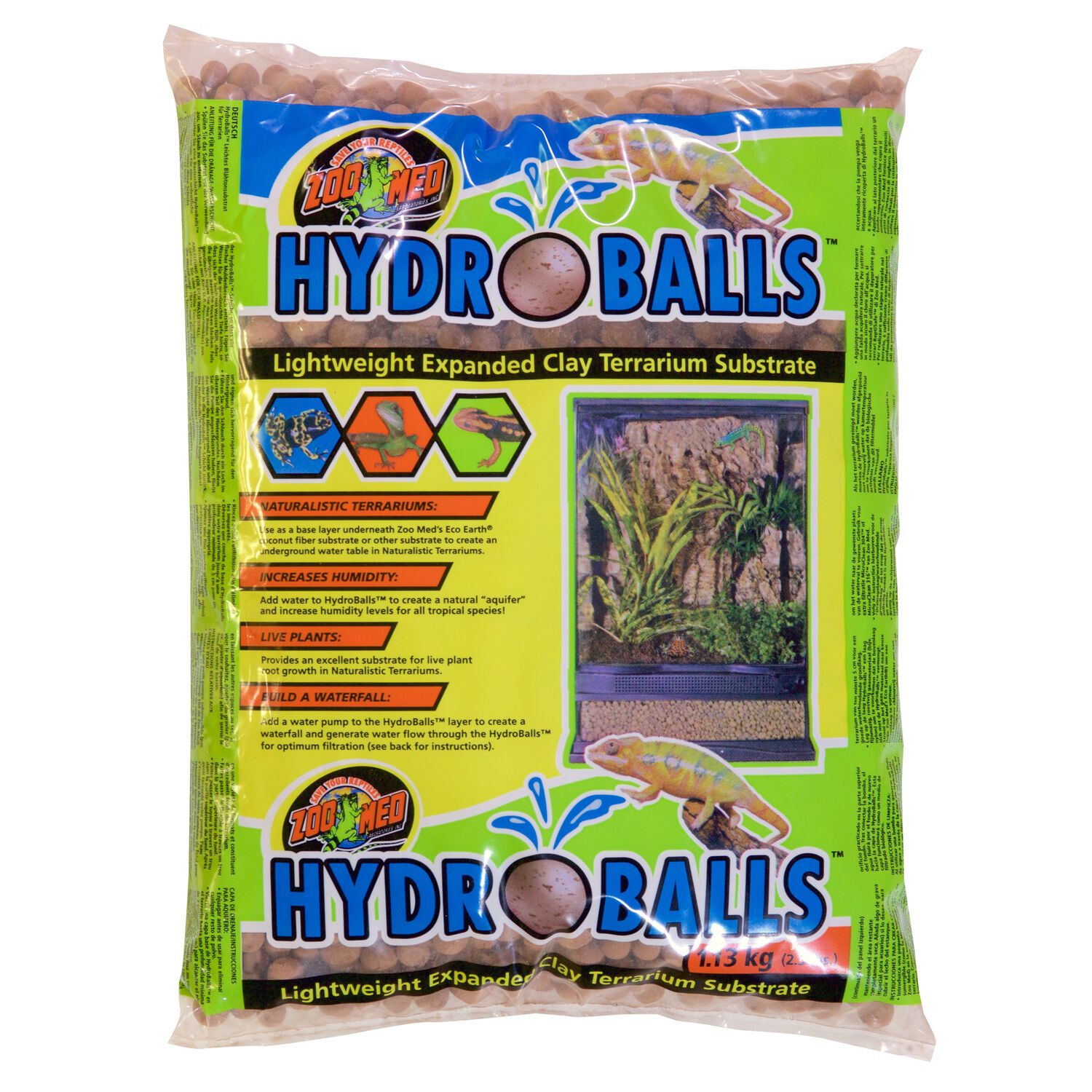
Substrate
Large shallow water bowl
Thermometer
Humidity Gauge
Water conditioner
Moss
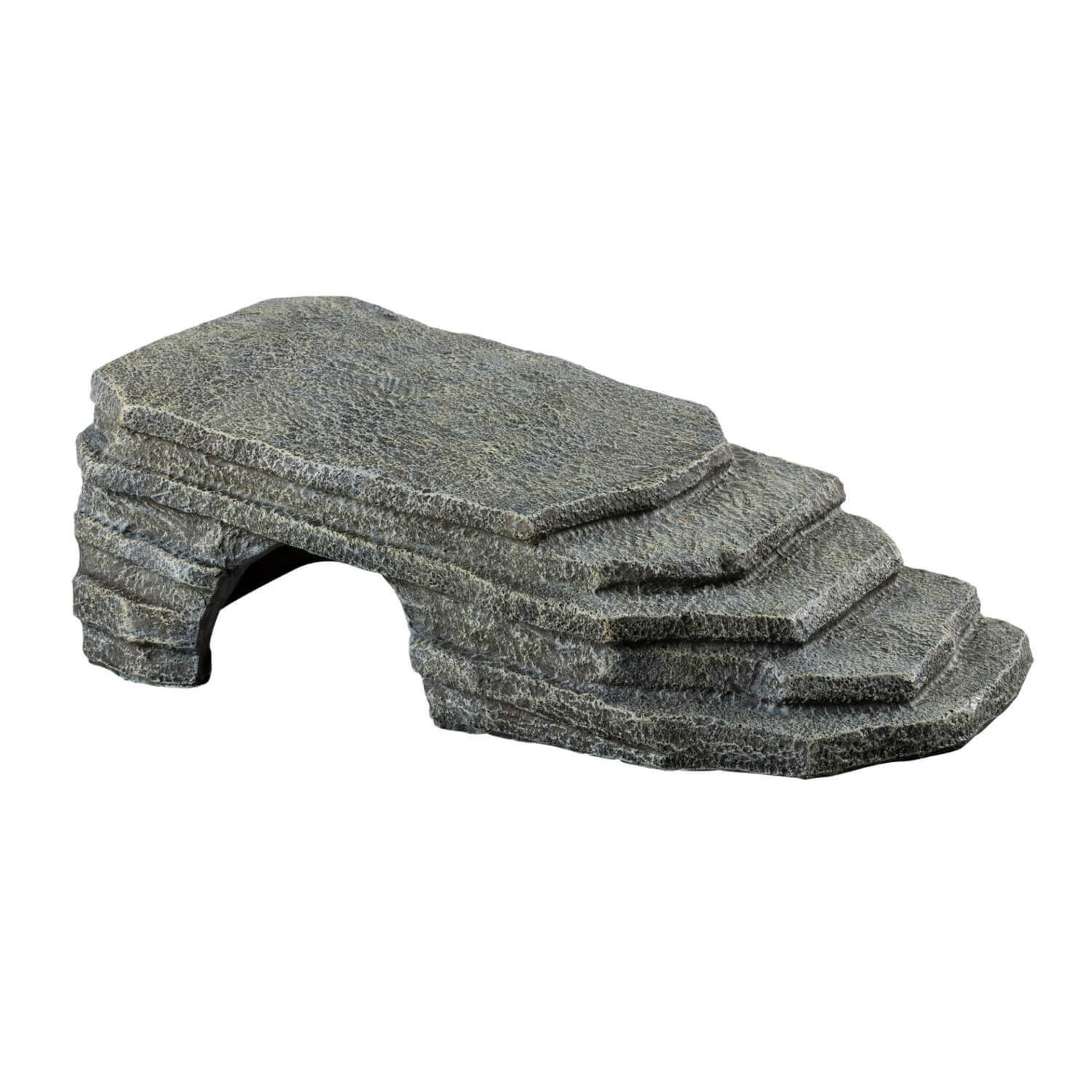
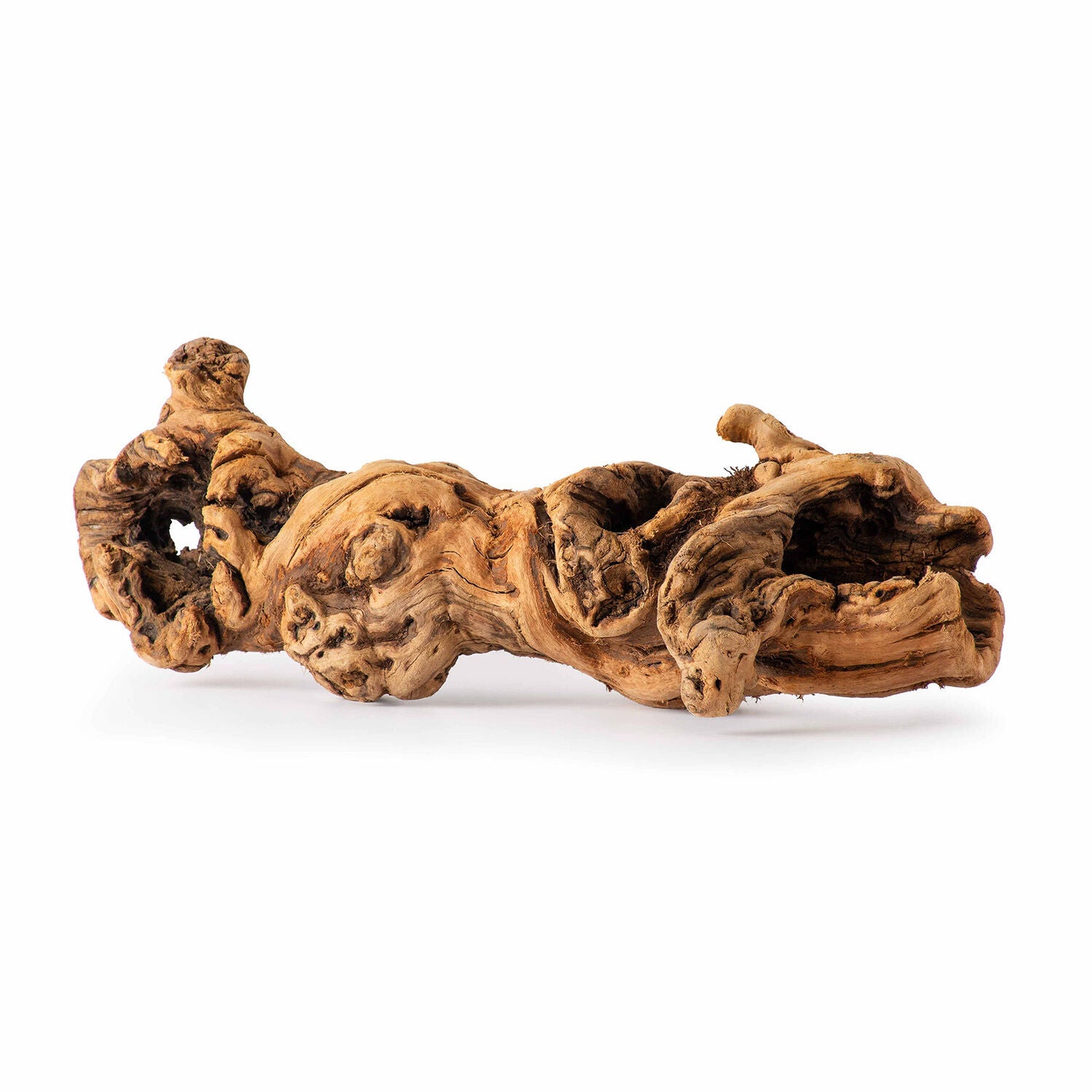
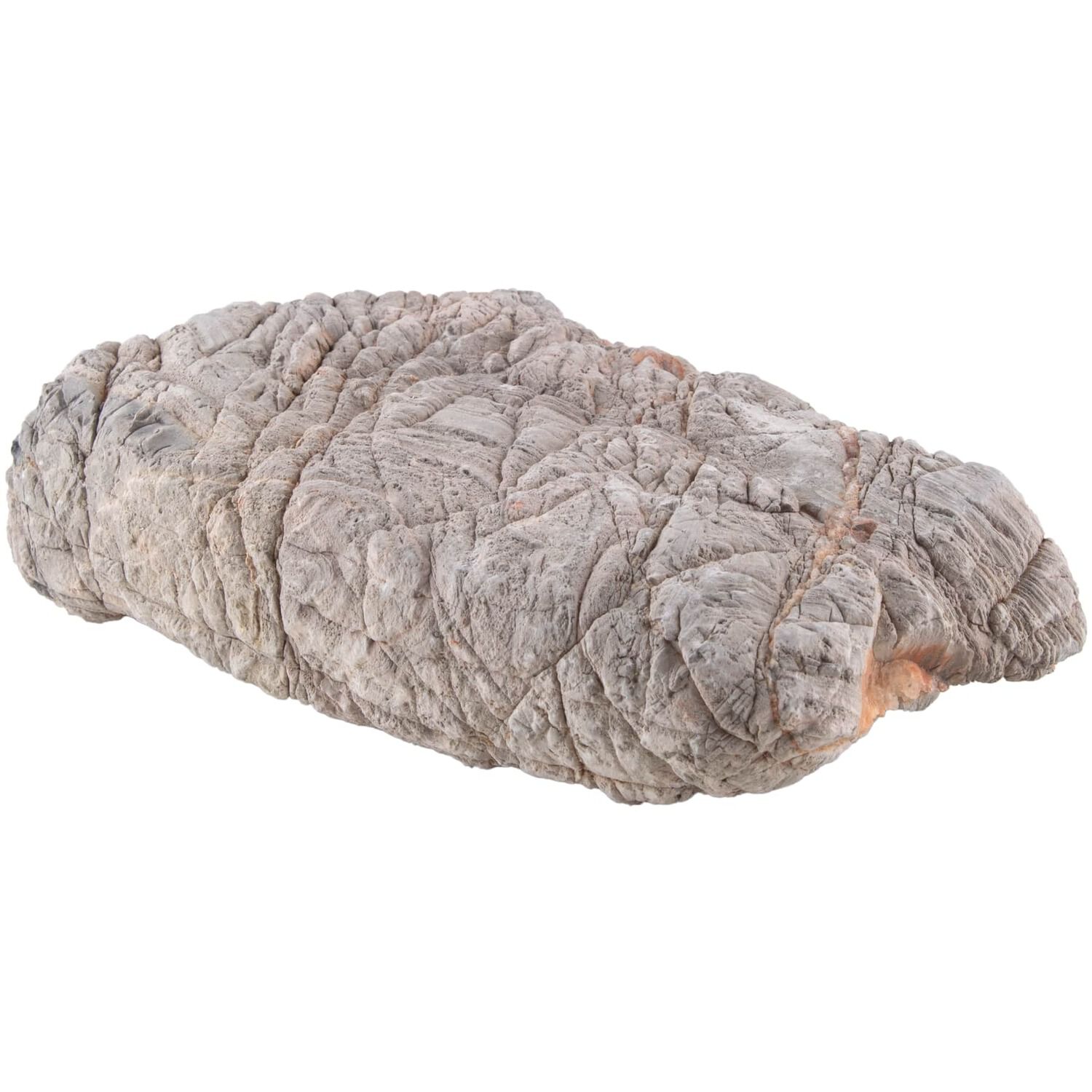
Decorations — hides, plants, climbing source
Everything your Ball Python needs, all in one place.
Shop Ball Python Supplies
Feeding Your Ball Python
Food & Water
- Ball Pythons only eat rodents.
- Young Pythons feed every week while adults can be fed every other week.
- Frozen mice or rats are preferred as live can lead to aggression.
- Use hot water to thaw, do not microwave.
- The rodent should be at body temperature (98-99 degrees).
- When picking a rodent, it should be no larger in diameter than the girth of the snake.
- Provide clean, dechlorinated fresh water always.
Ball Python Habitat
Caging & Environment
- 40–50-gallon terrariums are best.
- 20 gallons can be used for young pythons and then later can be used for a quarantine tank.
- Pythons must have a lid - they will get out! Or an enclosure with a lid.
- Large water bowl for the snake to submerge in.
- Provide two hides for the python, both should have one opening so they can snuggle up inside securely.
- Python bedding can be aspen, recycled newspaper, artificial turf, and reptile bark
- Pre-moistened moss is suggested for one hide to create humidity which will support the python when shedding. Humidity should be around 50-60%.
Lighting and Temperature
- Reptiles are cold blooded. They will need to absorb heat from their environment.
- Use 75W basking light with fixture or a light that will provide a basking temperature of 85°-90°. The cooler side of the cage should be 75°-80°.
- Place a thermometer at both sides of the cage to monitor.
- Ball Pythons do not require UVB.
Handling Your Ball Python
Behavior & Handling
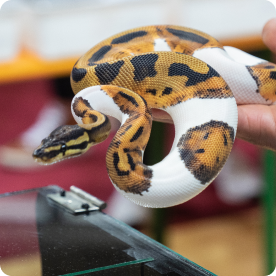
- Ball Pythons are the most popular of the snakes.
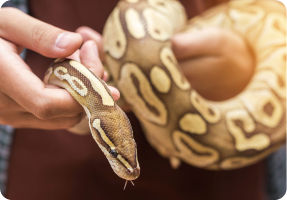
- Smaller in size and is one of the most docile snake species.
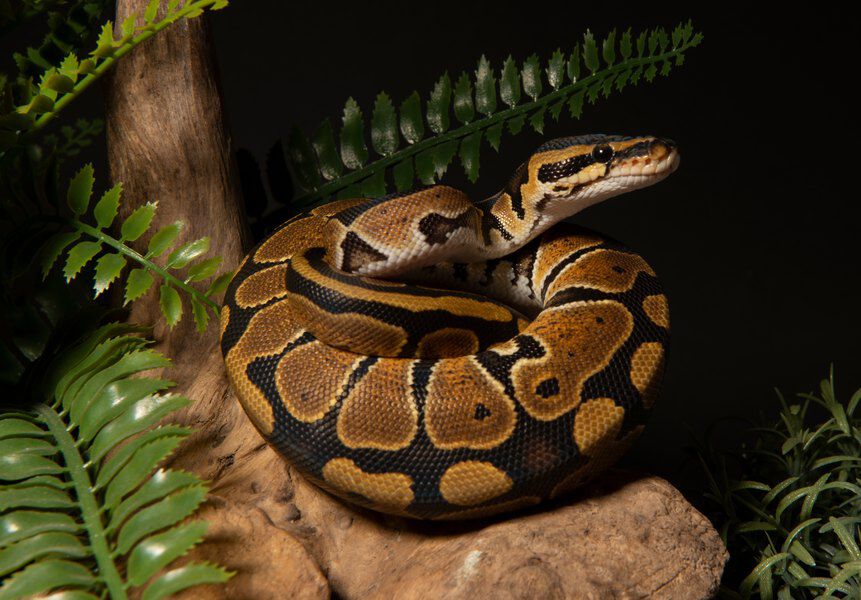
- They will often ball up tightly when threatened (that’s how they got their name) and rarely ever bite or strike.
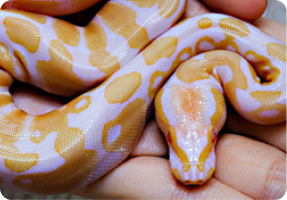
- The ball python is available in hundreds of color variations (called morphs).
- It is very common for adult ball pythons to “off-feed” (refuse food) for extended periods of time, most often occurring in fall/winter times. This period can last for several months. Provided that the animal is not losing weight, there is no need for concern. Continue to offer prey every few weeks and reduce handling until it is interested in eating again. If weight loss or any other health problems are observed, then seek veterinary care.
- Important: do not handle snakes immediately after feeding. It is best to give them 24-48 hours to completely digest their meal before handling.
163 Results
163 Results
No products found for selected filters. Please try with different filters.
Showing 0 of 0