Bird Diet and Toys Care Guide
Get to Know Your Bird
Basic Information
Feeding Your Bird
Bird Diet
- Did you know that you can feed pet birds “people” food? Incorporating fresh foods offers variety and superior nutrition as compared to commercial bird diets. It also is a great way to offer enrichment to your bird!
- Most birds enjoy eating fresh foods in addition to their pellets. It is okay to feed most healthy low-fat, low-salt items to your bird with the focus on healthy vegetables and fruits.
- Unlike cats, dogs, and other pets, “human” food is actually good for pet birds, when prepared and fed correctly.
- Here are some guidelines to follow:
- Raw is always better than cooked. Cooking drains the food of precious nutrients that could benefit your bird. Besides, raw food gives the bird exposure to various textures, which will help keep them mentally stimulated.
- Skip the seasonings. Some seasonings (such as salt) can be extremely harmful to a pet bird. It’s best to leave the flavor as nature intended it -- your bird will love it!
- If cooking, cook wisely. If you do choose to feed your bird a cooked dish, pasta, for example, make sure to prepare it in cookware that does not have a non-stick coating. Stainless steel is preferred, as it won’t contaminate the food.
- Make sure the foods you offer aren’t poisonous to birds. There are, in fact, some “people foods” that are toxic to pet birds, and should never be offered, not even as a treat.
- Introduce fresh foods slowly. Some pet birds, particularly those used to seed and pellet diets, may not be interested in fresh foods right away. When introducing new foods, be sure to offer your bird his regular diet as well, to prevent possible weight loss and illness.
- Wash all fruits and vegetables prior to eating.
- By keeping these tips in mind, you should be able to safely incorporate a variety of fresh foods into your bird’s diet. Your bird will benefit from the extra nutrients and sharing meals with your pet can be a great bonding exercise, to boot.
- If you find that your bird won’t try fresh foods at first, don’t be discouraged. Eat some of the food in front of your bird and try being very expressive about how good it is. Once your bird notices how much you enjoy what you’re eating, it will only be a matter of time before he or she is ready to take a bite.
Healthy & Safe Food for Your Bird
- Grains: Bread & Cereal Group
- Cooked Brown Rice
- Cooked Noodles
- Unsalted Crackers
- Oatmeal (Raw or Cooked)
- Sugarless Cereals (Cheerios, Chex, etc.)
- Whole Wheat Bread (Toasted)
- Vegetables (Served raw is best)
- Beets
- Broccoli
- Brussel Sprouts
- Carrots
- Cauliflower
- Celery
- Corn (On or off the cob)
- Dark Green Cabbage
- Green Beans
- Green Peas
- Kale
- Red Peppers
- Spinach
- Squash
- Sweet Potatoes
- Turnips
- Zucchini
- Legumes (Served cooked, but cooled)
- Chickpeas (Garbanzo Beans)
- Kidney Beans
- Navy Beans
- Pinto Beans
- Fruits (High in sugar, offer occasionally)
- Apples (No seeds)
- Applesauce
- Apricots
- Bananas
- Blackberries
- Blueberries
- Cantaloupe
- Cherries (No pits)
- Figs
- Seedless Grapes
- Lemons
- Mangoes
- Melons
- Oranges
- Papayas
- Raisins
- Raspberries
- Strawberries
- Nuts
- Brazil Nuts
- Peanuts (In or out of shell)
- Pine Nuts
- Walnuts
- Dairy Group
- Cheese
- Cottage Cheese
- Hard-Boiled Eggs
- Scrambled Eggs
- Yogurt
Avoid
Alcohol
Caffeine
Chocolate
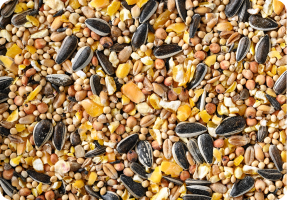
Sunflower Seeds
Avocado
Handling Your Bird
Bird Toy Diagram
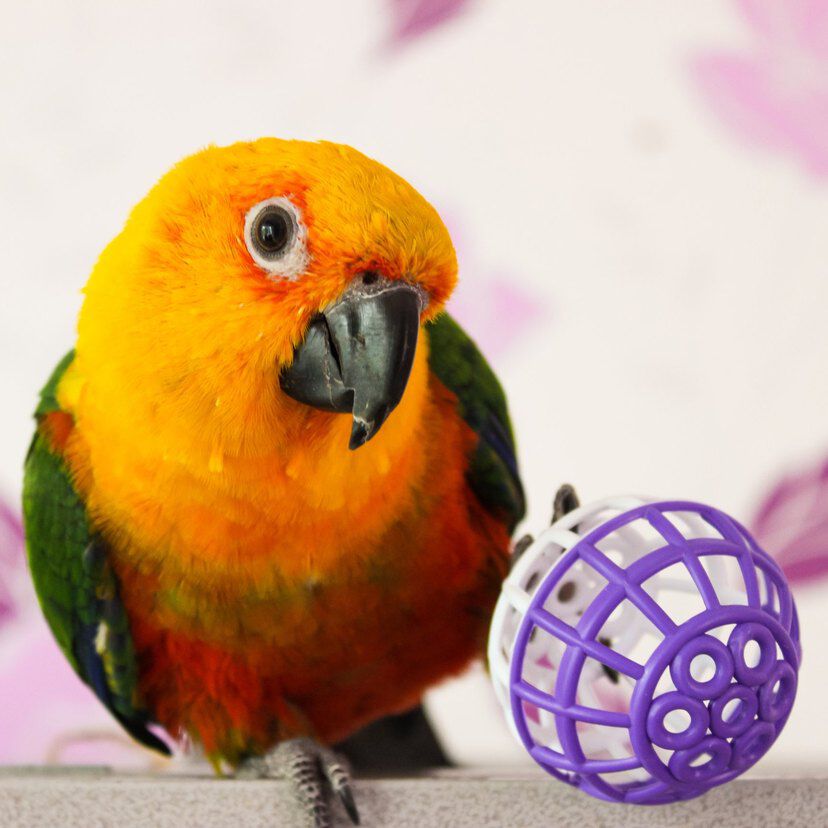
- With high intelligence levels, birds become bored and stressed very easily if they don’t have anything to do – imagine if all you did was sit in a room with a chair, food, and water and nothing else! This boredom can lead to aggression, feather plucking, and other destructive behaviors.
- There are four types of bird toys. Ideally, birds should have at least one from each group.
- Destructable Toys
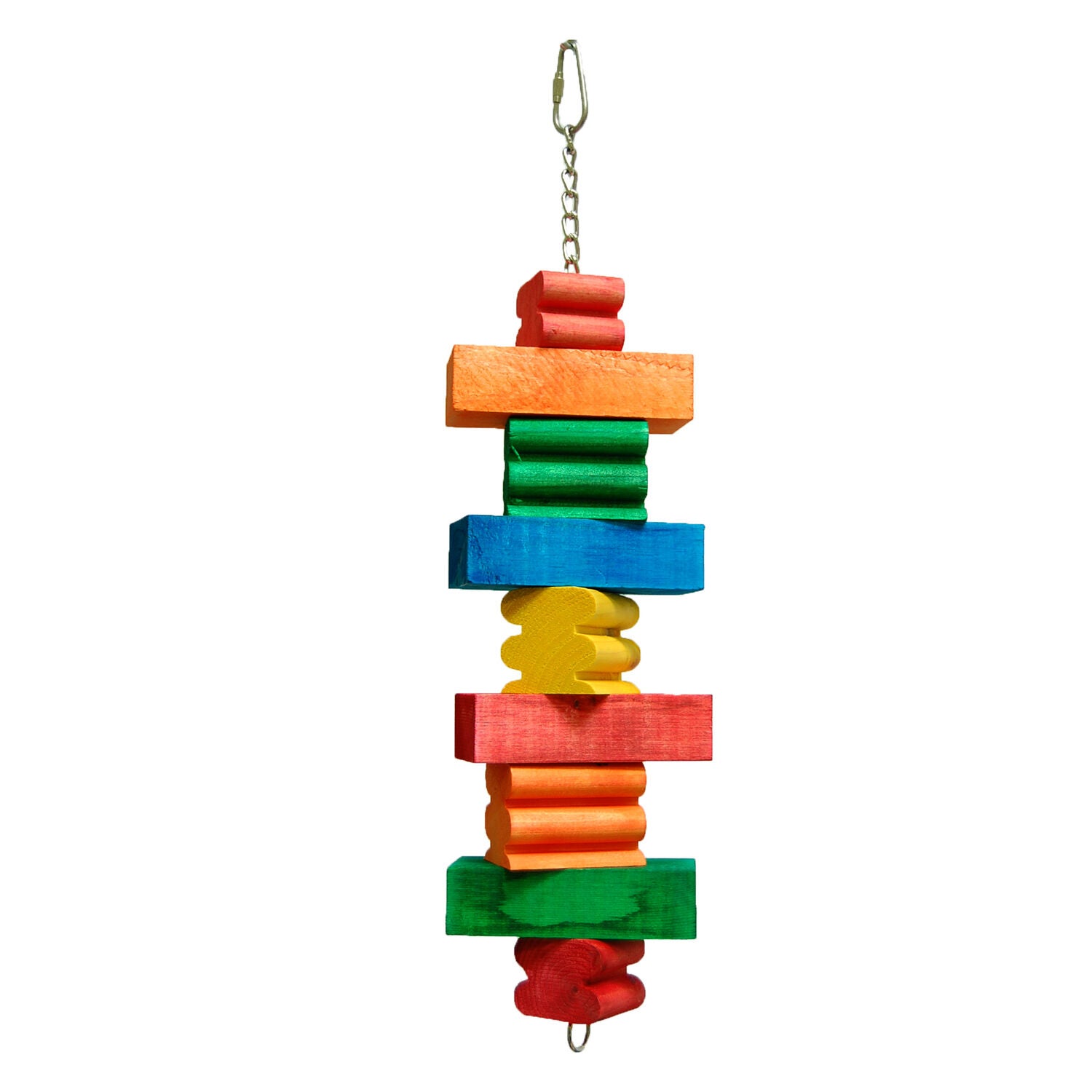
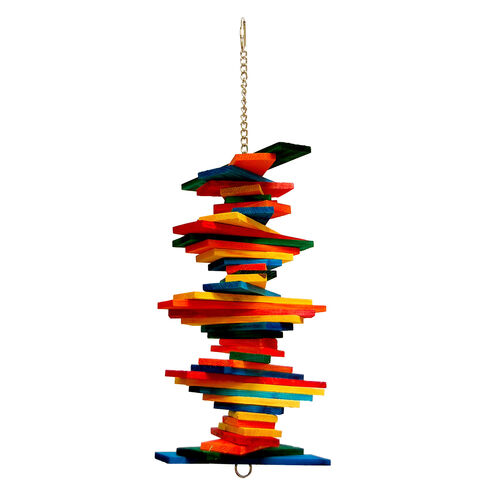
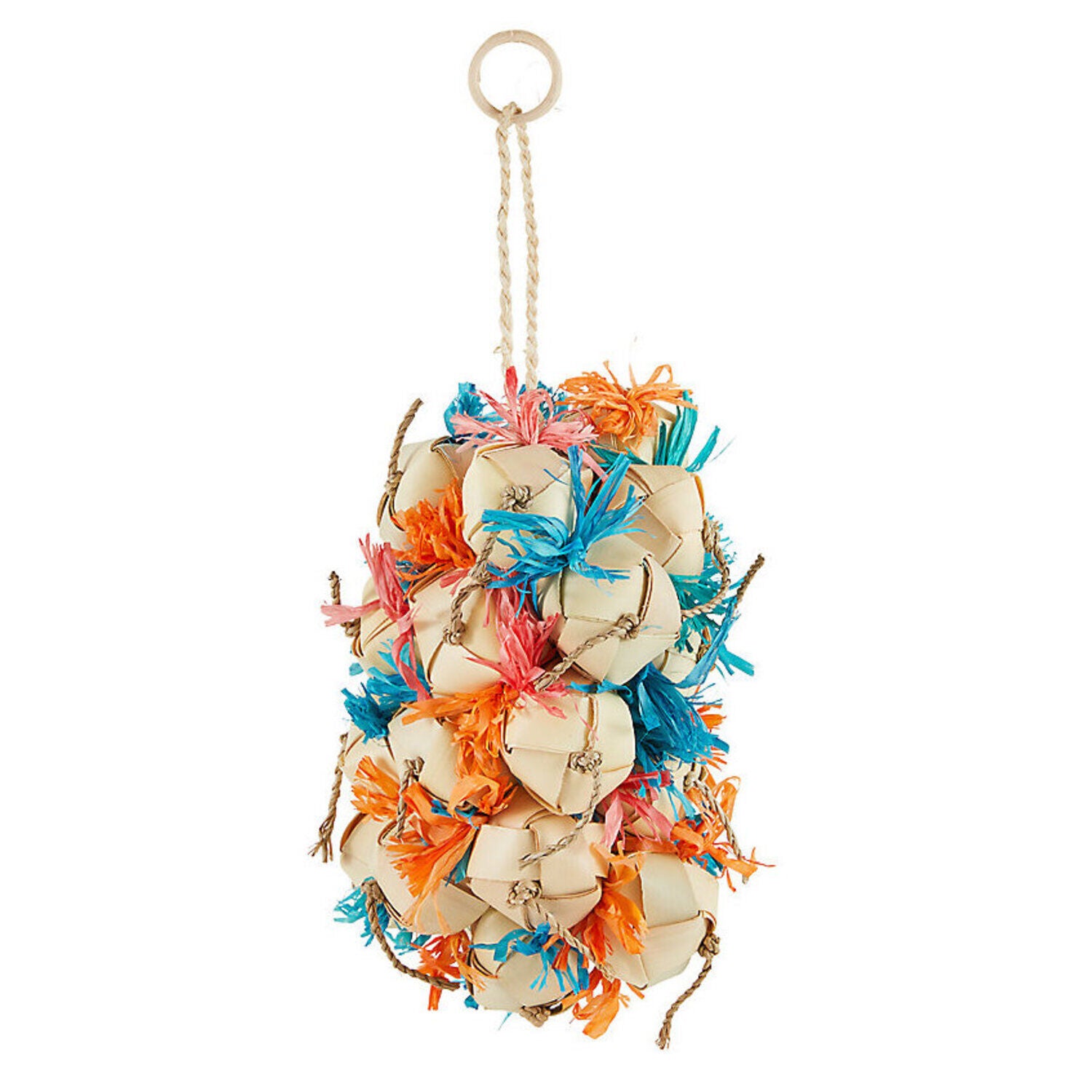
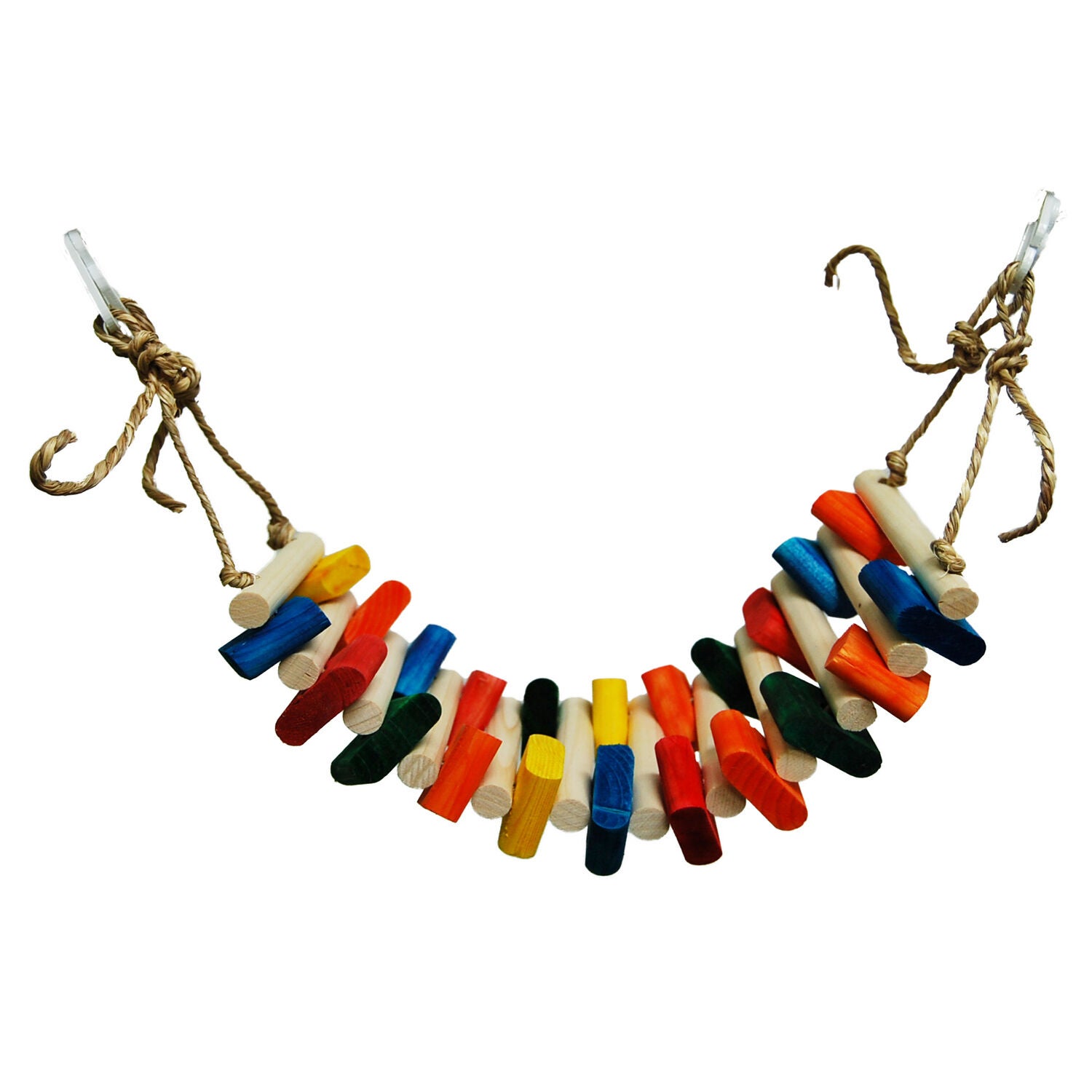
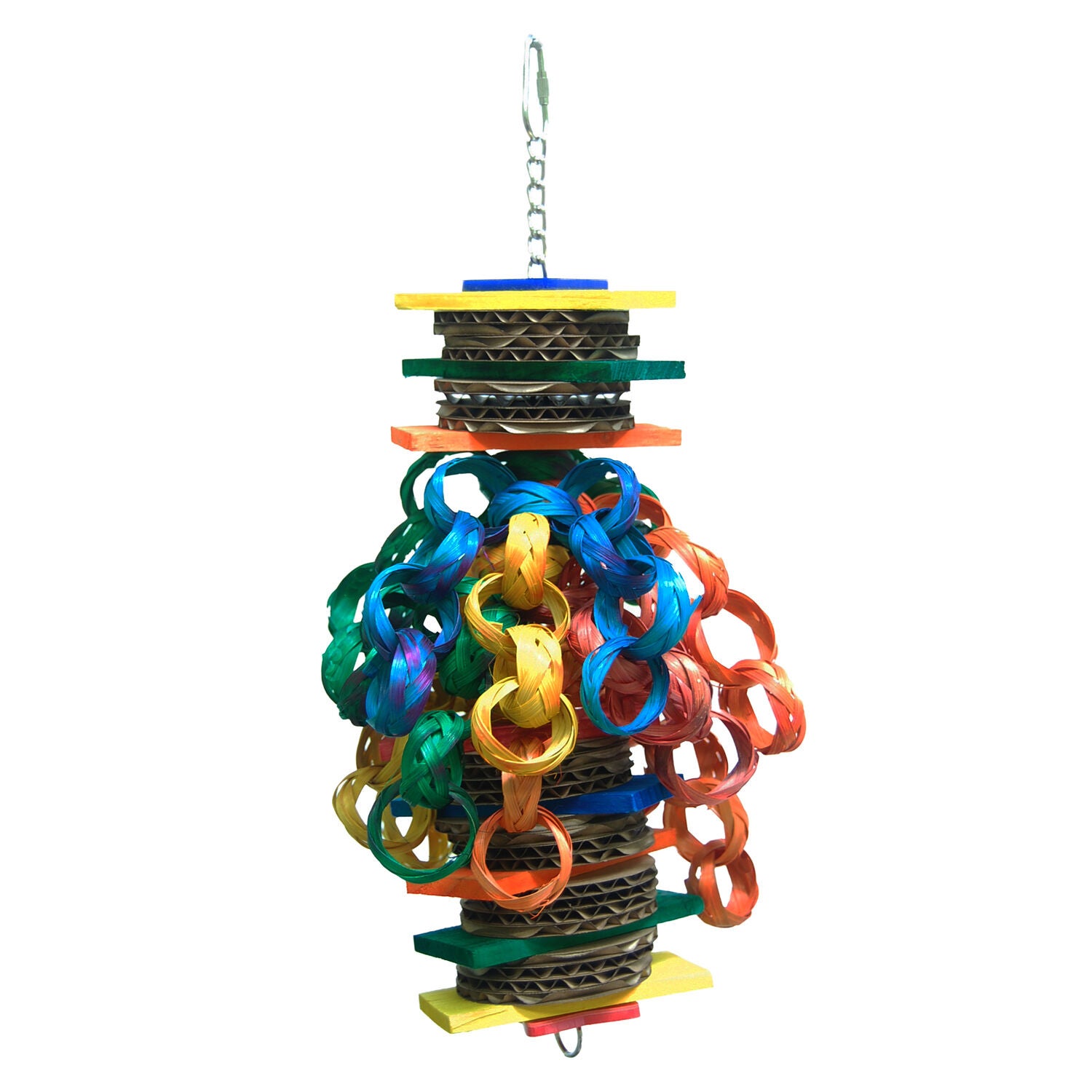
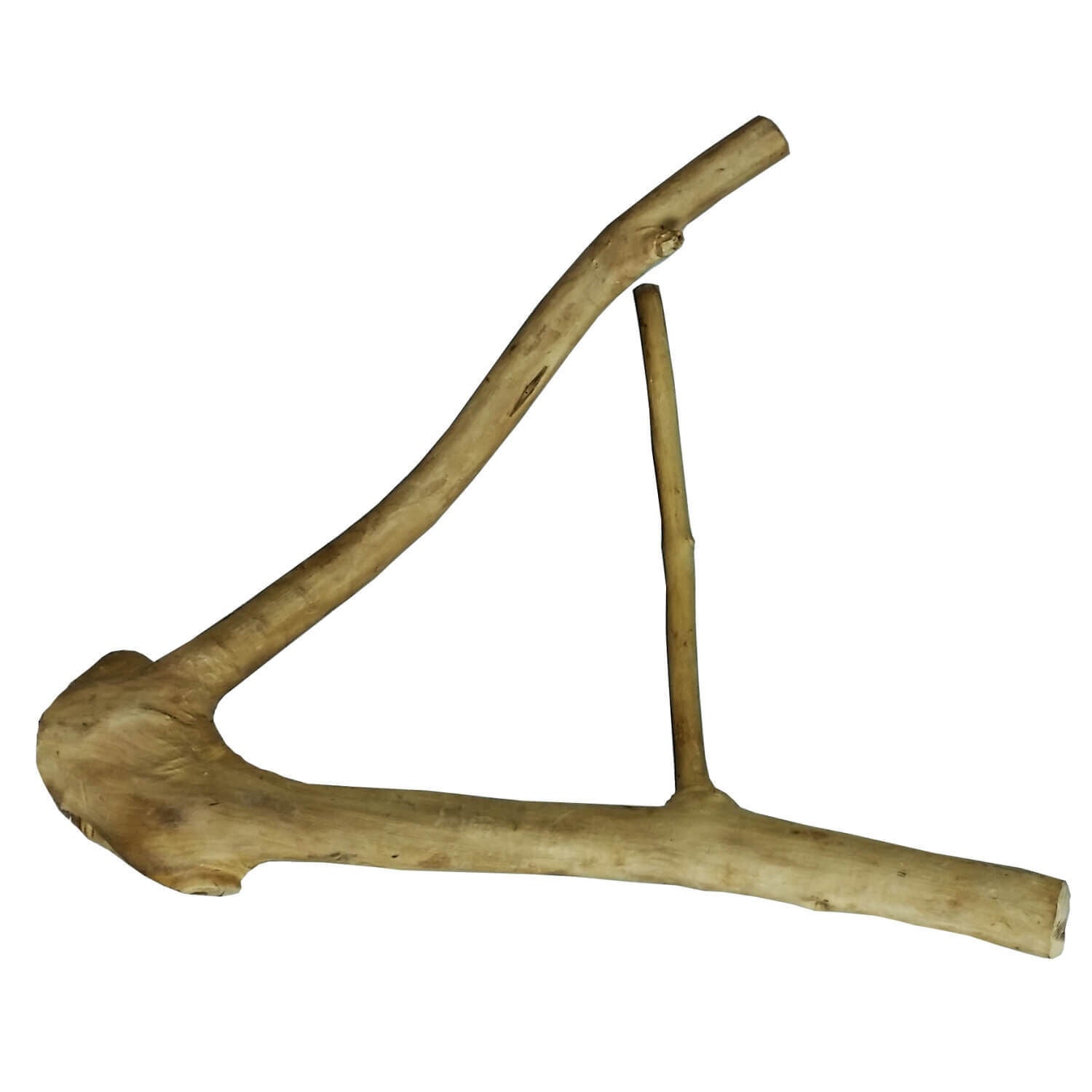
- Destructable chewing bird toys include toys made with branches with bark, milled wood, chipped wood, raffia, straw, cholla, cork, leather, paper, jute, hemp, cotton or other natural materials.
- Communication Toys
- Bells, rattles and clackers include hard plastic beads and/or elements designed to produce sound when the bird toy moves. These bird toys appeal to this social creature’s instinct to communicate.
- Exercise Toys
- Birds that are caged need to exercise! In the wild, birds would move from branch to branch and fly. Exercise toys include swings, textured perches, and perches that have varying diameters.
- Enrichment Toys
- These toys enrich a bird’s life and include several categories: foraging (treats hidden inside), cuddling, hiding, and foot toys. Enrichment toys also include puzzles.
157 Results
157 Results
No products found for selected filters. Please try with different filters.
Showing 0 of 0