Tree Frog Care Guide
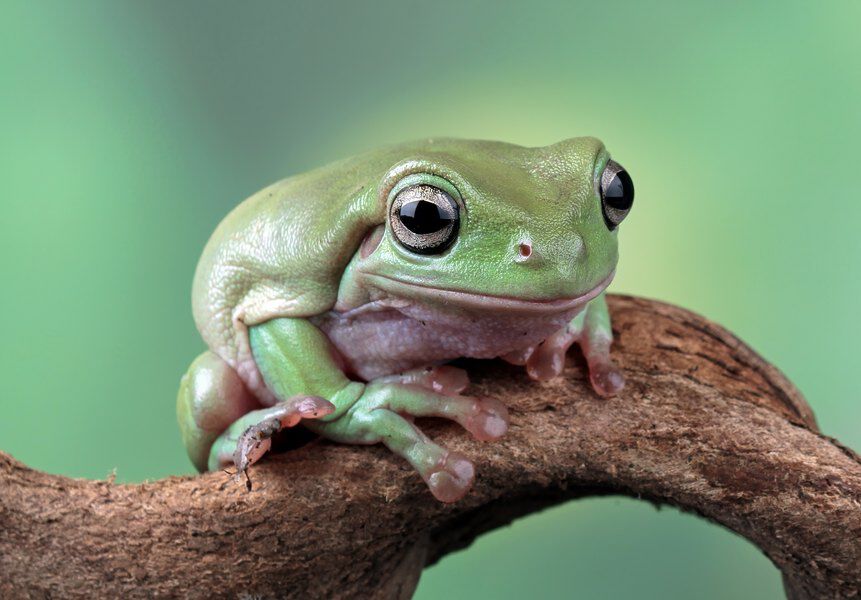
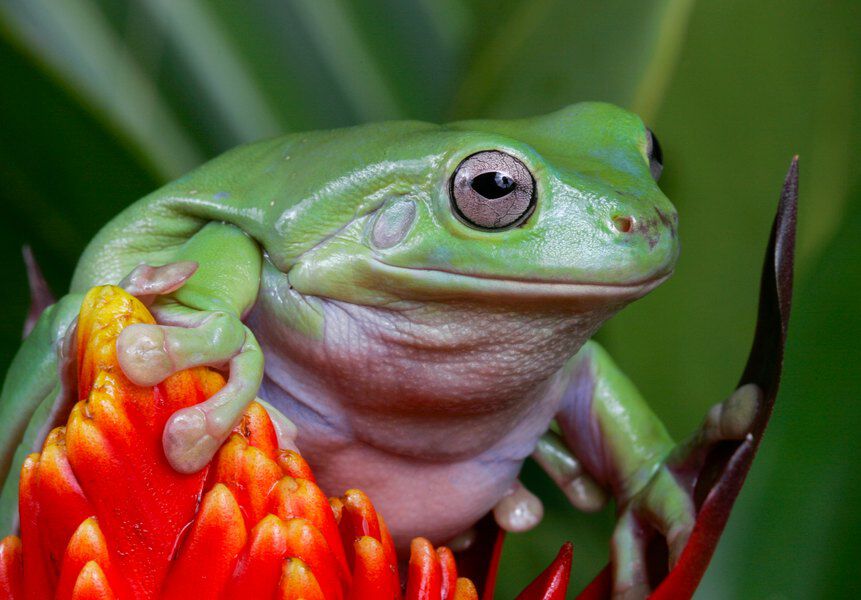
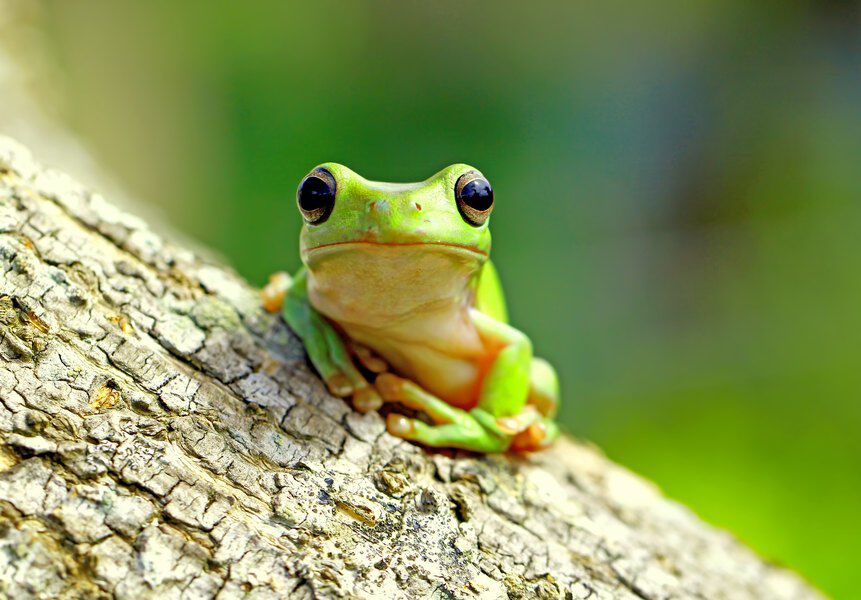
Get to Know Your Tree Frog
Basic Information
Includes popular species such as White’s Tree Frog
Common Name
Tree Frog
Scientific Name
Varies by species (e.g. Litoria caerulea)
Size
2 - 4 inches
Life span
10 - 15 years (with proper care)
Temperament
Generally docile
Checklist for Your Tree Frog
Essential Items
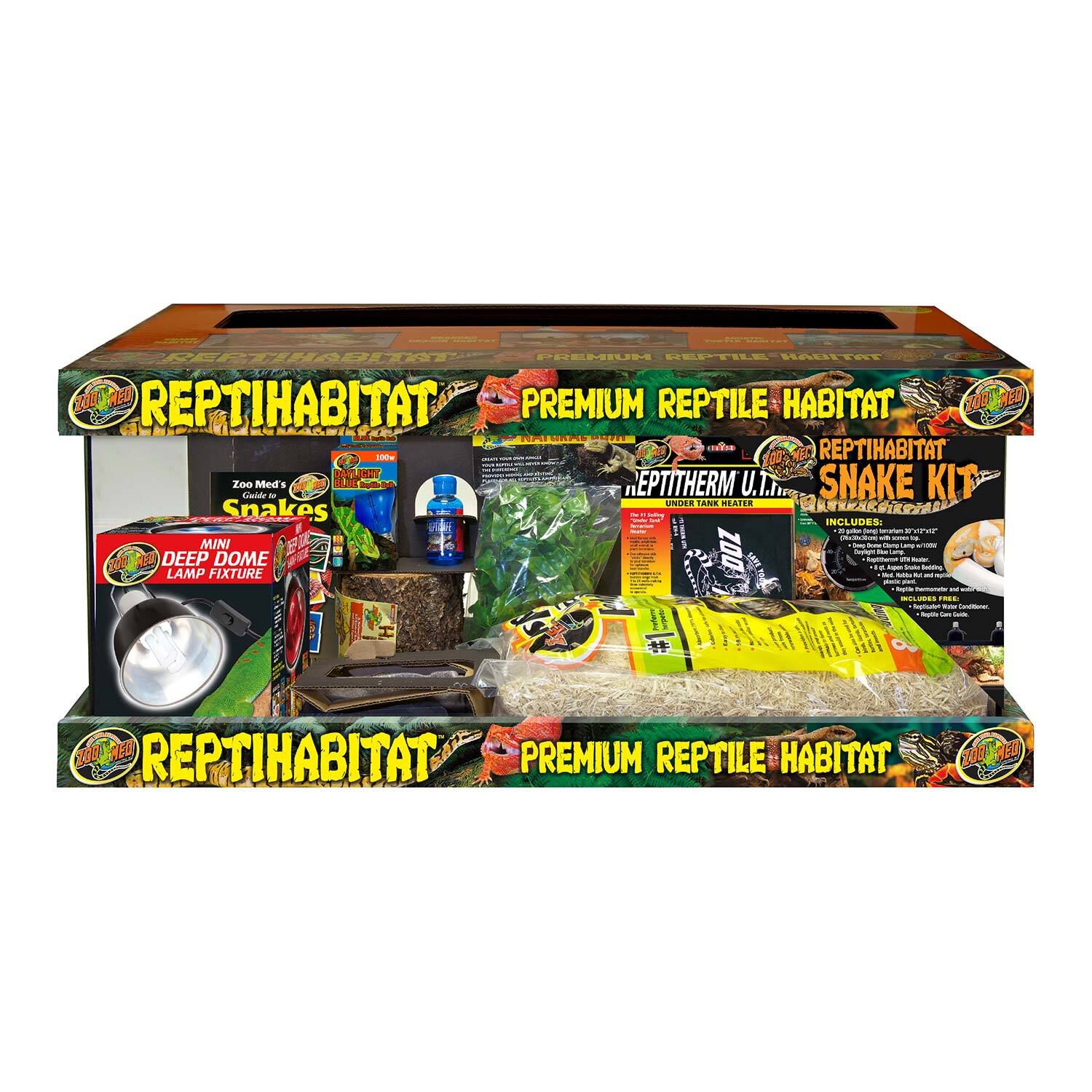
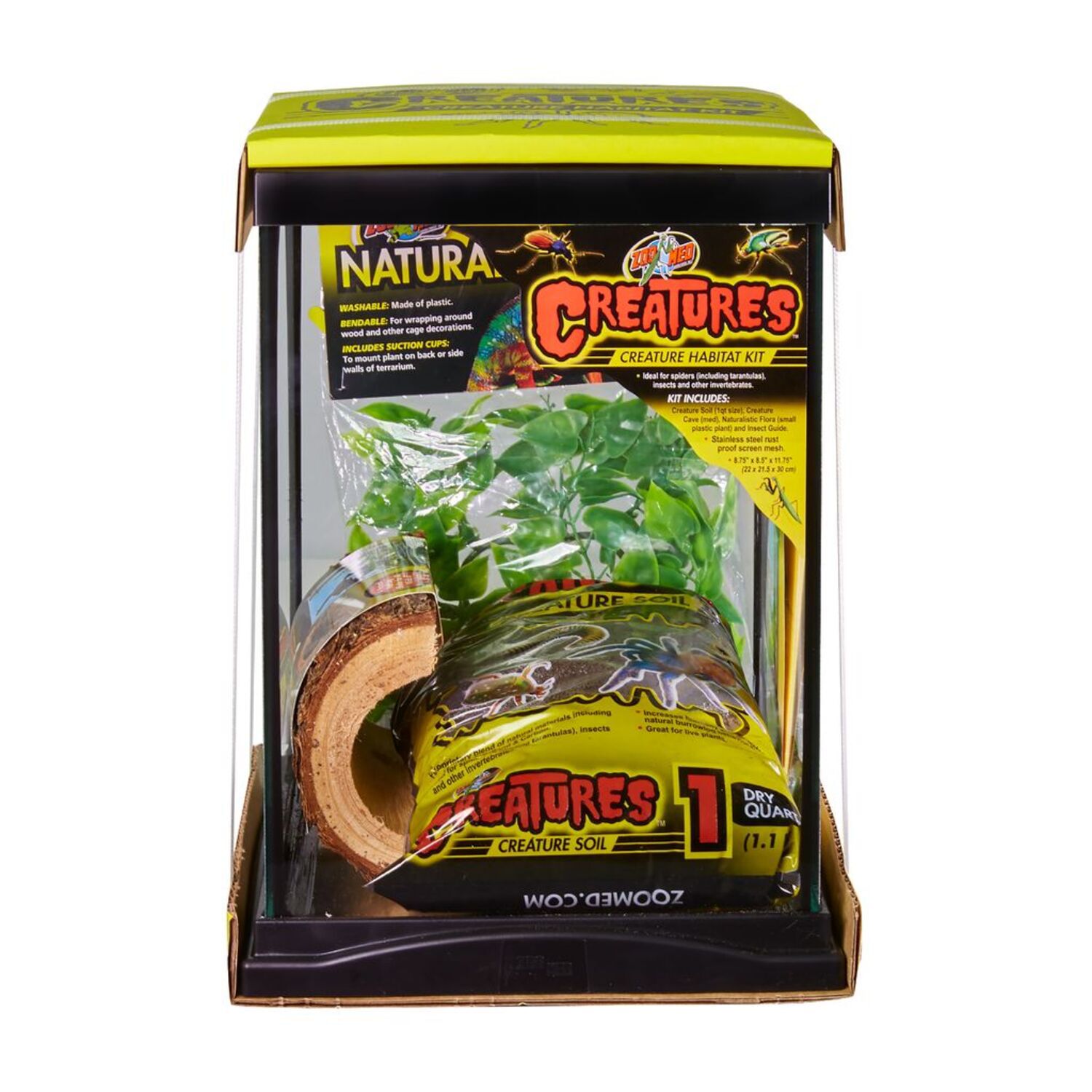
Vertical enclosure (20 gallon or larger)
Screen or screened top
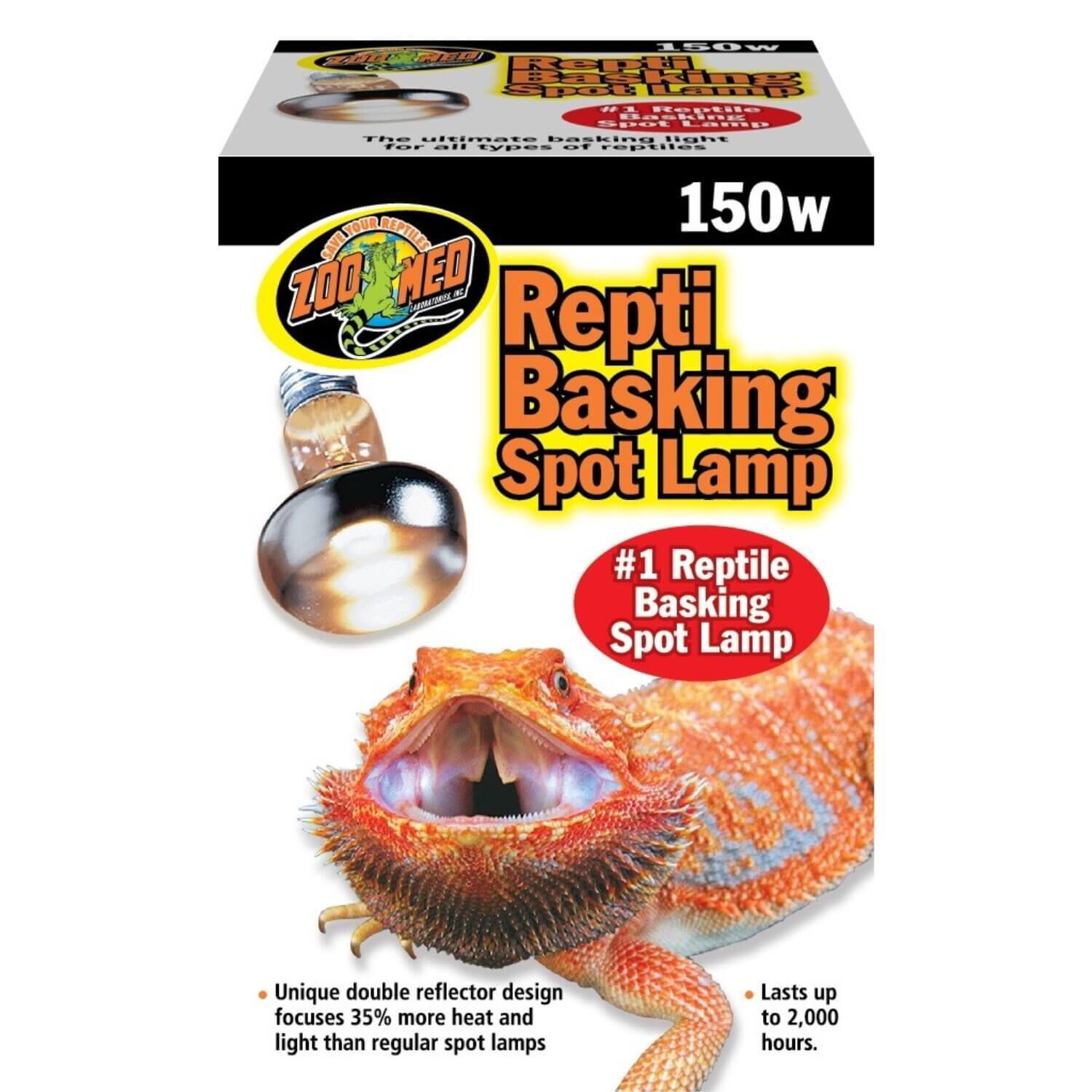
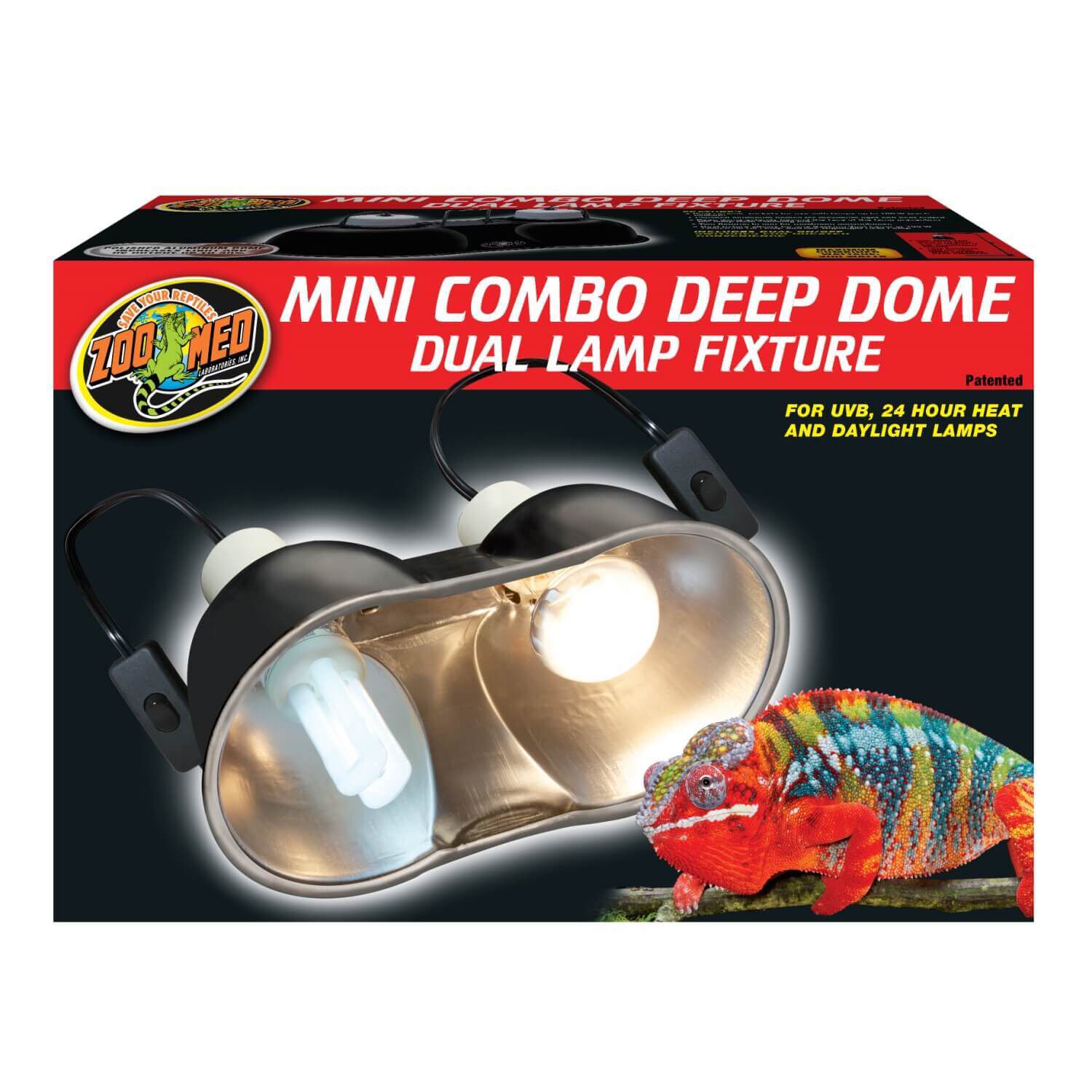
Heat source
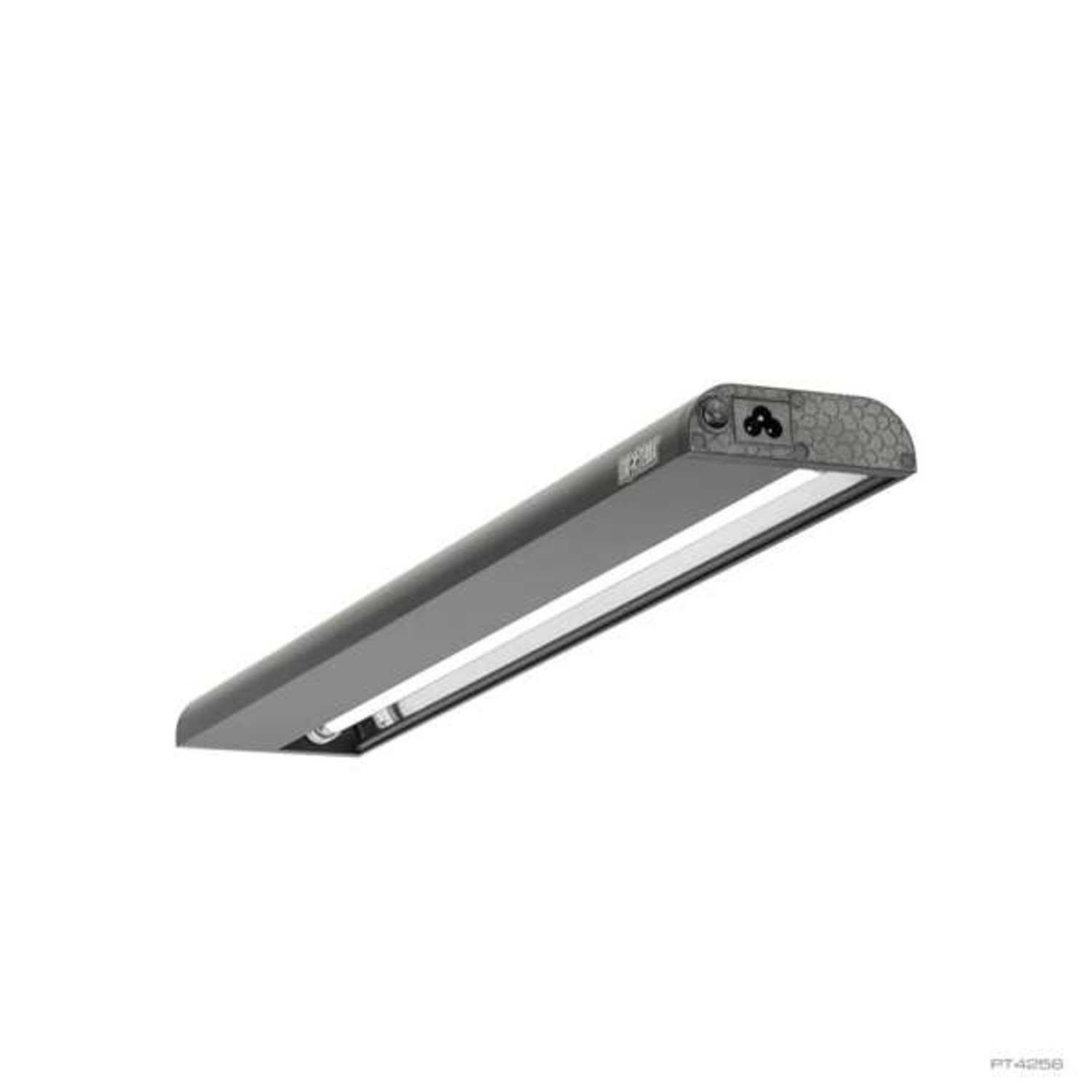
UVB lighting (optional but beneficial)
Thermometer & hygrometer
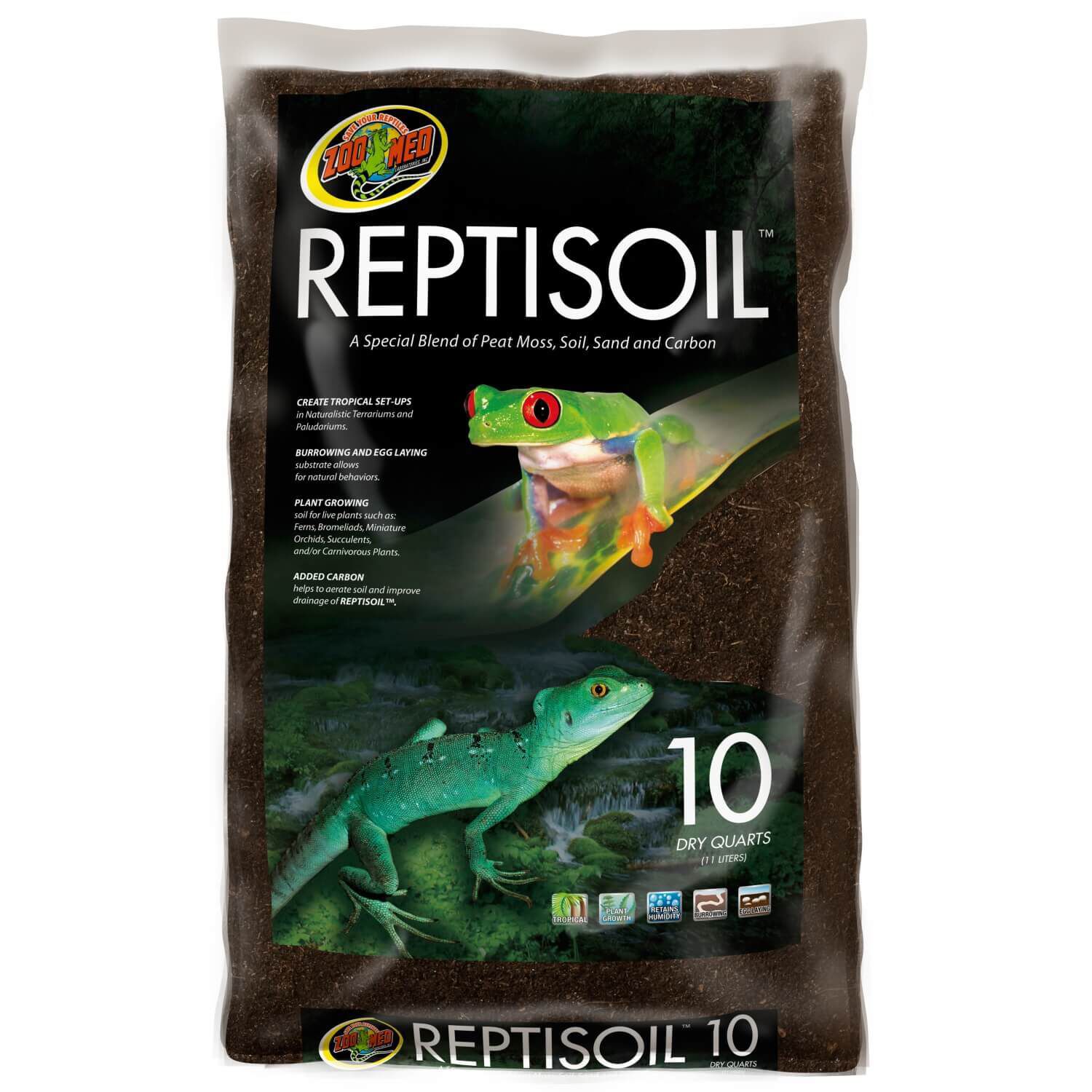
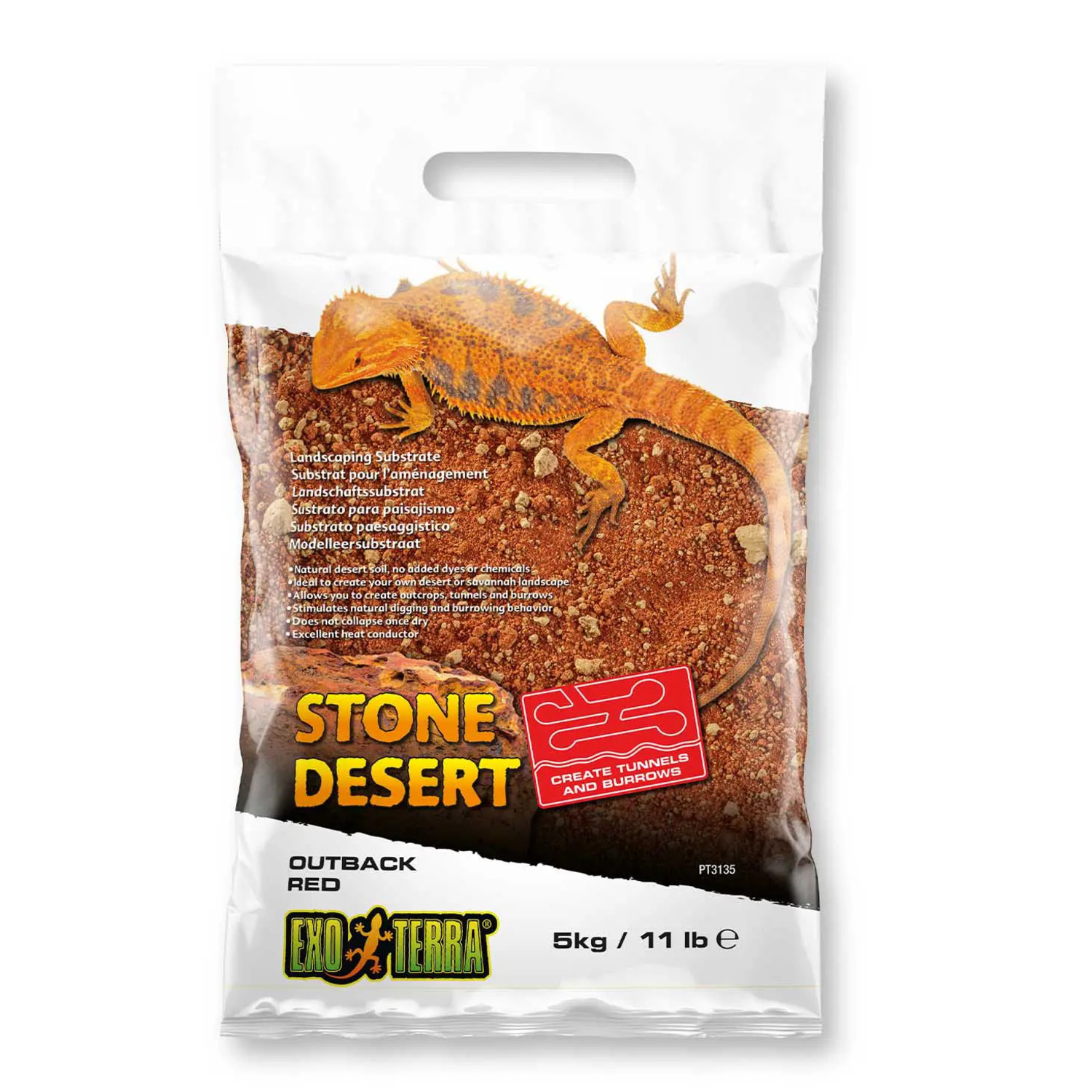
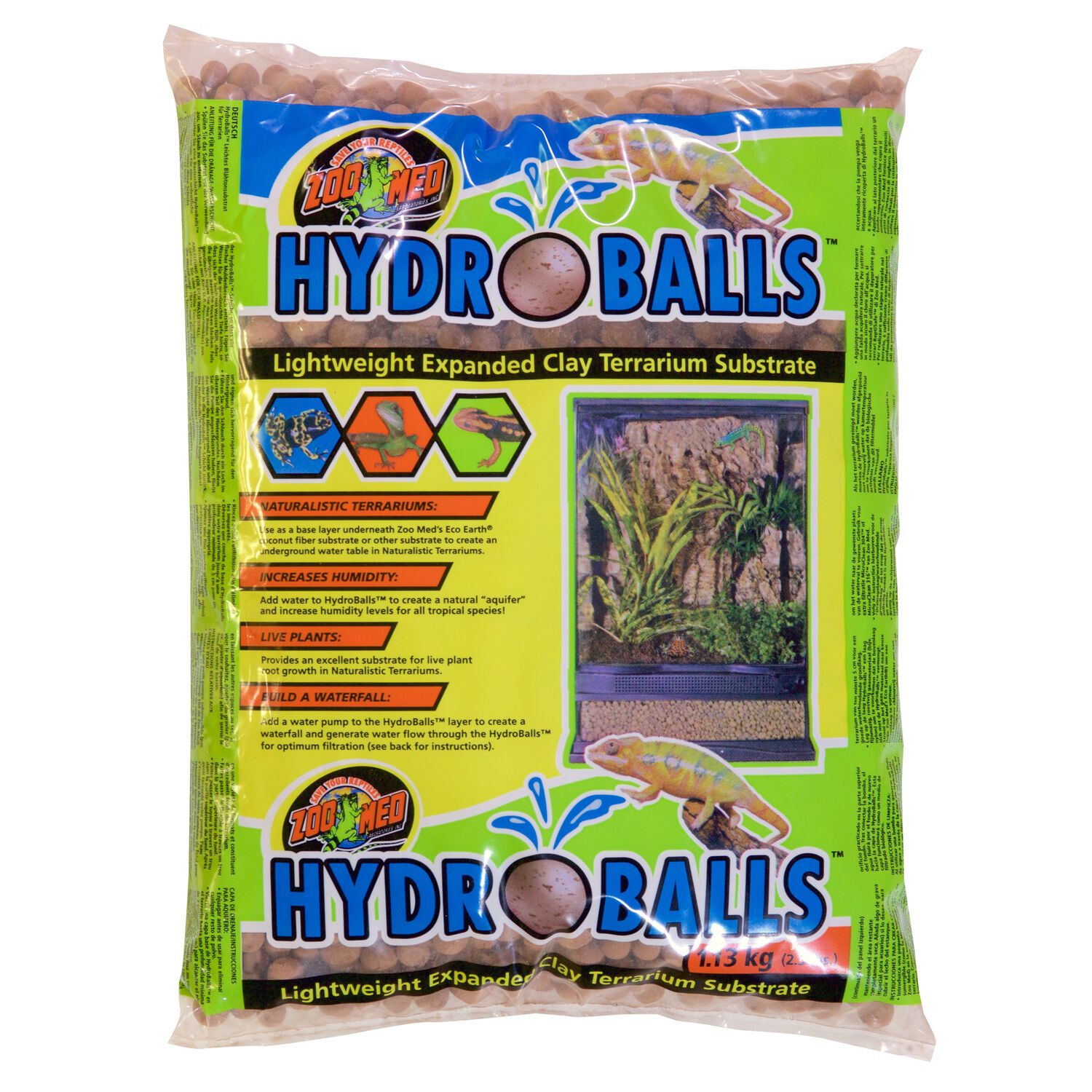
Substrate (coconut fiber, organic topsoil, or bioactive)
Live or artificial plants
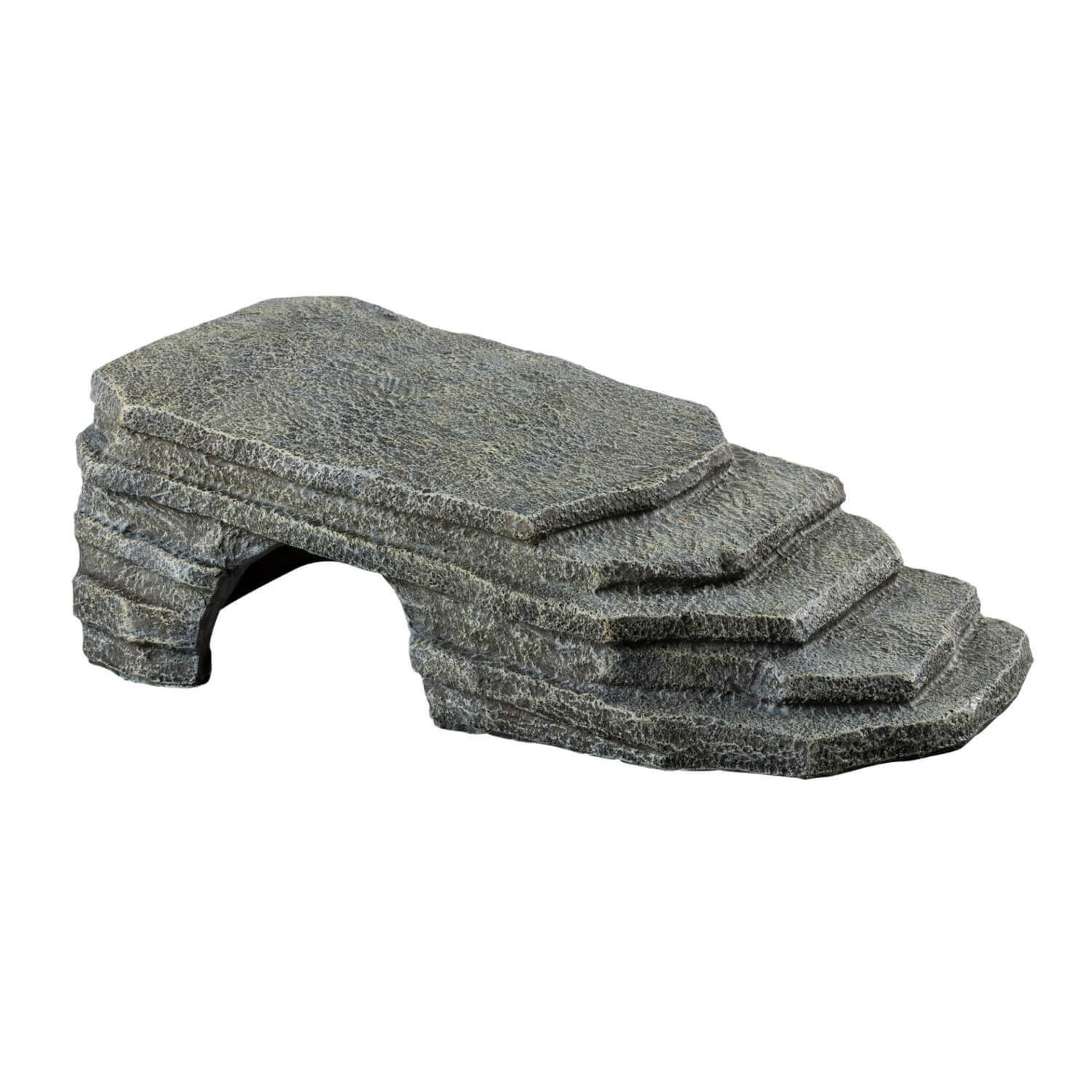
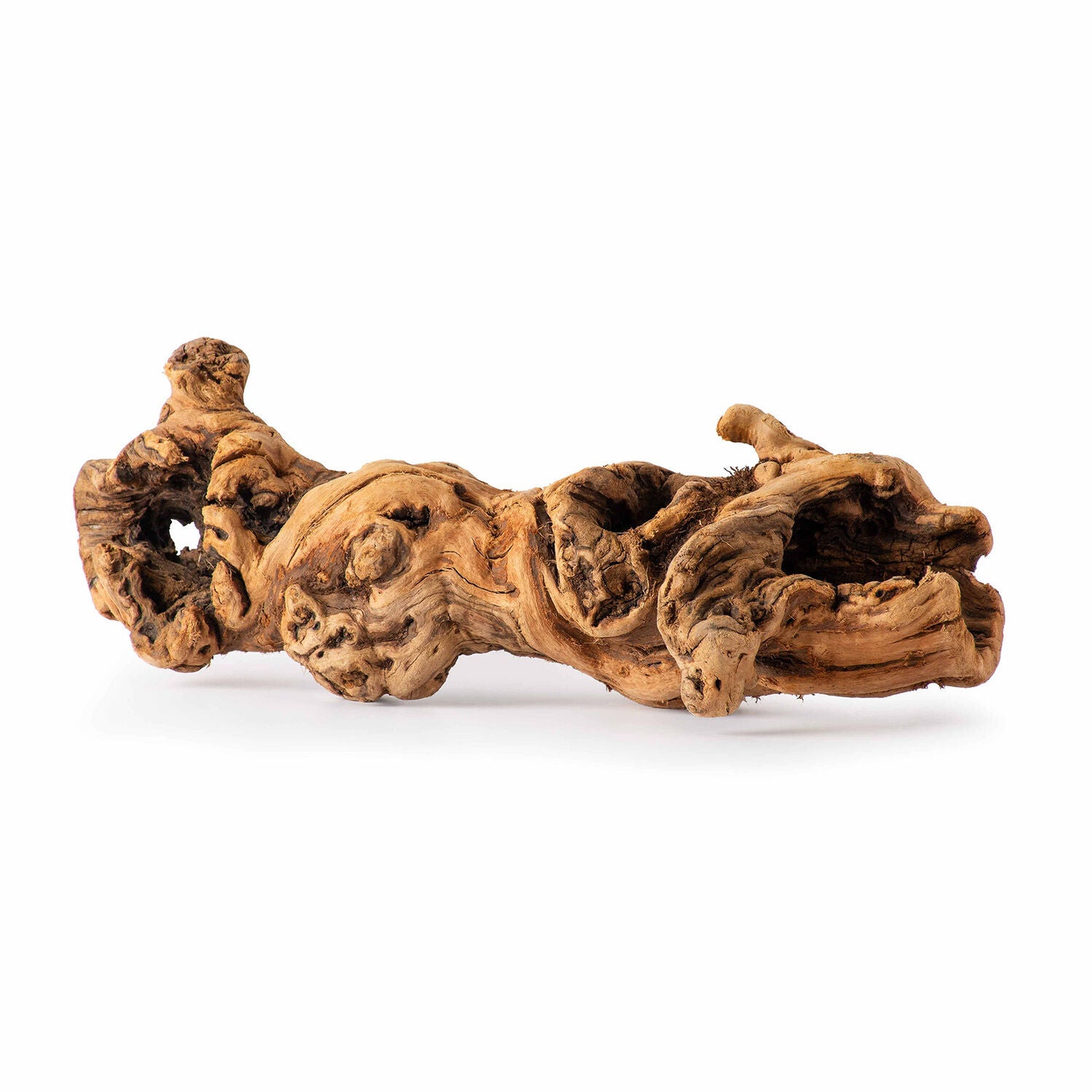
Branches, vines & hides
Water dish (large enough for soaking)
Misting system or spray bottle
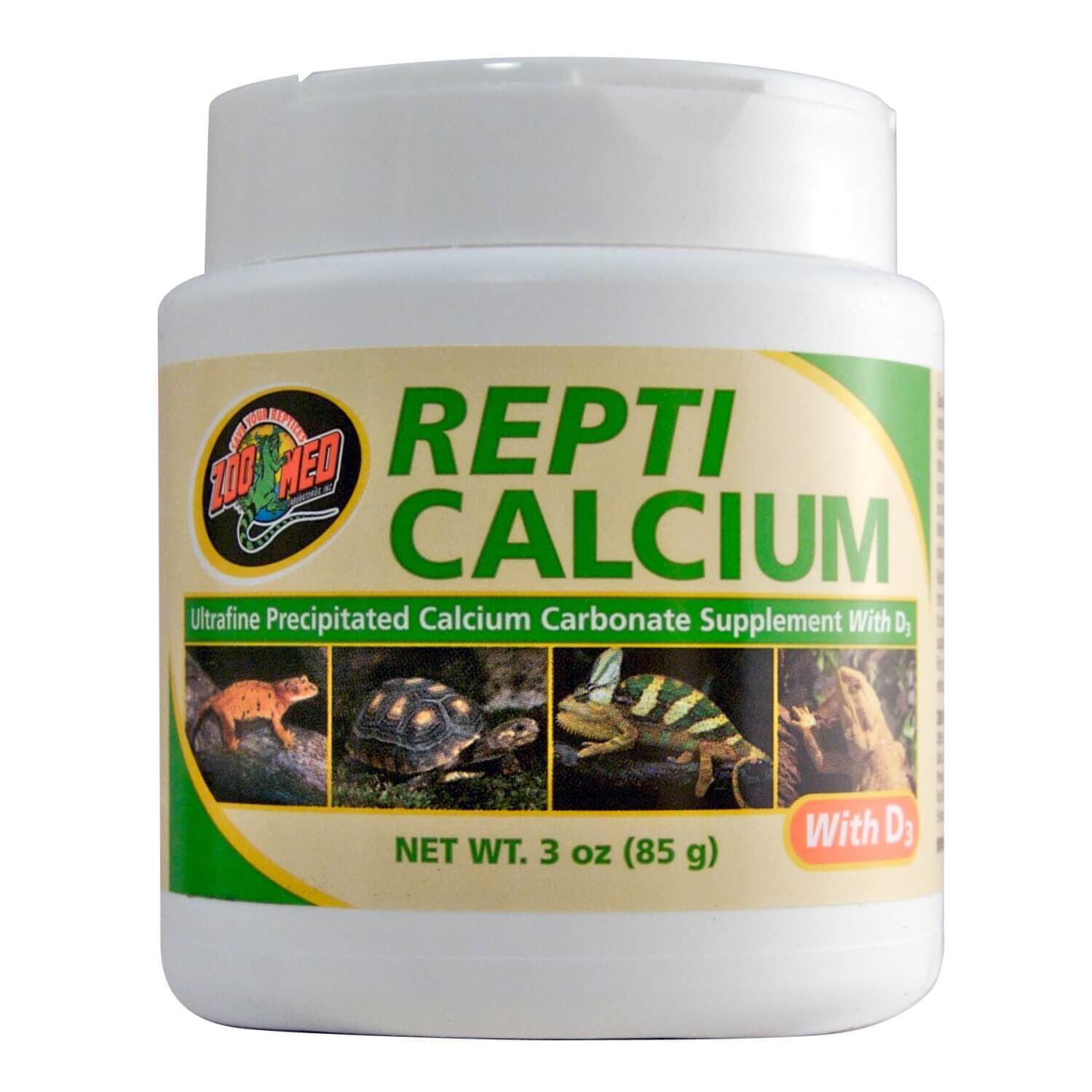
Calcium supplement (with D3)
Multivitamin supplement
Food (insects)
Tongs or feeding cup
Everything your Tree Frog needs, all in one place.
Shop Tree Frog Supplies
Feeding Your Tree Frog
Diet
- Primarily eats live insects:
- Crickets
- Dubia roaches
- Mealworms
- Superworms (treat food)
- Other appropriately sized insects
- Insects should be gut-loaded with nutritious food.
- Dust insects with calcium supplement at most feedings and a multivitamin 1 - 2 times per month.
- Feed appropriately sized insects (about the width of the space between their eyes).
Tree Frog Habitat
Caging & Environment
Housing & Environment
- Requires a tall, well-ventilated enclosure (20 gallon or larger for an adult; taller is better).
- Vertical space with branches, vines and plants for climbing.
- Include plenty of hiding spots and leafy coverage to help them feel secure.
- Use a moisture-retaining substrate such as coconut fiber, organic topsoil, or a bioactive mix.
- Provide a large, shallow water dish for soaking and drinking. Change water daily.
- Live or high-quality artificial plants help maintain humidity and provide enrichment.
Temperature & Lighting
- Daytime temperature: 75 - 85°F
- Nighttime temperature: 68 - 75°F
- Use an under-tank heater or a ceramic heat emitter (CHE) to maintain proper temperatures. (A ceramic heat emitter is a bulb that goes in a separate fixture outside of the tank on top, not inside or under the enclosure.)
- UVB lighting (5.0 or 6%) is recommended to support overall health, even for nocturnal species like White’s tree frogs. Provide 10 - 12 hours daily and replace every 6 - 12 months.
- Provide a natural day/night cycle.
Humidity & Hydration
- Humidity: 50 - 70%
- Mist the enclosure 1 - 2 times daily or use an automatic misting system.
- Maintain moisture in the substrate.
- Provide a large, shallow water dish for soaking. Many tree frogs enjoy soaking, which helps with hydration and shedding.
Handling Your Tree Frog
Behavior & Handling
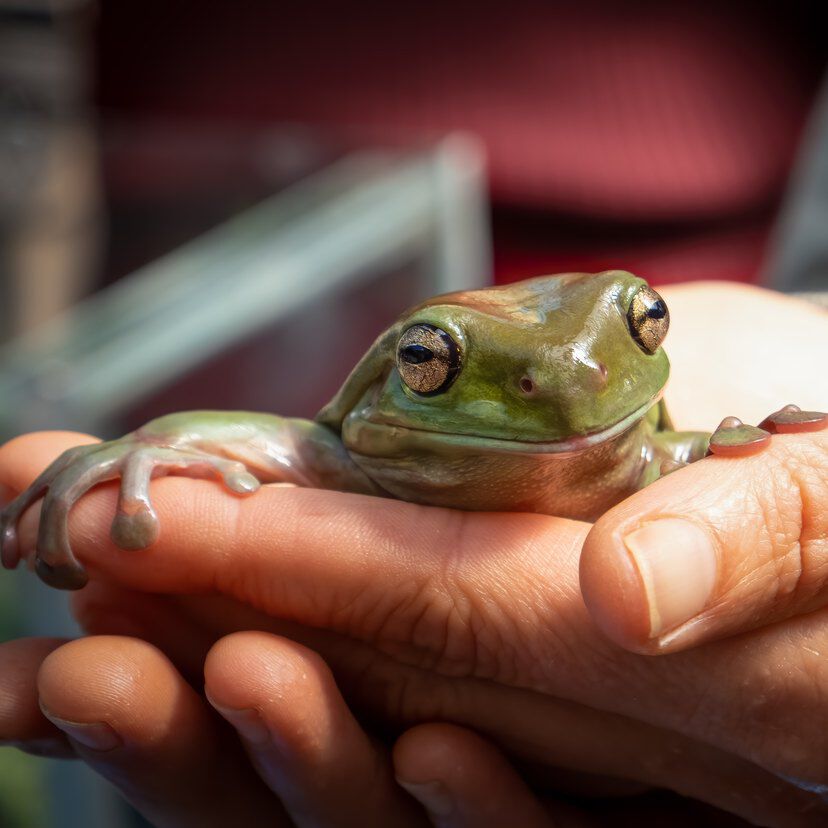
- Generally docile and easy to care for.
- Best observed rather than handled frequently.
- If handling is necessary, use clean, wet hands. Avoid soap, lotions and strong fragrances.
- Support their body and allow them to sit on your hand. Never grab or squeeze.
Common Health Problems
Tree Frog Health and Well-being
Health & Safety
- Keep the enclosure clean and remove uneaten food to prevent mold and bacteria.
- Watch for signs of illness such as lethargy, loss of appetite, or changes in skin.
- Avoid handling during shedding.
- Always wash your hands before and after handling your tree frog.
163 Results
163 Results
No products found for selected filters. Please try with different filters.
Showing 0 of 0