Dog Care Guide
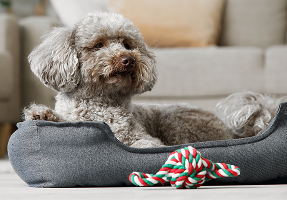
Get to Know Your Dog
Basic Information
Checklist for Your Dog
Essential Items
Food - dry, wet & mix-ins
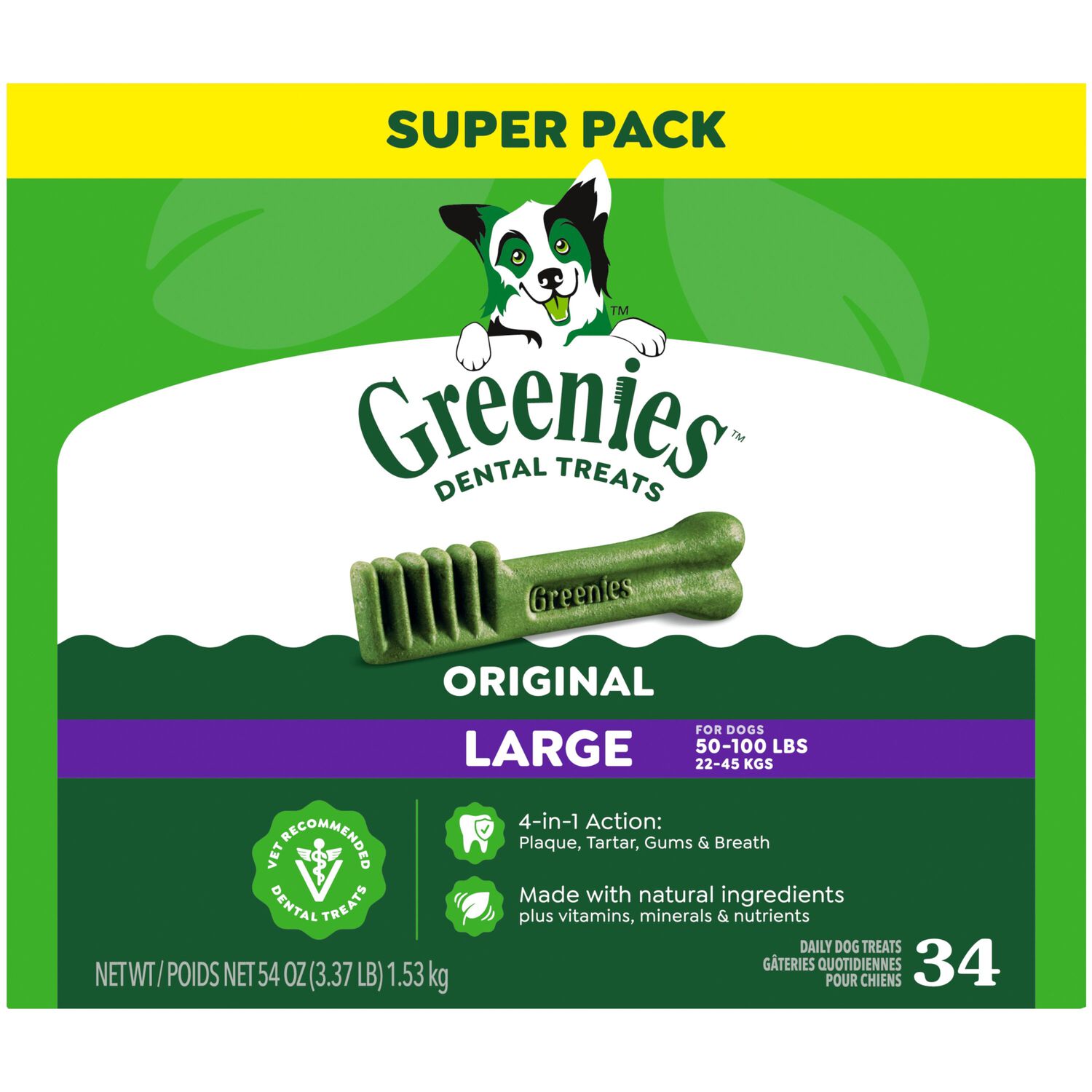
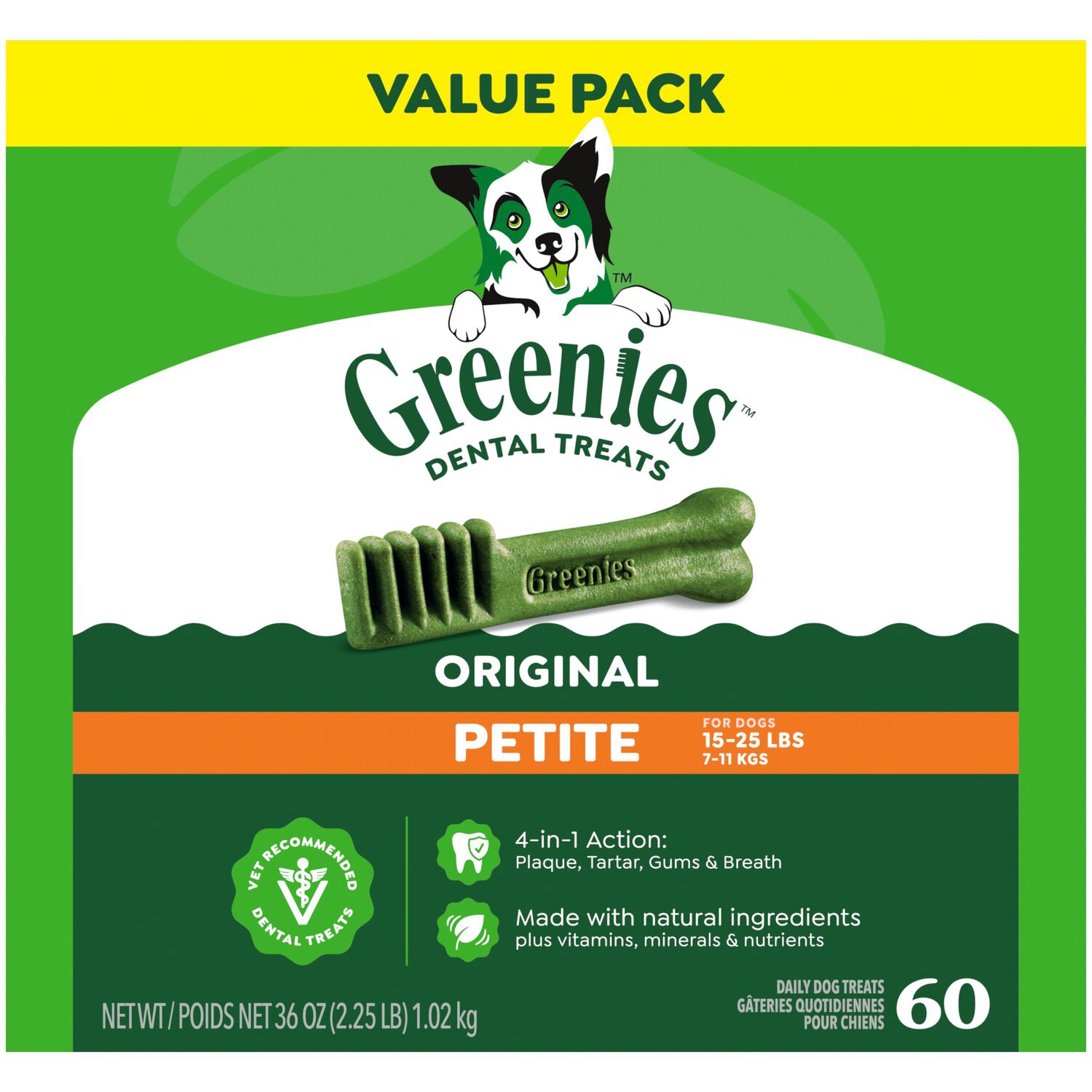
Treats - training rewards, chews, dental treats
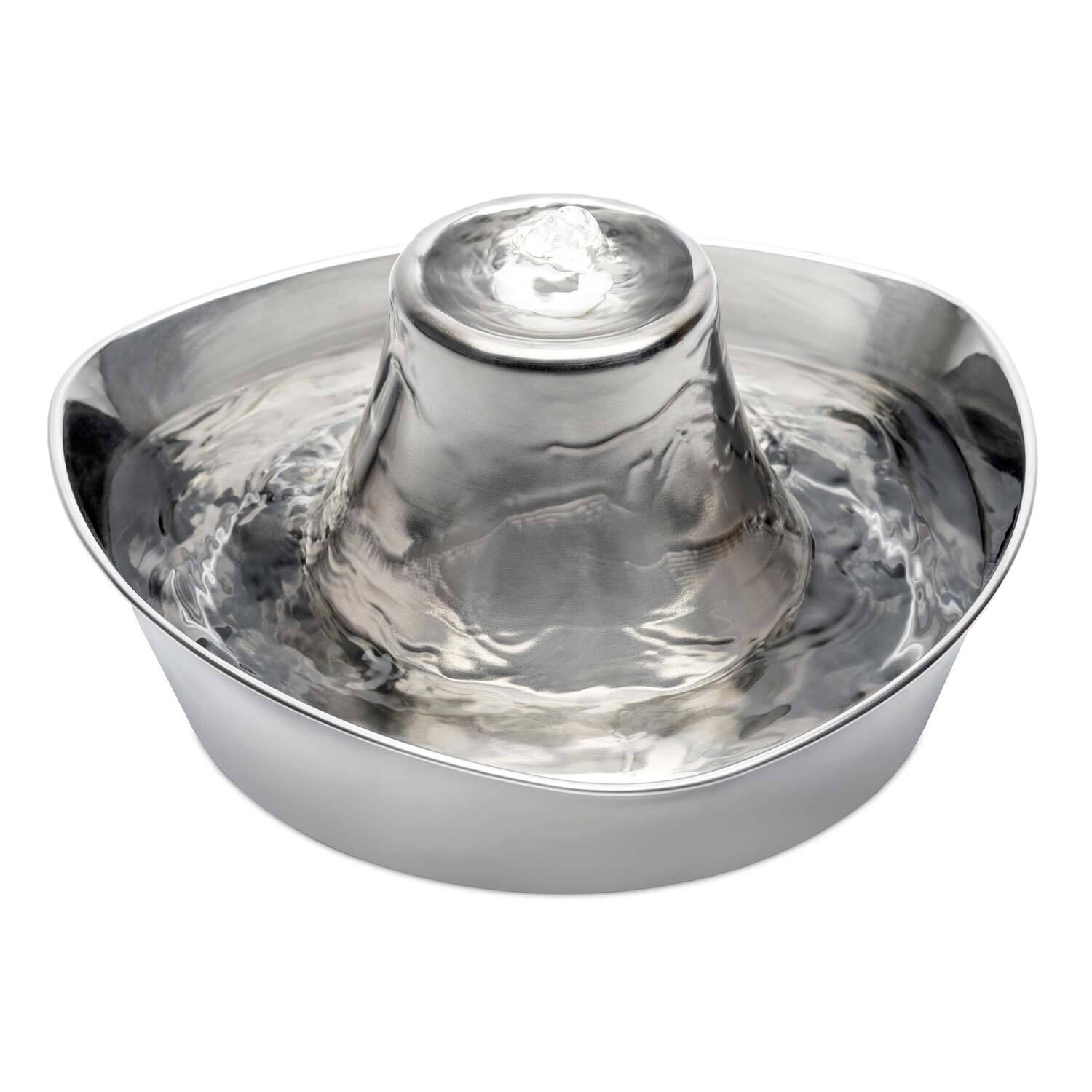
Food & Water Bowls
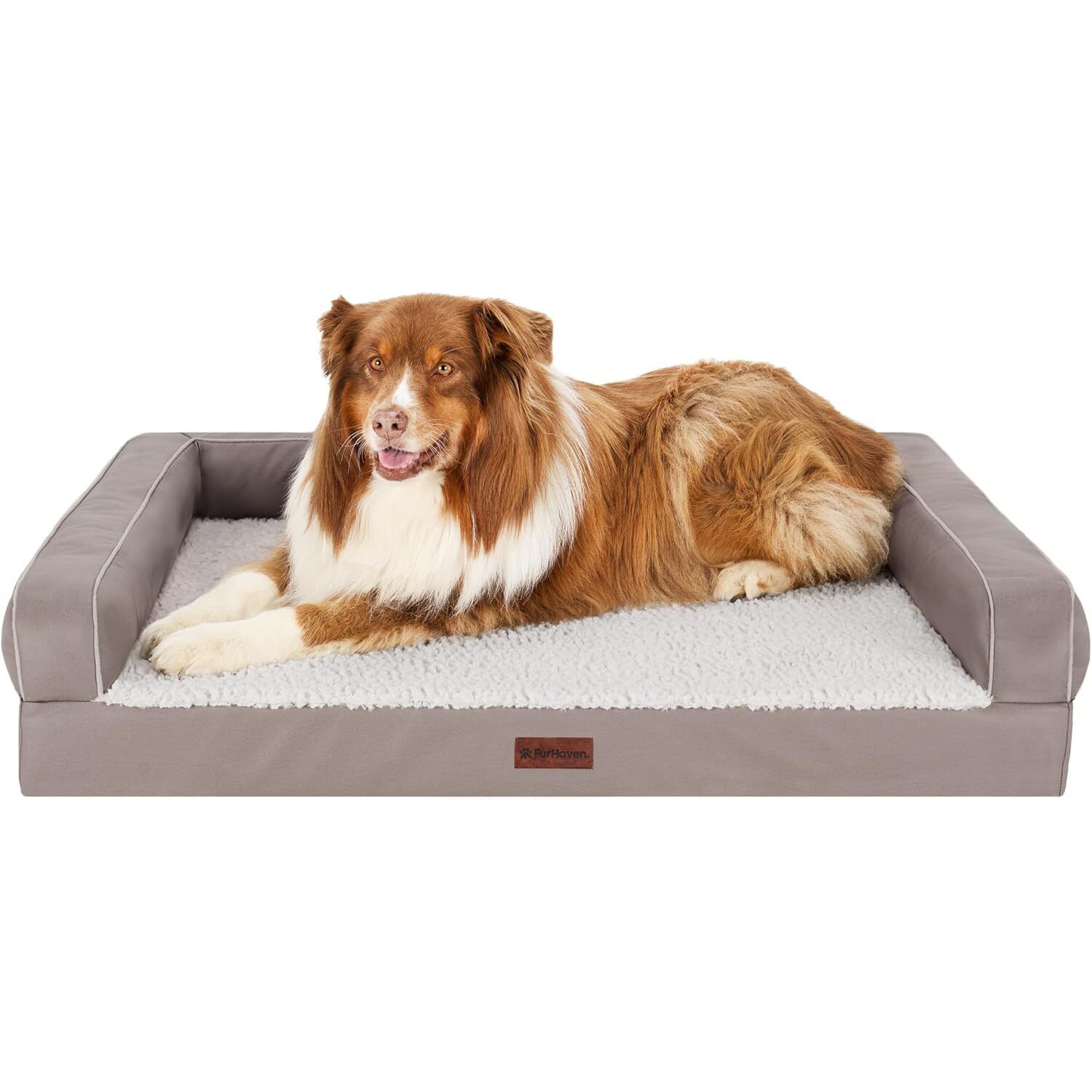
Dog Bed
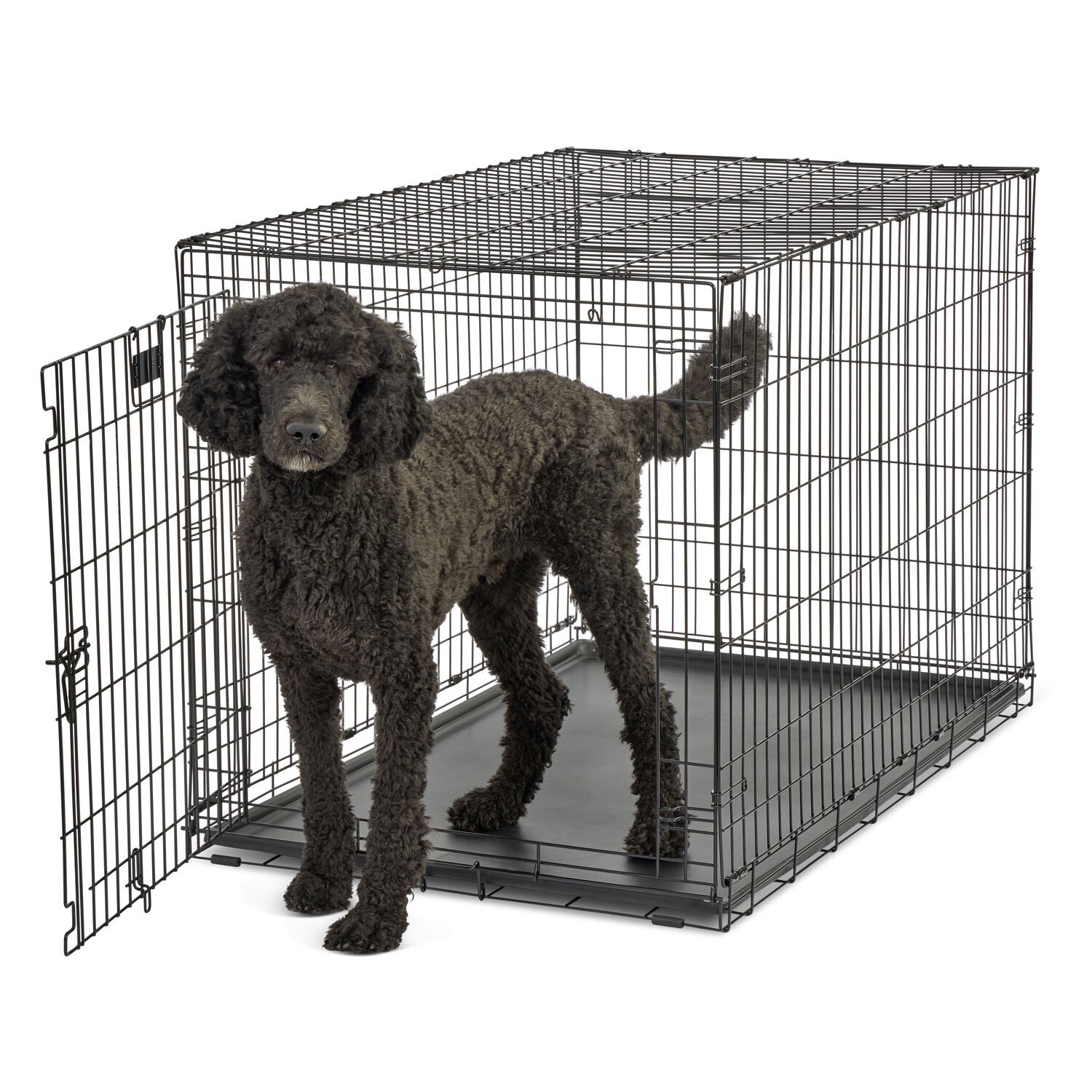
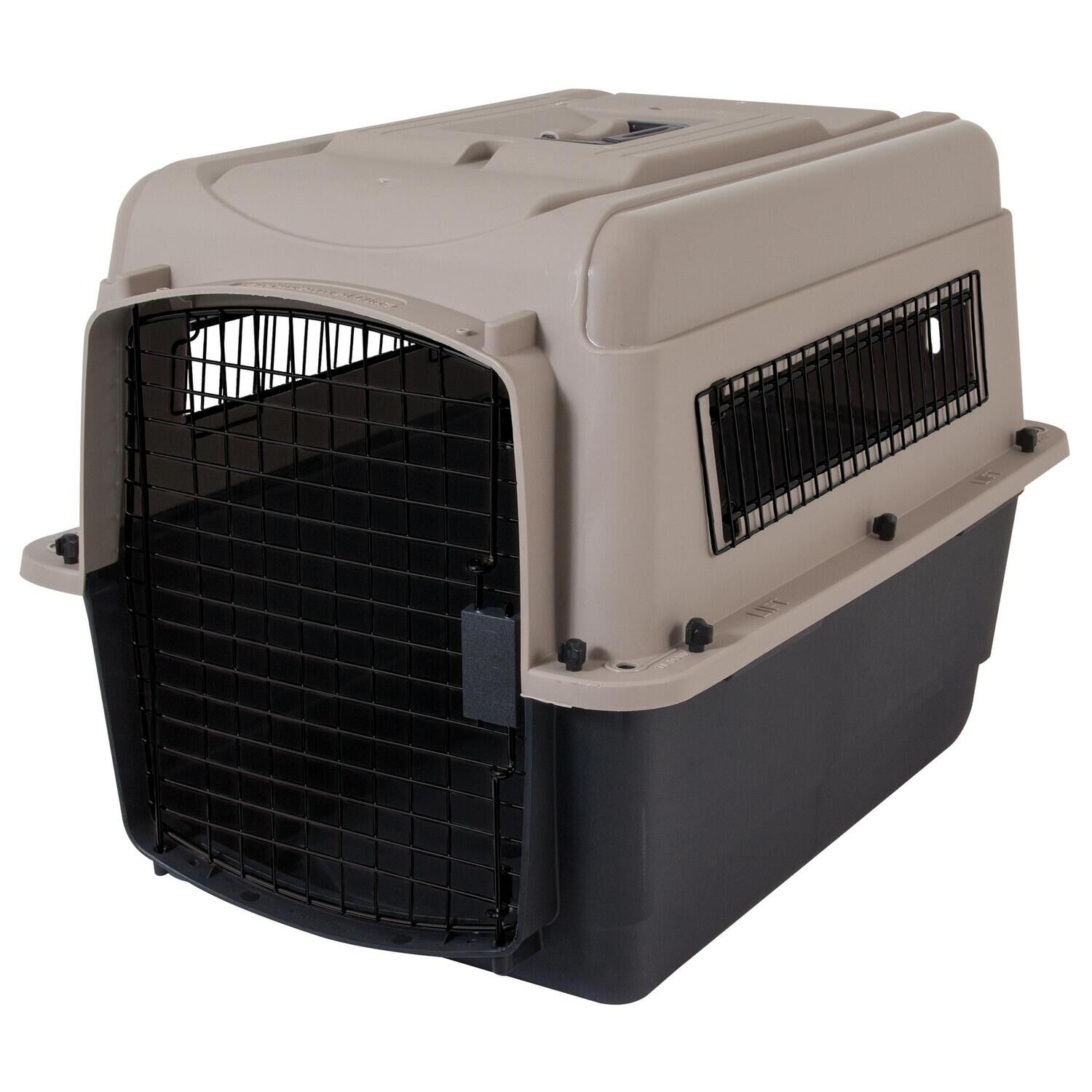
Crate
Pet Gate
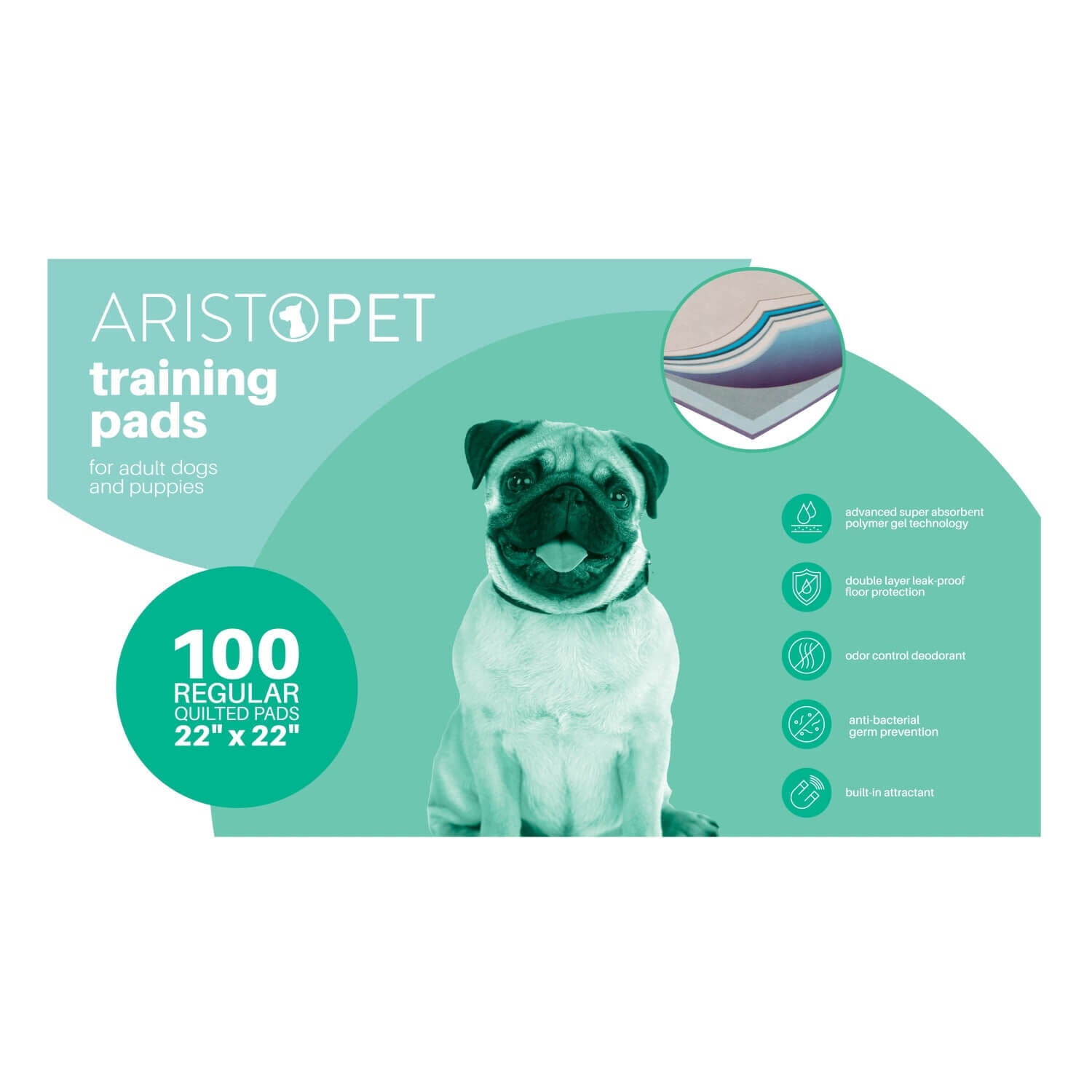
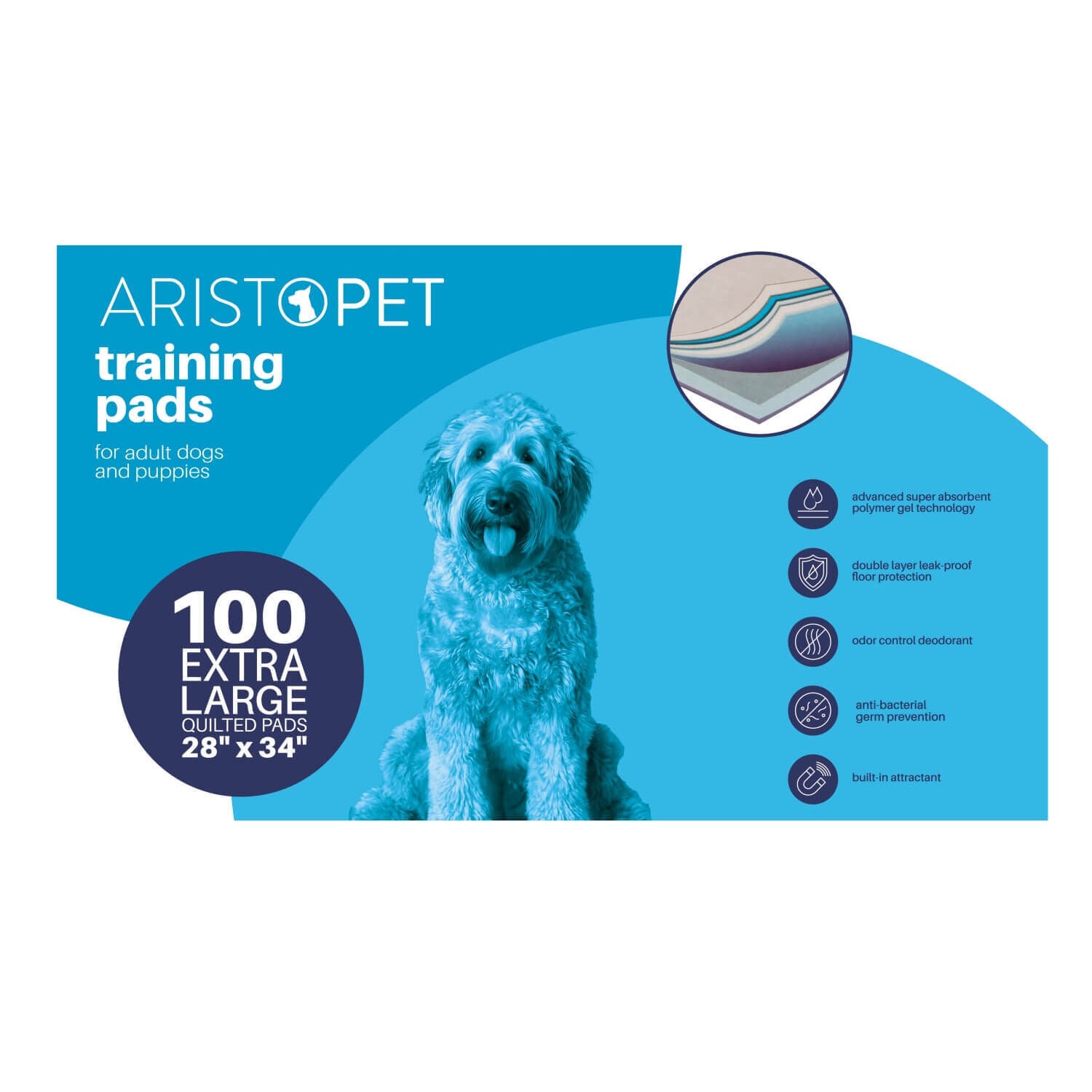
Training Pads
Stain & Odor Remover
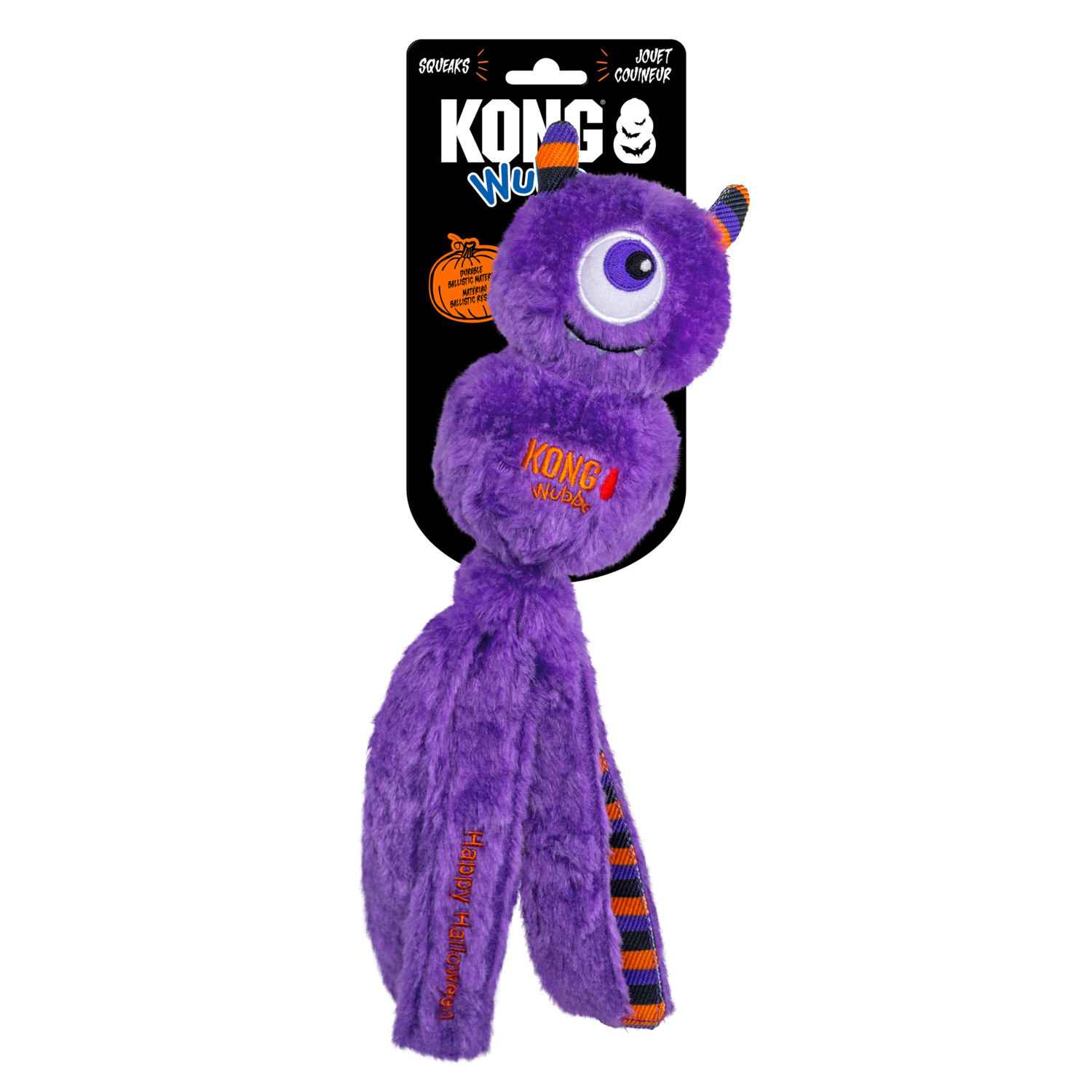
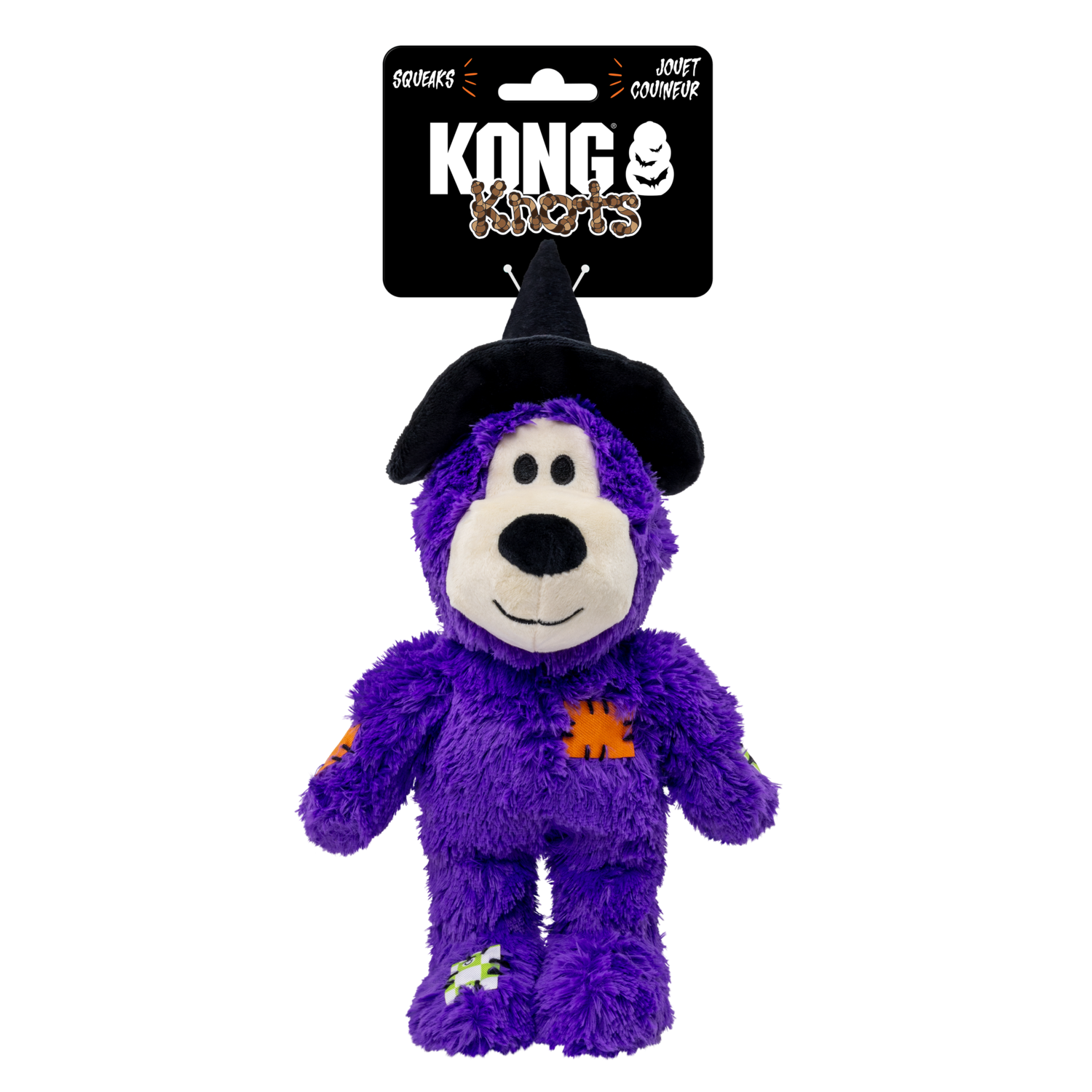
Toys
Collar & ID Tag
Leash & Harnes
Pet Waste Bag
Pet Carrier or Travel Crate
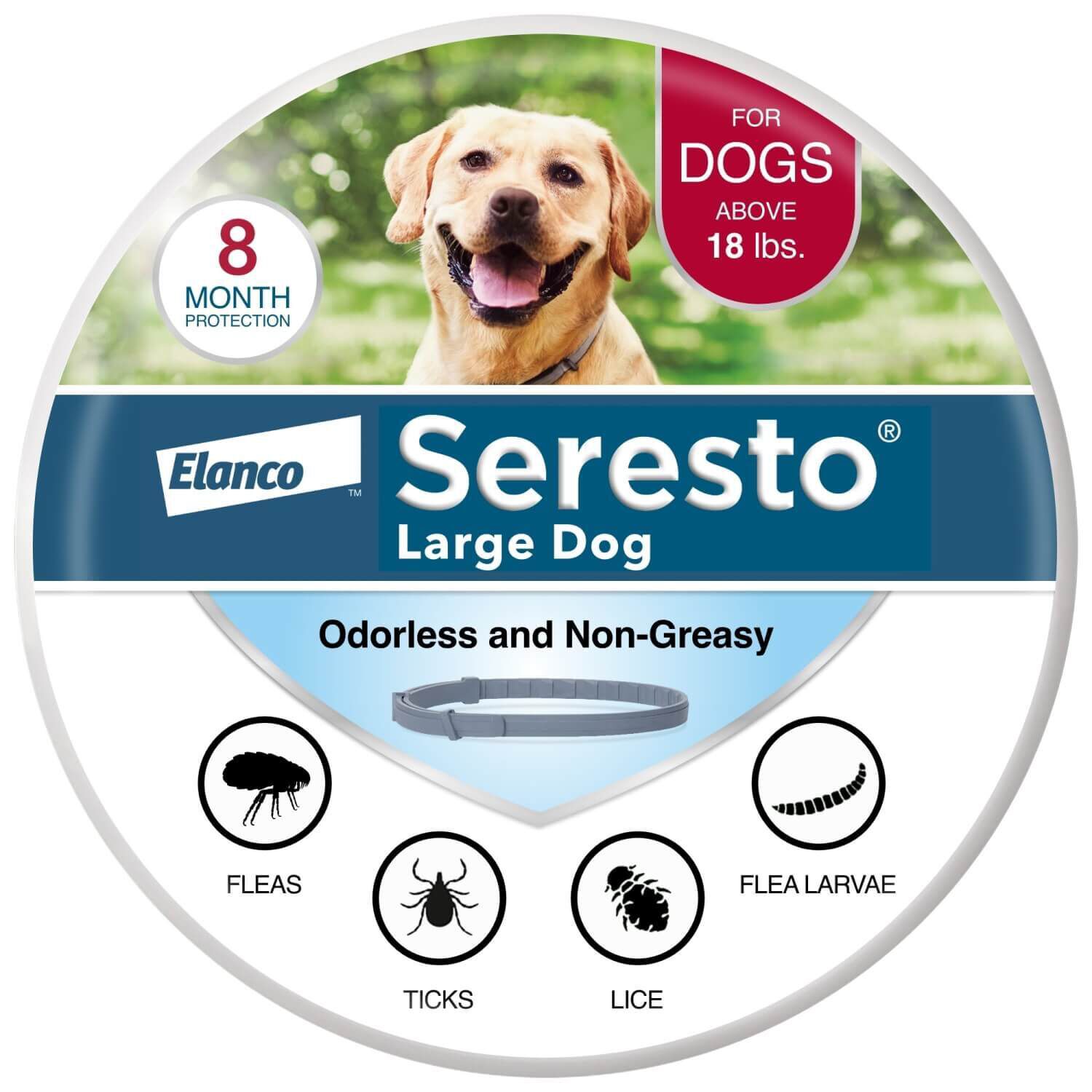
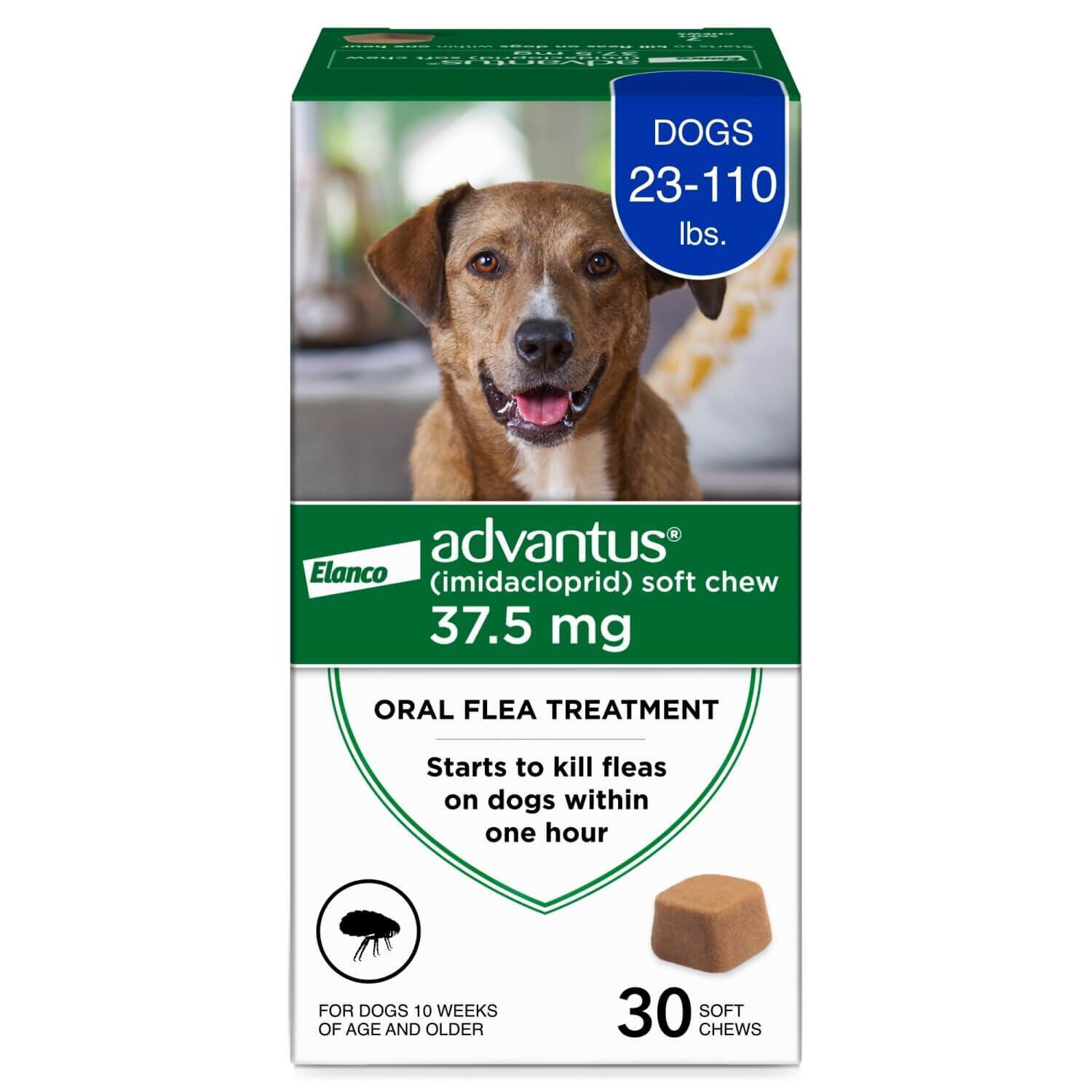
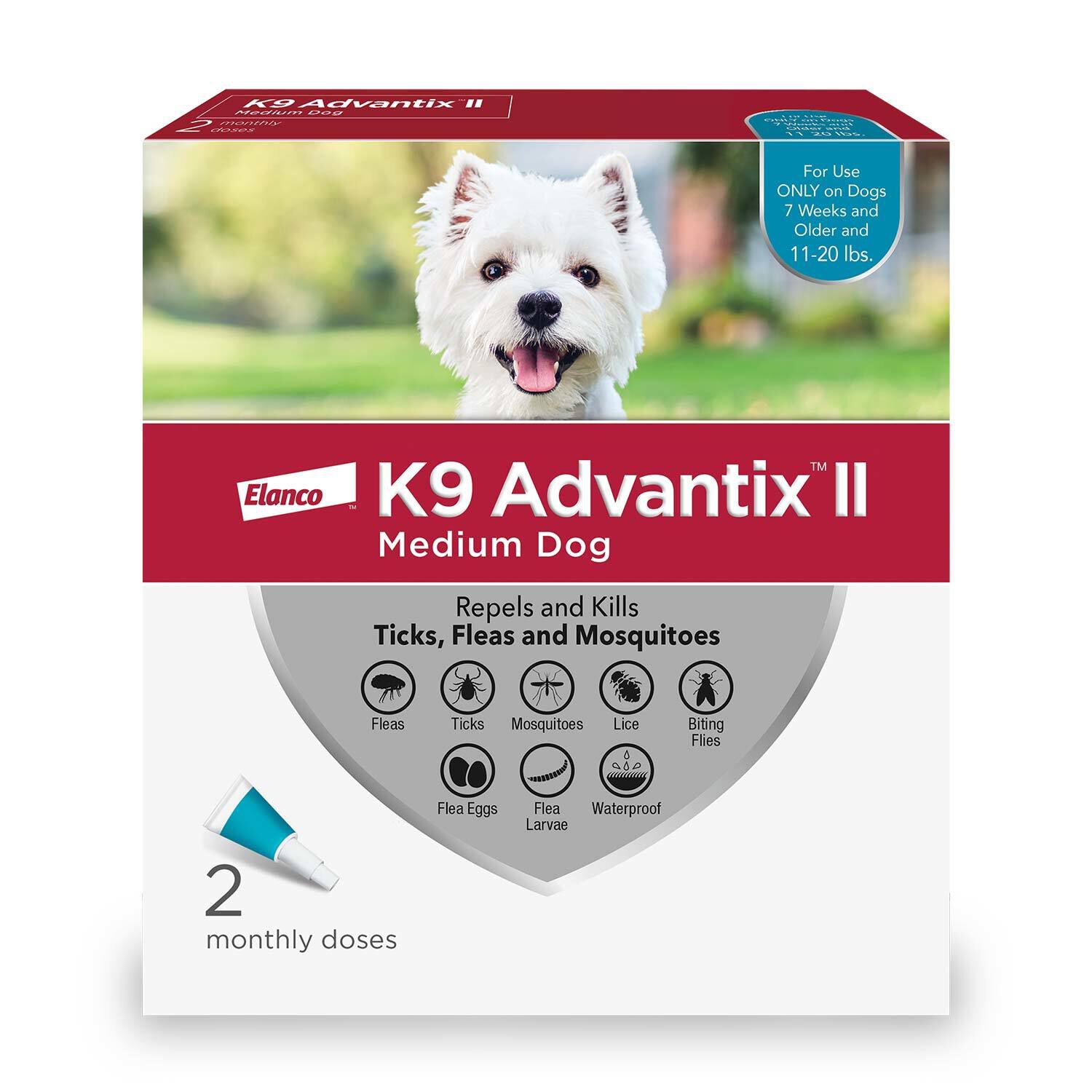
Flea & Tick Care
Dental Care
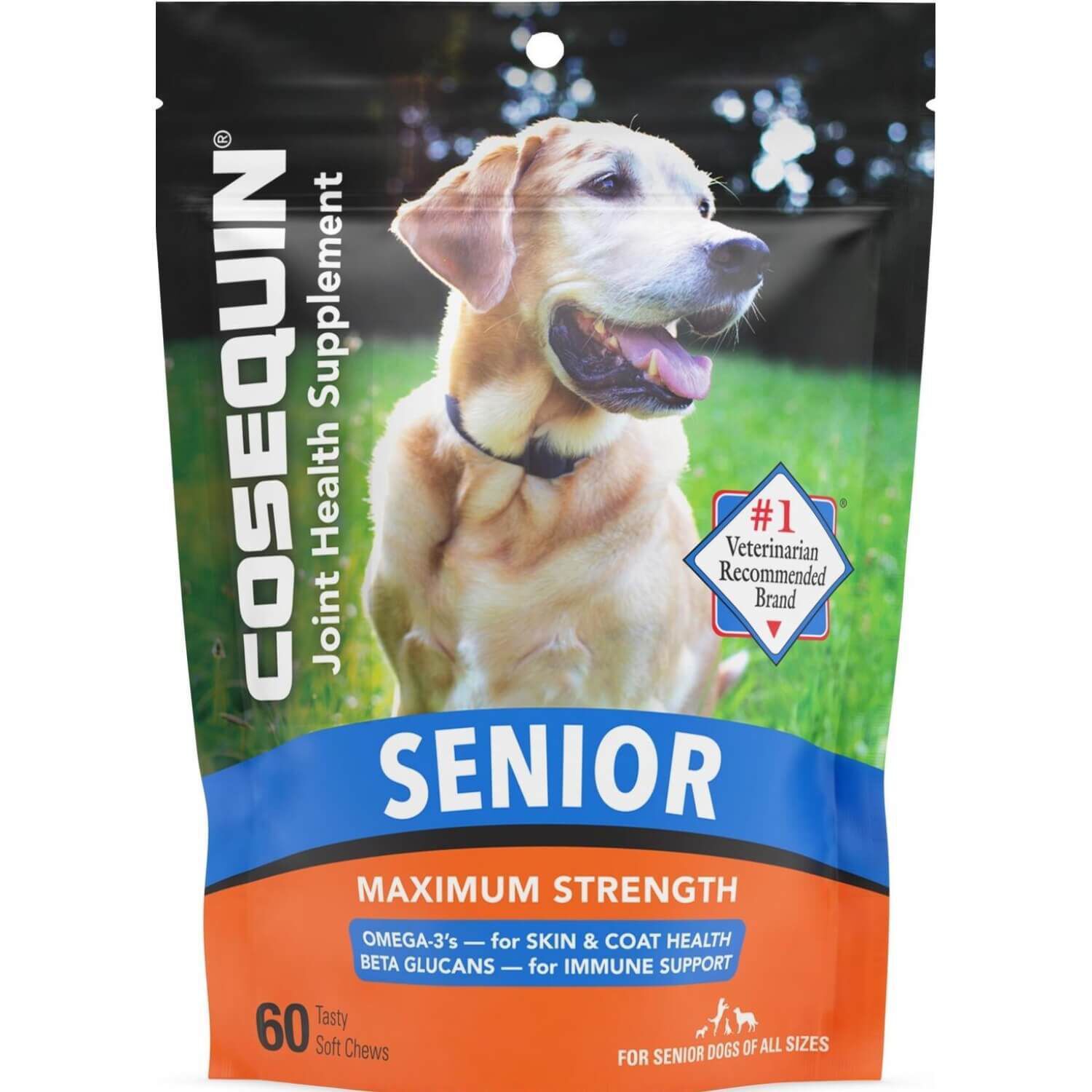
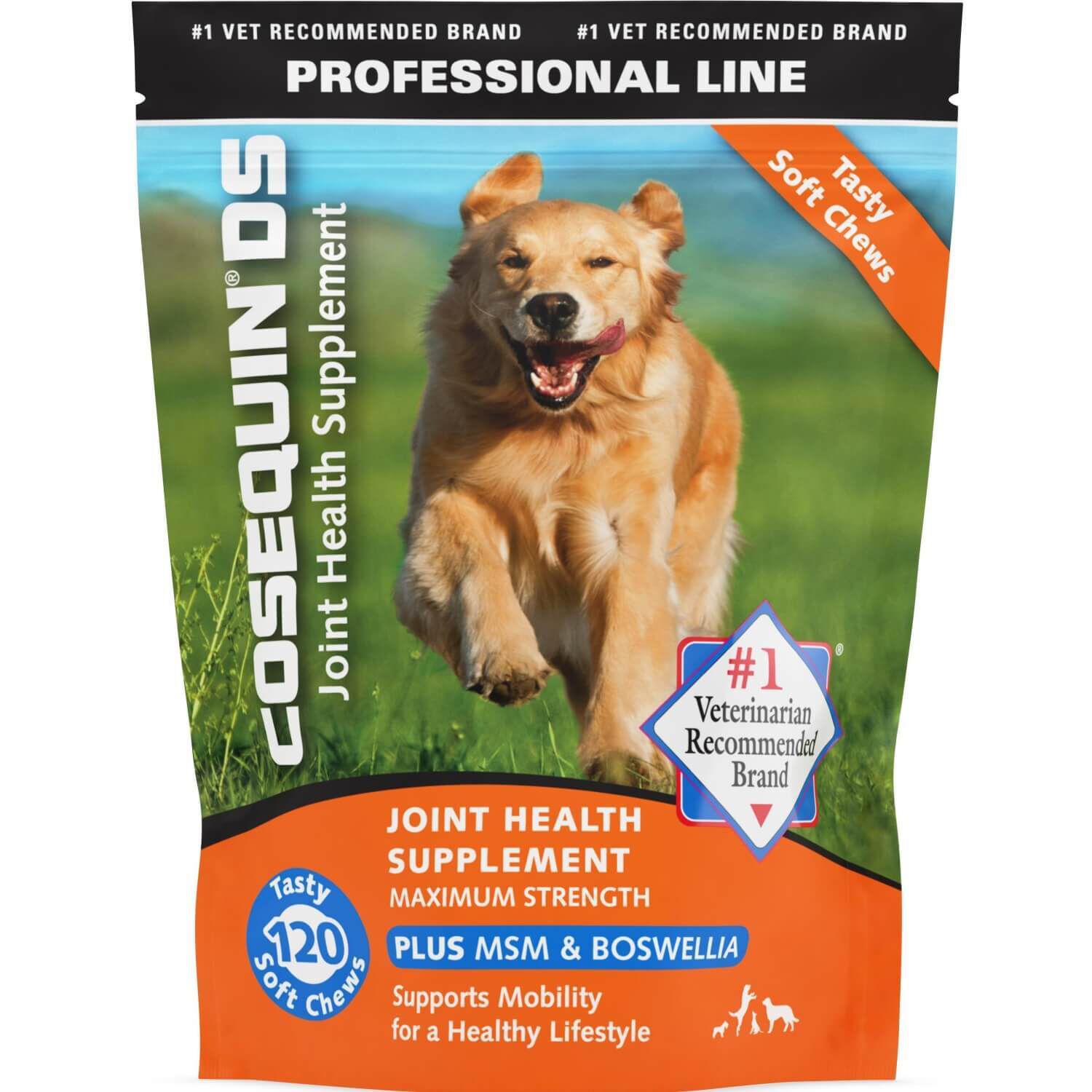
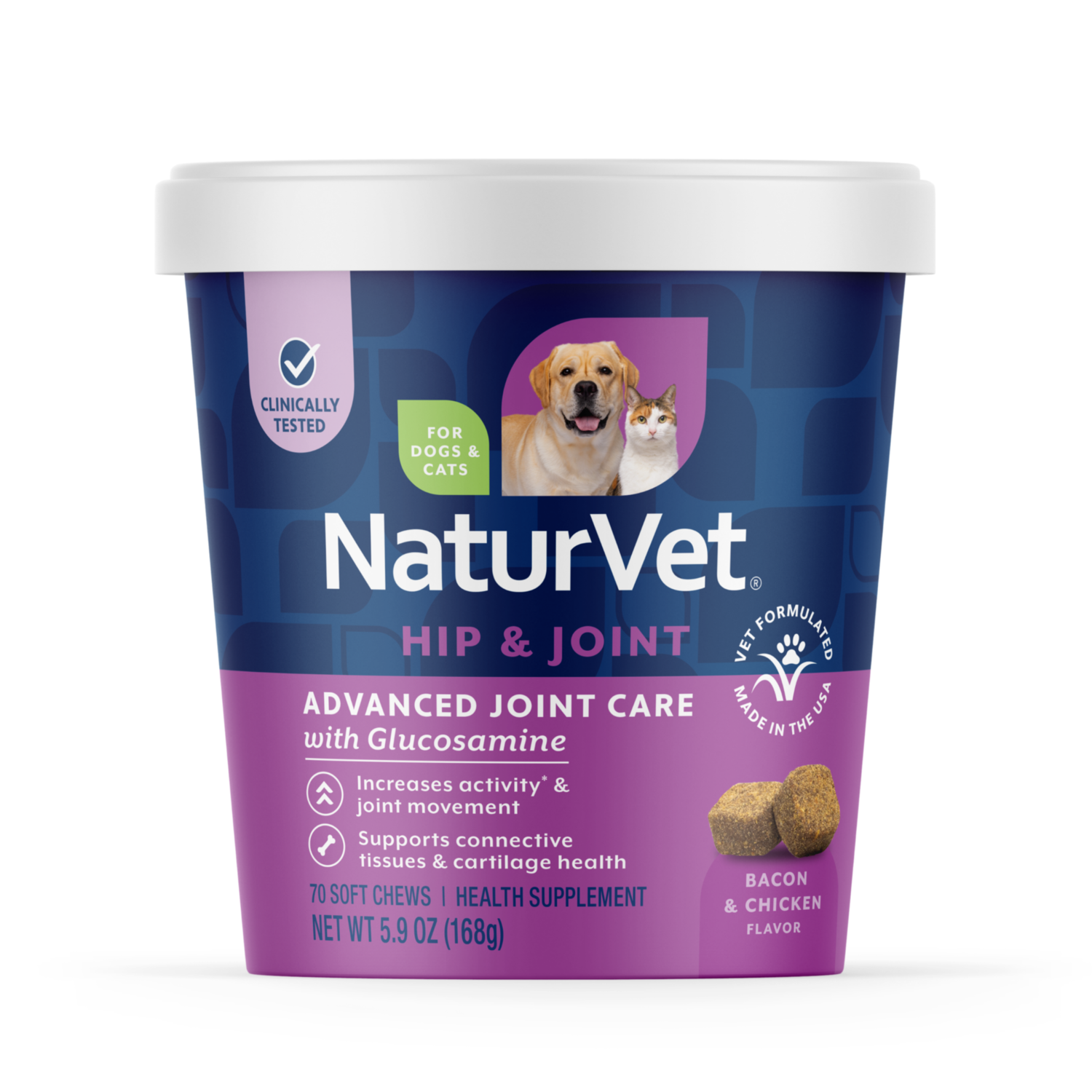
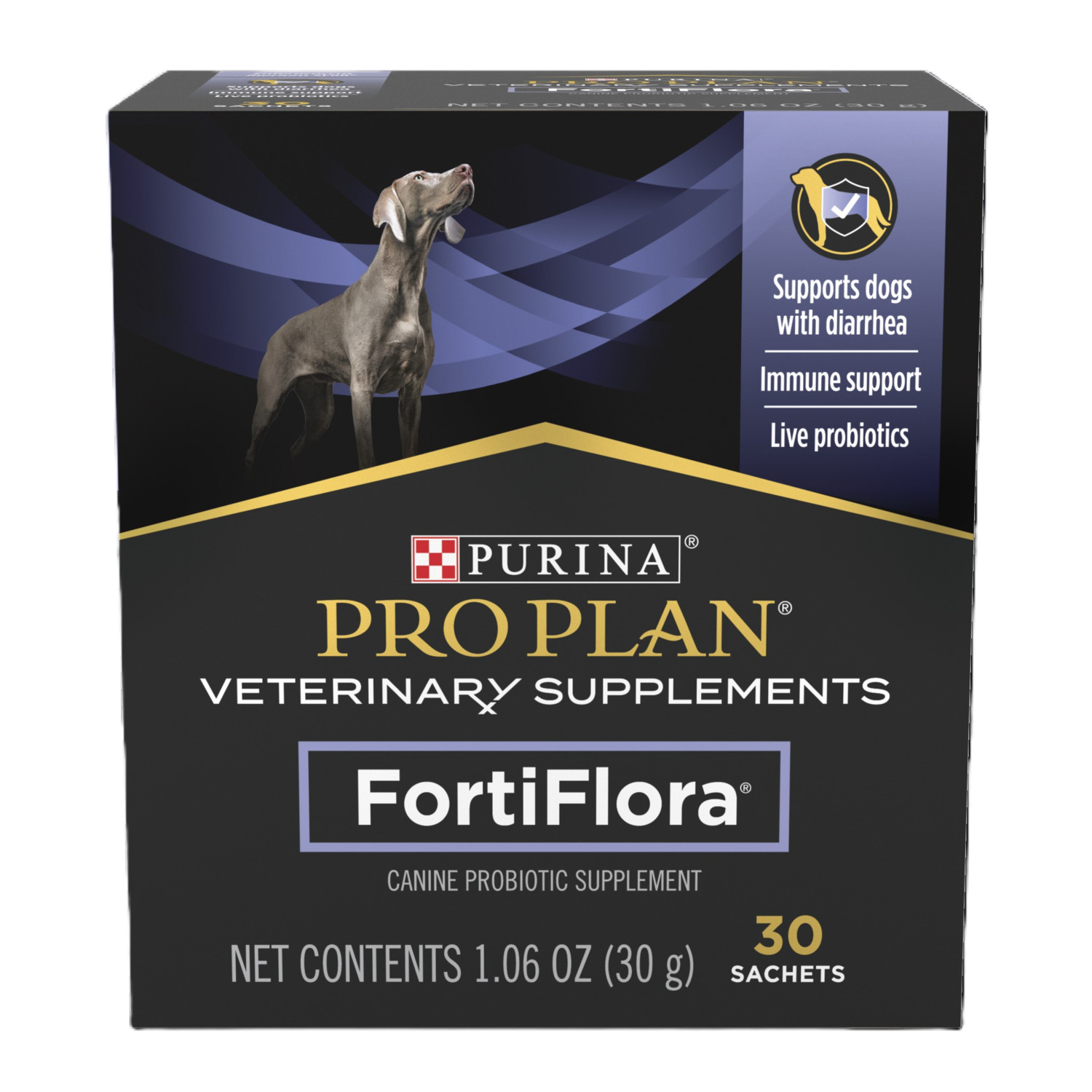
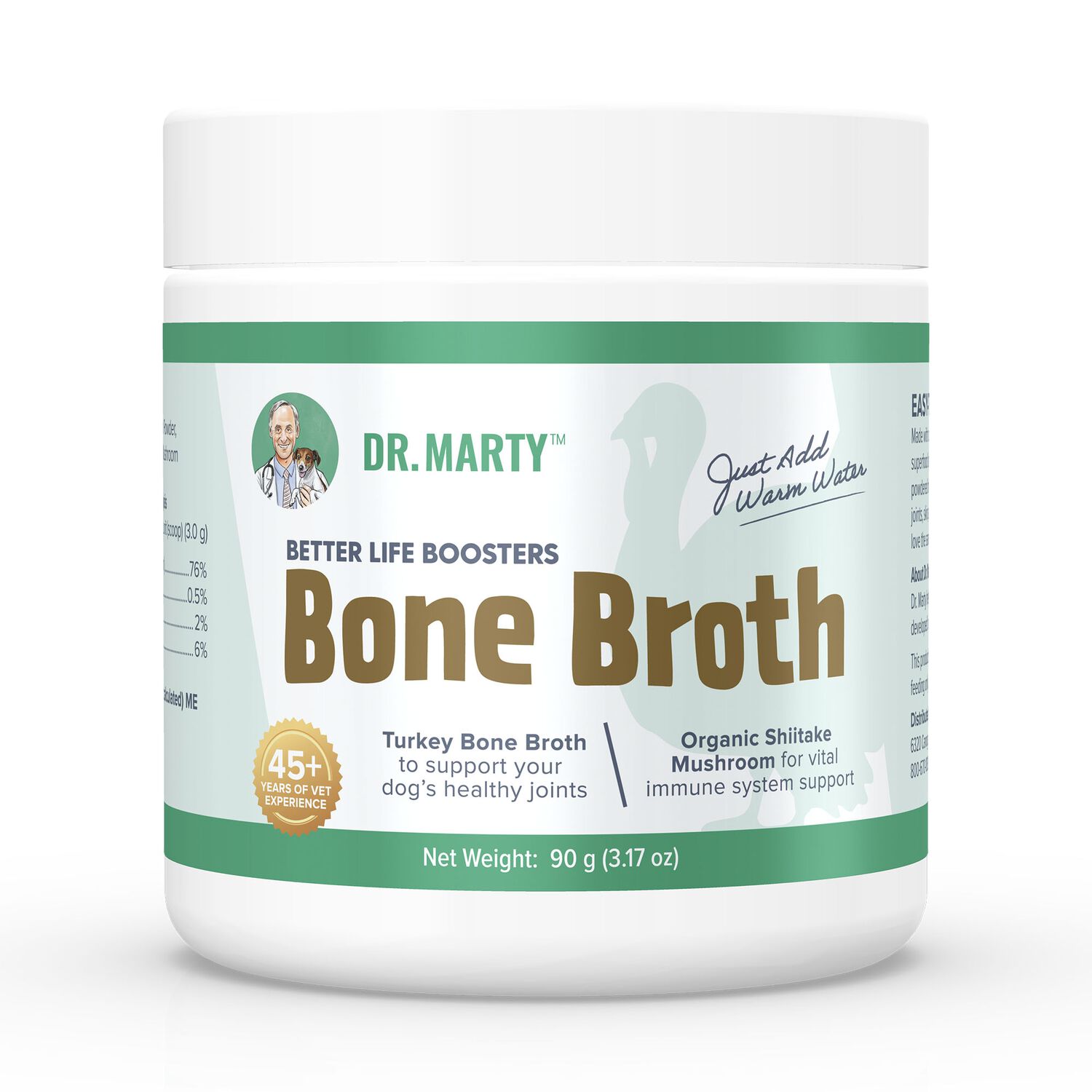
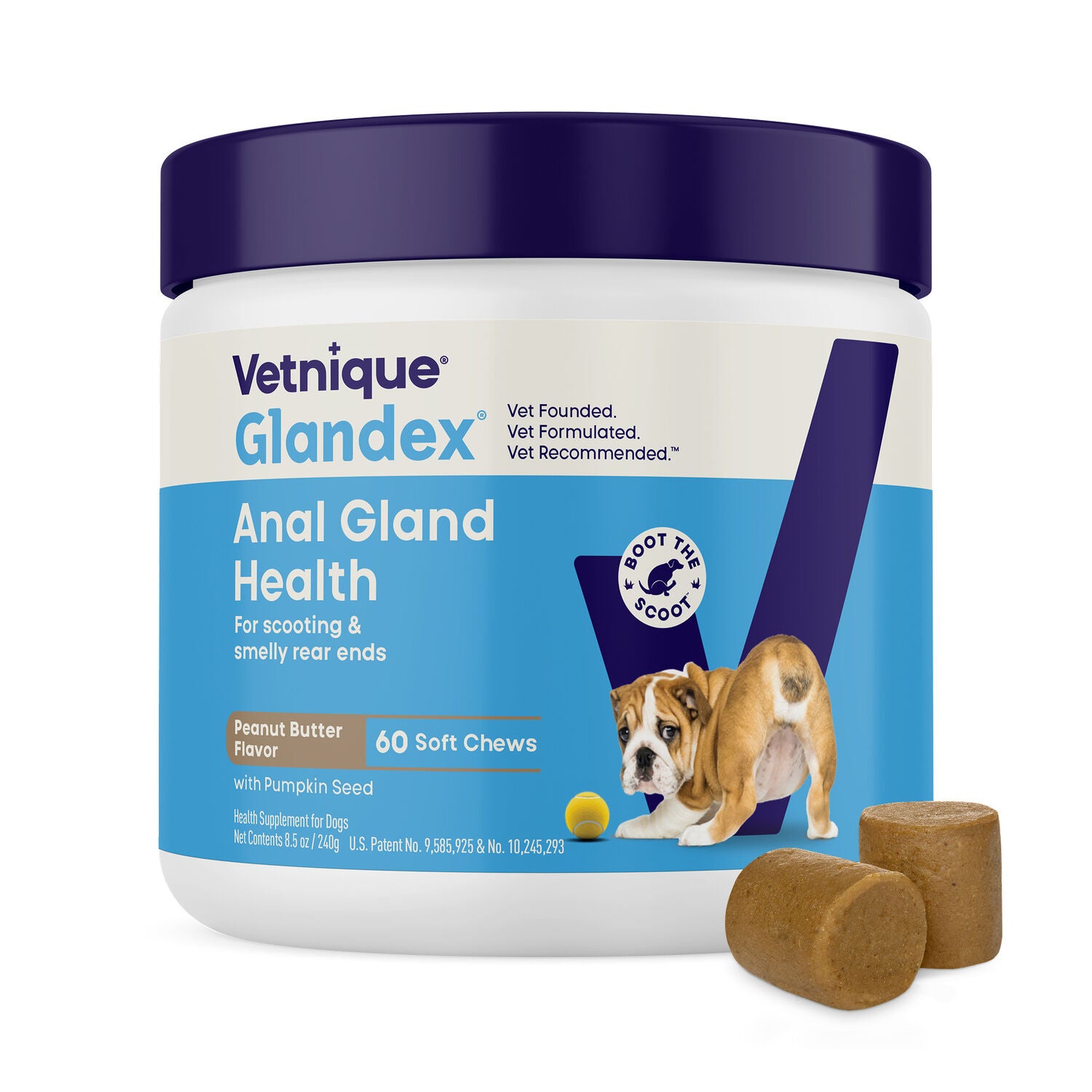
Supplements — vitamins & anxiety relief
Shampoo/Conditioner
Grooming Brush & Nail Clippers
Everything your Dog needs, all in one place.
Shop Dog Supplies
Feeding Your Dog
Food & Water
- Nutrition is key for your new best friend’s health and happiness. Dogs can be fed twice daily, usually breakfast and dinner. Puppies usually need to eat more frequently. Follow the feeding instructions on your food or as recommended by a vet and avoid overfeeding as it can result in health issues. Dogs should not eat human food as it may upset their tender stomachs and create undesirable habits.
- Treats are great at reinforcing positive behavior, training, and teaching them tricks. They’re also a great way to connect with your pet.
- Plan on two bowls — one for water and one for food. There are benefits to different materials. Stainless steel bowls are durable and easy to clean, while ceramic bowls are heavier and not easily pushed around. Always have fresh water available.
Dog Habitat
Caging & Environment
At Home Environment
- Be sure you’ve considered all items you wouldn’t want your pet to find and move them to a secure place. This includes valuables, your favorite pair of shoes, purses and… this list just keeps going. You may be surprised what a puppy can get into so don’t take any chances!
- Keep items that may be harmful to your new dog, including electrical cords, chemicals, and some plants and foods safely out of their reach as well
- Show your pet around their new home and give them time to get acquainted just like you would in a new home. You may need to give them space so they begin feeling comfortable in their new surroundings. If they are uncomfortable, dogs will growl and show their teeth or even hide.
- Your dog will spend a significant amount of their time resting so we recommend identifying a quiet place for them to rest and a bed that they can call their own. When picking out a new bed, make sure to consider the size of your pet.
- Crates can be valuable in potty training your new puppy or providing your pet a “place” that is specifically theirs. Think of it as your pet’s bedroom. It is their safe place. It’s also a great place to keep your pet safe and out of trouble if you aren’t able to watch them or need to run errands. Look for something size-appropriate for your dog at their fully grown size.
- If you need to prevent your dog from exploring certain areas of your home, you may consider a pet gate.
- Depending on your situation, you may want to consider training pads. Pets need to be taken out several times each day and that can be challenging in some situations, such as pets living in apartments or older dogs who can’t hold it long enough.
- Accidents with a new pet should be expected, particularly with puppies. We recommend dog-specific stain & odor removers as they are formulated to treat pet messes.
Play Time & Exercise
- Dogs LOVE toys. They use their mouths to interact with their environment and need suitable chew toys, such as plastic or nylon bones and rope toys. Using a toy in your daily play will strengthen the bond with your pet and help build their muscles, not to mention burn some energy! Some toys can even help with oral health or provide mental stimulation.
- Dogs and especially puppies need lots of activity. Walks are a great way to socialize them with the outdoor environment and burn off energy. Plan where you’ll want to explore and identify areas for potty training.
- Collar, Leash, Harness & ID Tag: It’s easy to focus on making a fashion statement with your dog’s collar & leash but they are so much more than that! Their ID and rabies tags should always hang on their collar so they can be identified if they were to get separated from you.
Common Health Problems
Dog Health and Well-being
Health/ Hygiene & Grooming
- Flea & Tick: It’s important to choose the right preventative or treatment solution for your new pet. Many products are specific to the weight of your dog. Ask which option(s) will work best for you. Please be sure to follow the manufacturer’s treatment instructions.
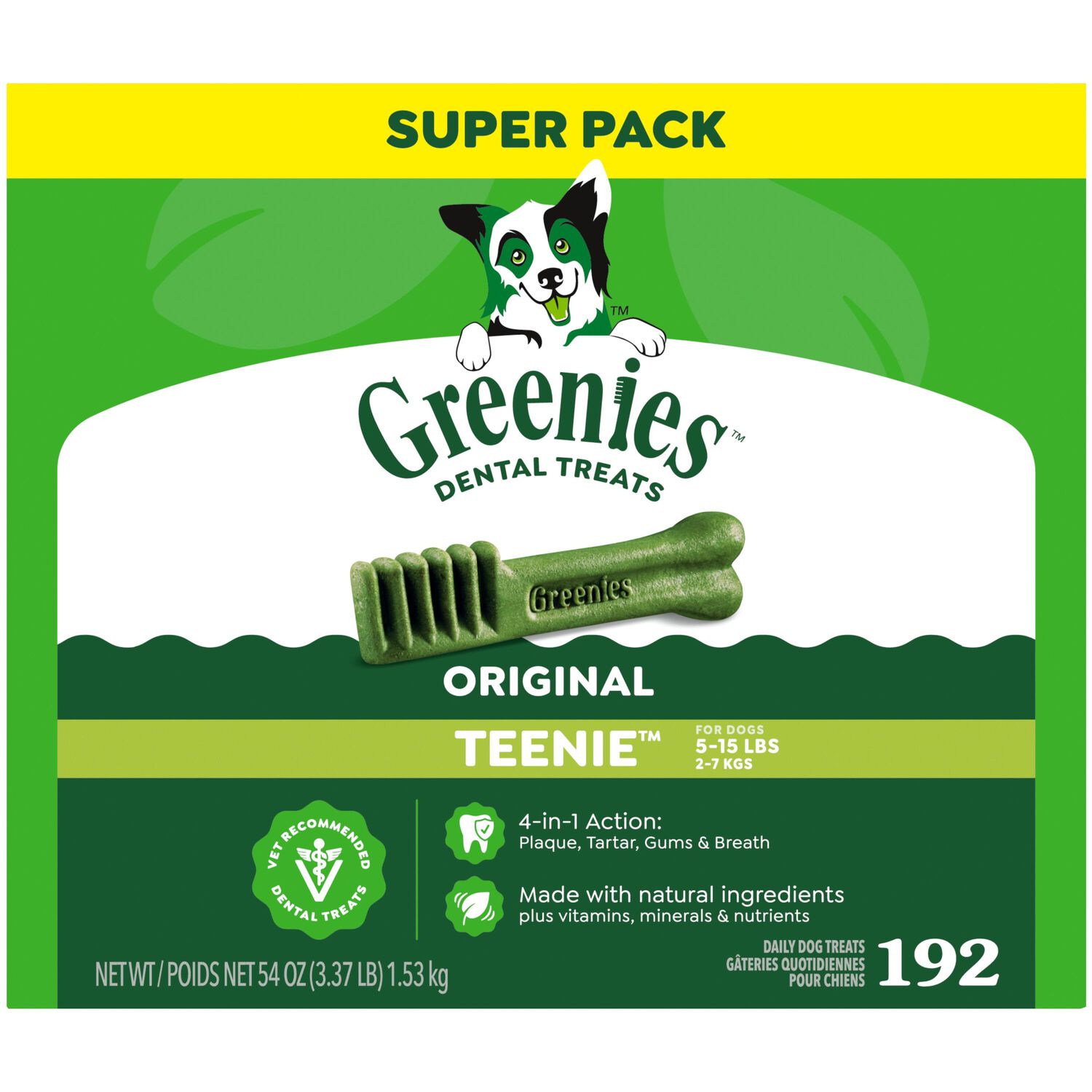
- Dental hygiene is often overlooked as up to 80% of pets show signs of issues by age 3. It is a good idea to regularly examine your dog’s teeth and mouth, so they become accustomed to that activity. We recommend brushing their teeth a couple times a month, if possible. Alternatively, we offer dental treats, toys, water additives and more to help you stay ahead of potential problems.
- Groom your dog regularly by cutting their nails, brushing their coat and giving them a bath (puppies included). For puppies, use a mild shampoo and a gentle brush.
- Pet Proofing: There are many items around your house that may be dangerous for your pets. Be sure to keep your dog or cat safe from these hazards.
- You may be tempted to share your food and drink with your new pet, but there are items that can be dangerous, including:
- Alcohol
- Avocado
- Caffeine
- Chocolate
- Fatty foods
- Garlic
- Grapes and raisins
- Macadamia nuts
- Marijuana
- Medicine not intended for the pet
- Onions
- Salt
- Tobacco products
- Xylitol
- Yeast products
- Non-Edible Items
- Pets can be tempted to eat common house and yard items. Be sure to secure these non-edible hazards including:
- Antifreeze
- Cocoa mulch
- Fabric softener sheets
- Ice melting products
- Insecticides and pesticides
- Lawn fertilizers and weed killers
- Liquid potpourri
- Mothballs
- Paints and solvents
- Rat and mouse bait
- Various household cleaners
- Swimming pool chemicals
- Salt dough Christmas tree ornaments and play dough
1,754 Results
1,754 Results
No products found for selected filters. Please try with different filters.
Showing 0 of 0