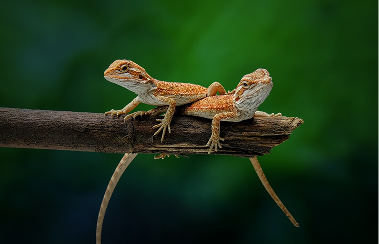
Aquatic Amphibians Care Guide
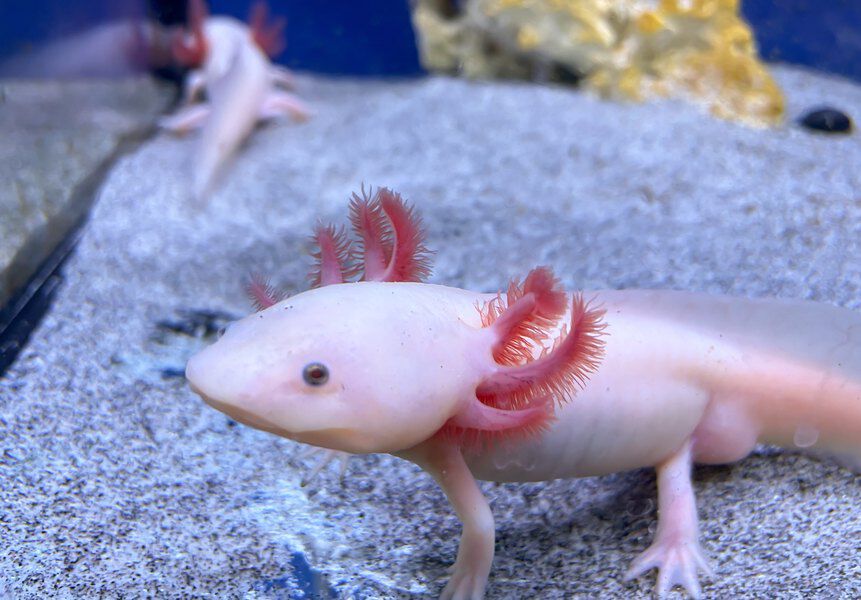
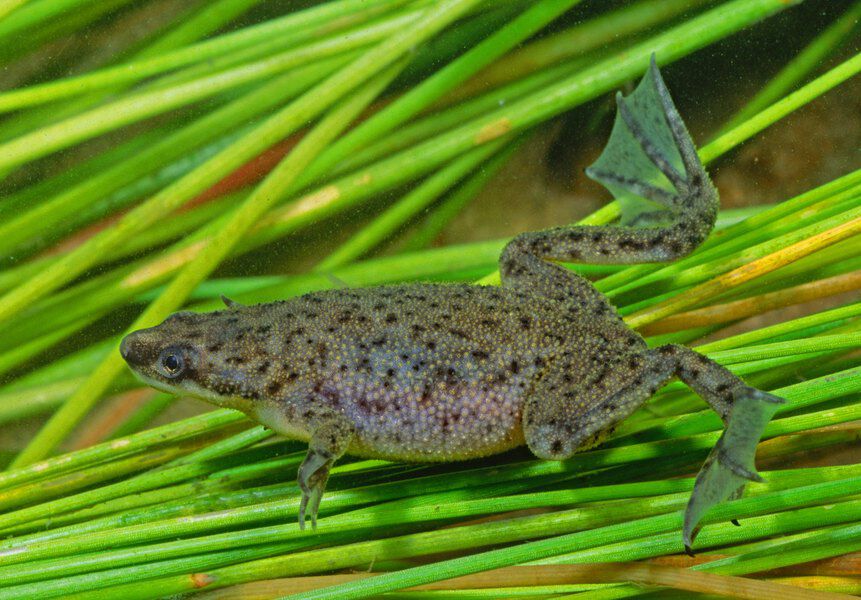
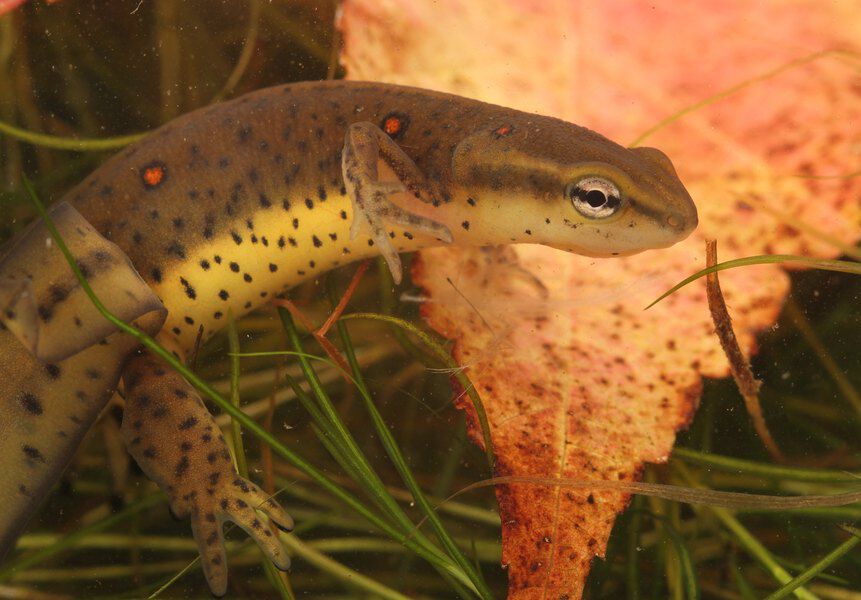
Get to Know Your Aquatic Amphibians
Basic Information
Includes popular species such as Axolotls, African Dwarf Frogs and Aquatic Newts
Common Names
Axolotl, African Dwarf Frog, Aquatic Newt
Scientific Names
Varies by species (e.g. Ambystoma mexicanum, Hymenochirus spp., Notophthalmus spp.)
Size
2 - 12 inches (varies by species)
Life span
5 - 15 years (with proper care)
Temperament
Generally peaceful and calm
Checklist for Your Aquatic Amphibians
Essential Items
Appropriately sized aquarium with secure lid
Dechlorinated, conditioned water
Filtration (sponge filter recommended)
Water heater (species dependent)
Thermometer
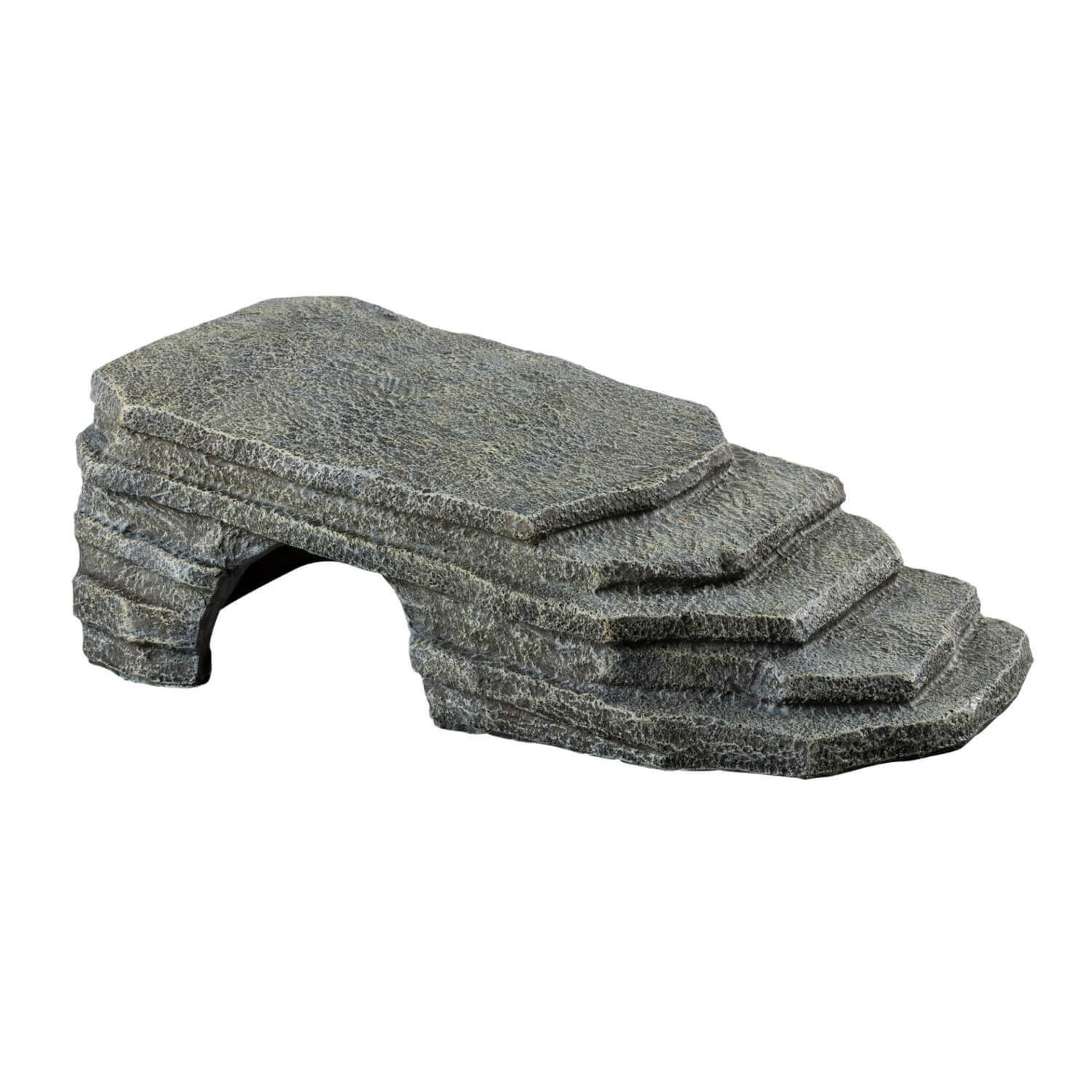
Hides and décor (rocks, caves, plants)
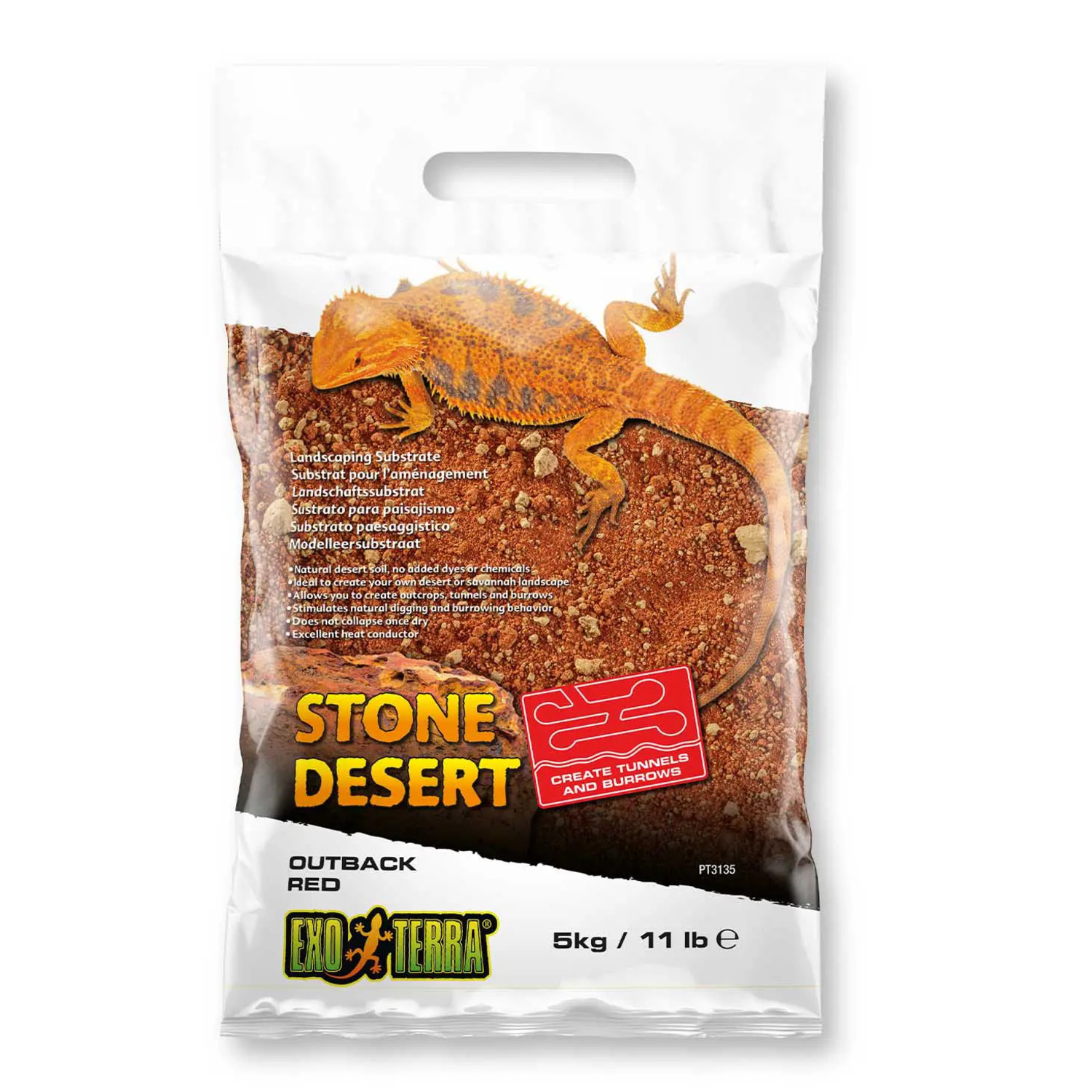
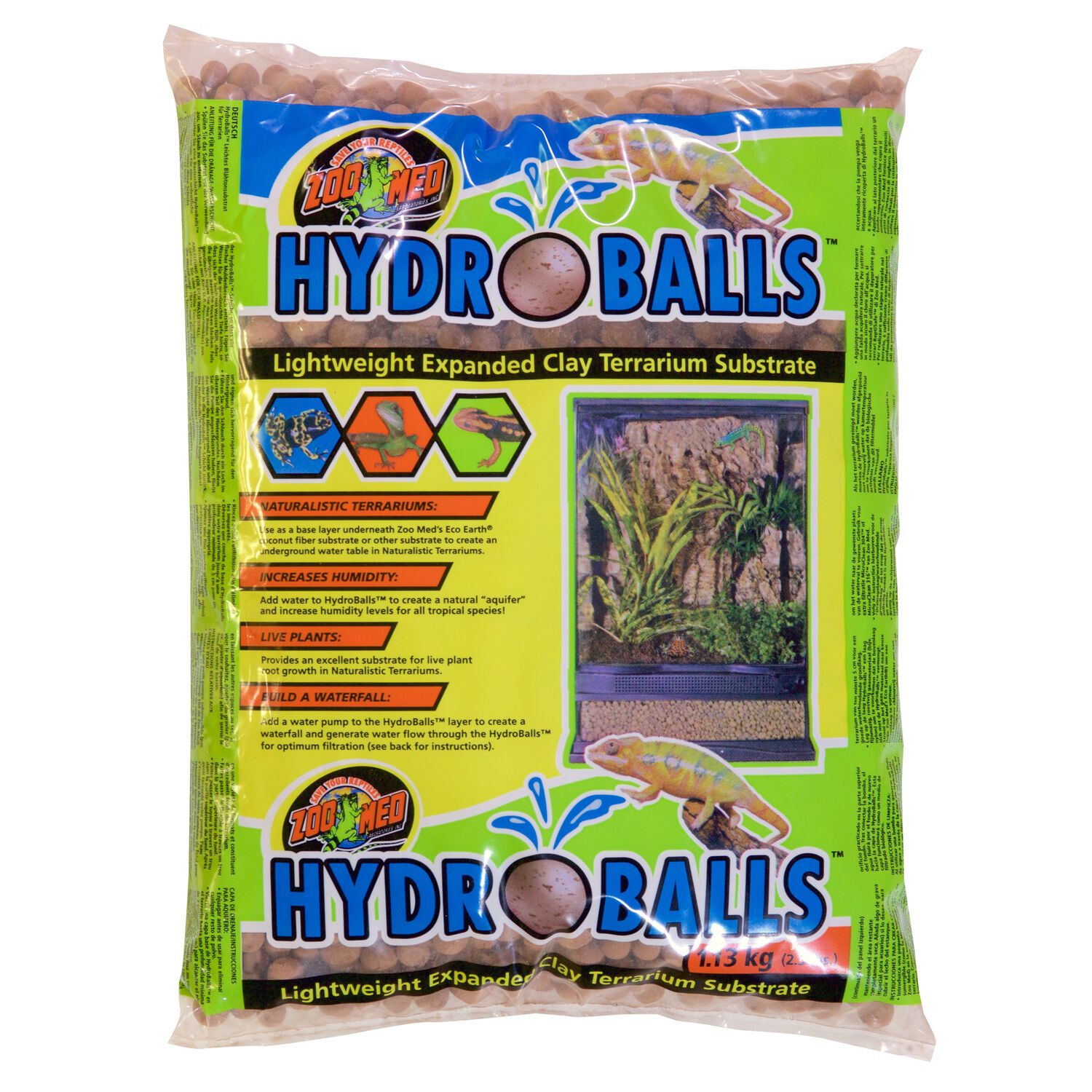
Substrate (bare bottom or smooth sand)
Water testing kit (ammonia, nitrite, nitrate, pH)
High-quality food (species appropriate)
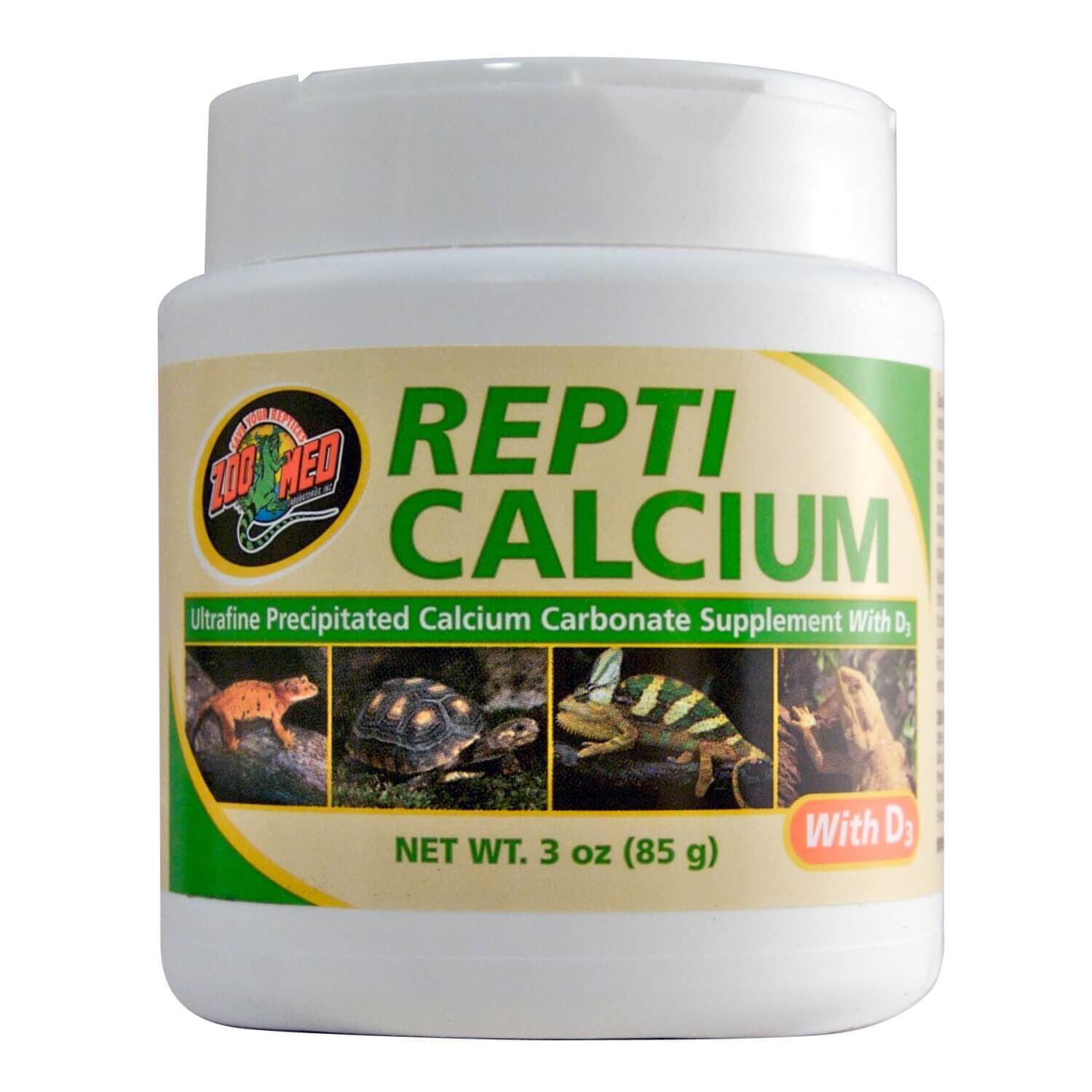
Calcium supplement (species dependent)
Everything your Aquatic Amphibians needs, all in one place.
Shop Aquatic Amphibians Supplies
Feeding Your Aquatic Amphibians
Diet
- Primarily carnivorous.
- Feed high-quality sinking pellets formulated for aquatic amphibians.
- Also offer a variety of live or frozen foods, such as:
- Bloodworms
- Blackworms
- Brine shrimp
- Earthworms (for axolotls & newts)
- Small aquatic insects
- Feed appropriately sized food (should be no larger than the width of the animal’s head).
- Avoid feeder fish and fatty foods.
- Remove uneaten food to maintain water quality.
Aquatic Amphibians Habitat
Caging & Environment
Housing & Environment
- Requires a fully aquatic aquarium with a secure lid.
- Recommended minimum tank sizes:
- Axolotl: 20 - 40 gallons (larger is better)
- African Dwarf Frog: 10 - 20 gallons
- Aquatic Newt: 20 - 30 gallons
- Use a gentle filtration system, such as a sponge filter, to keep the water clean without strong currents.
- Keep water dechlorinated and well-cycled (ammonia and nitrite at 0 ppm, nitrate ideally below 20 ppm).
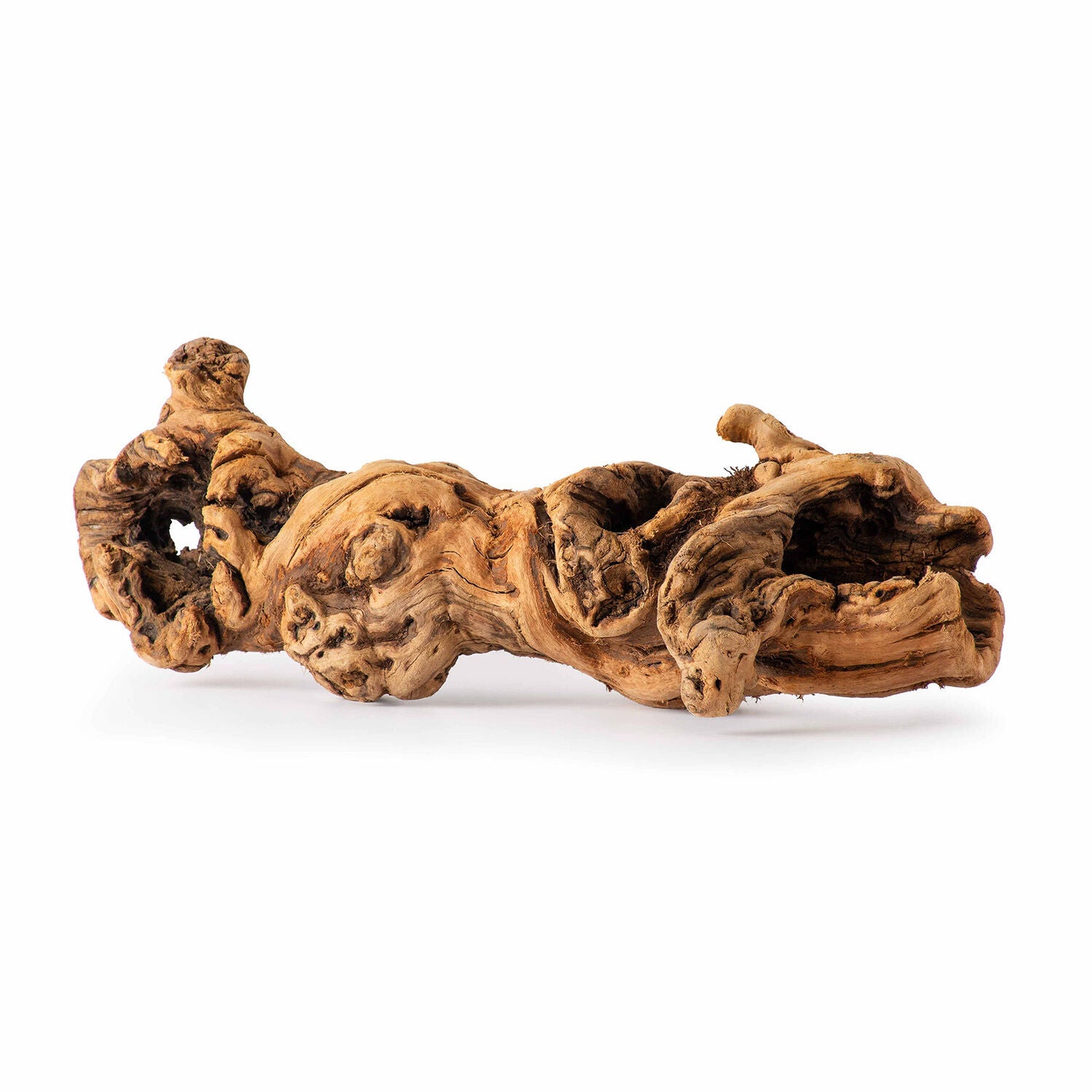
- Provide hiding places with smooth décor, driftwood, caves and live or artificial plants.
- Use a bare bottom tank or a smooth, fine-grain sand substrate (avoid sharp gravel).
- Maintain a consistent water level and stable water parameters.
Temperature & Water Parameters
- Water temperature: 60 - 70°F (16 - 21°C) (most species prefer cooler water)
- pH: 6.5 - 8.0 (varies by species)
- Ammonia: 0 ppm
- Nitrite: 0 ppm
- Nitrate: Below 20 ppm
- Perform 25 - 40% water changes weekly to maintain water quality.
- Avoid temperatures above 72°F, as warmer water can cause stress and health issues.
- Do not use chemical treatments containing copper or other metals (can be toxic).
Lighting
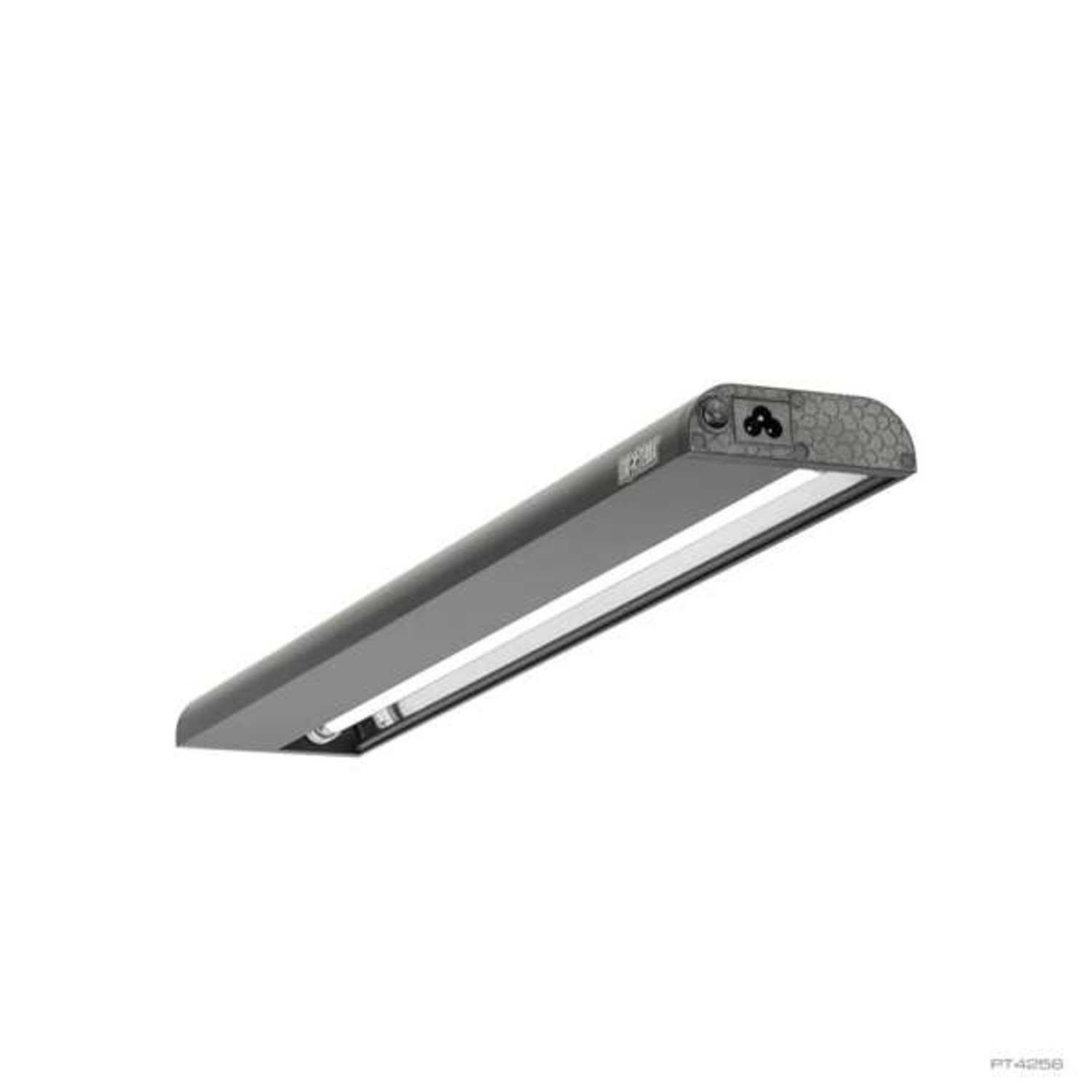
- Low to moderate lighting is appropriate.
- Provide a natural day/night cycle of 10 - 12 hours of light per day.
- Live plants can help provide natural shade and improve water quality.
Plants & Décor
- Live plants (such as Anubias, Java Fern or aquatic moss) help maintain water quality and provide enrichment.
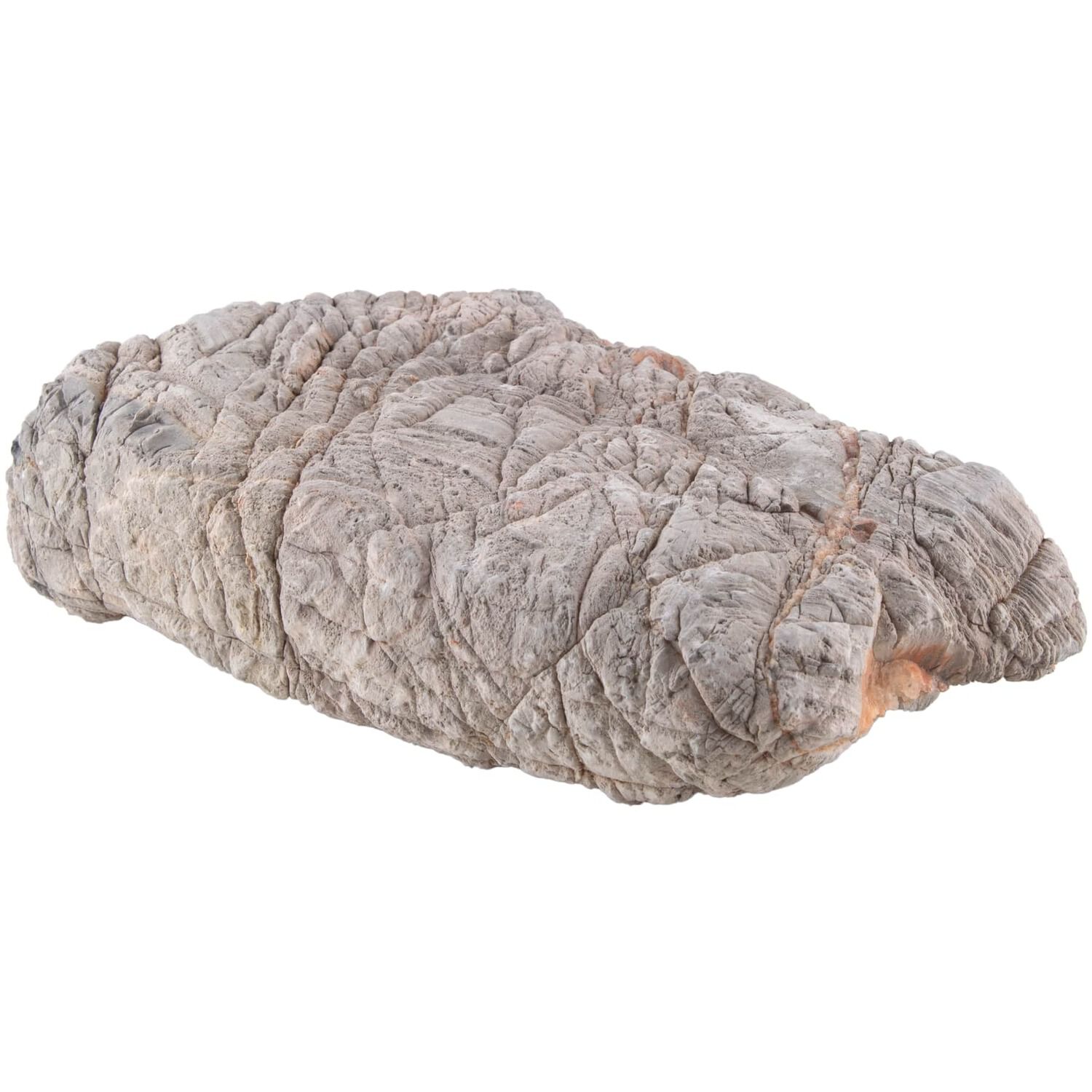
- Provide smooth rocks, driftwood and caves for hiding and resting.
- Avoid sharp or rough décor that can cause injury to delicate skin.
Handling Your Aquatic Amphibians
Behavior & Handling
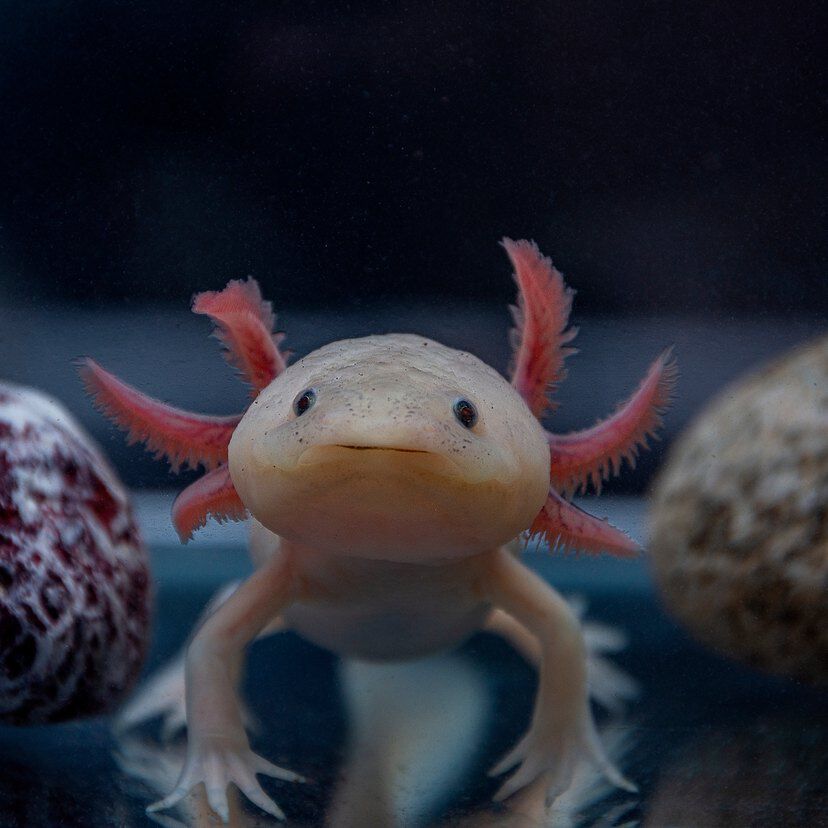
- Generally peaceful and do best in species-appropriate groups or alone (axolotls are best kept alone).
- Handle only when necessary, as their skin is delicate and can be damaged easily.
- Use a soft net or container with dechlorinated water when moving or cleaning.
- They are curious and active, often exploring their environment.
Common Health Problems
Aquatic Amphibians Health and Well-being
Health & Safety
- Keep water clean and well-maintained.
- Monitor for signs of illness, such as loss of appetite, lethargy, or skin changes.
- Avoid introducing chemicals, soaps or lotions into the tank.
- Always wash your hands before and after handling aquatic amphibians.
- Provide a calm, low-stress environment.
163 Results
163 Results
No products found for selected filters. Please try with different filters.
Showing 0 of 0