Cat Care Guide
Get to Know Your Cat
Basic Information
Checklist for Your Cat
Essential Items
Food - dry, wet & mix-ins
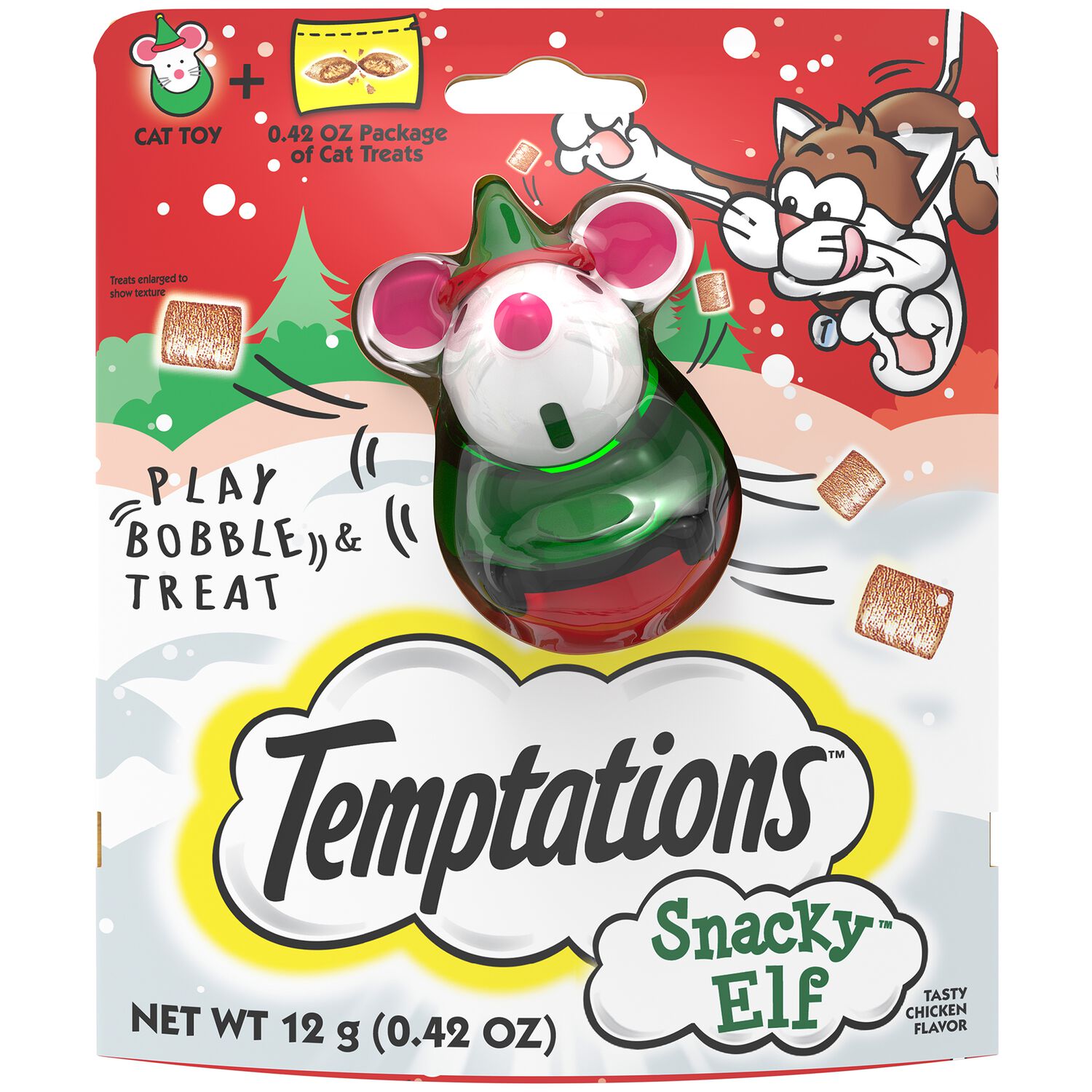
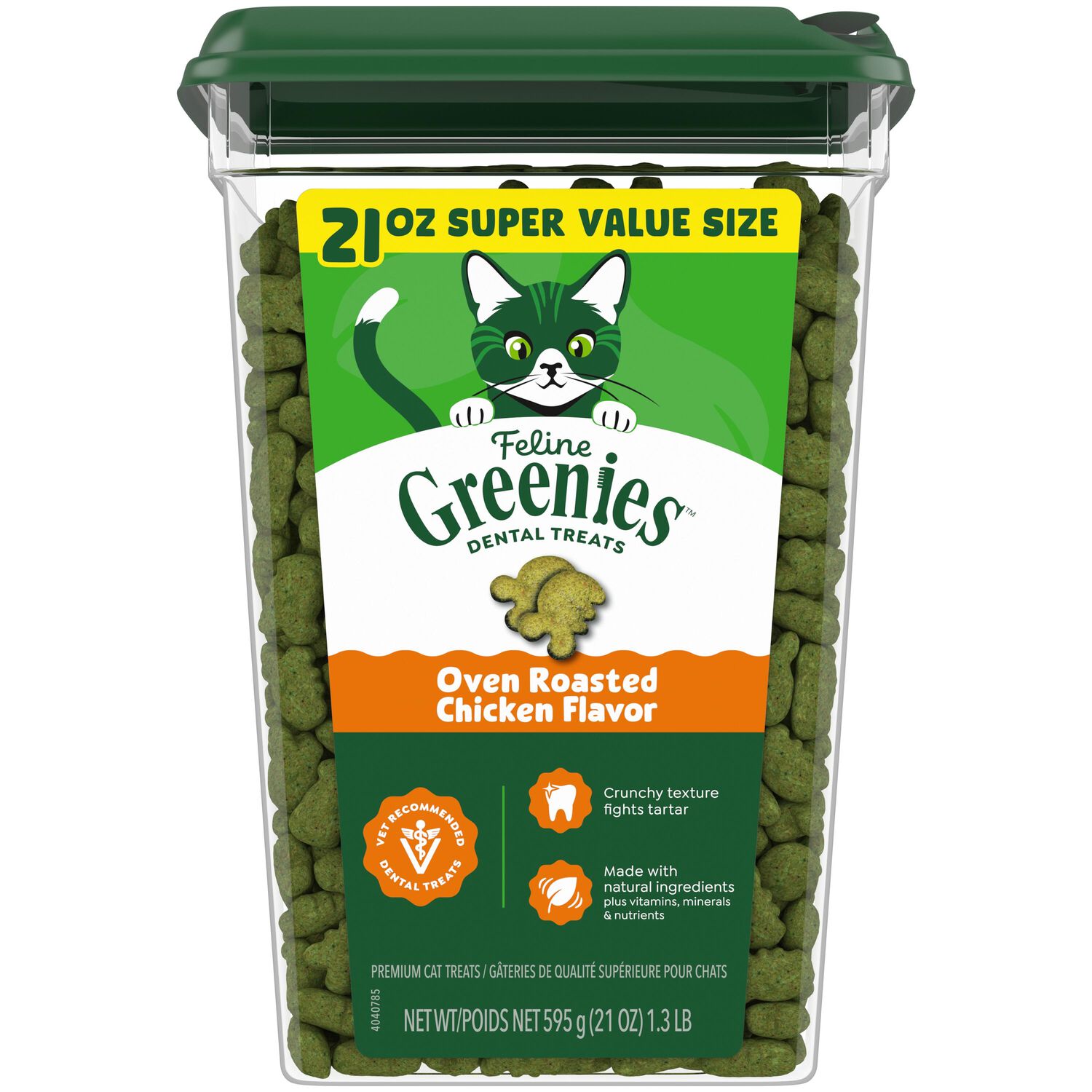
Treats - training rewards, chews, dental treats
Food & Water Bowls
Bed
Litter
Litter Pan, Scoop, Litter Pan Liners
Cat Tower/Furniture
Stain & Odor Remover
Toys
Scratching Post/Scratchers
Catnip
Breakaway Collar & ID Tag
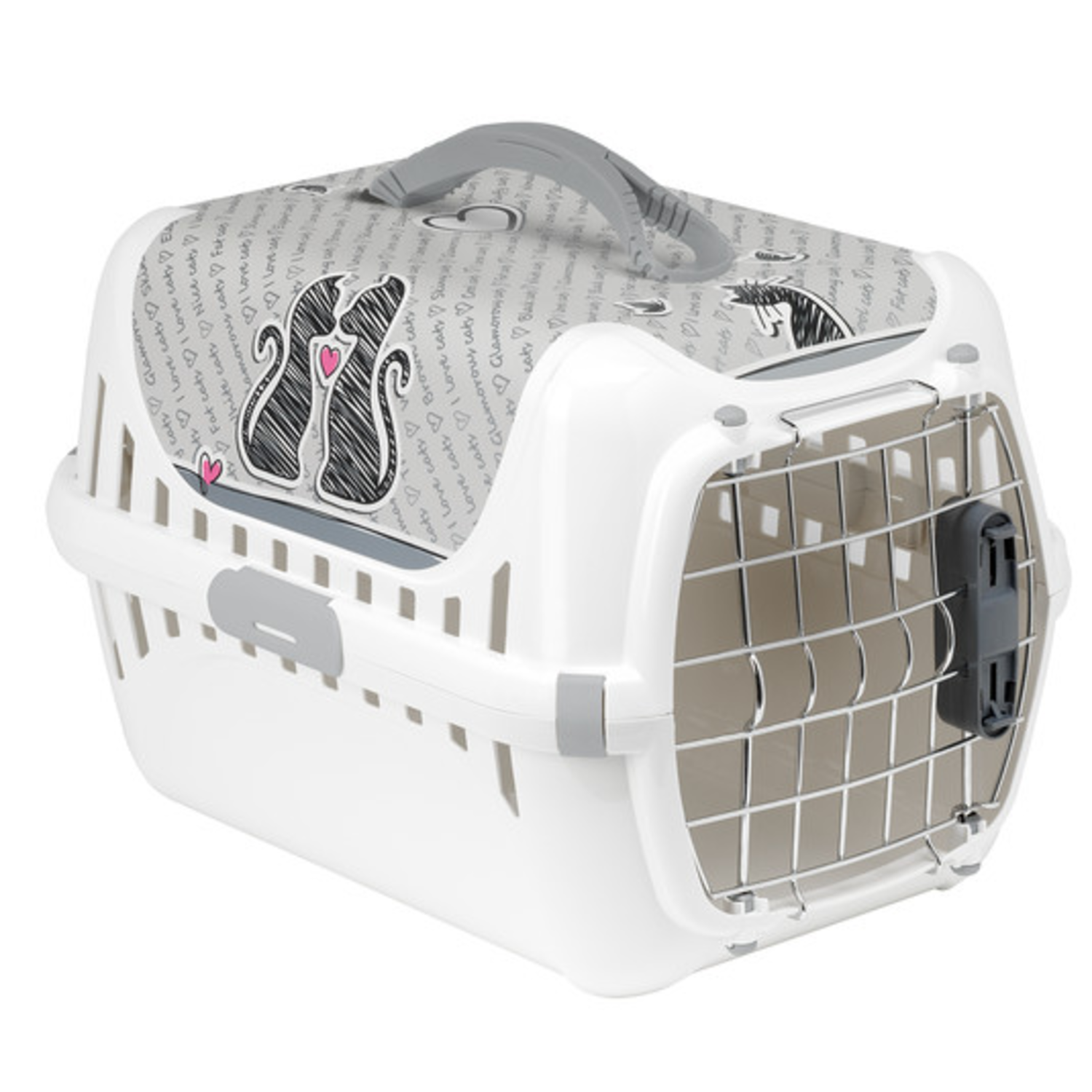
Carrier
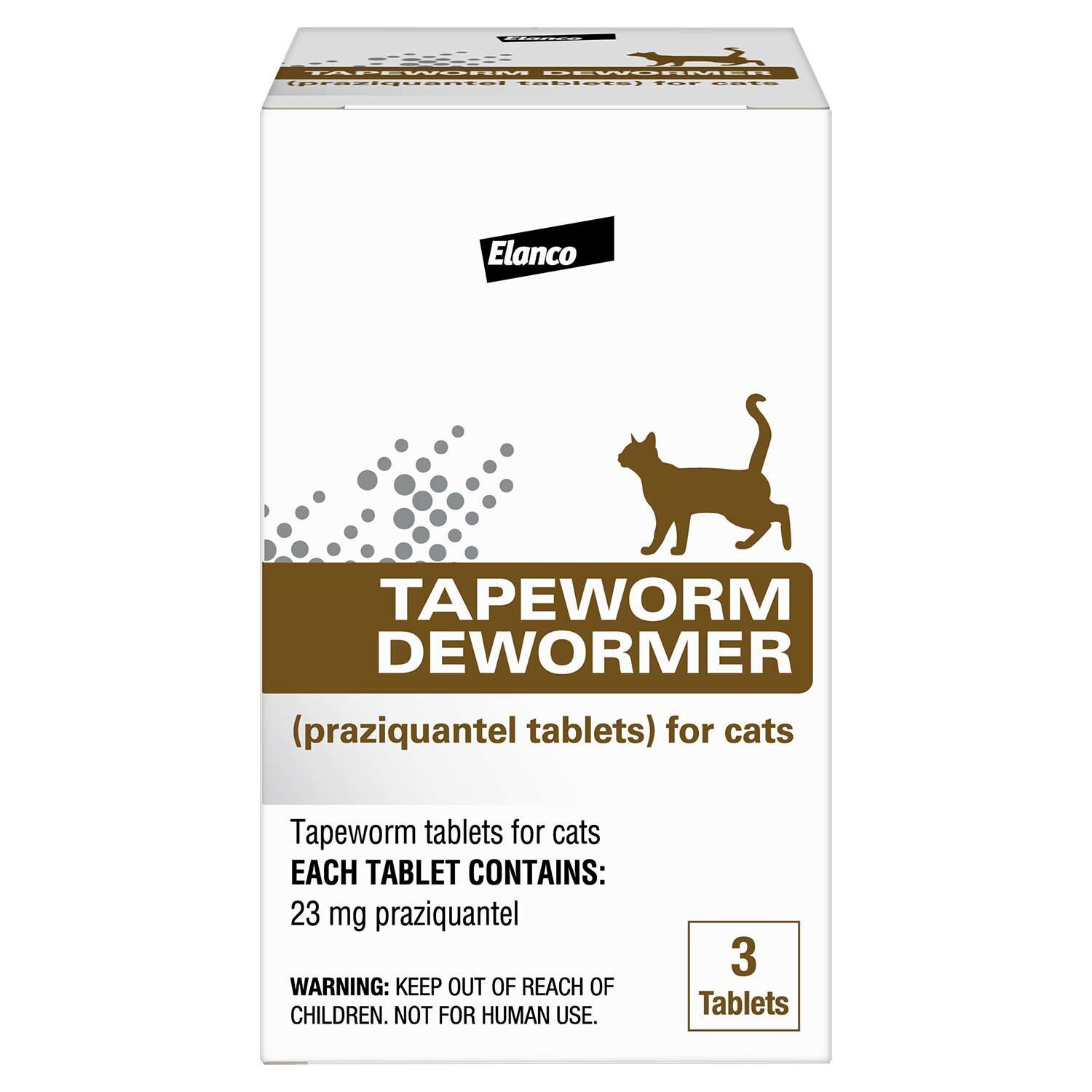
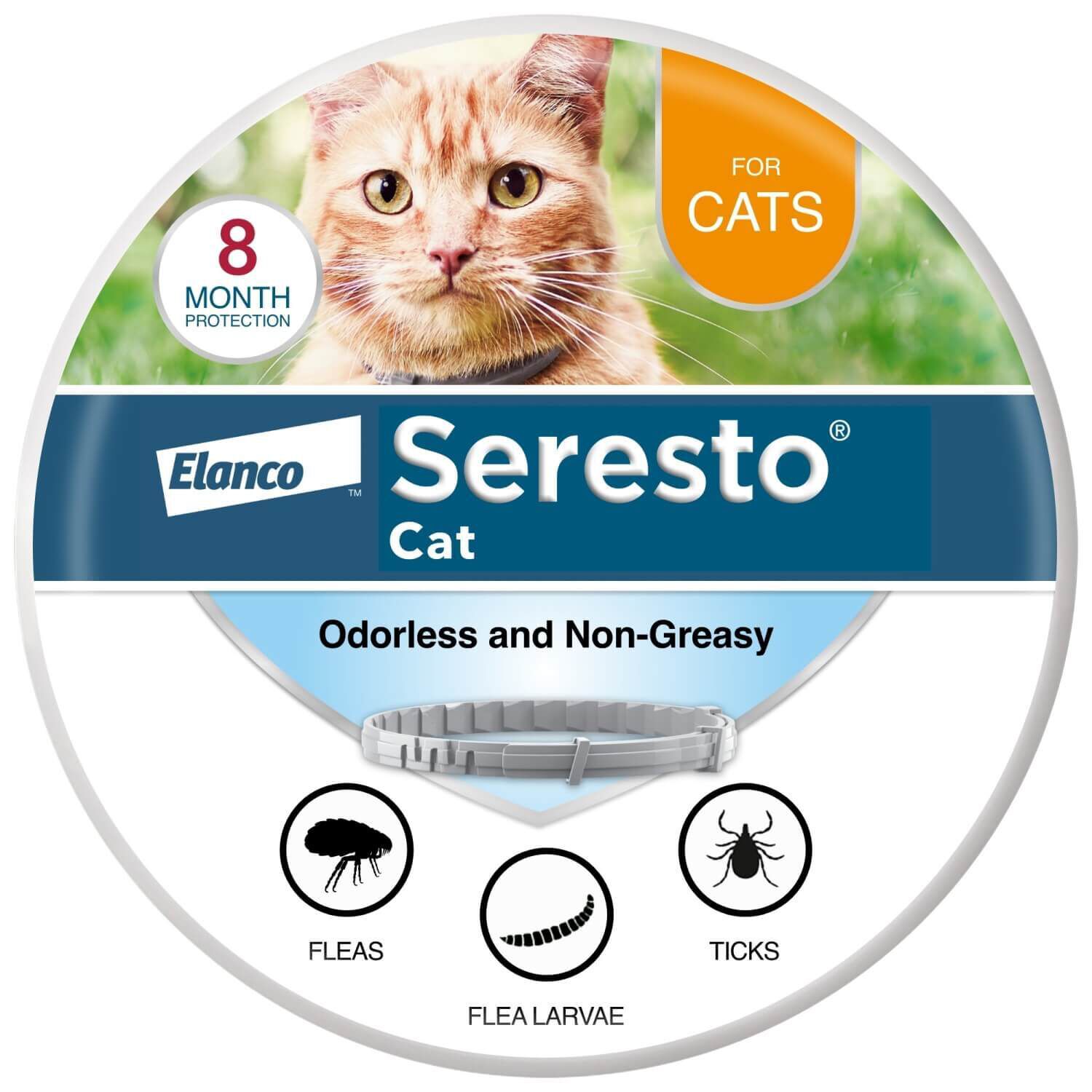
Flea & Tick Care
Dental Care
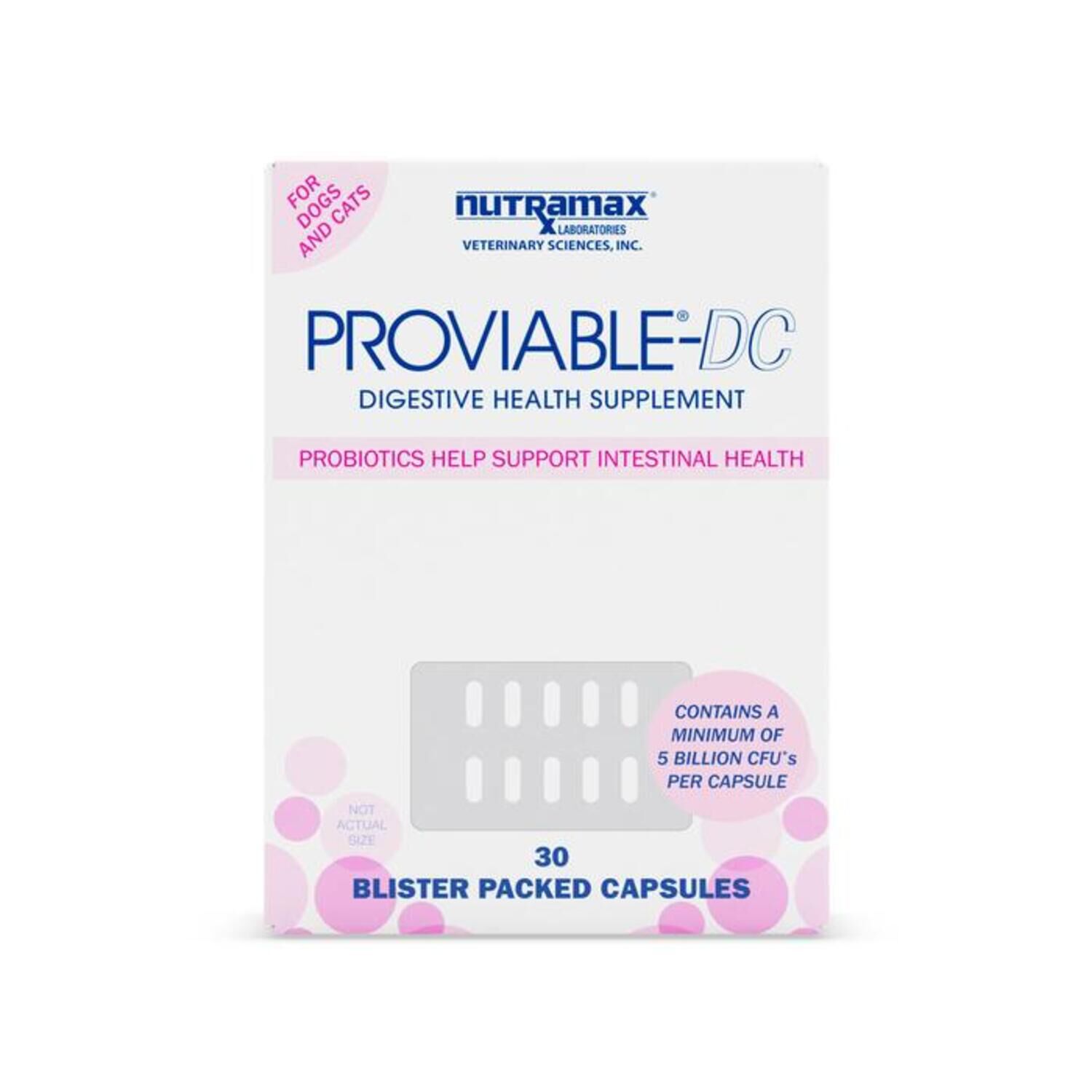
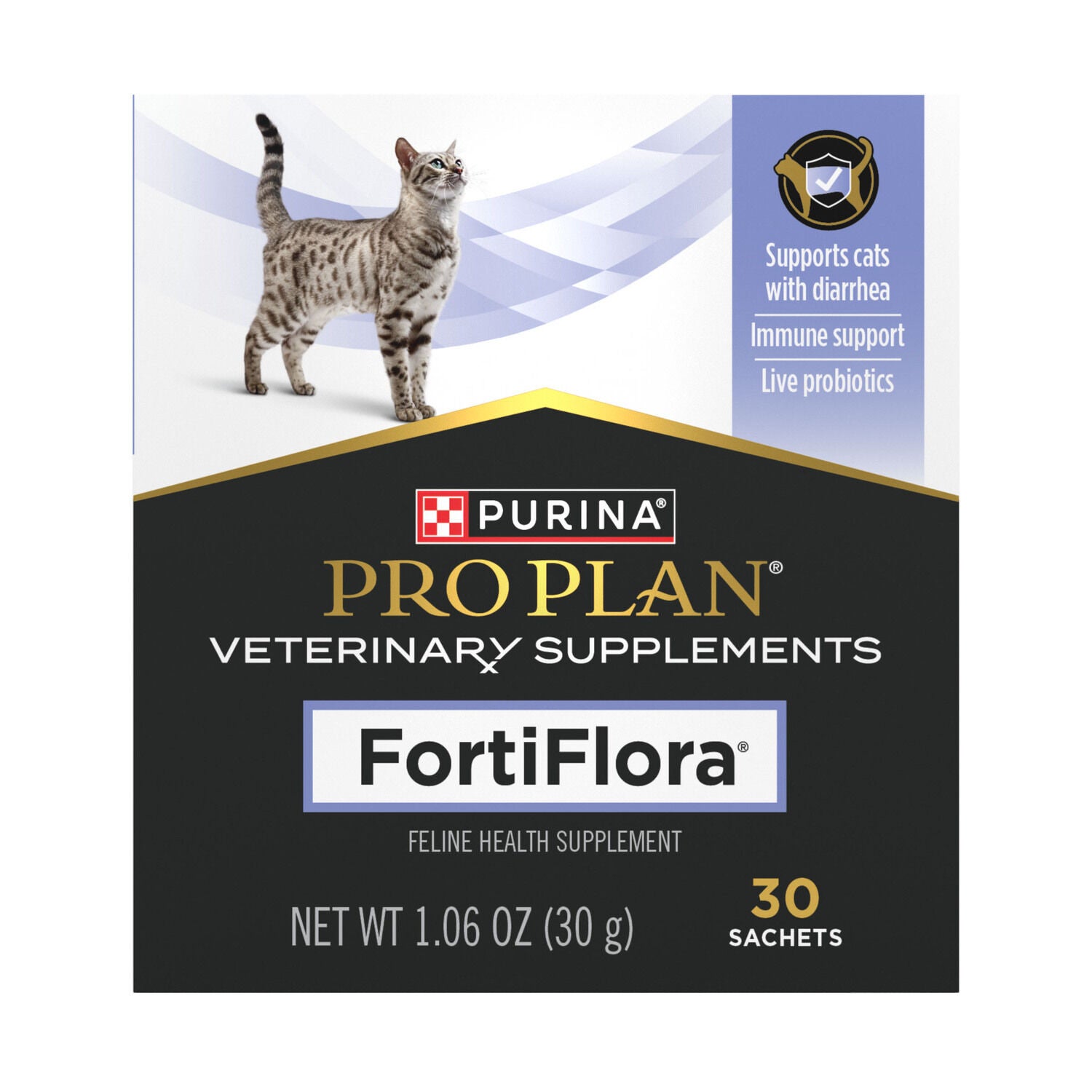
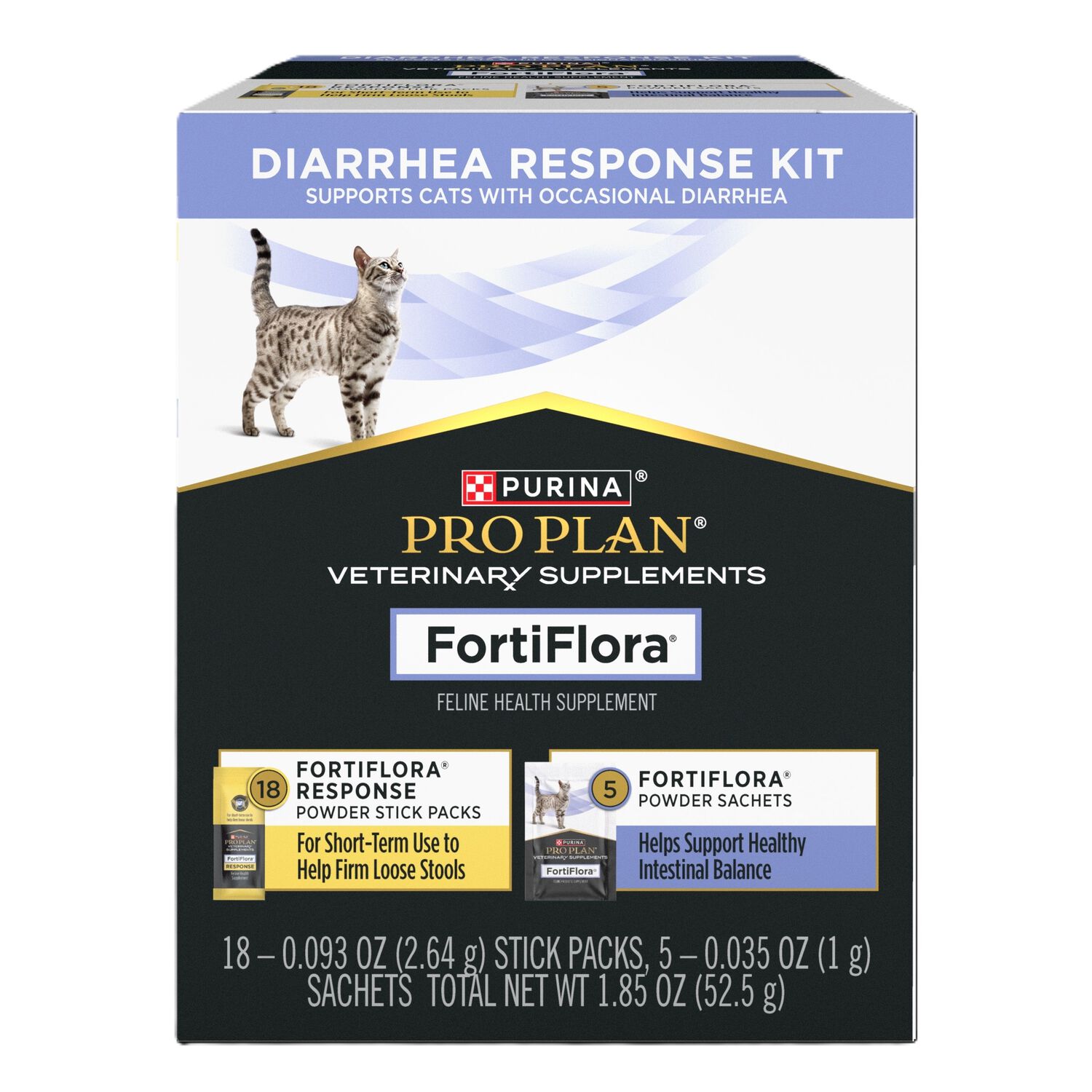
Supplements — vitamins & anxiety relief
Grooming Brush & Nail Clippers
Everything your Cat needs, all in one place.
Shop Cat Supplies
Feeding Your Cat
Food & Water
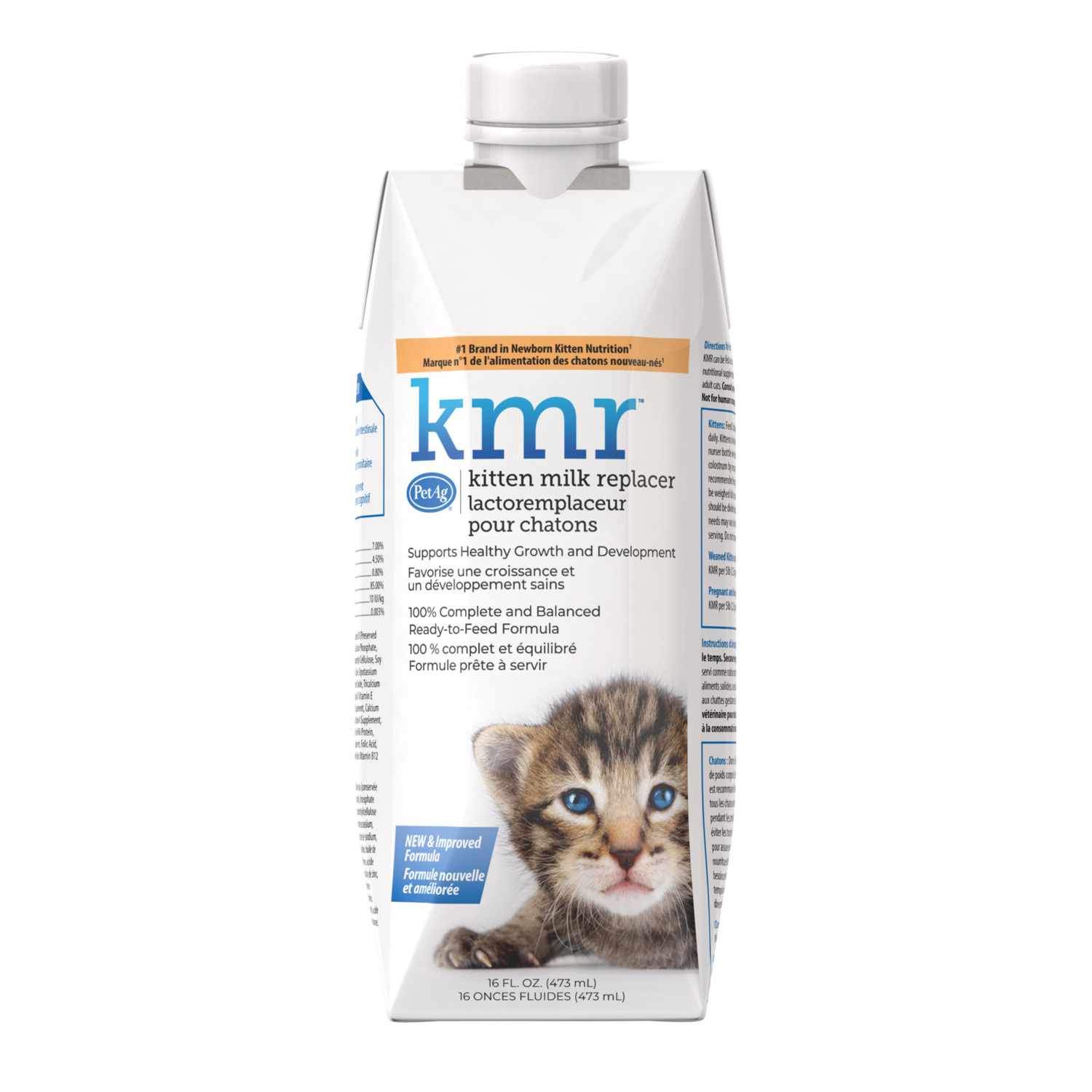
- We recommend feeding your cat twice a day. This helps regulate your cat’s blood sugar and metabolism. It also helps build the bond between you and your cat because cats respond to the action of a human feeding them. Avoid feeding your cat milk or table scraps. It is important to be consistent in the location that you feed your cat as well as the times that you feed them.
- Treats are a great way to introduce your cat to new tastes and ingredients. They can be used to train your cat, reward them for good behavior or help with hairballs, fresh breath, and joint relief.
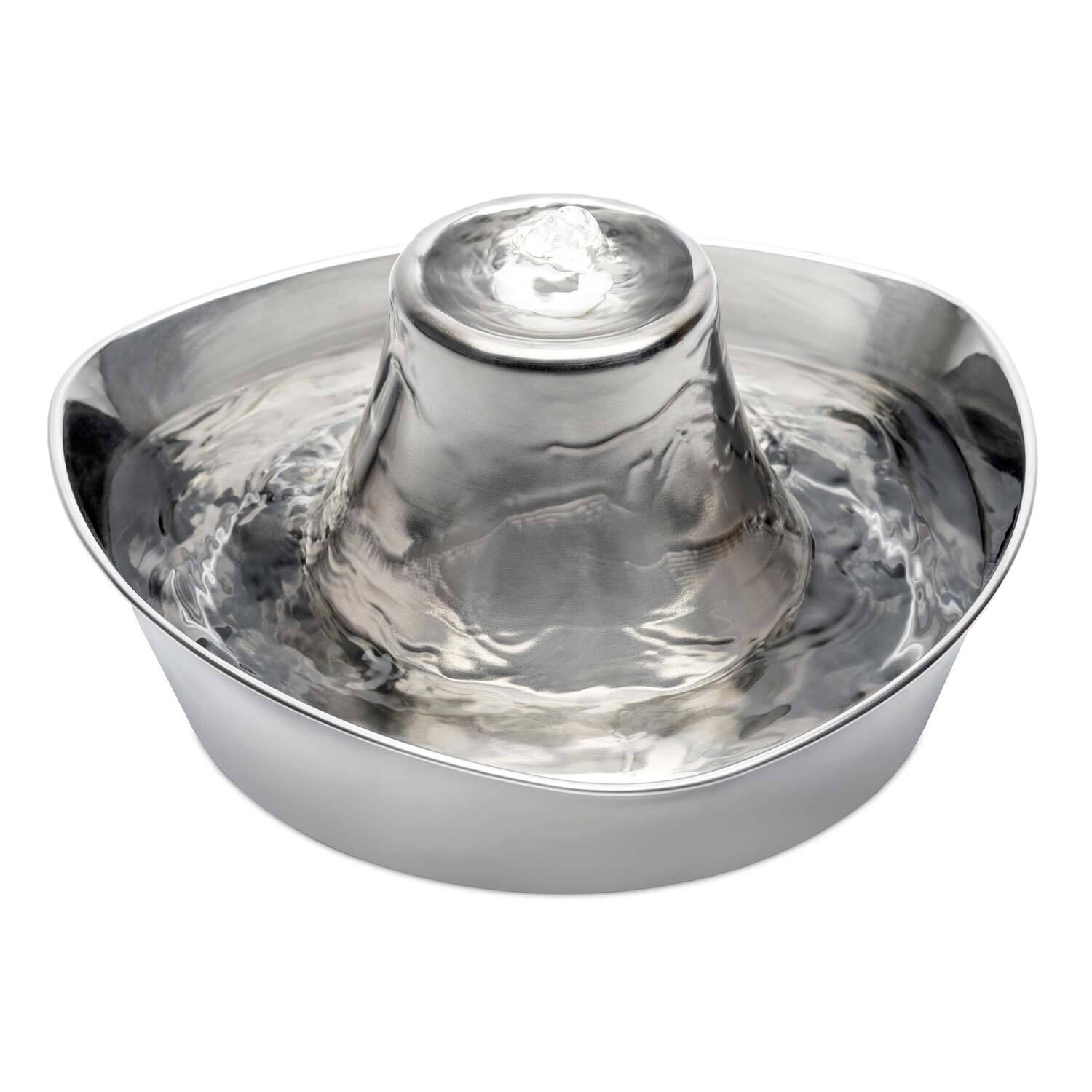
- Plan on two bowls — one for water and one for food. Fresh water needs to be available at all times. If your cat has a preference for fresh, circulating water, consider a drinking fountain.
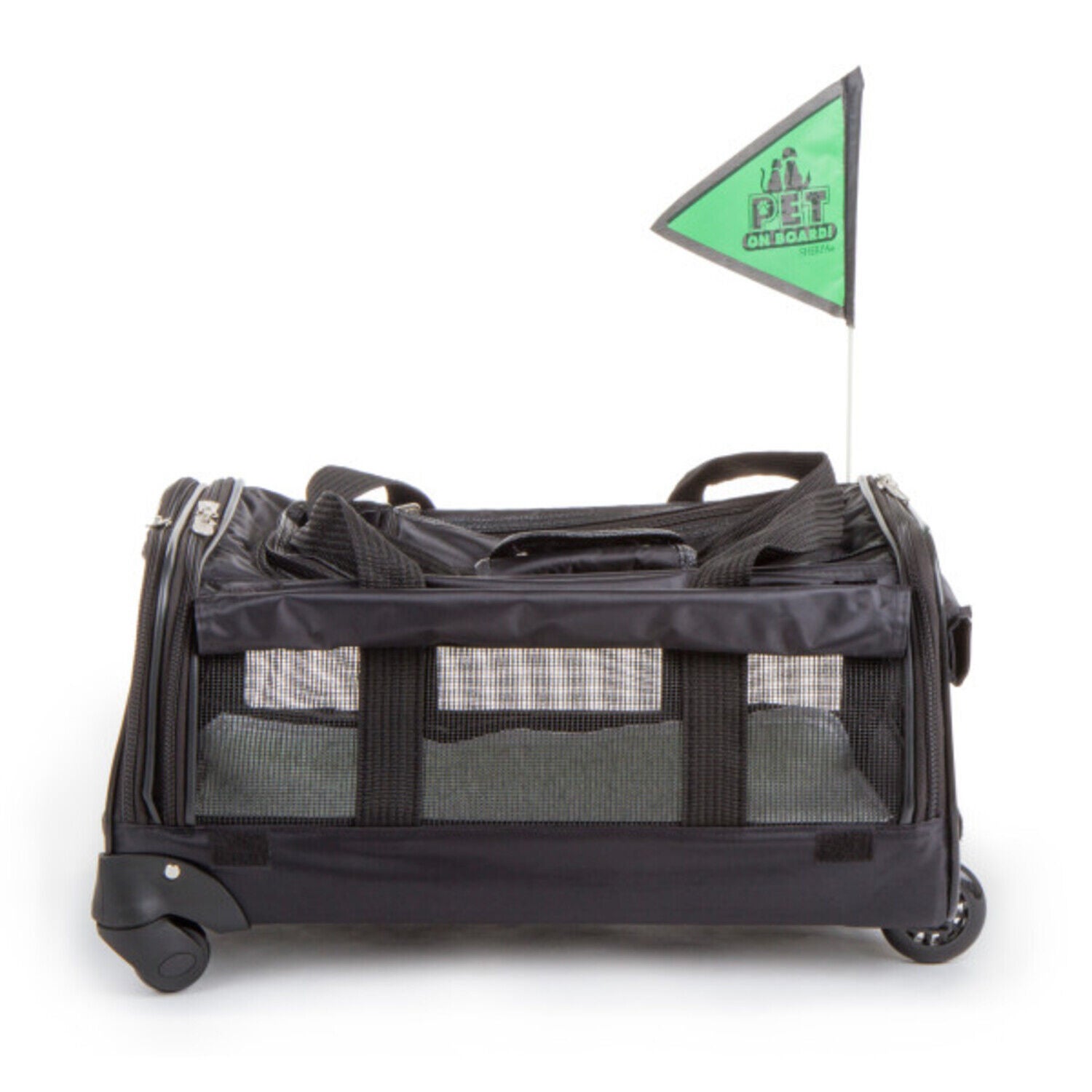
- We recommend a cat carrier to travel safely with your cat. Please don’t carry your cat in your arms. Cats can frighten easily and try to jump or escape and interfere with driving. Be sure it doesn’t provide too much free space, or they won’t feel secure and won’t enjoy traveling.
Cat Habitat
Caging & Environment
At Home Environment
- Cats are very particular about where they do their business! There are many different types of litter including clay, clumping, silica gel, organic and eco-friendly for just this reason. It’s best to ask what your new cat is currently using to help you make the right decision.
- In the very same way, cats are also particular about the style of their litter box itself.
- Size & location: Consider how big your full-grown cat will be and where in your house you can fit a litter box. If you are choosing between two sizes, go bigger as cats generally prefer a larger space. Be sure to place the litter box in a secluded area for privacy, away from their food and water bowls.
- Shape & style: Some cats prefer a hooded litter box, which gives them some privacy. They also help prevent the spill of waste and urine, while keeping odors inside the pan. Alternatively, consider a disposable pan or a pan with high sides.
- Cleaning: Litter boxes should be cleaned daily and fully changed at least once a week.
- Accidents with a new pet should be expected. Use a cat-specific stain & odor removers as they are formulated to treat pet messes.
Play Time & Exercise
- As your kitten gets older, cat furniture and towers provide a space for play, as well as a secure place to relax – preferably at an elevated level to grant them an overview.
- Cats are known to scratch your furniture as a form of exercise and territorial marking. The best way to redirect their innate tendencies is to offer suitable alternatives. A scratching post or scratchers can be a great purchase, especially when your cat is young and prone to claw things.
- Toys are a great way to keep your cats active while also bonding with you. Mice and feather teaser toys can help bring out natural tendencies like stalking and pouncing. Try interactive toys for some extra mental stimulation.
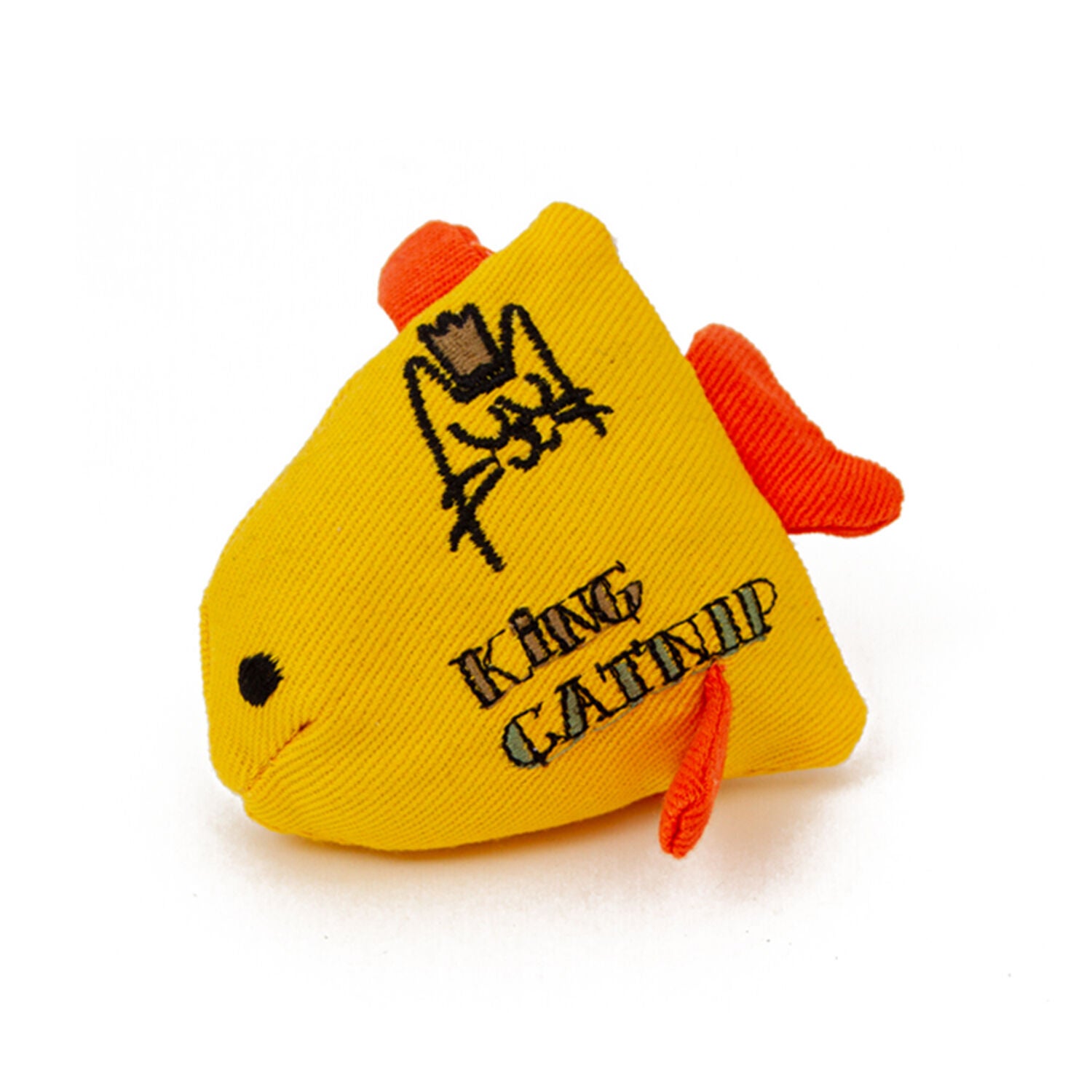
- When a cat smells catnip, it causes them to be playful. Eating it, however, can make them sleepy. The reaction to catnip develops in kittens between the ages of 3-6 months, but not all cats are affected. Available in treats and toy options.
- All indoor or outdoor cats should be given a collar and an ID tag that lists their name and your phone number.
Handling Your Cat
Behavior & Handling
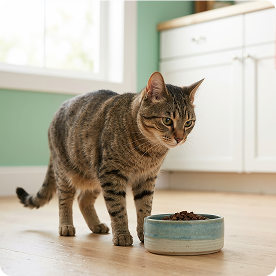
- New surroundings can be scary to your new cat or kitten. Start by introducing them to a smaller area before opening up the entire home for their exploration. They may even be hesitant to leave their carrier so be sure not to rush them. Secure Hazardous Items.
- Human company, warmth and ample food will comfort your new cat and help them adjust to their new surroundings. Beds can provide an additional level of comfort and security. And did we mention cats spend a lot of time sleeping? They sleep an average of 15 hours per day so they will get a lot of use out of a warm, comfy bed. We recommend something fully washable or that has a washable and/or removable cover.
Common Health Problems
Cat Health and Well-being
Health/ Hygiene & Grooming
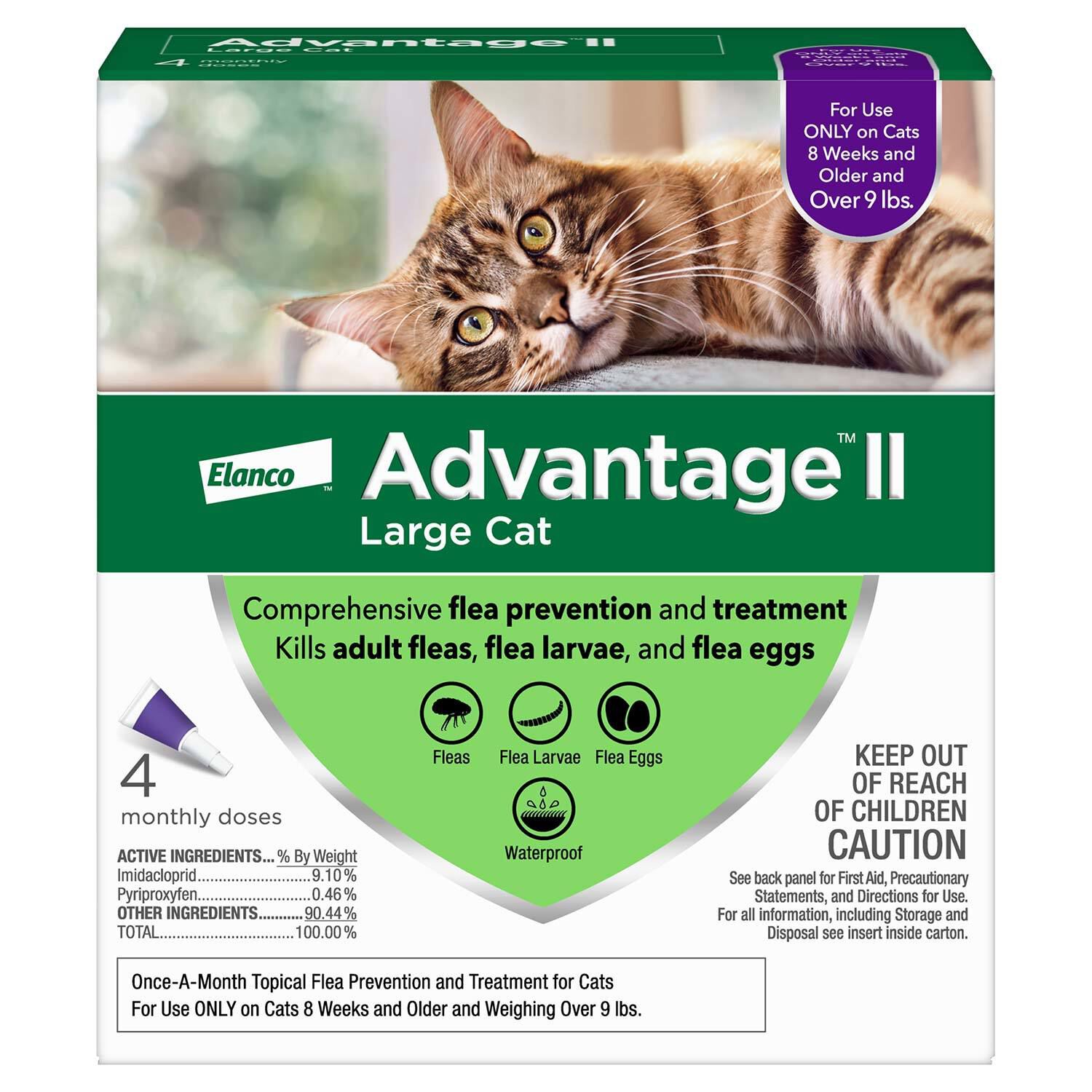
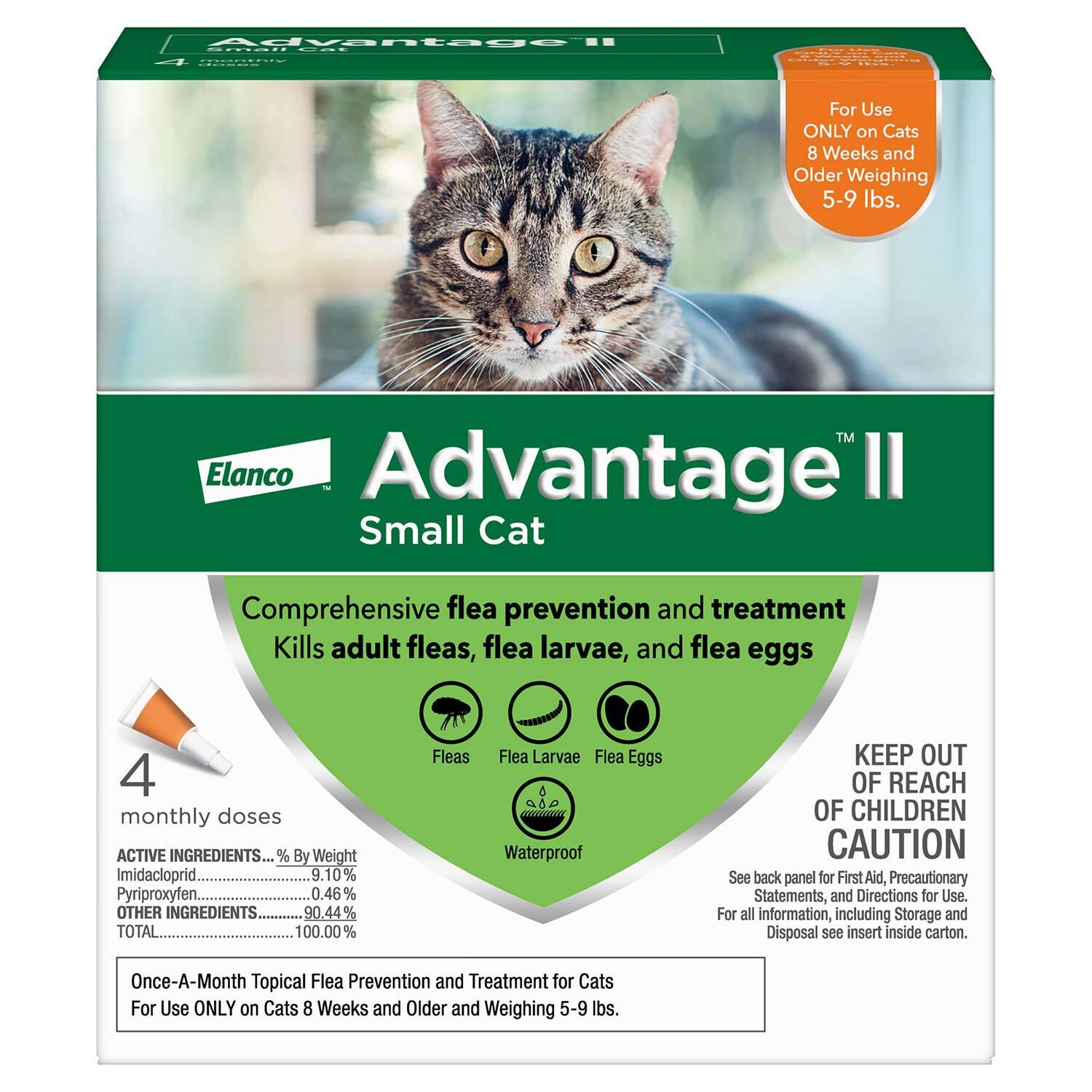
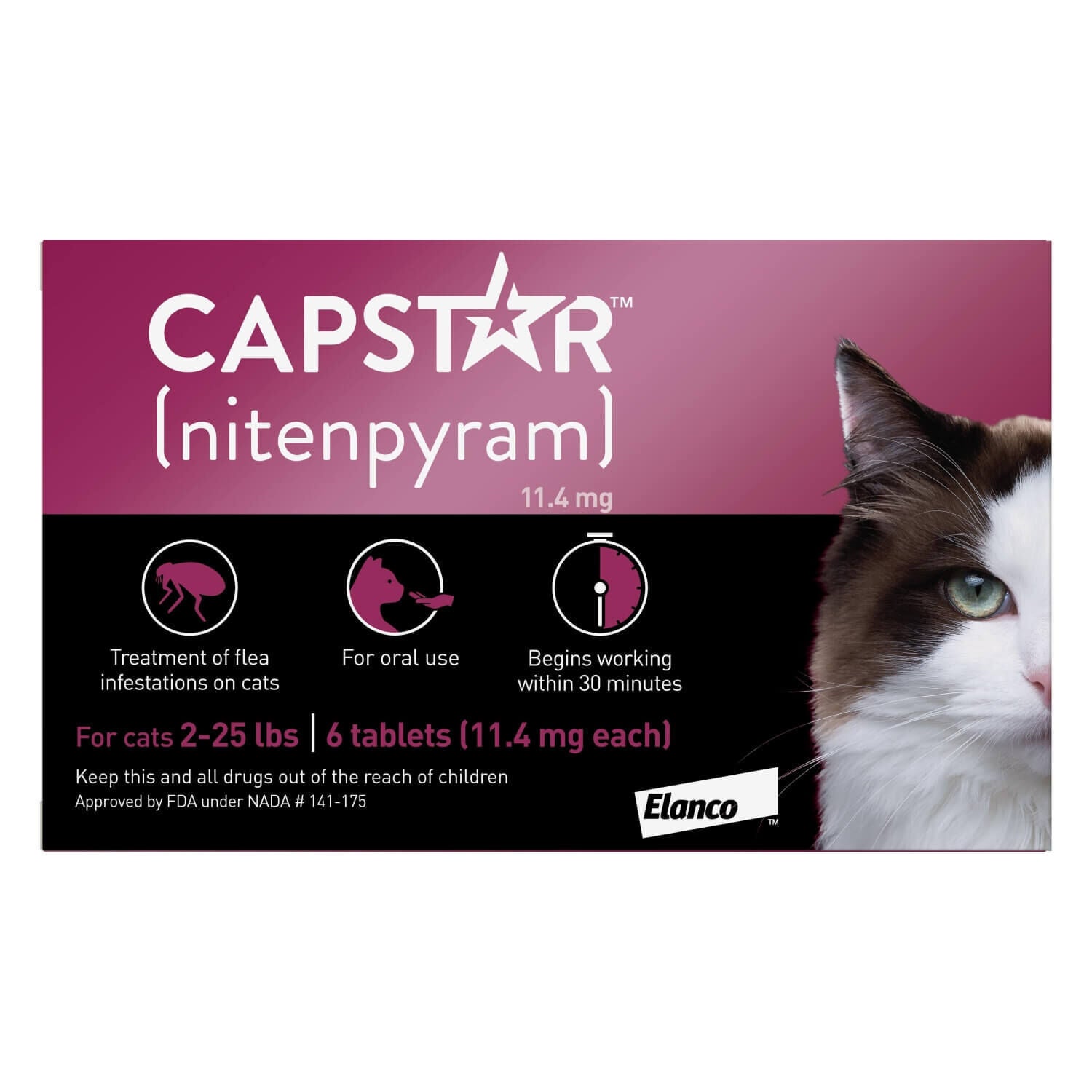
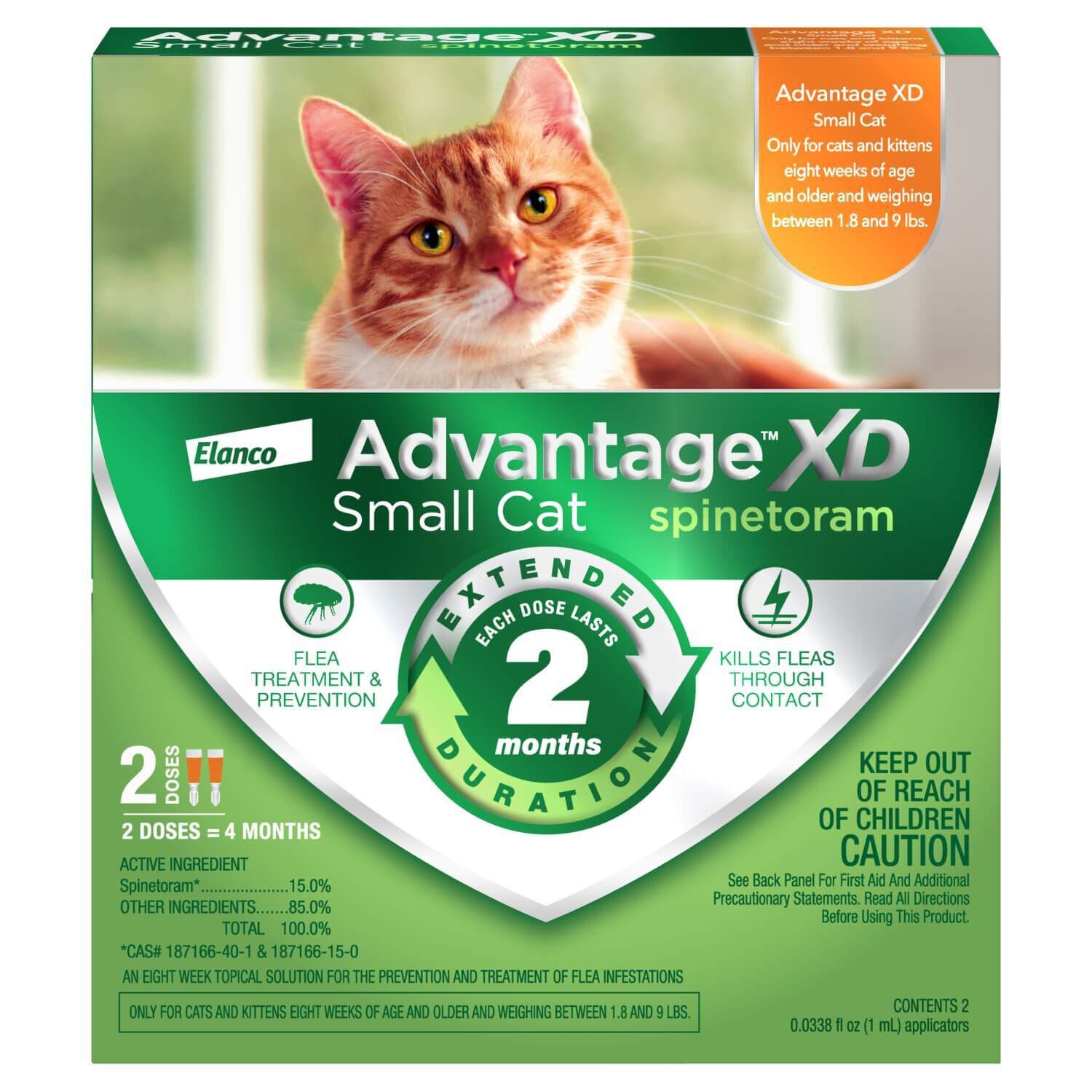
- Flea & Tick: It’s important to choose the right preventative or treatment solution for your new pet. Many products are specific to the weight of your cat. Ask which option(s) will work best for you. Please be sure to follow the manufacturer’s treatment instructions.
- Dental hygiene is often overlooked as up to 80% of pets show signs of issues by age 3. We offer dental treats, toys, water additives and more to help you stay ahead of potential problems.
- While cats naturally spend much of their day self-grooming, some human-intervention can help decrease hairballs and aid in skin and coat maintenance.
- Brushing: Long-haired cats should be brushed daily or every other day, while short-haired cats may only need to be brushed weekly. Brushing your cat regularly not only removes loose hair, which your cat will ingest while self-grooming, it also spreads the natural oils through the hair, preventing mats and keeping their skin and coat healthy.
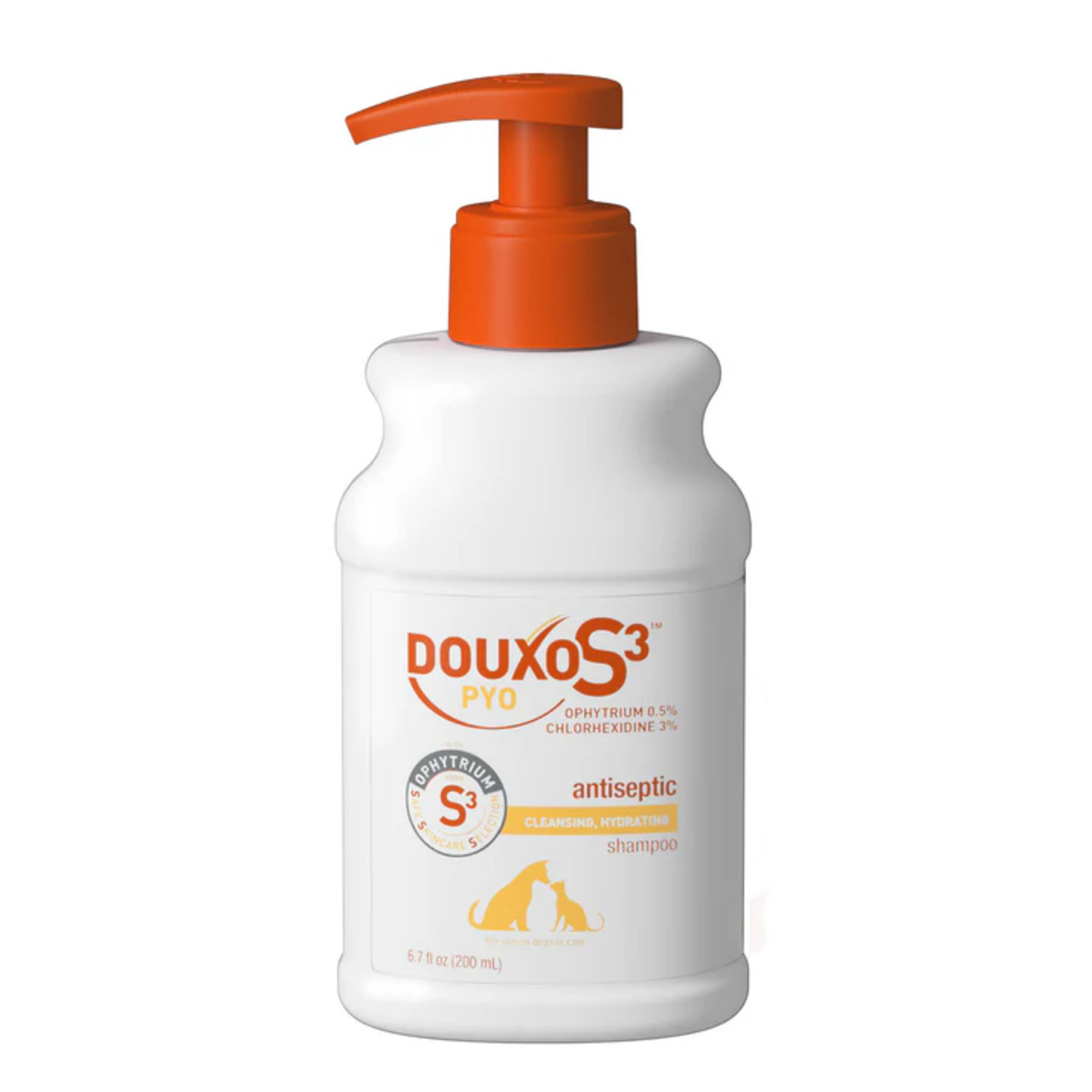
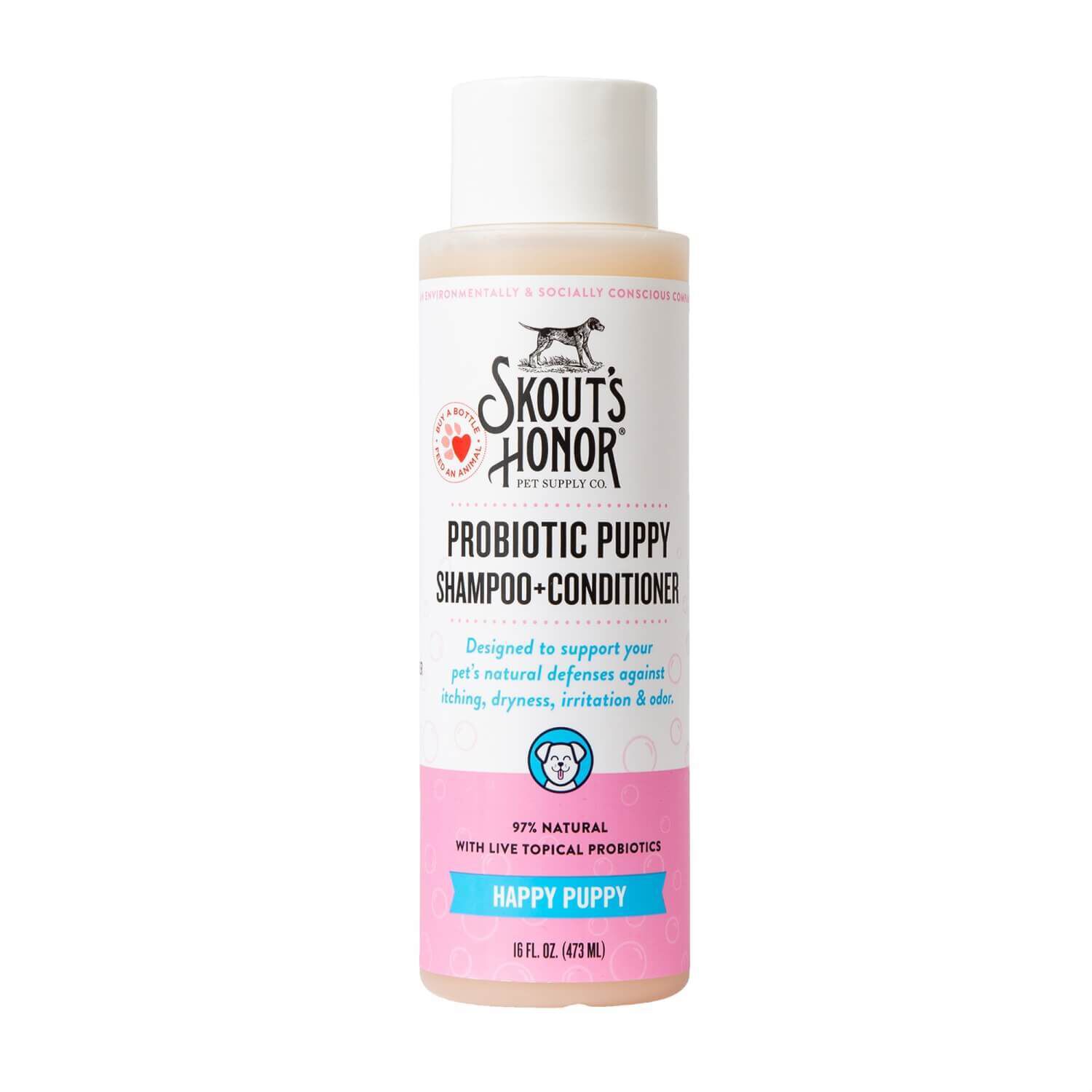
- Bathing: We hate to say it, but even cats benefit from occasional bathing. Try a mild shampoo designed specifically for cats.
- Nail Trimming: To trim your cat’s nails, apply gentle pressure to the pad of their foot to extend the claws. Using sharp nail clippers designed for pets, cut off the white tip just before the point where the nail curls.
Hazardous Items
- Edible Items: You may be tempted to share your food and drink with your new pet, but there are items that can be dangerous, including:
- Alcohol
- Avocado
- Caffeine
- Chocolate
- Fatty foods
- Garlic
- Grapes and raisins
- Macadamia nuts
- Marijuana
- Medicine not intended for the pet
- Onions
- Salt
- Tobacco products
- Xylitol
- Yeast products
- Non-Edible Items
- Non-Edible Items: Pets can be tempted to eat common house and yard items. Be sure to secure these non-edible hazards including:
- Antifreeze
- Cocoa mulch
- Fabric softener sheets
- Ice melting products
- Insecticides and pesticides
- Lawn fertilizers and weed killers
- Liquid potpourri
- Mothballs
- Paints and solvents
- Rat and mouse bait
- Various household cleaners
- Swimming pool chemicals
- Salt dough Christmas tree ornaments and play dough
- If you suspect your pet has consumed something potentially hazardous, contact your vet or a pet poison center immediately.
- Pet Poison Helpline
- 855-764-7661
- www.petpoisonhelpline.com
- ASPCA Animal Poison Control
- 888-426-4435
- www.aspca.org/pet-care/animal-poison-control
581 Results
581 Results
No products found for selected filters. Please try with different filters.
Showing 0 of 0