Chinchilla Care Guide
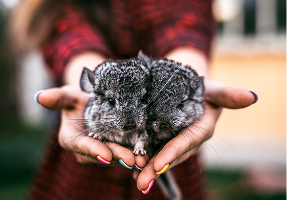
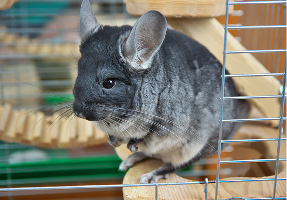
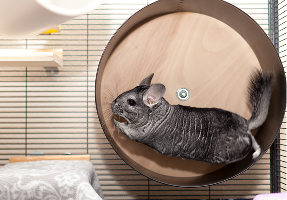
Get to Know Your Chinchilla
Basic Information
Common Name
Chinchilla
Scientific Name
Chinchilla
Distribution
Bolivia, Peru & Chili
Life span
15 - 20 years
Size
Up to 12” Long
Checklist for Your Chinchilla
Essential Items
Food
Timothy
Habitat
Chew toys and blocks
Treats
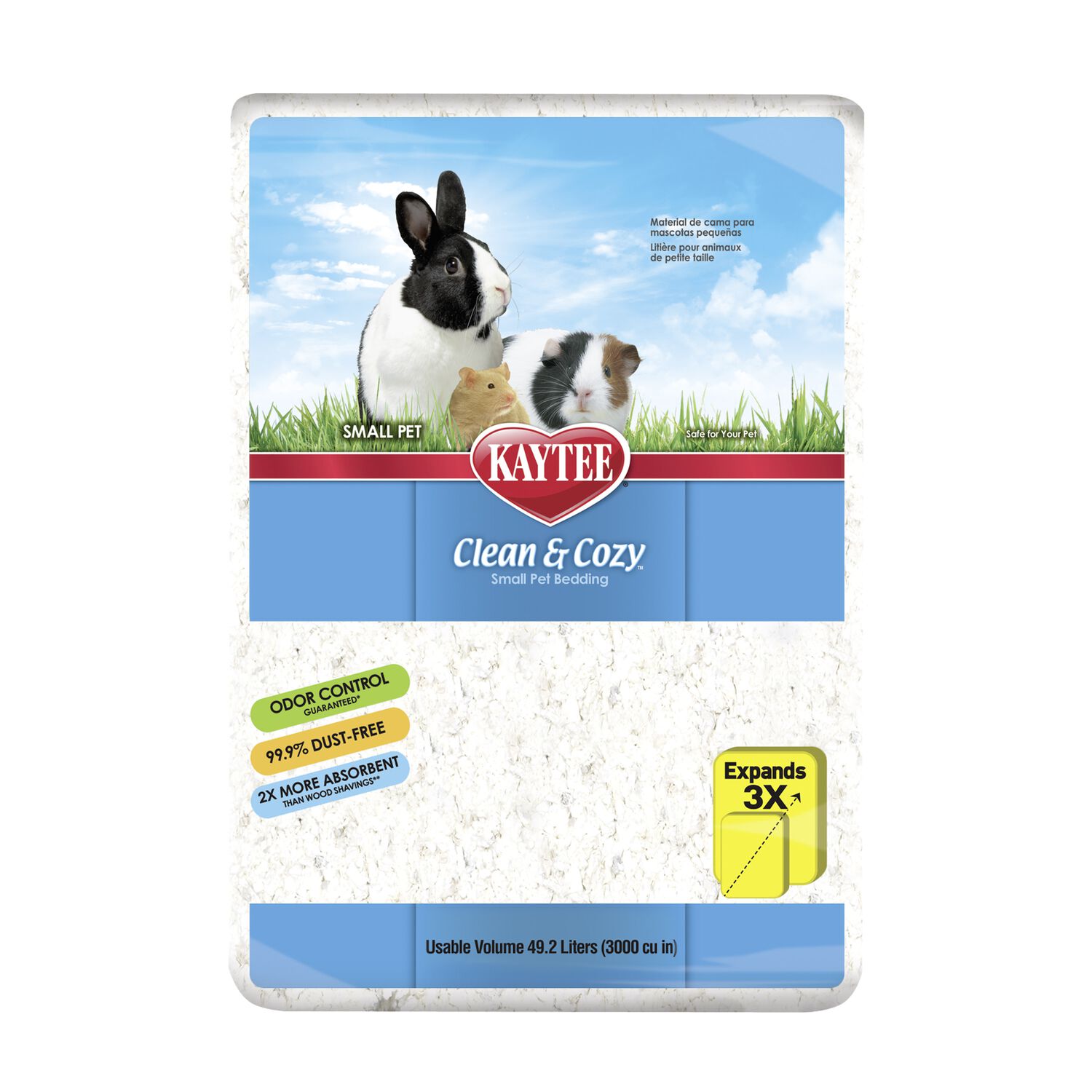
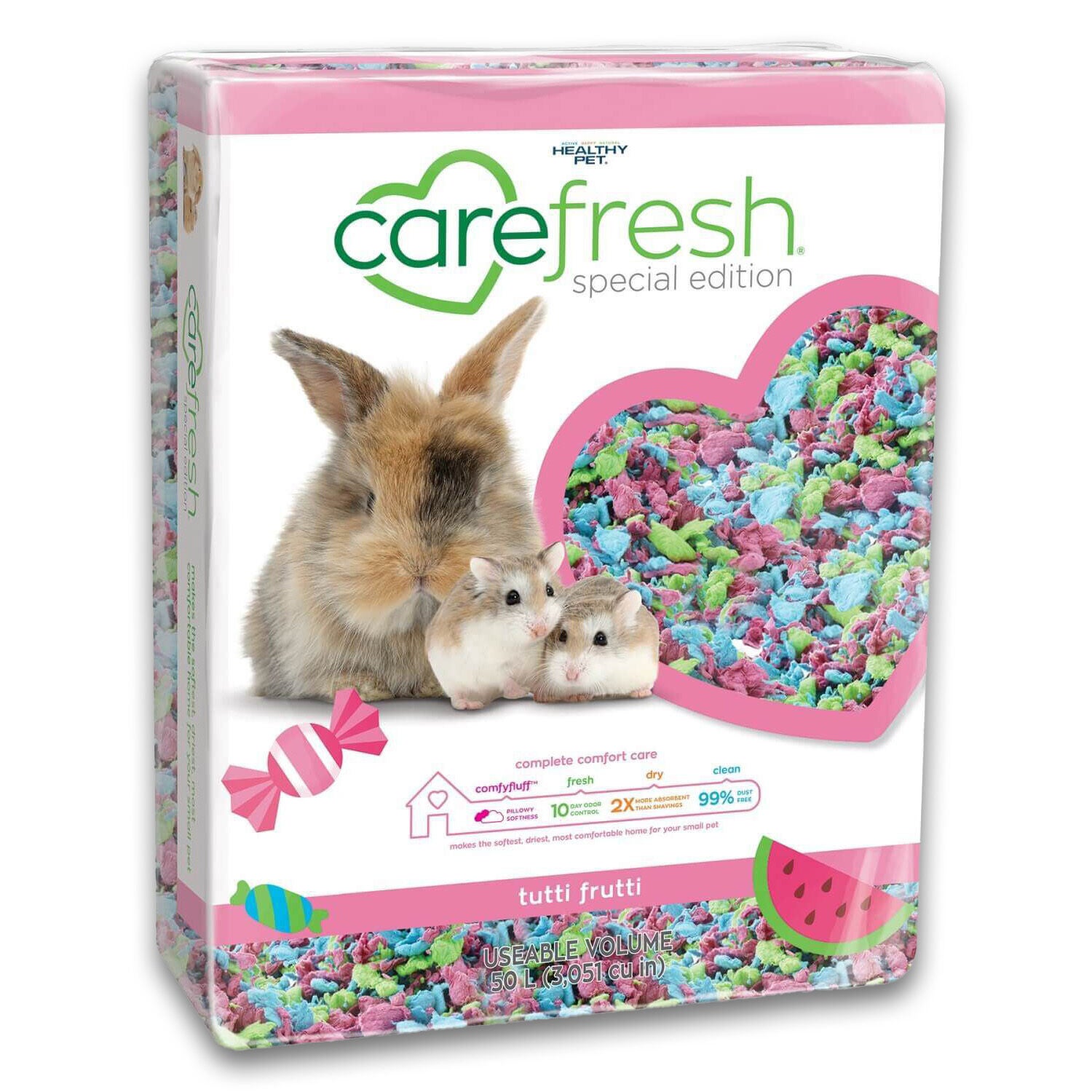
Bedding
Dust and dust bath
Food Bowl
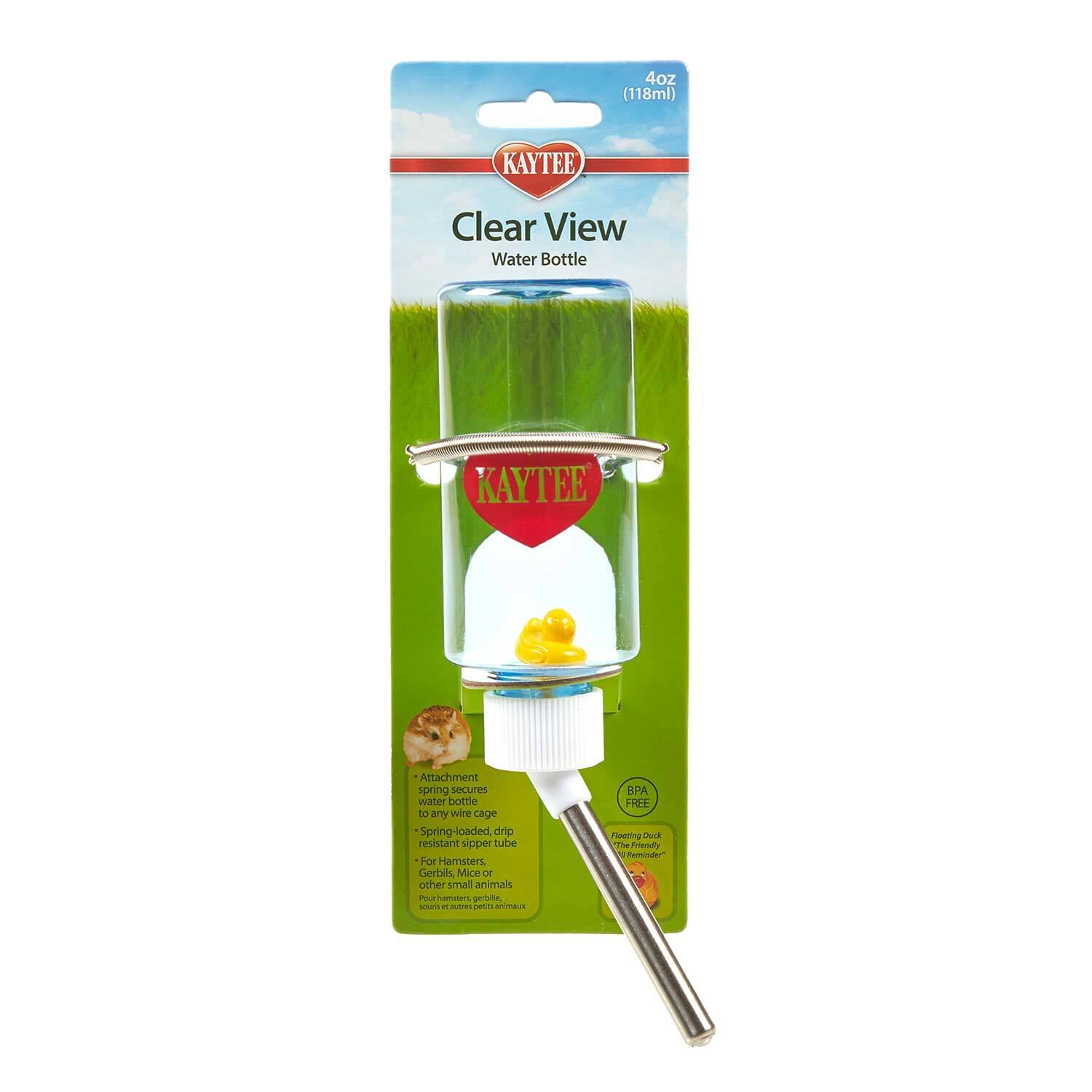
Water bottle
Exercise wheel
Indoor playpen
Hide
Everything your Chinchilla needs, all in one place.
Shop Chinchilla Supplies
Feeding Your Chinchilla
Food & Water
Always provide fresh water.
Feed pellets specifically for Chinchillas:
- 95% dried hay (non-alfalfa)
- 5% pelleted food
- 0-1% treats, fresh green veggies, and tubers (sweet potatoes, raw)
Your chinchilla’s diet must consist of an endless supply of grass hay. This is critical for teeth and digestion.
Safe to Feed
Nuts & veggies
Mineral block chew
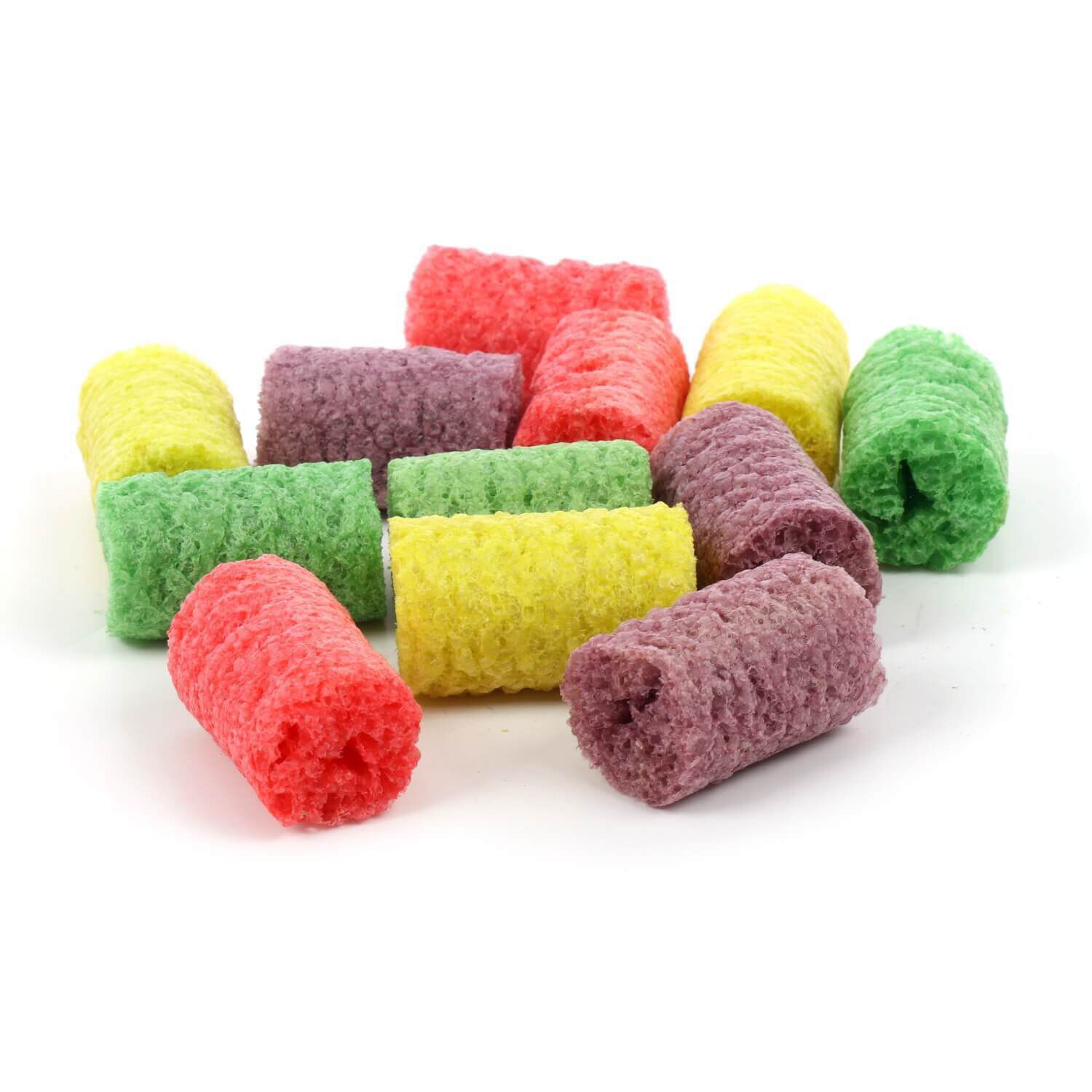
Hay cubes
Chinchilla Habitat
Caging & Environment
- Caging should be chew-proof (all metal with a solid bottom or tight woven mesh)
- Dust bath and a bath house is vital to a Chinchilla’s health. They will “bathe” in the dust to keep their coat soft and oil-free.
- Nesting material is extremely important to Chinchillas – they love to play hide and seek!
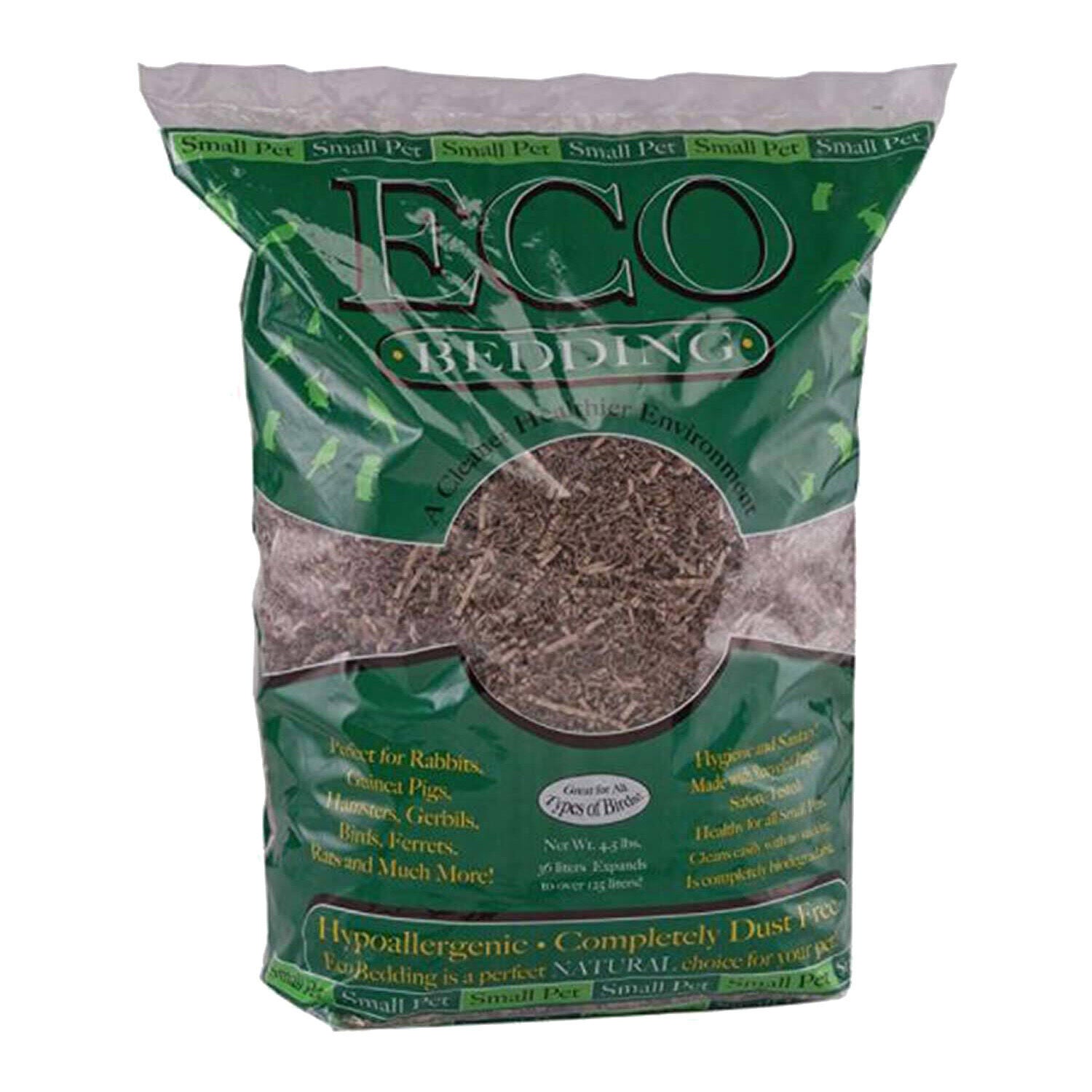
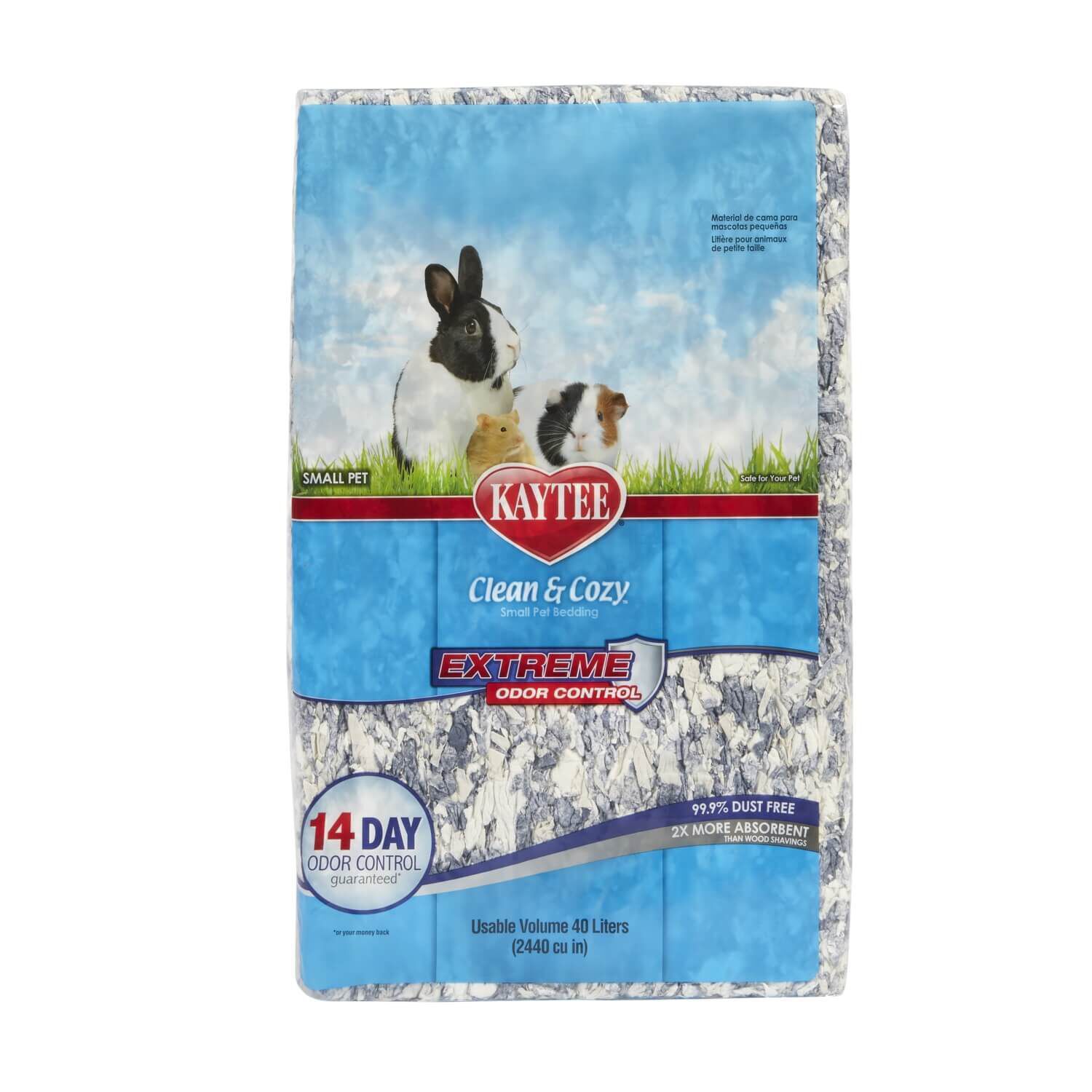
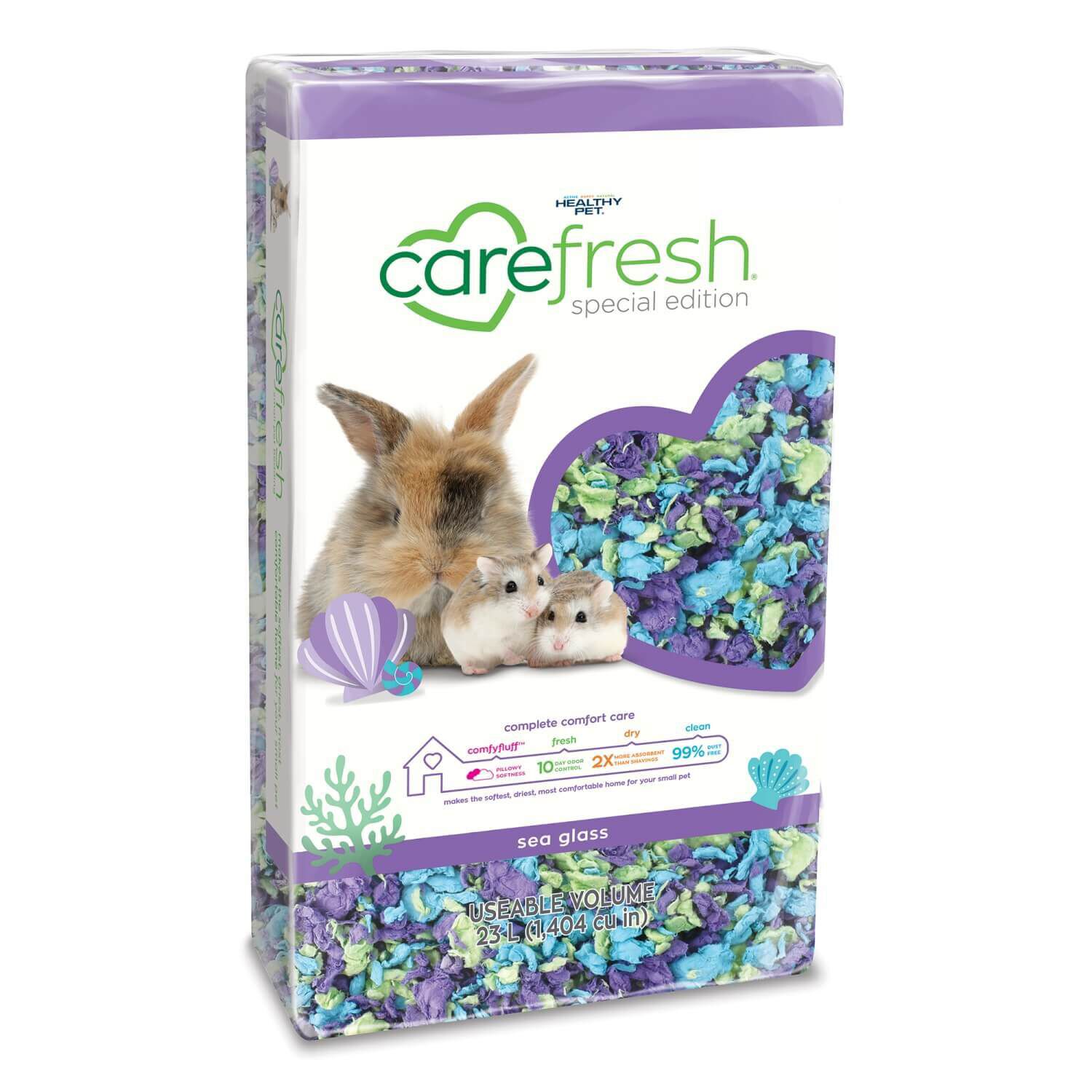
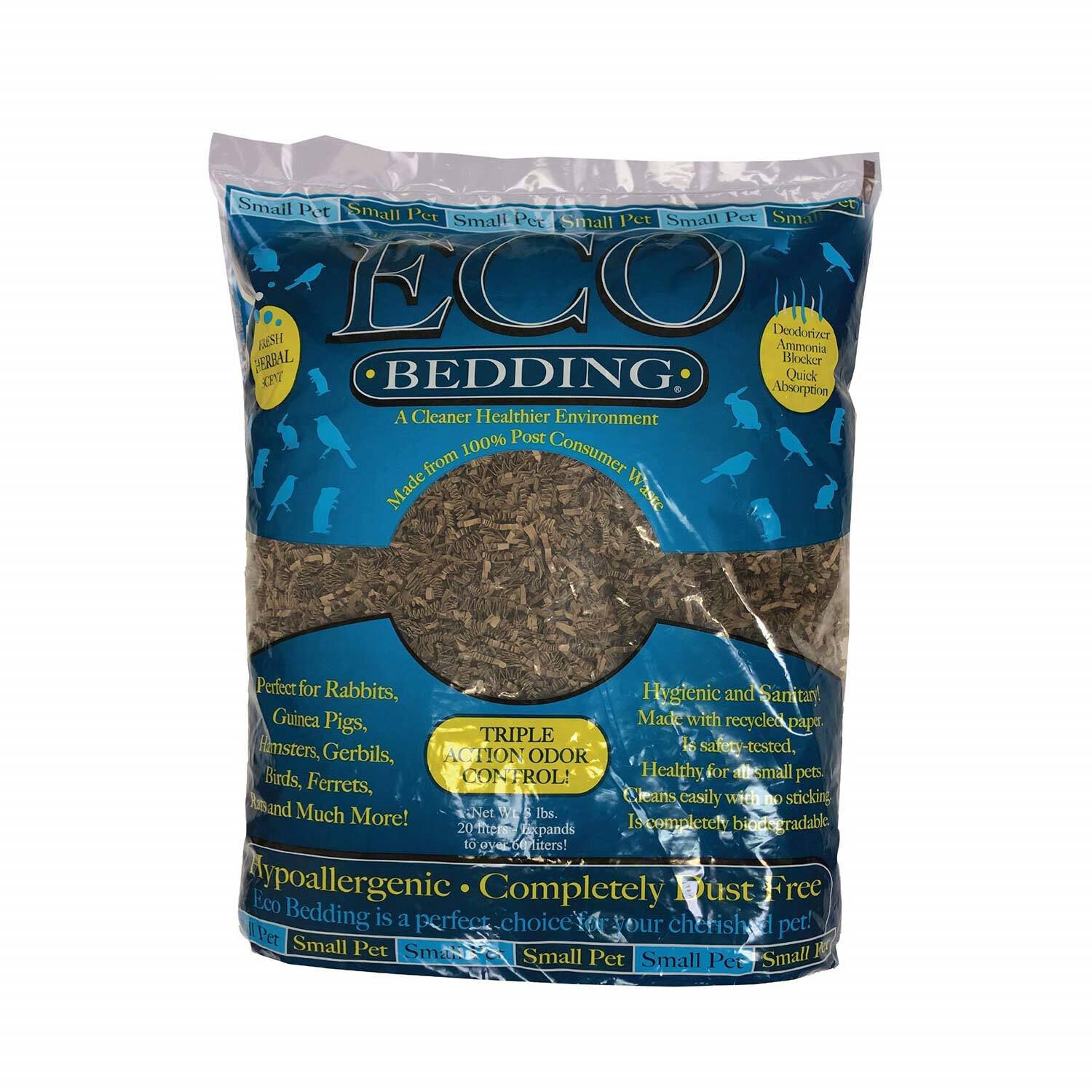
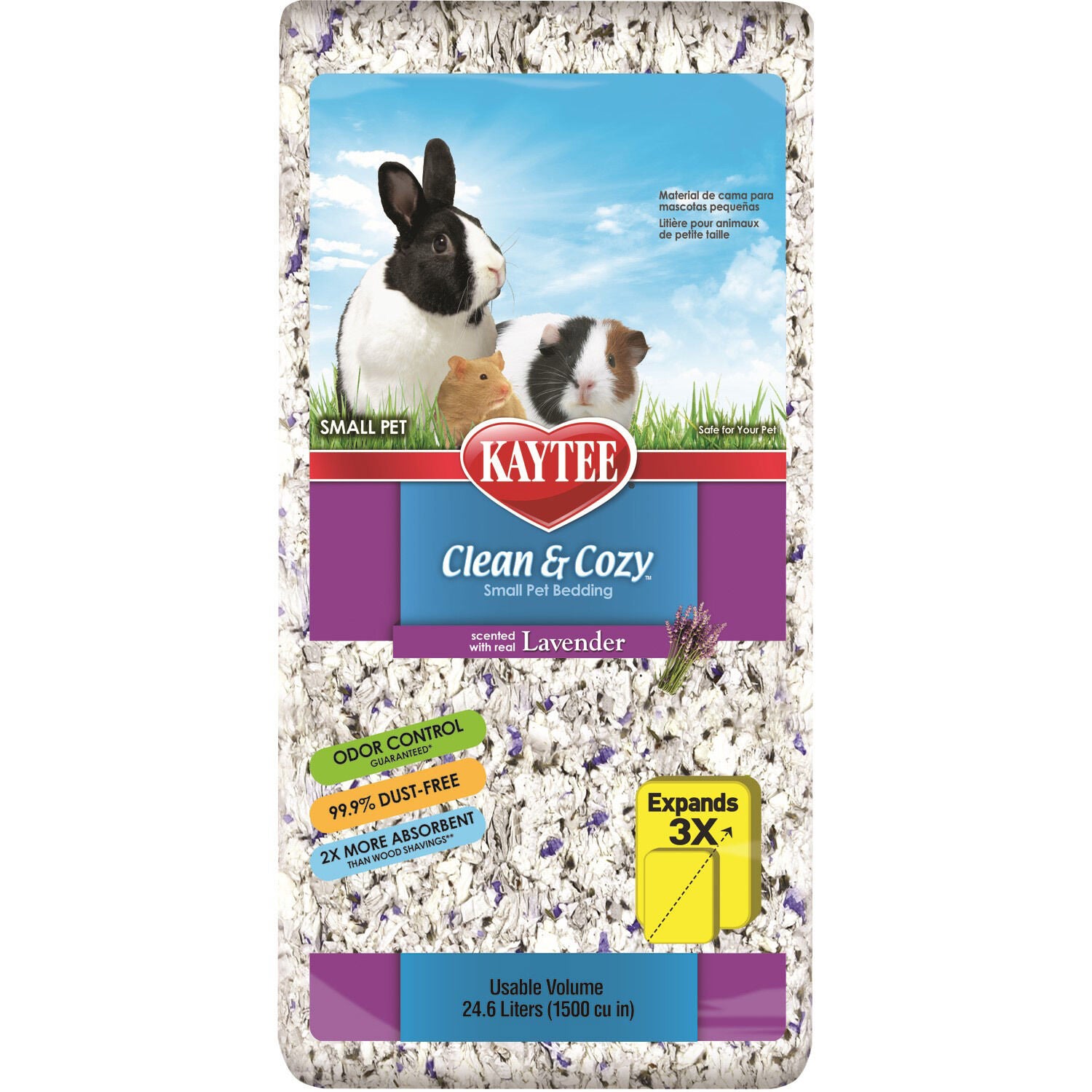
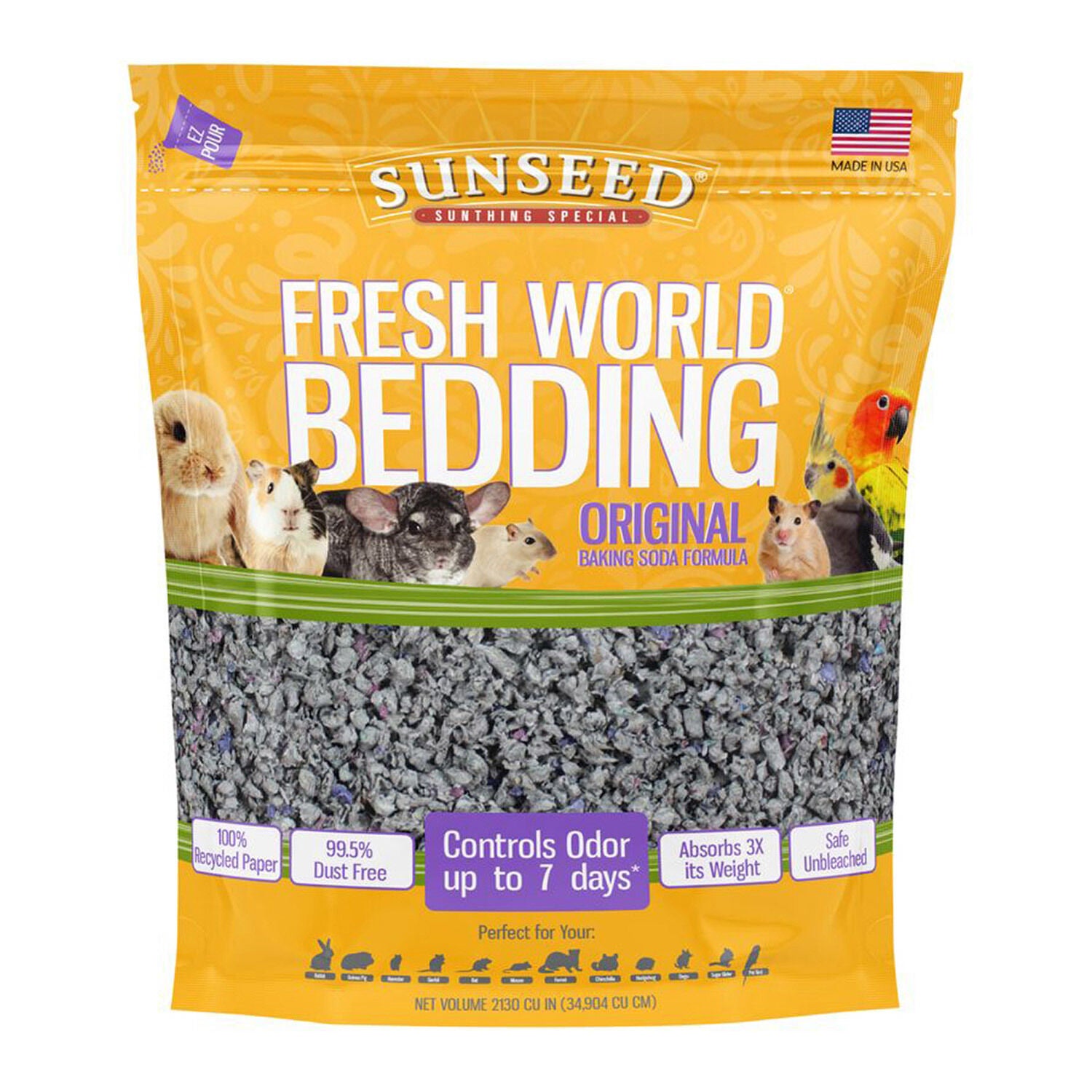
- Recycled Paper Bedding should be about 1” deep.
- The cage should have a solid bottom (the same goes for exercise wheels).
- The larger the cage, the better! A multi-level cage is better than a single level.
- Keep the habitat away from direct sunlight and be cautious of extreme temperature changes.
- Dust baths are essential to their healthy. Chinchilla dust should be used rather than regular sand which is too coarse. This can be always available at the bottom of the cage in a large bowl that can’t be tipped over.
- Offer bathing 30 minutes every 1-2 days.
Handling Your Chinchilla
Behavior & Handling
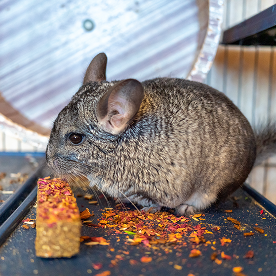
- Chinchillas rarely bite.
- Always pick up a Chinchilla by supporting its entire body. Squirming is normal at first, but make sure the entire body is supported – dropping a Chinchilla can cause severe injury.
- Chinchillas are vocal! They purr when they are content
- Chinchillas are very active at night and early morning and sleep most of the day.
- Chinchillas can be housed together; they should have a companion if you cannot devote a large amount of time with them.
- Chinchillas can be housed in average household temperatures, do not to exceed 80°F, as their thick coats make them prone to overheating, which could lead to fatal heatstroke.
- Avoid getting them wet, their thick fur takes a long time to dry.
- Chinchilla’s teeth grow continuously throughout their life. Chewing wears down teeth to an appropriate level. Provide wood chews and mineral chews to keep the teeth from overgrowing.
Common Health Problems
Chinchilla Health and Well-being
- If your chinchilla is not eating or not pooping it needs to be seen by a vet right away. Sneezing and/or discharge from the eyes or nose are also problems that need veterinary attention.
72 Results
72 Results
No products found for selected filters. Please try with different filters.
Showing 0 of 0