Leopard Gecko Care Guide
Get to Know Your Leopard Gecko
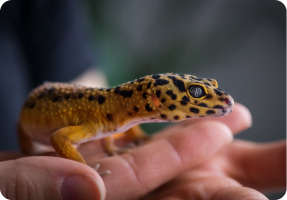
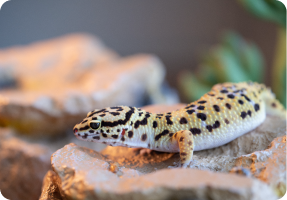
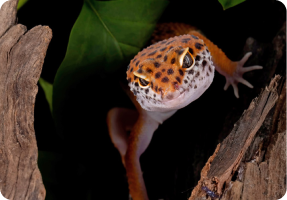
Basic Information
Common Name
Leopard Gecko
Scientific Name
Eublepharis macularius
Distribution
Pakistan, India and surrounding regions
Size
8-9" long w/tail
Life span
15-20 Years
Checklist for Your Leopard Gecko
Essential Items
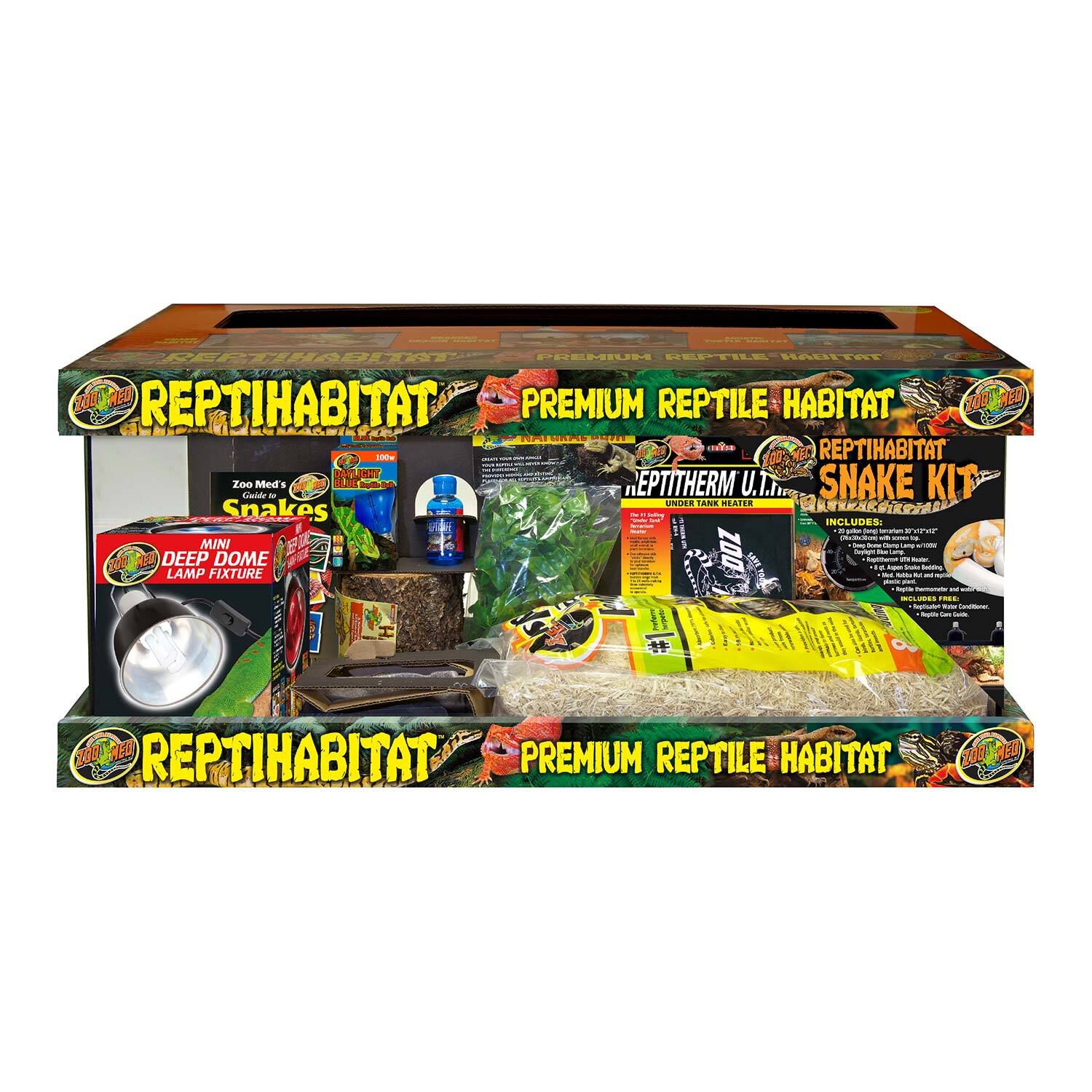
Tank with screen cover
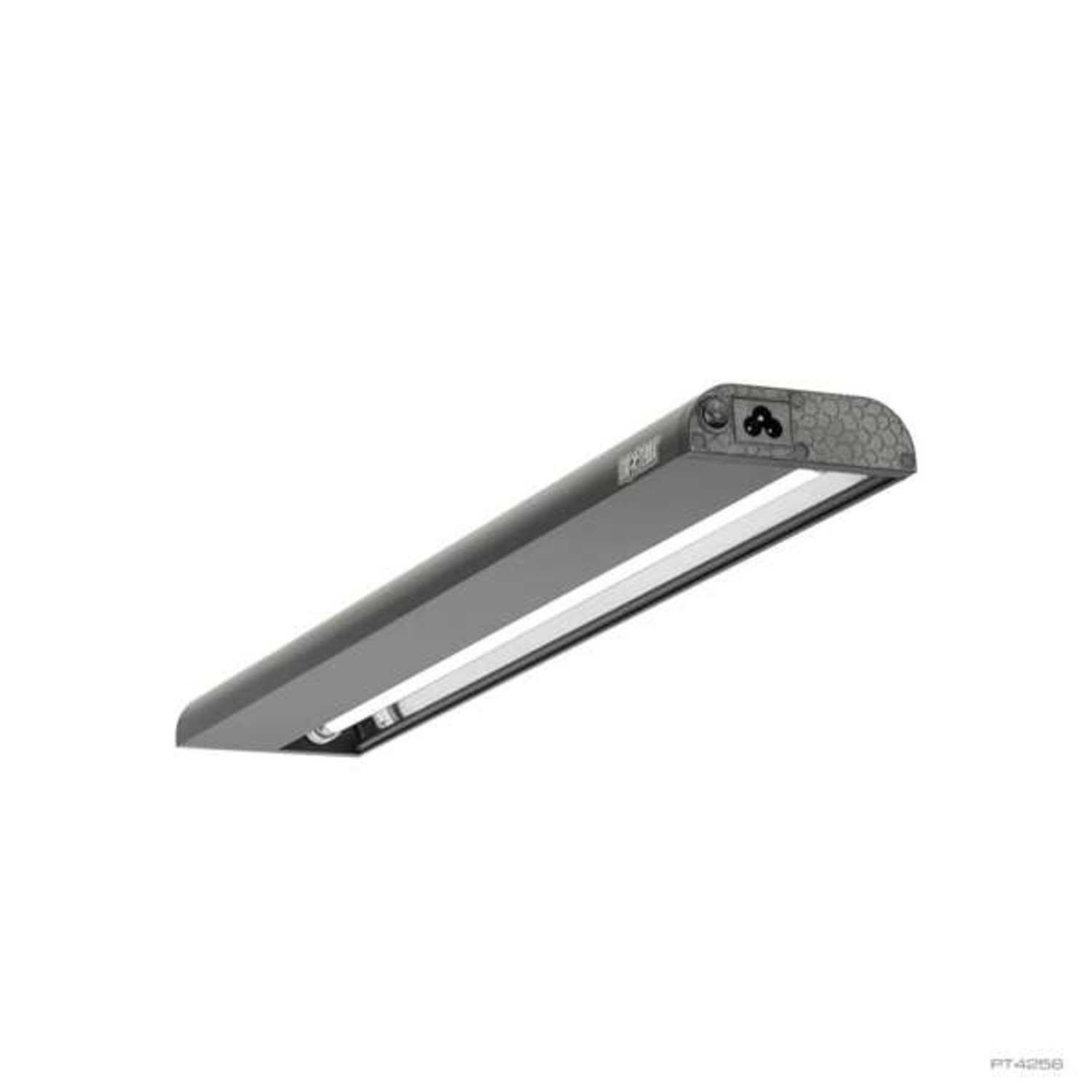
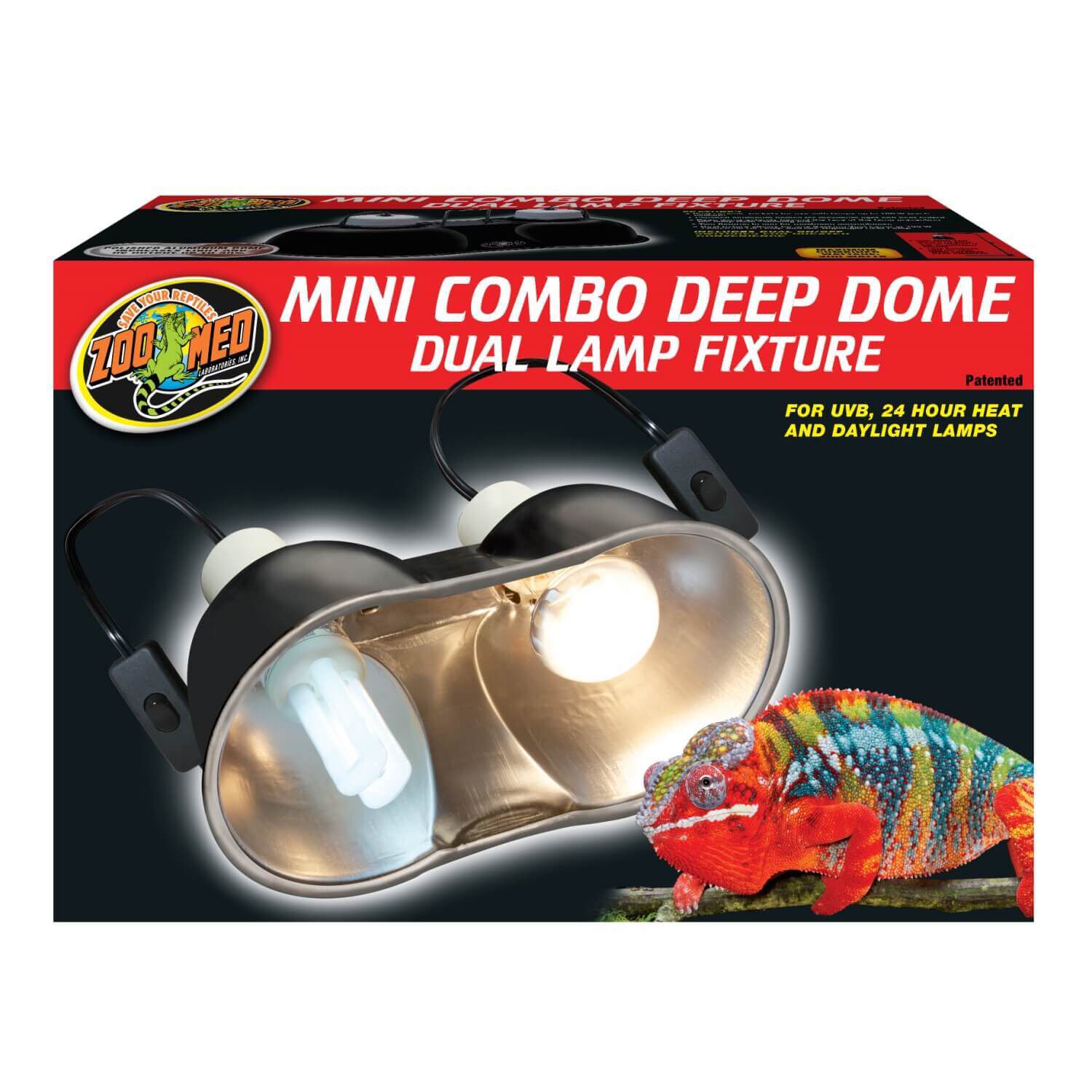
Lighting
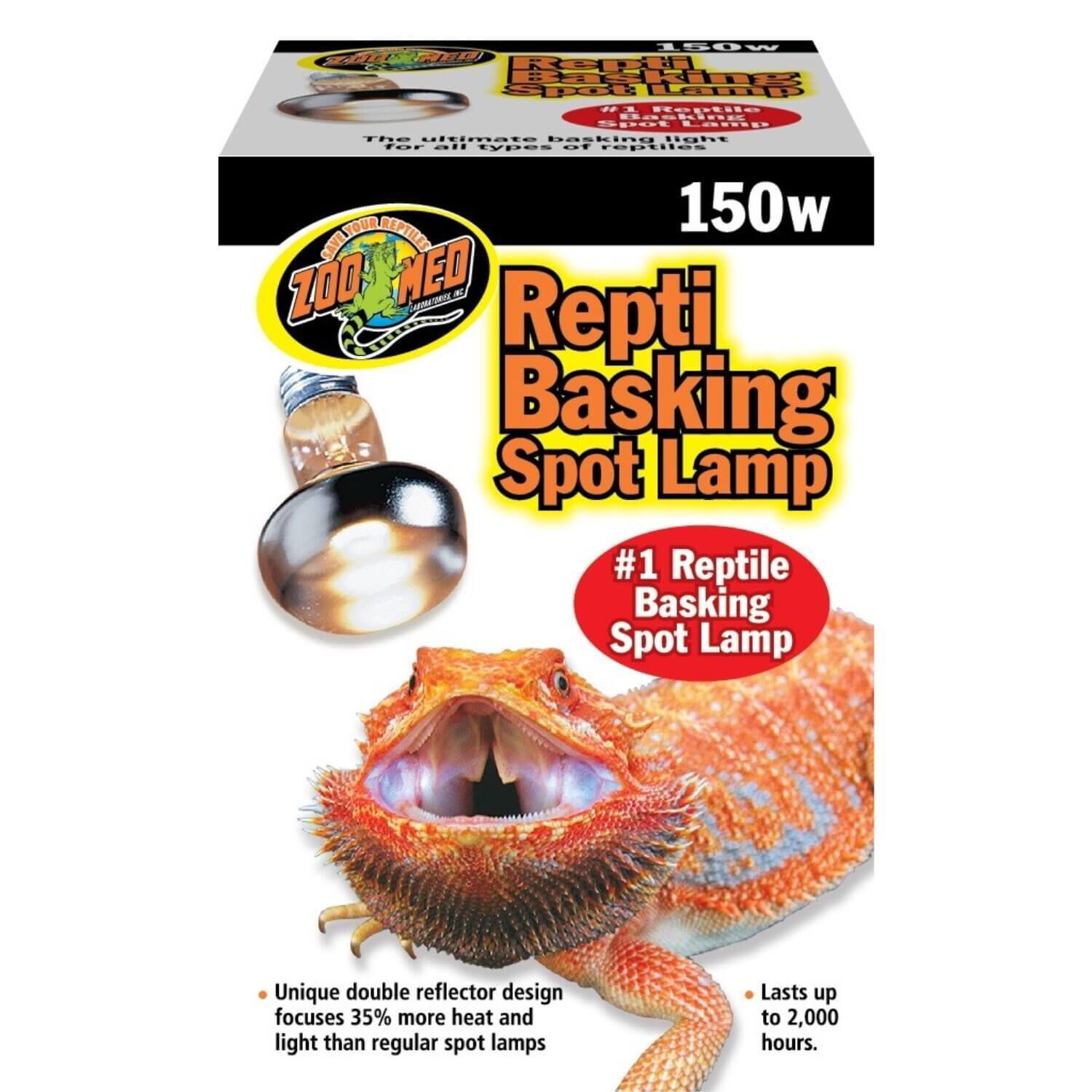
Heat lamps
Food
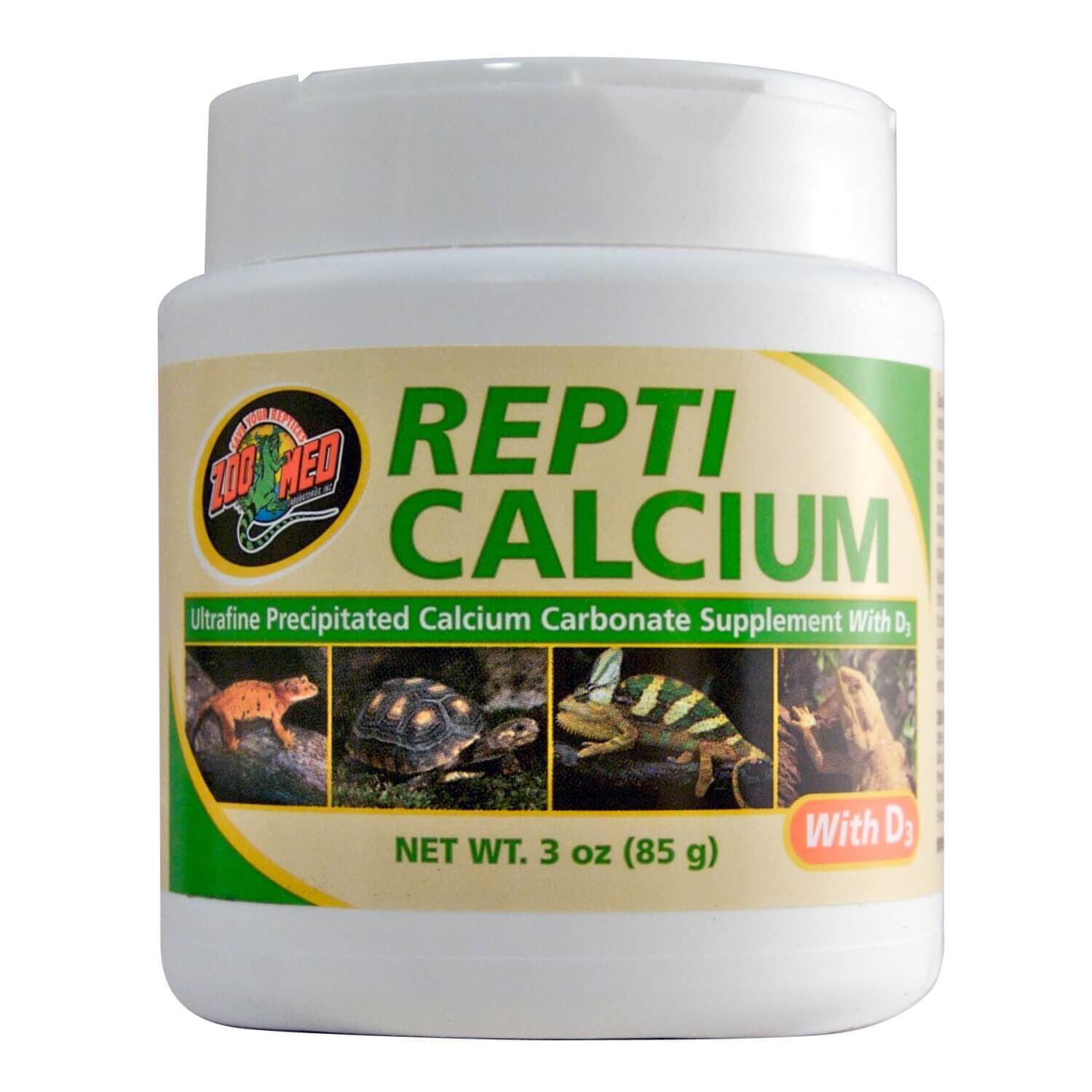
Calcium
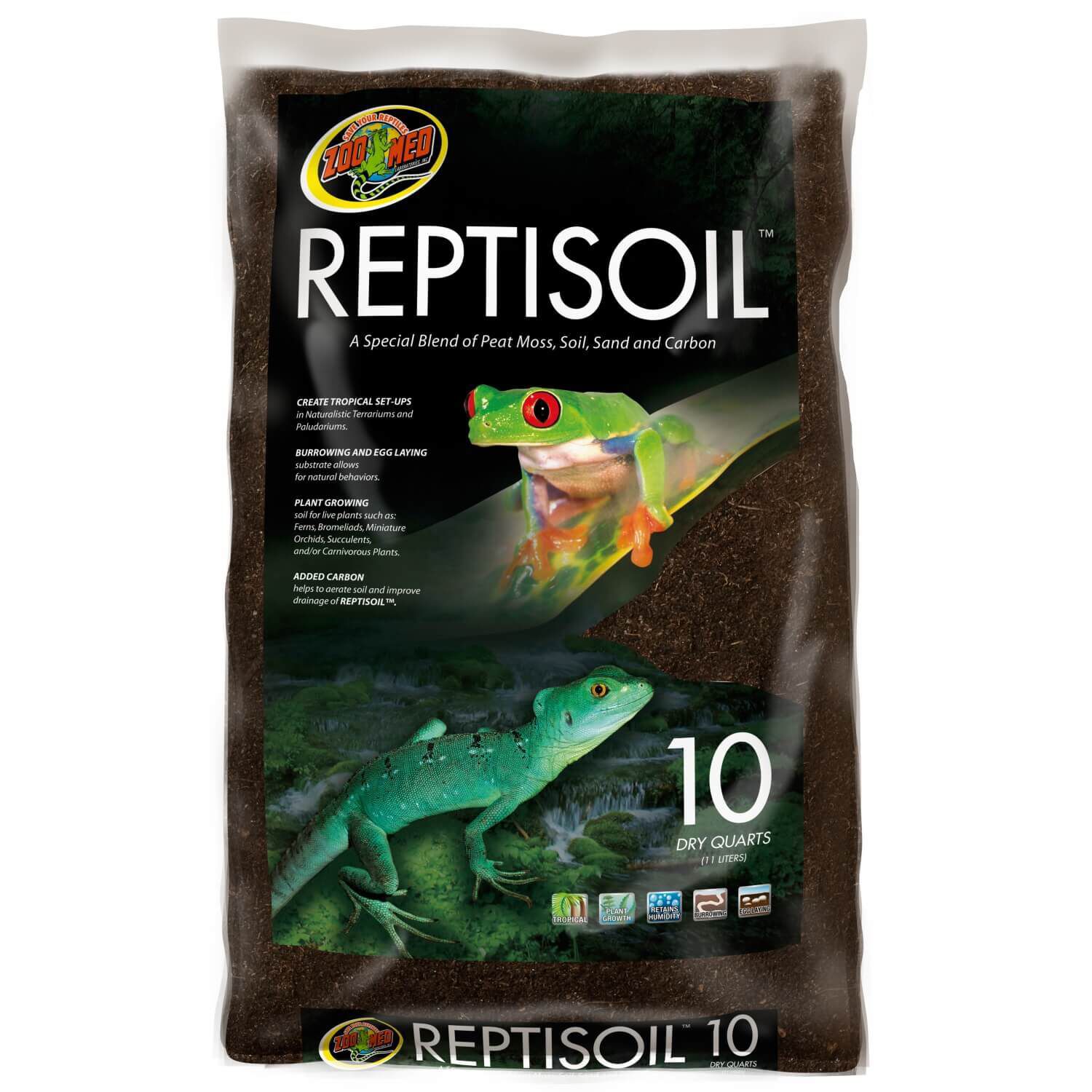
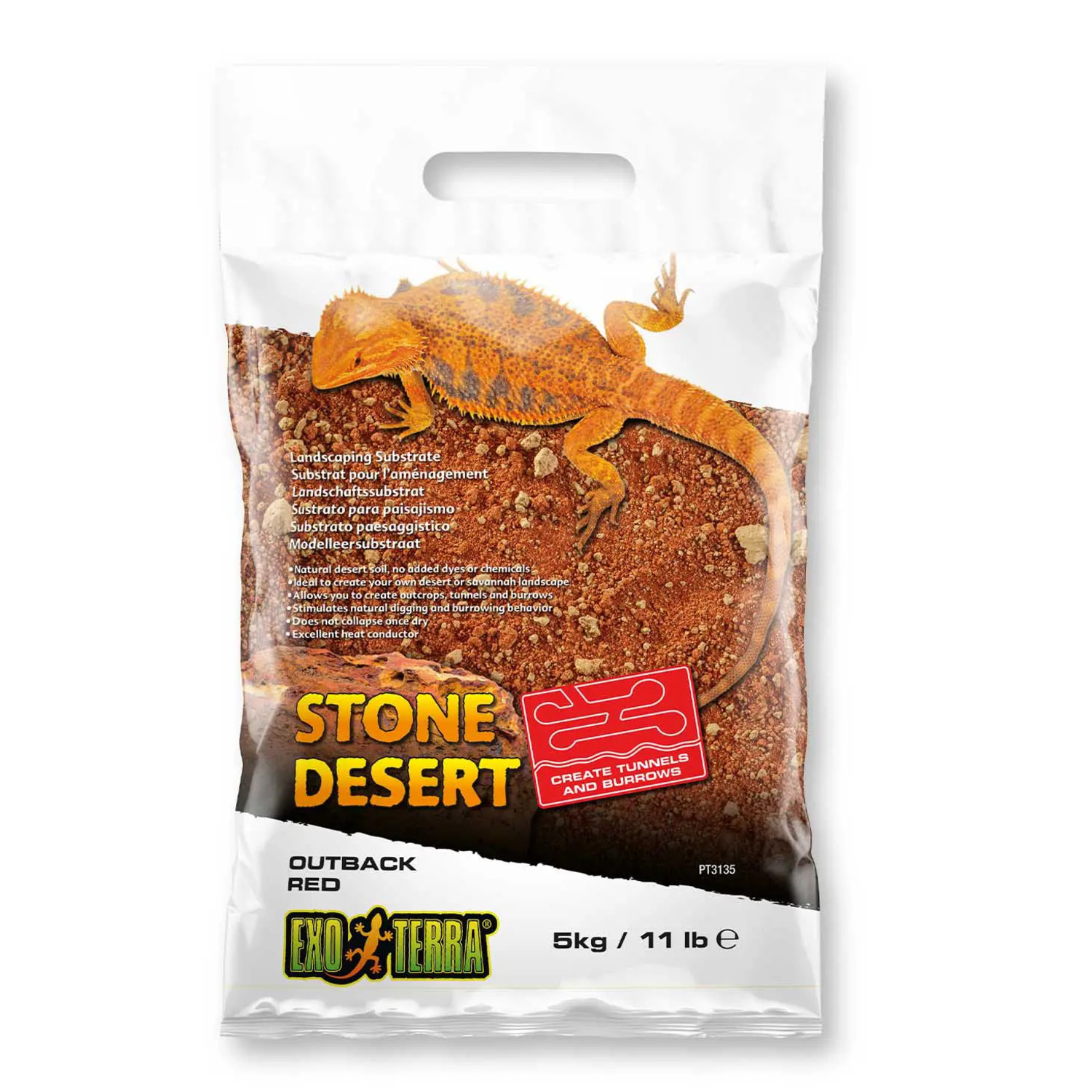
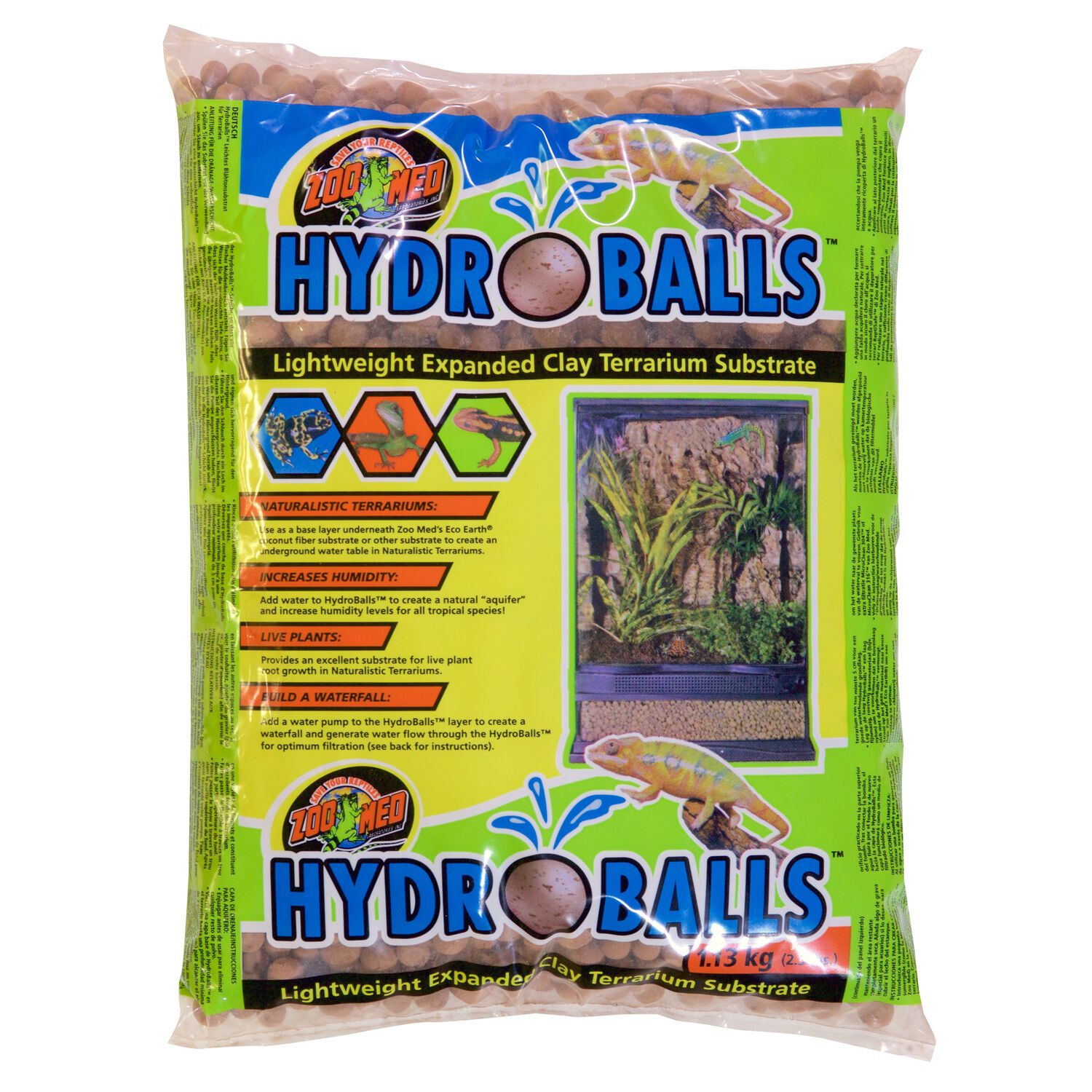
Substrate/Bedding
Shallow water bowl
Water Conditioner
Moss
Thermometer
Hygrometer
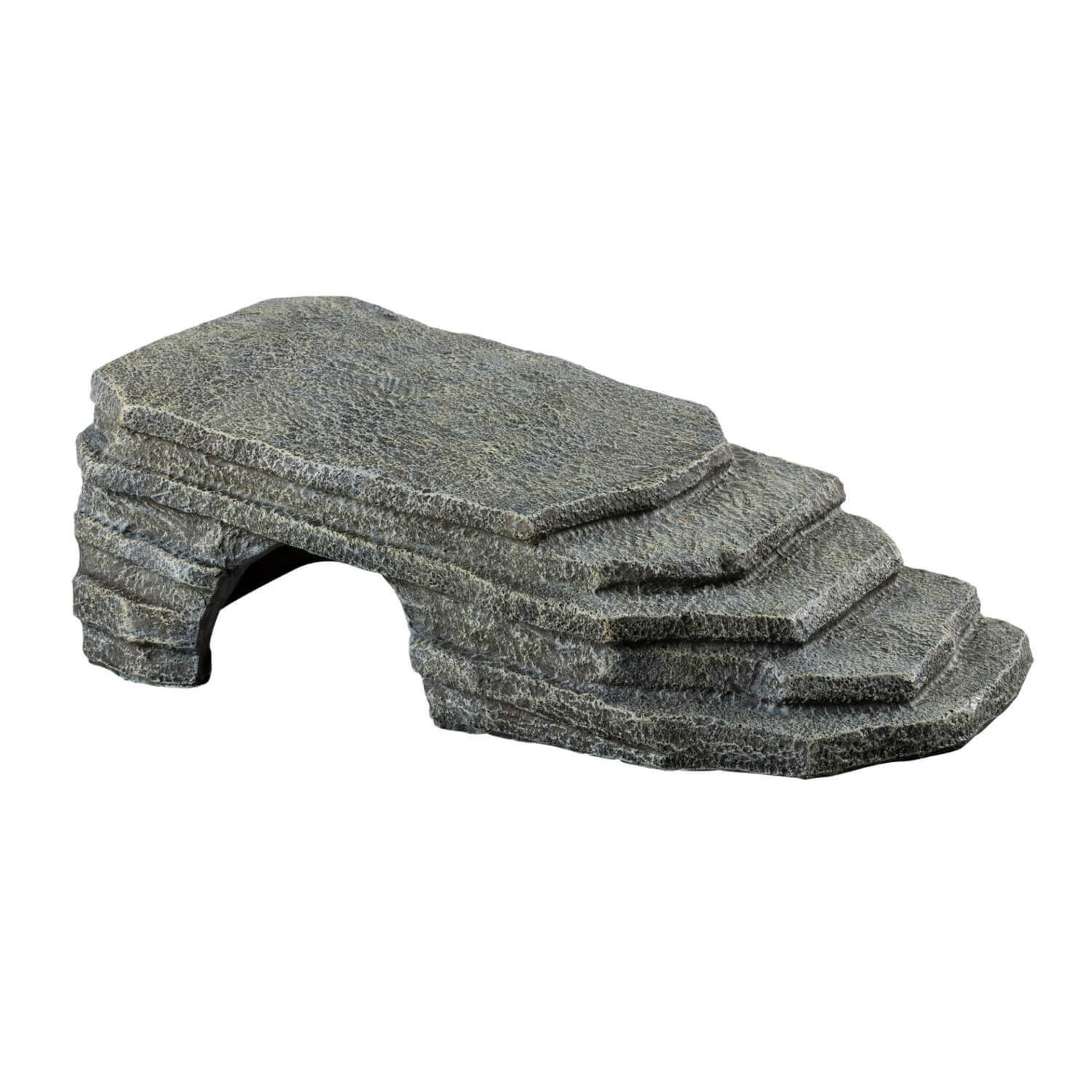
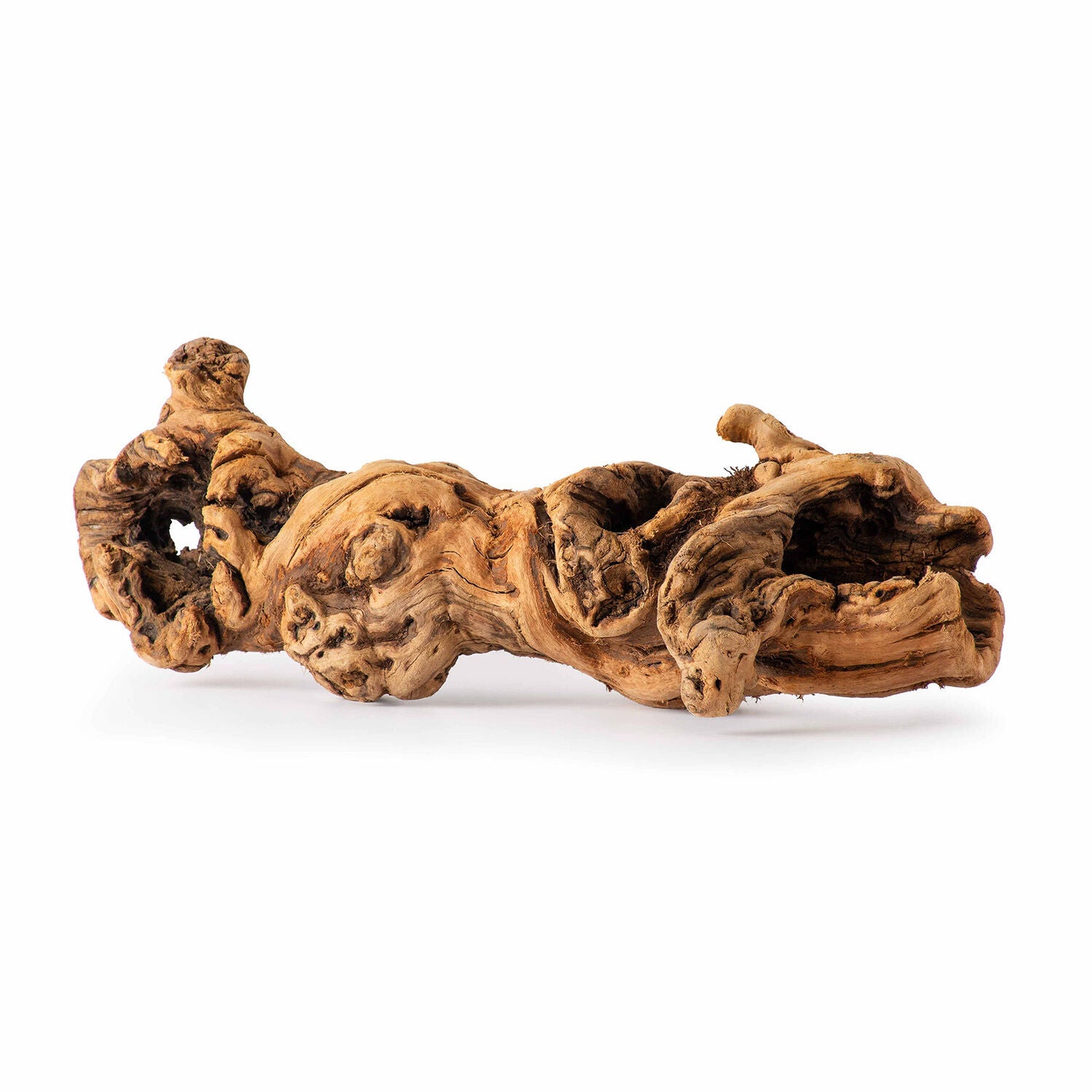
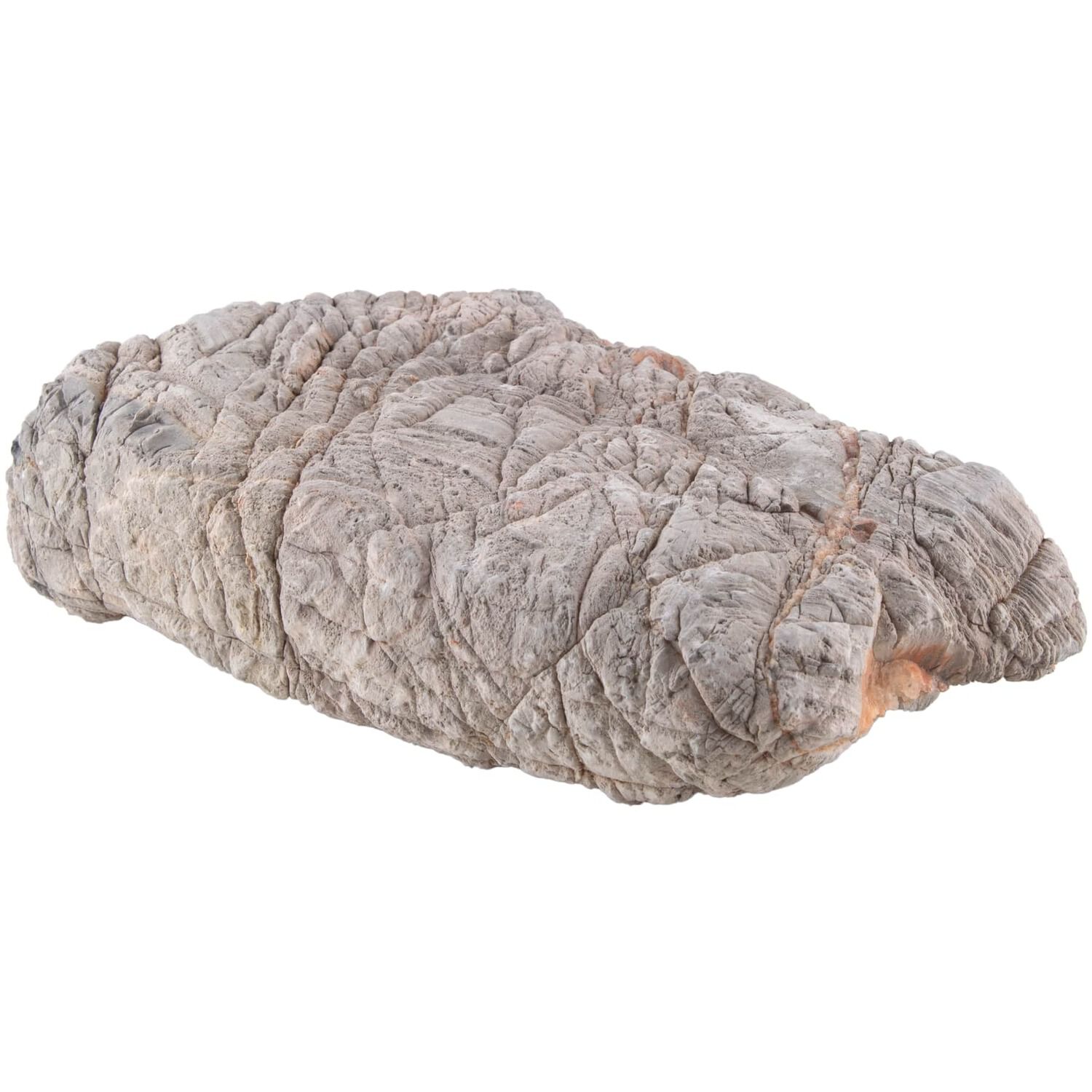
Decoration — rocks, branches, hiding places
Everything your Leopard Gecko needs, all in one place.
Shop Leopard Gecko Supplies
Feeding Your Leopard Gecko
Food & Water
- Live insects are a must for your gecko; they do not eat plants or veggies.
- Provide a variety of insects for these insectivorous. Crickets dusted with calcium (without phosphorus) is very nutritious for the gecko.
- Mealworms are great too but should only be used as a treat because of their fat content.
- Insects fed should be no wider than the gecko’s head.
- The rule of thumb is to offer 2-3 appropriately sized insects (small or medium crickets) for every inch of a leopard gecko’s total length. A gecko 4 inches long should get about 8-12 small/medium crickets per feeding.
- Juveniles should be fed every day and adults (>12 months old) can be fed every other day.
- Always remove uneaten food.
- Fresh water must be always provided. Use a water conditioner to remove chorines and chloramines.
Leopard Gecko Habitat
Caging & Environment
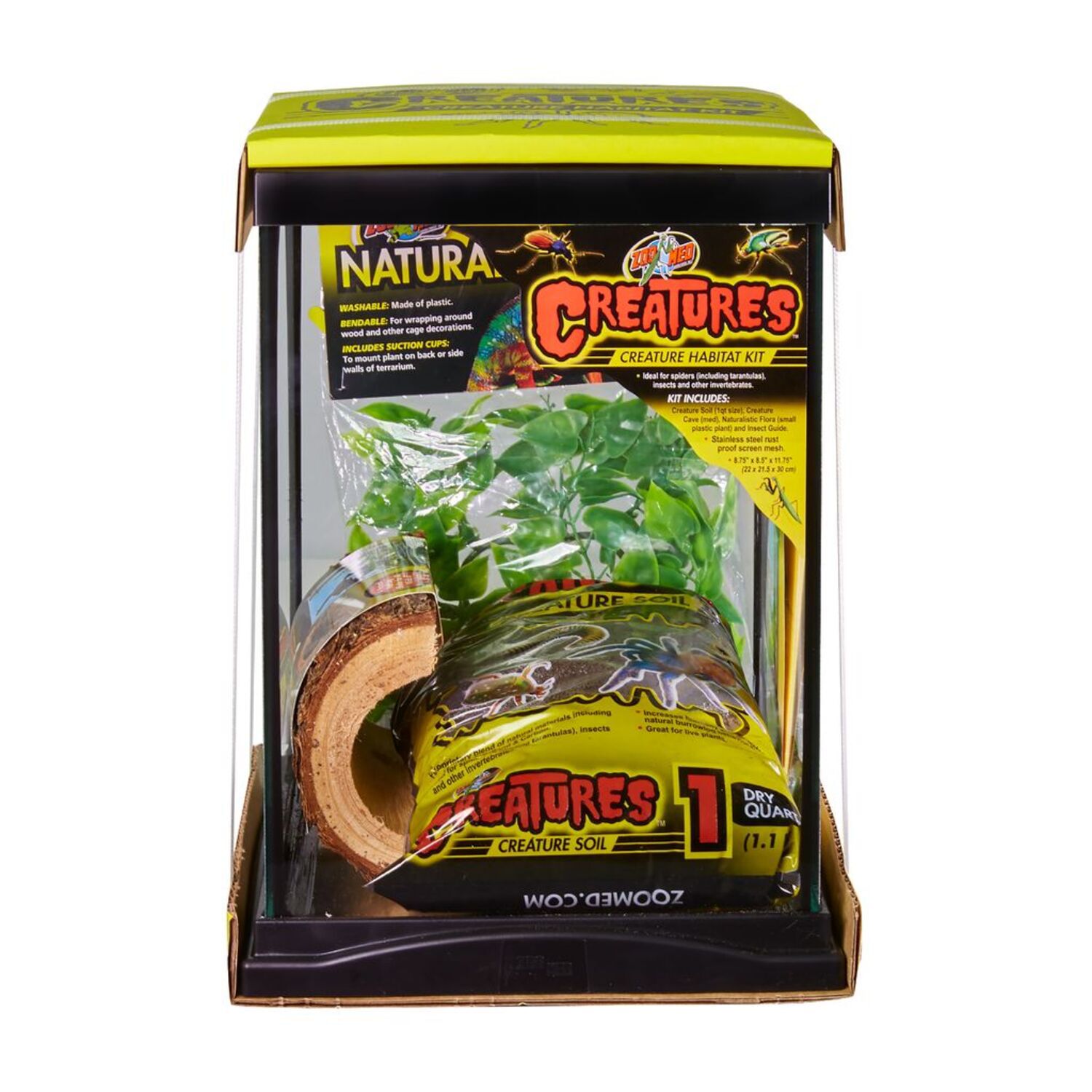
- A 10 to 20-gallon tank with a secure screen cover or a small glass reptile habitat.
- Young geckos can be housed together. Never house two males together as they are very territorial
- Hatchlings will do best on cage carpet, recycled paper, and flat stones.
- Sand and clay substrates can be used to create burrows and tunnels.
- Provide plenty of dark hides where the gecko can fit completely so they can sleep as needed during the day.
- Hides filled with wet moss will support the gecko with shedding.
- Make sure to wet down moss every few days to keep moist.
- Humidity in the tank should be 40-60% and 80-90% in the hide.
Lighting and Temperature
- Daytime Terrarium Temperature: 78-85° F
- Basking Spot: 90° F
- Nighttime Temperature: 70-72°F
- Lights should be on for 10-12 hours each day and then total darkness at night.
- Geckos do not require UVB, however UVB lighting is recommended to prevent metabolic bone disease.
- Monitor the temperature by having a thermometer on each side of the tank
Handling Your Leopard Gecko
Behavior & Handling
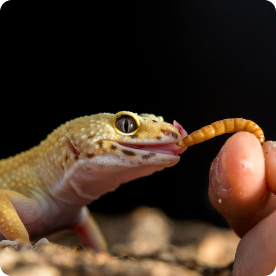
- Geckos are a great choice for a beginner.
- Leopard Geckos stay small, are very docile, and are relatively easy to maintain in captivity.
- Geckos have great personalities and beautiful markings.
- They are nocturnal lizards, so they are most active in the evening hours.
- IMPORTANT NOTE — Leopard Geckos will voluntarily lose their tails as a defense mechanism so they should not be grabbed by the tail. The tail will grow back but it usually has a smoother texture and duller colors.
163 Results
163 Results
No products found for selected filters. Please try with different filters.
Showing 0 of 0