Snakes Care Guide
Get to Know Your Snake
Basic Information
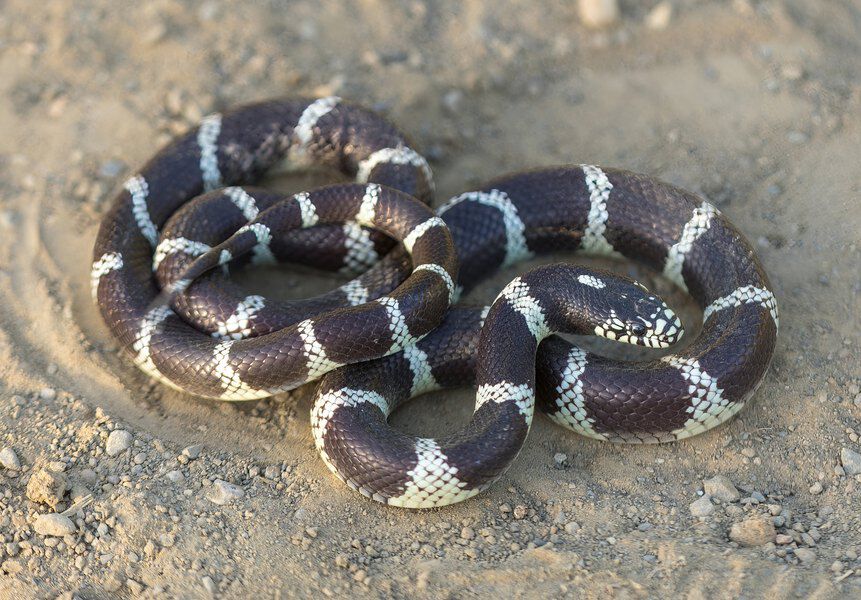
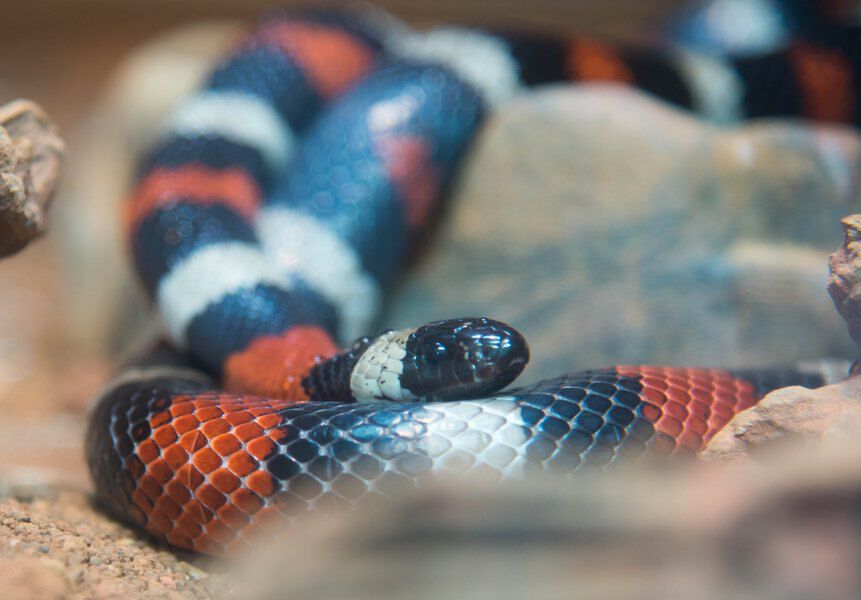
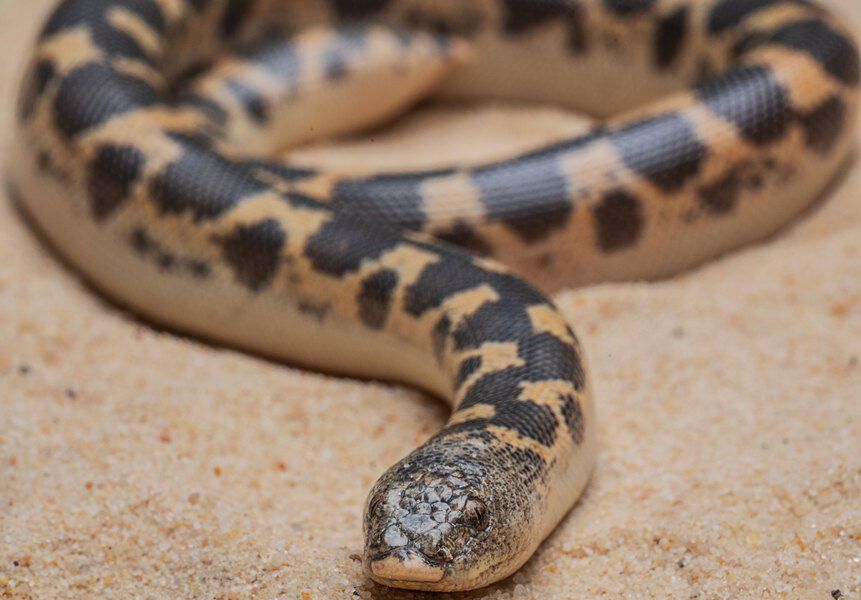
Includes common pet species such as Ball Pythons, Corn Snakes, King Snakes, Milk Snakes, California Kings, Hognose Snakes, Boa Constrictors and more
Common Name
Snake
Scientific Name
Varies by species (e.g. Python regius, Pantherophis guttatus, Lampropeltis spp., Boa constrictor)
Size
Varies by species (1 - 10+ feet)
Life span
10 - 30+ years (varies by species)
Temperament
Generally calm and can become handleable with regular, gentle care
Checklist for Your Snake
Essential Items
Appropriately sized enclosure with secure lid
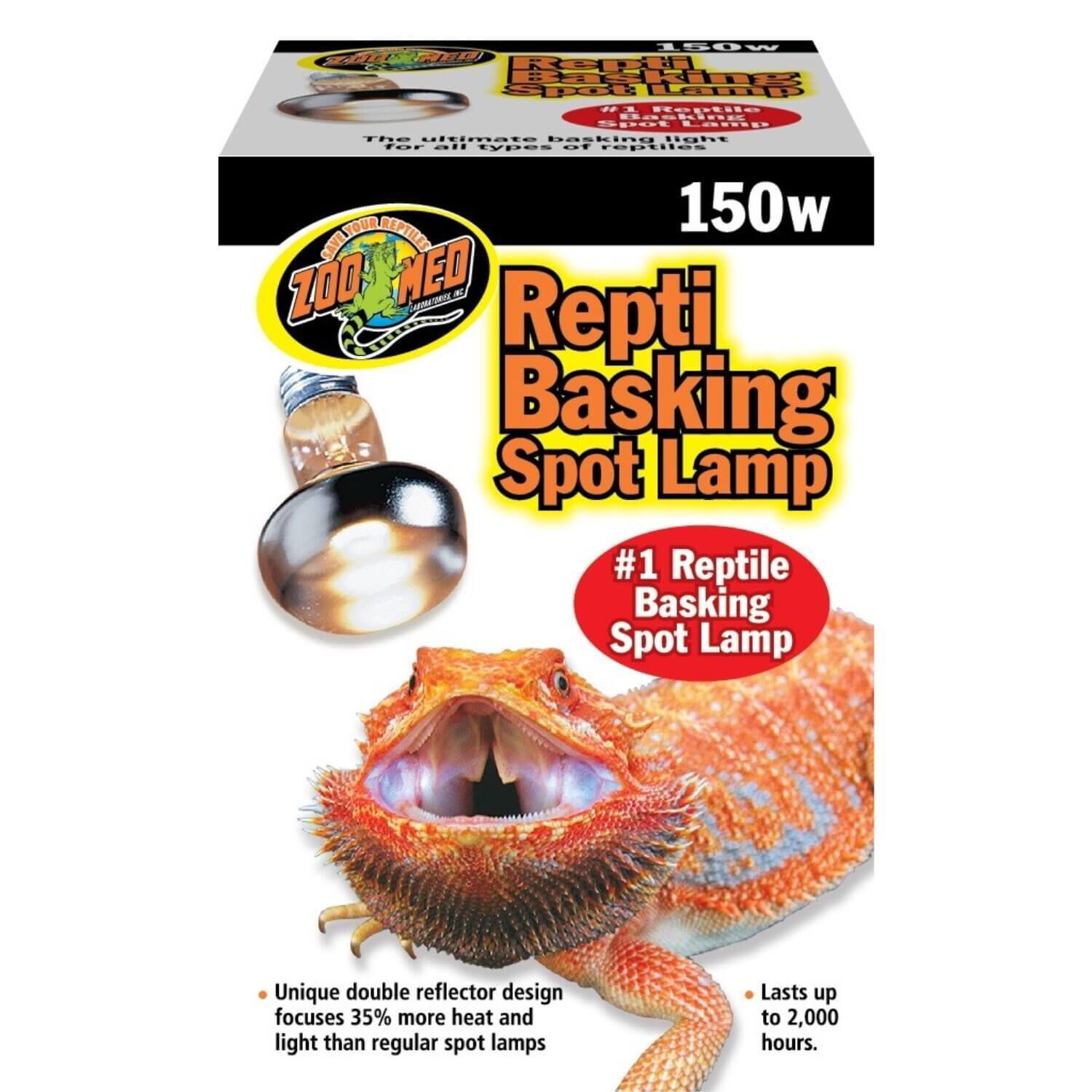
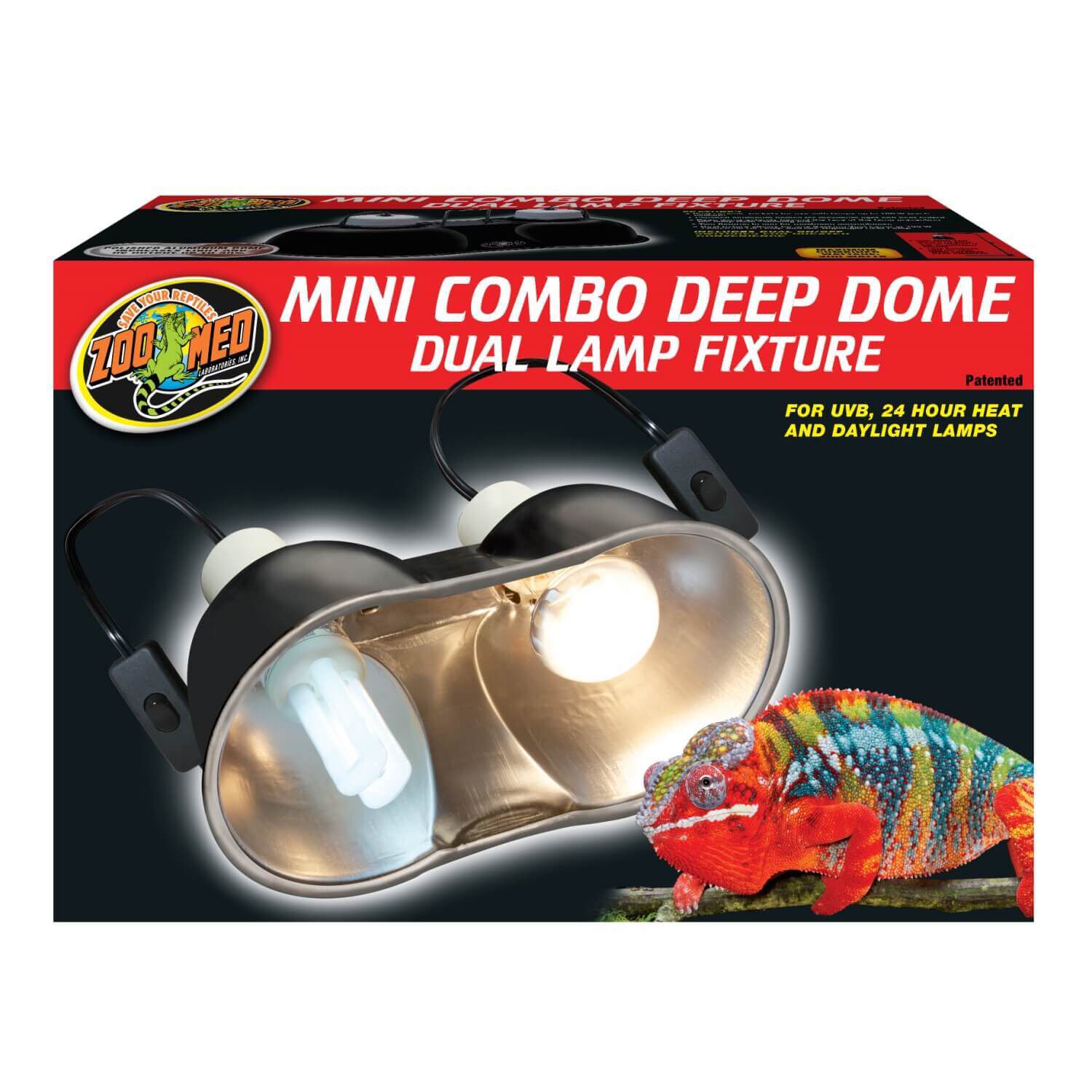
Heat source (under tank heat mat, radiant heat panel or ceramic heat emitter)
Thermostat (required)
Thermometer (digital)
Hygrometer
Hides (warm side and cool side)
Substrate (species appropriate)
Water dish (large enough to soak)
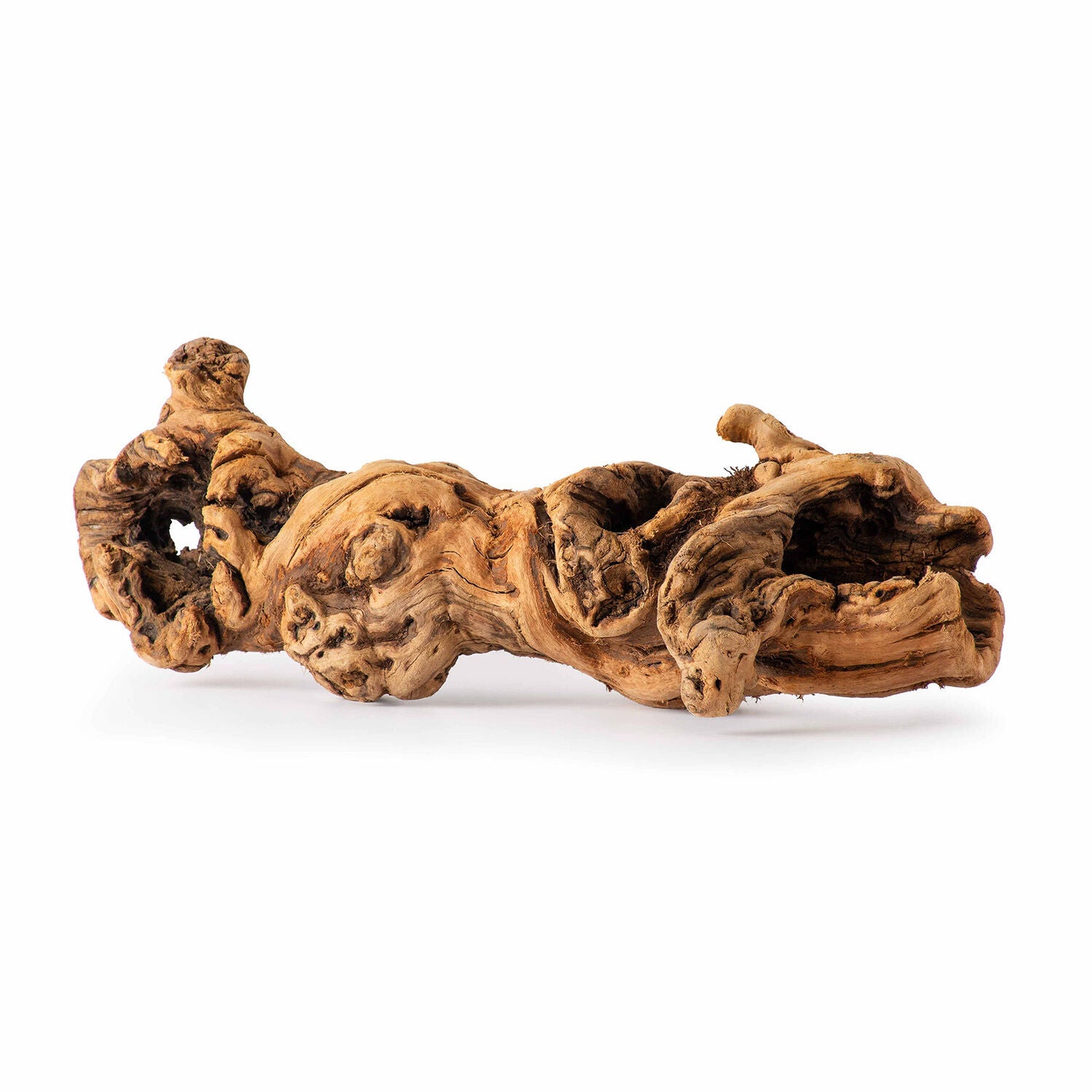
Climbing and enrichment items (branches, plants, décor)
Humidity control (as needed)
Food (frozen/thawed rodents, species appropriate)
Feeding tongs
Regular cleaning supplies
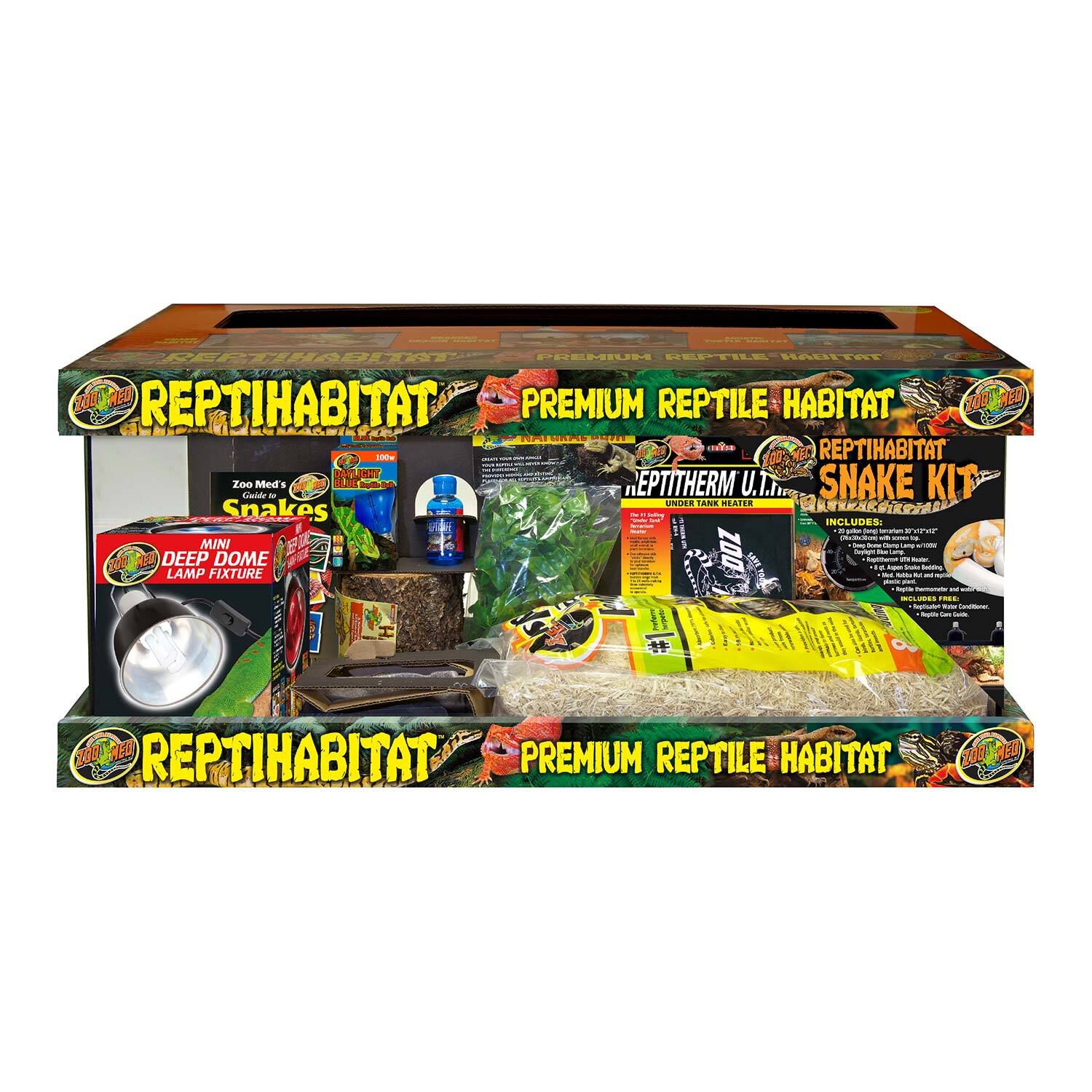
Everything your Snake needs, all in one place.
Shop Snake Supplies
Feeding Your Snake
Diet
- Feed appropriately sized, frozen/thawed rodents (mice or rats) based on the width of the snake (prey should be about the same width as the widest part of the snake).
- Feeding frequency depends on species and age (juveniles more often, adults less often).
- Always feed thawed prey. Never feed live prey.
- Provide a separate feeding area or remove uneaten prey after 1 - 2 hours.
- Offer fresh, clean water at all times.
Snake Habitat
Caging & Environment
Housing & Environment
- Size: Provide an enclosure large enough for the snake to fully stretch out, with room to explore.
- Type: Front-opening glass or PVC enclosures with a secure, escape-proof lid work best.
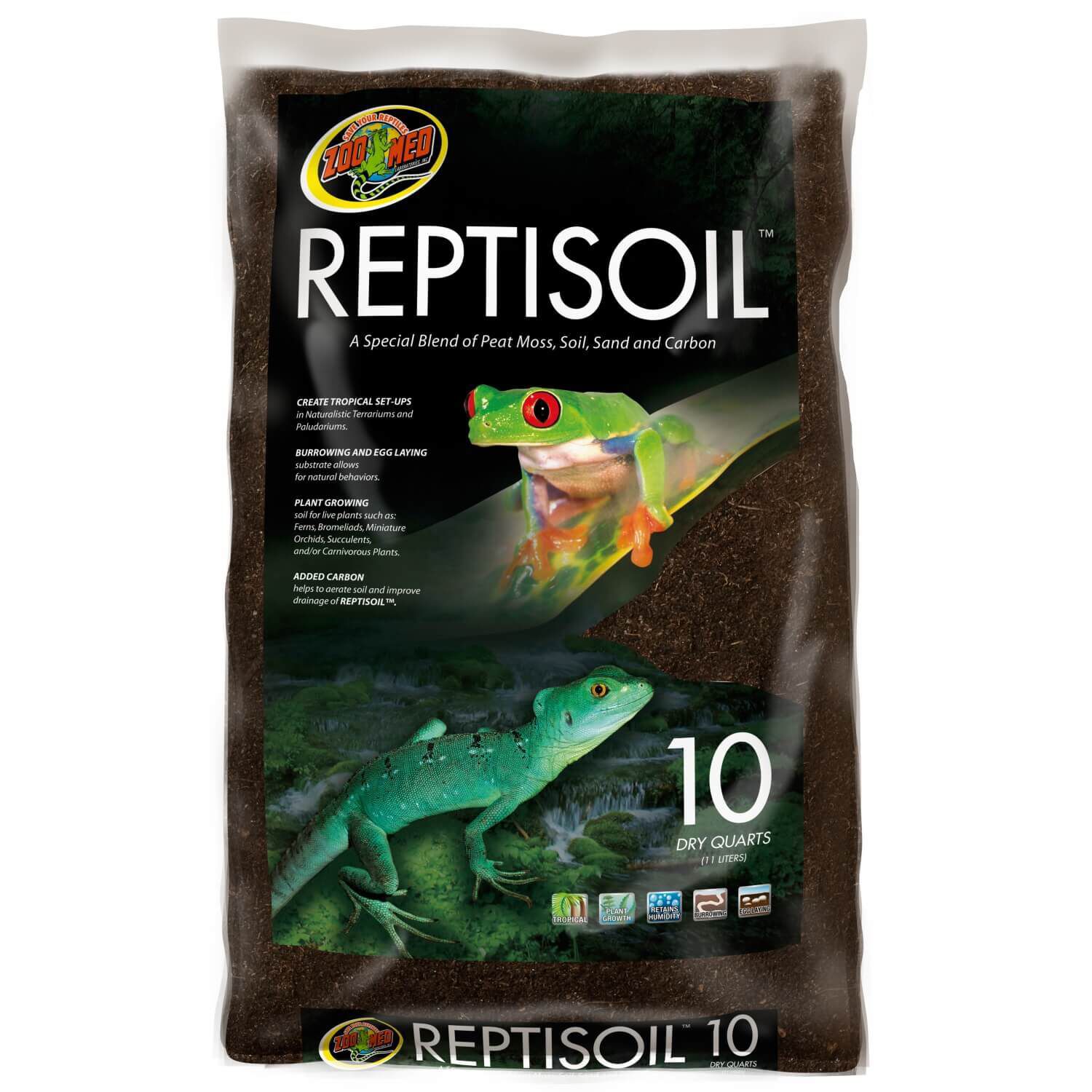
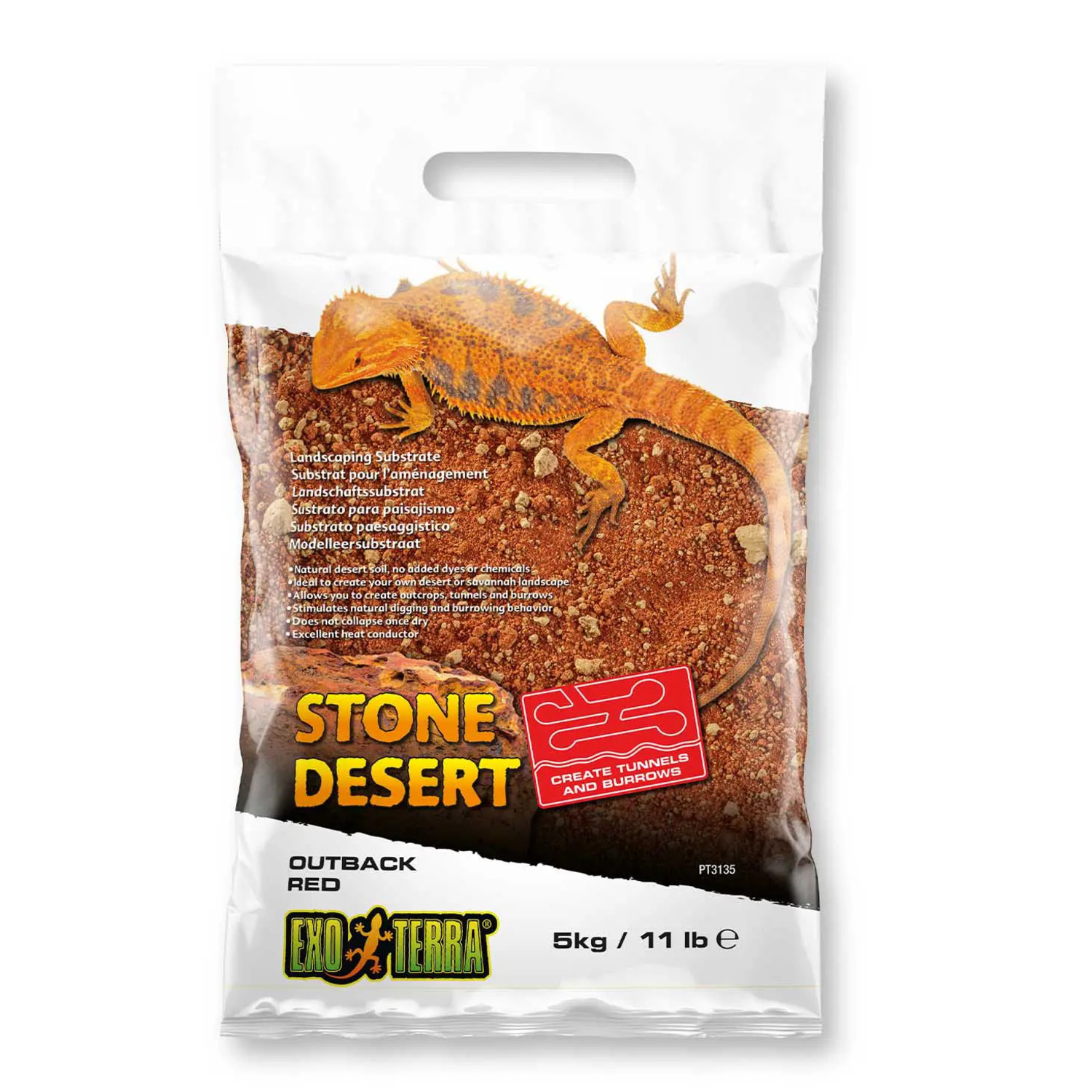
- Substrate: Use a species-appropriate substrate such as aspen, cypress mulch, coconut fiber, reptile carpet or paper.
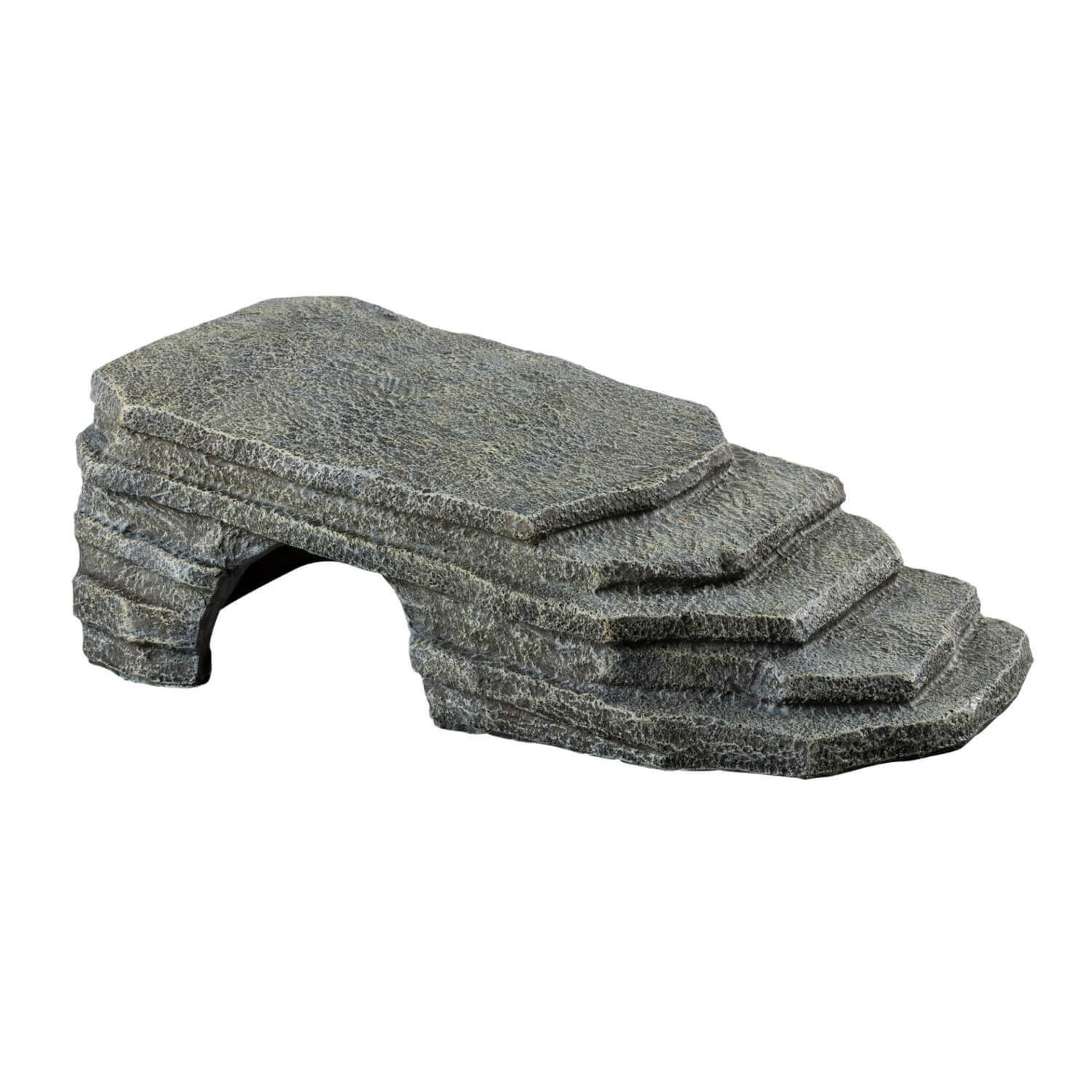
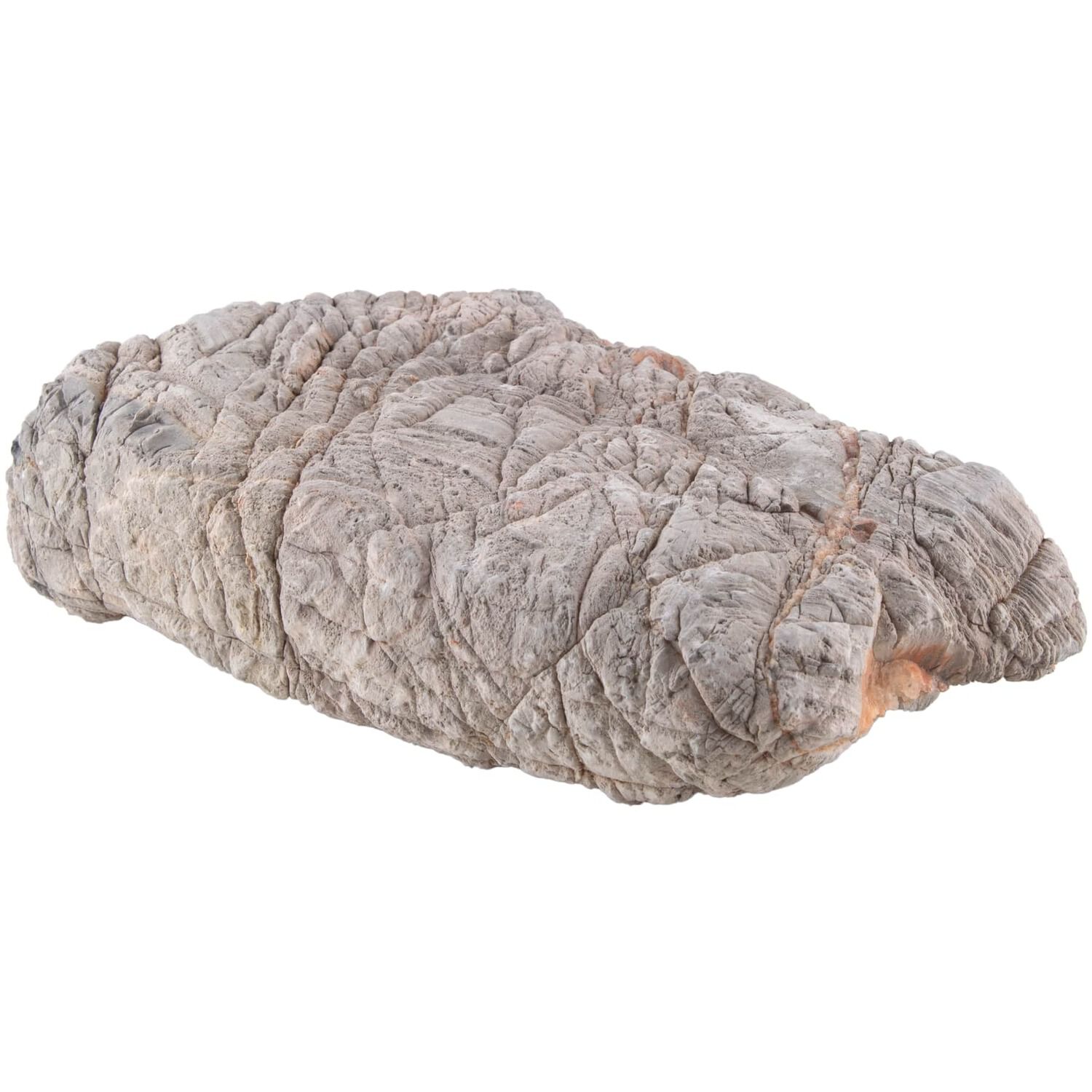
- Hides: Provide at least two hides – one on the warm side and one on the cool side. Hides should be snug, allowing the snake to feel secure.
- Enrichment: Include branches, plants, tunnels and other décor for climbing and exploration.
- Water Dish: Large enough for soaking (both helps with hydration and shedding).
- Maintain proper temperature and humidity levels based on species (see Temperature & Humidity section).
- Keep the enclosure in a quiet area away from heavy foot traffic, direct sunlight and loud noises.
Temperature & Humidity
- Provide a temperature gradient in the enclosure so the snake can regulate its body temperature.
- Warm side: 80 - 88°F (varies by species)
- Cool side: 72 - 78°F (varies by species)
- Use a thermostat with any heat source (heat mats, radiant heat panels or ceramic heat emitters) to prevent overheating.
- Humidity: 40 - 60% (most species)
- Higher humidity may be needed during shedding or for tropical species.
- Use a hygrometer to monitor levels.
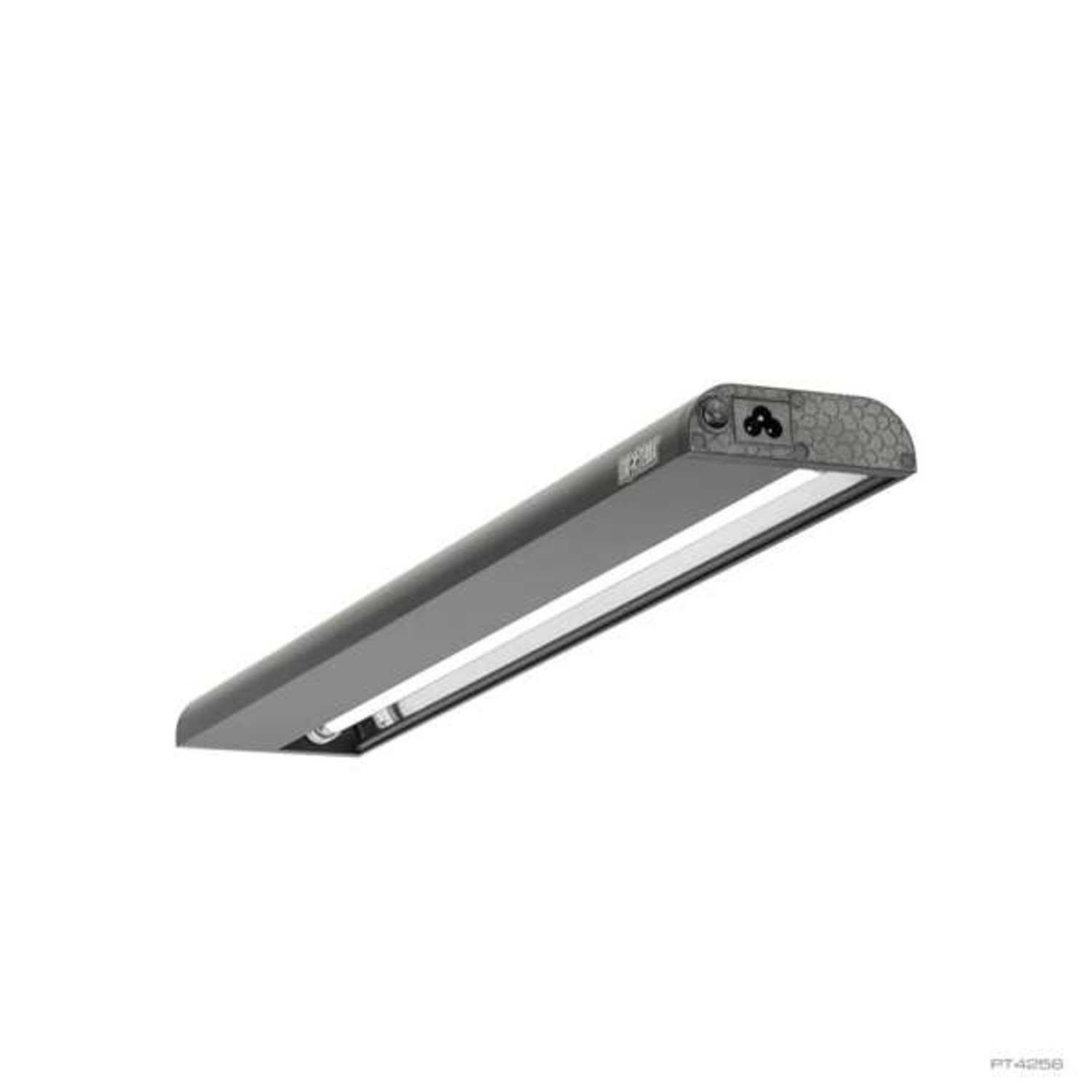
- Provide a natural day/night cycle (12 hours light / 12 hours dark).
Décor & Enrichment
- Offer hides, climbing branches, plants and tunnels.
- Use sturdy décor that will not fall or injure the snake.
- Provide a variety of textures and climbing opportunities.
- Live or artificial plants can help create a secure, natural environment.
Handling Your Snake
Behavior & Handling
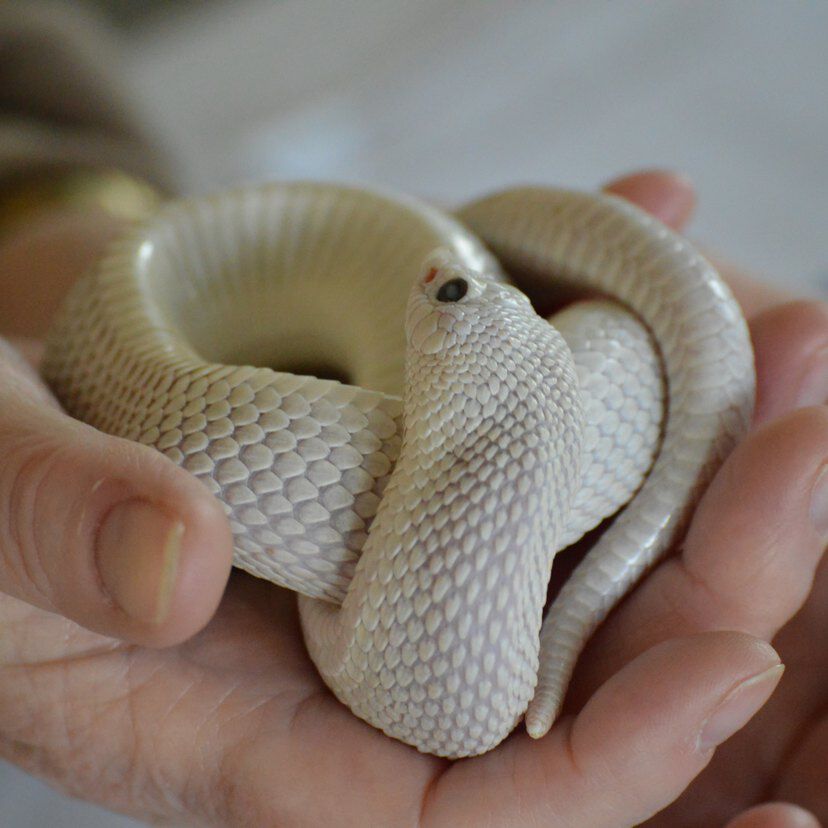
- Most pet snakes are calm and can become handleable with regular, gentle handling.
- Allow your snake to settle in for 1 - 2 weeks before handling.
- Always support the entire body when handling.
- Avoid handling during shedding, after feeding, or if the snake shows signs of stress (hissing, frequent tongue flicking, or trying to escape).
- Handle in a safe, quiet area close to the ground.
Common Health Problems
Snake Health and Well-being
Health & Safety
- Keep the enclosure clean and dry to prevent respiratory and skin issues.
- Monitor for signs of illness, such as refusal to eat, abnormal shedding, wheezing or discharge, or mites.
- Quarantine new snakes before introducing them to other reptiles.
- Always wash your hands before and after handling.
163 Results
163 Results
No products found for selected filters. Please try with different filters.
Showing 0 of 0