Bearded Dragon Care Guide
Basic Information
Essential Items
Food & Water
Bearded dragon’s change their diet throughout their lives.
A baby to juvenile bearded dragon’s diet consists of higher ratio of insects to veggies. The diet should consist of:
- Appropriately sized* insects (crickets, dubia roaches, super worms, hornworms, and silkworms) fed daily
- Fresh veggies can be provided 1-2 times a week (collard greens, dandelion greens & turnip greens)
- Fresh fruit (Apples, Pears, Bananas)
An adult bearded dragon’s diet consists of a higher ratio of veggies to insects. The diet should consist of:
- Appropriately sized* insects (crickets, mealworms, super worms) fed 2-3x’s weekly
- Fresh veggies
- Fresh fruit
Fresh water must be always provided. Use a water conditioner to remove chorines and chloramines.
*Insect size fed is relative to the animal’s size. The easiest way to determine the appropriate size crickets is that the size of the cricket shouldn’t be longer than the distance between the eyes of the animal being fed. Mealworms can be safely given to bearded dragons over 6” in total body length. Super worms should only be given to adult bearded dragons.
IMPORTANT:
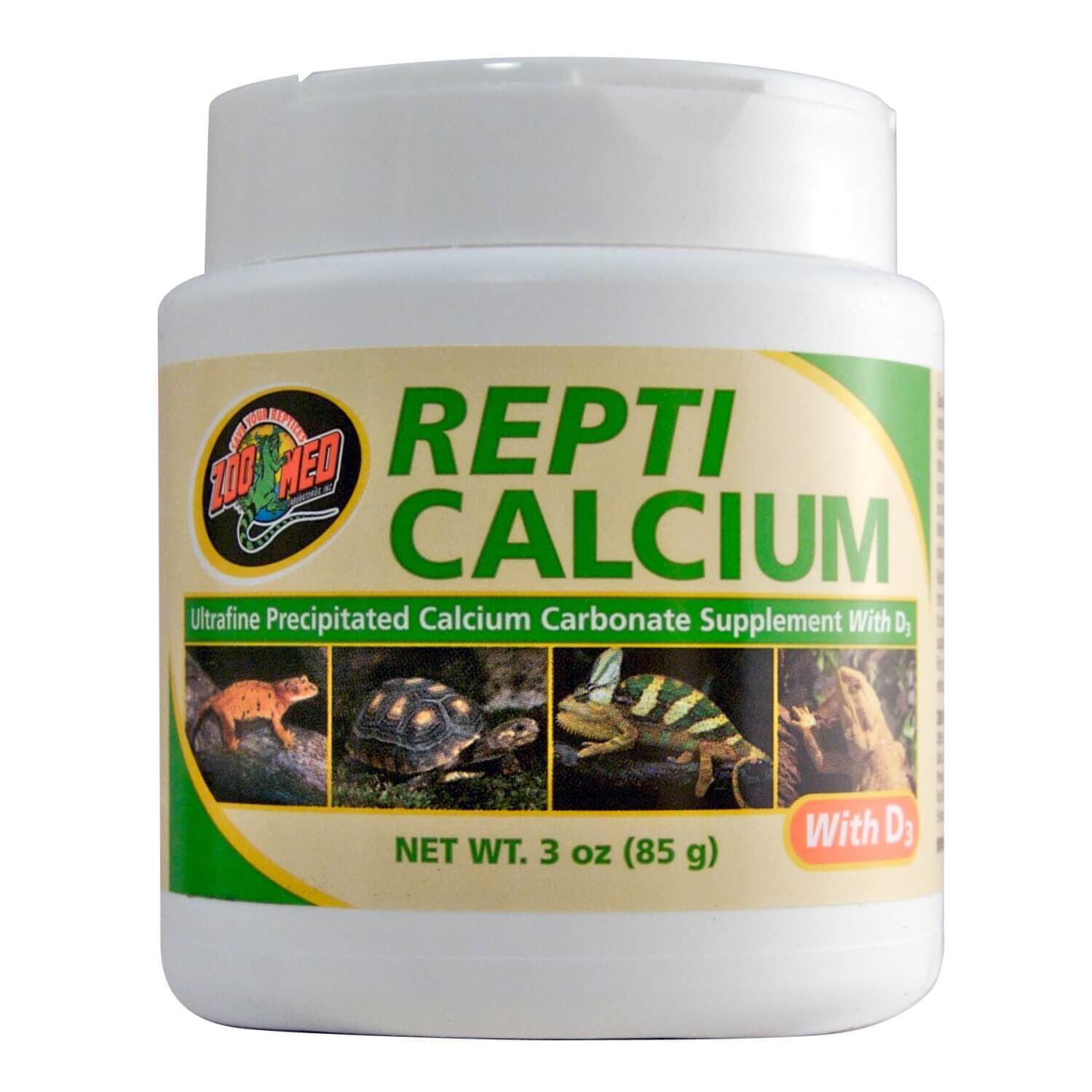
- All food should be dusted with calcium powder/vitamin powder (alternating days) until 2 years old then 1-2 times weekly after that.
- Calcium rich veggies: Collard greens, dandelions, endives, escarole, mustard greens, turnip greens, butternut squash, berries, carrots, kale, mango, sweet potato, and papaya.
- Always remove uneaten food after each feeding.
Caging & Environment
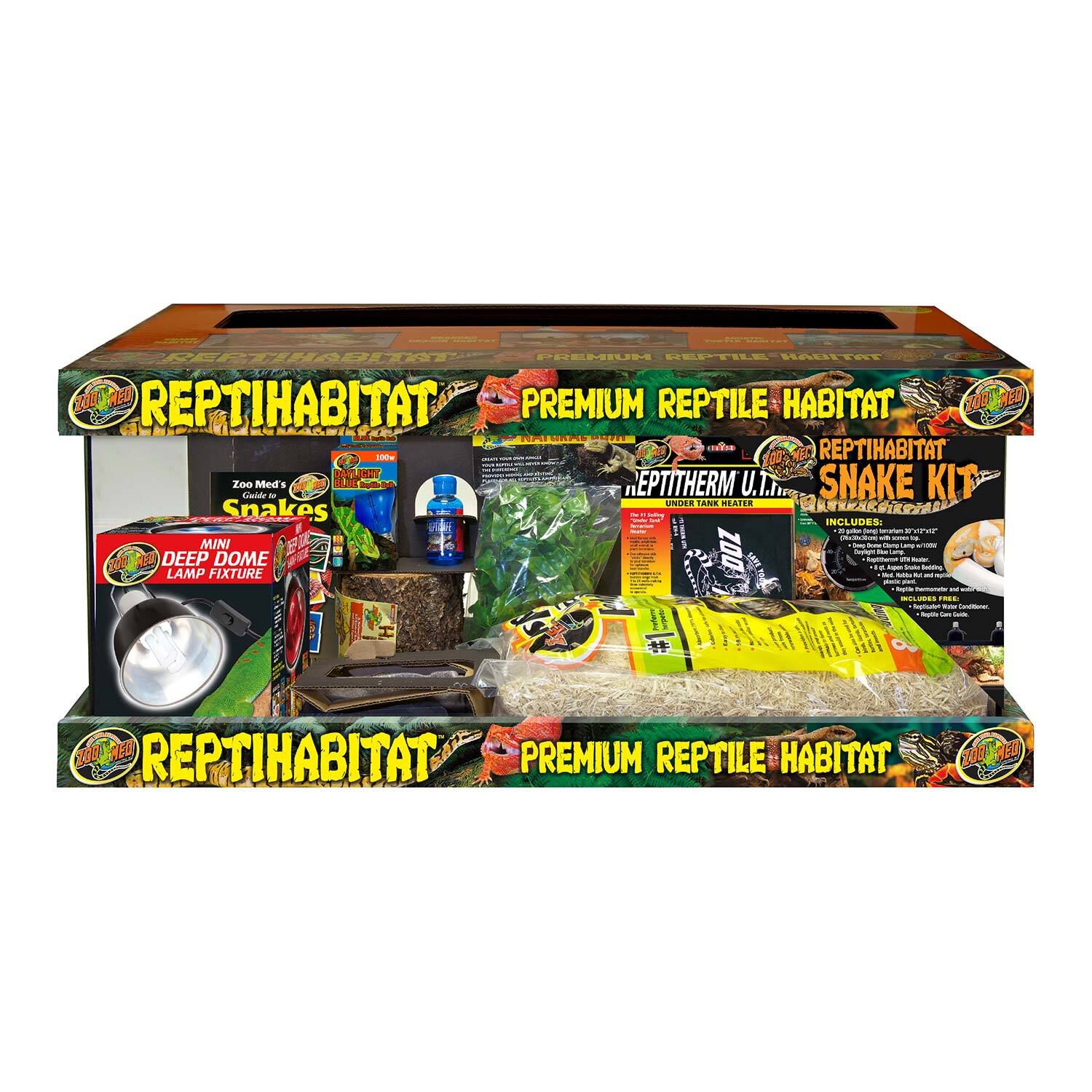
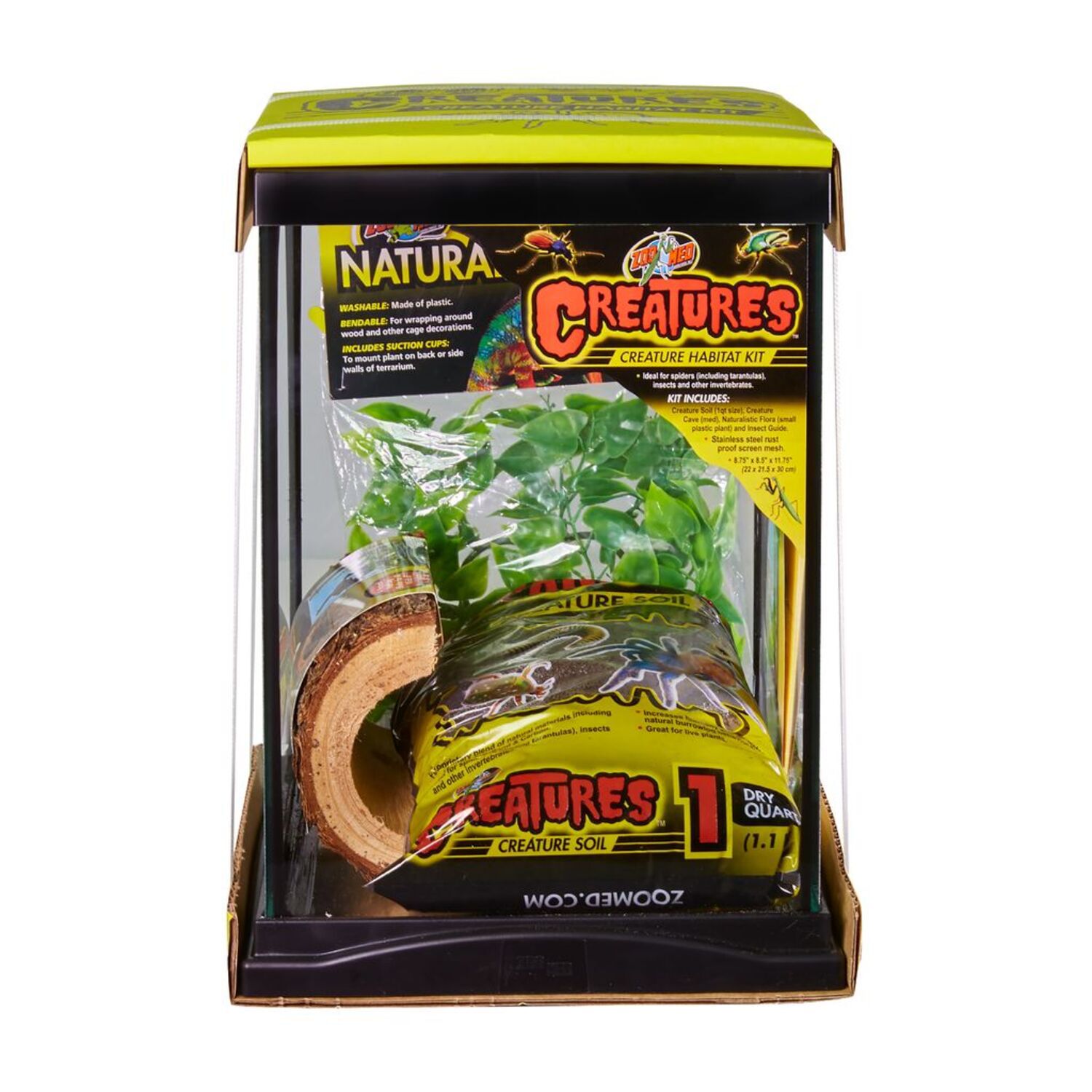
- A minimum of a 20” long tank with screen cover or medium glass reptile habitat.
- A minimum of a 40-gallon tank is expected for an adult bearded dragon.
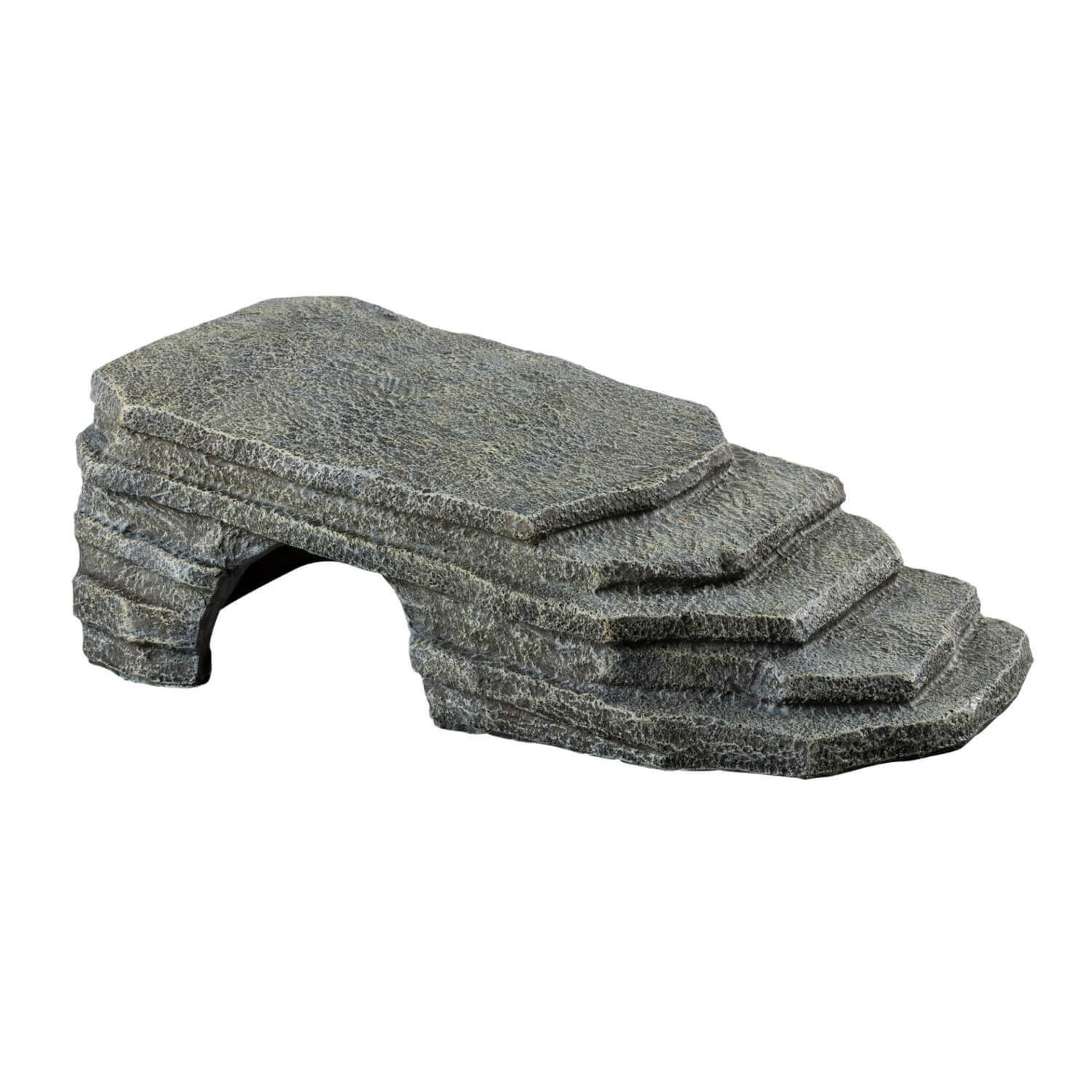
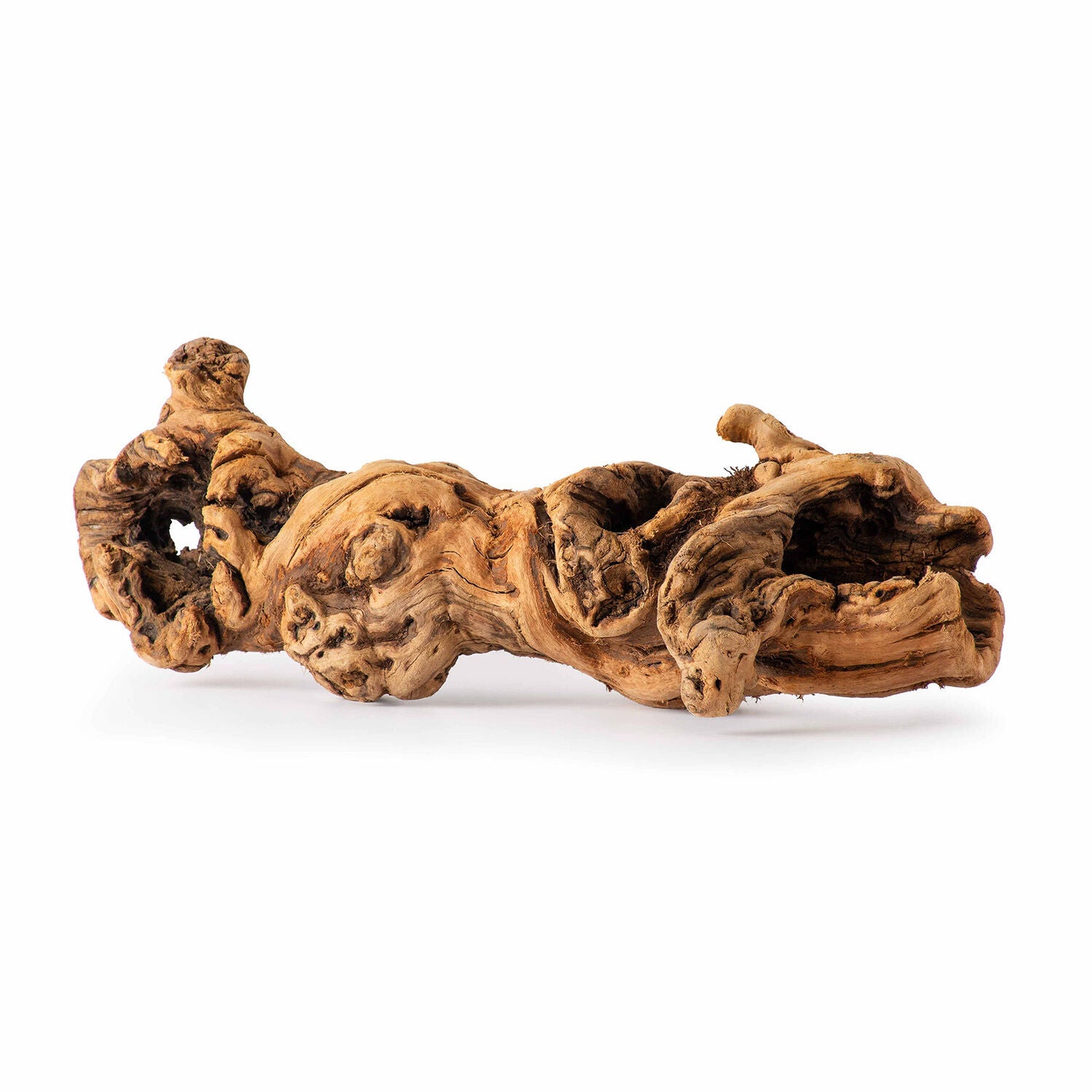
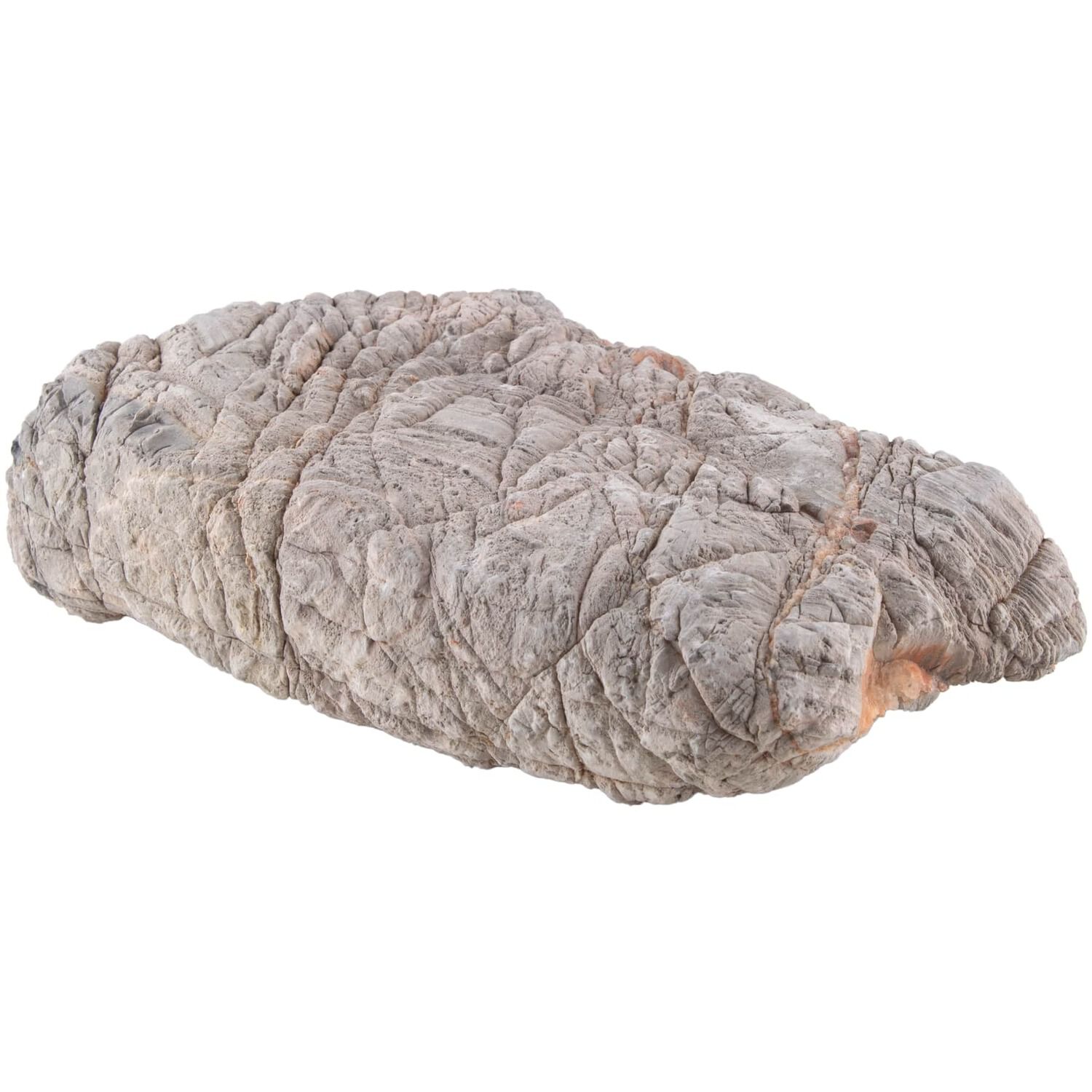
- Provide a thick branch, rocks or mopani wood with plenty of hiding places.
- For beginners and young bearded dragons — cage carpet and rocks are recommended.
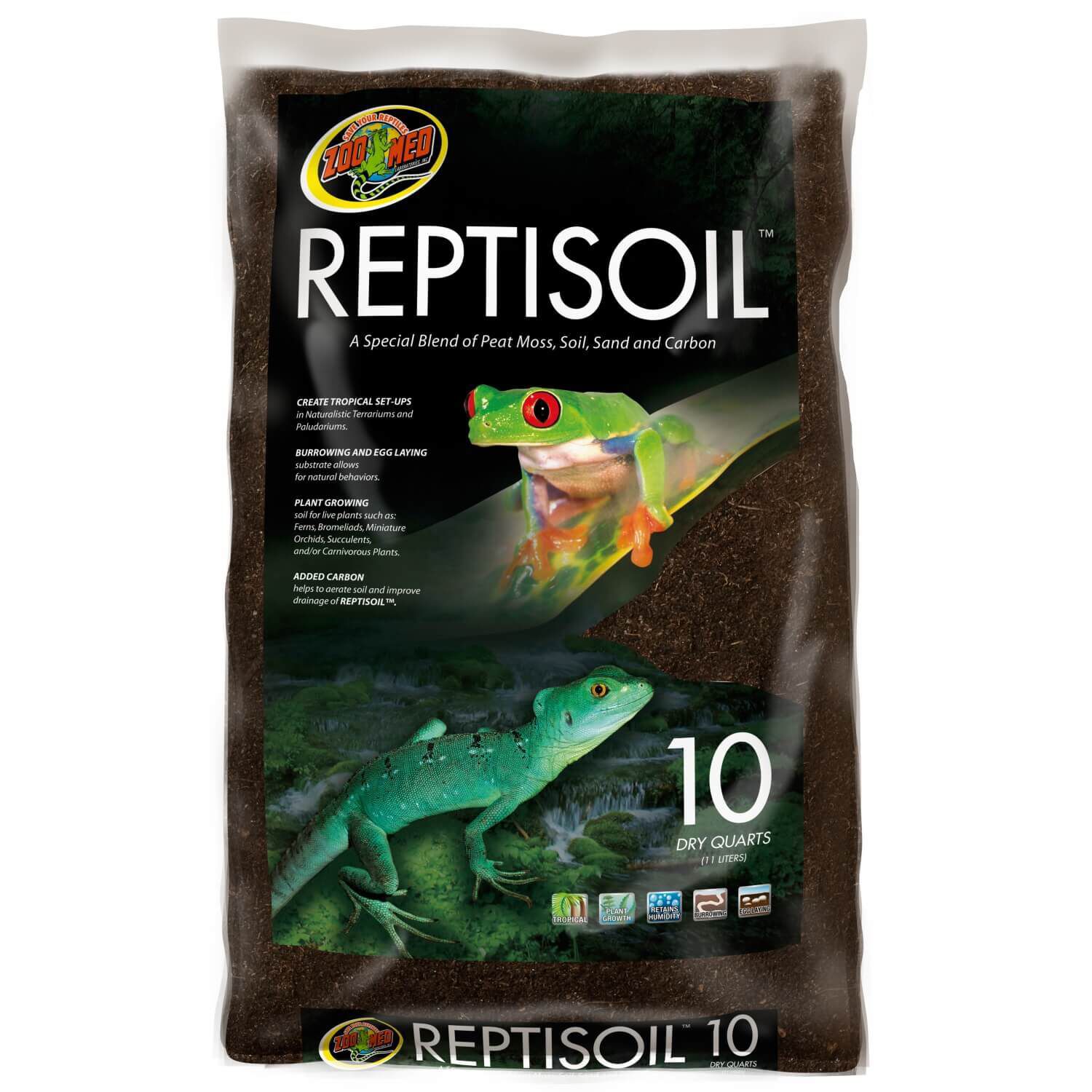
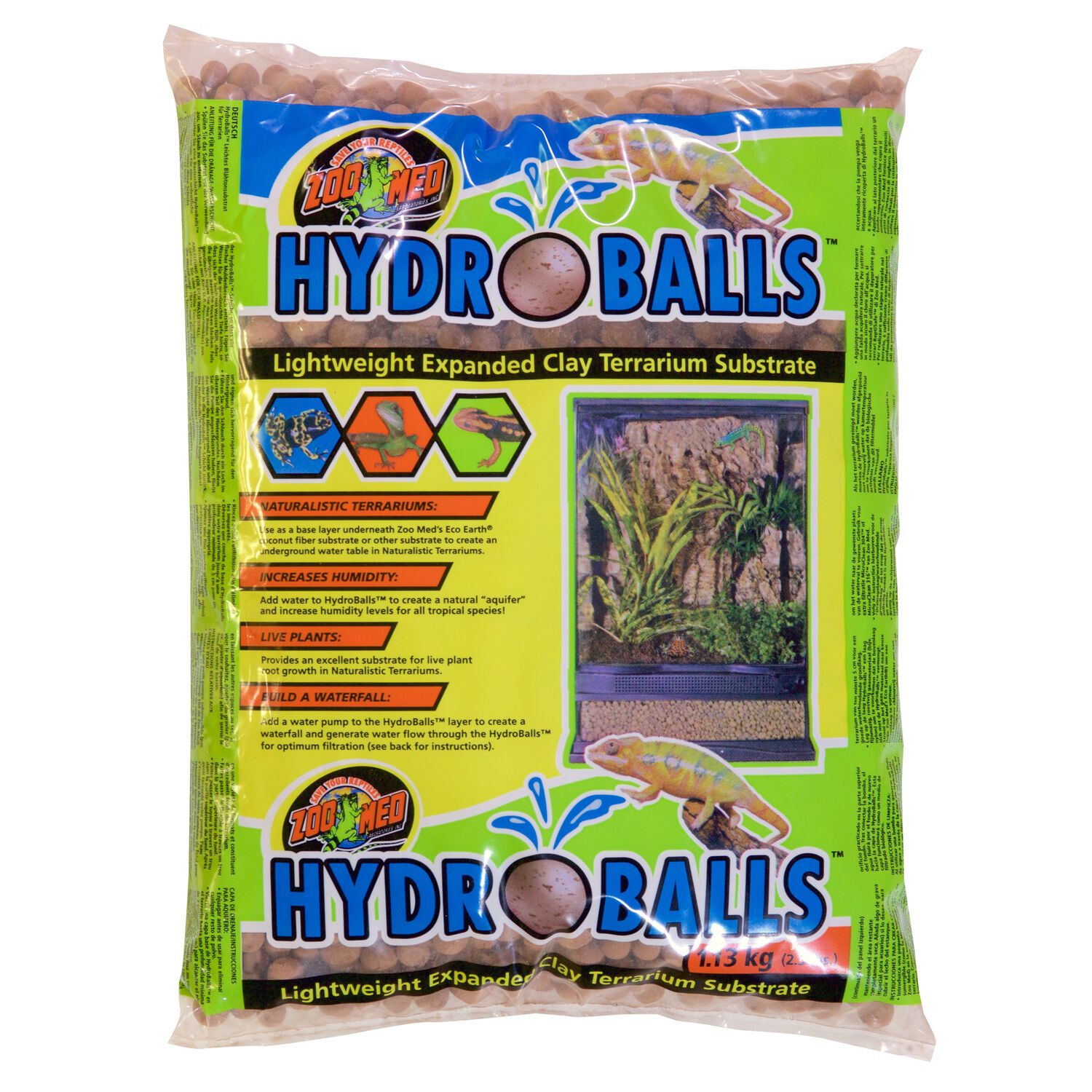
- Repti-Sand and clay burrowing substrate can be used with adults.
Lighting and Temperature
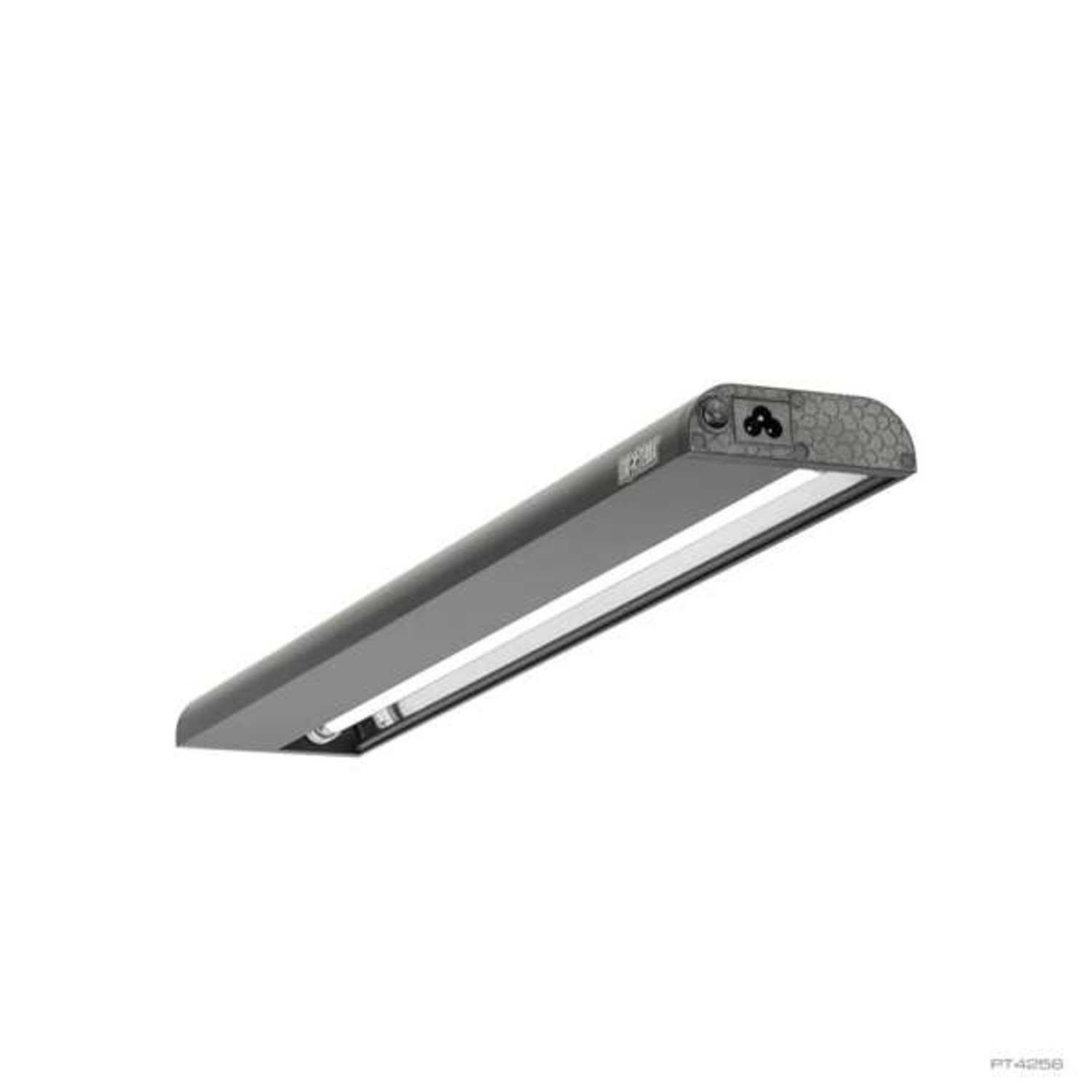
- UVB lighting and heat are essential for the bearded dragon to process calcium in captivity
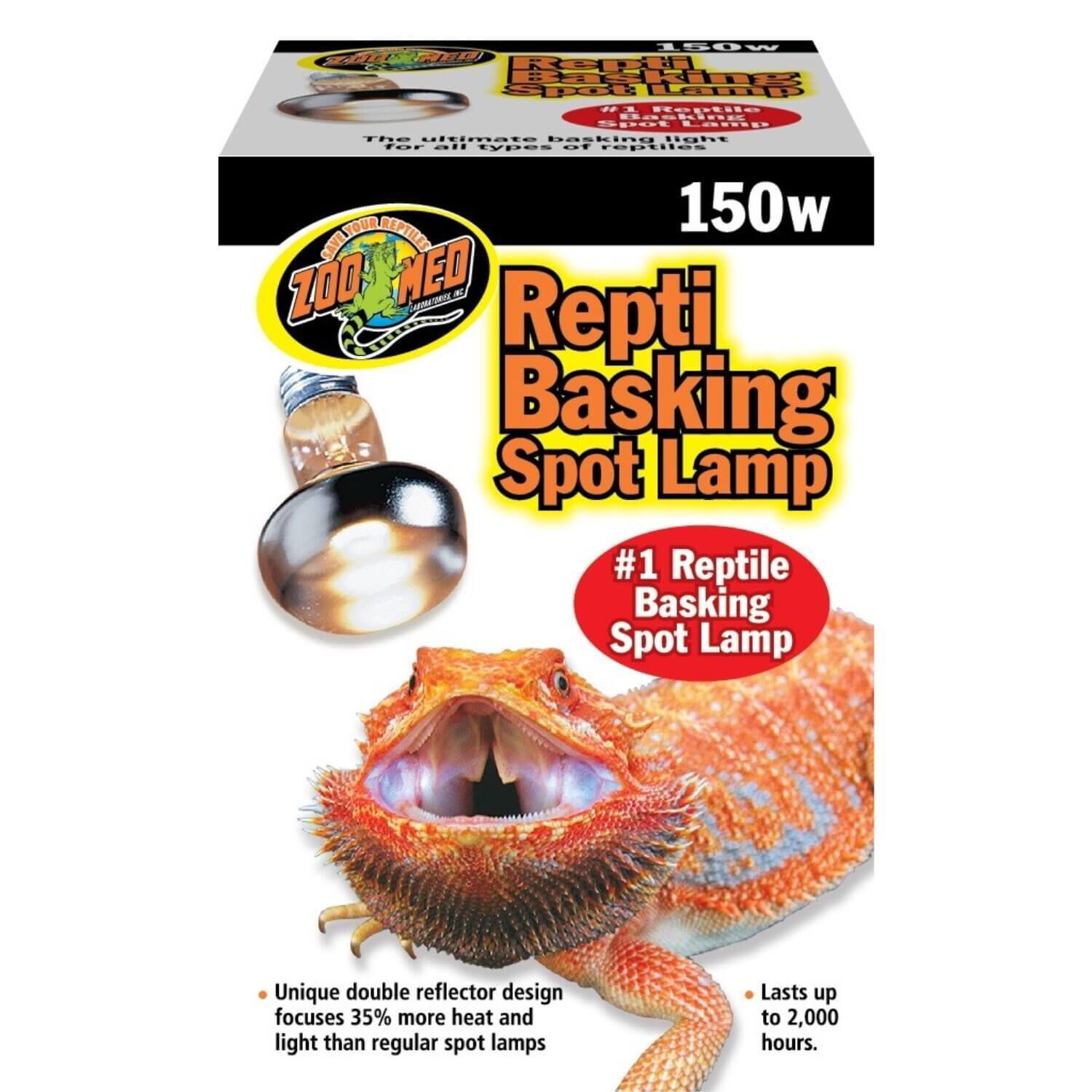
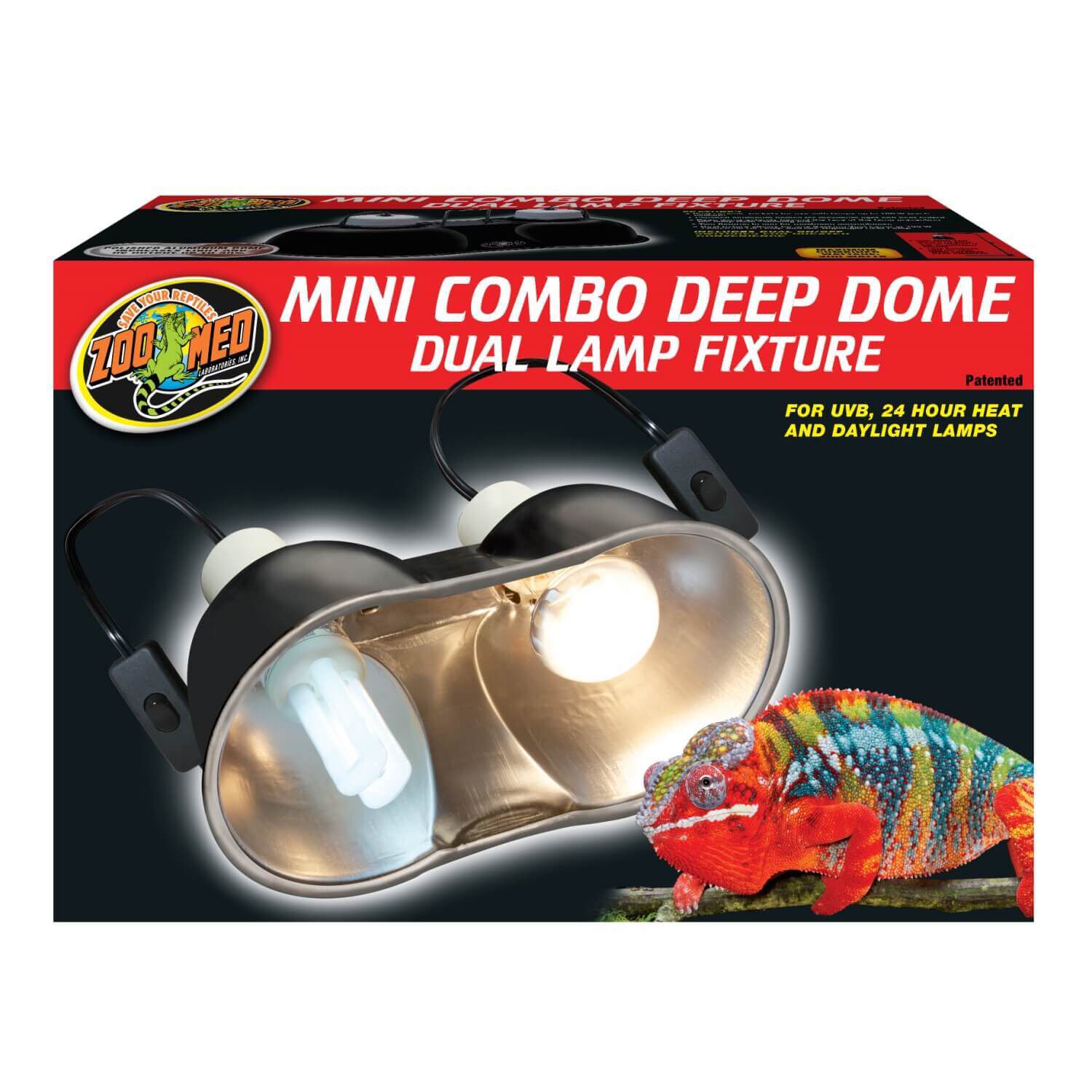
- Use 75W basking light with fixture or a light that will provide a basking temperature of 95°-105°. The other side of the cage should be 80°-85° so they do not overheat.
- Lights should be on 10-12 hours and total darkness at night. The temperature at night can safely fall to 70°-80°.
- 10.0 Compact Fluorescent UVB light with fixture. (UVB bulbs must be changed every 6 months.)
- Placing the habitat near a window does not provide adequate lighting. UVB does not penetrate through glass or plastic.
- Humidity should be 30-50% and monitored by a hygrometer.
Behavior & Handling
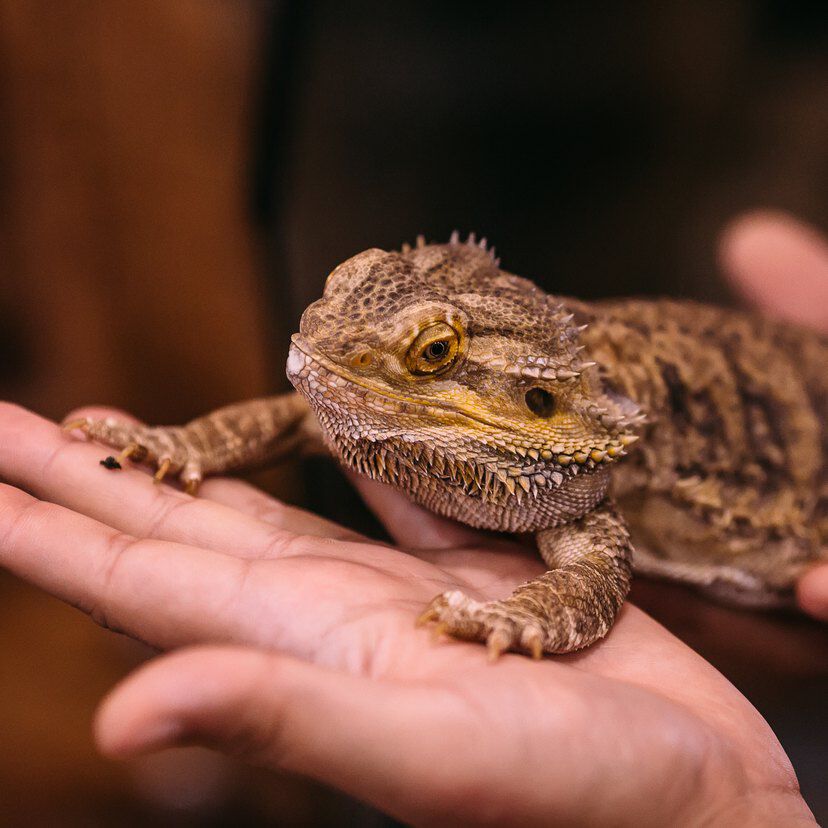
- Hands down, the bearded dragon (“beardie”) is the best pet lizard on the market.
- They love to be held, don’t get too large and have an overall great temperament.
- Children love to watch them eat – they are voracious in eating their crickets as well as their veggies!
- The name “bearded dragon” comes from the lizard’s ability to puff out its throat and have it turn black when threatened or when trying to attract a mate. This attribute is found in both males and females but is more prevalent is males.