Jumping Spider Care Guide
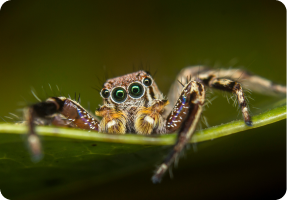
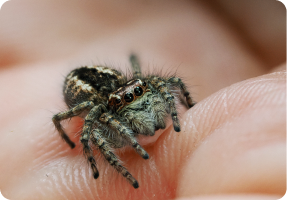
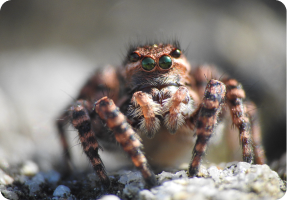
Get to Know Your Jumping Spider
Basic Information
Common Name
Jumping Spider
Scientific Name
Family Salticidae
Size
1/8" - 3/4"
Life span
1 - 3 years
Checklist for Your Jumping Spider
Essential Items
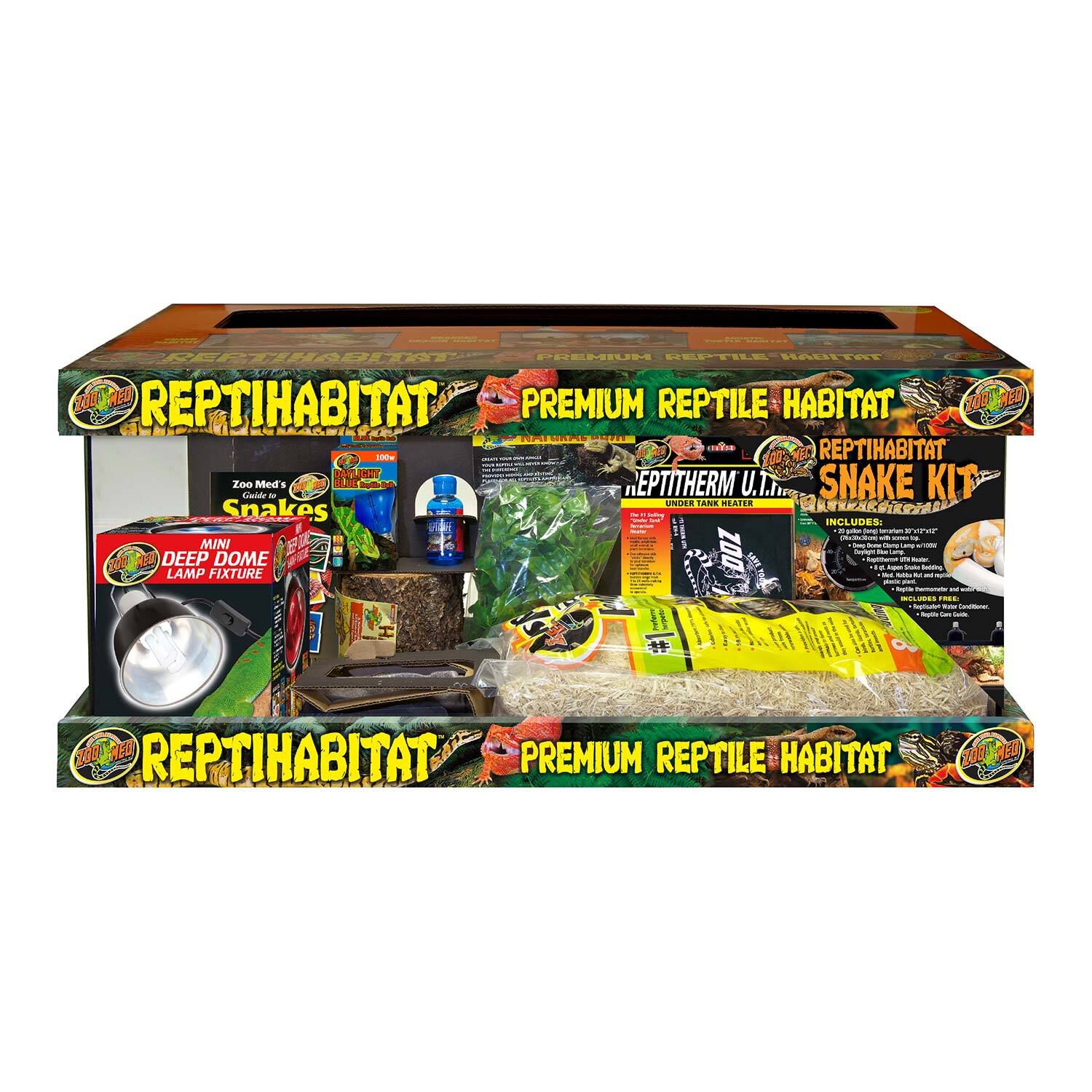
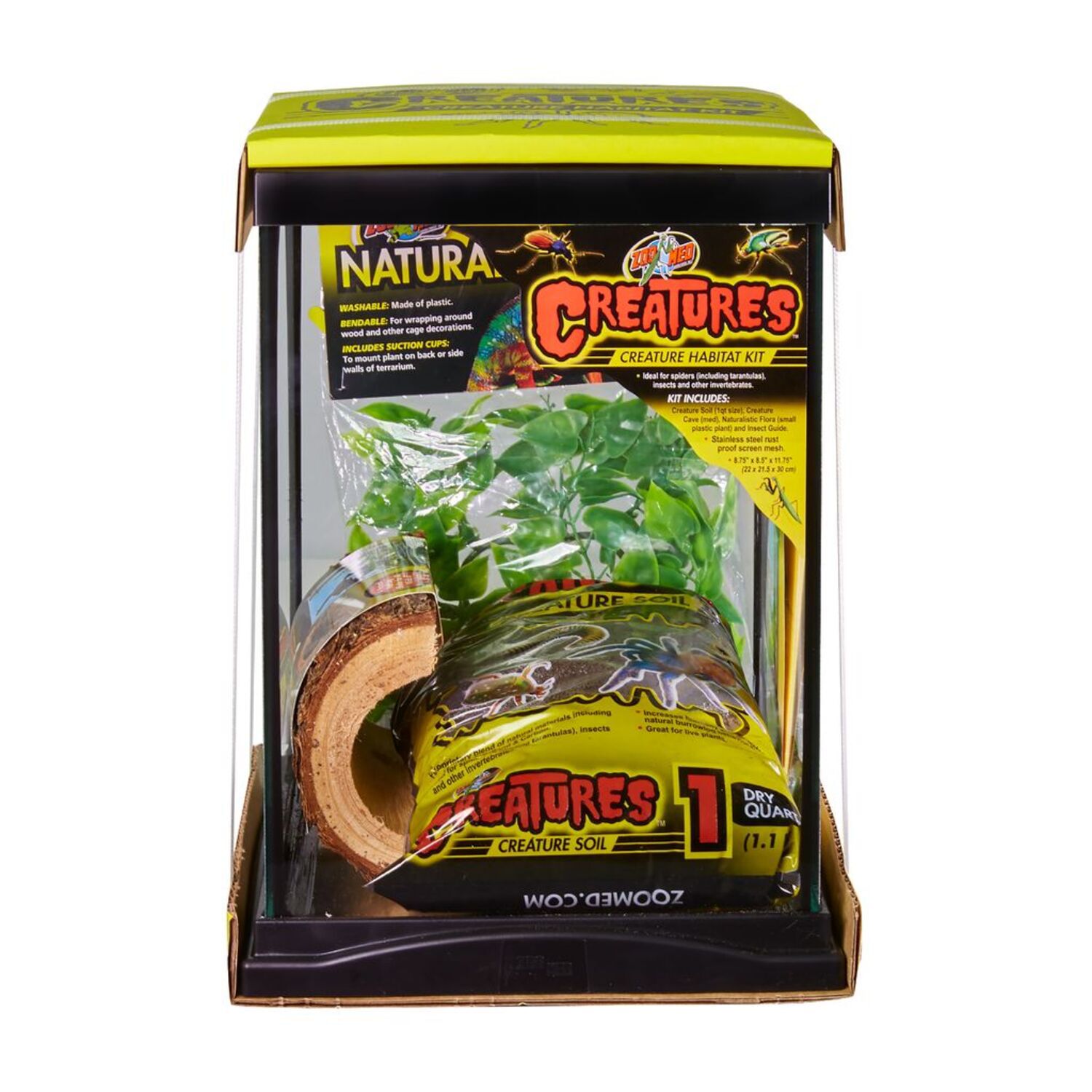
Enclosure
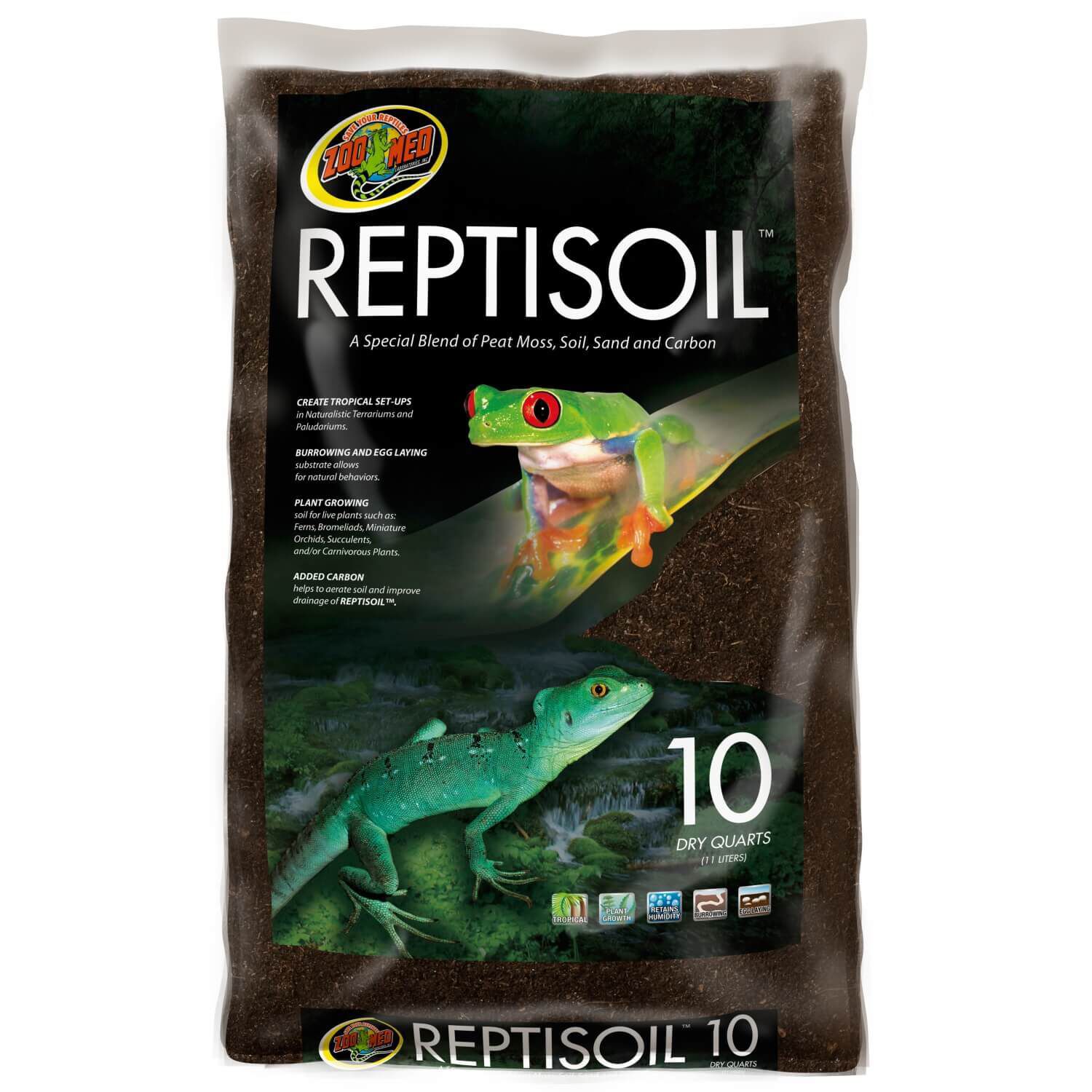
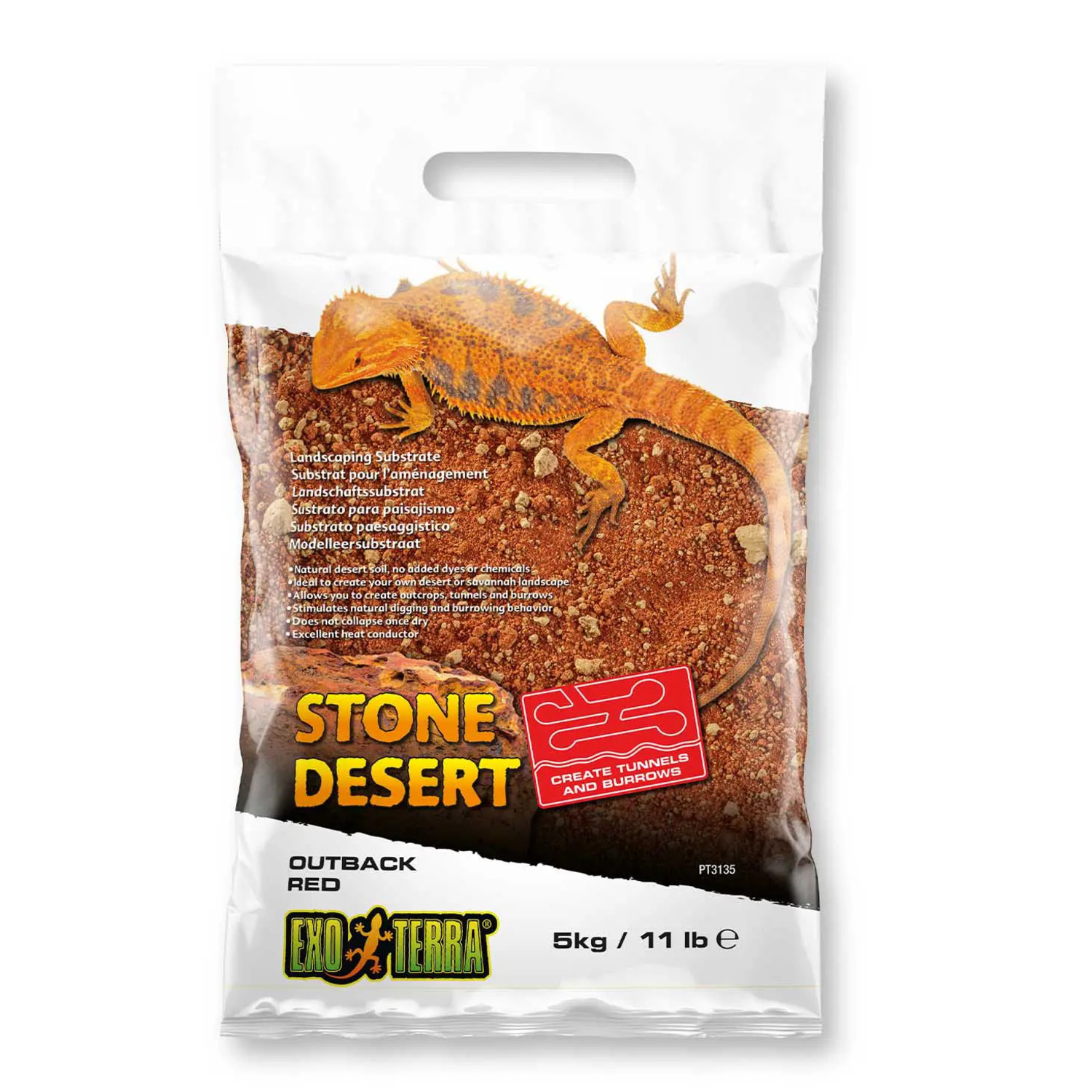
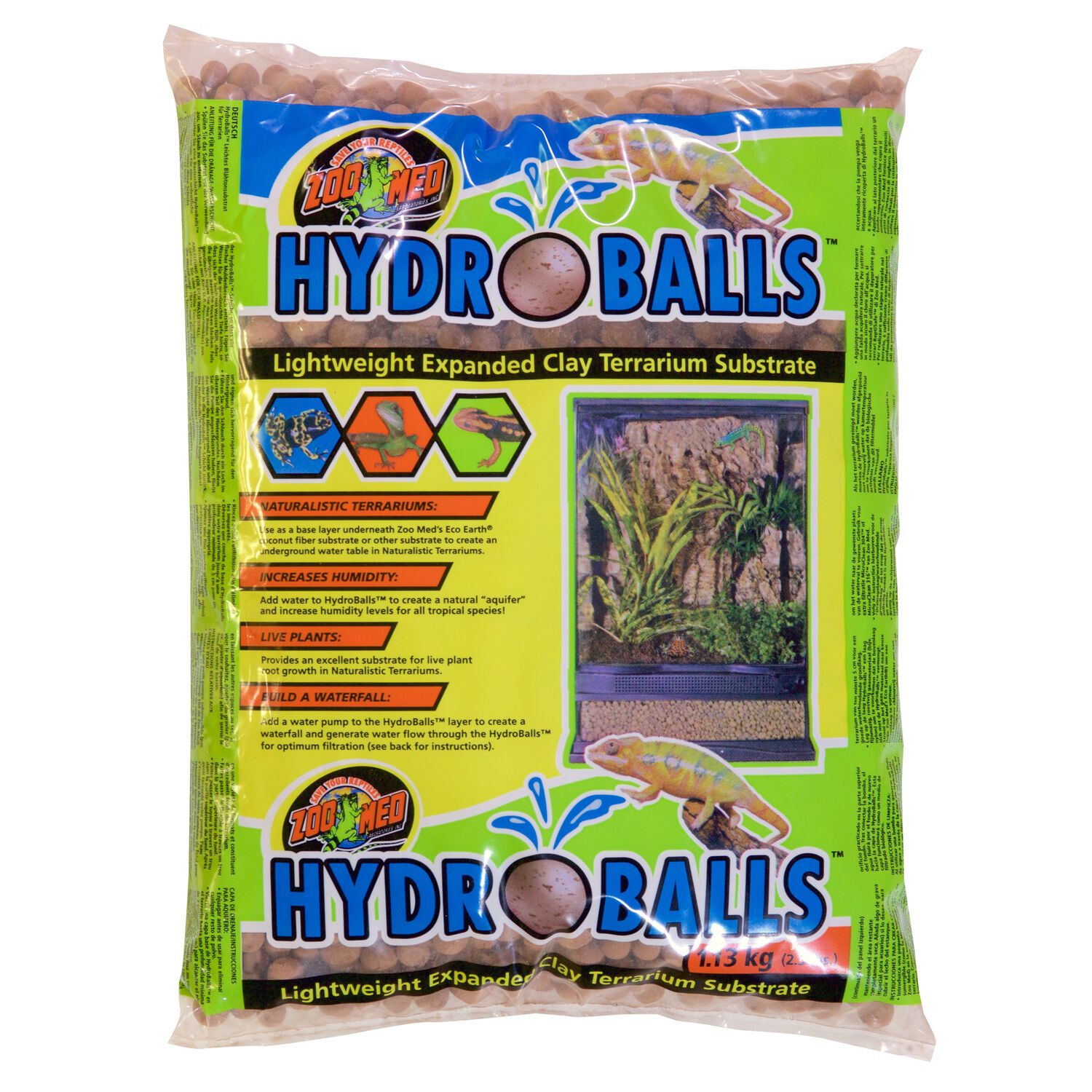
Enclosure substrate (coconut fiber, moss or reptile soil)
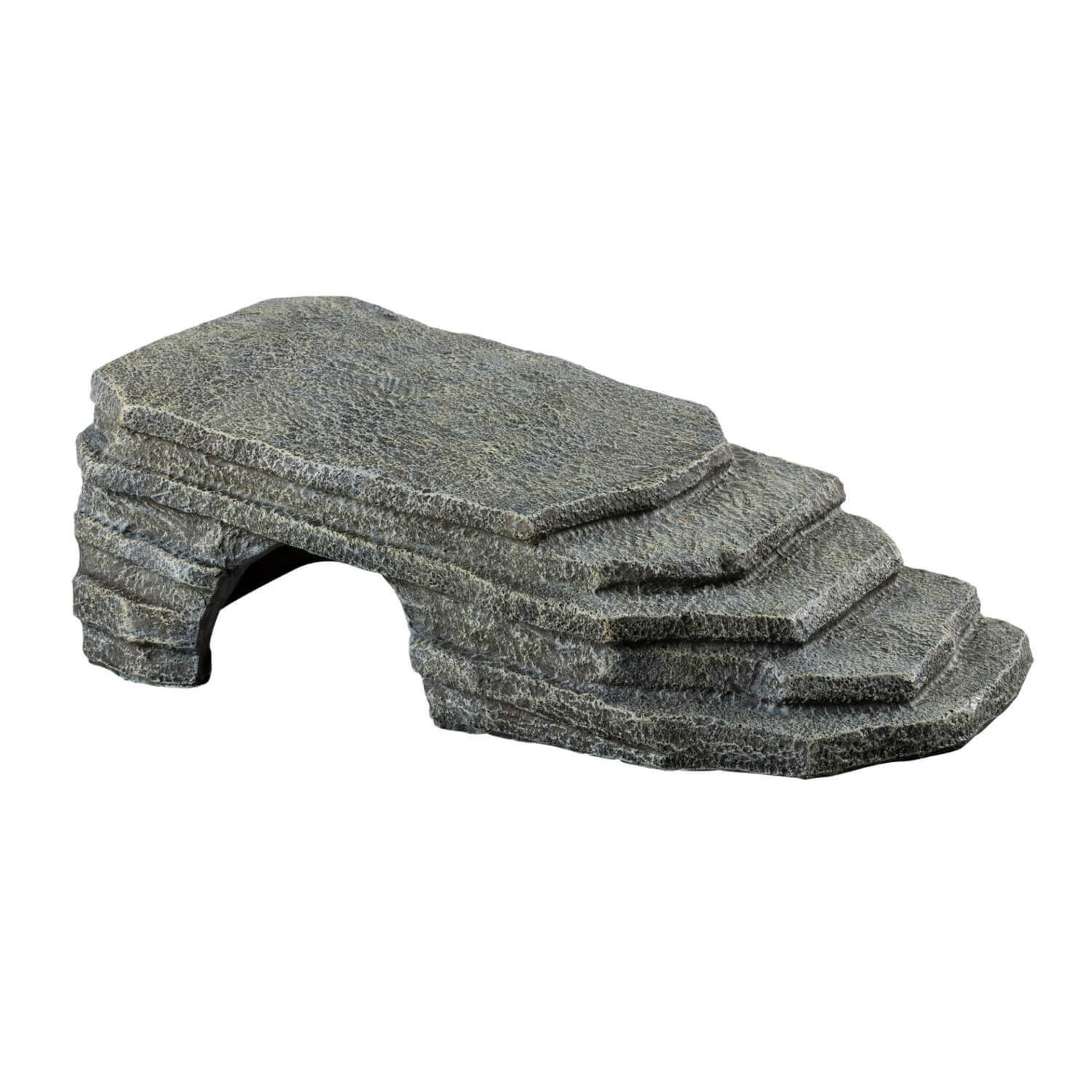
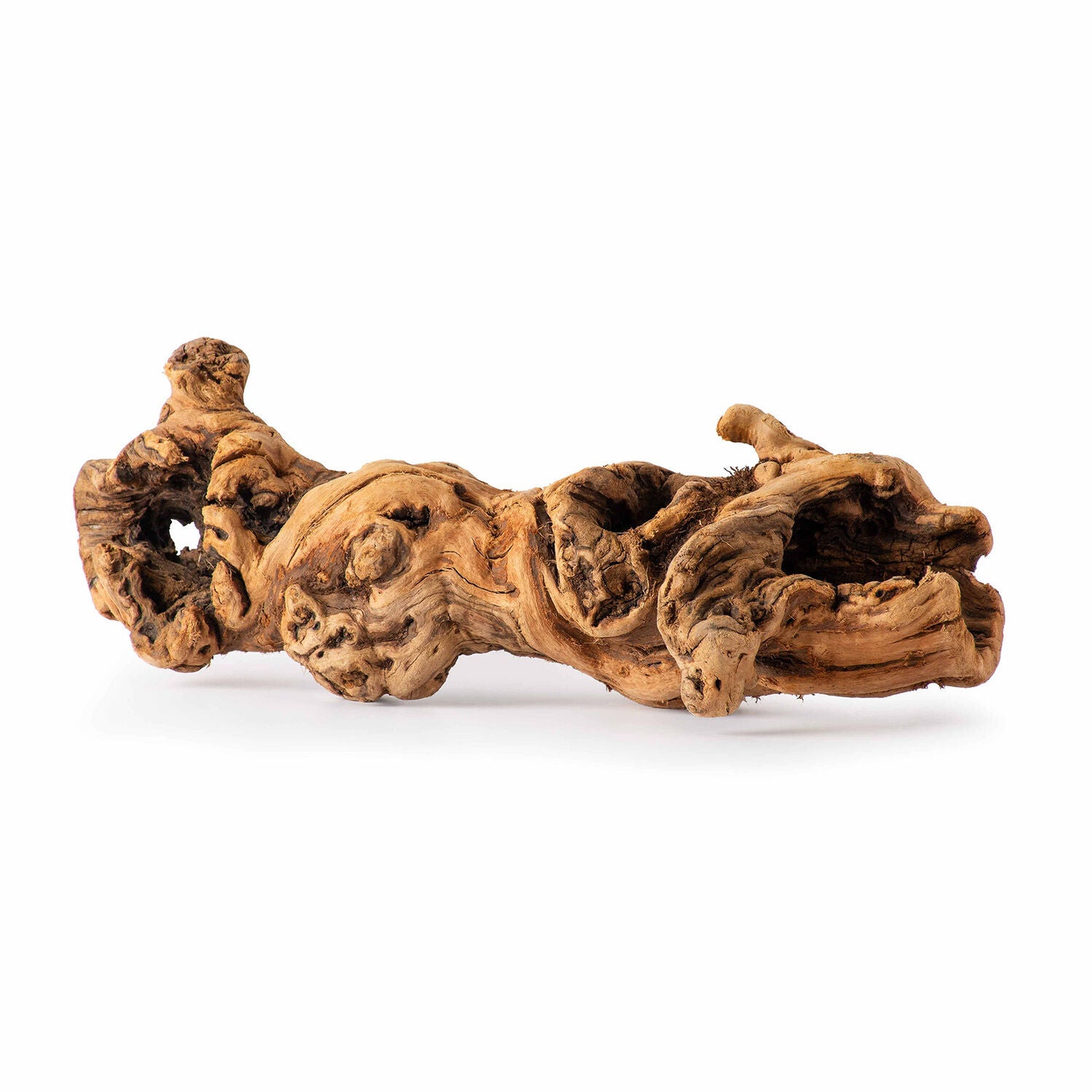
Decor (plants, cork bark, branches)
Water dish or vial cap
Spray bottle
Small cricket or fruit fly food
Tweezers
Thermometer
Hygrometer (optional)
Everything your Jumping Spider needs, all in one place.
Shop Jumping Spider Supplies
Feeding Your Jumping Spider
Food & Water
- Jumping spiders are carnivores.
- Feed appropriately sized live insects such as:
- Fruit flies (best for slings)
- Small crickets
- Mealworms (cut for smaller spiders)
- House flies, roaches
- Feed 2–3 times per week depending on size and age.
- Always remove uneaten prey.
- Provide fresh water by misting the enclosure or offering a small water dish or vial cap.
Jumping Spider Habitat
Caging & Environment
- Enclosure should be taller than wide spider's jumping nature.
- Recommended size:
- Small slings: 4 oz. deli cup
- Adults: 8 oz. - 16 oz. enclosure
- Use a secure lid with ventilation holes.
- Maintain temperatures between 72–82°F.
- Misting 2–3 times per week to maintain humidity around 50–70%.
- Provide places to climb and hide such as live or artificial plants, cork bark, or branches.
- Avoid direct sunlight and extreme temperature changes.
Handling Your Jumping Spider
Behavior & Handling
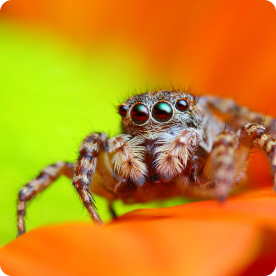
- Jumping spiders are curious and intelligent. They can recognize and remember their owners.
- Generally docile but may jump if startled.
- Handle gently by letting them walk on your hand or a soft paintbrush. Avoid grabbing.
- Best viewed more than handled to reduce stress.
- Each spider has a unique personality—some may be more outgoing than others.
Common Health Problems
Jumping Spider Health and Well-being
Safety
- Jumping spiders are non-venomous to humans and completely safe.
- Keep away from young children unsupervised.
- Do not release pet spiders into the wild.
- Wash hands before and after handling enclosure or spider.
- Ensure enclosure is secure to prevent escape.
163 Results
163 Results
No products found for selected filters. Please try with different filters.
Showing 0 of 0