Chameleon Care Guide
Get to Know Your Chameleon
Basic Information
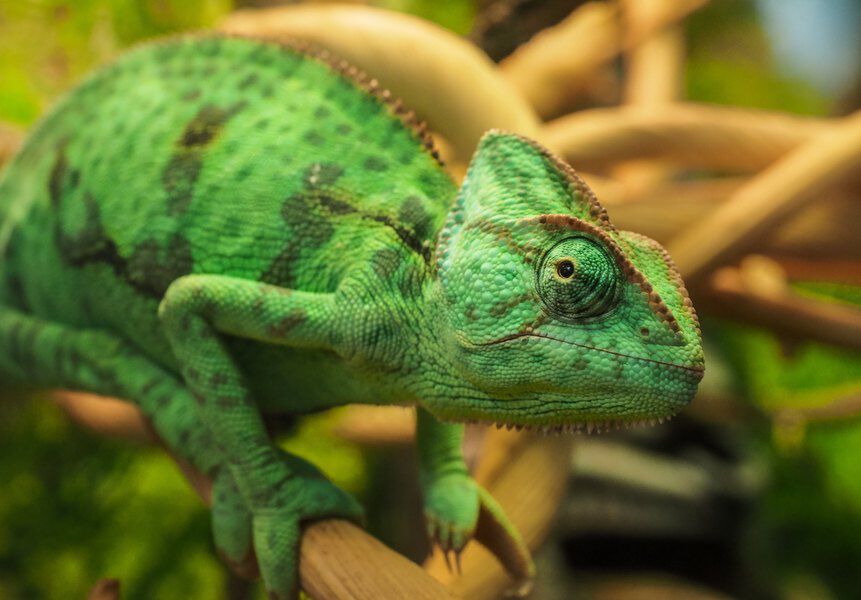
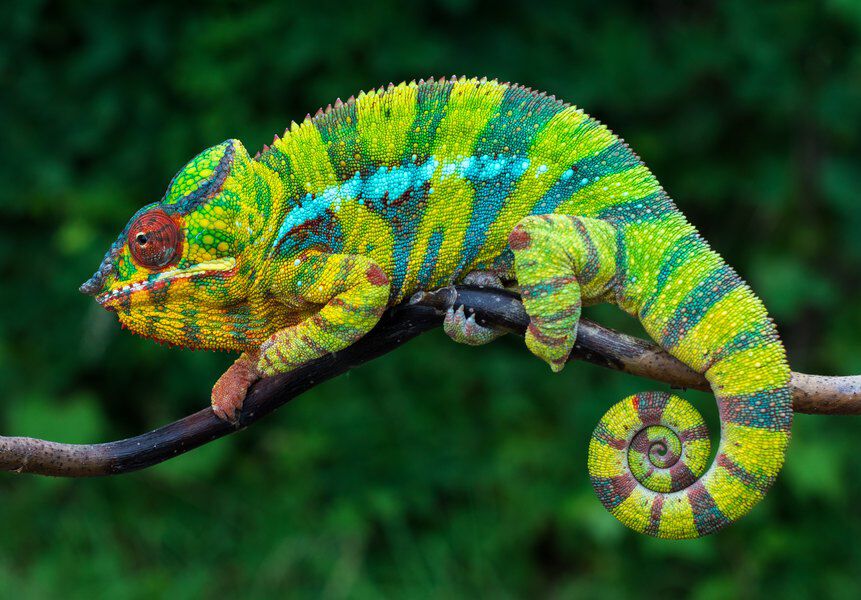
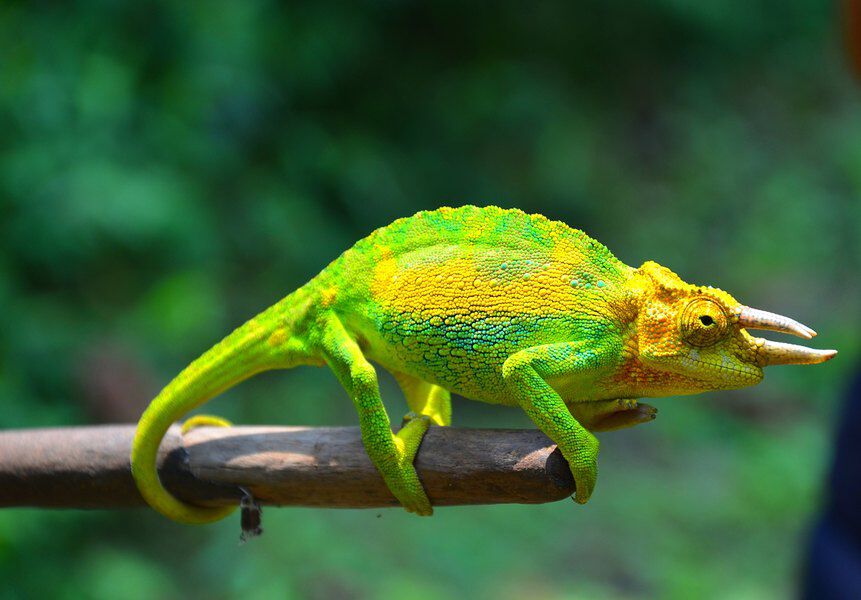
Includes popular species such as Veiled, Panther and Jackson Chameleons
Common Name
Chameleon
Scientific Name
Varies by species (e.g. Chamaeleo, Furcifer, Trioceros)
Size
8 - 24 inches (varies by species)
Life span
5 - 8 years (with proper care)
Temperament
Generally docile and independent
Checklist for Your Chameleon
Essential Items
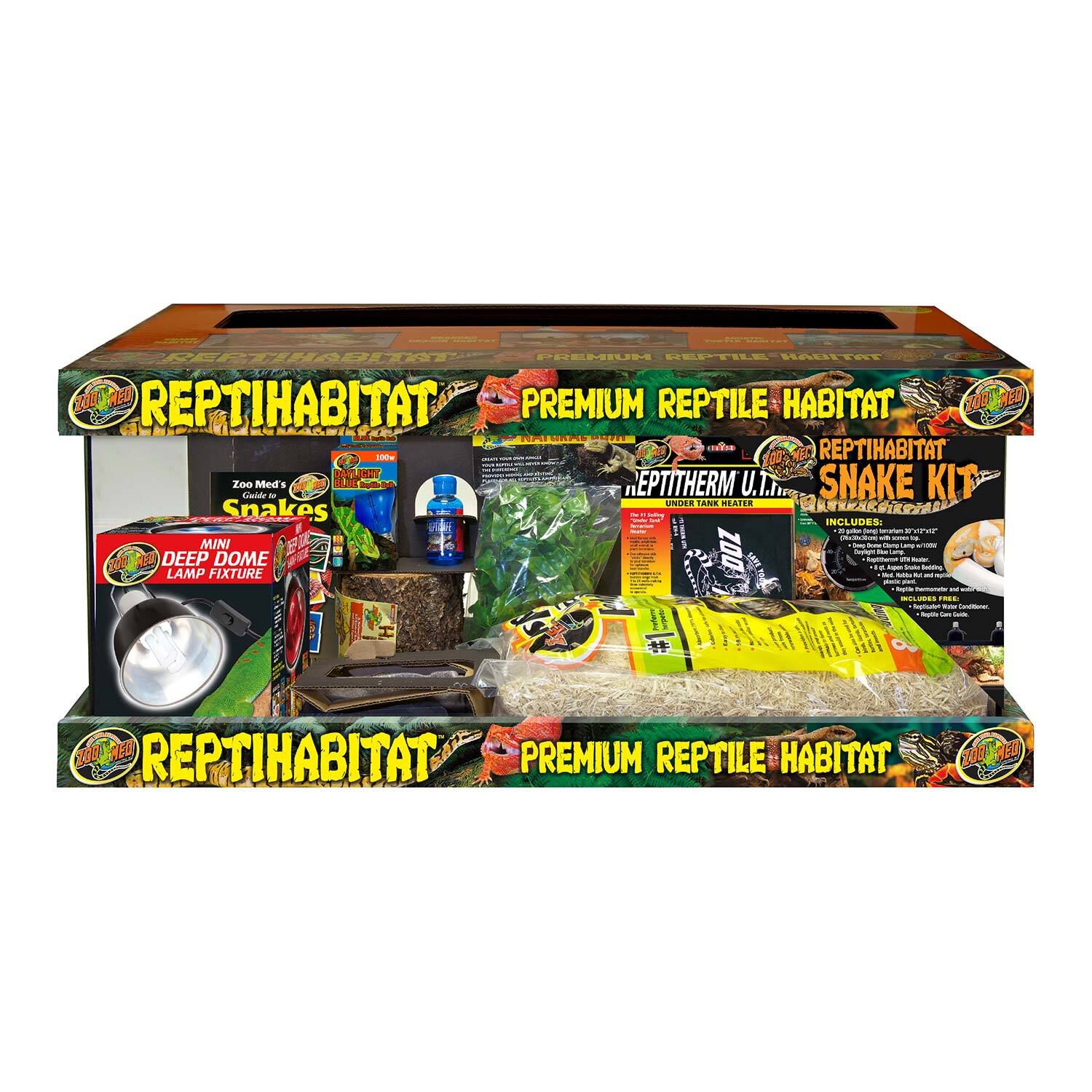
Tall screen or mesh enclosure (18” x 18” x 36” or larger)
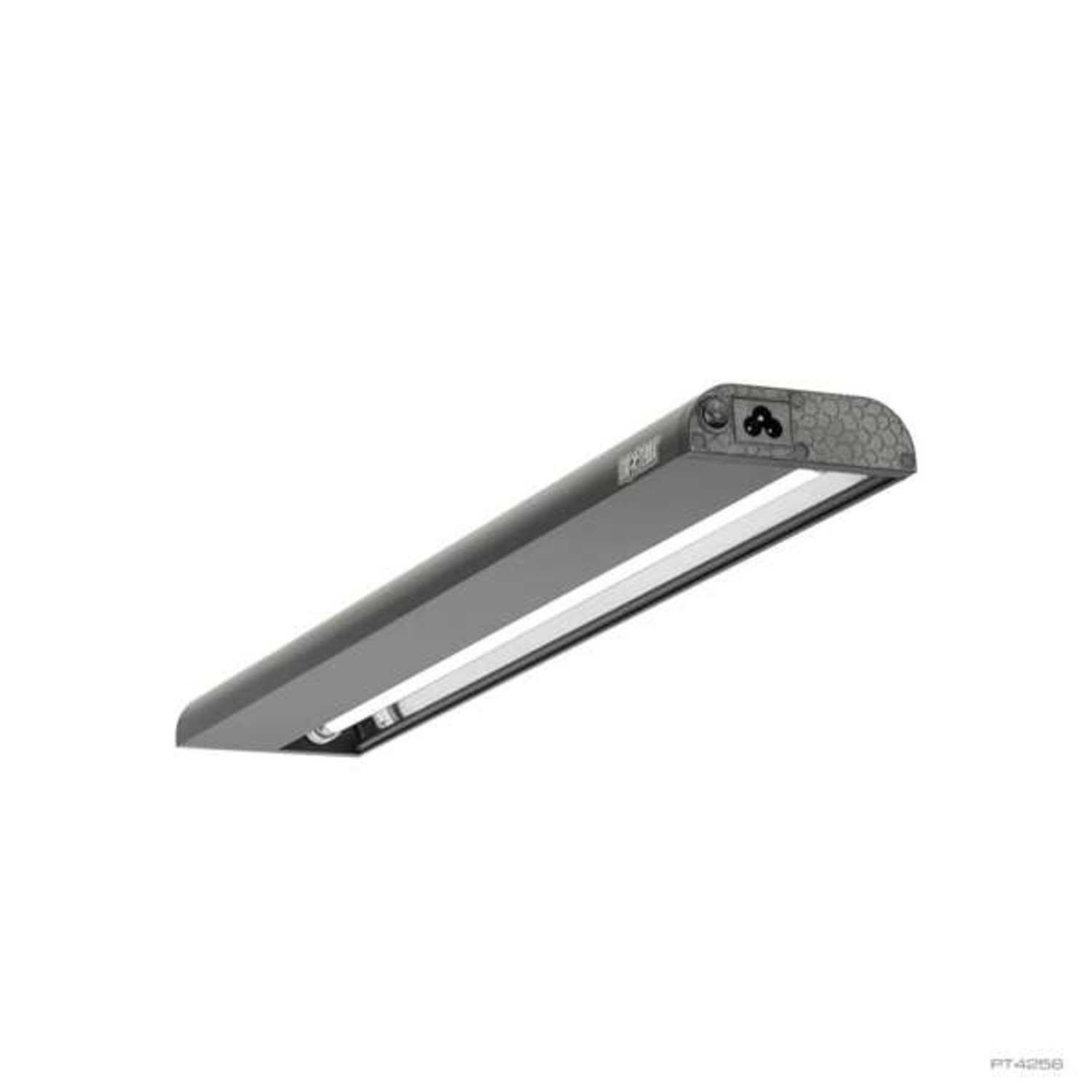
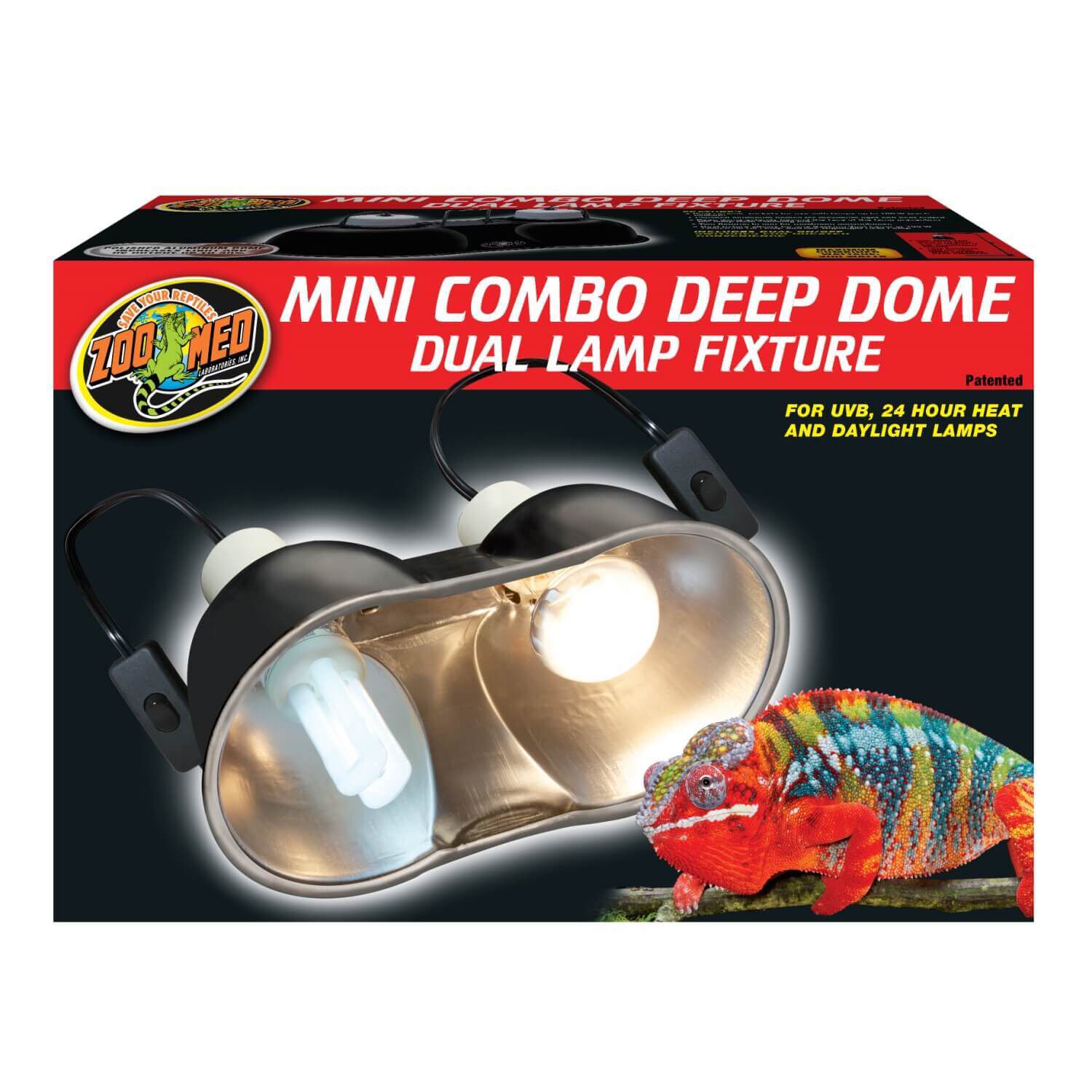
UVB lighting (T5 5.0 or 6%)
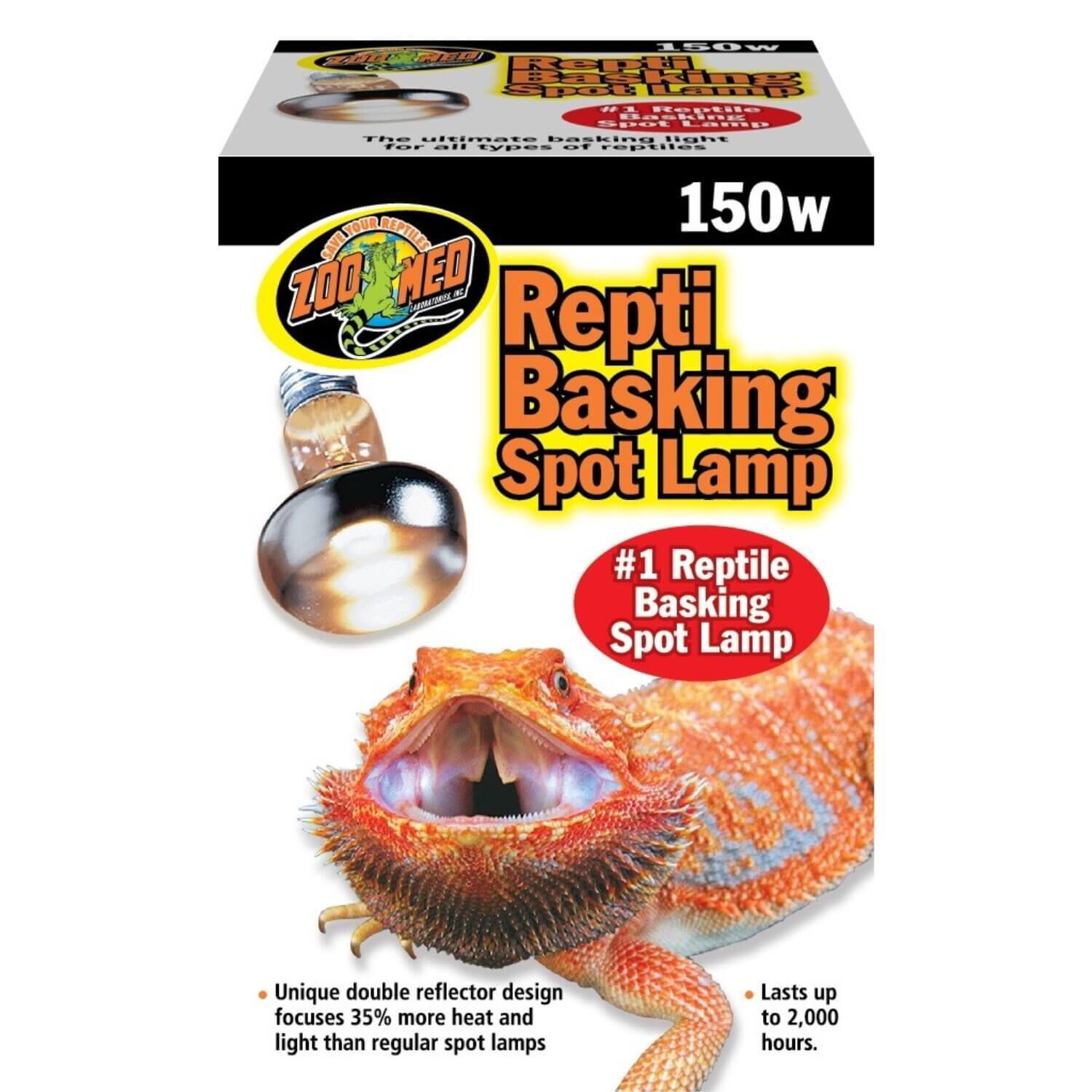
Basking heat lamp
Live insects (gut-loaded)
Food and water dishes (dripper/misting system)
Live or artificial plants
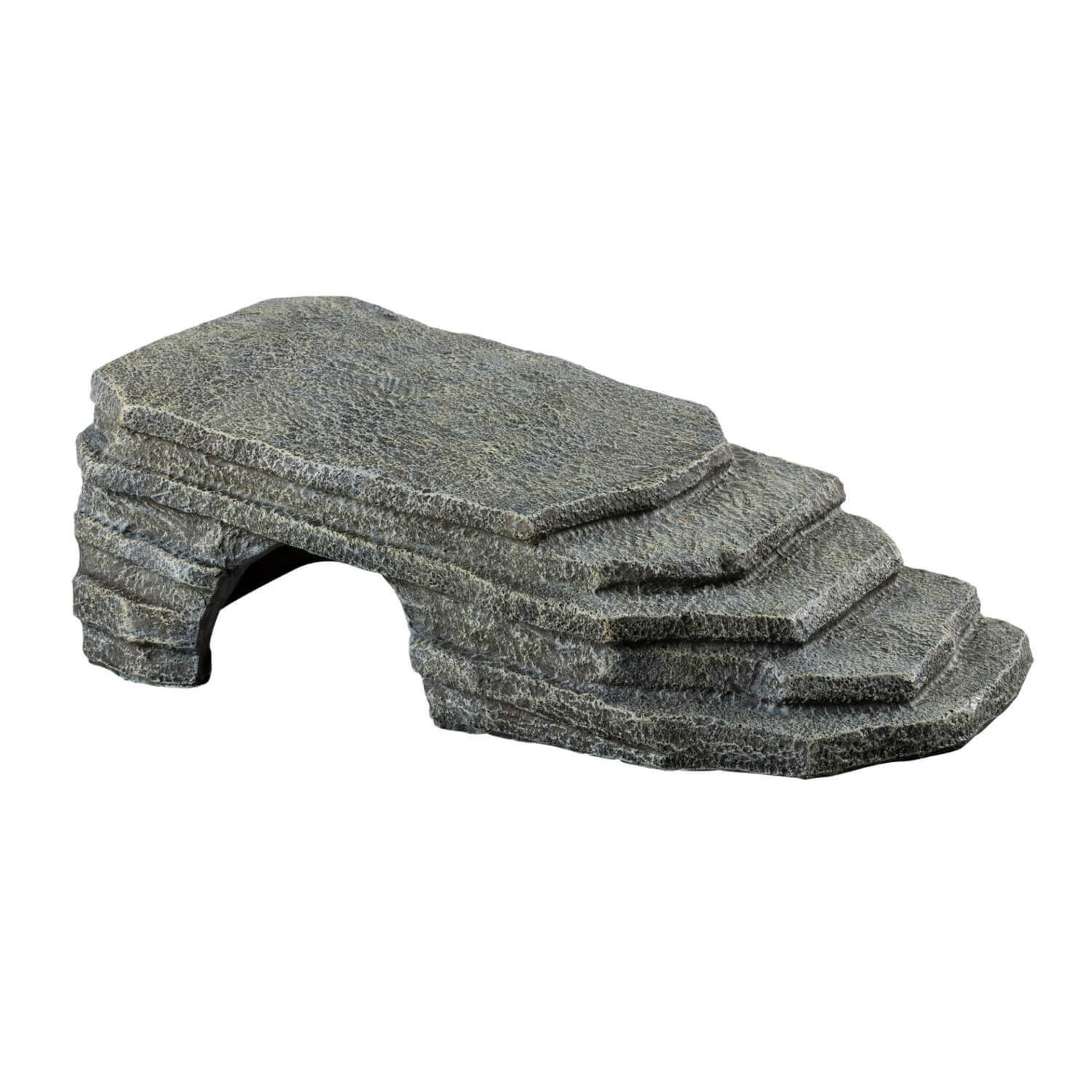
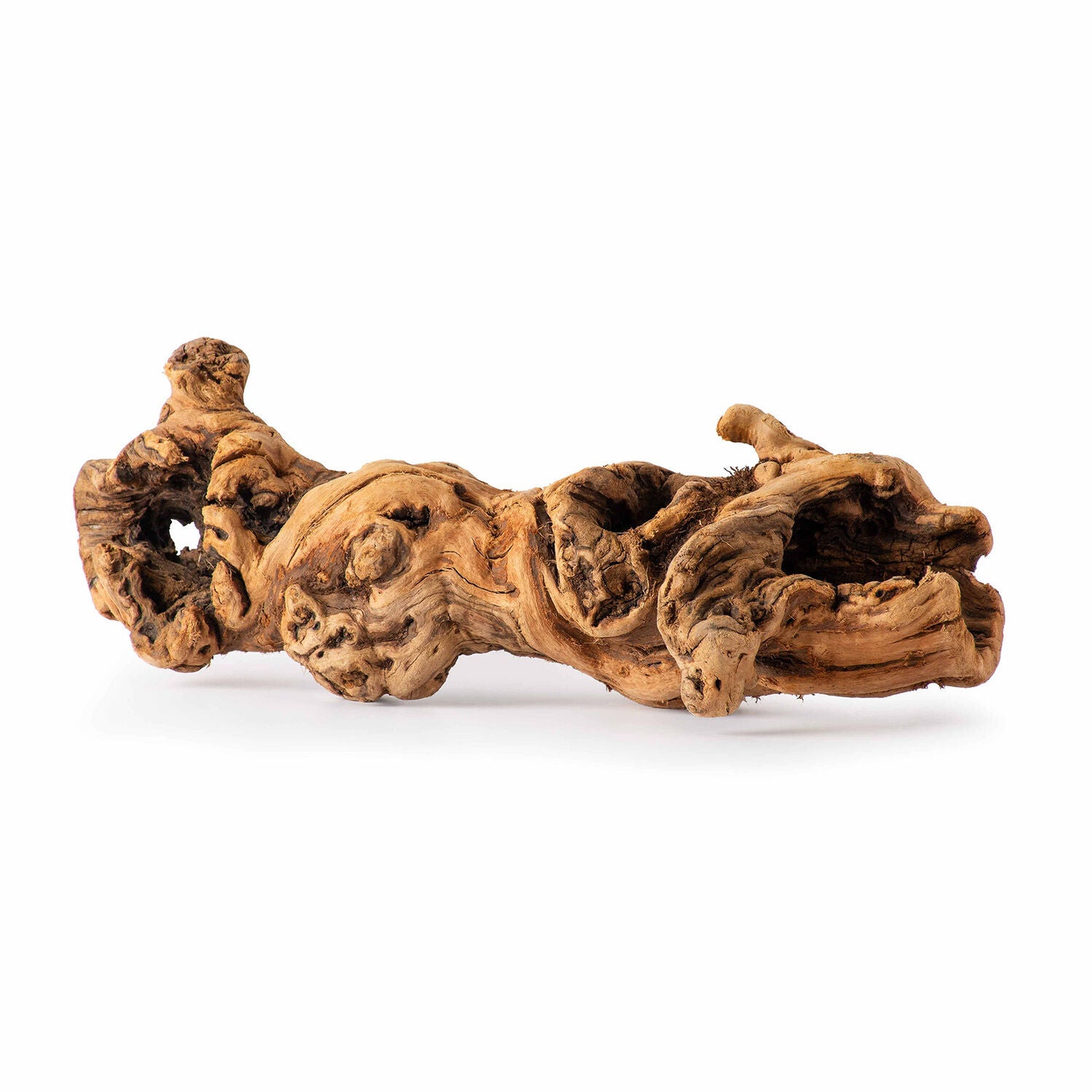
Branches, vines & hides
Thermometer & hygrometer
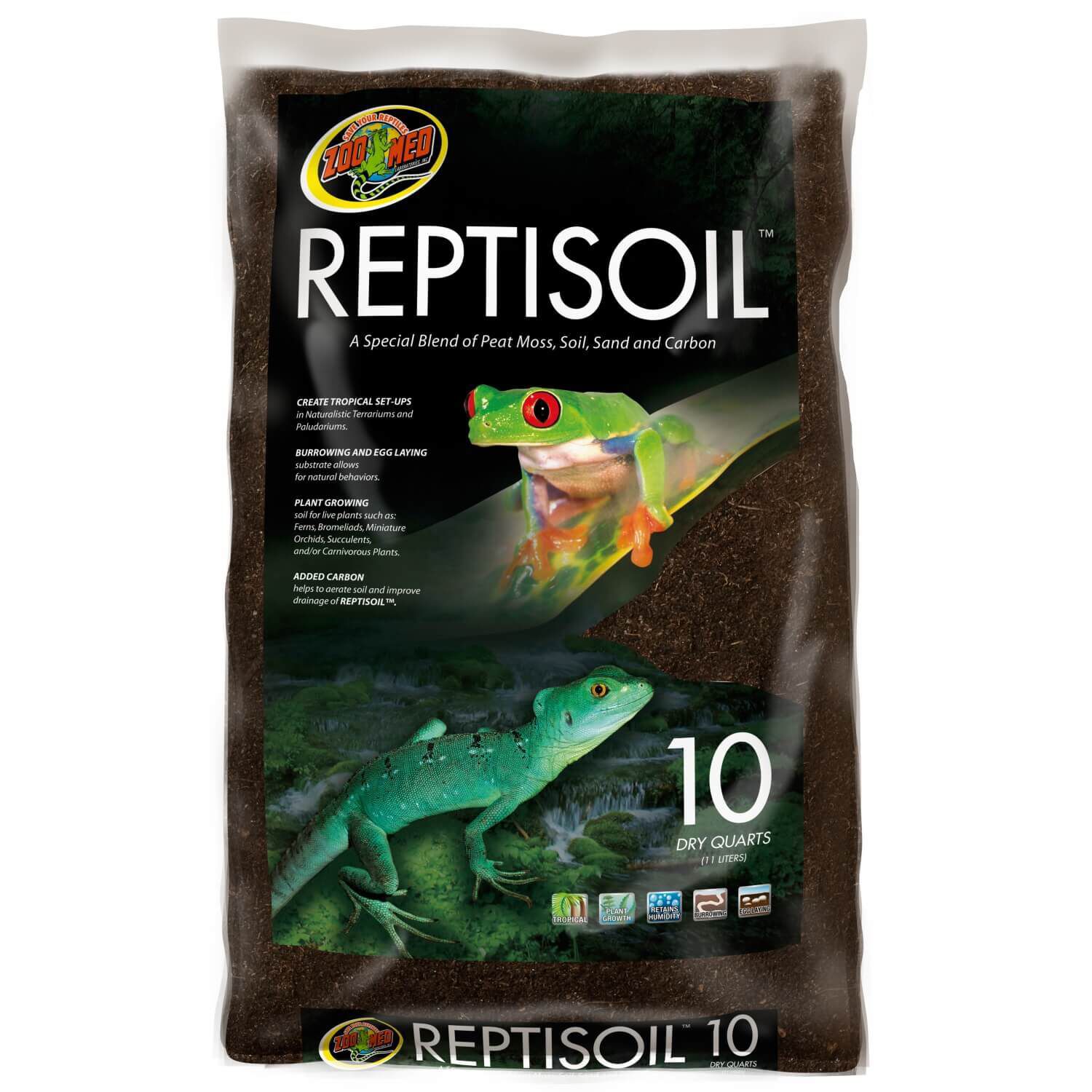
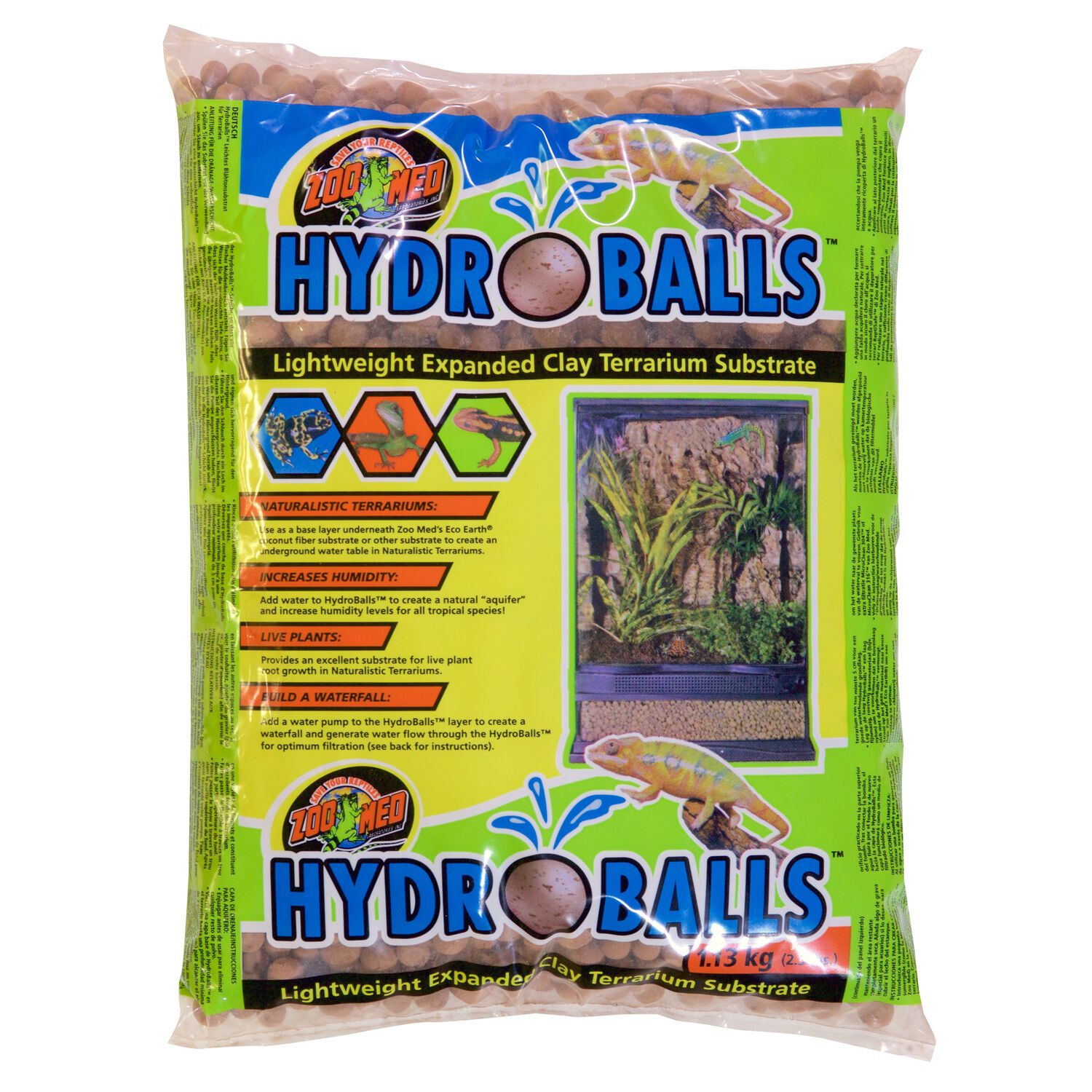
Substrate or plant-safe liner
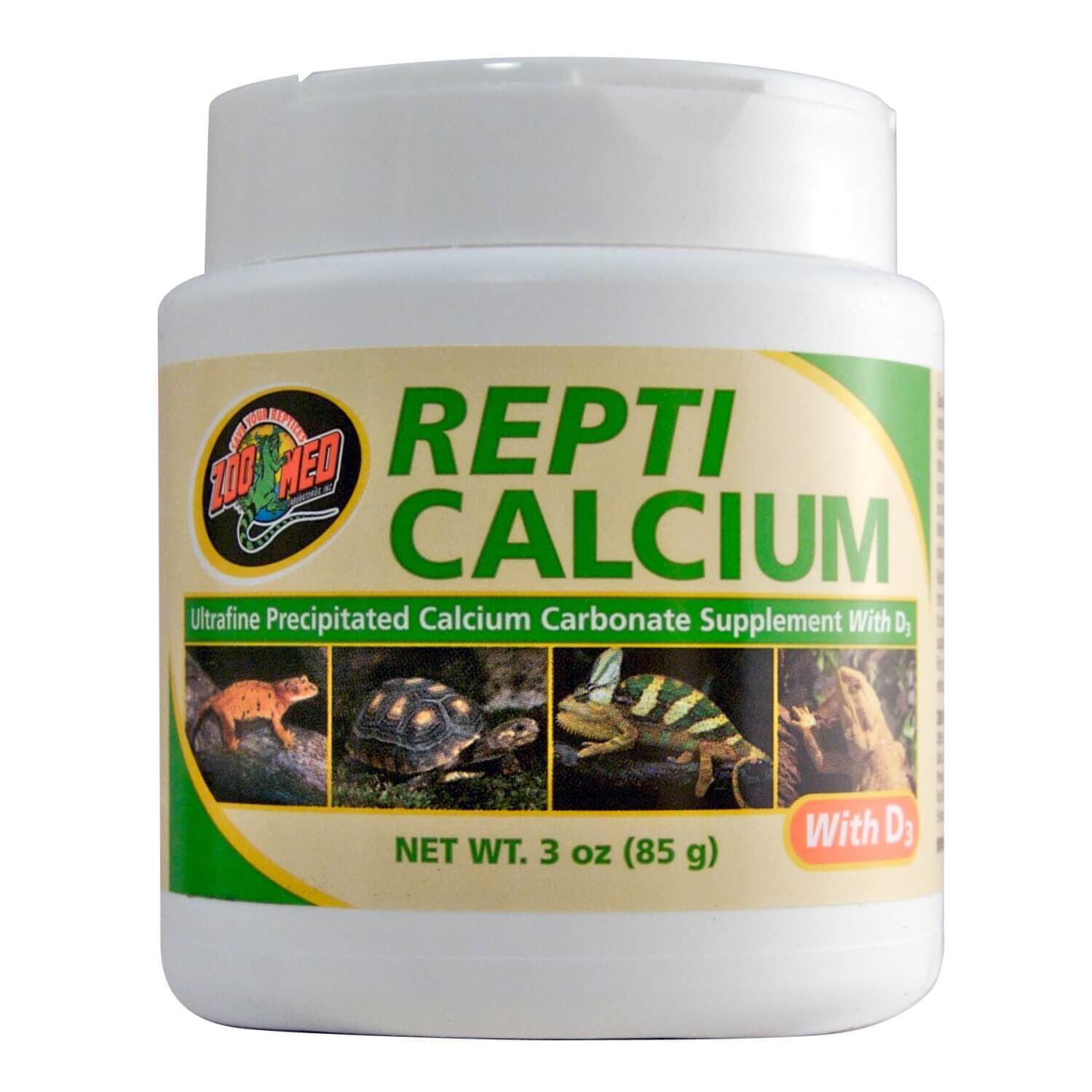
Calcium supplement (with D3)
Multivitamin supplement
Misting system or spray bottle
Feeder cup or feeding station
Everything your Chameleon needs, all in one place.
Shop Chameleon Supplies
Feeding Your Chameleon
Diet
- Primarily eats live insects:
- Crickets
- Dubia roaches
- Mealworms, superworms (treat only)
- Silk worms, hornworms
- Other appropriately sized insects
- Insects should be gut-loaded with nutritious food.
- Dust insects with a calcium supplement at most feedings and a multivitamin 1–2 times per month.
- Offer a variety of appropriately sized insects (no larger than the space between their eyes).
- Occasionally, offer safe, pesticide-free live plants for enrichment (species dependent).
Chameleon Habitat
Caging & Environment
Housing & Environment
- Requires a tall, well-ventilated screen enclosure.
- Recommended minimum size:
- Veiled Chameleon: 18” x 18” x 36”
- Panther Chameleon: 24” x 24” x 48”
- Jackson Chameleon: 18” x 18” x 36”
- (Larger is always better)
- Provide plenty of sturdy branches, vines and live or artificial plants for climbing and hiding.
- Create a natural, densely planted environment to help reduce stress.
- Keep enclosure in a low-traffic area with indirect natural light.
- Provide a dripper or misting system to ensure access to fresh, clean water.
- Use a substrate or plant-safe liner (many chameleons do best with a bare bottom or minimal substrate).
Temperature & Lighting
- Daytime basking temperature: 80 - 90°F (varies by species)
- Ambient daytime temperature: 72 - 85°F
- Nighttime temperature: 60 - 70°F (some species prefer slightly cooler)
- UVB lighting: T5 5.0 or 6% (full length across the enclosure), on for 10 - 12 hours daily. Replace every 6 - 12 months.
- Provide a basking branch 8 - 12 inches from the heat and UVB source.
- Use a natural day/night cycle.
Humidity & Hydration
- Humidity: 50 - 70% (species dependent)
- Mist the enclosure 2 - 3 times daily or use an automatic misting system.
- A dripper provides additional drinking water and is especially beneficial for many species, including veiled and Jackson chameleons.
- Live plants and proper misting help maintain humidity.
- Always provide clean, fresh water.
Handling Your Chameleon
Behavior & Handling
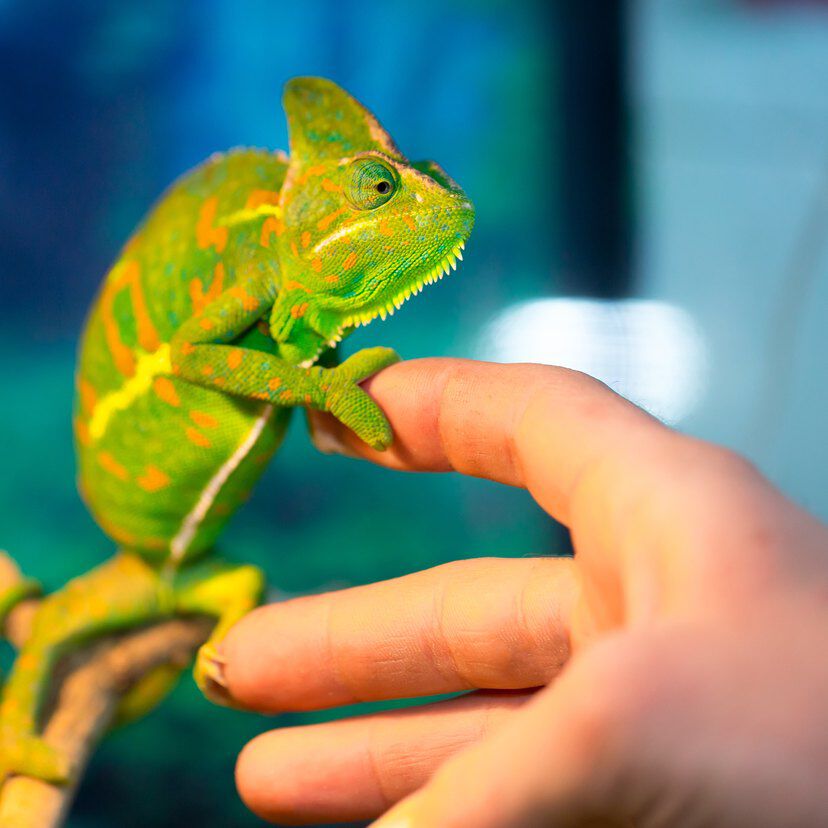
- Generally solitary and prefer to be housed alone.
- Handle only when necessary, as chameleons can become stressed easily.
- Move slowly and allow the chameleon to walk onto your hand or a branch. Never grab or squeeze.
- Provide plenty of climbing opportunities and places to hide.
Common Health Problems
Chameleon Health and Well-being
Health & Safety
- Keep the enclosure clean and dry to prevent respiratory issues.
- Monitor for signs of illness, such as lethargy, loss of appetite, or sunken eyes.
- Avoid handling directly after feeding.
- Always wash your hands before and after handling your chameleon.
163 Results
163 Results
No products found for selected filters. Please try with different filters.
Showing 0 of 0