Corn Snake Care Guide
Get to Know Your Corn Snake
Basic Information
Common Name
Corn Snake
Scientific Name
Elaphe guttata
Distribution
Eastern to Central United States
Size
3’-6’
Life span
15-20 Years (Average)
Checklist for Your Corn Snake
Essential Items
Food
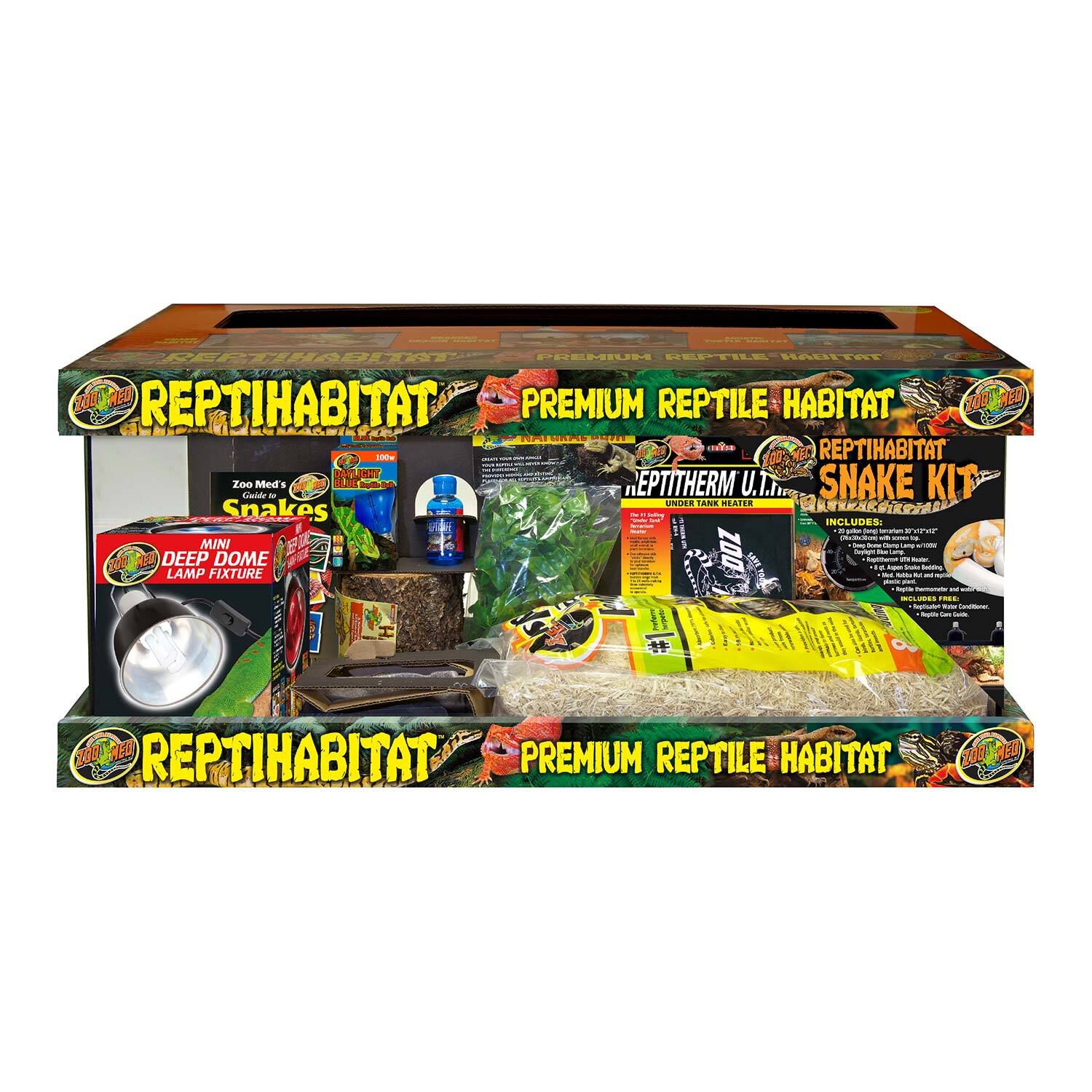
Habitat with lid
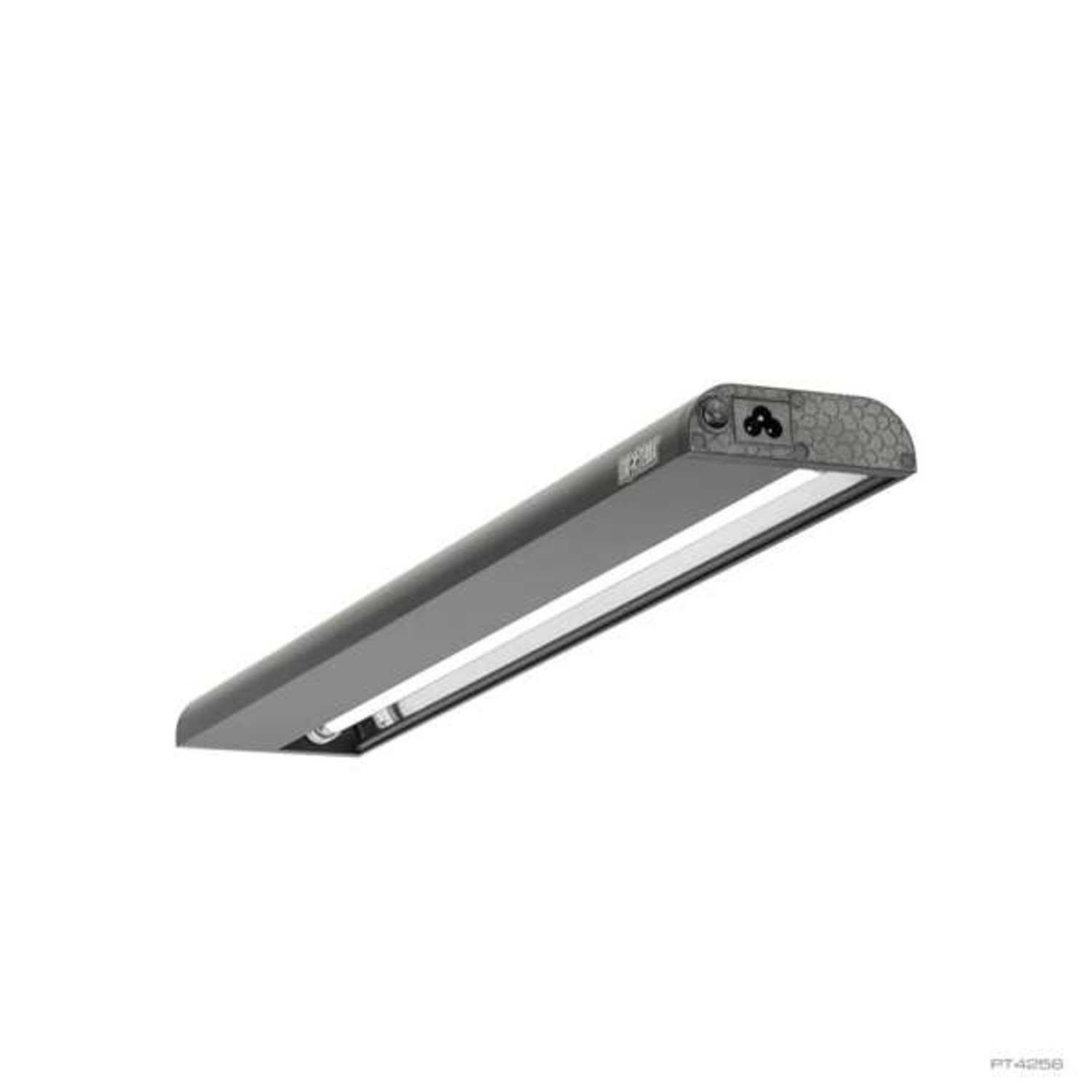
Lighting
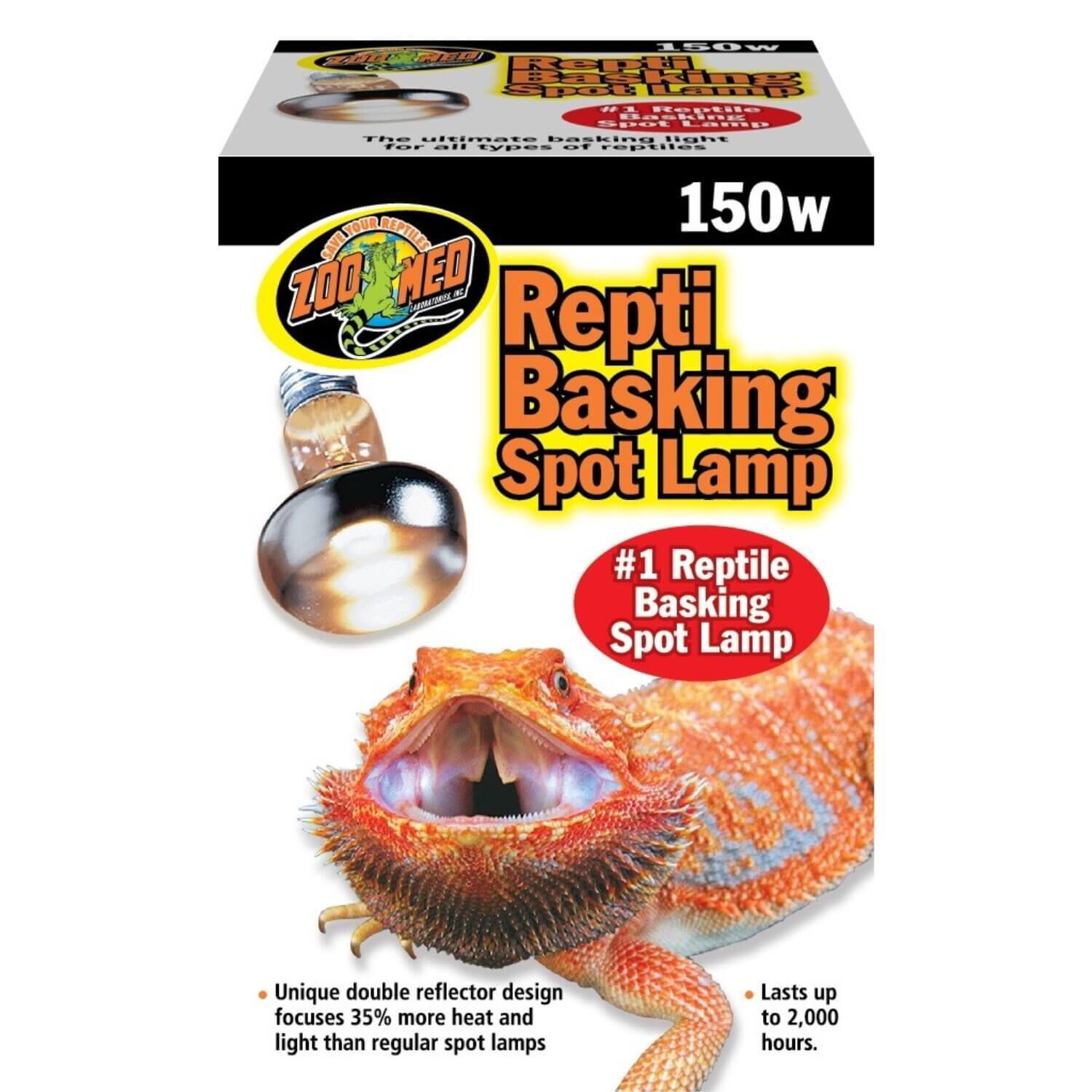
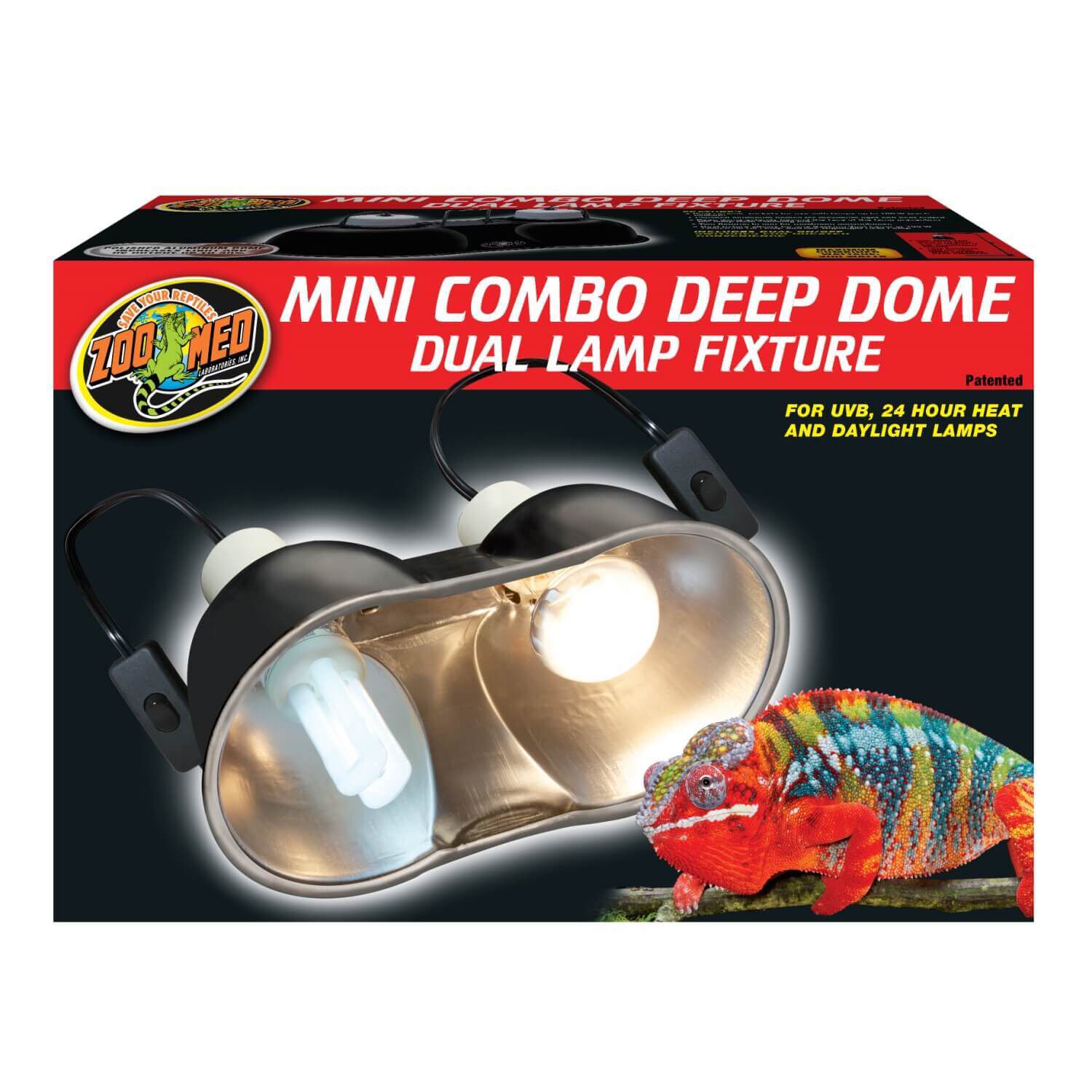
Heat lamps
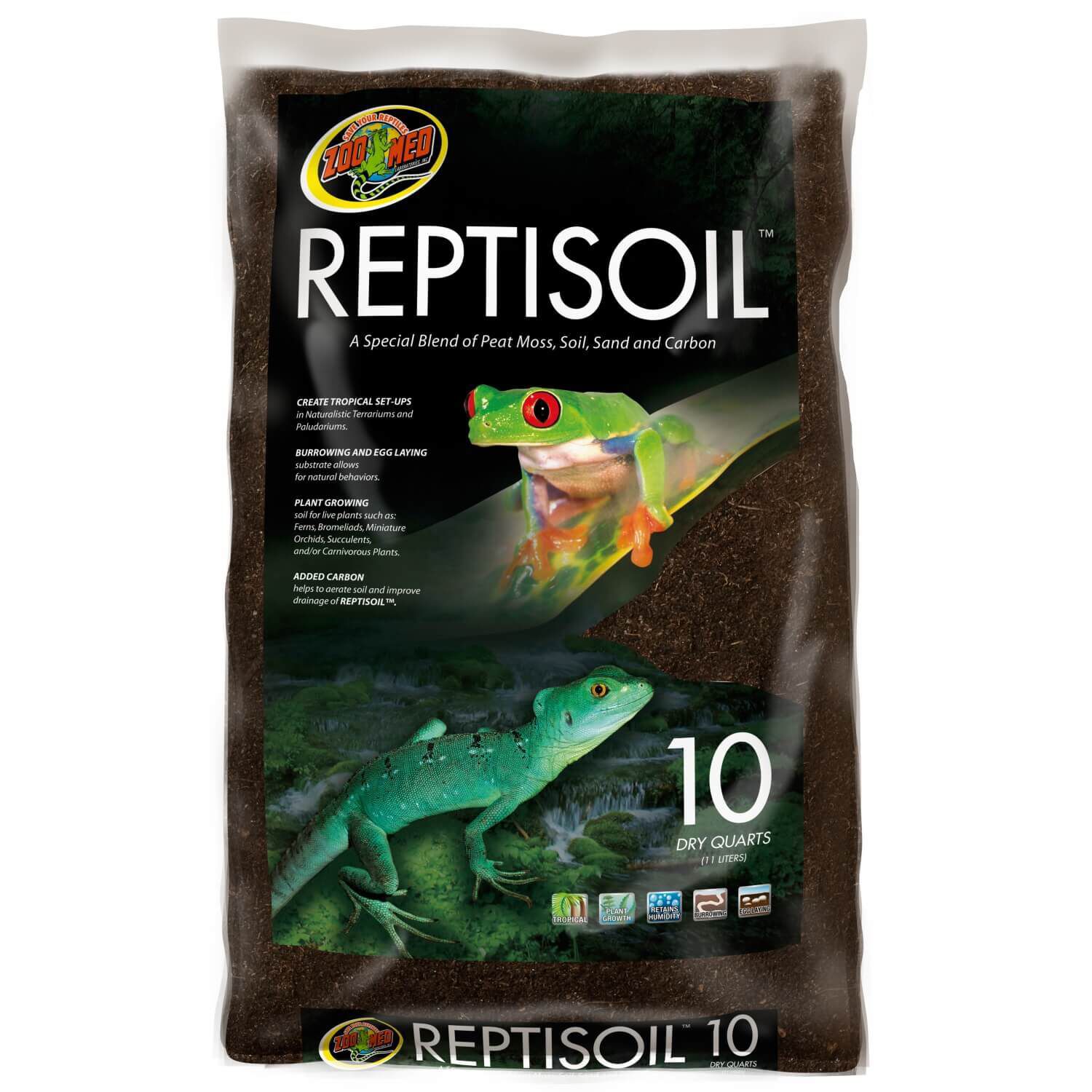
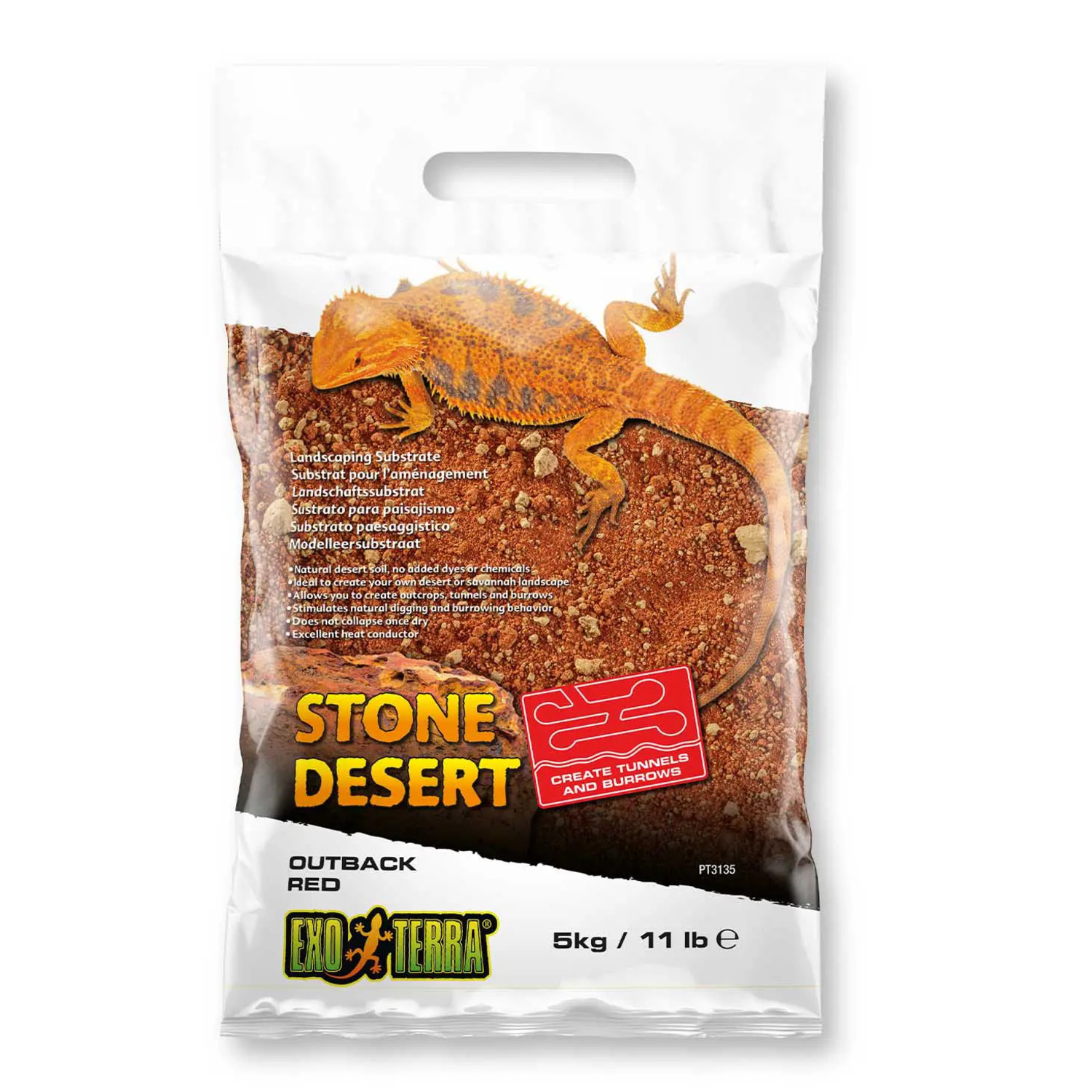
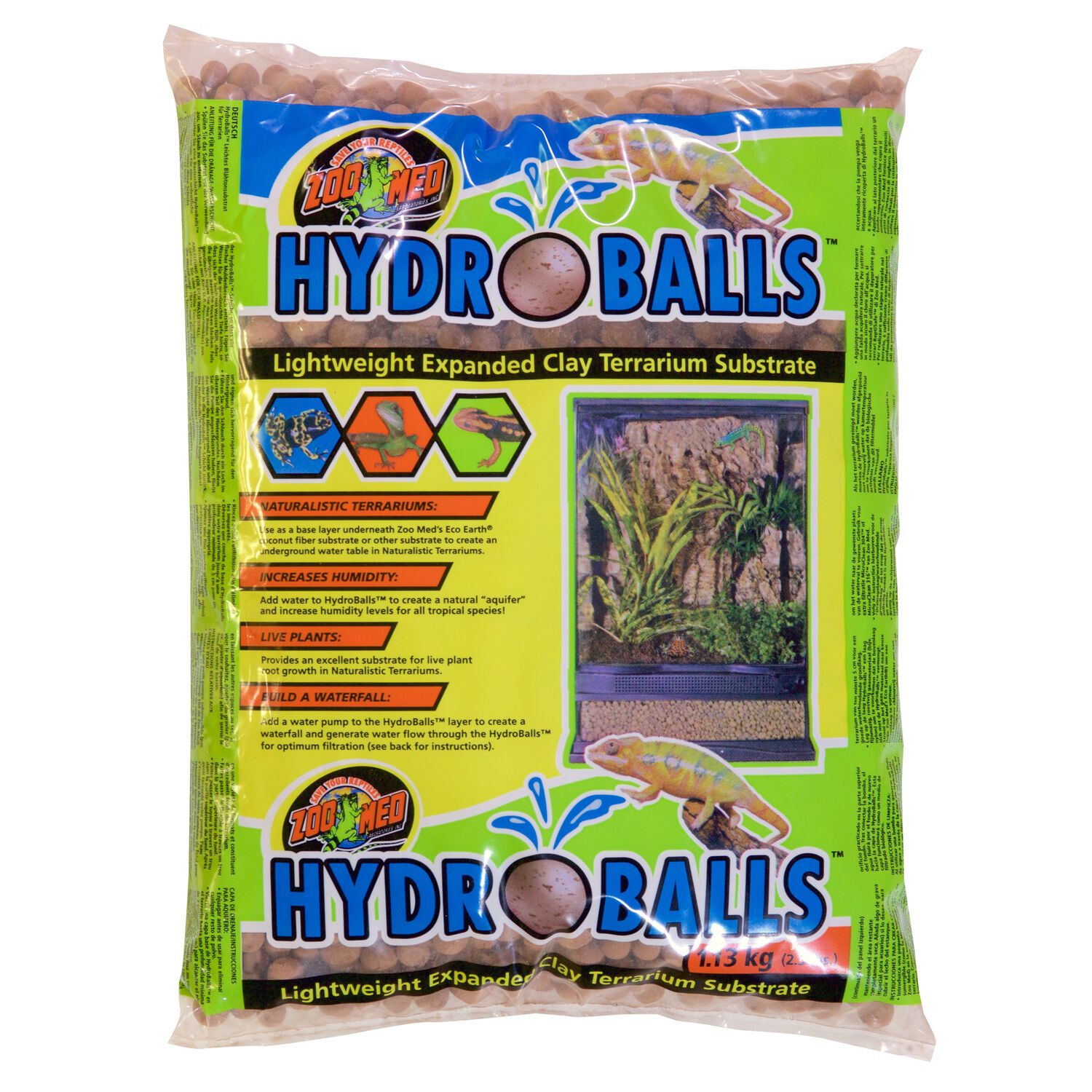
Substrate
Large shallow water bowl
Thermometer
Humidity Gauge
Water conditioner
Moss
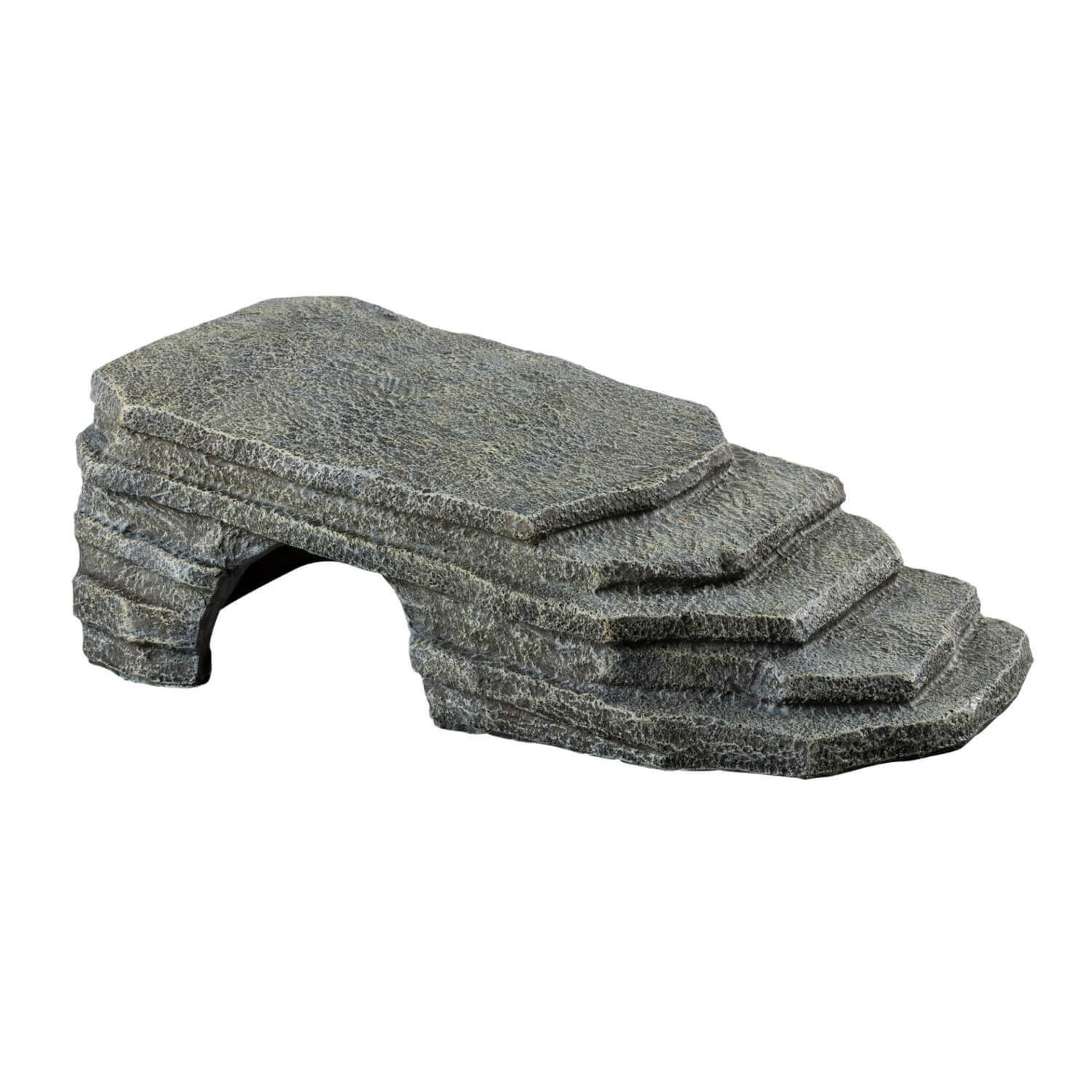
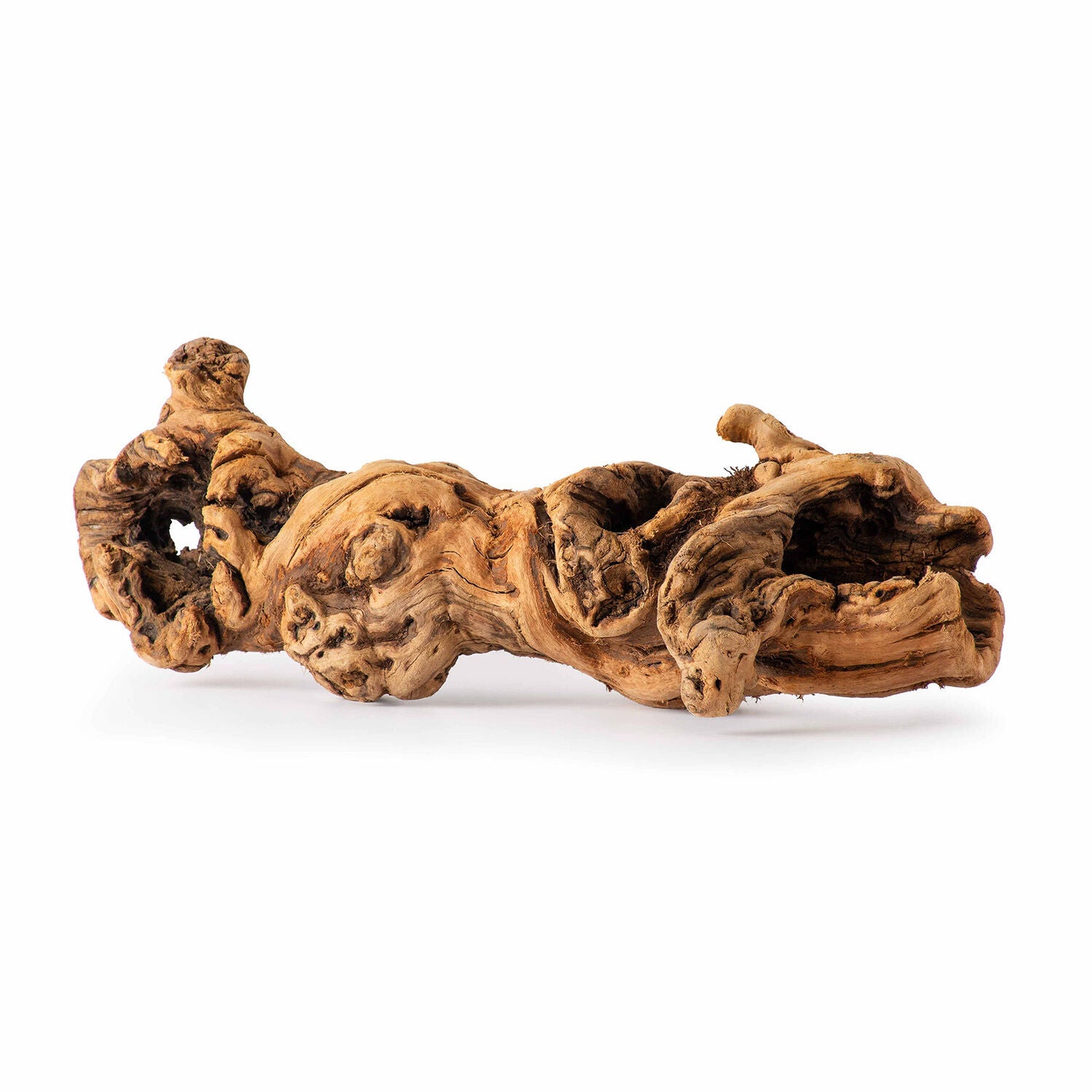
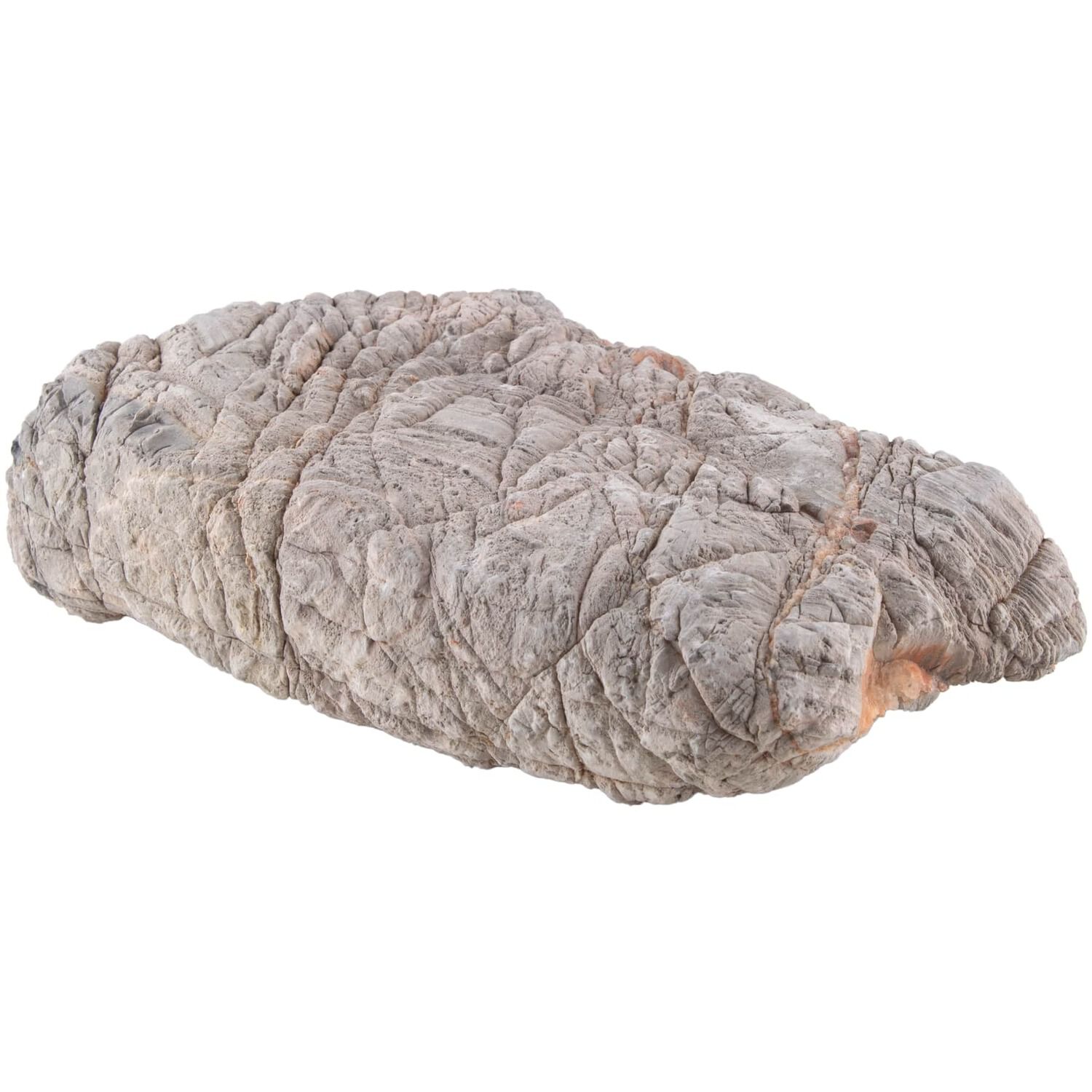
Decorations — hides, plants, climbing source
Everything your Corn Snake needs, all in one place.
Shop Corn Snake Supplies
Feeding Your Corn Snake
Food & Water
- Corn Snakes eat rodents
- Young snakes should be fed once to twice weekly. Adults can be fed every once a week.
- Frozen mice or rats are preferred as live can lead to aggression.
- Use hot water to thaw, do not microwave.
- The rodent should be at body temperature (98-99 degrees).
- When picking a rodent, it should be no larger in diameter than the girth of the snake.
- Provide clean, dechlorinated fresh water always.
Corn Snake Habitat
Caging & Environment
- Young snakes can be housed in a 20-gallon terrarium. Adults minimum of 40-gallon terrarium.
- Snakes must have a lid-they will get out! Or an enclosure with a lid.
- Large water bowl for the snake to submerge in.
- Provide two hides for the snake to snuggle up inside securely.
- Snake bedding can be aspen, recycled newspaper, artificial turf, and reptile bark.
- Pre-moistened moss is suggested for one hide to create humidity which will support the snake when shedding. Humidity should be around 50-60%.
Lighting and Temperature
- Reptiles are cold blooded. They will need to absorb heat from their environment.
- Use 75W basking light with fixture or a light that will provide a basking temperature of 85°-88°. The cooler side of the cage should be 75°-80°.
- Place a thermometer at both sides of the cage to monitor.
- Snakes do not require UVB however in captivity there are great benefits and will bring out the colors in the Corn Snake.
Handling Your Corn Snake
Behavior & Handling
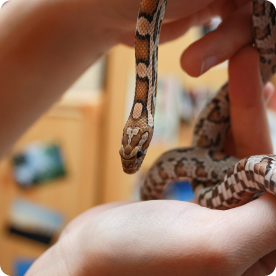
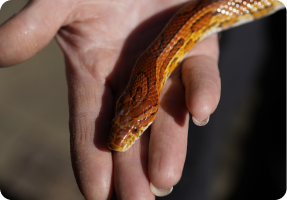
- Corn snakes are the most popular pet snake in the world.
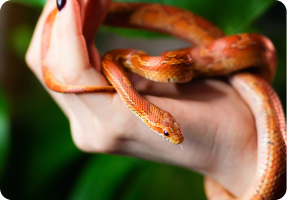
- They are a little squirmier than the ball pythons, but they are just as friendly.
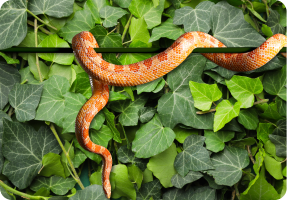
- Growing to lengths up to 4 feet, corn snakes come in a wide variety of color morphs and locales (patterns/colors that are specific to a certain geographic area).
- They get their name from their belly scales that are colored, similar to Indian Corn (maize).
- The corn snake is quite affordable and makes a great pet for beginners.
- Some hobbyists will refer to the corn snake as a red rat snake.
- It is recommended to house snakes individually, but if not, they need to be separated for feeding.
- Important: do not handle snakes immediately after feeding. It is best to give them 24-48 hours to completely digest their meal before handling.
163 Results
163 Results
No products found for selected filters. Please try with different filters.
Showing 0 of 0