Tortoises Care Guide
Get to Know Your Tortoise
Basic Information
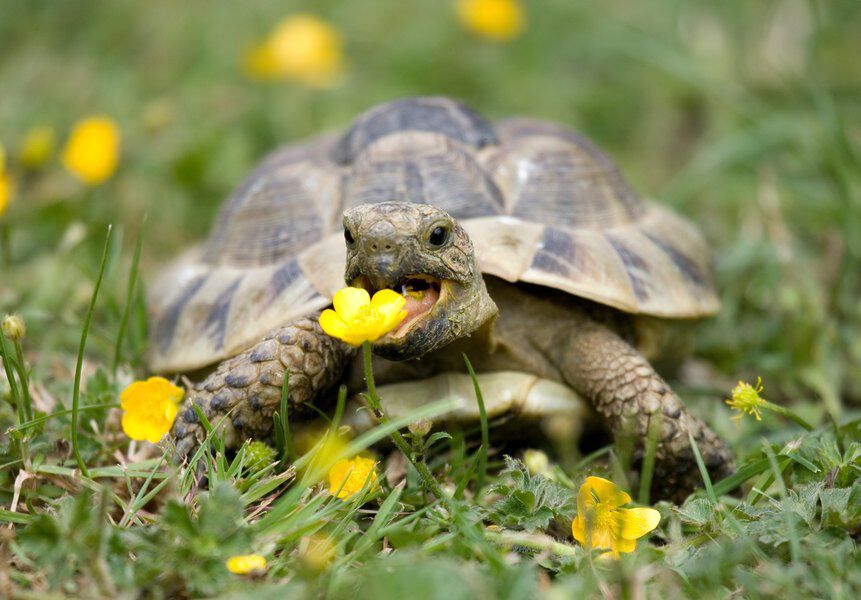
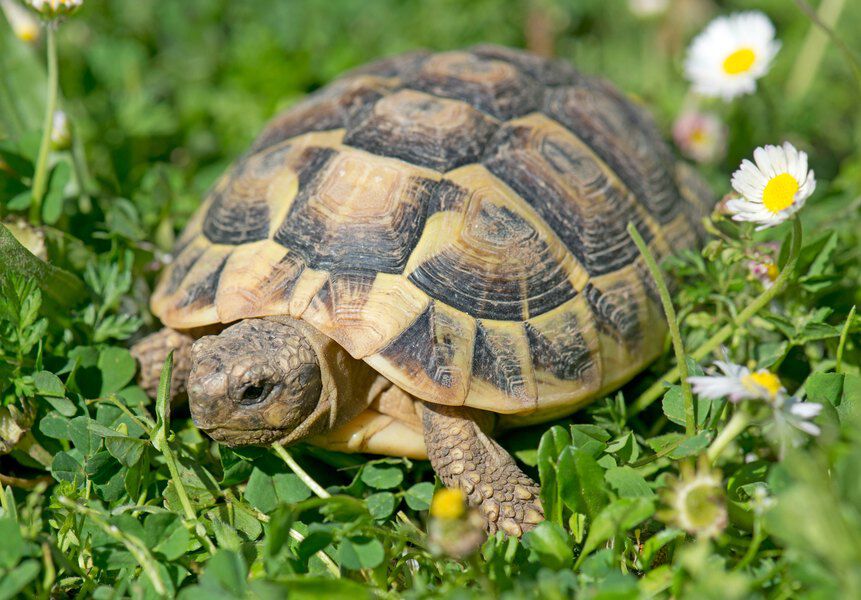
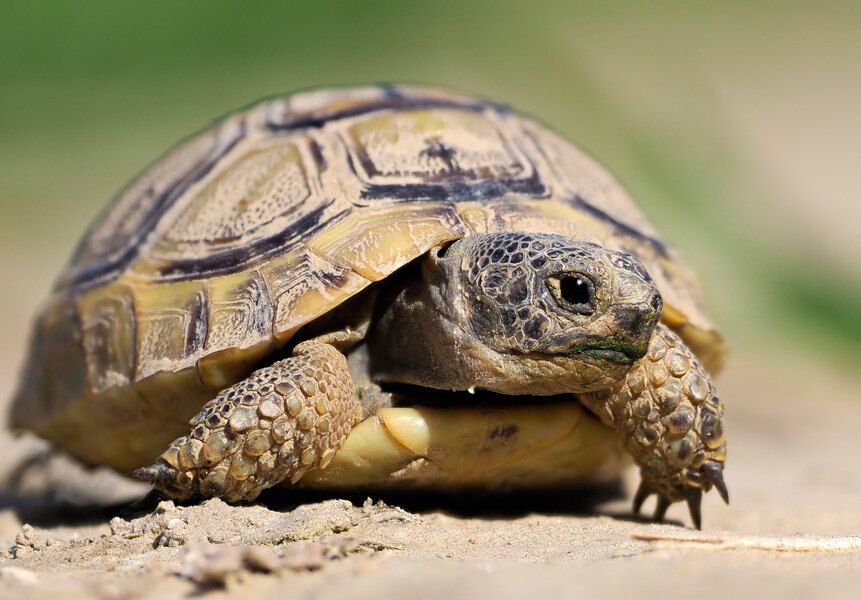
Includes common species such as Russian, Hermann’s and Spur Thigh Tortoises
Common Names
Tortoise
Scientific Name
Varies by species (e.g. Testudo horsfieldii, Testudo hermanni, Testudo graeca)
Adult Size
Russian: 6 - 10 inches, Hermann’s: 6 - 8 inches, Spur Thigh: 8 - 12 inches (varies by species)
Life span
40 - 80+ years (with proper care)
Temperament
Generally calm and docile, but can be shy at first
Checklist for Your Tortoise
Essential Items
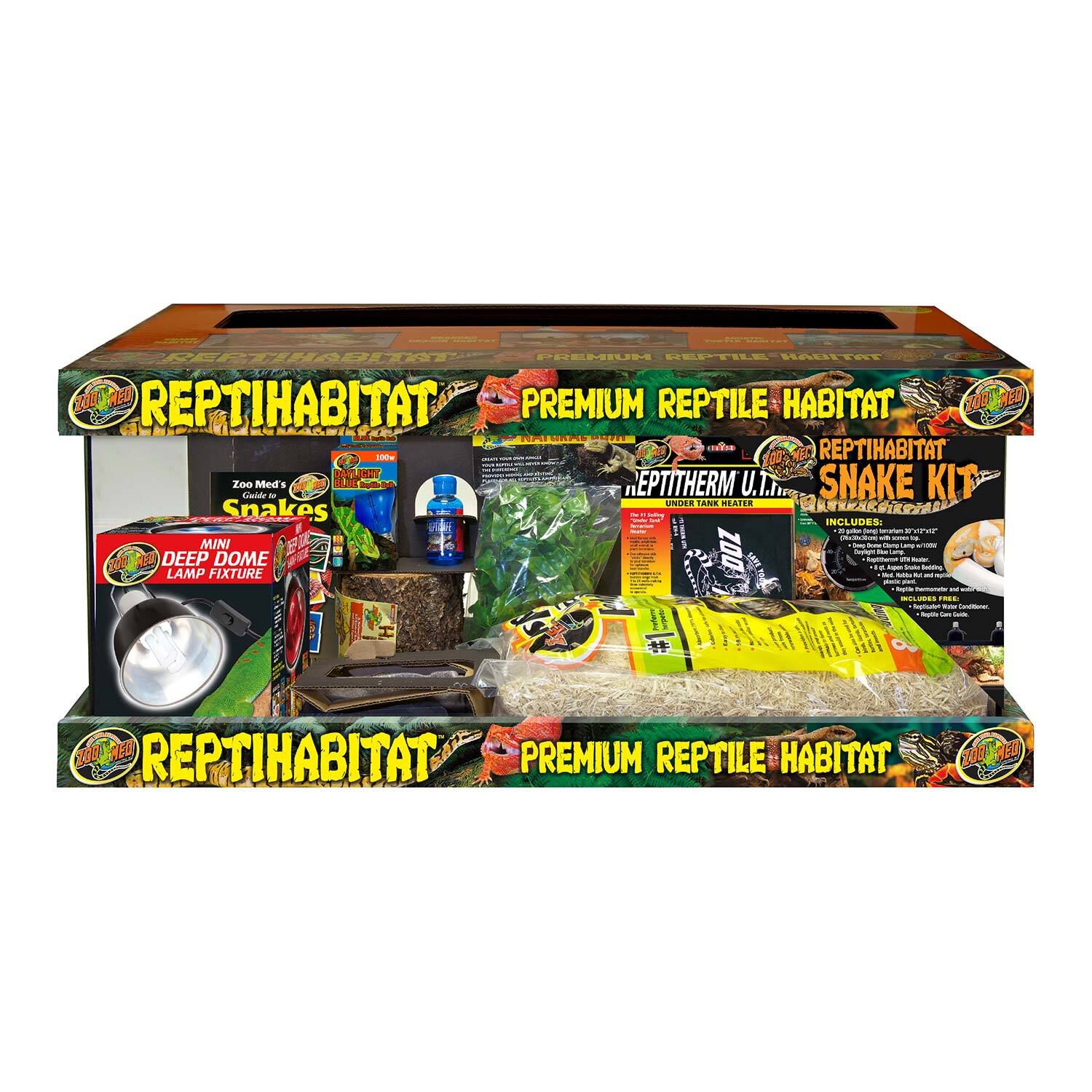
Spacious enclosure (indoor or outdoor)
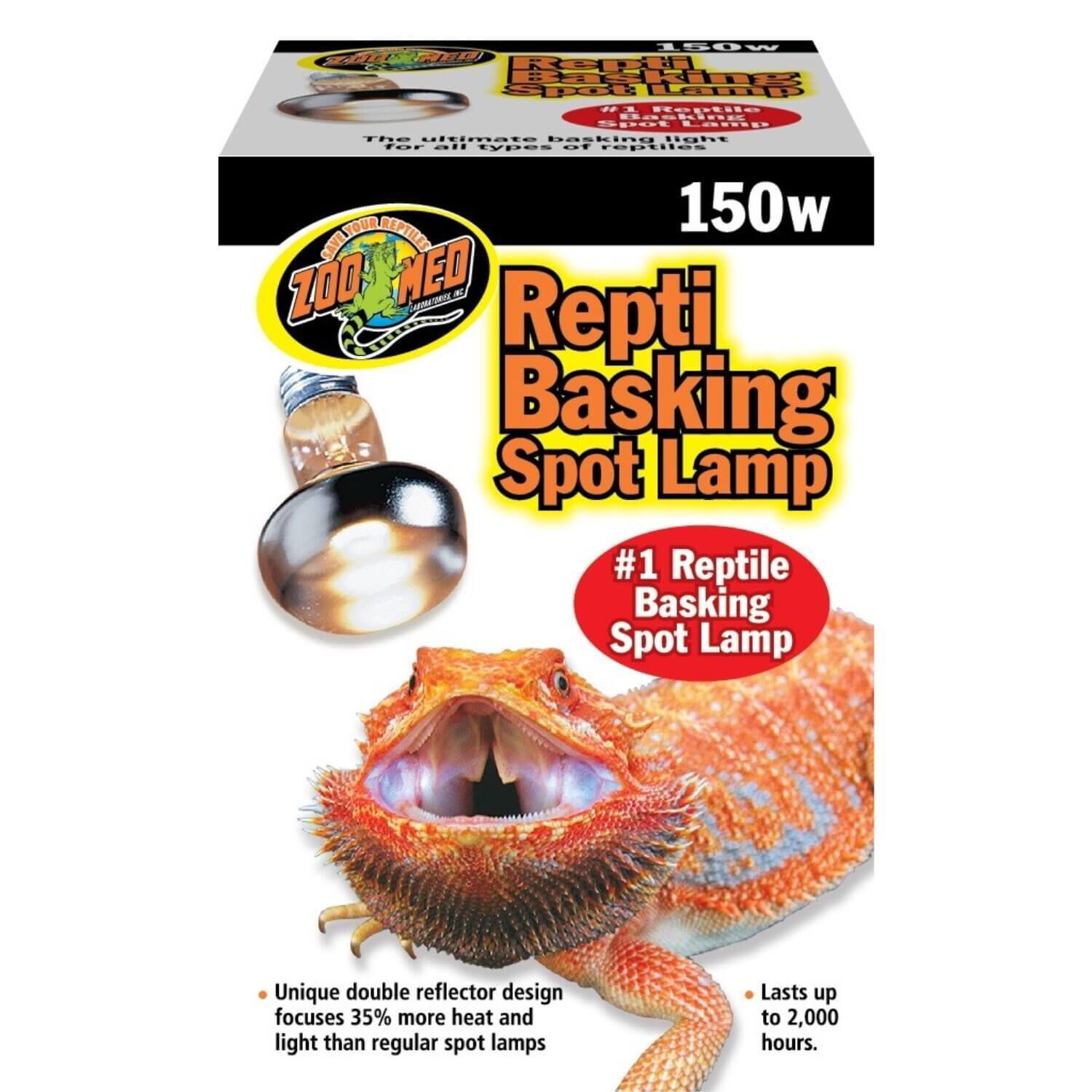
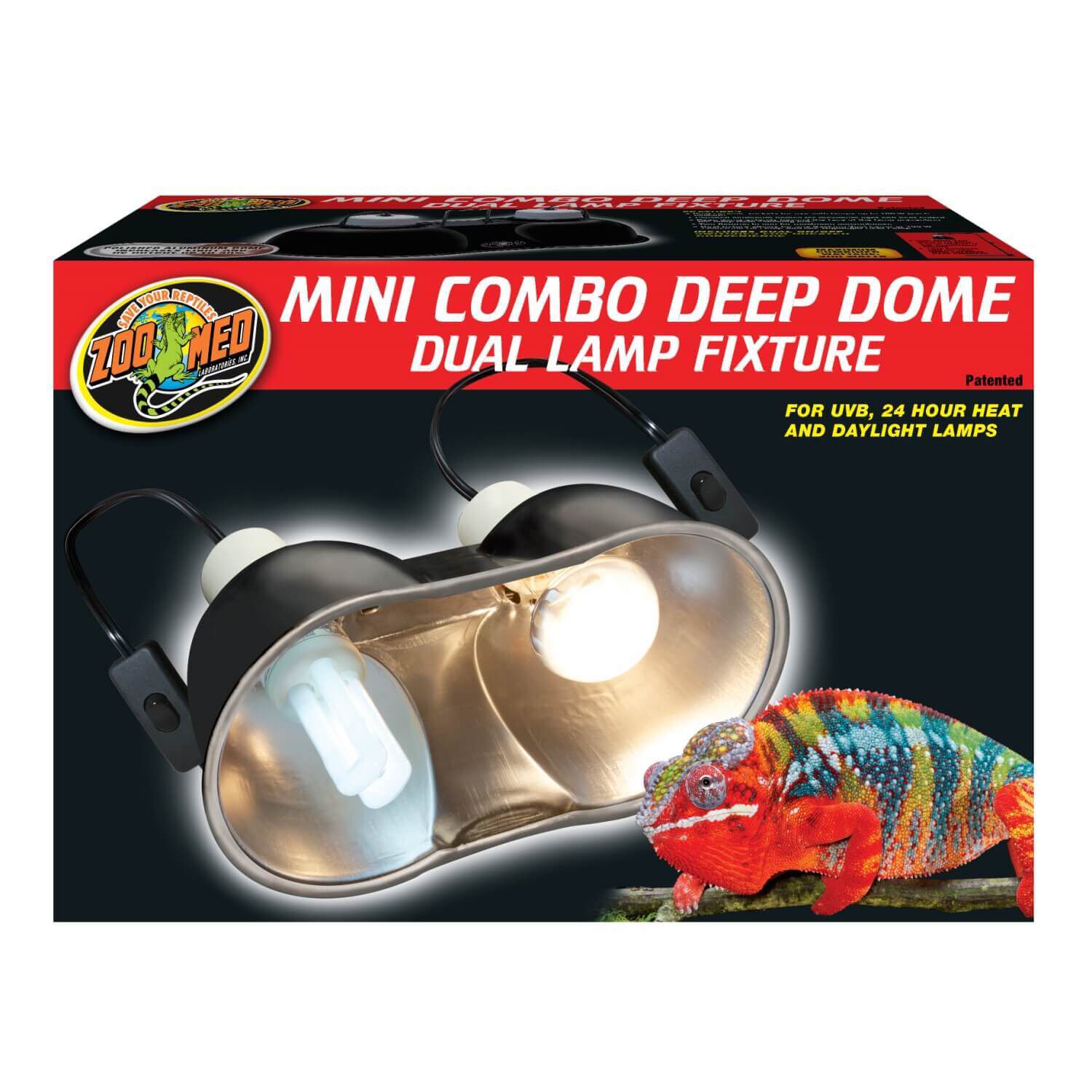
Heat source (basking lamp or heat emitter)
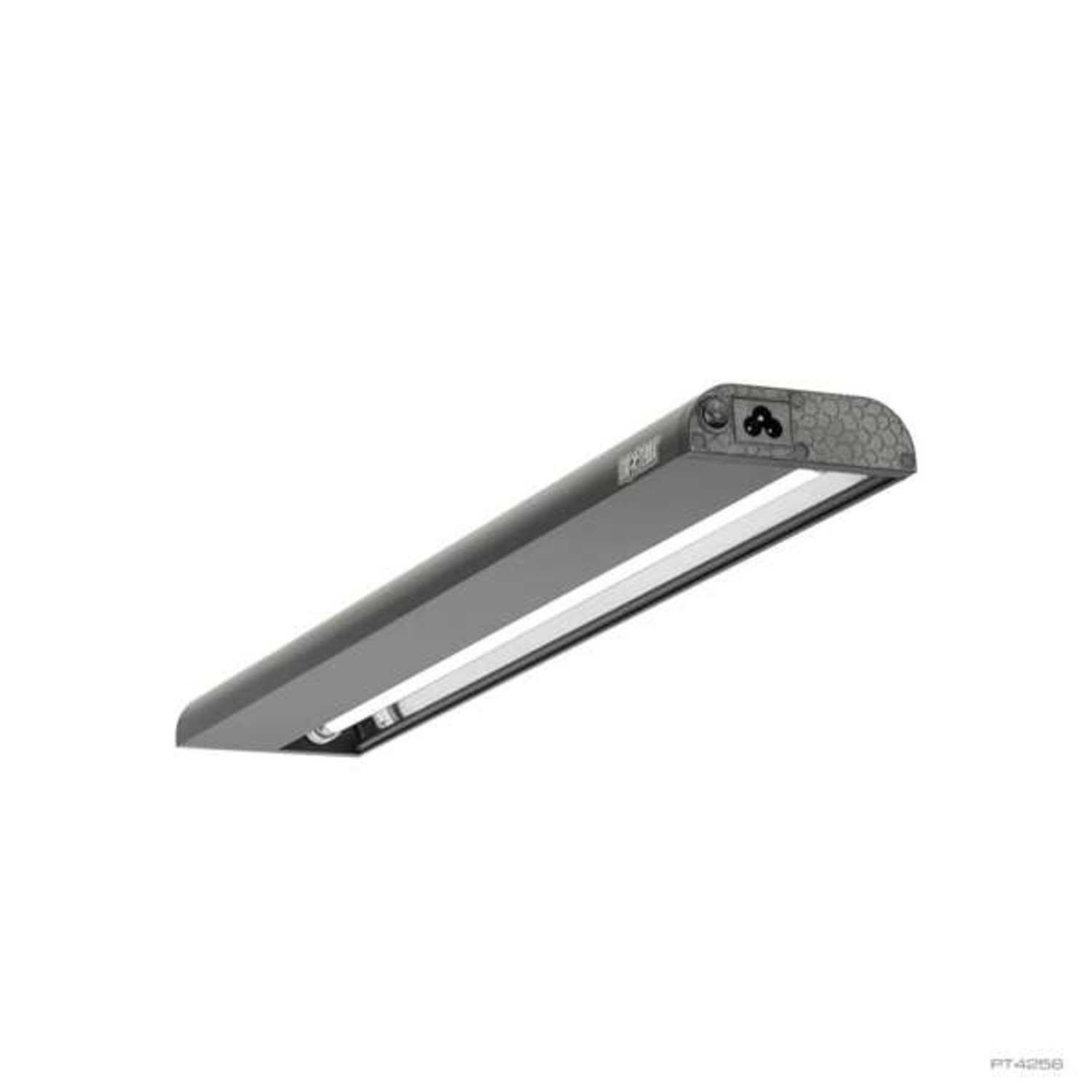
UVB lighting (T5 10.0 or 12%)
Thermometer (warm & cool side)
Hygrometer
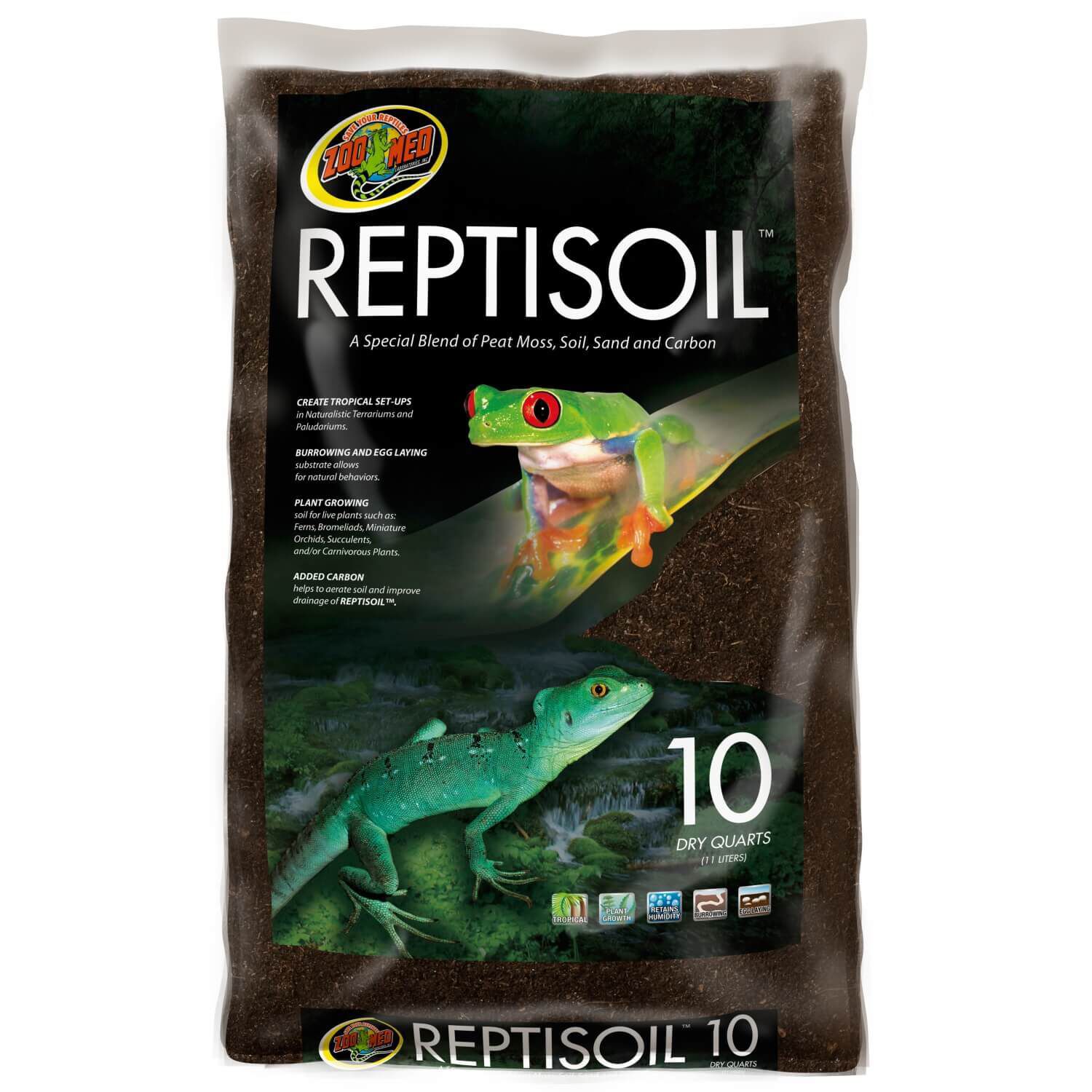
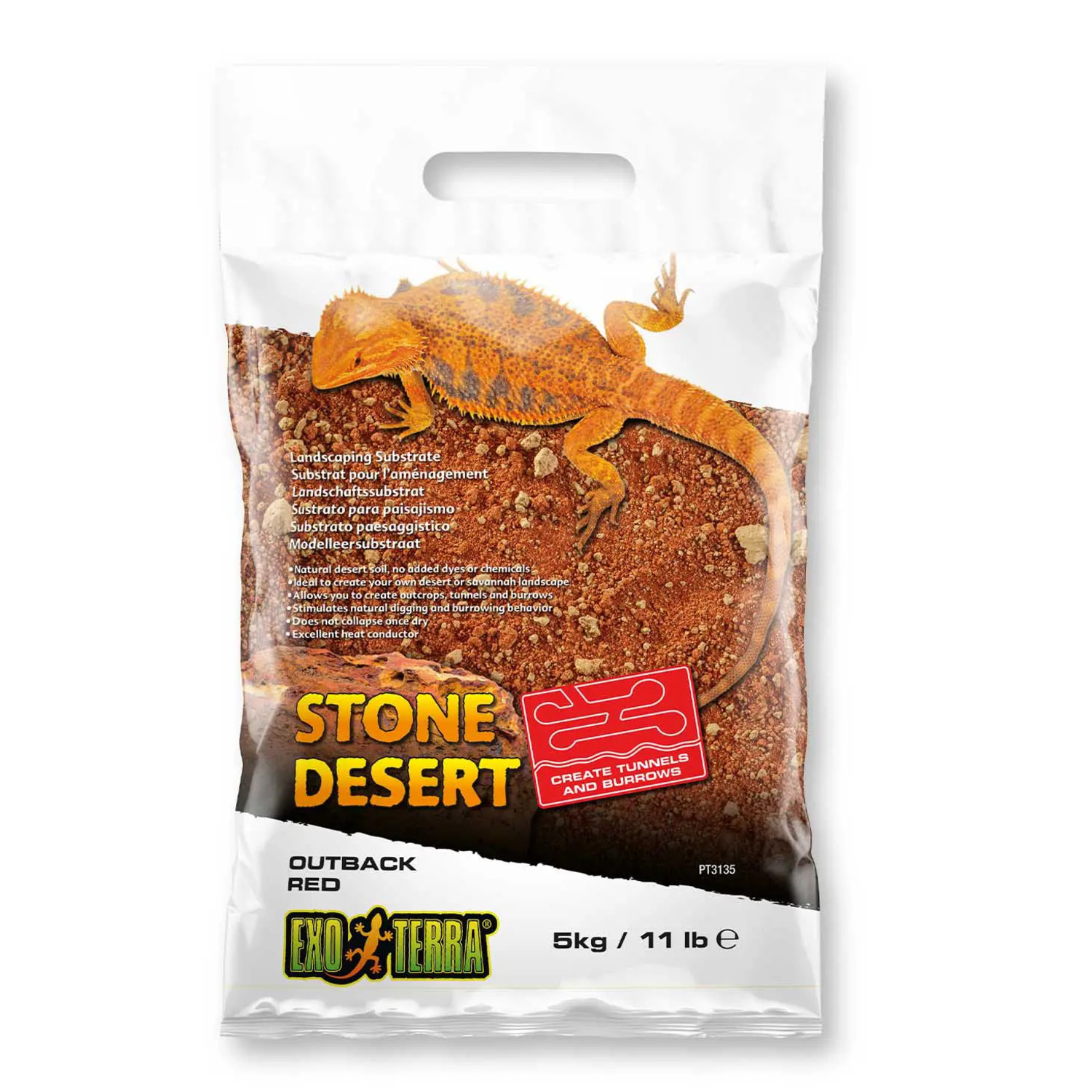
Substrate (soil, cypress mulch, or organic topsoil - no pesticides)
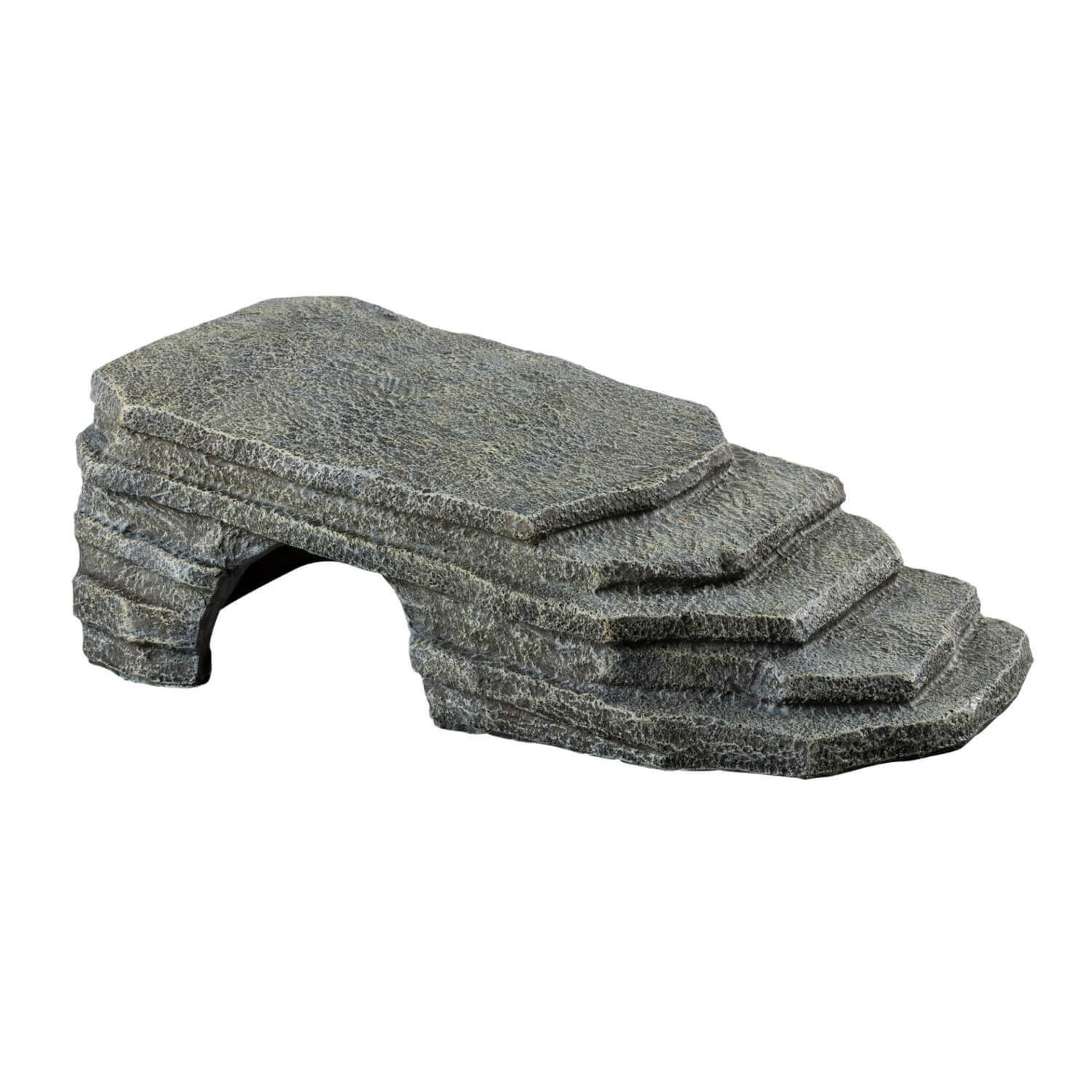
Hides (shelter from sun and heat)
Water dish (shallow, sturdy)
Food dish
Variety of greens, vegetables and weeds
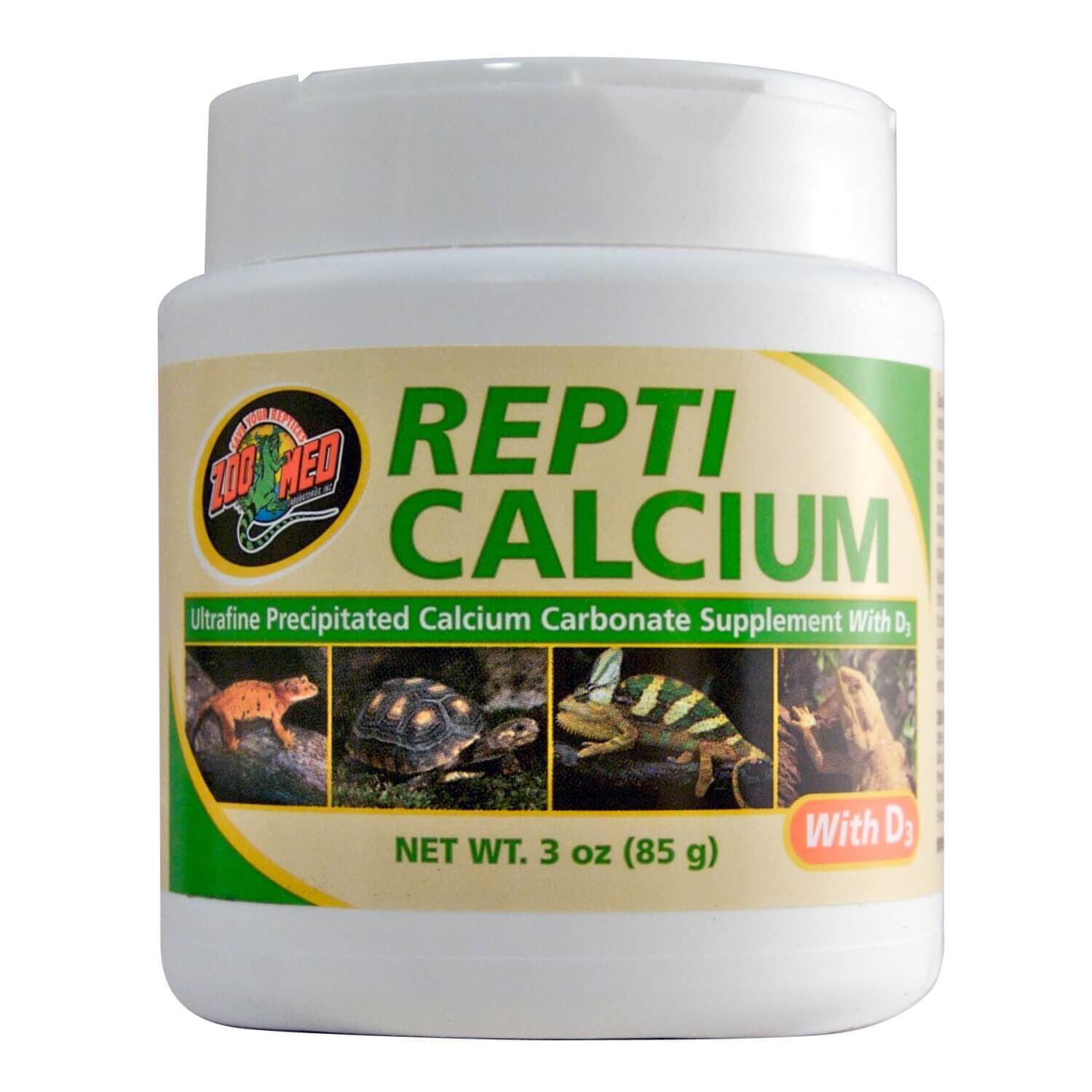
Calcium supplement (with or without D3 - depending on UVB)
Multivitamin supplement
Outdoor enclosure supplies (if kept outdoors)
Everything your Tortoise needs, all in one place.
Shop Tortoise Supplies
Feeding Your Tortoise
Diet
- Primarily herbivores – feed a variety of leafy greens, vegetables and weeds.
- Offer dark, leafy greens daily (collard greens, dandelion greens, endive, escarole, mustard greens, turnip greens).
- Provide additional vegetables such as squash, bell pepper, carrot tops and green beans.
- Offer edible flowers and grasses when available (hibiscus, nasturtium, clover).
- Limit high-sugar or high-protein foods (fruits, pellets, lettuce, dog/cat food).
- Provide a cuttlebone or calcium supplement at all times.
- Fresh, clean water should always be available in a shallow dish and changed daily.
Tortoise Habitat
Caging & Environment
Housing & Environment
- Tortoises can be kept indoors or outdoors, but require a large, secure enclosure.
- Recommended minimum size (indoors):
- Russian Tortoise: 4’ x 2’ (minimum)
- Hermann’s Tortoise: 4’ x 2’ (minimum)
- Spur Thigh Tortoise: 6’ x 3’ (minimum)
- (Larger is always better)
- Outdoor enclosures should be predator-proof with a solid or buried barrier, as tortoises are excellent diggers.
- Use a natural substrate such as soil, cypress mulch or organic topsoil (no pesticides or fertilizers).
- Provide hides and shaded areas for protection and security.
- Offer an open area for exploring and climbing over natural terrain, rocks and logs.
- Indoor enclosures should replicate natural conditions with proper heat, UVB and a day/night cycle.
Temperature & Lighting
- Basking temperature: 90 - 100°F (32 - 38°C)
- Ambient daytime temperature: 75 - 85°F (24 - 29°C)
- Nighttime temperature: 65 - 75°F (18 - 24°C)
- Provide UVB lighting (T5 10.0 or 12%) for 10 - 12 hours daily. Replace bulbs every 10 - 12 months.
- Use a basking lamp or ceramic heat emitter to create a proper basking spot.
- If kept outdoors, provide both sunny and shaded areas to allow thermoregulation.
Substrate & Décor
- Use a natural, safe substrate such as organic topsoil, cypress mulch or a mix of both.
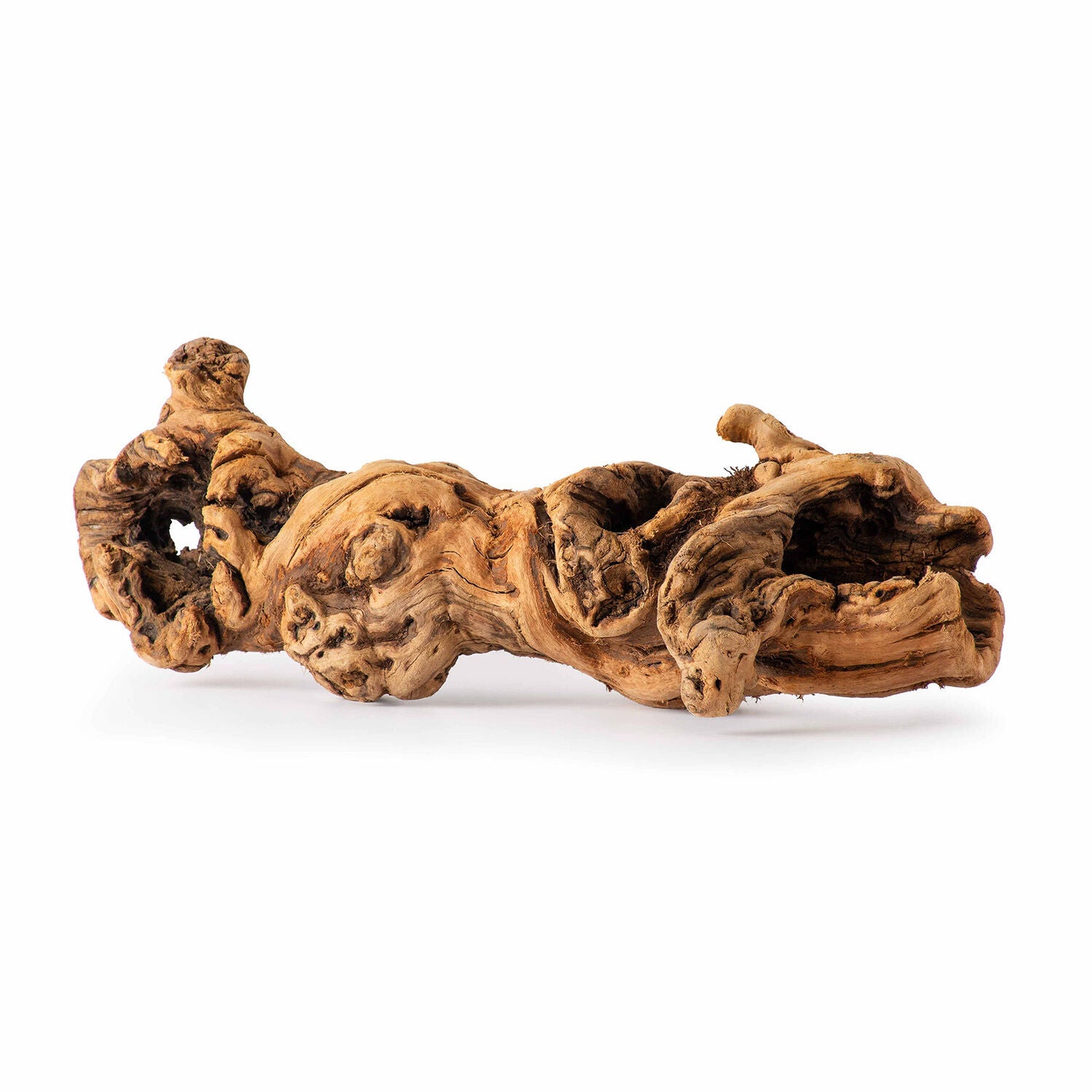
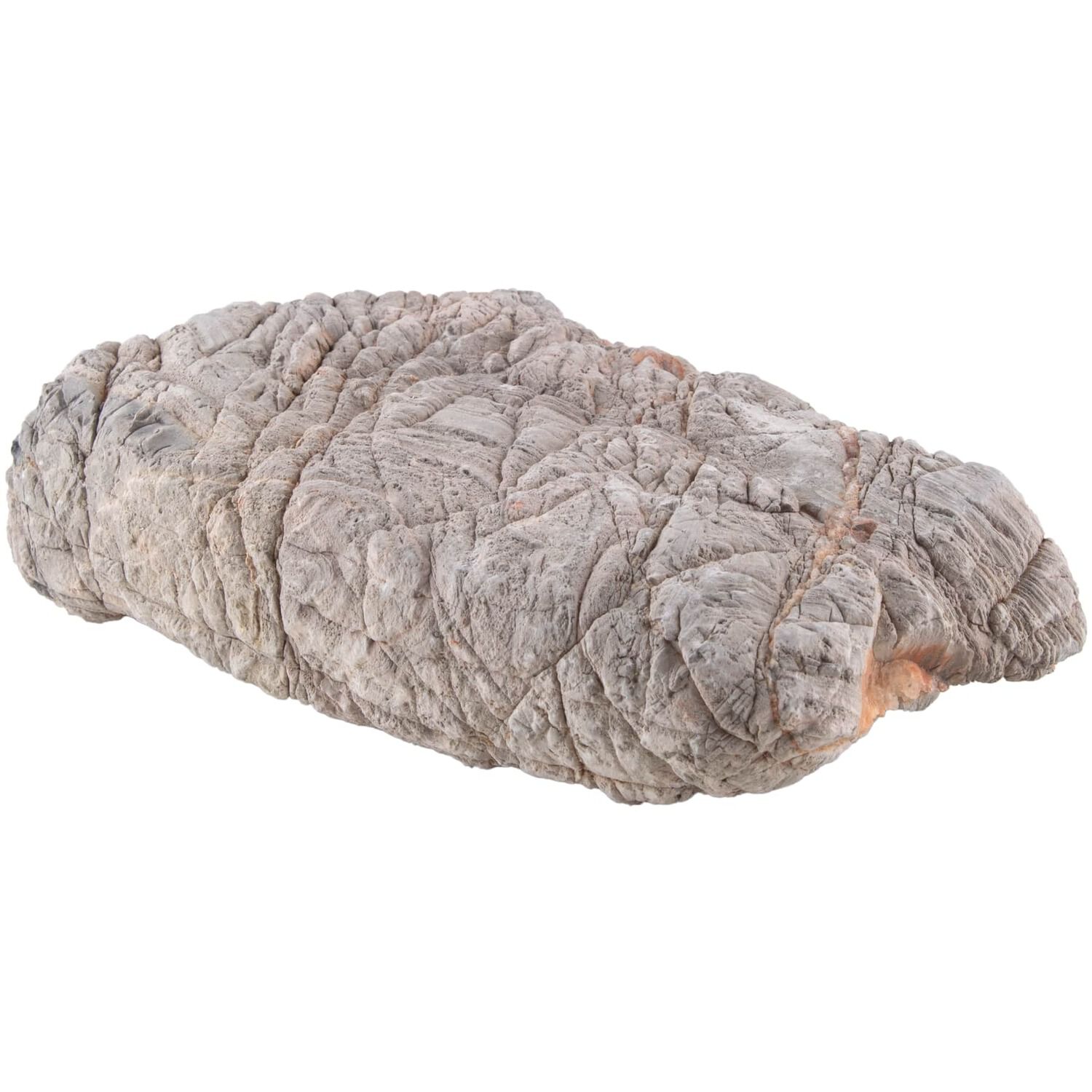
- Provide rocks, logs, plants and gentle slopes for enrichment and climbing.
- Keep décor sturdy and avoid items that could tip over.
- Allow for a natural, varied terrain to encourage exercise and natural behavior.
Humidity & Hydration
- Humidity: 40 - 60% (varies by species)
- Maintain proper hydration with a shallow water dish. Some species may soak occasionally, but do not require deep water.
- Misting is usually not necessary, but can help with shedding or in very dry climates.
Handling Your Tortoise
Behavior & Handling
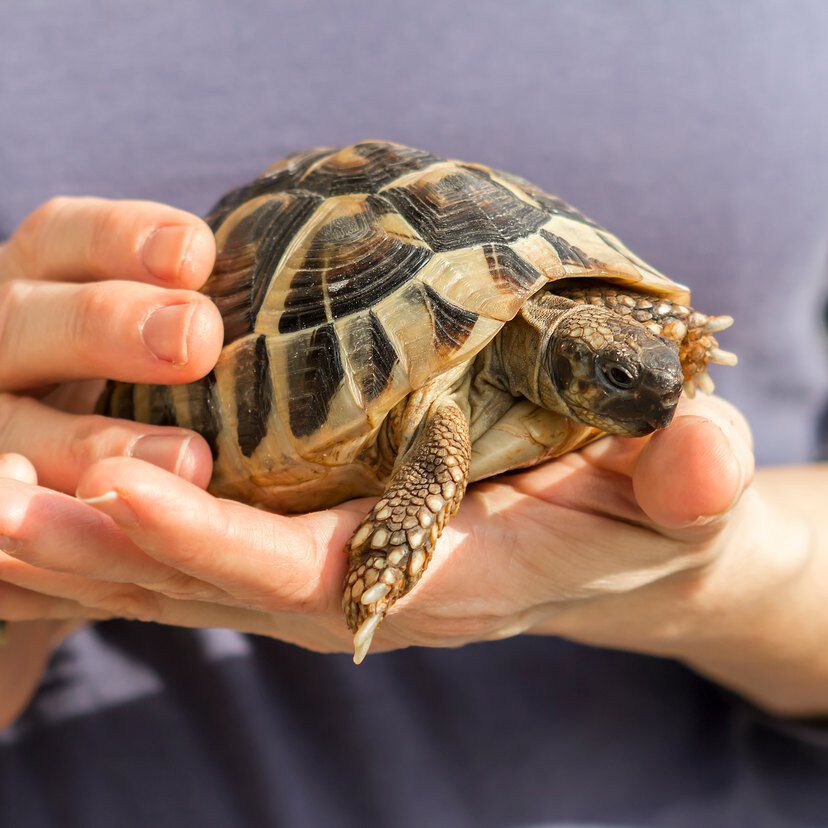
- Generally calm and docile, but can be shy at first.
- Allow the tortoise to become comfortable with you before handling.
- Always support the entire body when picking up a tortoise.
- Handle only when necessary, as frequent handling can cause stress.
- Provide plenty of space to roam and explore.
Common Health Problems
Tortoise Health and Well-being
Health & Safety
- Keep the enclosure clean and dry to prevent respiratory and shell issues.
- Monitor for signs of illness, such as lack of appetite, runny nose, wheezing or soft shell.
- Provide proper UVB and calcium to prevent Metabolic Bone Disease (MBD).
- Avoid keeping different species together.
- Always wash your hands before and after handling.
163 Results
163 Results
No products found for selected filters. Please try with different filters.
Showing 0 of 0