Hermit Crabs Care Guide
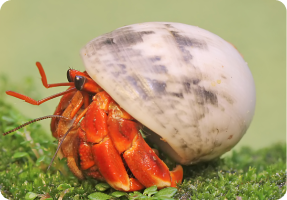
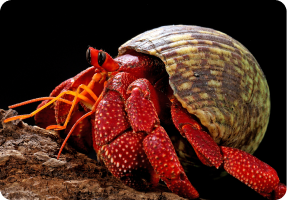
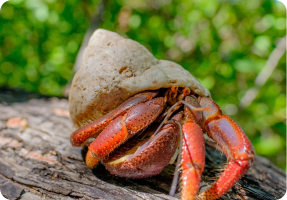
Get to Know Your Hermit Crab
Basic Information
Common Name
Hermit Crab
Scientific Name
Coenobita spp
Distribution
Throughout Central and Northern South American, Caribbean and surrounding Islands
Size
2-6”
Life span
10+ Years
Checklist for Your Hermit Crab
Essential Items
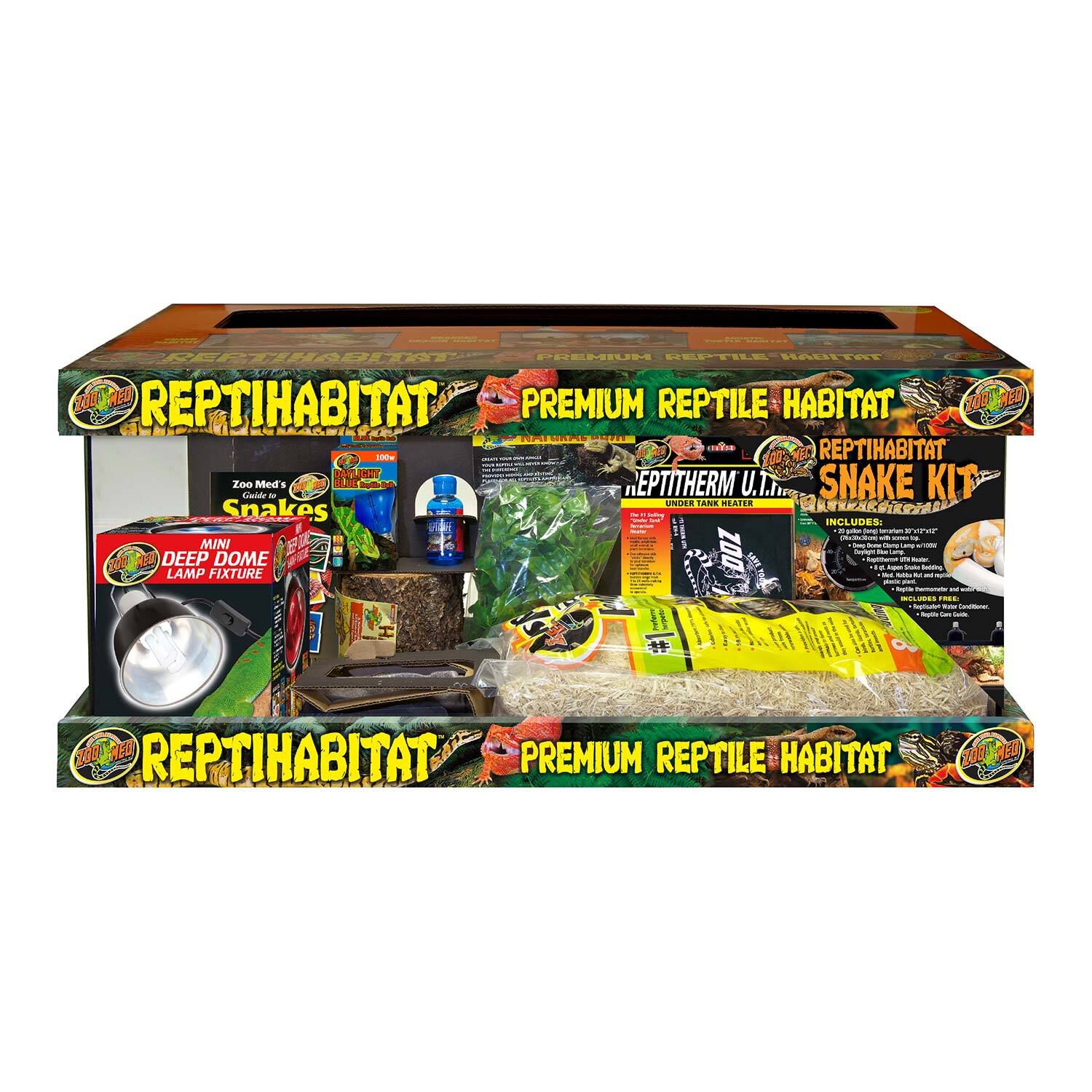
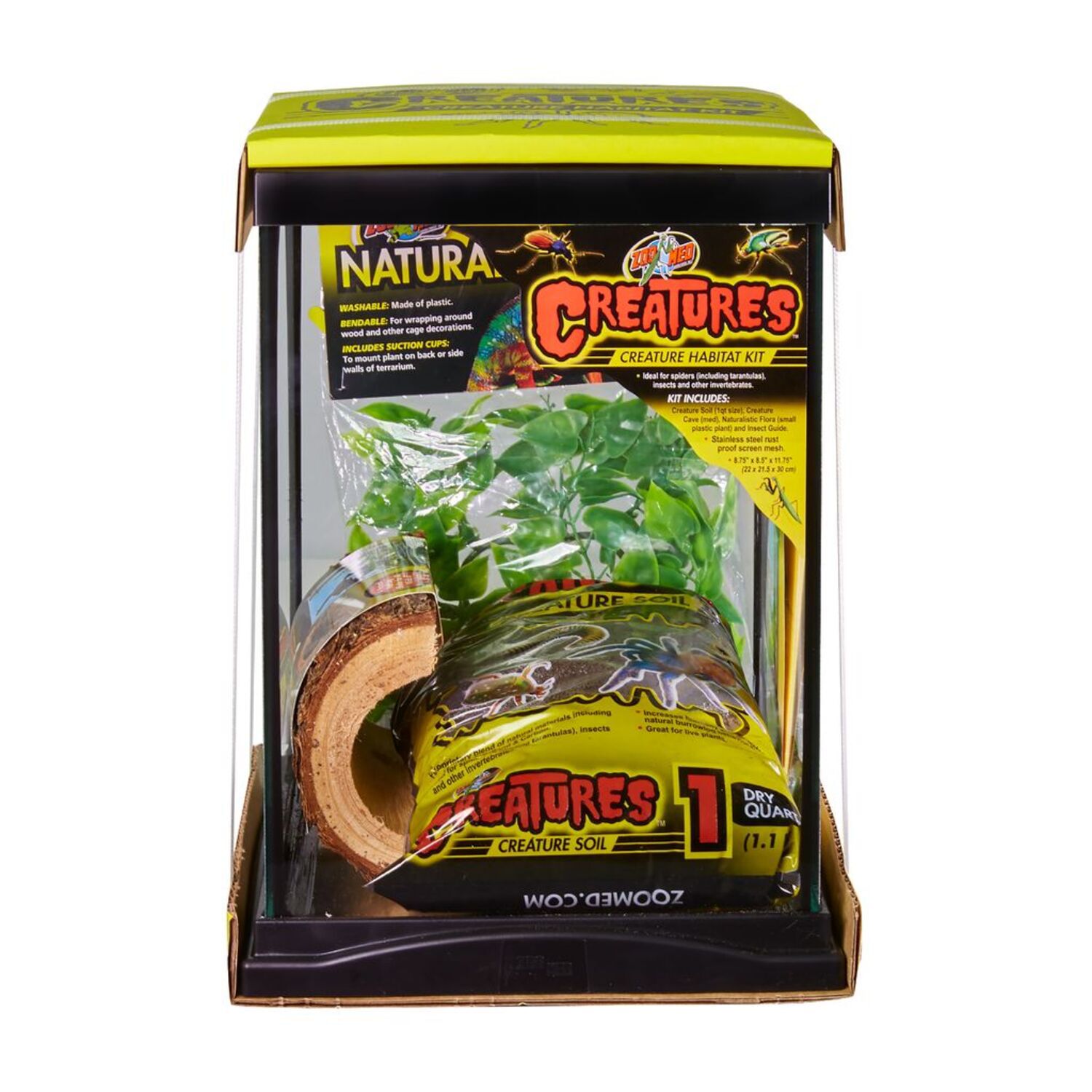
Habitat or Tank with screen cover
Food & Treats
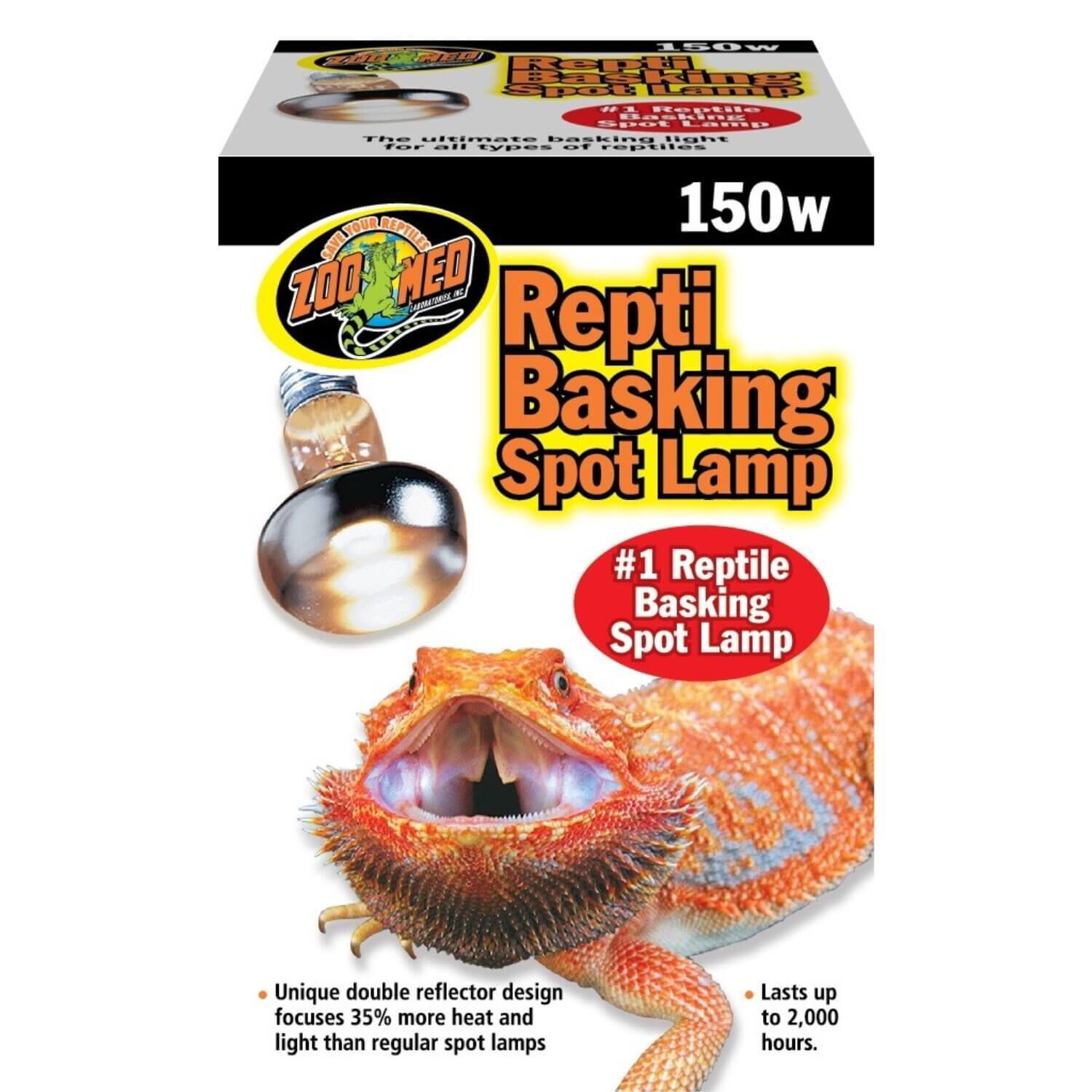
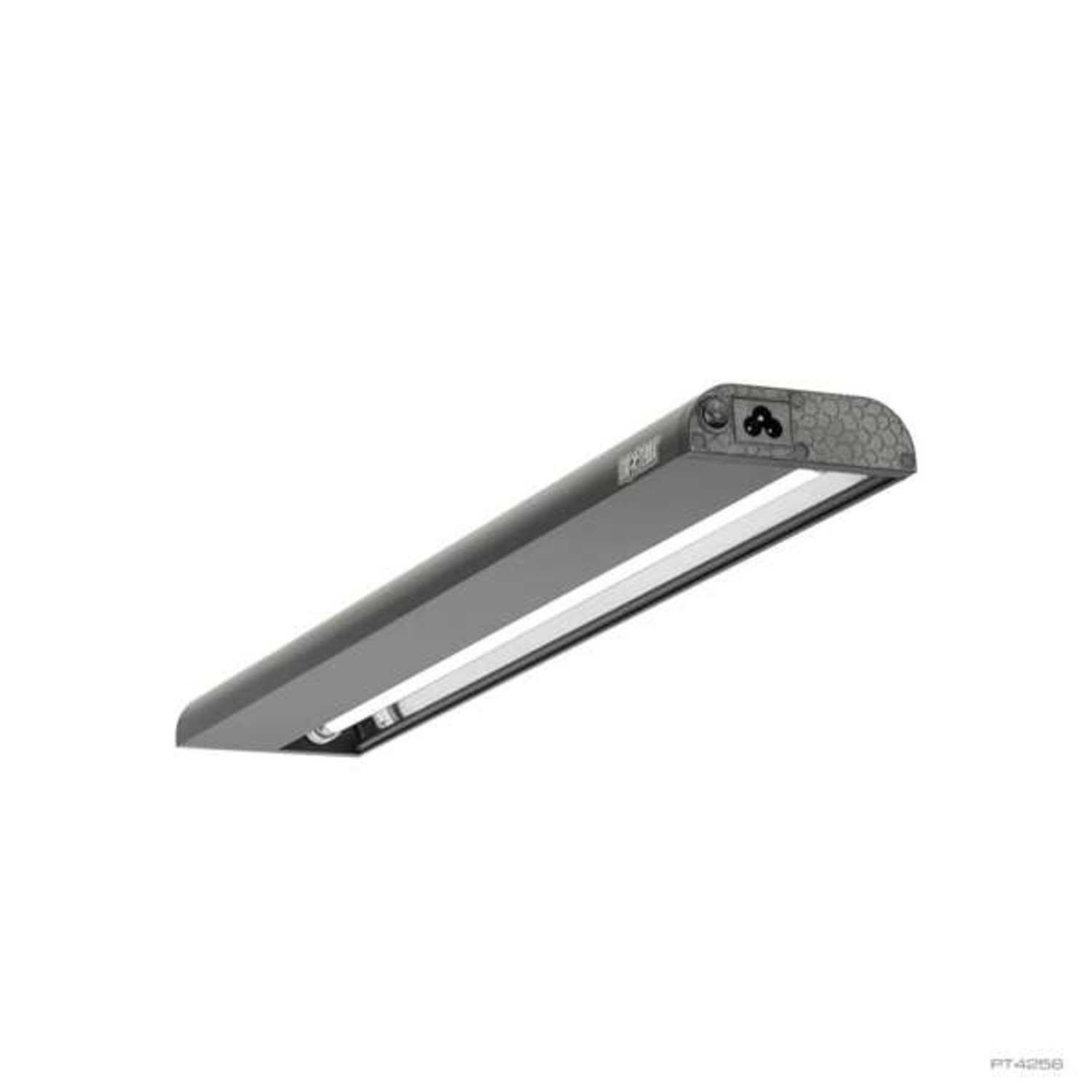
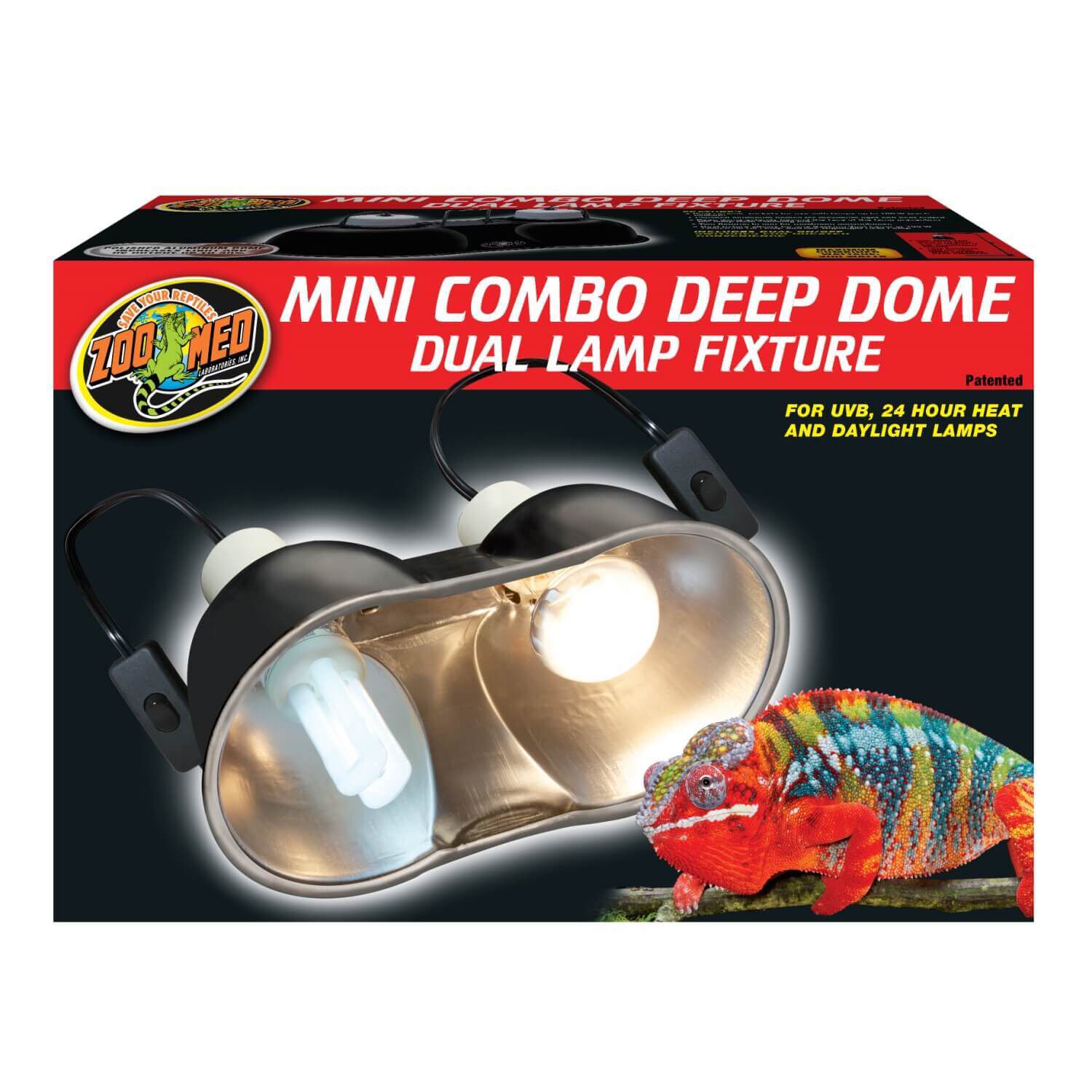
Low wattage lighting
Nighttime bulb
Additional shells
Additional friends
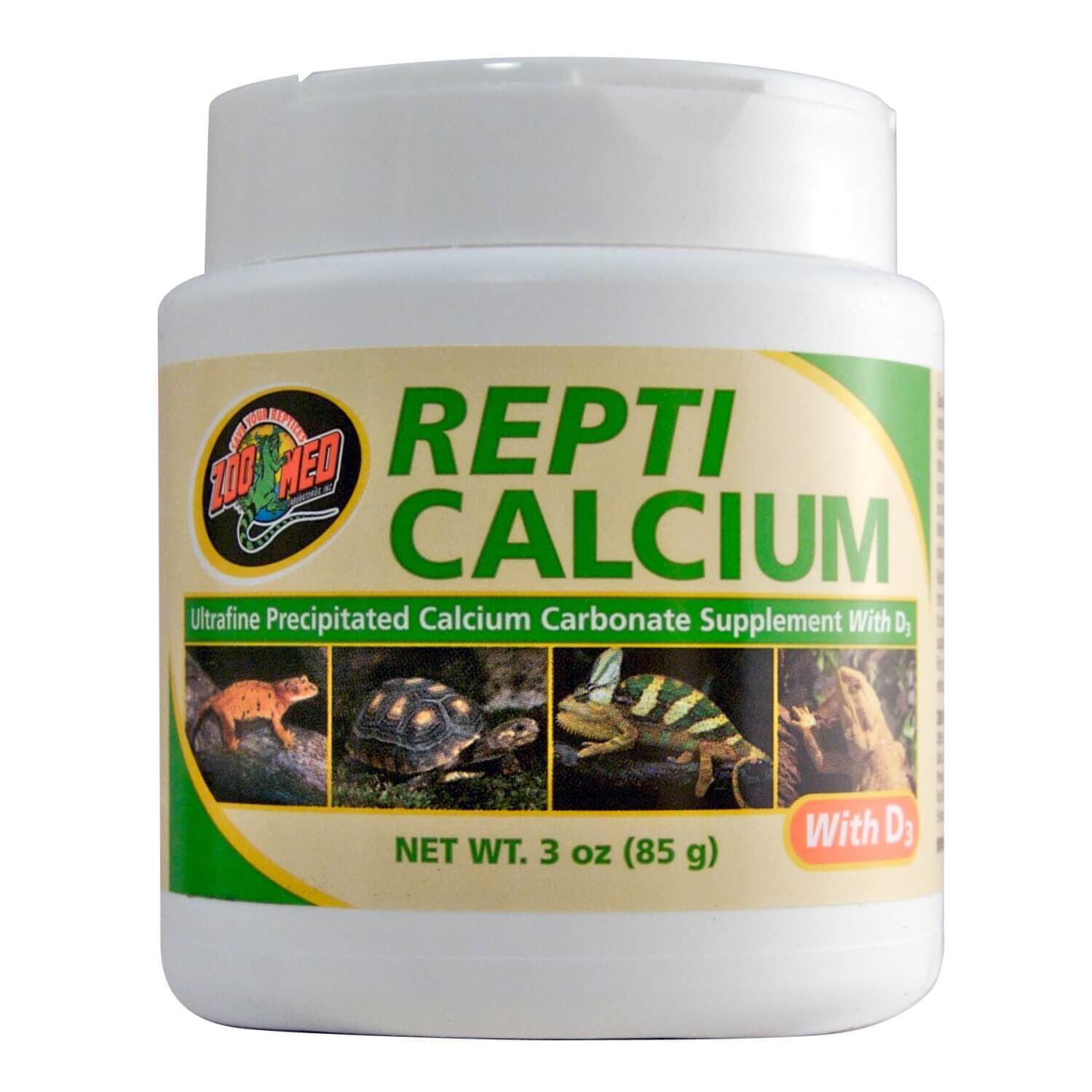
Cuttlebone or Mineral Block
Salt
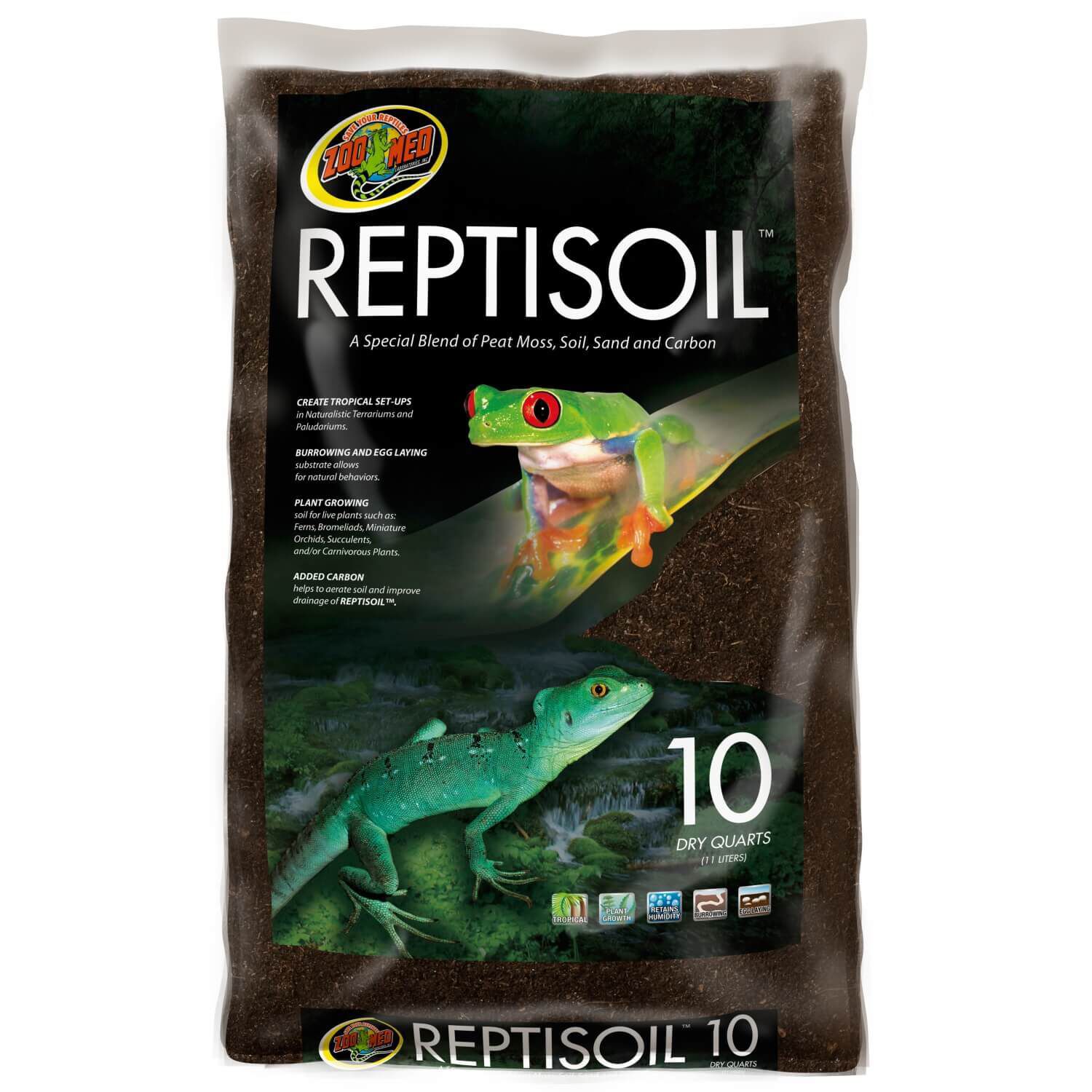
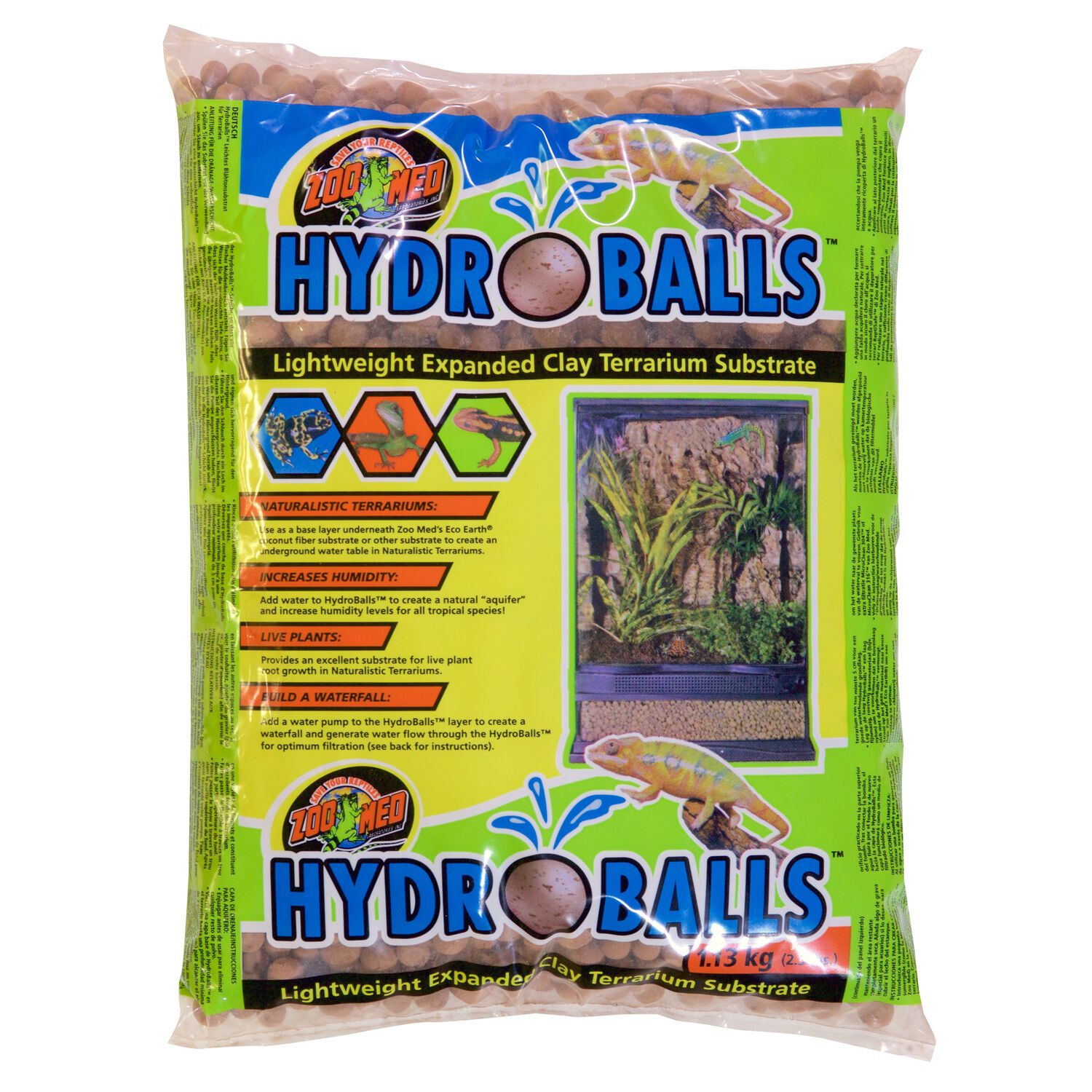
Substrate/Bedding
Moss
Shallow food and water bowl
Water Conditioner
Mister
Thermometer
Hygrometer
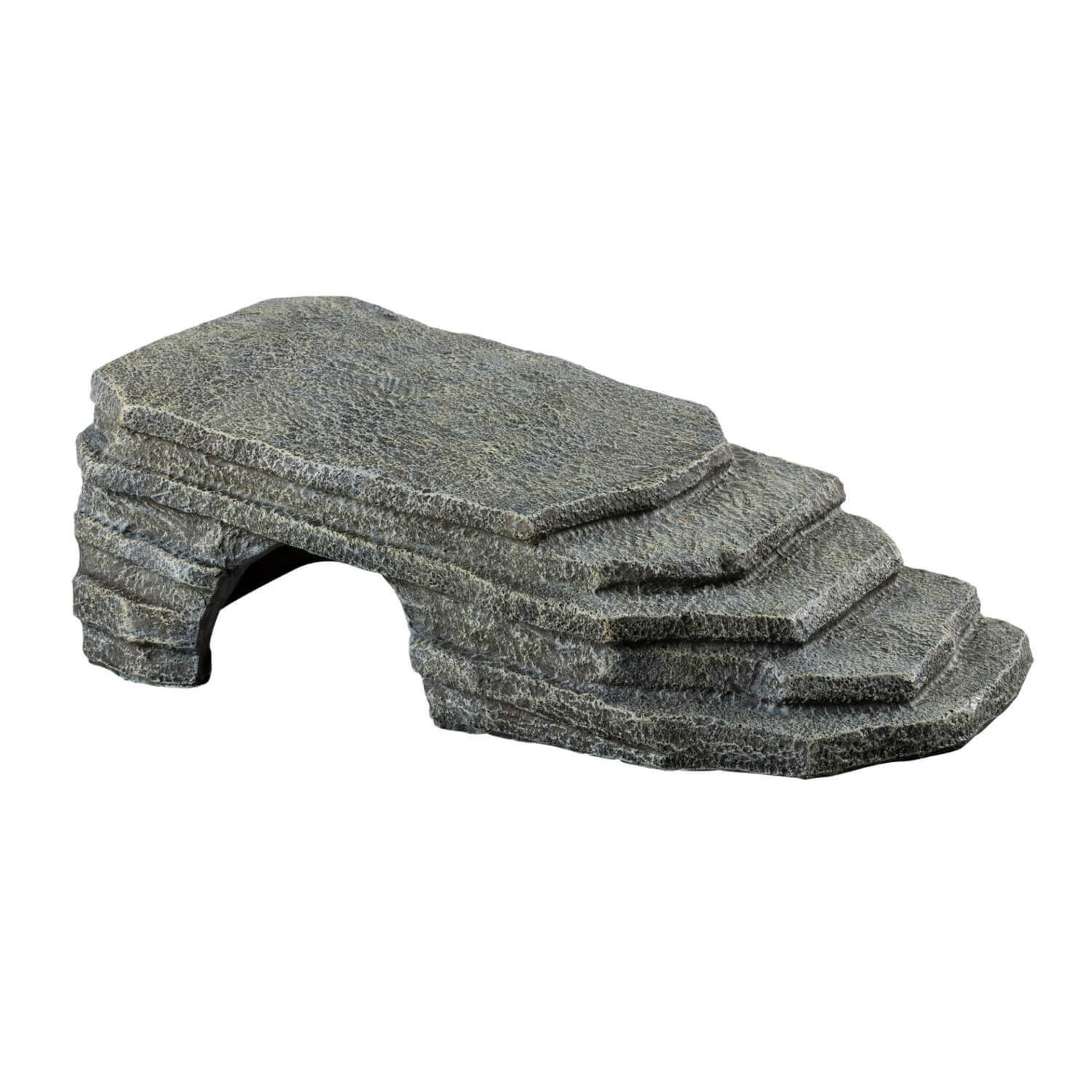
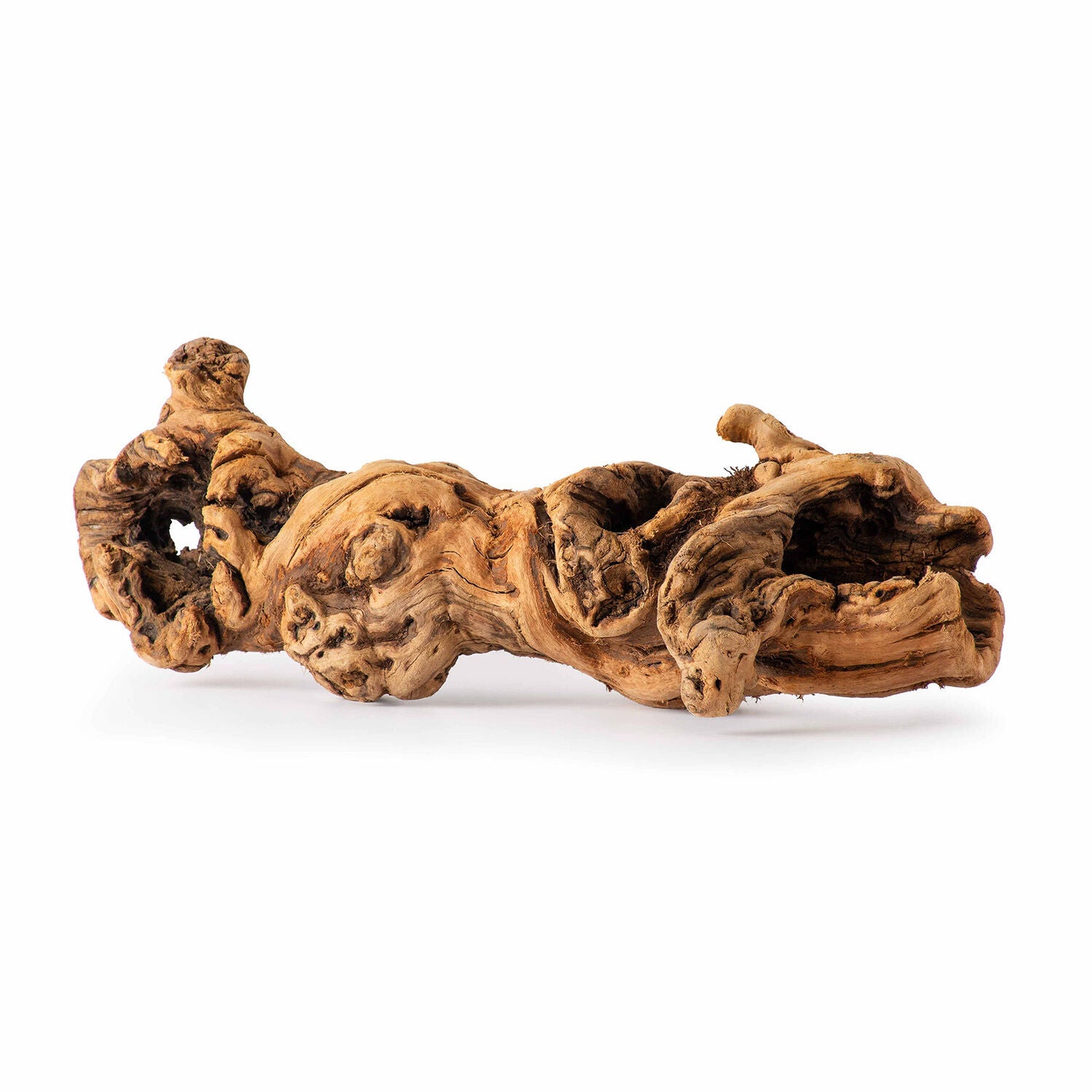
Decoration-Plants, Climbing Branches, Hiding places
Everything your Hermit Crab needs, all in one place.
Shop Hermit Crab Supplies
Feeding Your Hermit Crab
Food & Water
- Hermit Crabs are omnivorous and will eat a wide variety of foods.
- Feed your Hermit Crab at night to mimic its natural habitat, remove food in the morning.
- Their diet should consist of commercial Hermit Crab food.
- Brine shrimp, freeze dried shrimp.
- Non-citrus tropical fruits (mangoes, papaya). Fresh veggies (spinach, kale, carrots).
- Calcium is important to help harden the exoskeleton. Always provide a calcium block or cuttlebone for your crab! It gives them extra minerals that they need when they are molting (shedding their exoskeleton).
- Hermit Crabs require both freshwater and saltwater. Provide two separate shallow bowls. Use a water conditioner to remove chorines and chloramines.
Hermit Crab Habitat
Caging & Environment
- 10-20-gallon aquarium.
- Hermit Crabs are very social however do not overcrowd, they should be kept in groups of two or more. 3-4 Hermit Crabs over 3” are ideal in a 20-gallon aquarium.
- Provide plenty of branches for climbing.
- Use only shallow bowls, the hermit crab should be able to get in and out on its own.
- Make sure to have a secure lid. The Hermit Crab will get out.
- Substrate:
- Hermit Crabs like to burrow. A thick layer of substrate is required at least 3”.
- A mixture of 2 parts sand (washed, sterile & animal safe) and 1 part coconut soil.
Lighting and Temperature
- Low wattage bulb will mimic natural light during the day. No more than 10-12 hours a day regulating their normal behaviors.
- Daytime should be 78°-83° F.
- Nighttime should be 68°-73° F.
- A red nightlight is great for nighttime viewing.
Handling Your Hermit Crab
Behavior & Handling
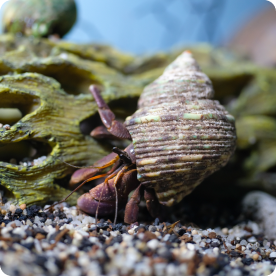
- It is always best to create a stable platform with your palm flat for the hermit crab to rest on. A cupped hand might be an invitation to pinch! Once tamed, hermit crabs are very friendly and love to explore.
- Give your hermit crab time out of the cage frequently.
- Hermit Crabs have gills similar to fish.
- High humidity levels 70-90%, spray the habitat daily.
- Hermit crabs molt twice a year; it is best to separate other crabs until the molting crab is done. You should also allow your crab to rest when molting, as they can become easily stressed.
- Provide extra shells in various sizes for them to choose their own home.
- Hermit crabs should be bathed 1-2 times weekly, and at any time that you notice your hermit crab emitting a fishy odor. Use lukewarm de-chlorinated water and submerge the crab for 1-3 minutes [no more than 3 minutes as they can drown]. Swirl the water with your hand during this 3-minute period to ensure that the gills are being flushed.
163 Results
163 Results
No products found for selected filters. Please try with different filters.
Showing 0 of 0