Lizards Care Guide
Get to Know Your Lizard
Basic Information
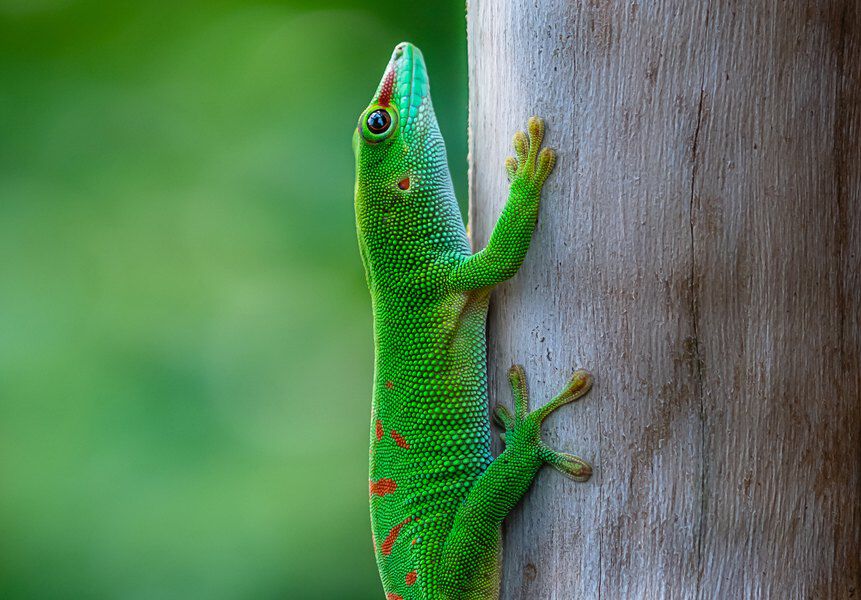
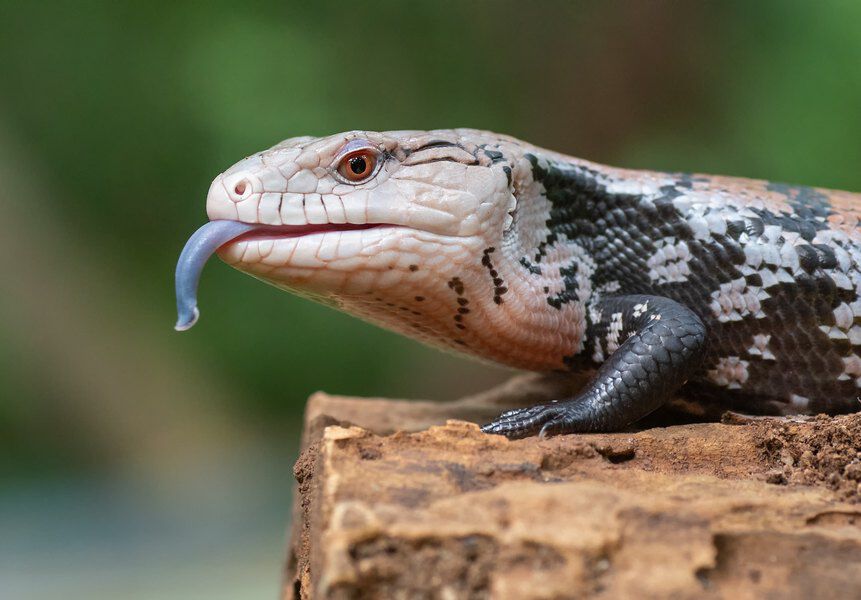
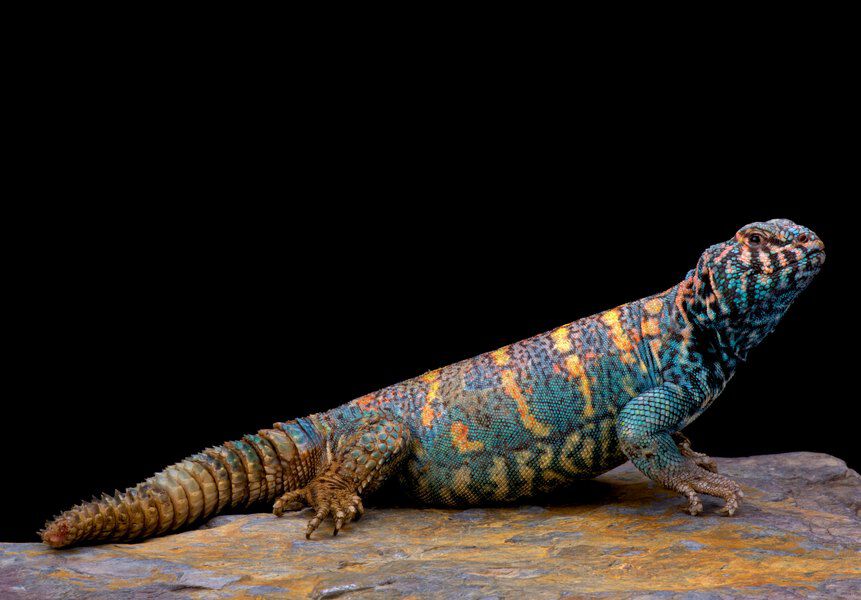
Includes commonly kept pet lizards such as Bearded Dragons, Leopard Geckos, Crested Geckos, Green Anoles, Day Geckos, Uromastyx, Monitors, Skinks, Iguanas and more
Common Name
Lizard
Scientific Name
Varies by species (e.g. Pogona vitticeps, Eublepharis macularius, Correlophus ciliatus, Anolis spp., Varanus spp., etc.)
Adult Size
Varies by species, 2 - 36+ inches (some species grow much larger)
Life span
5 - 30+ years (varies by species)
Temperament
Generally calm and can be very tame with proper care and regular handling (varies by species)
Checklist for Your Lizard
Essential Items
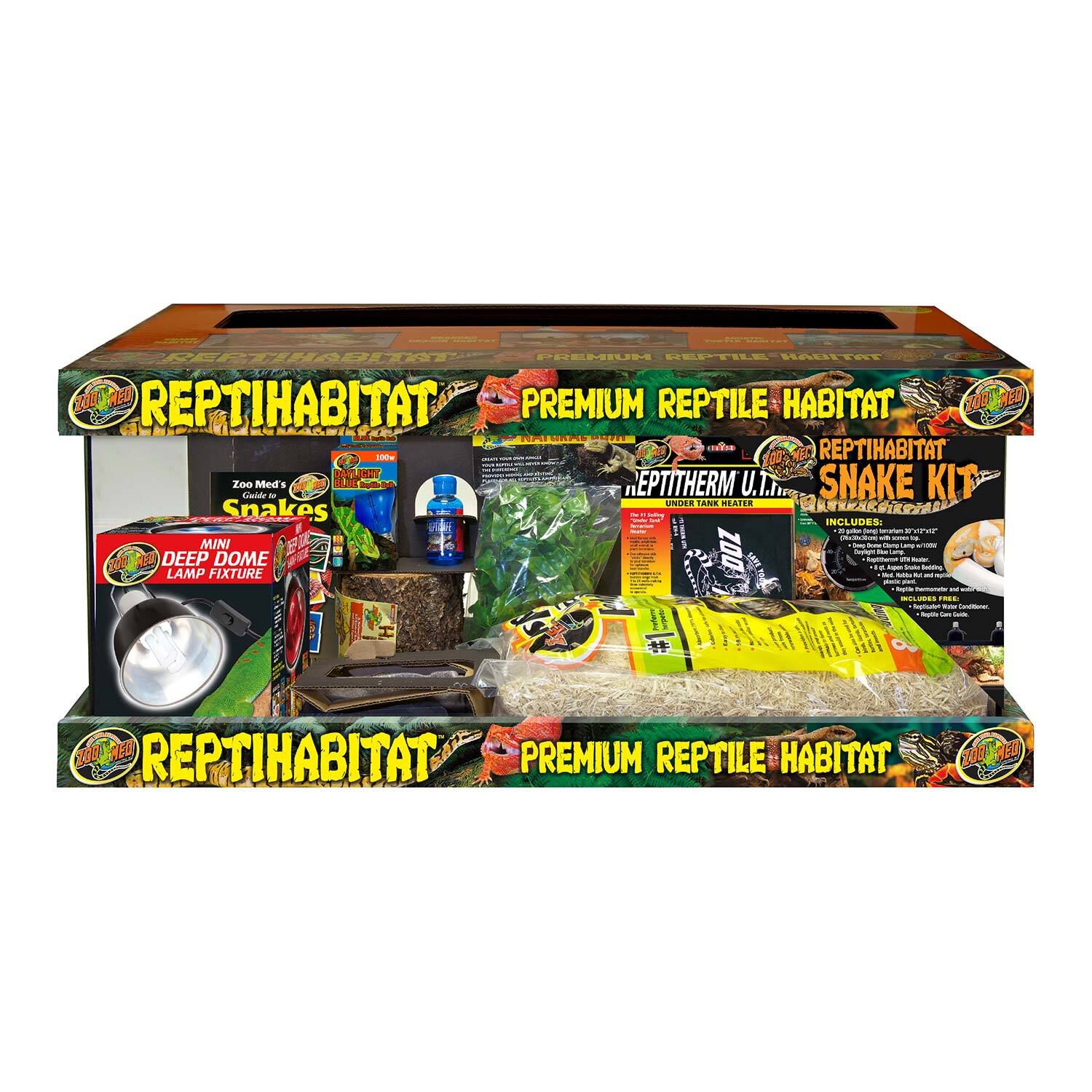
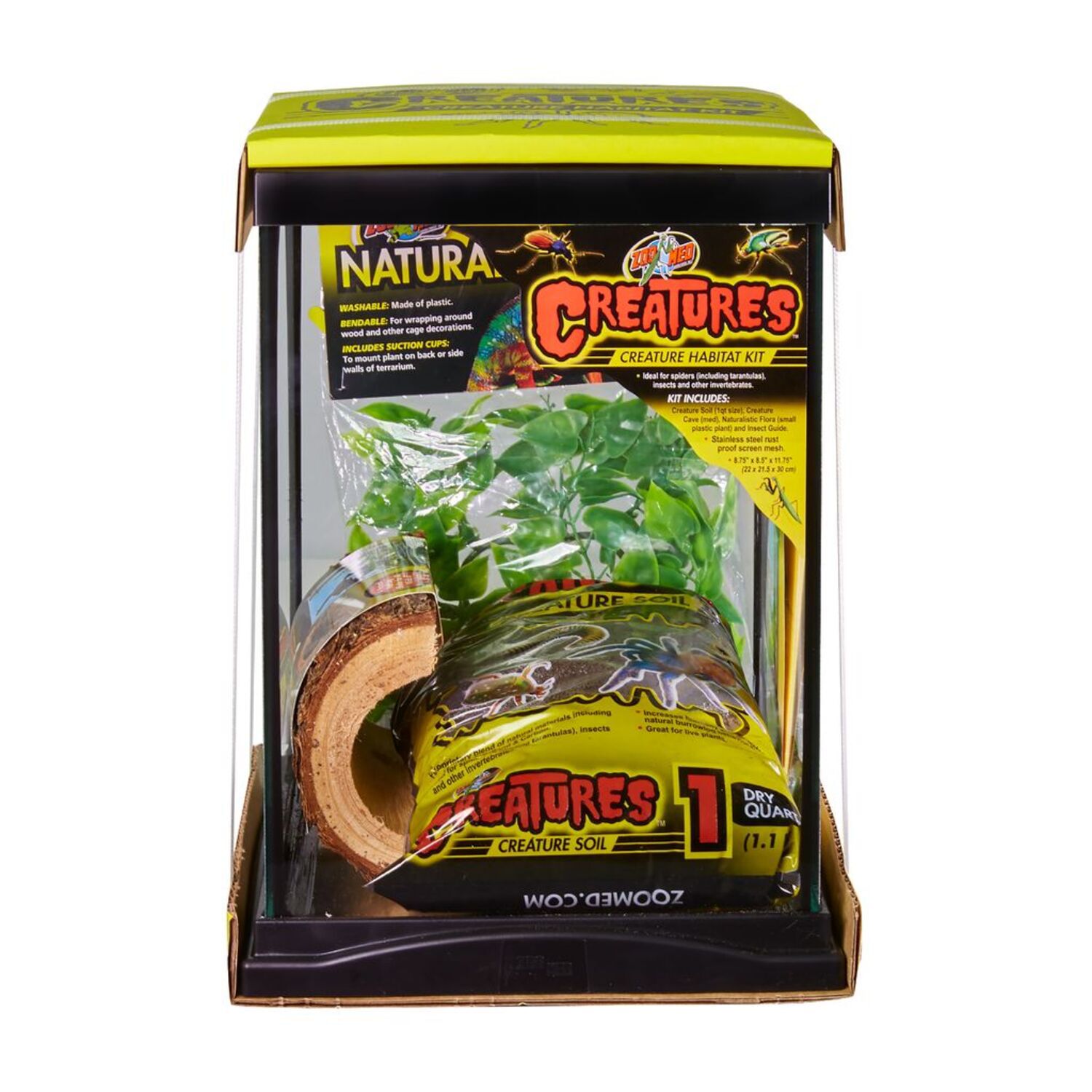
Appropriately sized enclosure (species specific)
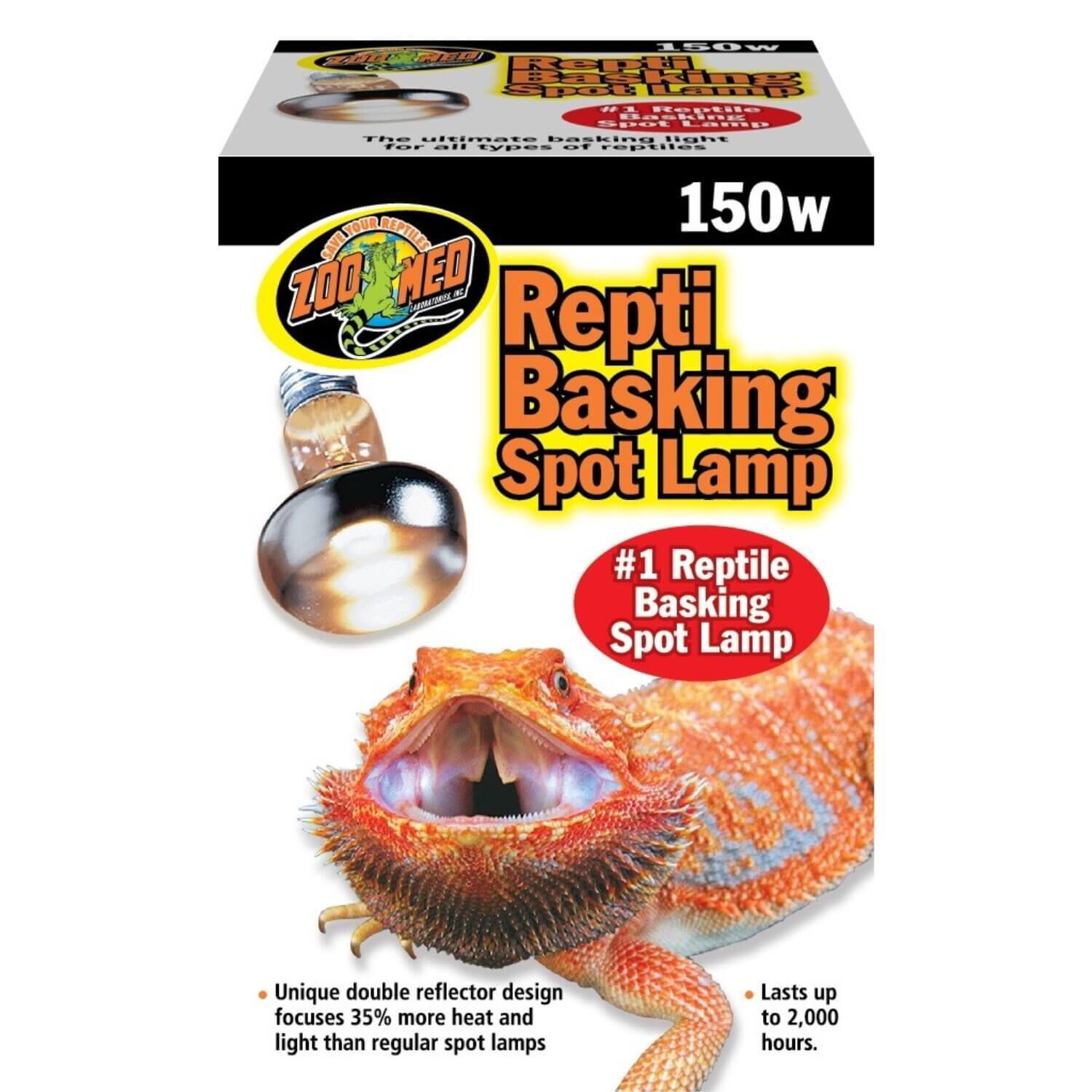
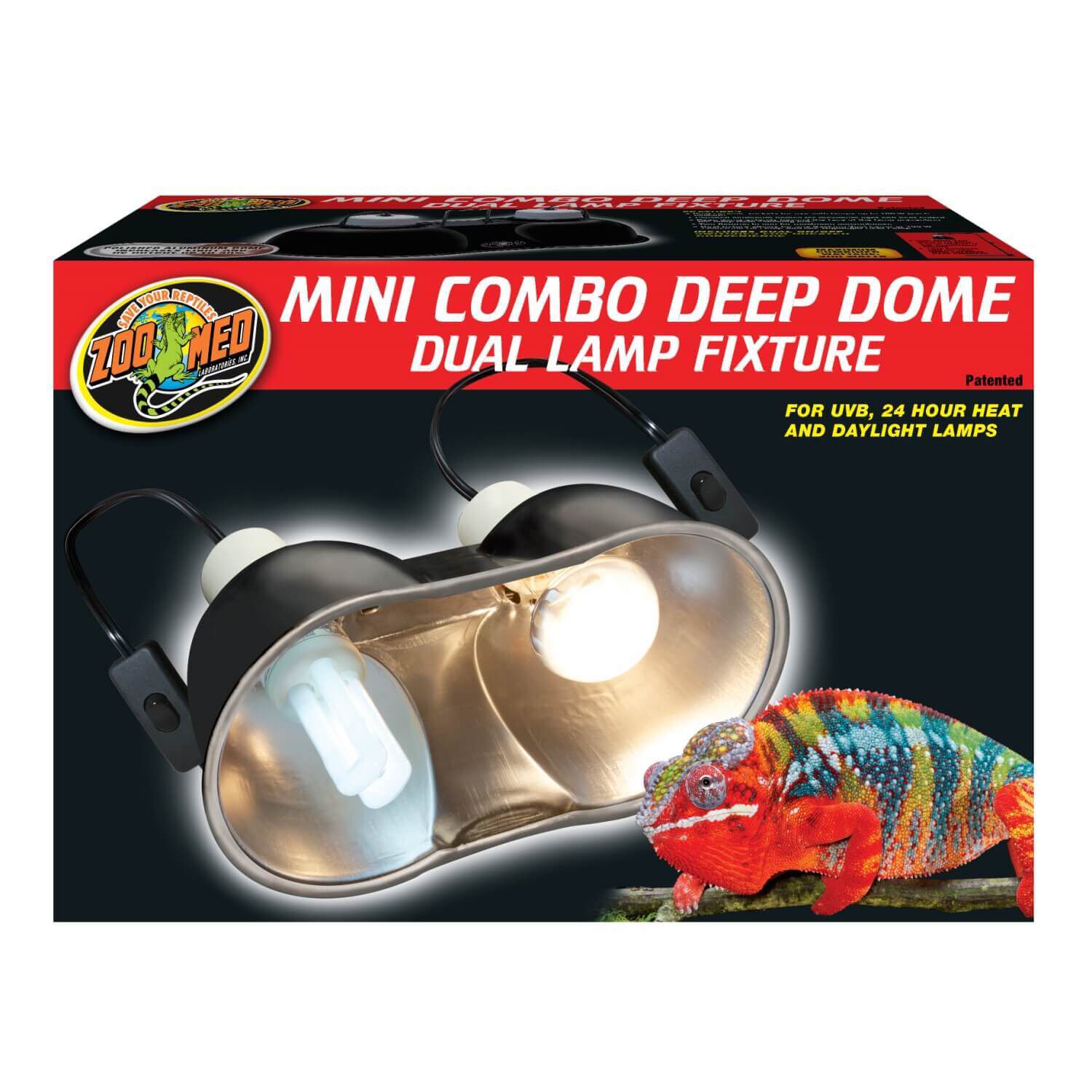
Heat source (basking lamp, ceramic heat emitter, etc.)
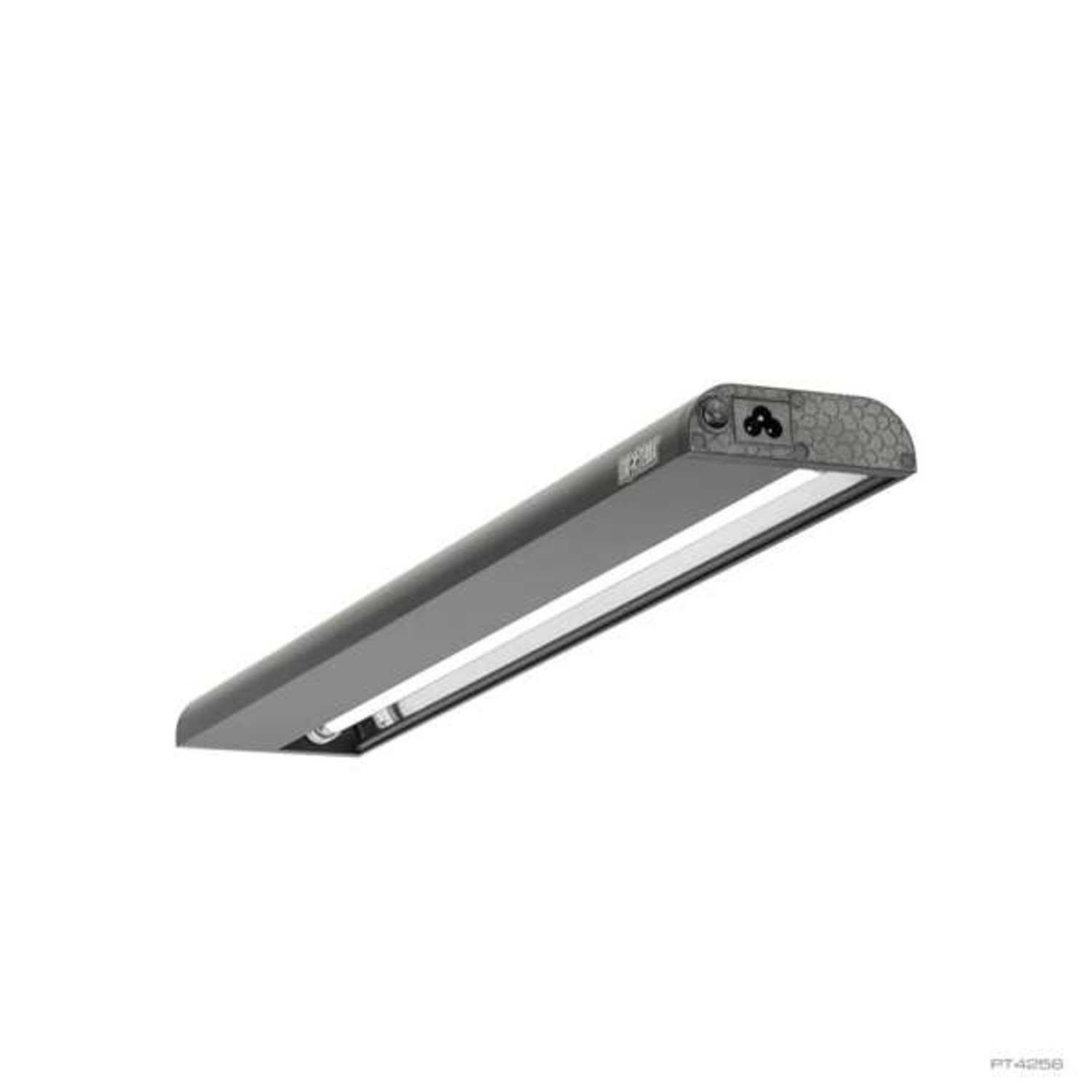
UVB lighting (T5 recommended for most species)
Thermometer (warm and cool side)
Digital hygrometer (humidity)
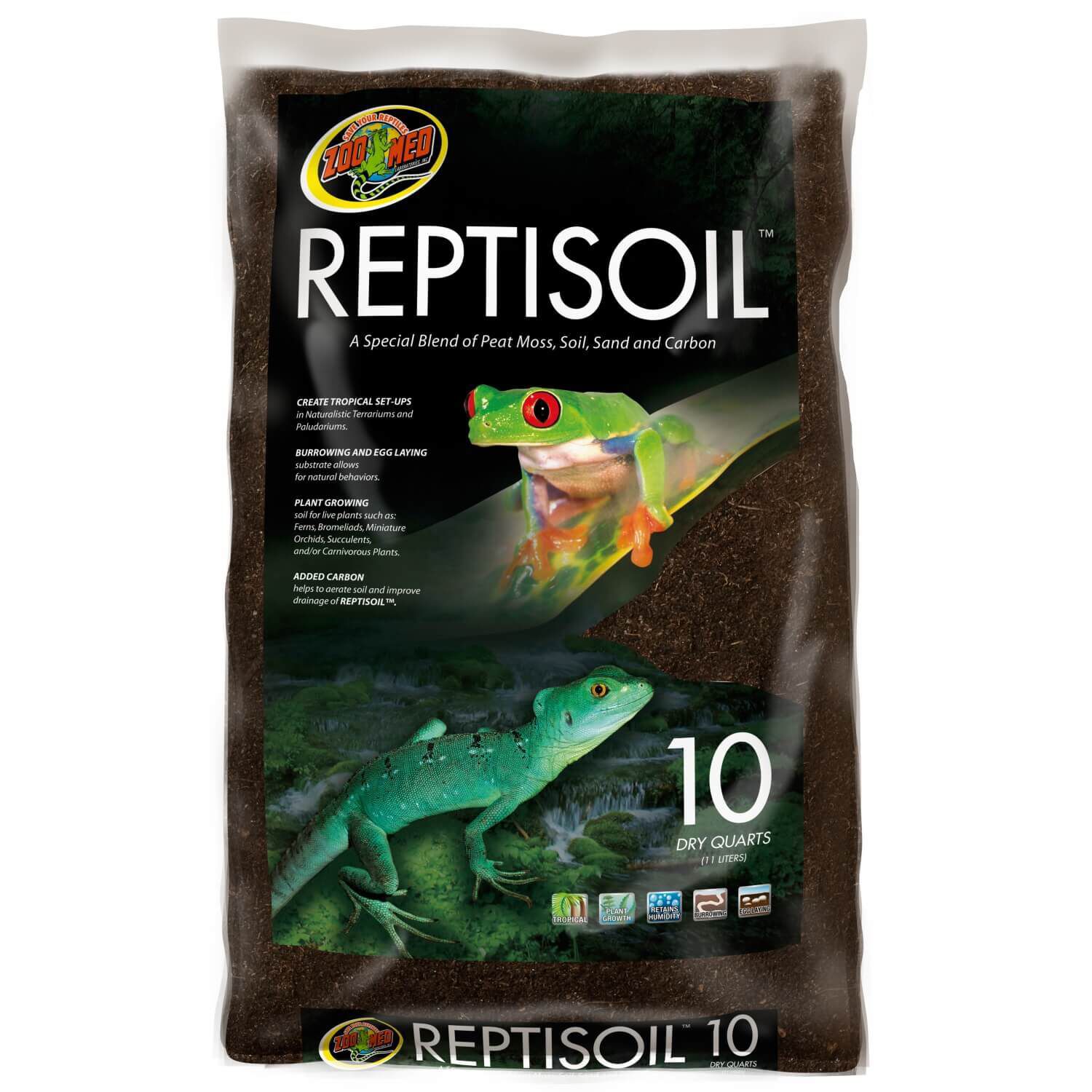
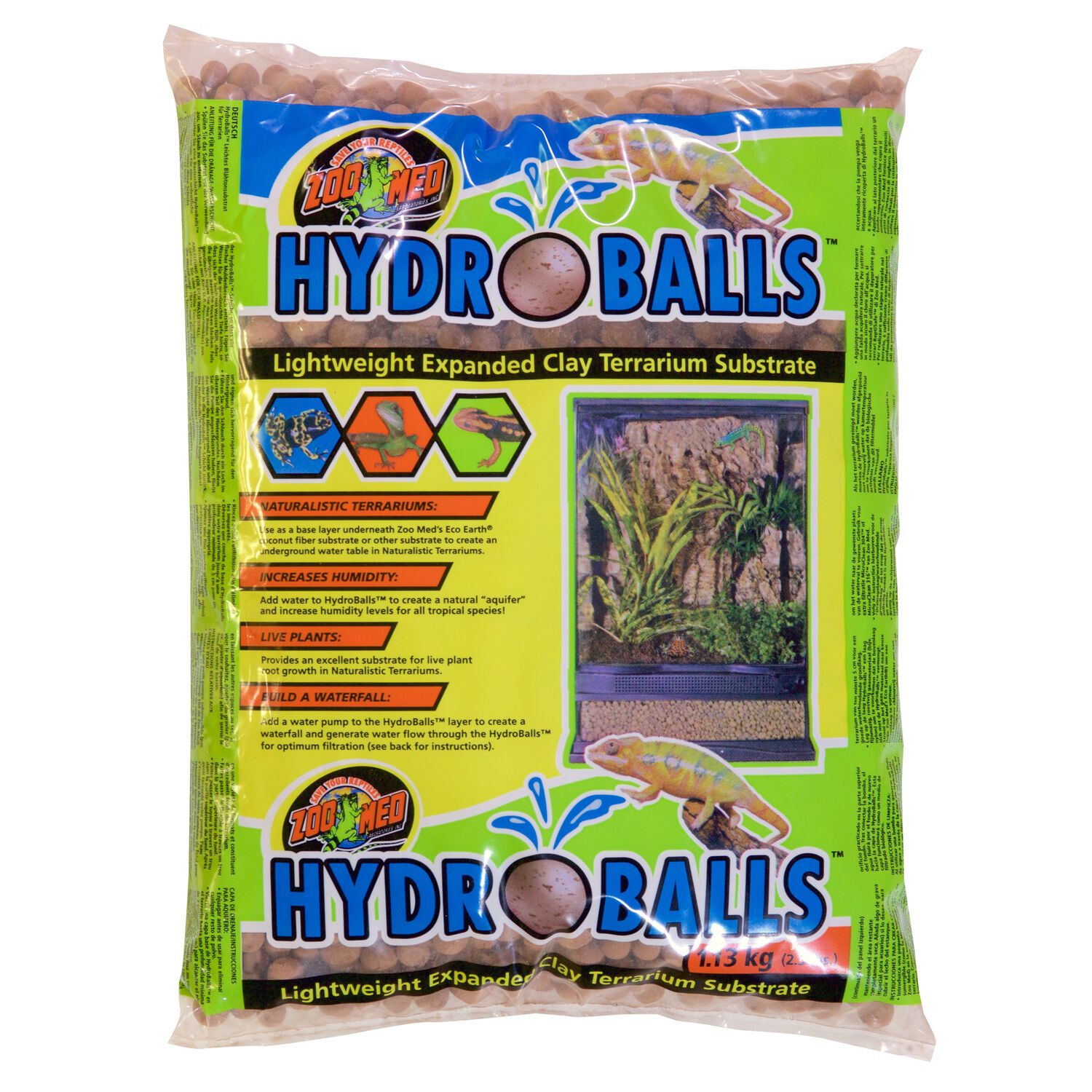
Substrate (species appropriate)
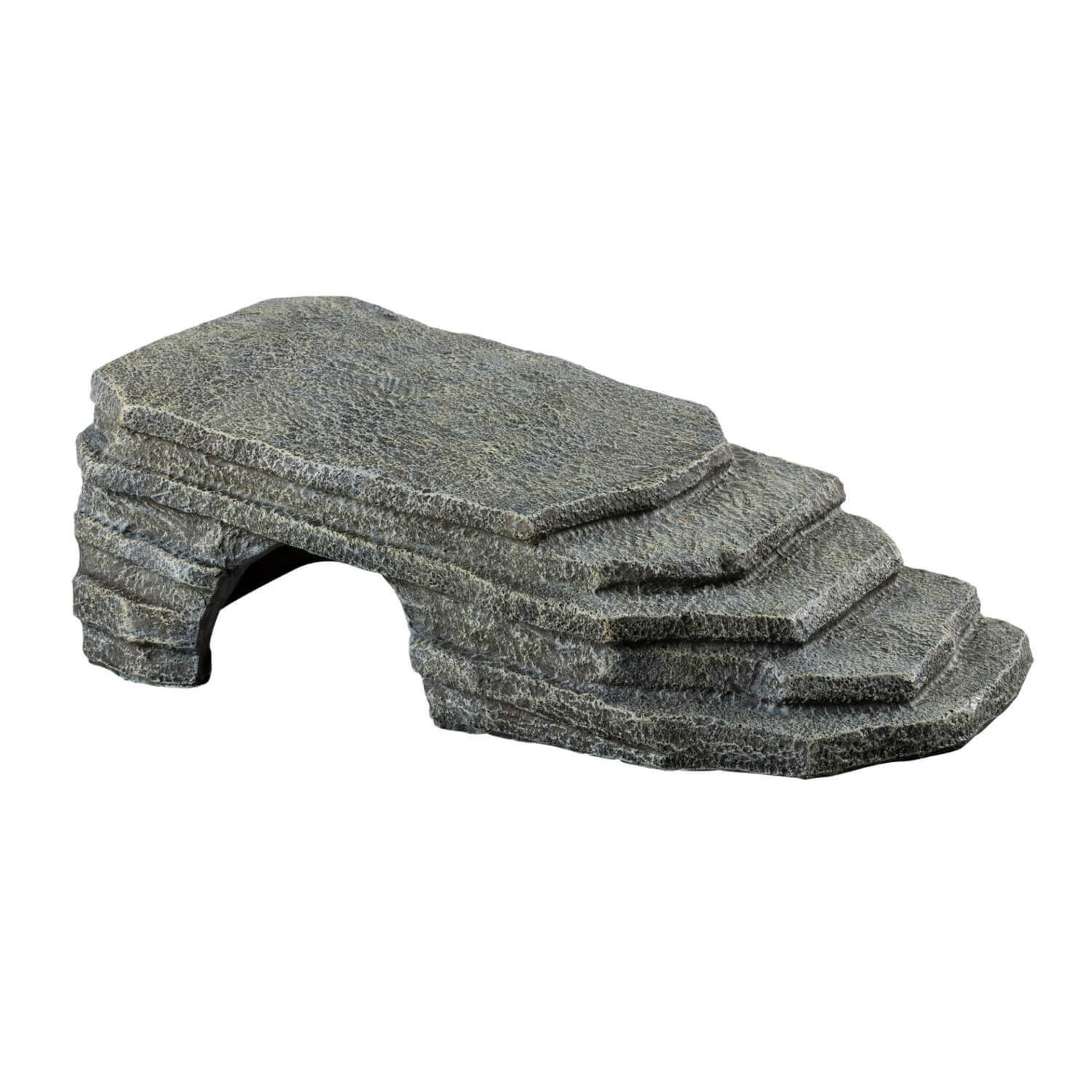
Hides (at least two – warm side and cool side)
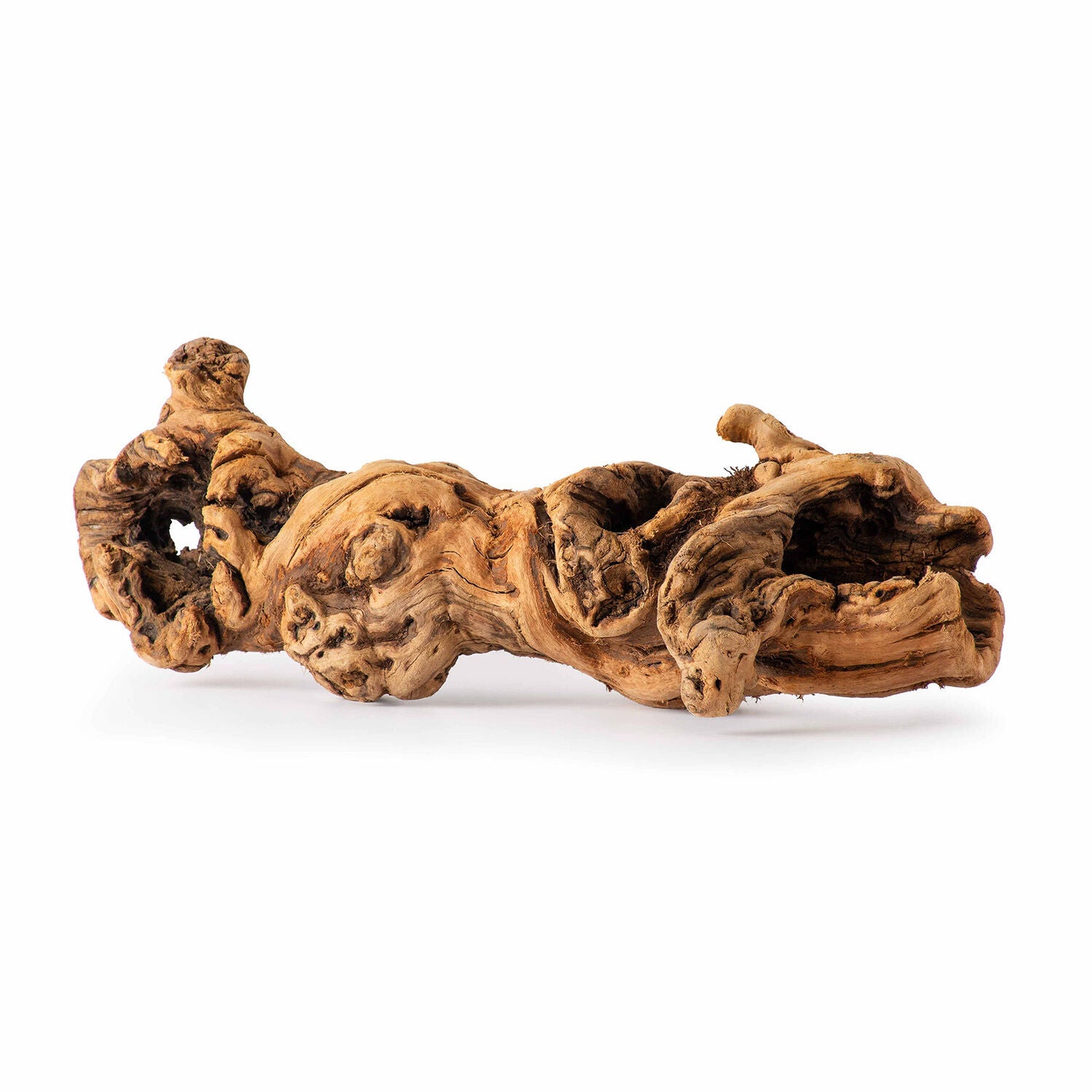
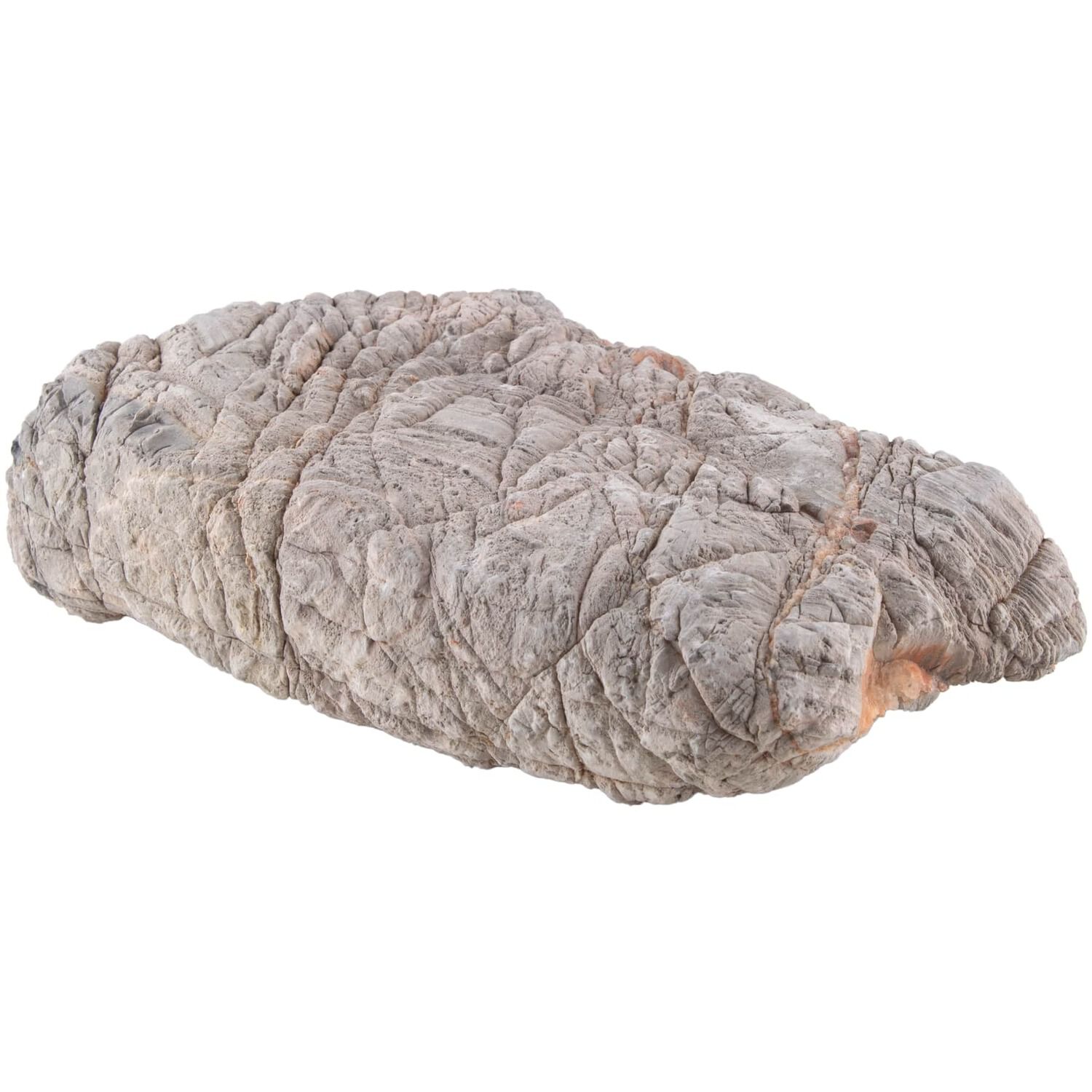
Climbing branches, rocks or décor
Food dish and water dish
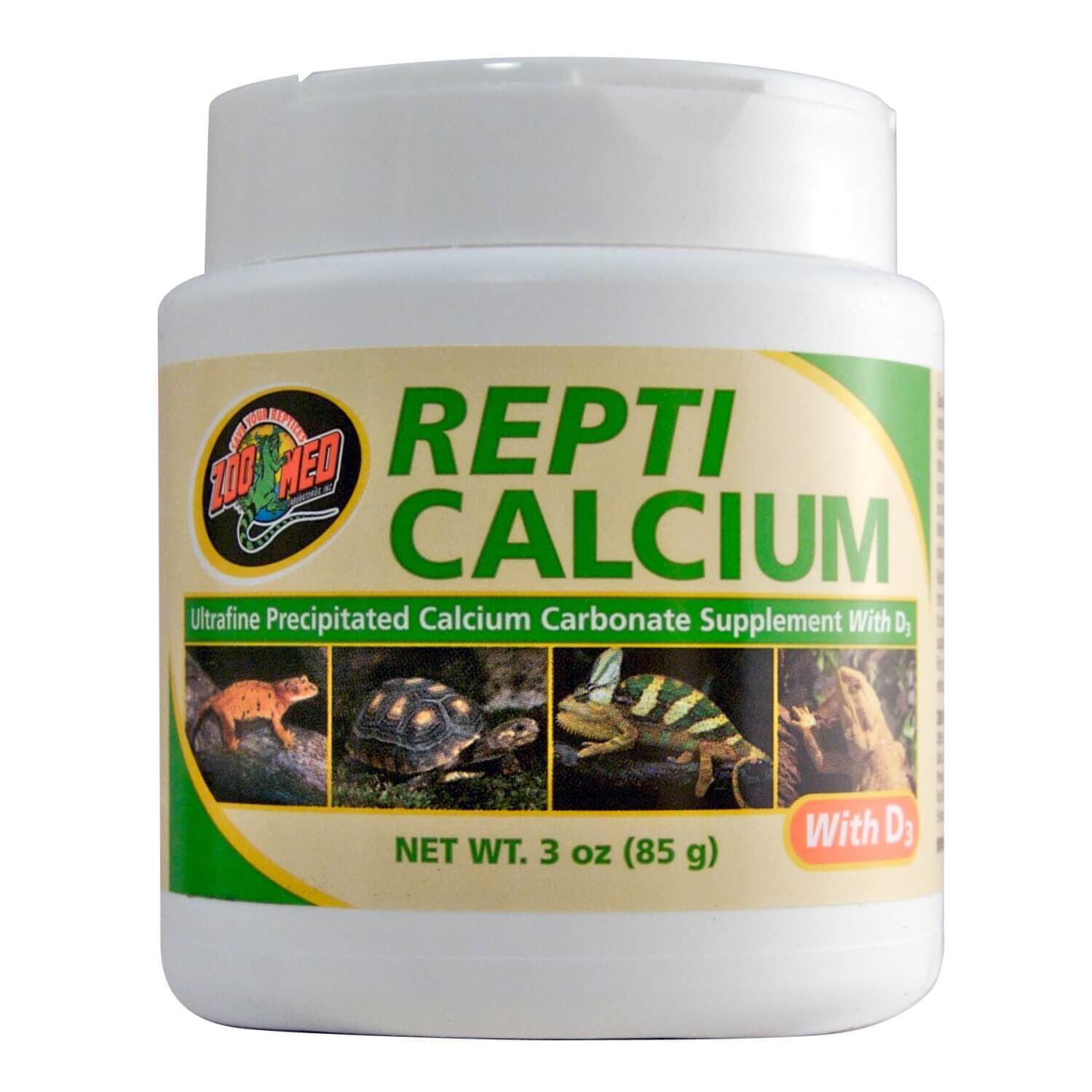
Calcium supplement (with or without D3 – species specific)
Multivitamin supplement
Live insects (species appropriate)
Fresh vegetables and/or fruit (species specific)
Misting supplies (for tropical species)
Regular cleaning supplies
Secure lid (many species can climb)
Everything your Lizard needs, all in one place.
Shop Lizard Supplies
Feeding Your Lizard
Diet
- Most lizards are insectivores, herbivores or omnivores depending on the species.
- Offer a varied diet to ensure proper nutrition.
- Common foods include:
- Live insects (crickets, dubia roaches, mealworms, superworms, hornworms, etc.)
- Leafy greens and vegetables (collard greens, mustard greens, dandelion greens, squash, carrots, bell peppers, etc.)
- Fruits (offered in moderation for species that eat fruit)
- Commercial diets (such as gecko diets for crested geckos)
- Dust insects with calcium (and D3 if needed) and offer a multivitamin as recommended for the specific species.
- Provide fresh, clean water daily. Some species may prefer a water dish, while others get moisture from misting or food.
Lizard Habitat
Caging & Environment
Housing & Environment
- Provide an enclosure that meets the adult size needs of the species.
- Recommended minimum sizes (examples):
- Leopard Gecko: 20 gallons (larger is better)
- Bearded Dragon: 75 - 120 gallons
- Crested Gecko: 18 x 18 x 24 inches (tall)
- Green Anole: 20 gallons (tall with branches)
- Uromastyx: 75 - 120 gallons
- Monitors (smaller species): 4’ x 2’ x 2’ or larger
- Use a secure lid, as many lizards are excellent climbers.
- Provide proper substrate based on species (tile, reptile carpet, coconut fiber, sand/soil mix, etc.).
- Include hides on both the warm and cool side.
- Add climbing branches, rocks, ledges and plants to create enrichment and natural behaviors.
- Maintain proper temperature, humidity and lighting for the specific species (see next section).
- Keep the enclosure in a low-traffic area away from drafts and direct sunlight.
Temperature & Lighting
- Lizards are ectotherms and rely on external heat and UVB light for proper health.
- Provide a temperature gradient (warm side and cool side) so they can regulate their body temperature.
- Basking temperatures: 85 - 110°F (29 - 43°C) (varies by species)
- Cool side temperatures: 70 - 80°F (21 - 27°C)
- Use a thermostat with heat sources (basking lamp, ceramic heat emitter or radiant heat panel) to prevent overheating.
- Provide UVB lighting (T5 preferred) for 10 - 12 hours daily. Replace bulbs every 6 - 12 months.
- Maintain proper humidity based on species:
- Arid species (bearded dragons, leopard geckos, uromastyx): 20 - 40%
- Tropical species (crested geckos, anoles): 60 - 80%
- Monitors/Skinks: 40 - 70%
Enrichment & Décor
- Provide hides, branches, rocks, plants and climbing opportunities.
- Use naturalistic décor to encourage exploration and reduce stress.
- Offer different textures and levels (ground and elevated).
- Change and rearrange décor periodically to provide enrichment.
Handling Your Lizard
Behavior & Handling
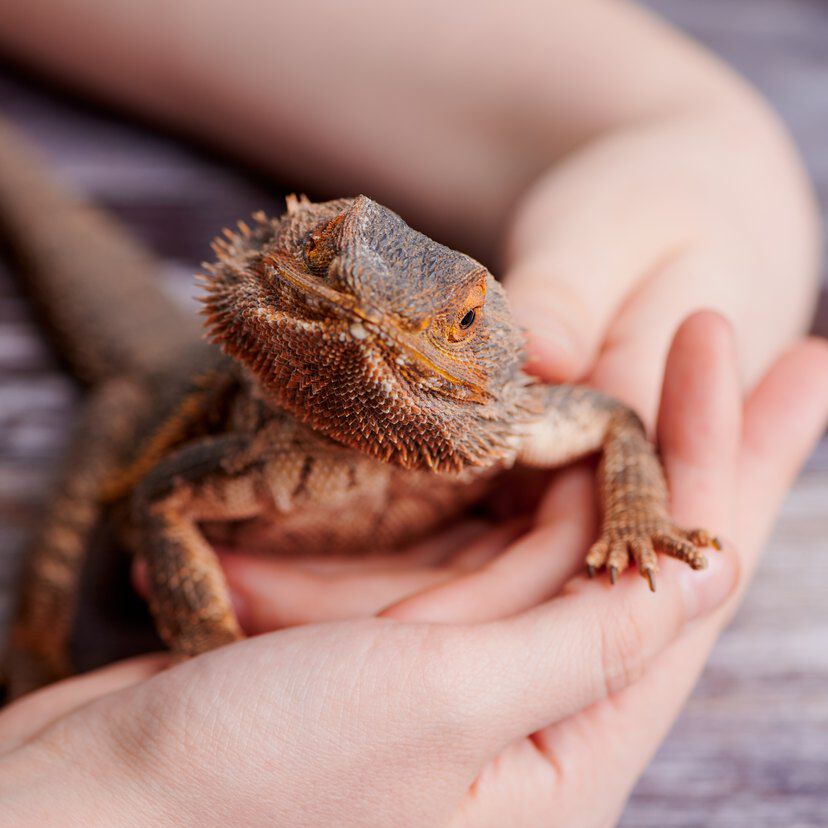
- Most lizards can become tame with regular, gentle handling.
- Allow time for your lizard to adjust to its new home (1 - 2 weeks) before handling.
- Support the entire body when handling.
- Avoid grabbing the tail, as many lizards can drop their tail (autotomy).
- Handling time should be limited for young, stressed or new lizards.
- Provide daily enrichment to keep them active and healthy.
Common Health Problems
Lizard Health and Well-being
Health & Safety
- Keep the enclosure clean and dry to prevent bacterial and fungal issues.
- Monitor for signs of illness such as lethargy, loss of appetite, abnormal stool, swollen eyes or respiratory issues.
- Provide proper UVB lighting and calcium to prevent Metabolic Bone Disease (MBD).
- Always wash your hands before and after handling.
- Do not house incompatible species together.
163 Results
163 Results
No products found for selected filters. Please try with different filters.
Showing 0 of 0