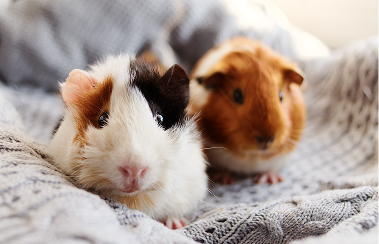
Skinny Pig Care Guide
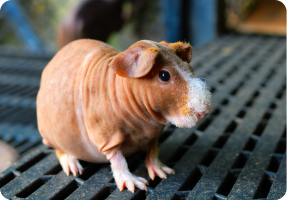
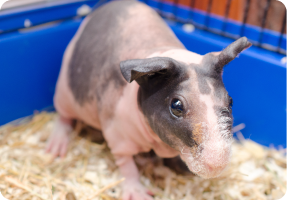
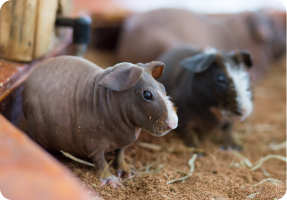
Get to Know Your Skinny Pig
Basic Information
Common Name
Skinny Pig
Scientific Name
Cavia porcellus
Size
9 - 12 inches
Life span
4 - 8 years
Gestation
59 - 72 days
Litter size
3 - 4
Weaned
4 - 6 weeks old
Checklist for Your Skinny Pig
Essential Items
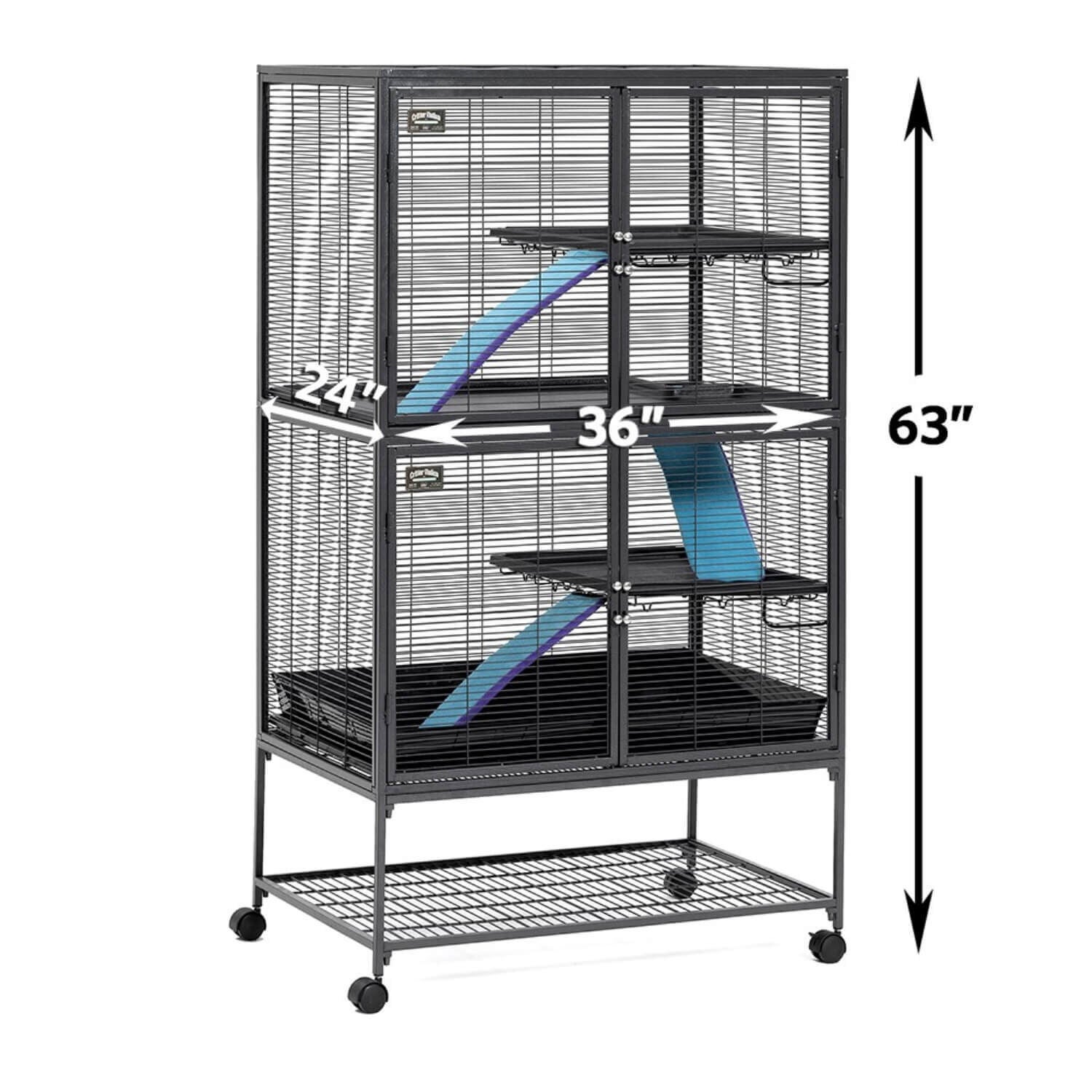
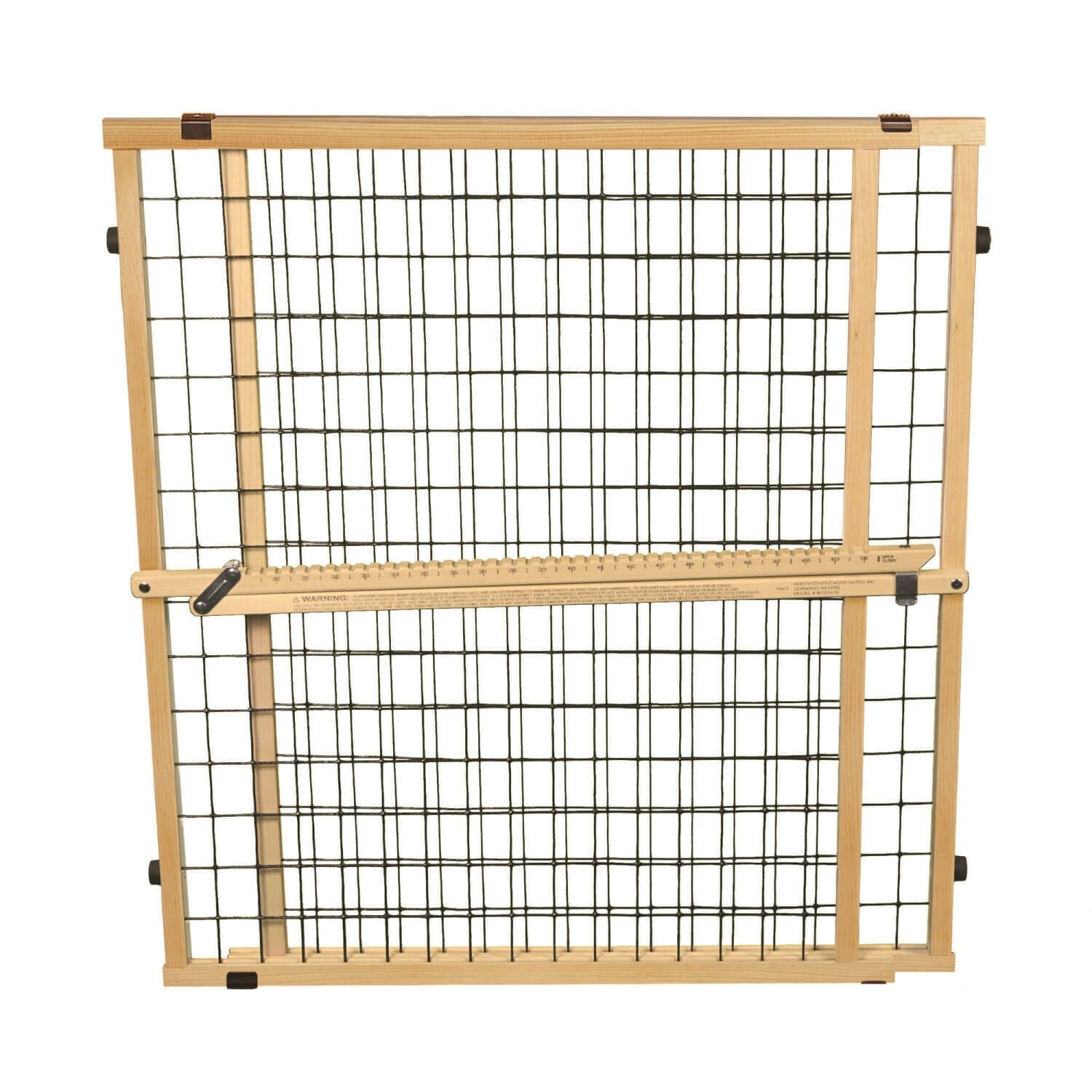
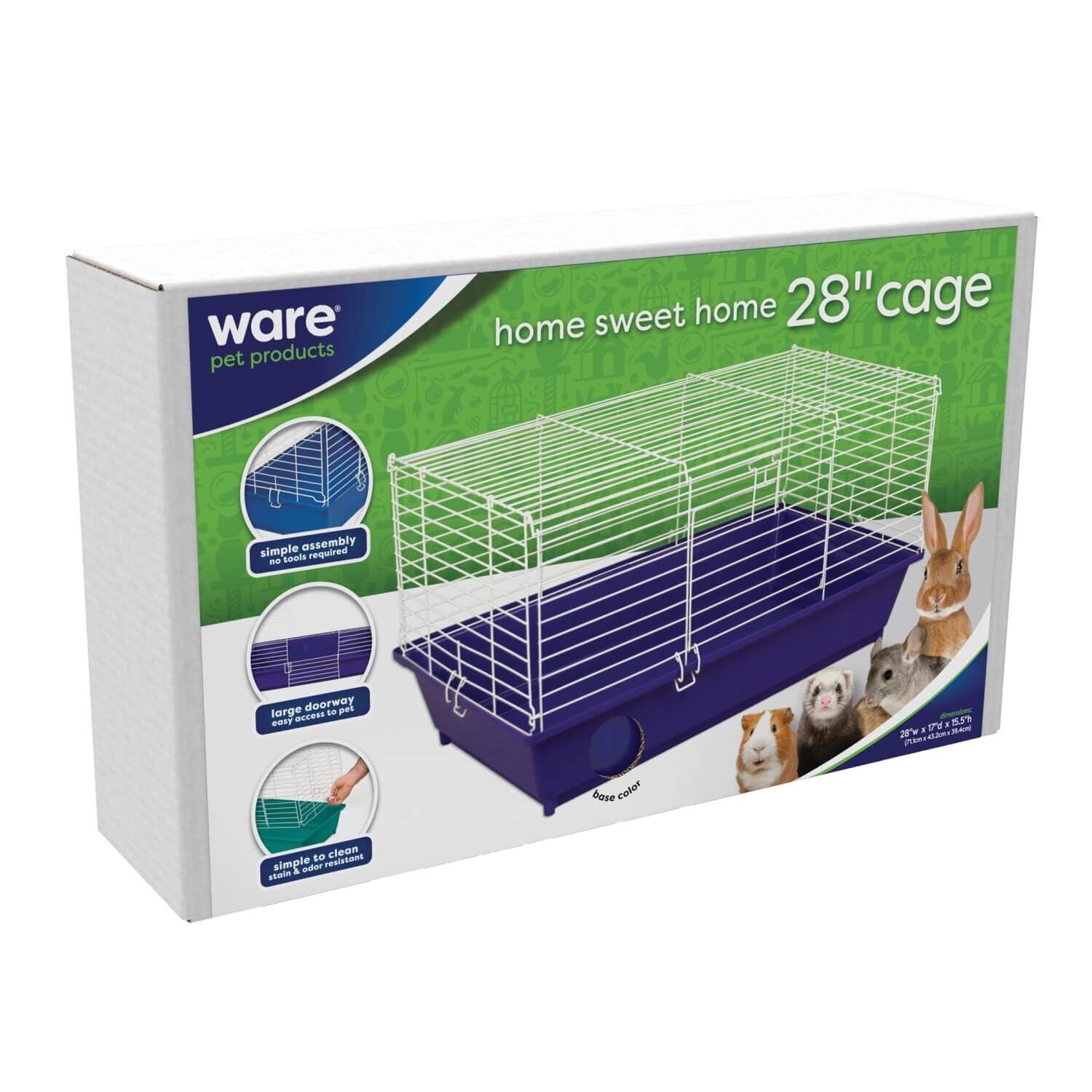
Enclosure
Food
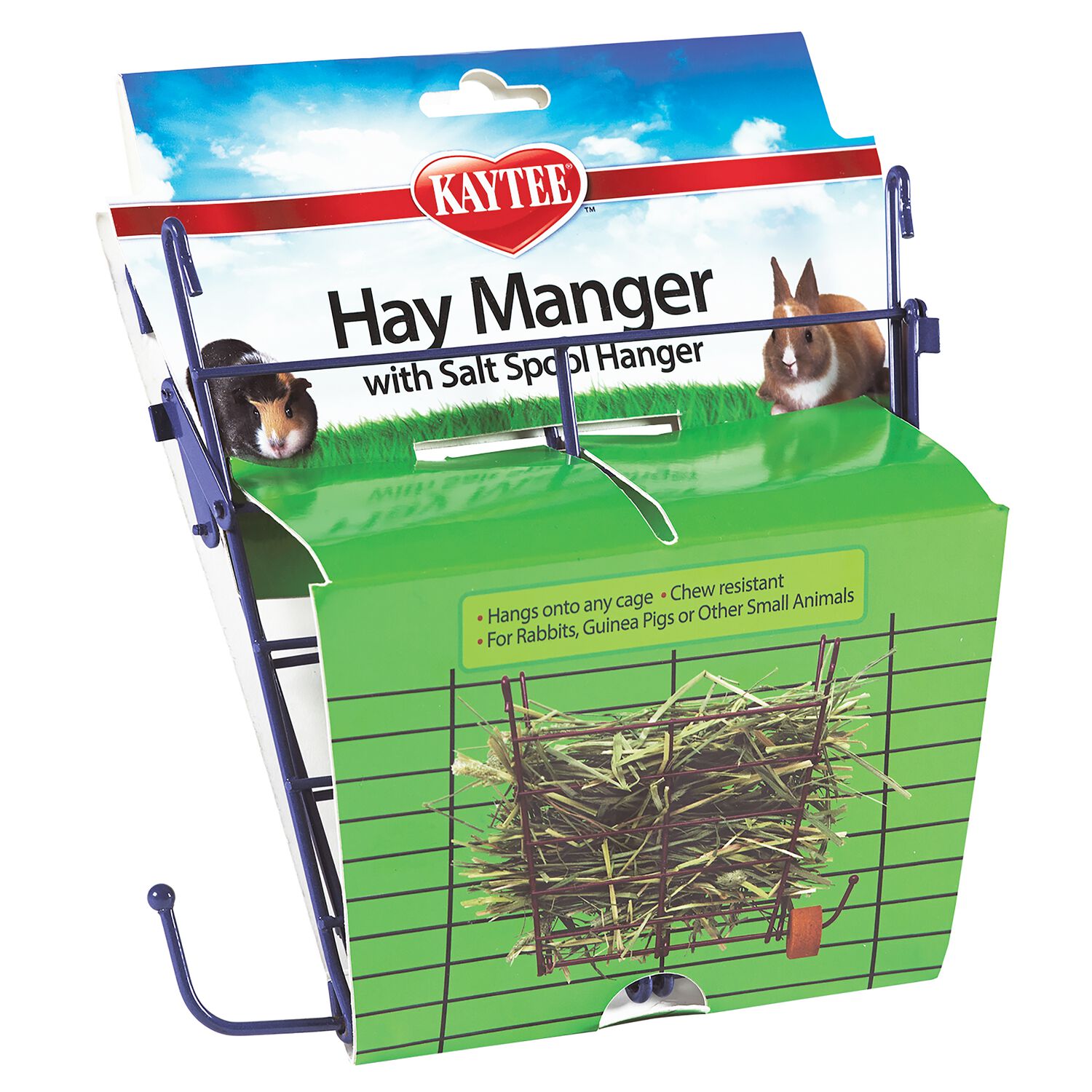
Hay
Hide
Plenty of toys
Chews
Treats
Vitamin C supplements
Grooming supplies
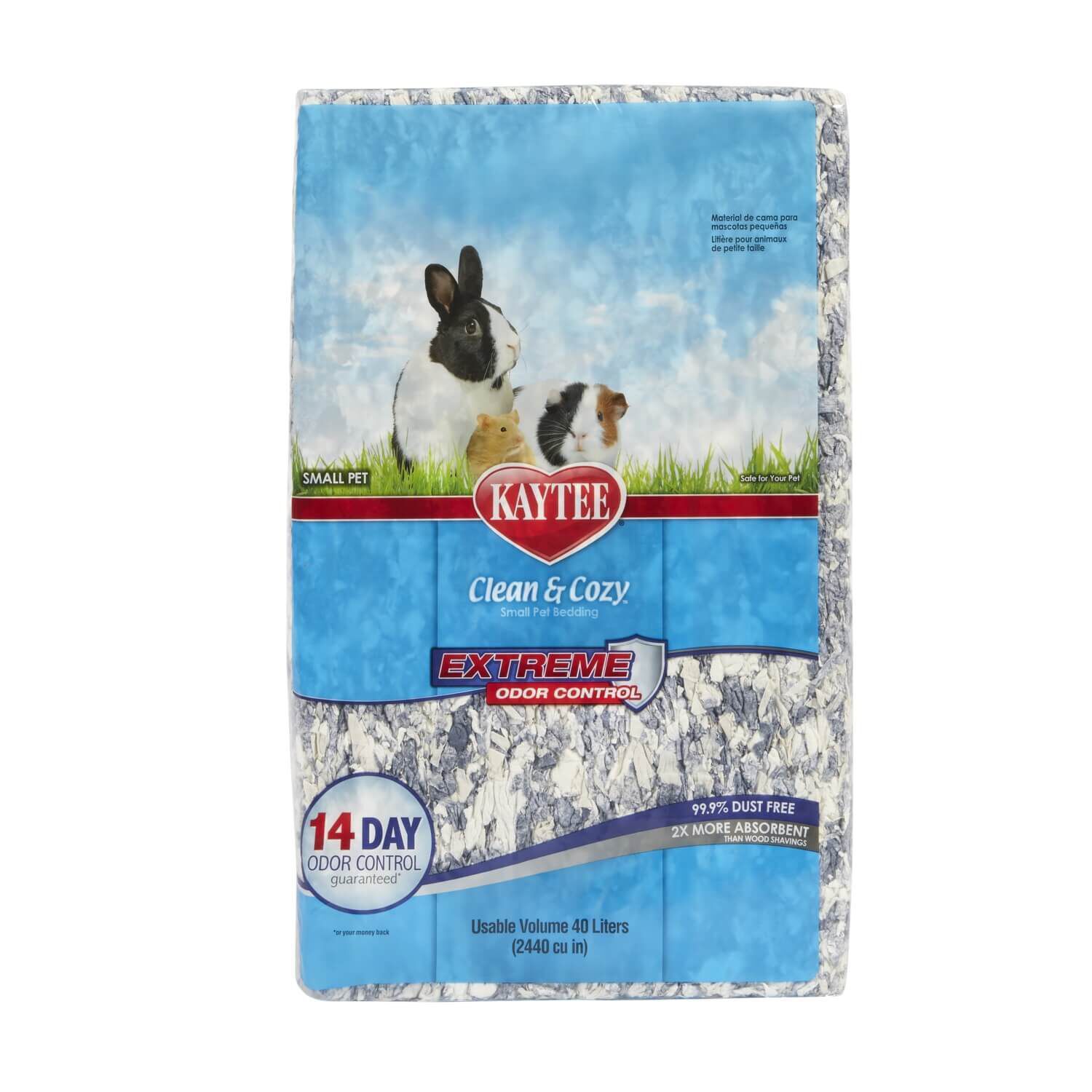
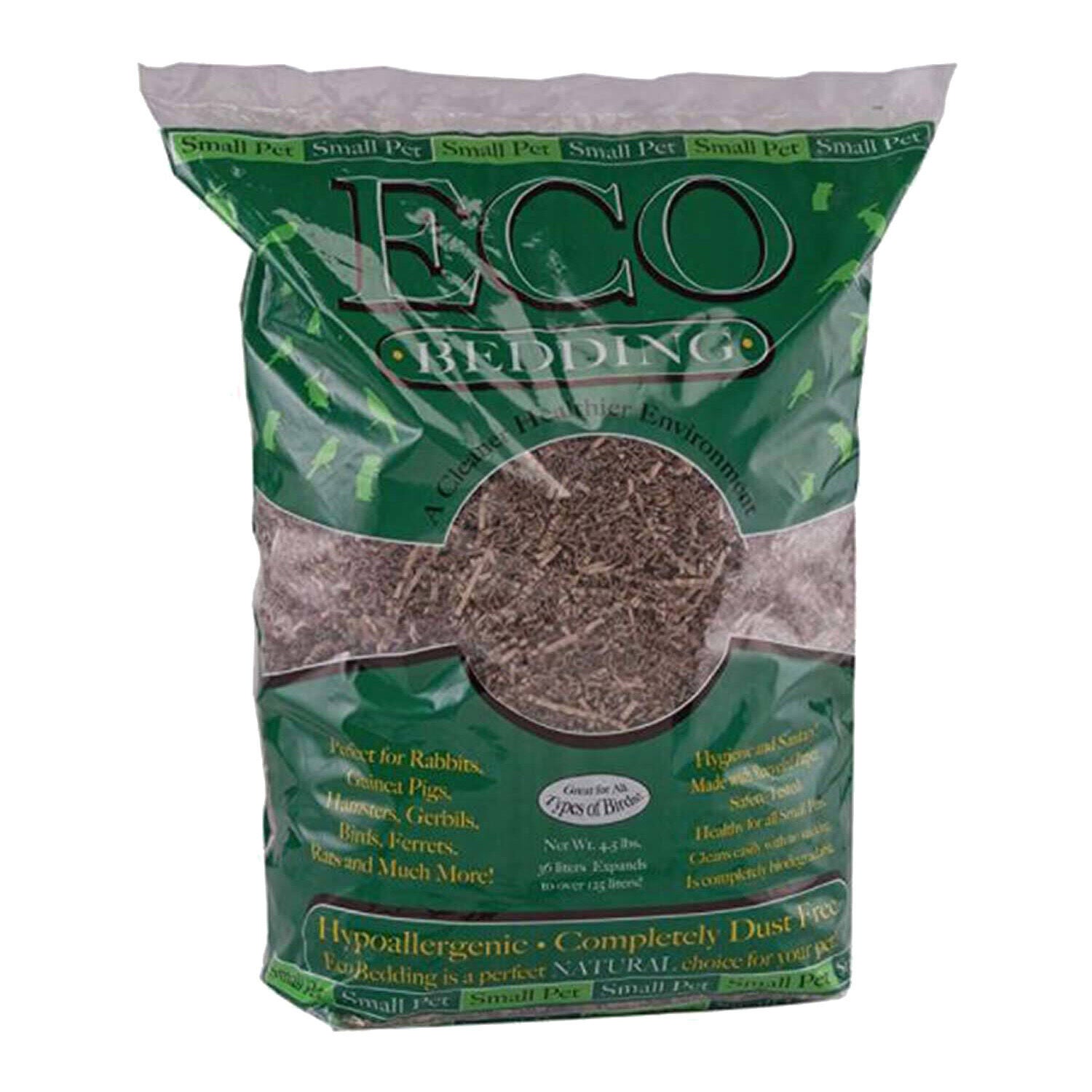
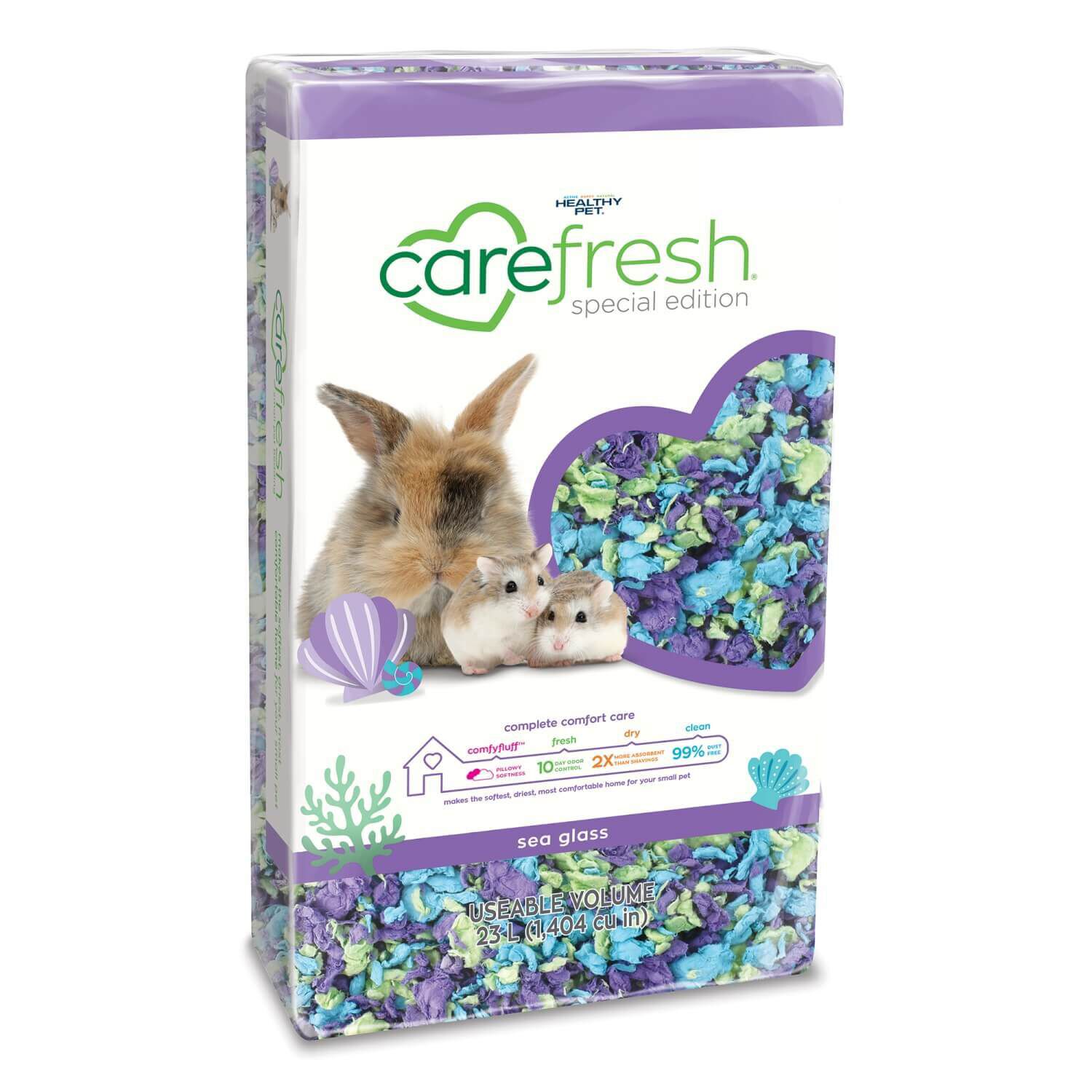
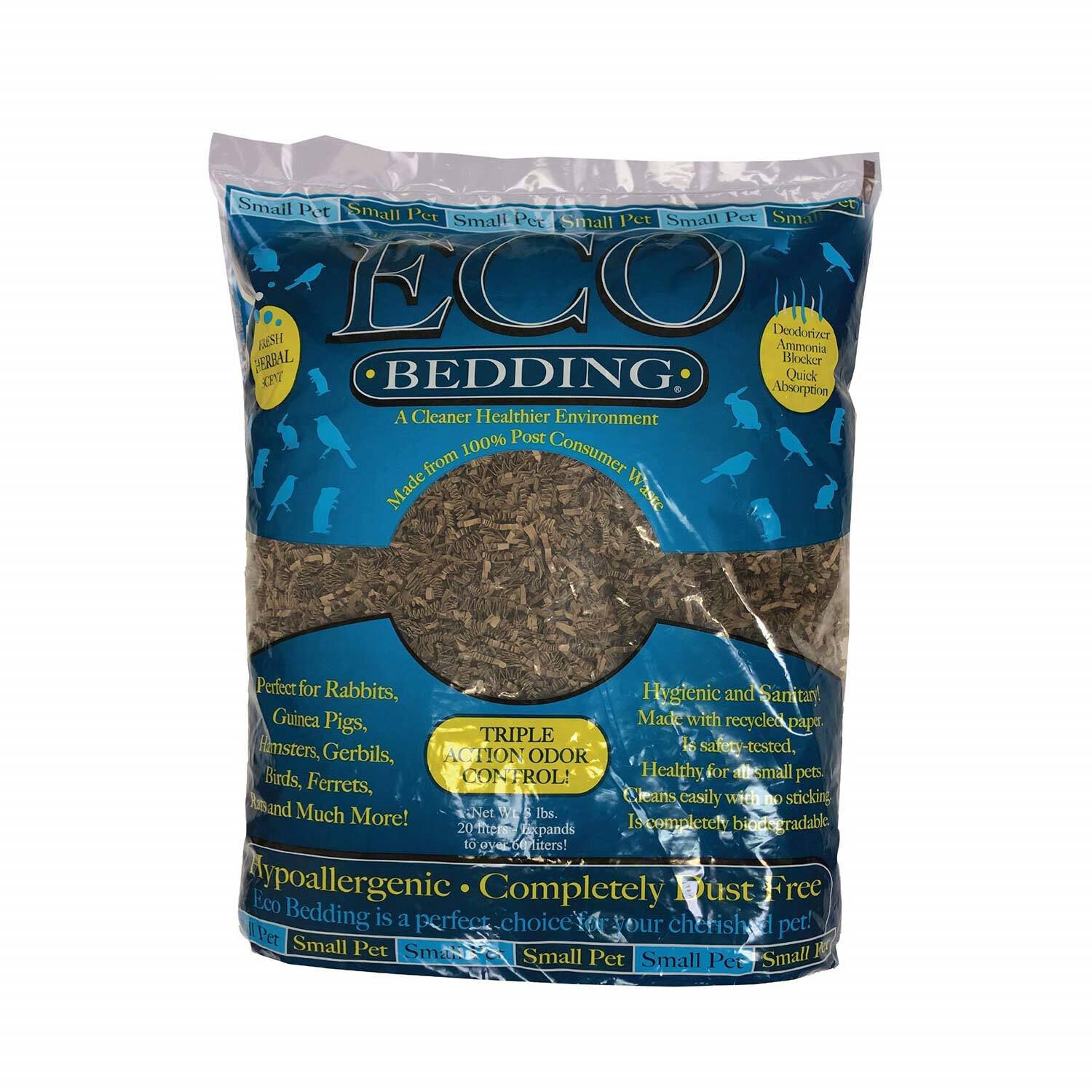
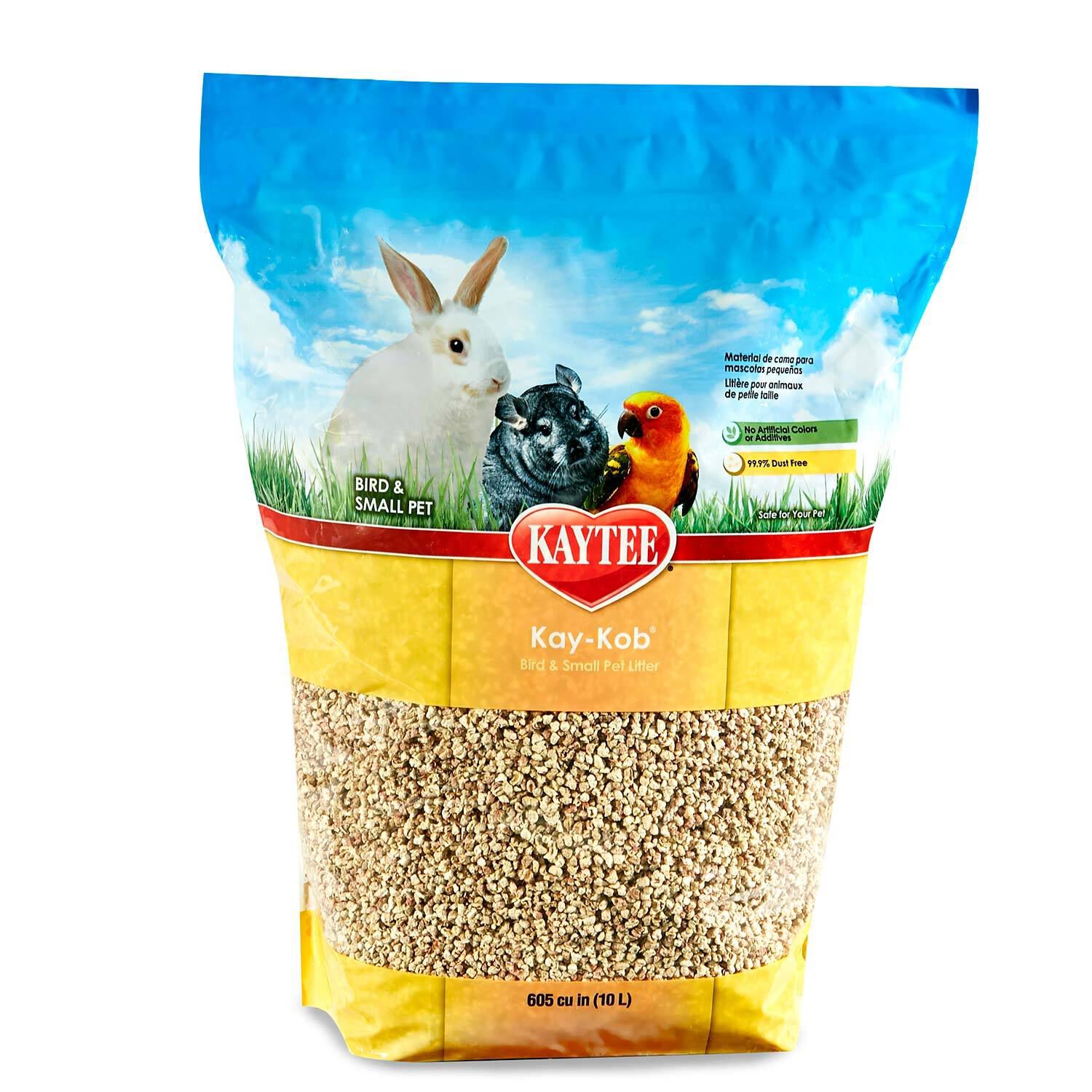
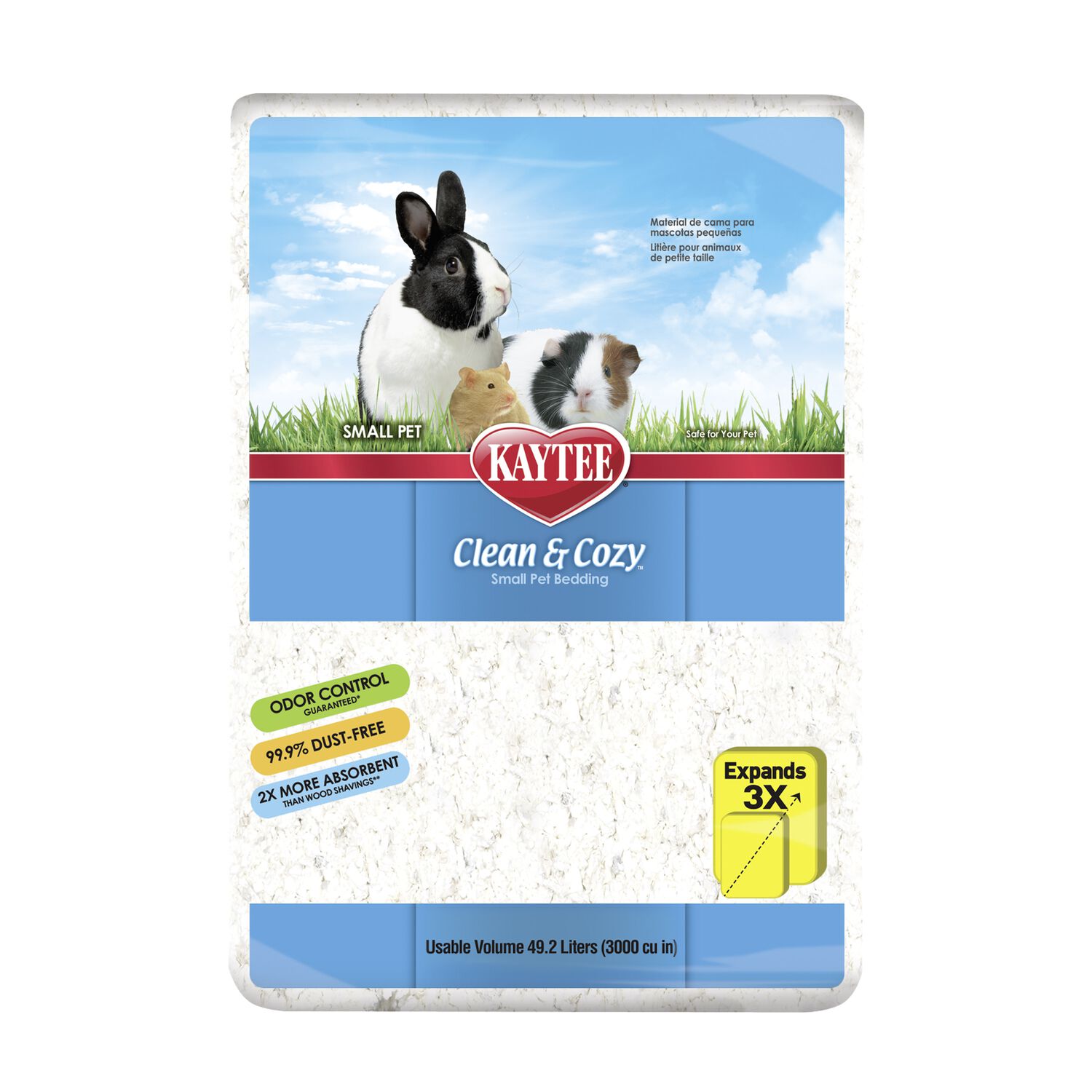
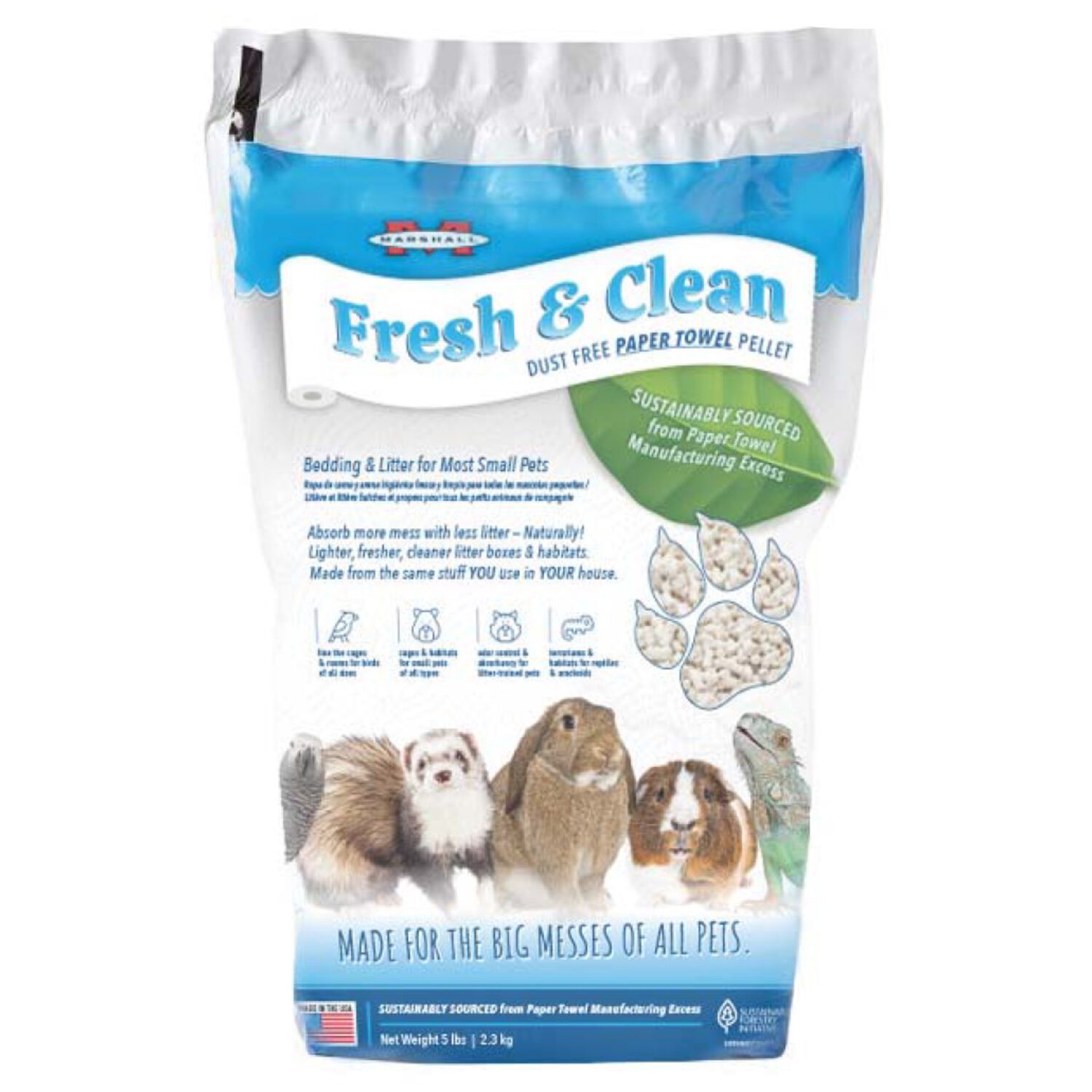
Bedding
Litter tray
Ceramic or stainless-steel bowls
(remember guinea pigs chew)
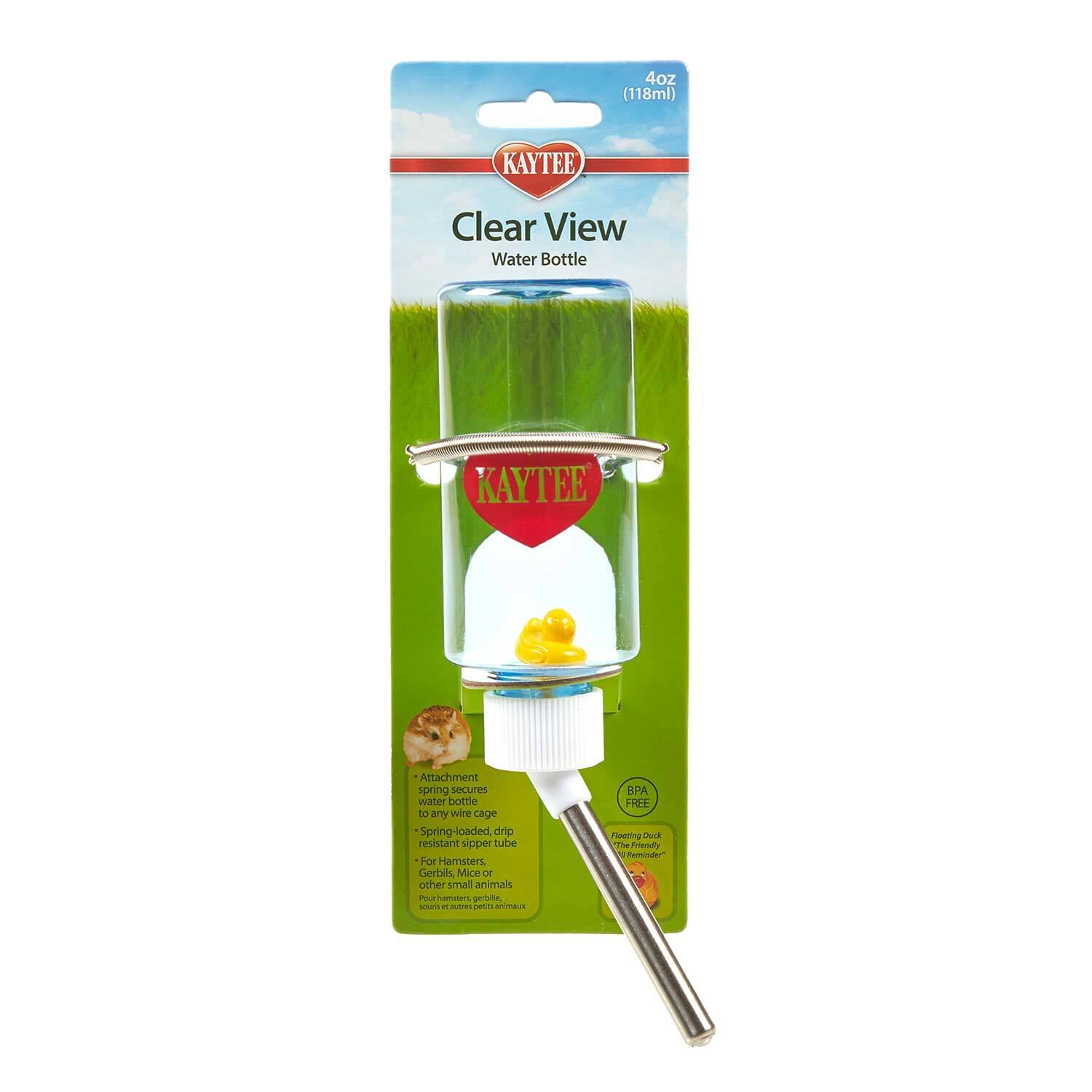
Water bottle
(bowls can be very messy when guinea pig plays)
Everything your Skinny Pig needs, all in one place.
Shop Skinny Pig Supplies
Feeding Your Skinny Pig
Food & Water
Small animals do not retain water as well as humans do. It is important to always provide fresh water.
Daily diet should consist of:
- 70-75% dried hay
- 10-20% dried pellet specifically for Skinny Pigs
- 5-10% fresh veggies and fruits high in Vitamin C (kale, carrots, turnip, greens, collard greens, blueberries, oranges, grapes)
Guinea pigs have a higher Vitamin C requirement than other small animals. Guinea pigs do not manufacture their own Vitamin C so you must feed them a vitamin C enriched food like bell peppers, romaine lettuce, snap peas, cilantro, and parsley. Vitamin C drops and supplements will support the need however make sure to change water bottles daily as the drops degrade after 24 hours.
Safe to Feed
Treat sticks
Prepackaged chew sticks
Avoid
Chocolate & other candy
Onions
Iceberg lettuce
Skinny Pig Habitat
Caging & Environment
- Skinny Pigs are extremely social animals, but care should be used when housing them together. Use the following guidelines: 2 females or, 1 female and 1 neutered male, can be safely housed together.
- Skinny Pigs can’t regulate their body temperature well due to their lack of fur - their cage should be kept away from anything that could affect their core temperature such as windows, air conditioning vents, fans and/or fireplaces.
- A hide area is very important to guinea pigs–they love to play hide and seek!
- Bedding should be about 1” deep.
- The cage should have a solid bottom (the same goes for exercise wheels).
- The larger the cage, the better! Go for a cage that has a lot of surface area, rather than multiple levels.
Handling Your Skinny Pig
Behavior & Handling
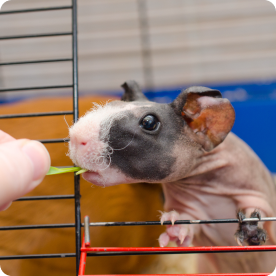
- Essential to dental health, it is important to provide different types of chews to assist with trimming, chewing, and flossing their ever-growing teeth.
- Skinny Pigs rarely bite but can nip if they feel threatened. Try hand-feeding treats as a start.
- Always pick up a guinea pig by supporting its entire body. Squirming is normal at first, but make sure the entire body is supported –dropping a skinny pig can cause severe injury.
- Skinny Pigs are super vocal! They will grunt, squeal, and whistle to show excitement.
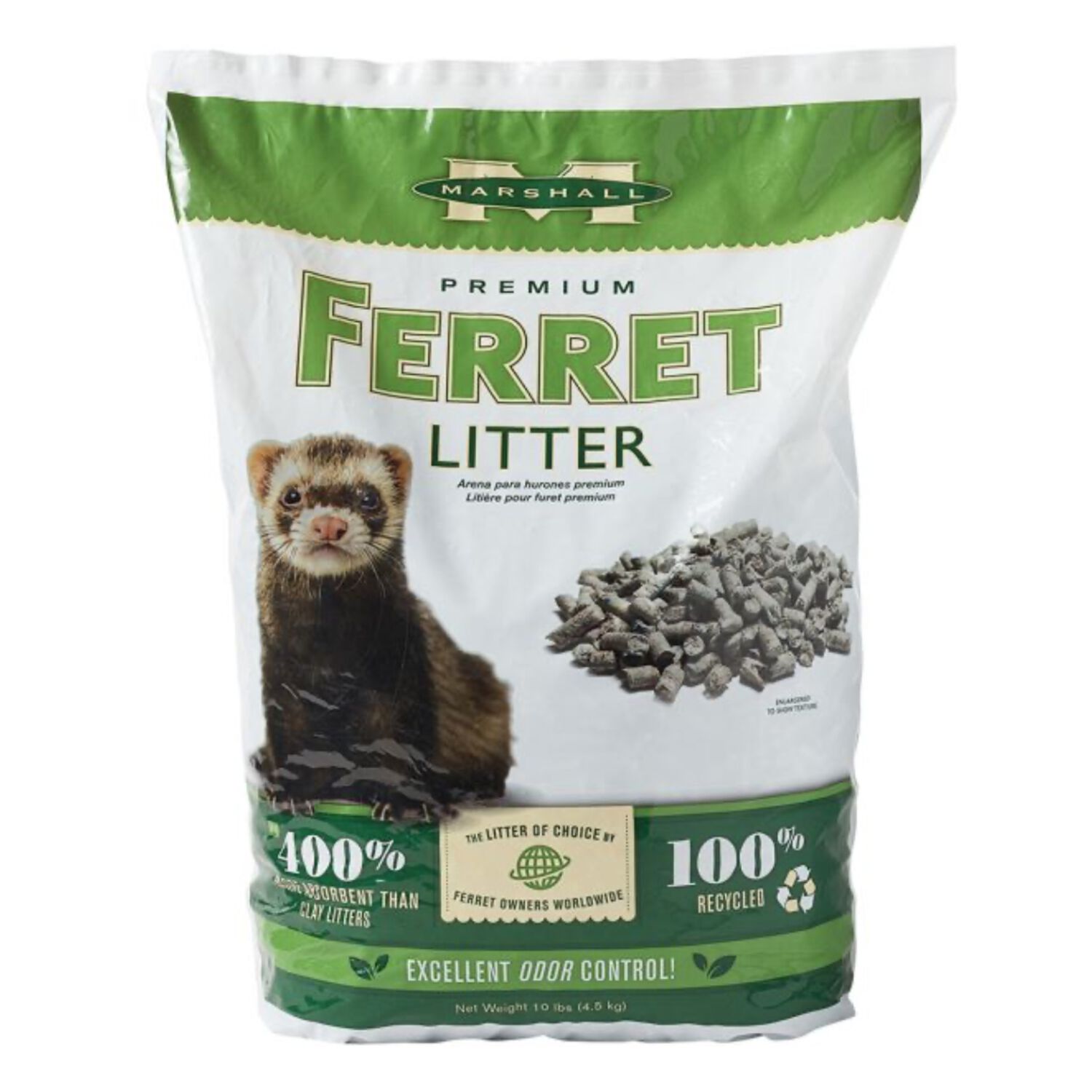
- Skinny Pigs can be litter trained. They will often choose a corner of the cage to eliminate in. Once you see this behavior, place a corner litter box in that spot and put some of the soiled bedding in the litter box. The guinea pig will continue to use that corner and clean up becomes a breeze!
Common Health Problems
Skinny Pig Health and Well-being
- If your Skinny Pigs is not eating or pooping, take to a Vet immediately. Even smaller than normal amounts require attention.
- Sneezing, discharge from the eyes, nose, or ears are also problems that need veterinary attention.
Skin Care
- Skinny Pigs do not need to be bathed – this can dry out their skin and cause issues. If they need to be cleaned, use a waterless bath spray or wipe.
- Skinny Pigs do not need daily skin care or moisturizing, but as dry spots are noticed they can be treated under the following guidelines: Cold pressed coconut oil applied directly to affected areas. Do not use human lotions/moisturizers or products designed for other animals.
153 Results
153 Results
No products found for selected filters. Please try with different filters.
Showing 0 of 0