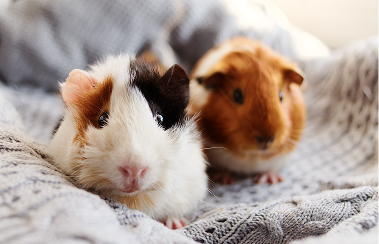
Gerbils Care Guide
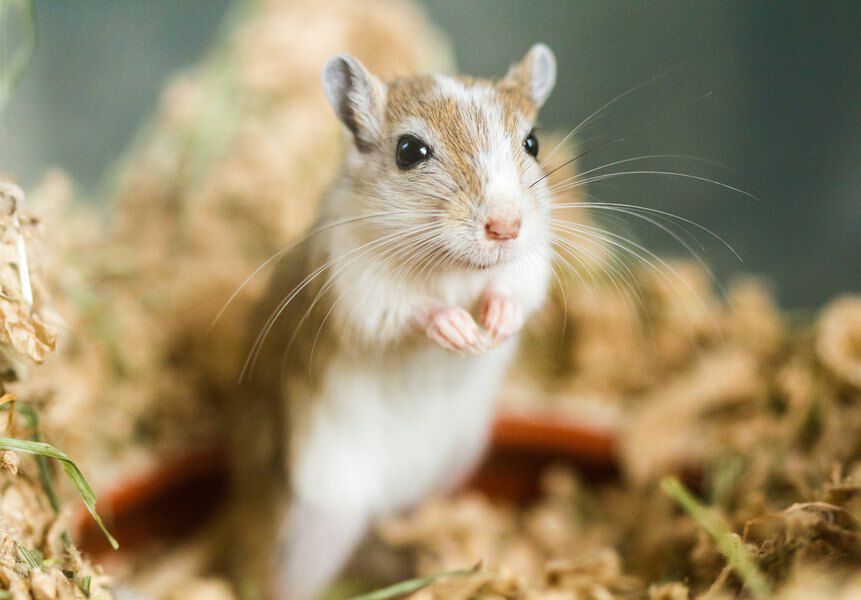
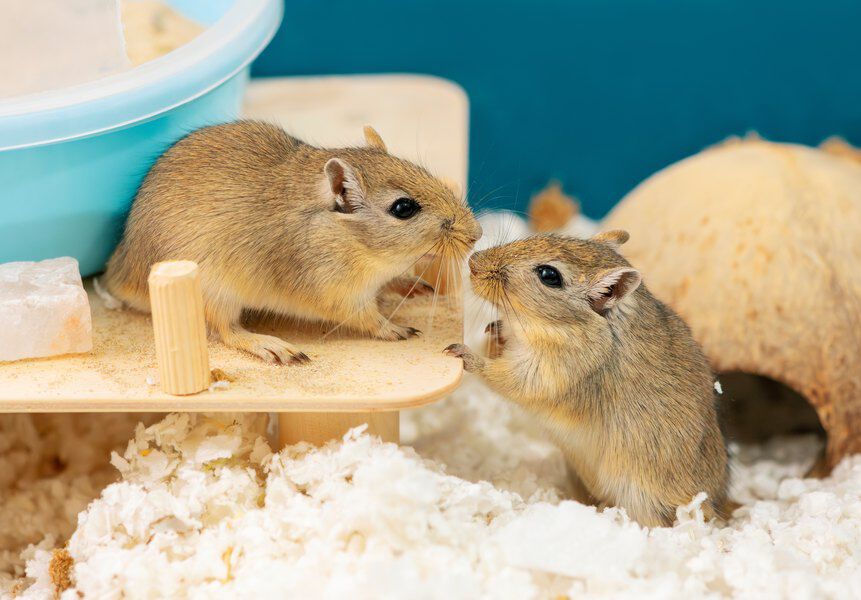
Get to Know Your Gerbil
Basic Information
Includes common species such as Mongolian Gerbils
Common Name
Gerbil
Scientific Name
Meriones unguiculatus (Mongolian Gerbil – most commonly kept)
Size
3 - 5 inches (body length, not including tail), Tail: 3 - 4 inches
Life span
3 - 5 years (with proper care)
Temperament
Active, curious and social
Checklist for Your Gerbil
Essential Items
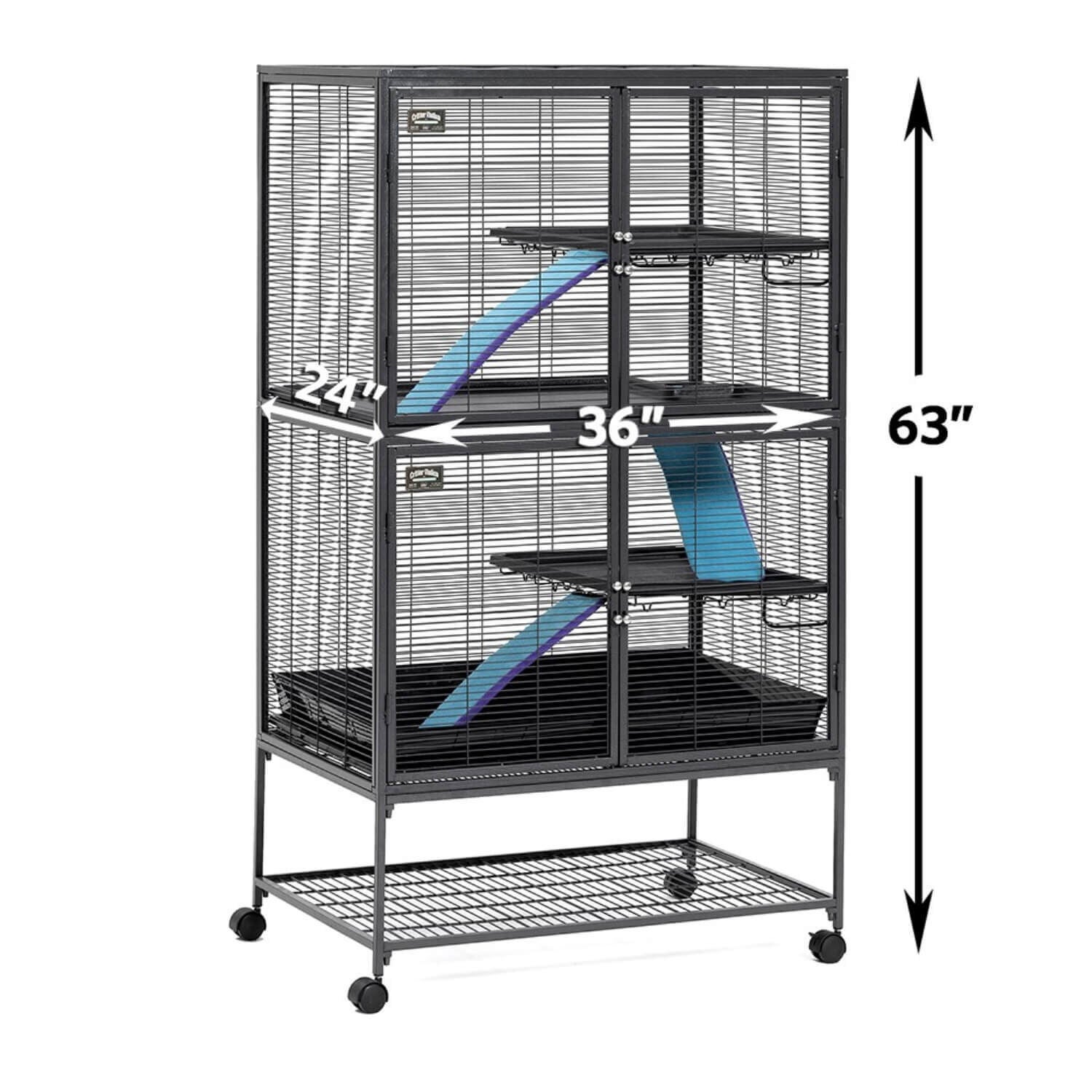
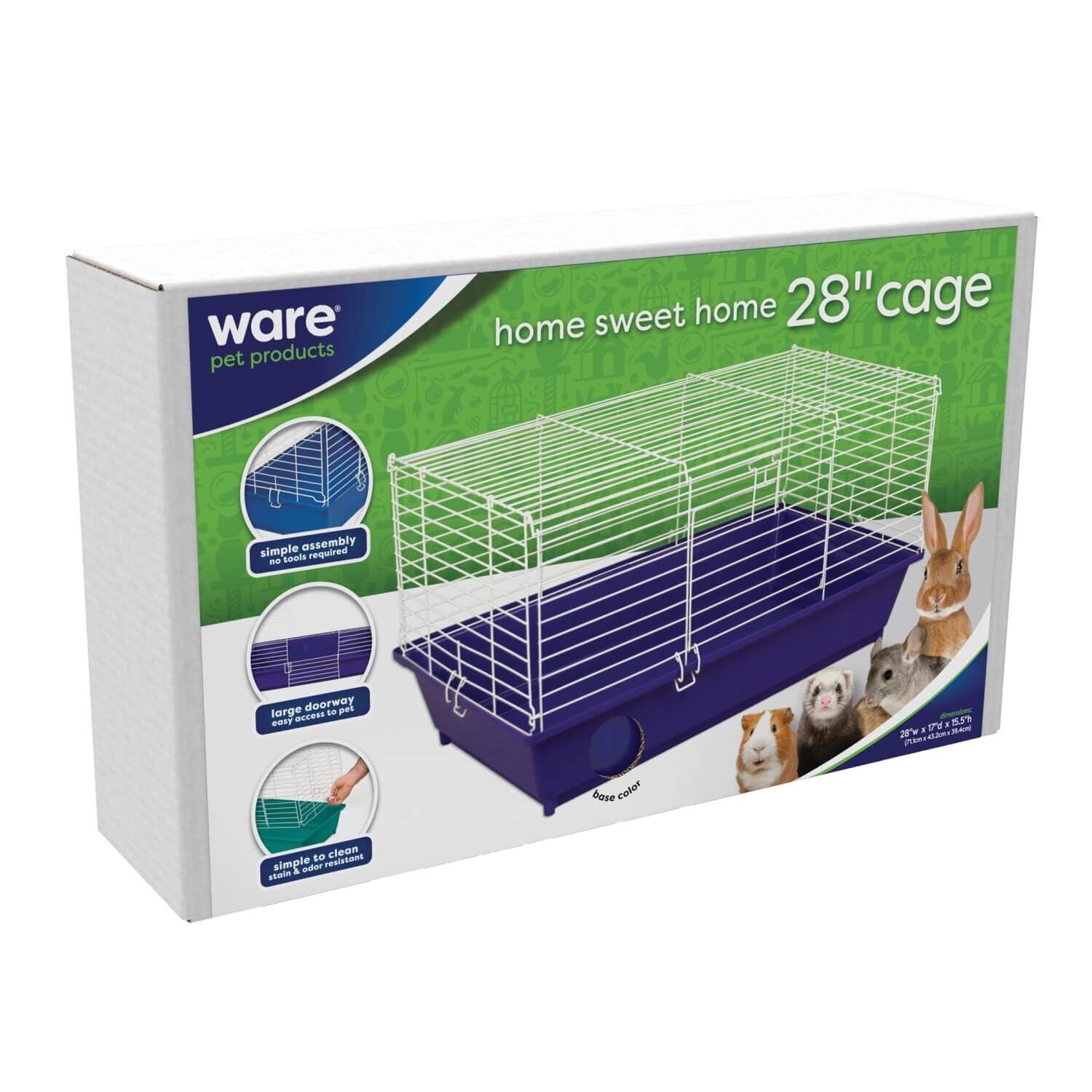
Spacious enclosure (tank or wire habitat)
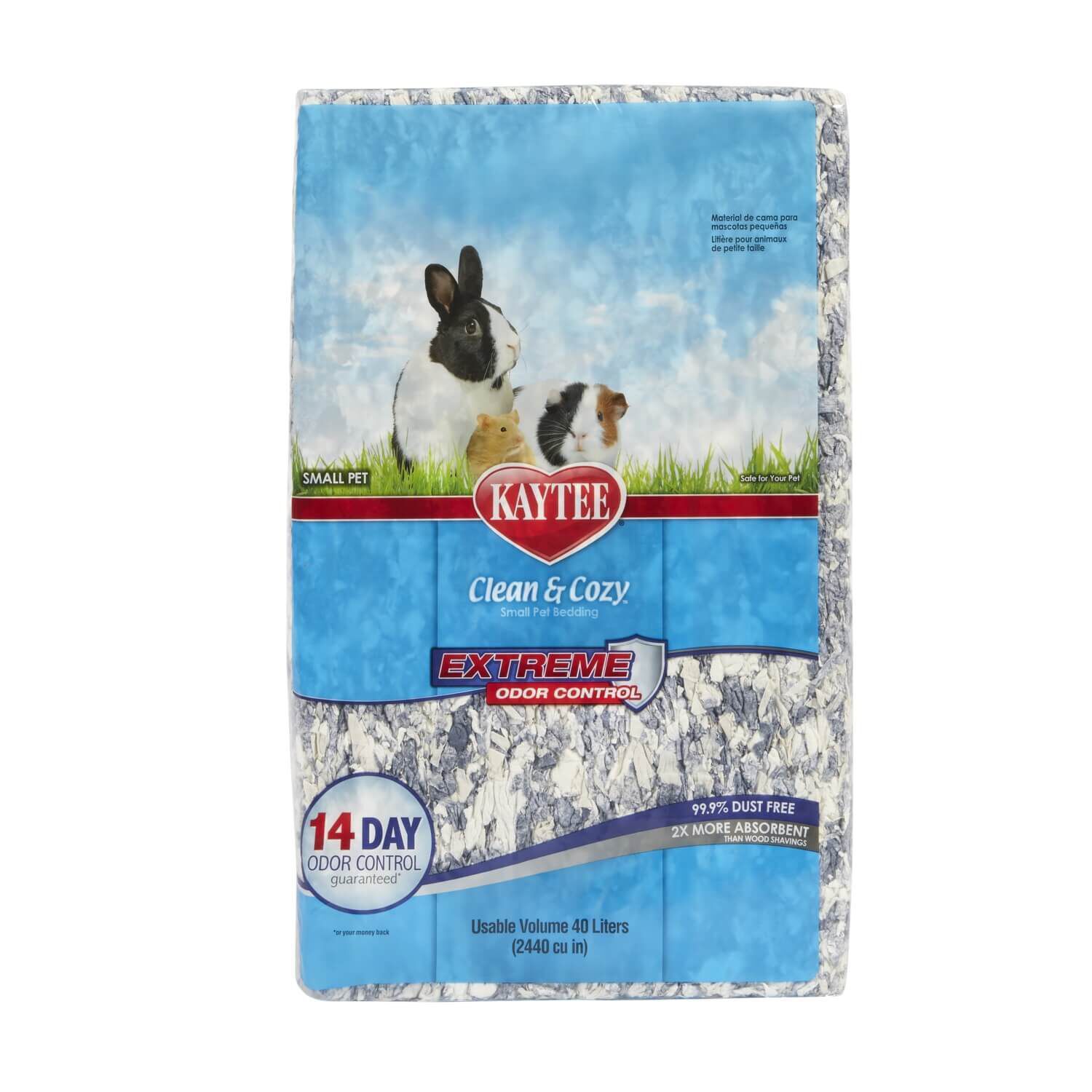
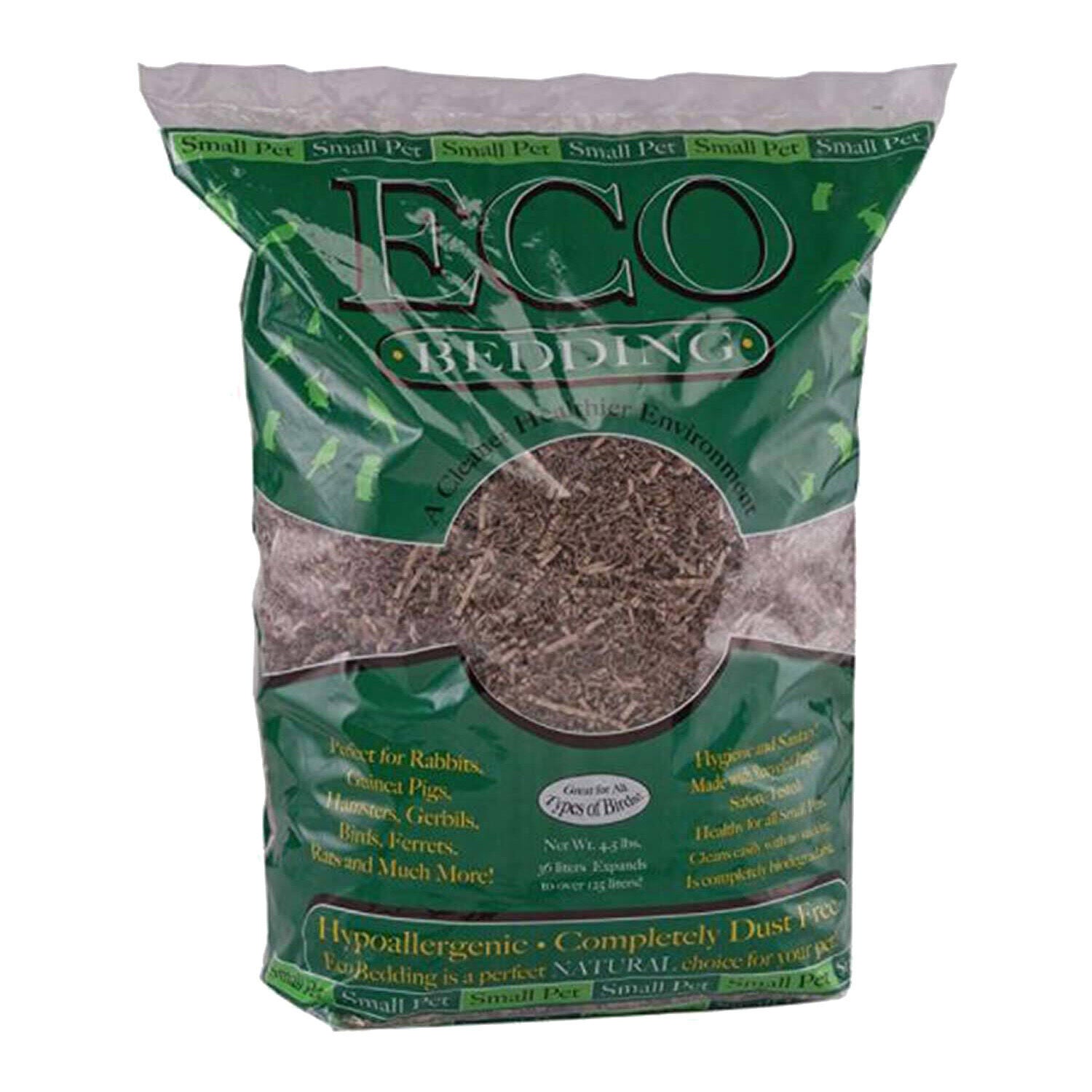
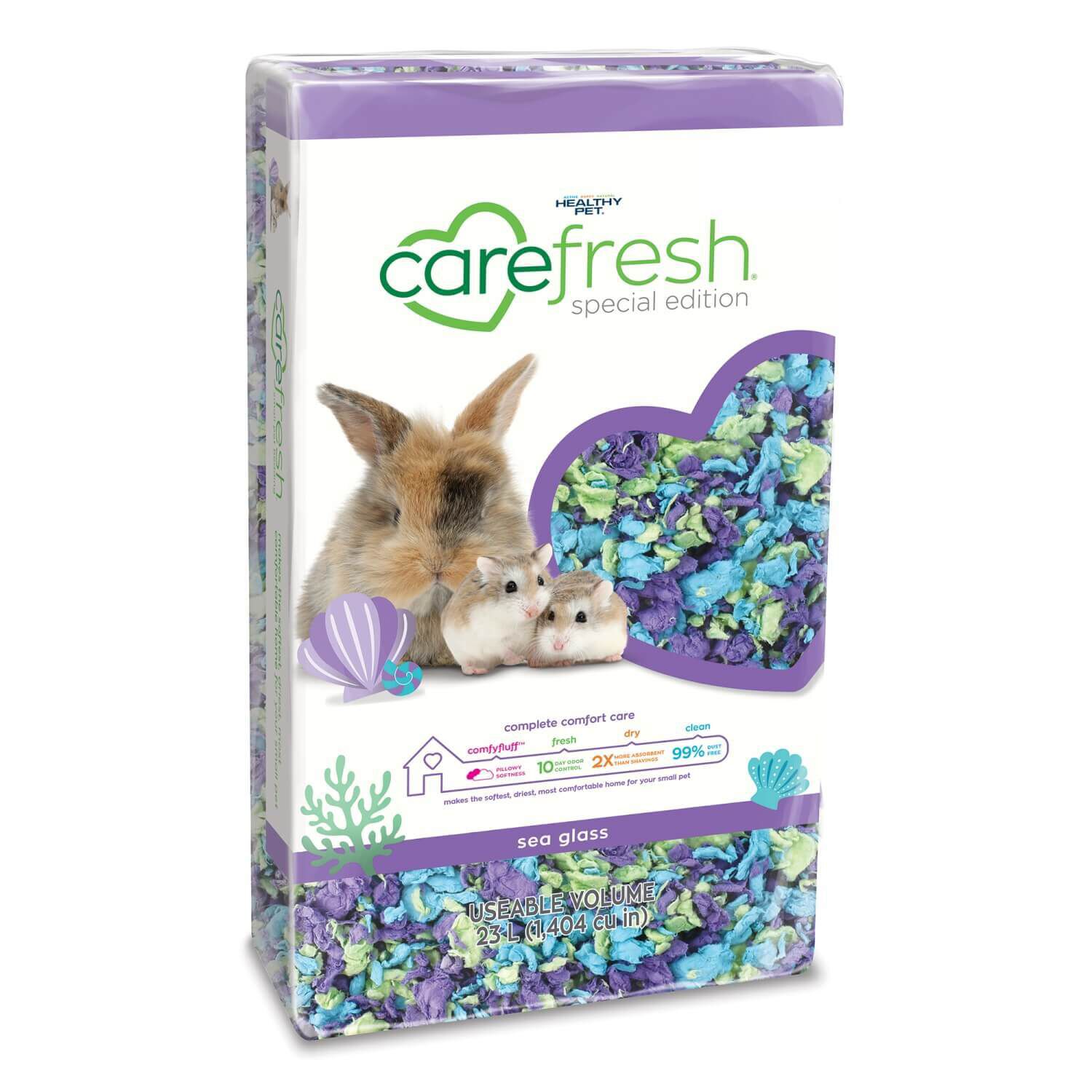
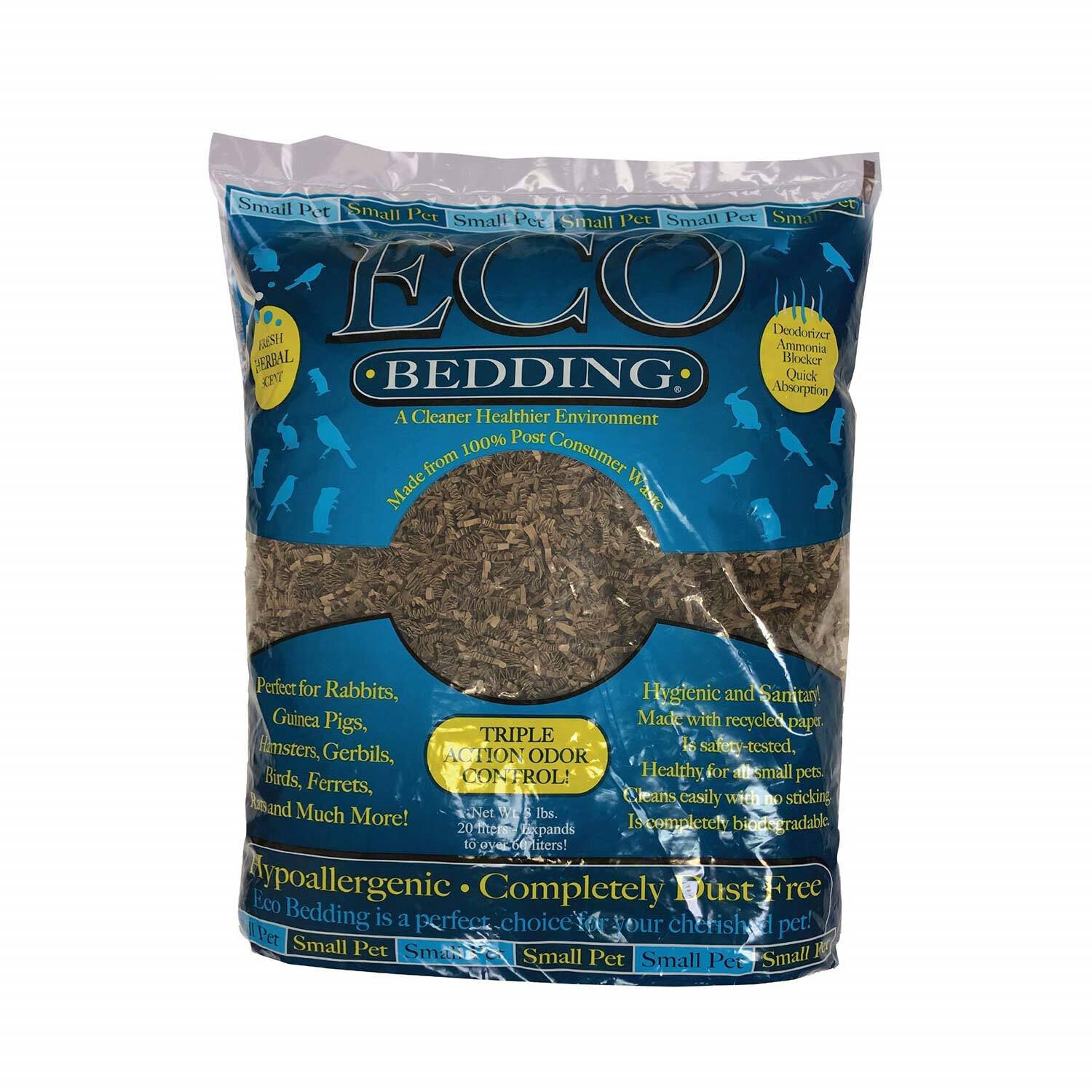
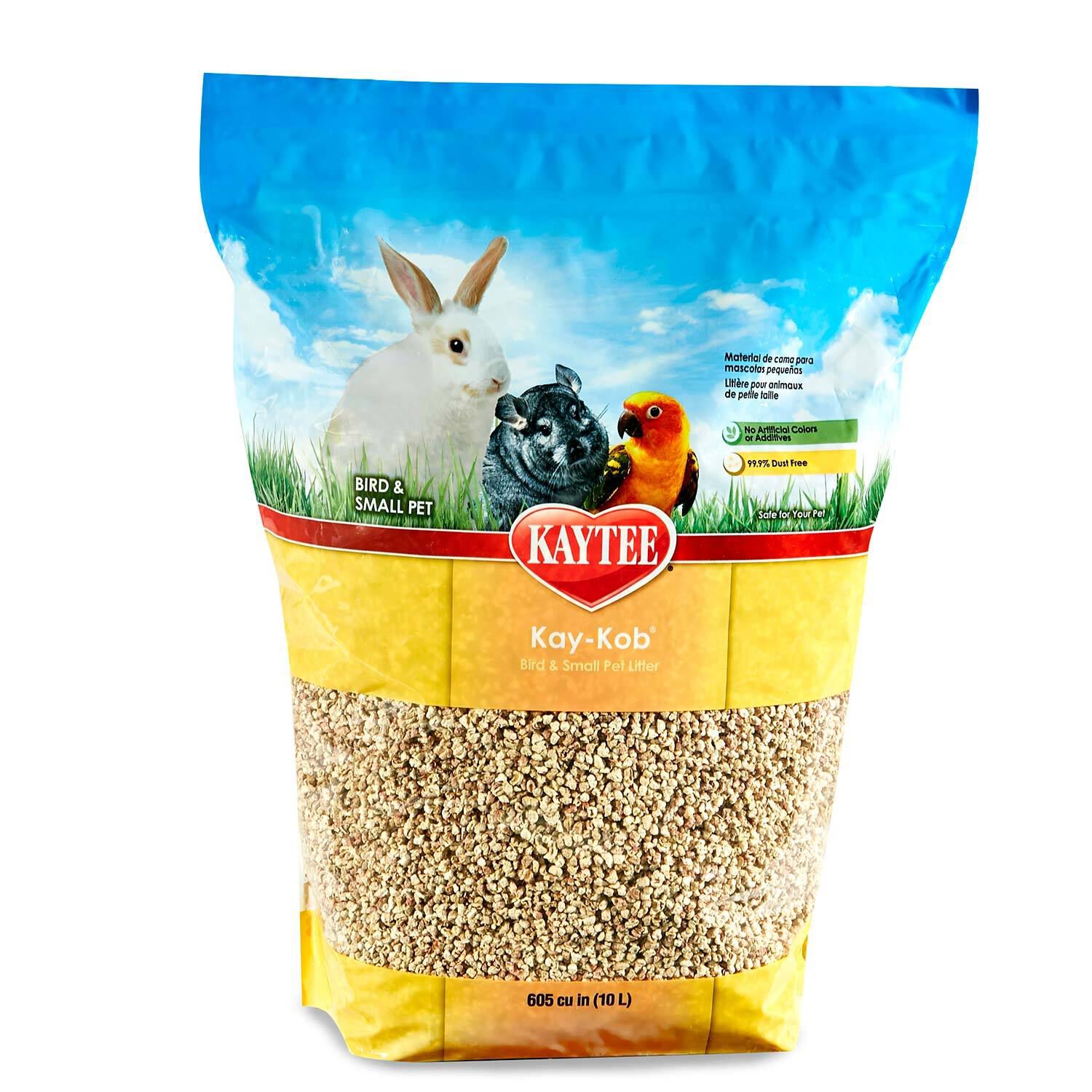
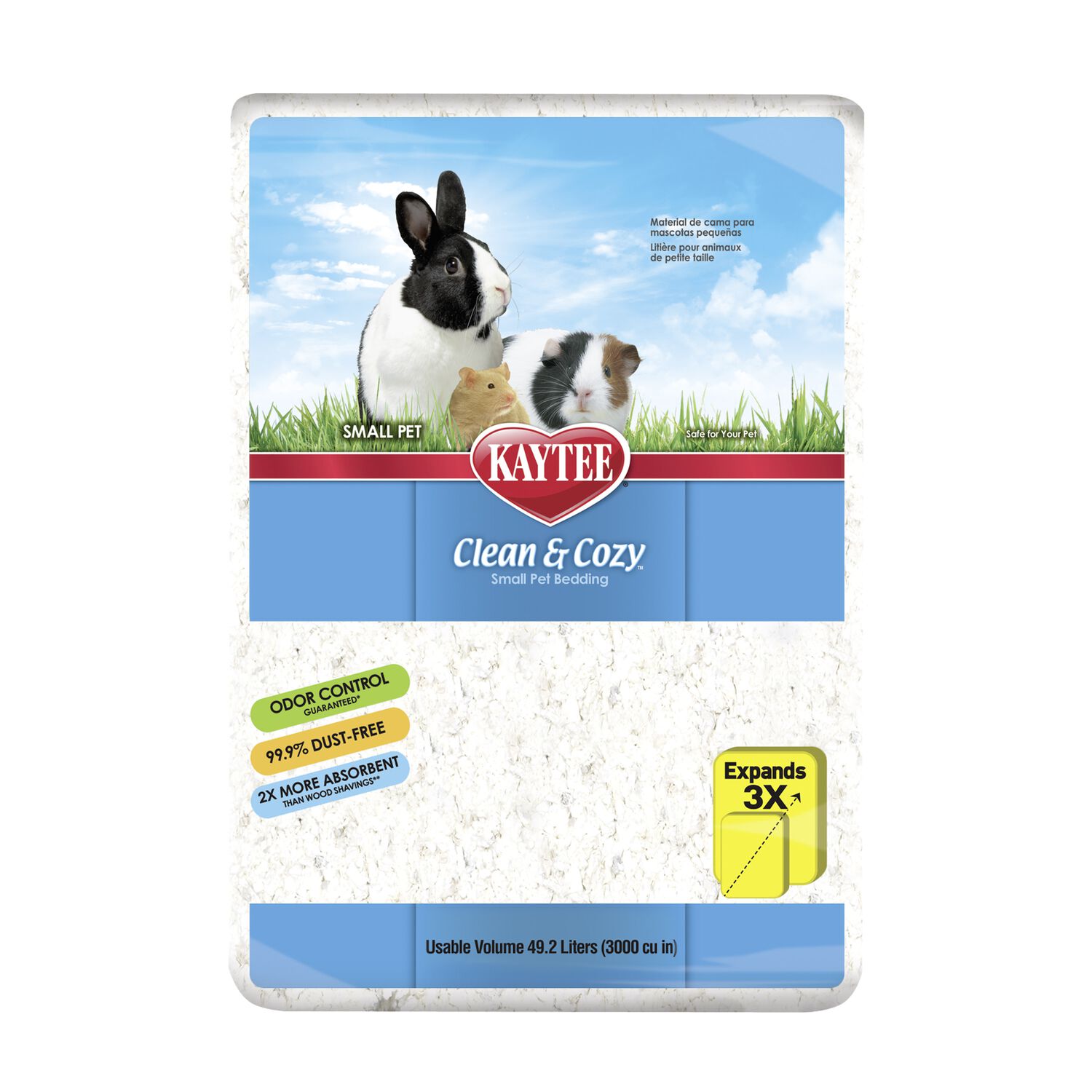
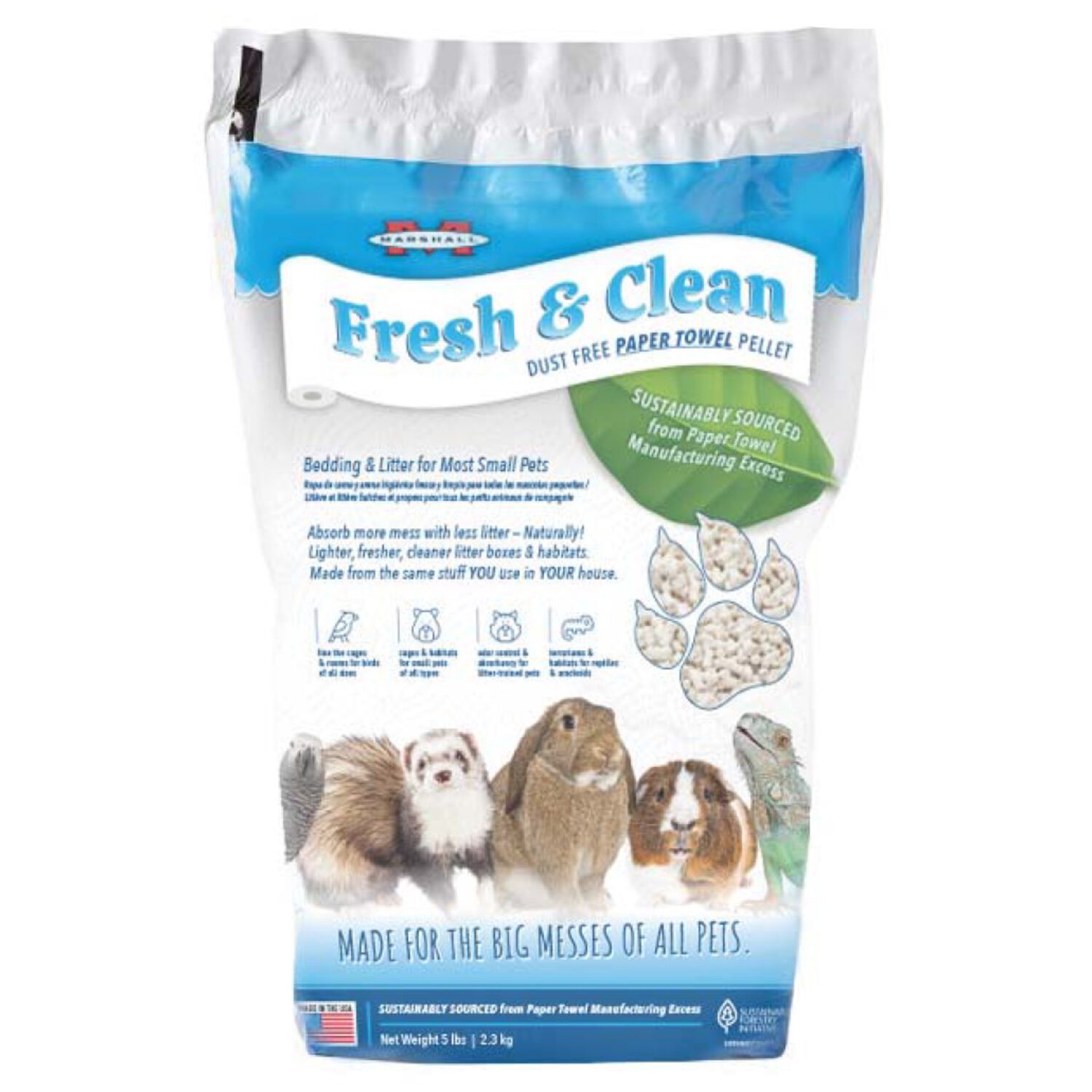
Deep, dust-free bedding (6 - 10 inches)
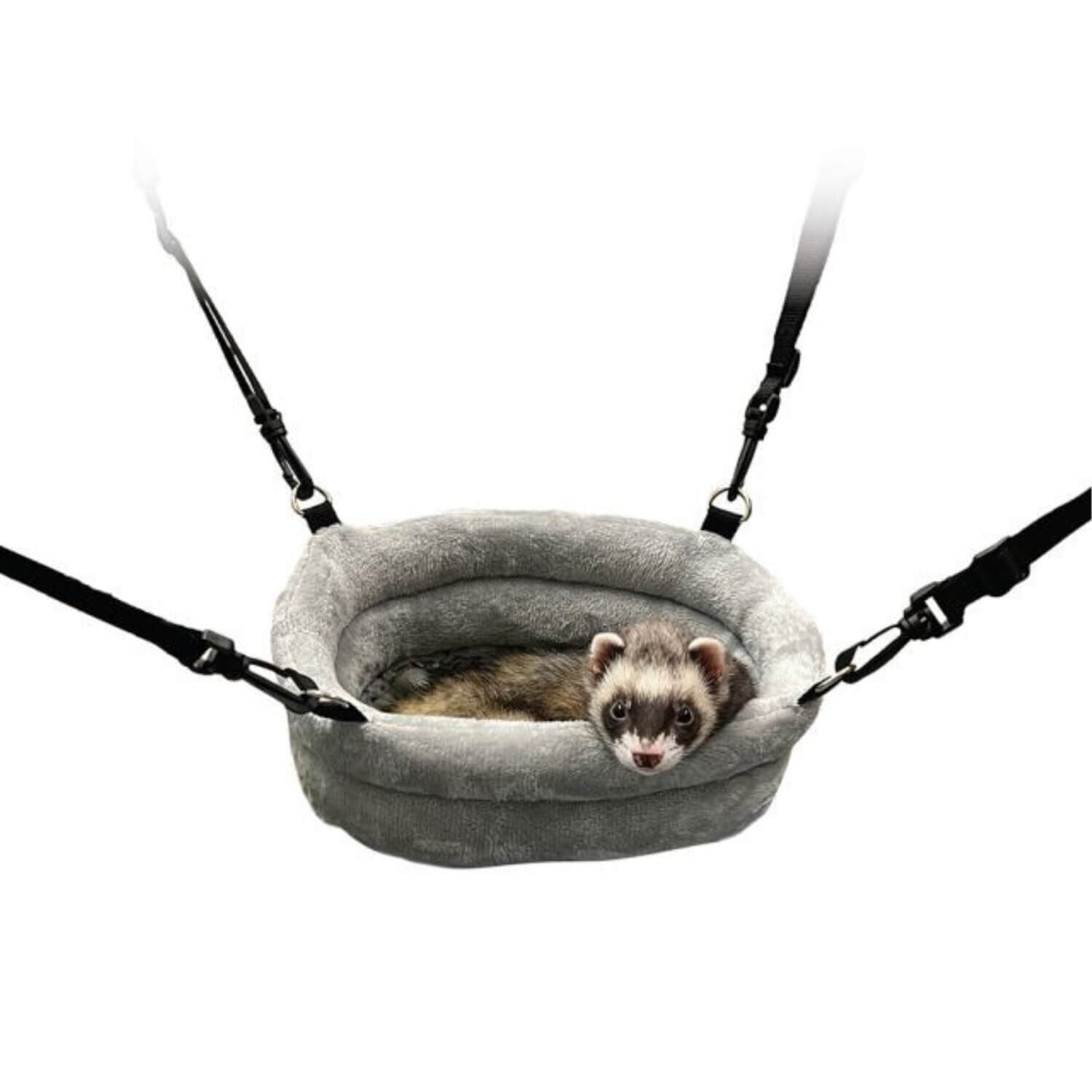
Hiding places (houses, tunnels, tubes)
Exercise wheel (8 - 12 inches solid surface)
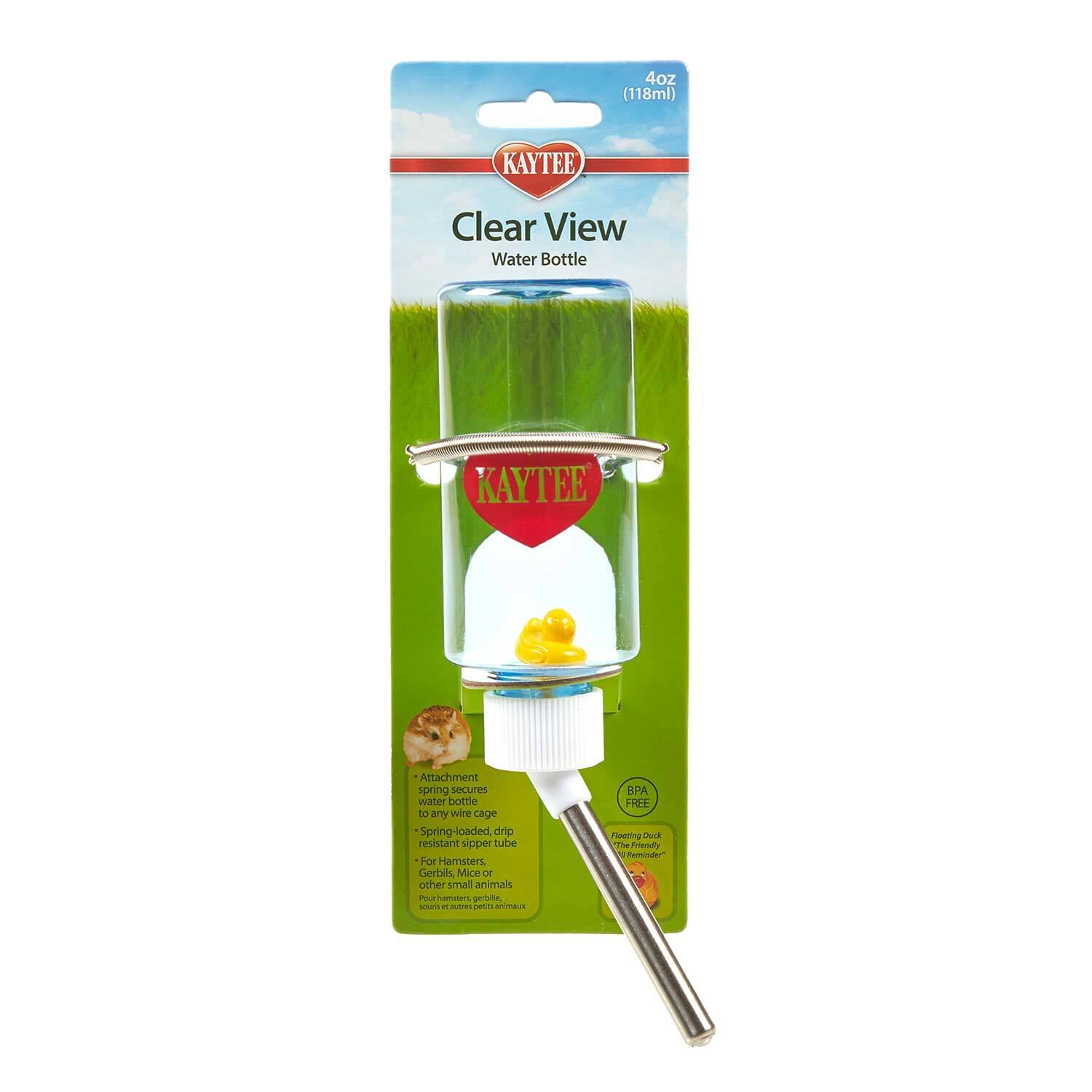
Food dish and water bottle
High-quality gerbil food mix
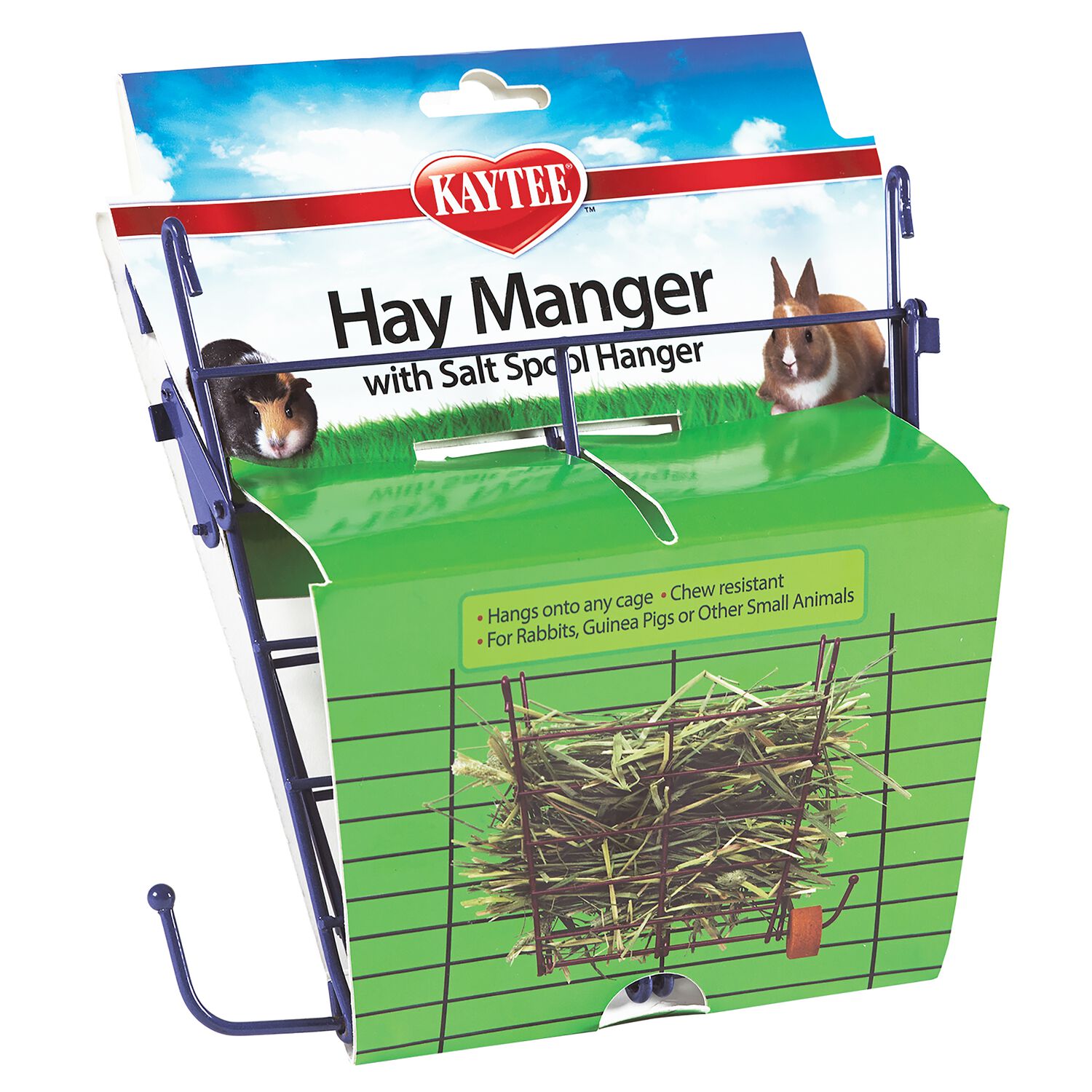
Hay and safe chew items
Sand bath (chinchilla sand)
Toys and enrichment items (bridges, platforms, sprays)
Secure lid (gerbils can jump)
Temperature and humidity monitor
Regular cleaning supplies
Everything your Gerbil needs, all in one place.
Shop Gerbil Supplies
Feeding Your Gerbil
Diet
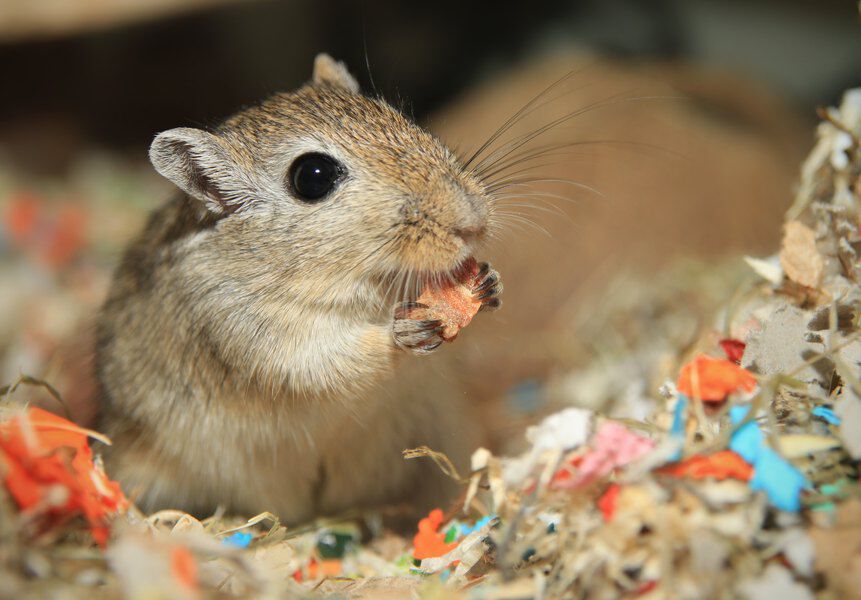
- Feed a high-quality gerbil food mix formulated for small animals.
- Offer lab blocks.
- Offer a variety of foods, including:
- Seeds and grains
- Dried vegetables
- Hay (timothy or oat hay)
- Small amounts of fresh vegetables (carrot, broccoli, bell pepper, etc.)
- Occasional healthy treats such as plain oats or mealworms.
- Provide clean, fresh water at all times using a water bottle.
- Avoid sugary, fatty and processed foods.
- Always mix food for three days when changing foods.
Gerbil Habitat
Caging & Environment
Housing & Environment
- Requires a spacious enclosure with good ventilation.
- Recommended minimum size:
- Tank: 20 gallons (longer is better)
- Wire habitat: 450+ sq. inches of uninterrupted floor space (larger is always better)
- Provide 6 - 10 inches of dust-free bedding for burrowing (aspen, paper or other safe bedding).
- Include multiple hiding places, tunnels, platforms and enrichment items.
- Provide a solid-surface exercise wheel (8 - 12 inches) to prevent tail injuries.
- Add a sand bath with chinchilla sand to help keep their coat clean and healthy.
- Keep the enclosure in a quiet area away from direct sunlight, drafts and sudden temperature changes.
Temperature & Humidity
- Ideal temperature: 65 - 75°F (18 - 24°C)
- Avoid temperatures below 60°F or above 80°F.
- Humidity: 30 - 50%
- Keep away from direct sunlight, drafts and areas with high humidity.
Bedding & Enrichment
- Use 6 - 10 inches of dust-free bedding for burrowing (aspen, paper or other safe bedding).
- Provide hay, cardboard tubes, wooden chews, bridges and platforms.
- Offer different textures and items to encourage natural digging and exploring.
- Change bedding regularly and spot clean as needed.
Handling Your Gerbil
Behavior & Handling
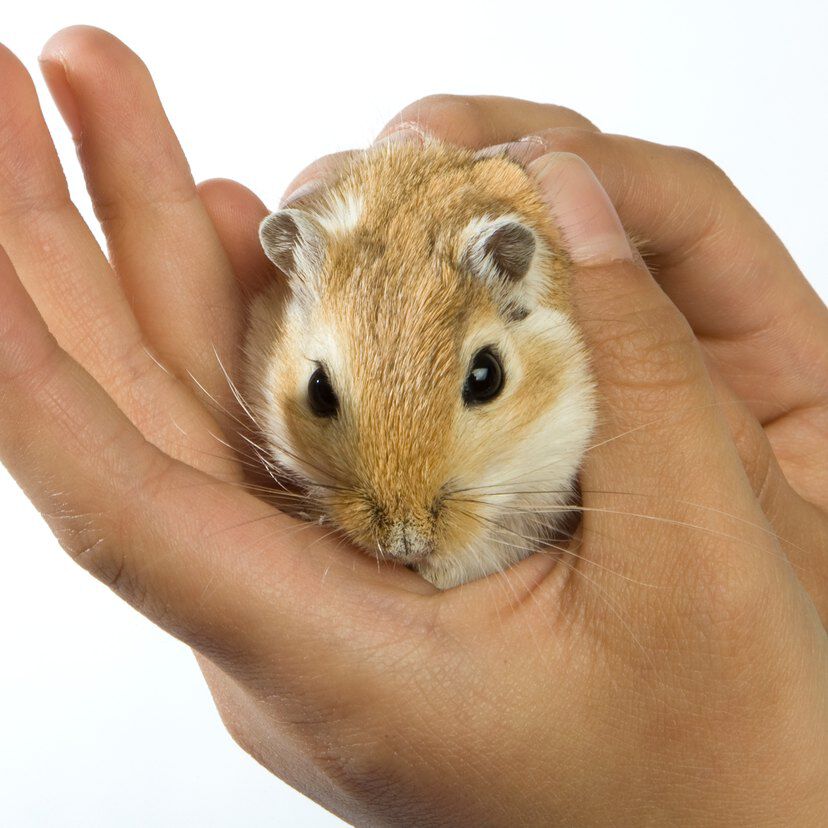
- Gerbils are social animals and should be kept in same-sex pairs or small groups (siblings work best).
- They are active, curious and love to explore and dig.
- Let animals acclimate for 3 to 4 days before handling.
- Handle gently and allow them to become comfortable with you.
- Scoop them up with two hands or guide them onto your hand.
- Avoid holding them high above the ground, as they can jump quickly.
- Regular, gentle handling helps them become tame.
Common Health Problems
Gerbil Health and Well-being
Health & Safety
- Keep the enclosure clean and dry to prevent respiratory issues.
- Monitor for signs of illness, such as lethargy, loss of appetite, or wet tail.
- Provide a properly sized exercise wheel with a solid surface.
- Ensure enrichment items are safe and free of sharp edges.
- Always wash your hands before and after handling.
153 Results
153 Results
No products found for selected filters. Please try with different filters.
Showing 0 of 0