Hamster Care Guide


Get to Know Your Hamster
Basic Information
Common Name
Hamster
Scientific Name
Cricetinae
Sexual Maturity
6 weeks old
Life span
3 Years
Gestation
16 Days
Litter size
6 -16
Checklist for Your Hamster
Essential Items
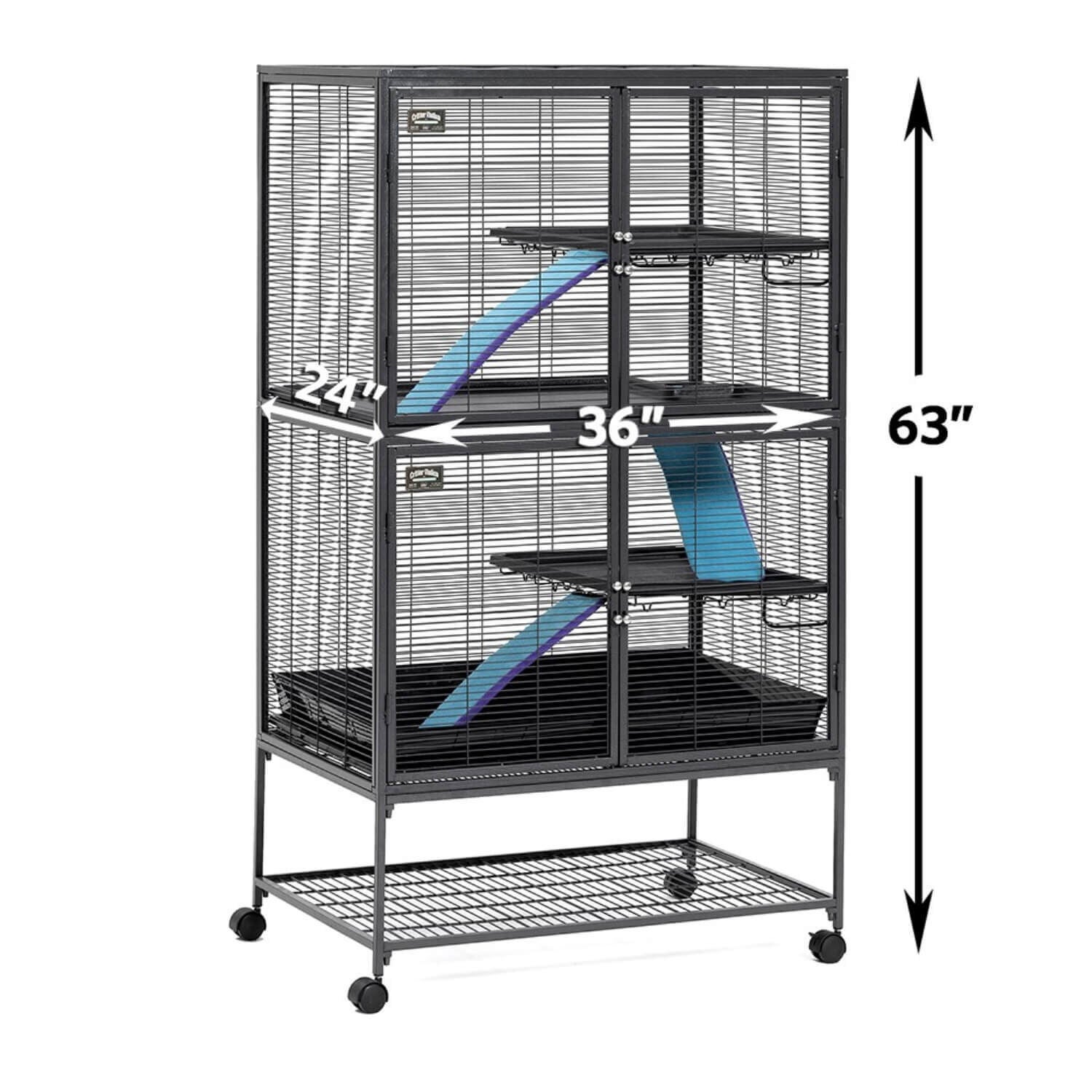
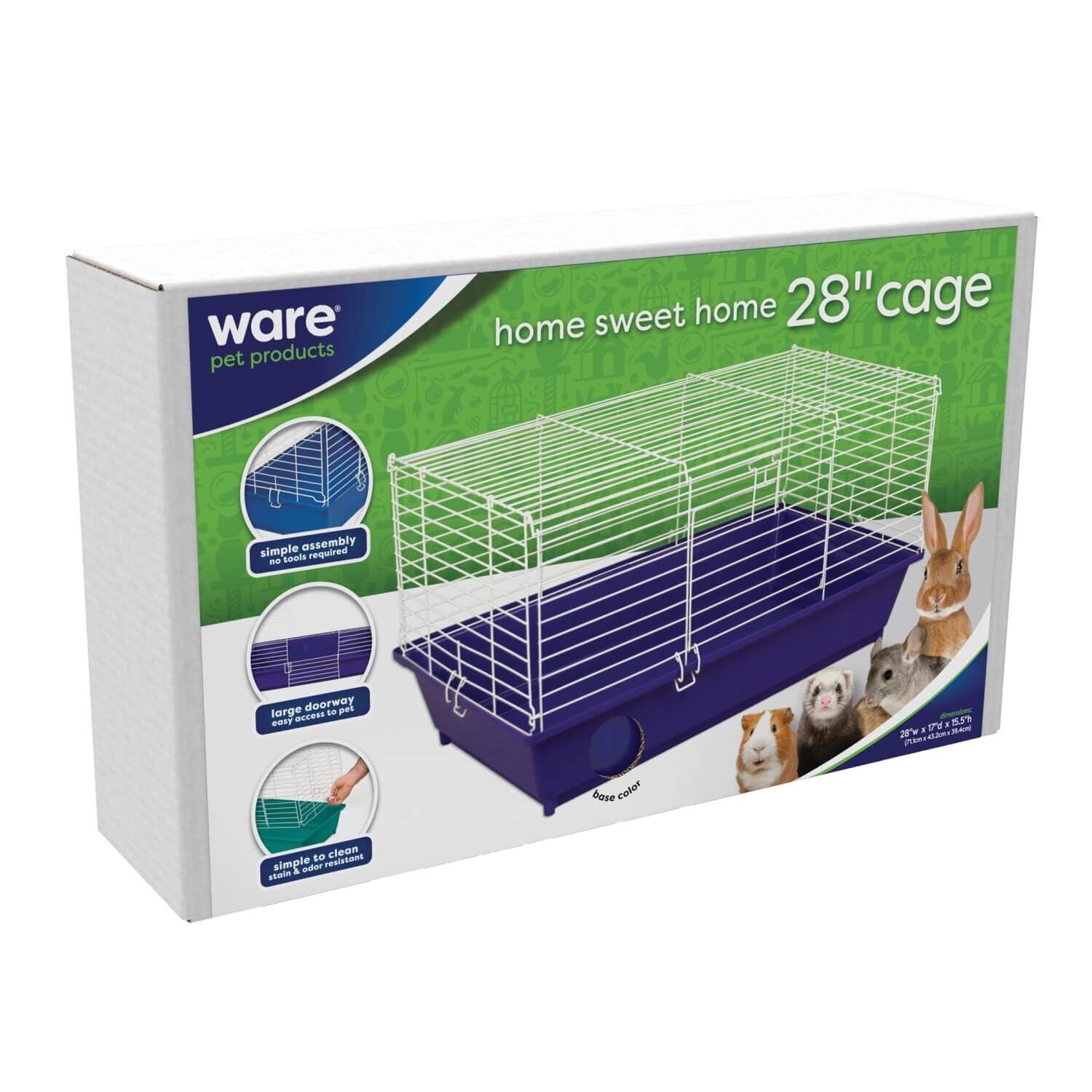
Cage
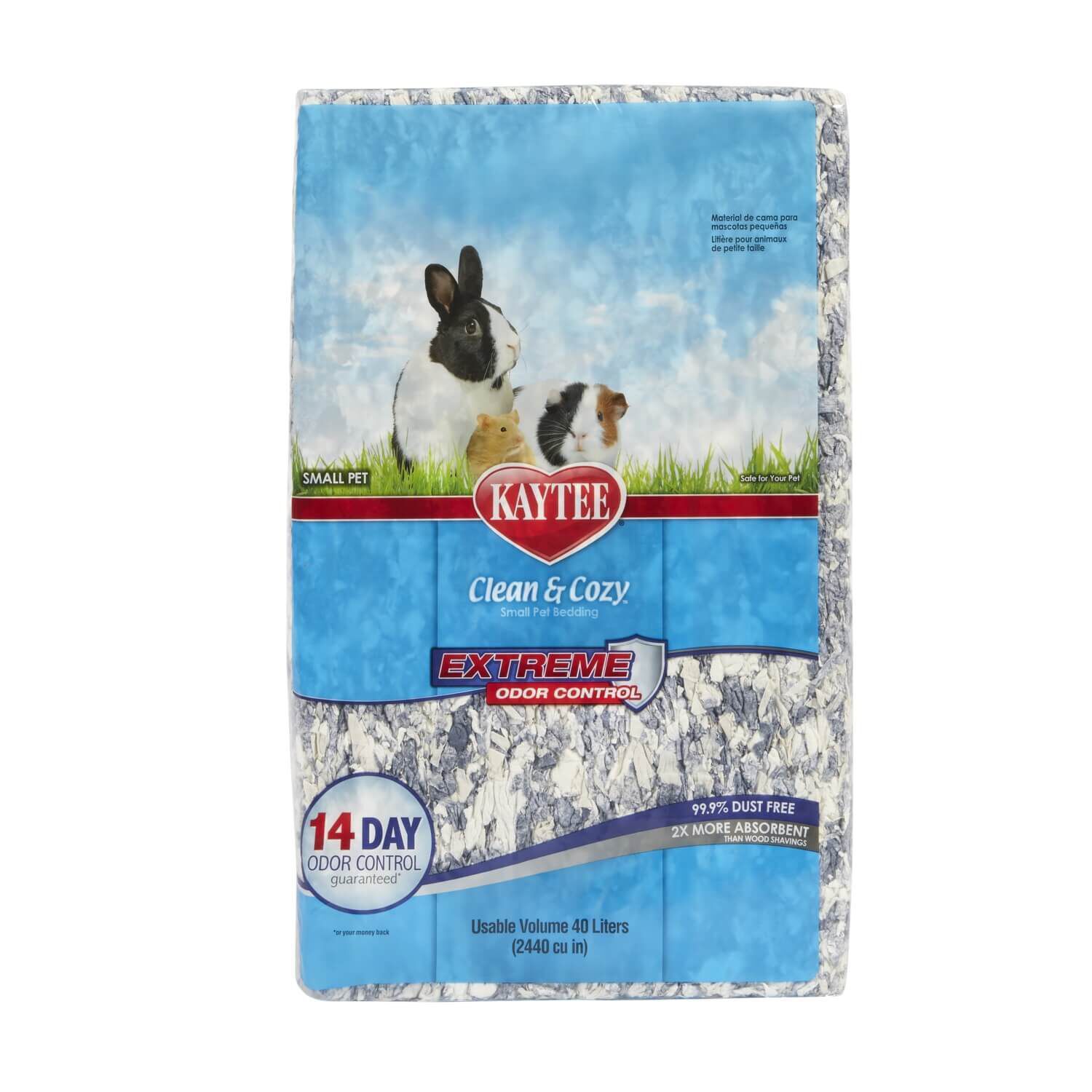
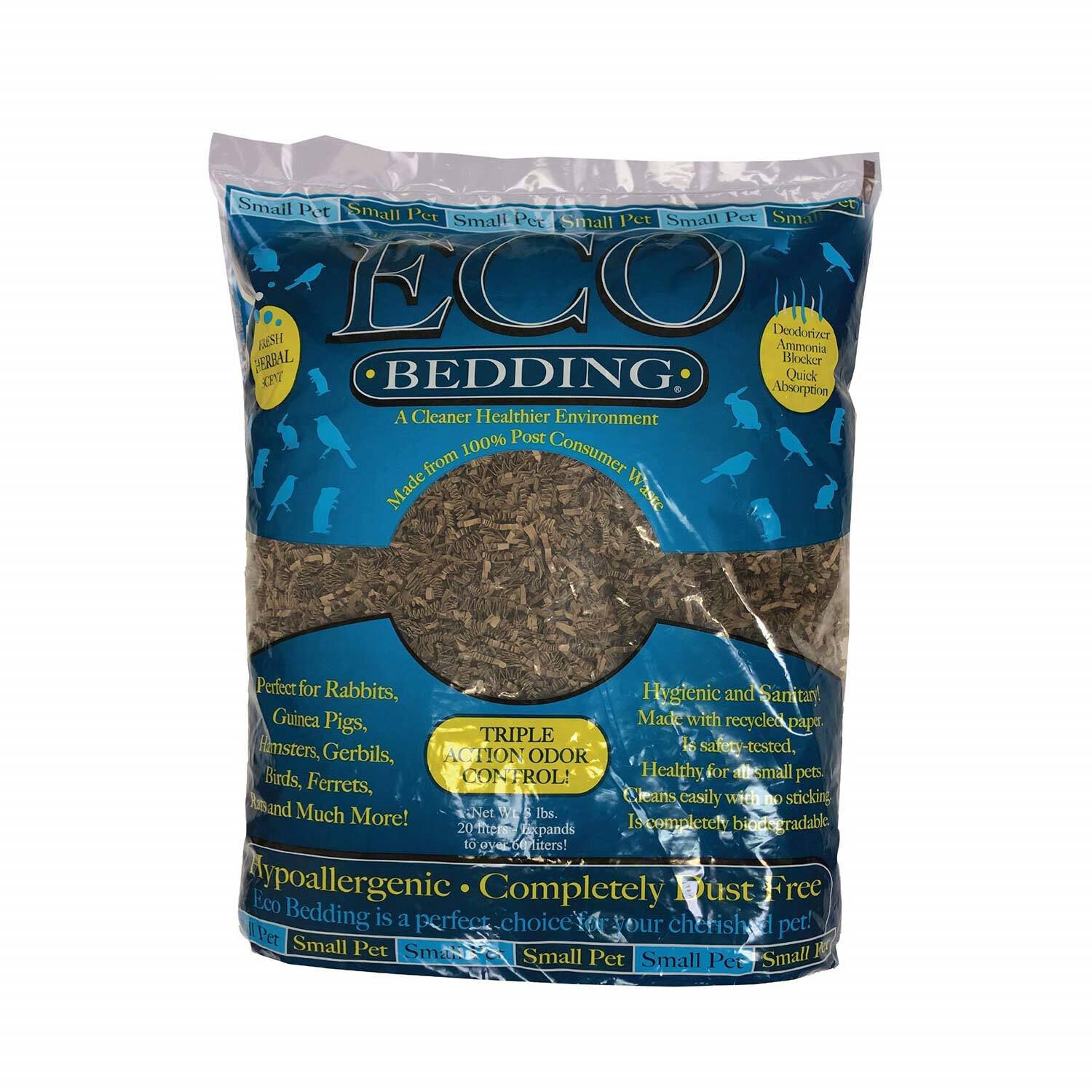
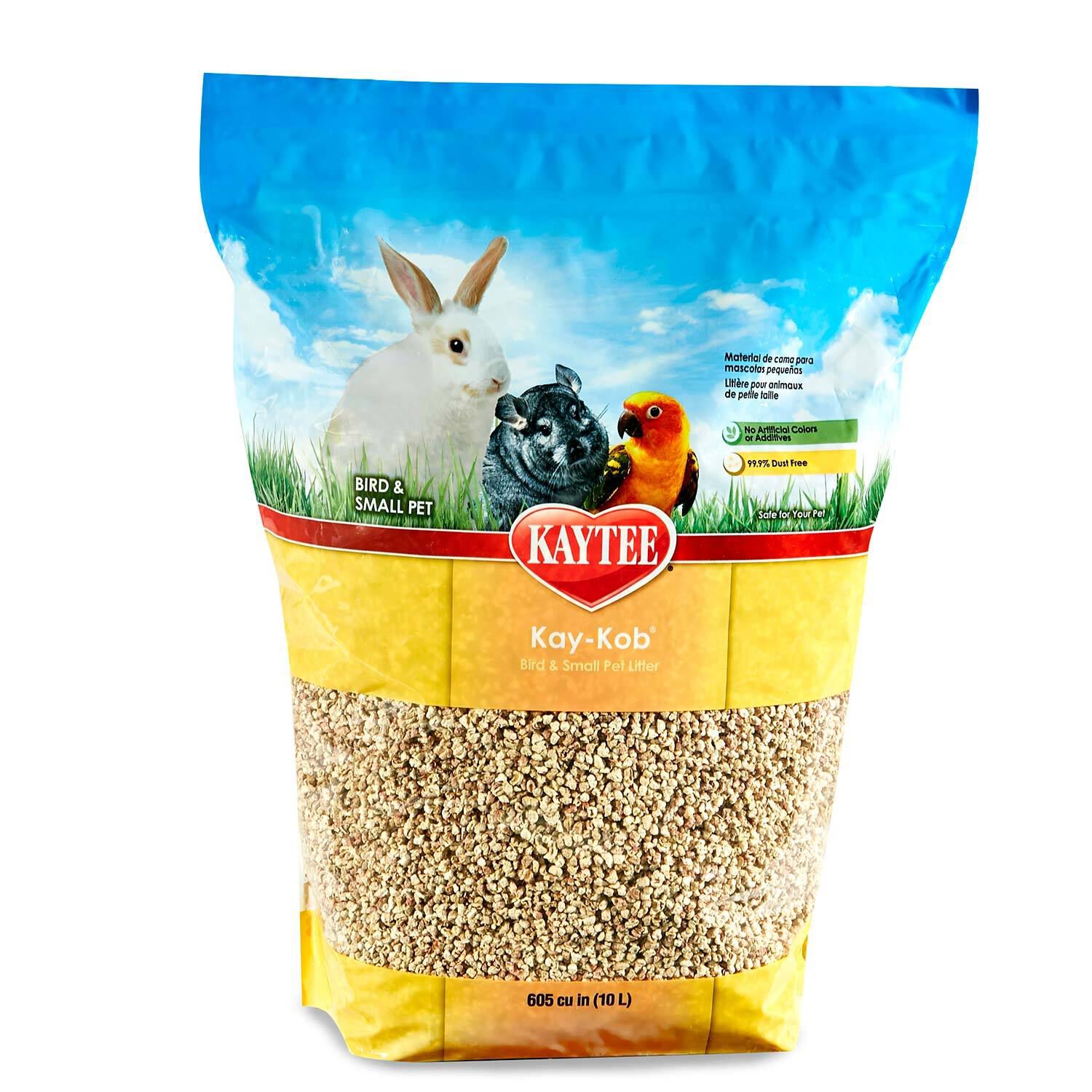
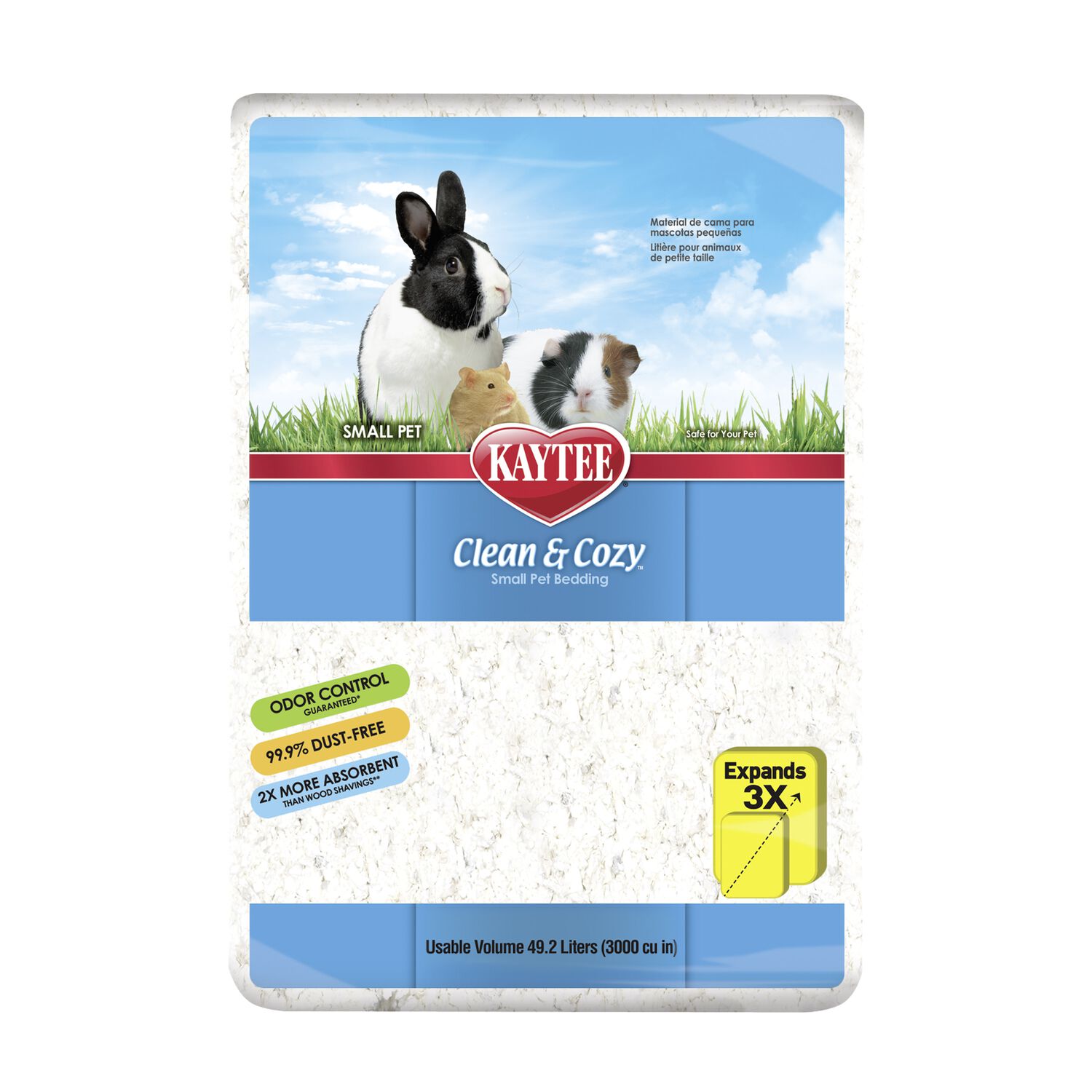
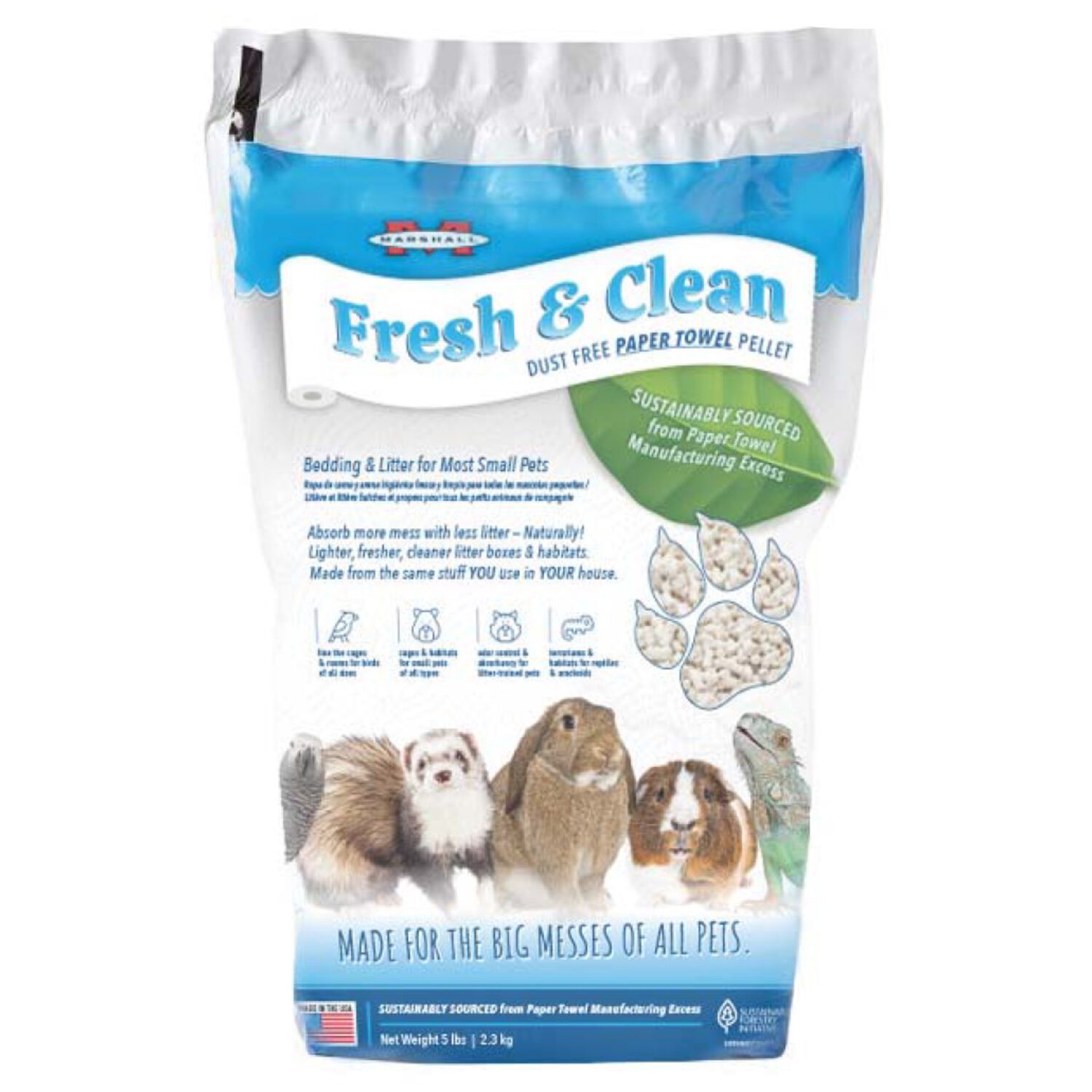
Bedding
Exercise Wheel/Ball
Ladder for Climbing
Food
Food Dish
Treats
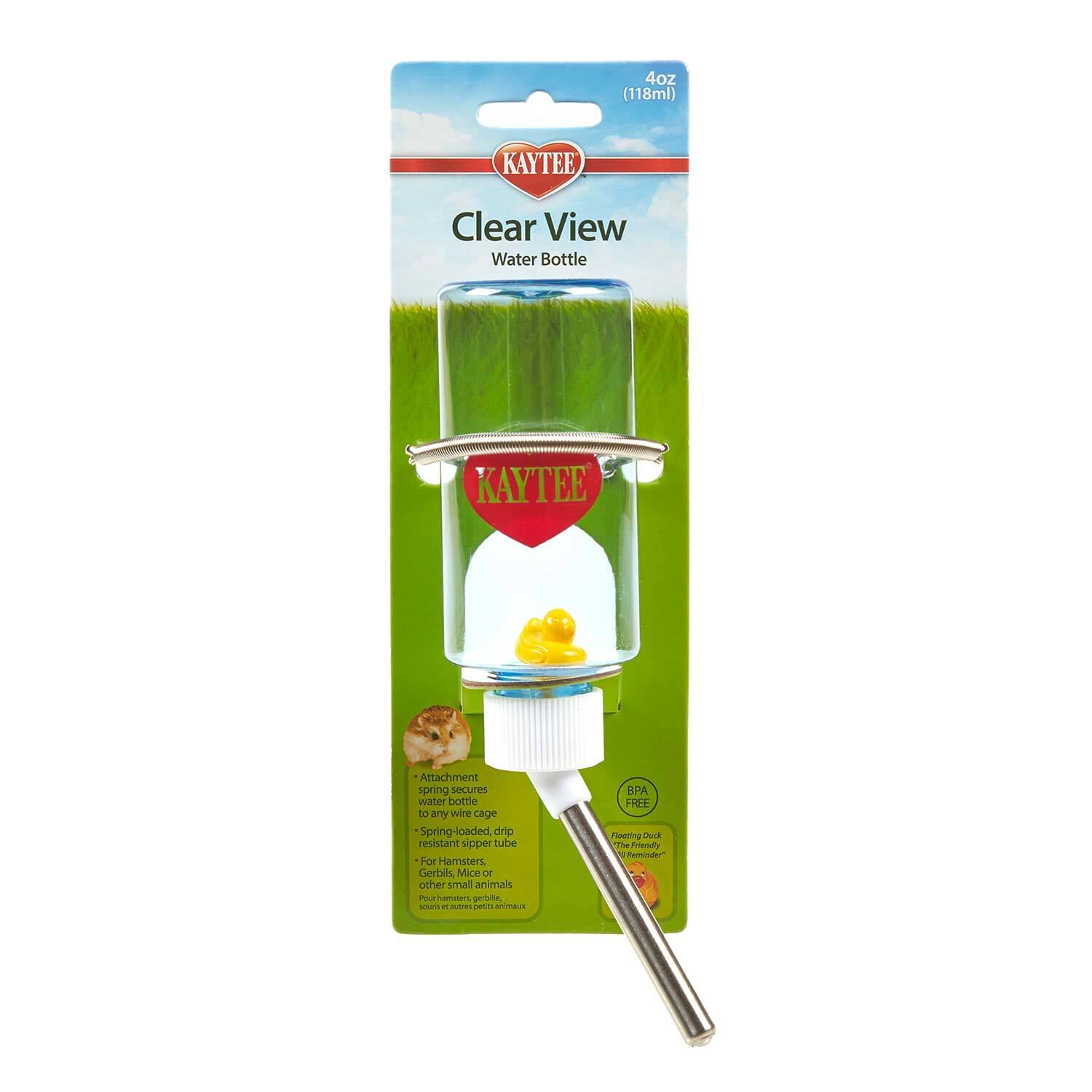
Inverted Bottle with Drinking Tube
Litter Scoop
Toys to gnaw on
Cage Stain and Odor Removers
Everything your Hamster needs, all in one place.
Shop Hamster Supplies
Feeding Your Hamster
Food & Water
A hamster’s diet should consist of:
- 75% square meal
- 10% dried hay, grains, seeds & dried veggies
- 5% fresh fruit/veggies (spinach, carrots, apples)
Avoid
Chocolate & other candy
Onions
Uncooked beans
Hamster Habitat
Caging & Environment
- Hamsters are solitary animals and should be housed alone. Dwarf hamsters may be housed in pairs, but beware, they breed quickly!
- Caging should include a hide area, food bowl, water bottle, and exercise wheel.
- Bedding should be about 1” deep. Offer additional nesting material to satisfy the hamster’s natural gathering behavior.
Types of Hamsters we Carry
- Dwarf Hamster
- Fancy Hamster
- Black Bar Hamster
- Winter White Dwarf Hamster
- Chinese Dwarf Hamster
- Teddy Bear Hamster
Handling Your Hamster
Behavior & Handling
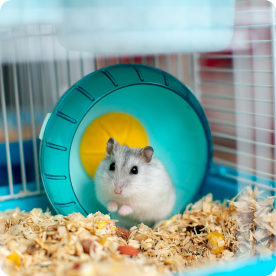
- When picking up a hamster always use a scooping motion and place your hand down in front/under them scooping them up from below opposed to picking them up from above.
- Hamsters are nocturnal by nature –this means they like to be active at night and may nip during the day if disturbed.
- Exercise is important for the health of the hamster. Provide the hamster with an exercise ball for out-of-the-cage fun! Make sure to use caution around stairs and other pets.
- Hamsters have pouches inside their cheeks allowing them to put large amounts of food in them.
- Hamster will chew. Use only ceramic or metal dishes. Water bottles are best as they love to borough, bowls will get dirty. Make sure that fresh water is available at all times.
- Hamsters urinate and defecate where they eat. Clean and disinfect bowls daily.
- Hamsters chew, make sure to check the cage thoroughly for any holes that will allow the hamster to escape.
- Hamsters teeth grow continuously, provide chew toys, treats and/or wood.
- Do not underestimate the hamster, they can squeeze their bodies through any opening as big as their head.
153 Results
153 Results
No products found for selected filters. Please try with different filters.
Showing 0 of 0