Rabbit Care Guide
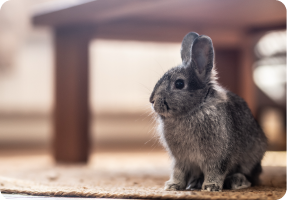
Get to Know Your Rabbit
Basic Information
Common Name
Rabbit
Scientific Name
Oryctolagus cuniculus
Size
Varies by breed
Life span
8-12 years with good care
Sexual Maturity
3 months old
Gestation
31 days
Litter size
4 - 6
Weaned
6 - 8 weeks old
Checklist for Your Rabbit
Essential Items
Enclosure
Food
Hay
Salt Lick
Hide
Plenty of toys
Chews
Treats
Bedding
Ceramic or stainless-steel bowls
(remember rabbits chew)
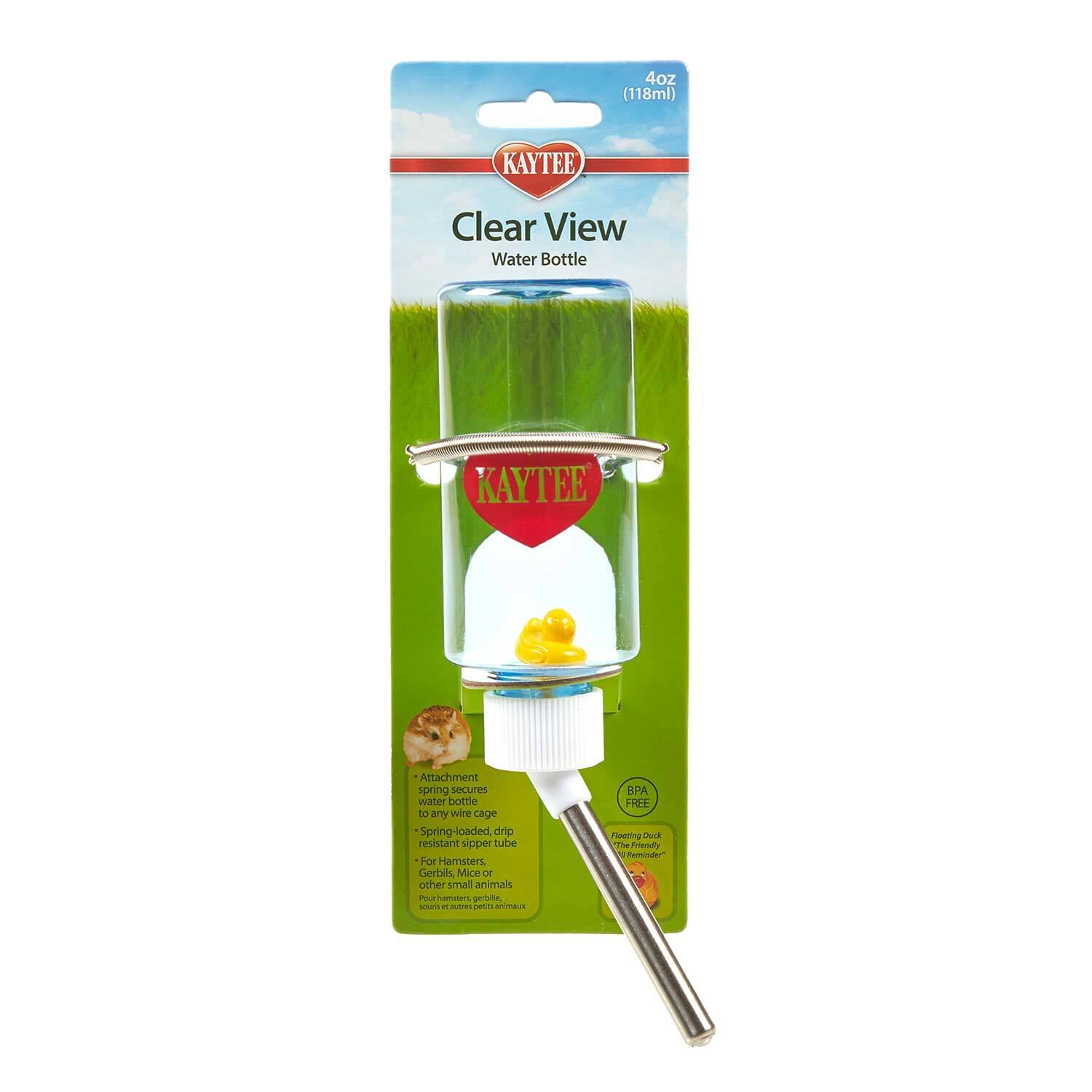
Water bottle
(bowls can be very messy with rabbit play)
Everything your Rabbit needs, all in one place.
Shop Rabbit Supplies
Feeding Your Rabbit
Food & Water
Small animals do not retain water as well as humans do. It is important to always provide fresh water.
A rabbit’s diet should consist of:
- 80% dried hay (non-alfalfa)
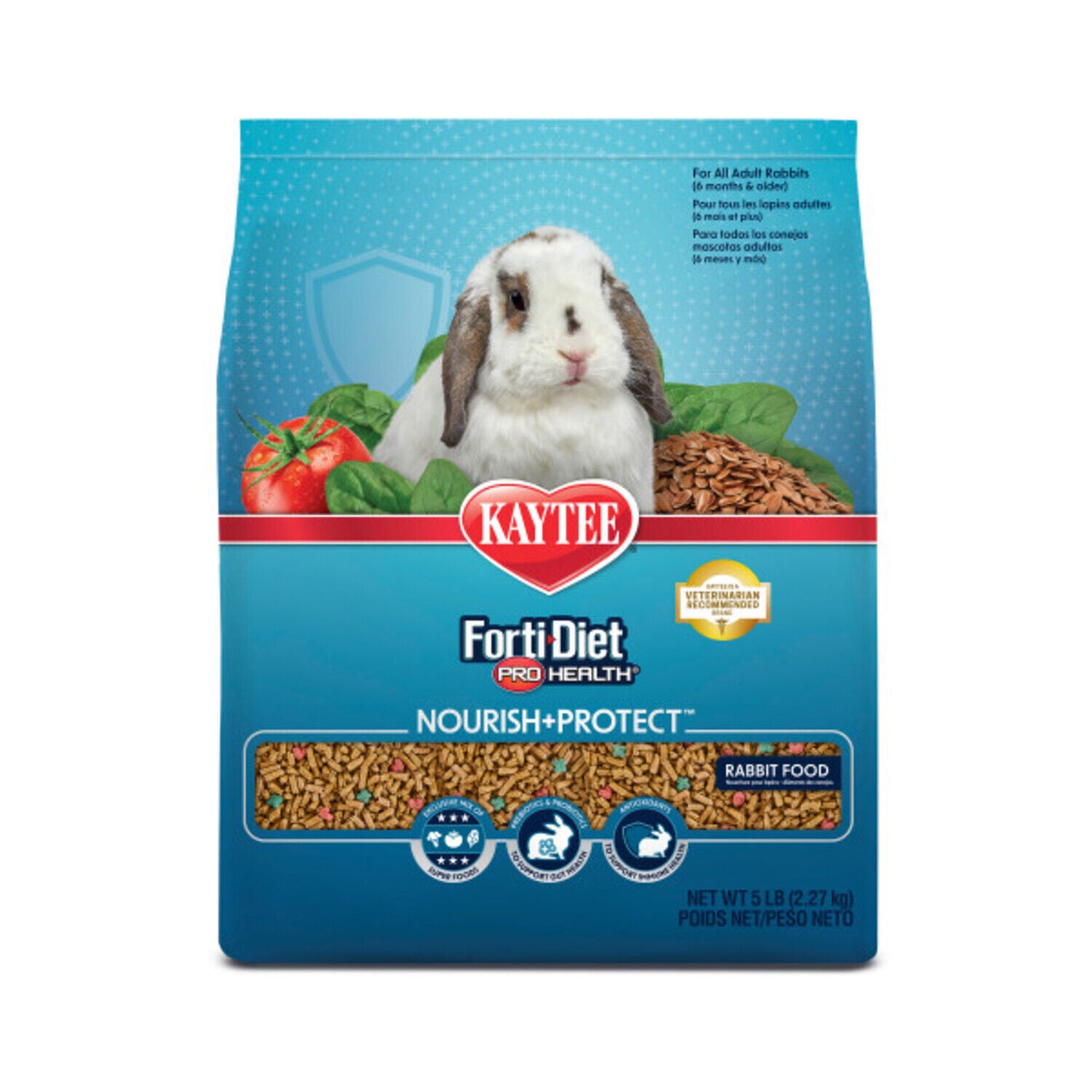
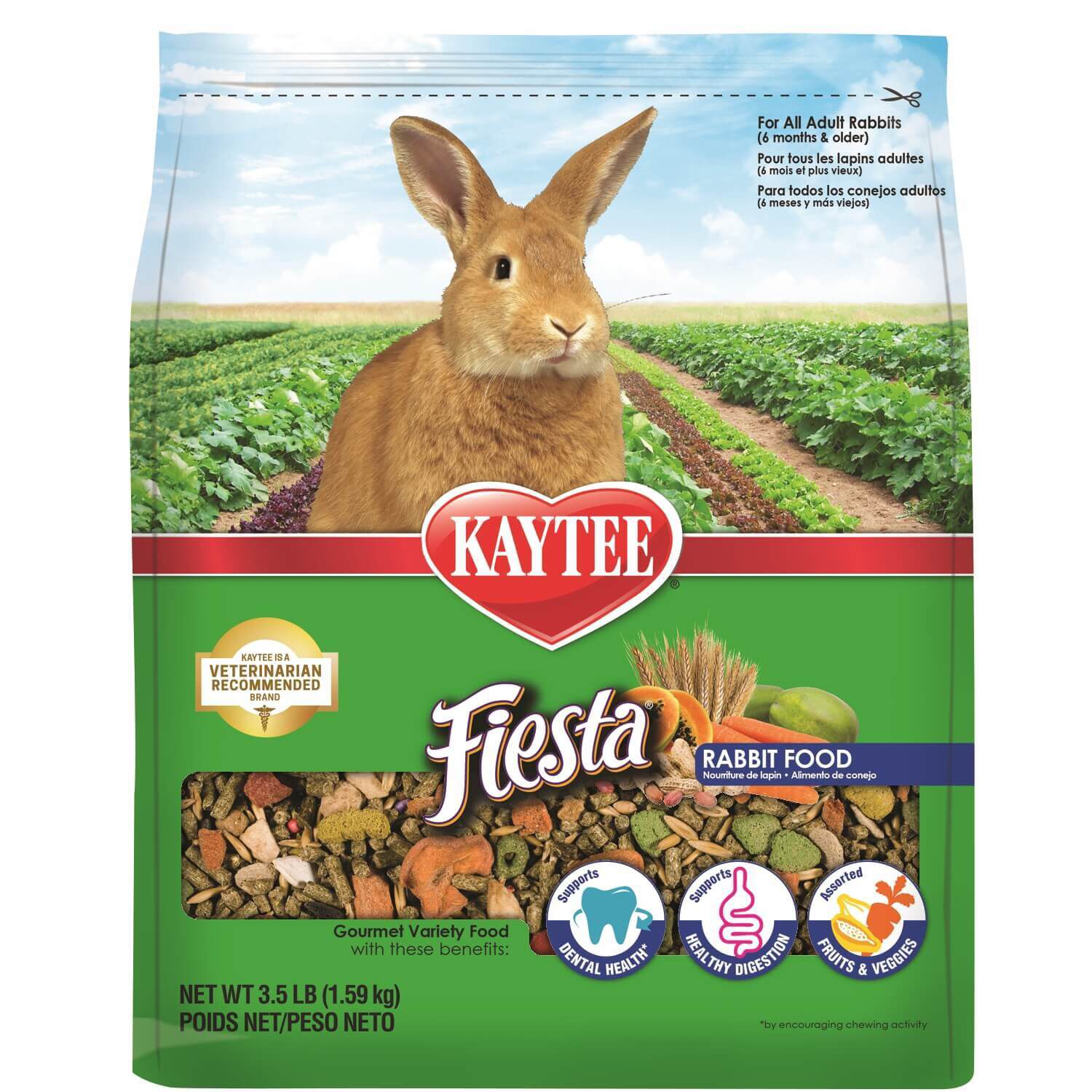
- 5% pelleted diet (preferably timothy based)
- 10% vegetables & leafy greens like basil, cilantro, carrots, carrot tops, turnip greens, collard greens
- 5% healthy treats which includes fruit (apple, banana, berries)
Your rabbit’s diet must consist of an endless supply of grass hay. This is critical for teeth and digestion. The following are great choices: timothy hay, orchard grass and oat hay.
Avoid
Avocado
Chocolate & candy
Bread, pasta & cereal
Corn
Iceberg lettuce
Rhubarb
Tomatoes
Rabbit Habitat
Caging & Environment
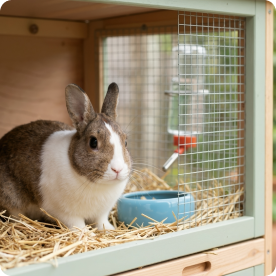
- A solid bottom cage is best for rabbits and their sensitive feet.
- The larger the cage, the better. Go for a cage with a lot of surface area rather than multi-levels.
- Outside of their house is great for enrichment. They will chew! Make sure your house is bunny proofed. An exercise pen is ideal for keeping the rabbit safe but giving them room to run.
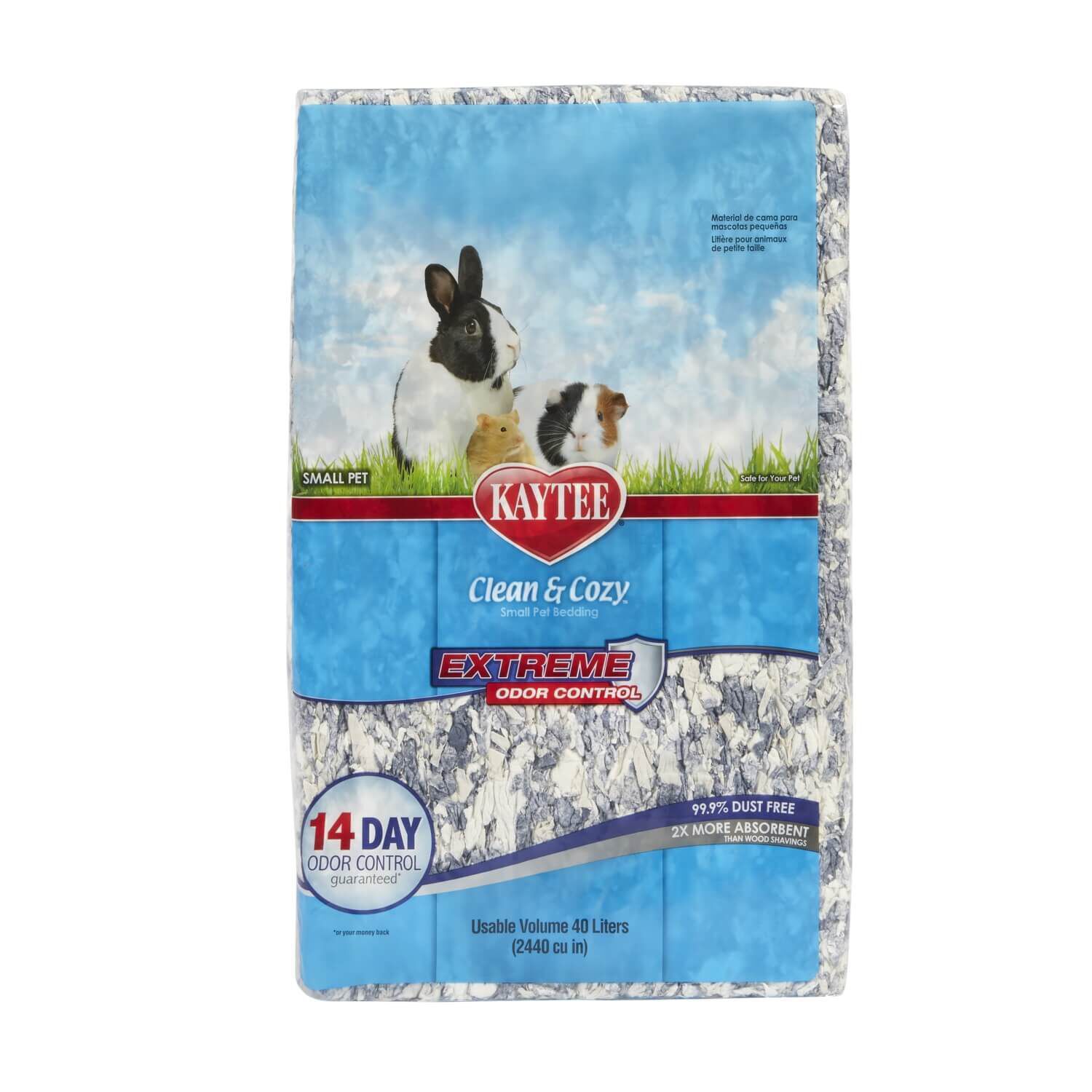
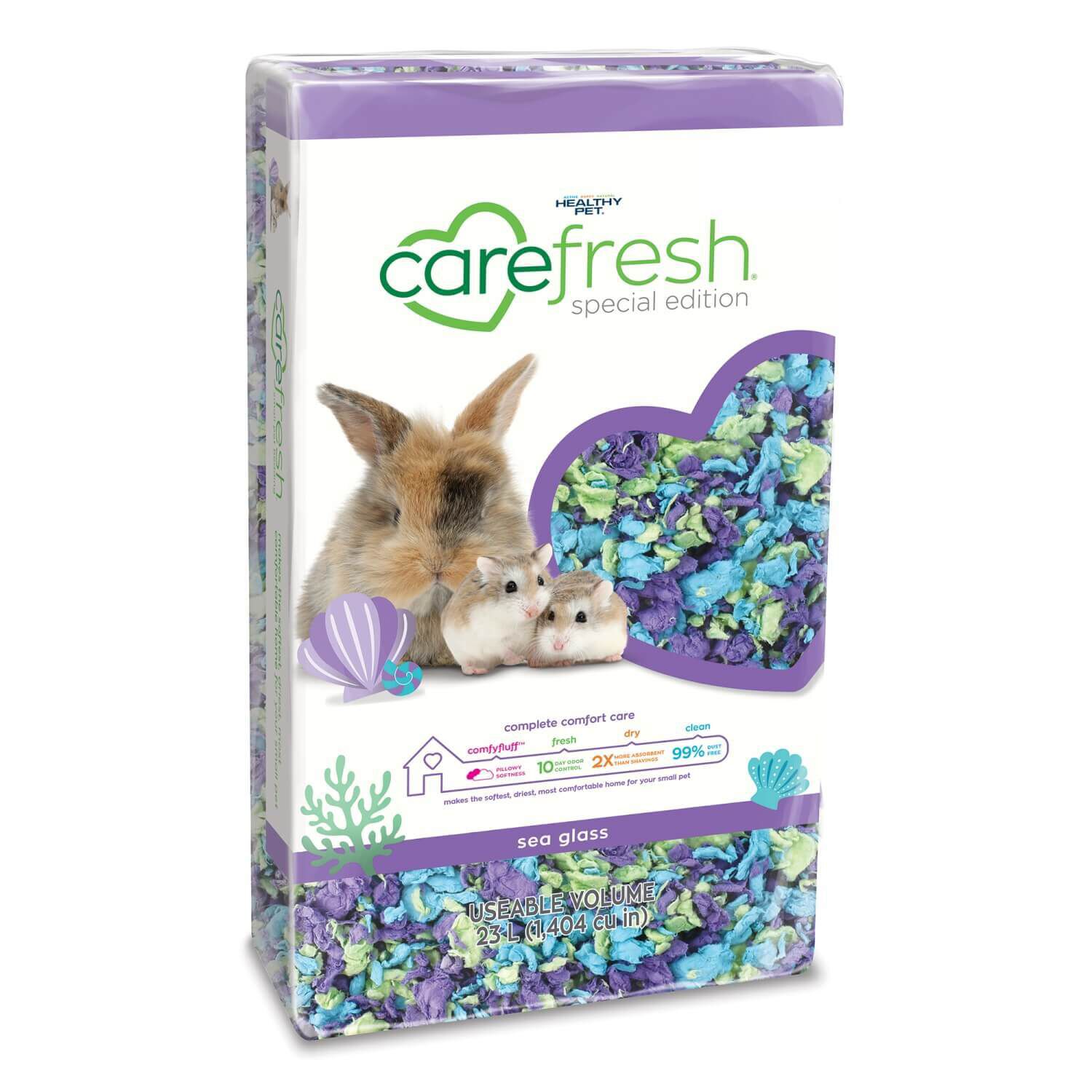
- Paper-based bedding is best
Handling Your Rabbit
Behavior & Handling
- Rabbit’s teeth grow continuously throughout their life. Chewing wears down teeth to an appropriate level.
- Essential to dental health, it is important to provide different types of chews to assist with trimming, chewing, and flossing their ever-growing teeth.
- Rabbits can be litter trained which then allows some rabbits to be able to roam freely in a bunny-proofed room of the house.
- Rabbits are very curious and love to play. Provide plenty of chewing opportunities and entertainment.
- Rabbits are social. Two females or a neutered male and female can be kept together. Two males will fight.
- Rabbits generally do not like being held, when picking them up, make sure to support them by holding their hind end close to your body. Spend time with your rabbit on the floor to prevent them from falling out of your arms and being injured.
- Rabbits are sensitive to heat (no more than 80º) it is best to keep them inside.
- You may see your rabbit eat its own feces, this is good and great in supporting digestion.
Common Health Problems
Rabbit Health and Well-being
Signs of Illness
• If your rabbit is not eating or pooping, take to a veterinarian immediately. Even smaller than normal amounts require attention.
• Sneezing, discharge from the eyes, nose, or ears are also problems that need veterinary attention.
115 Results
115 Results
No products found for selected filters. Please try with different filters.
Showing 0 of 0