Semi-aggressive Fish Care Guide
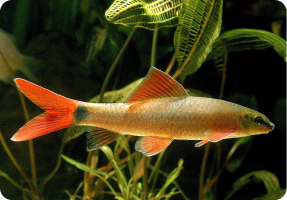
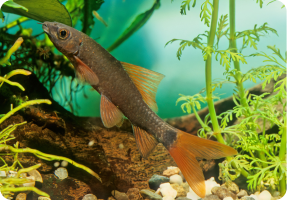
Get to Know Your Semi-aggressive Fish
Basic Information
Gouramis, Barbs & More
Common Name
Semi-Aggressive Freshwater Fish
Scientific Name
Various species
Size
1" - 6+"
Life span
3 - 8+ years
Checklist for Your Semi-aggressive Fish
Essential Items
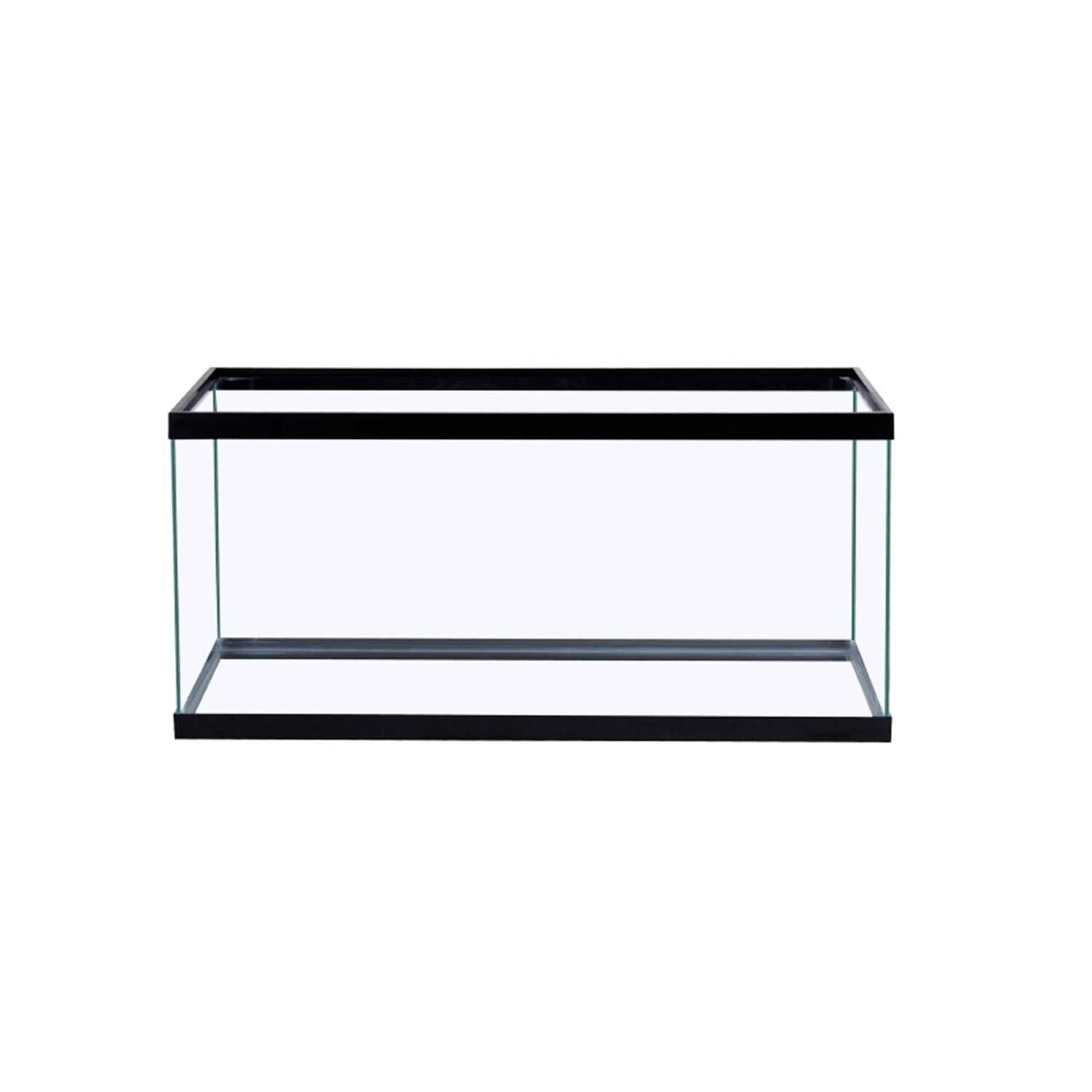
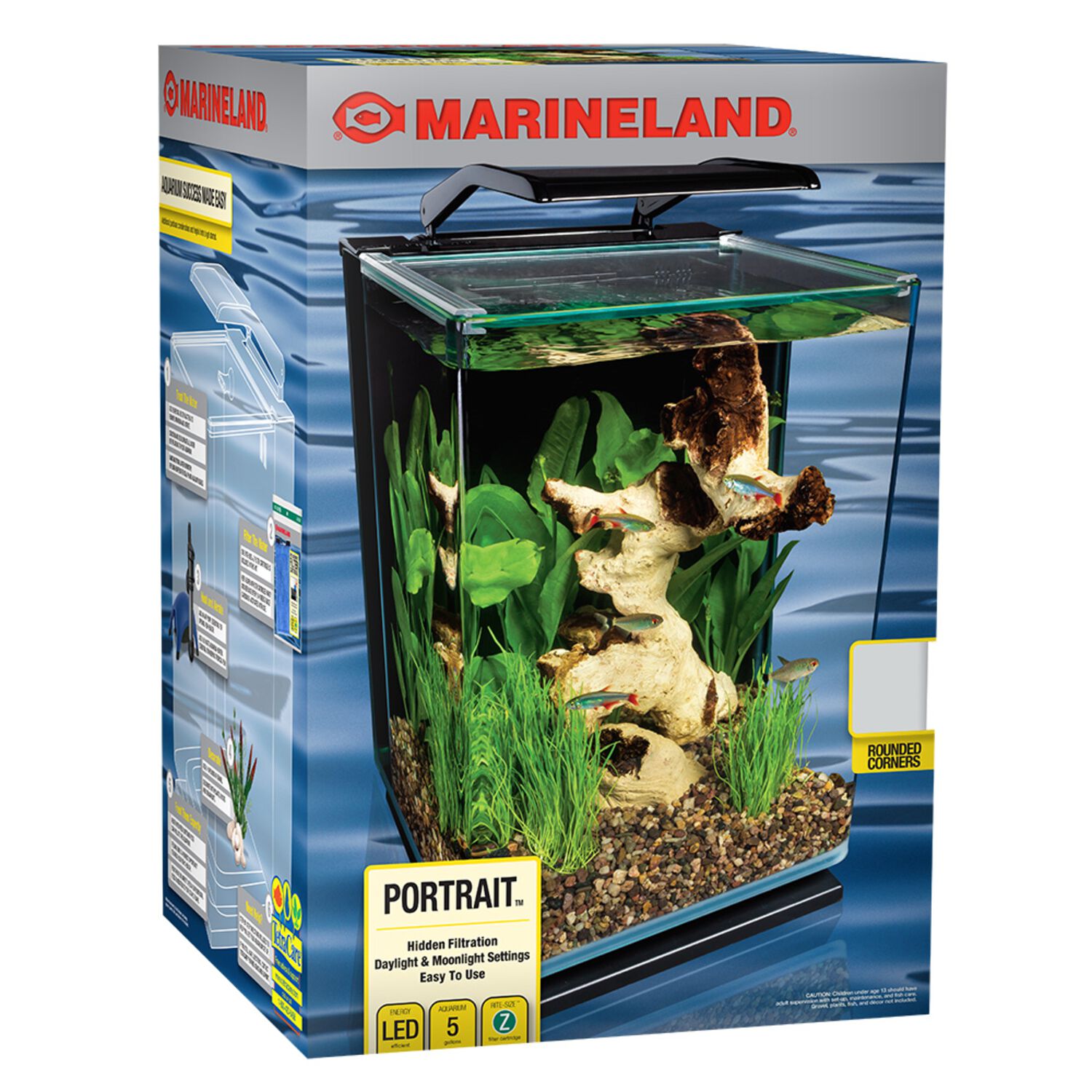
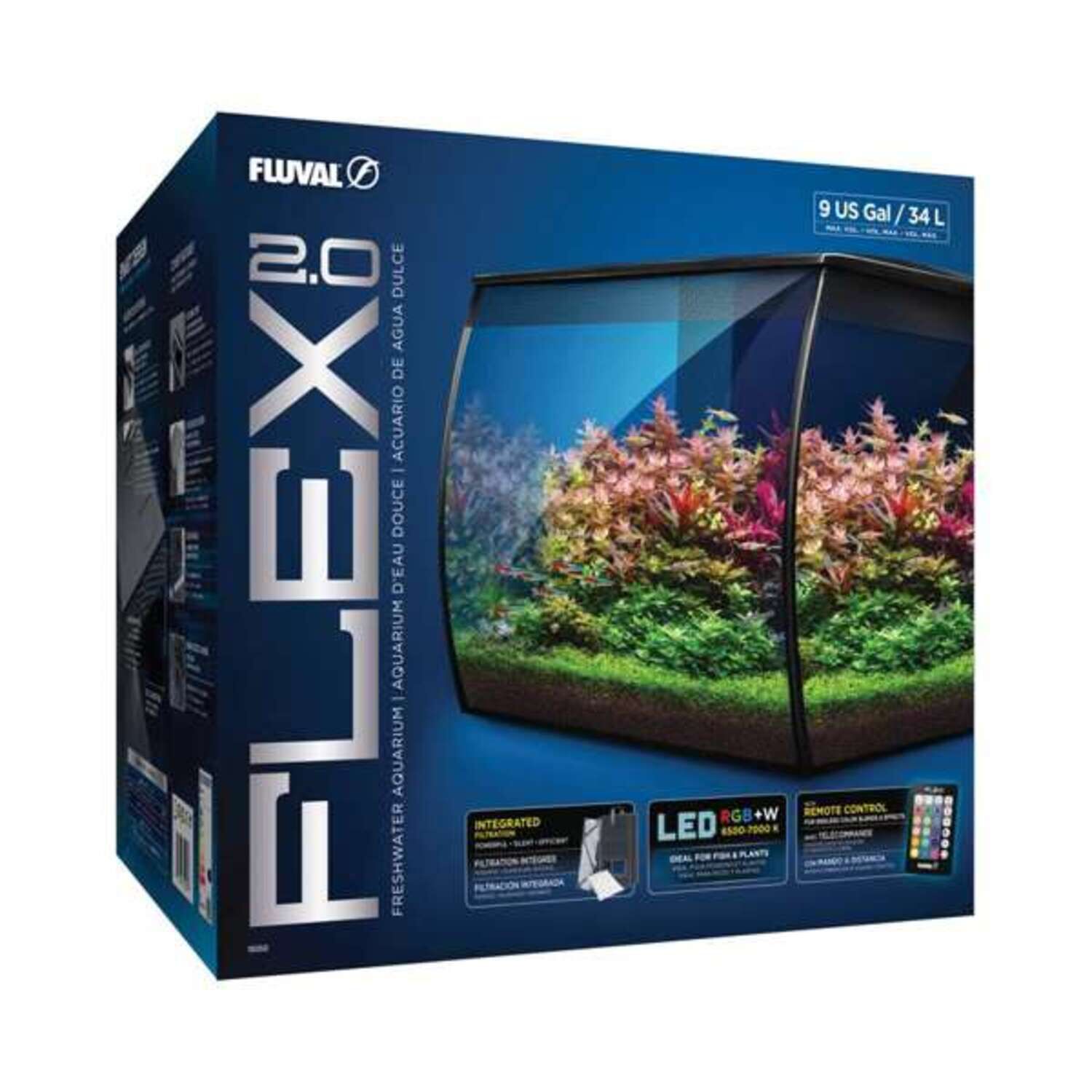
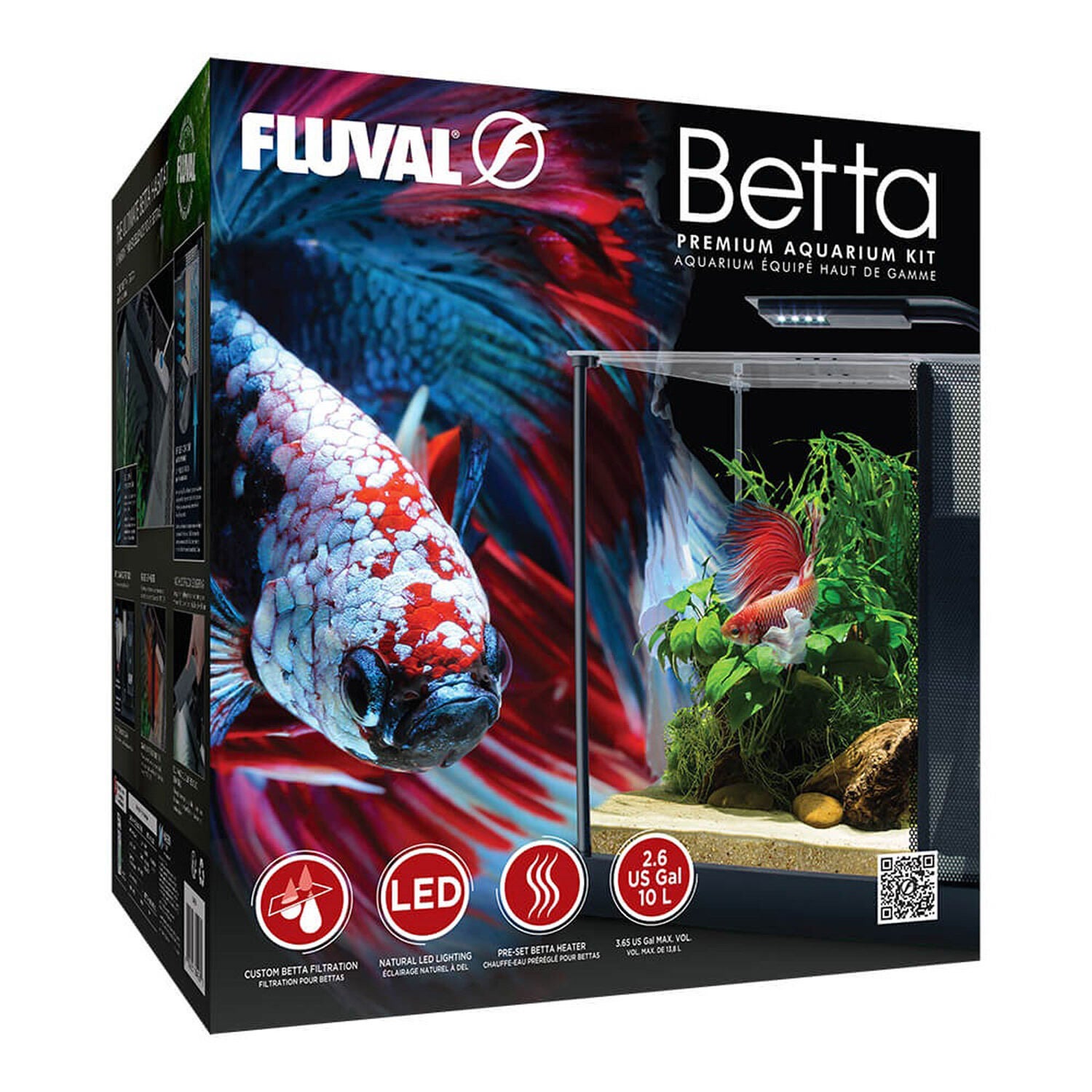
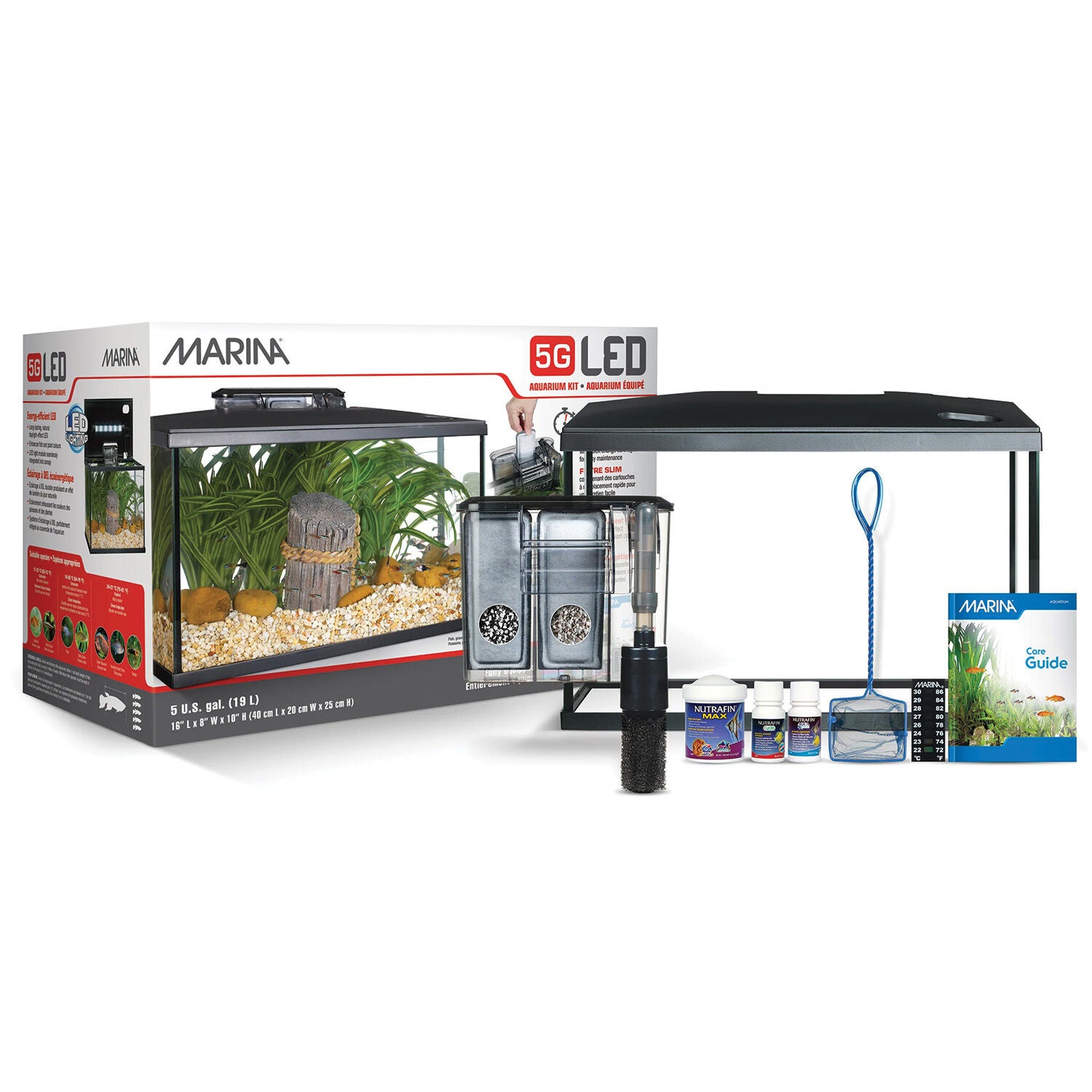
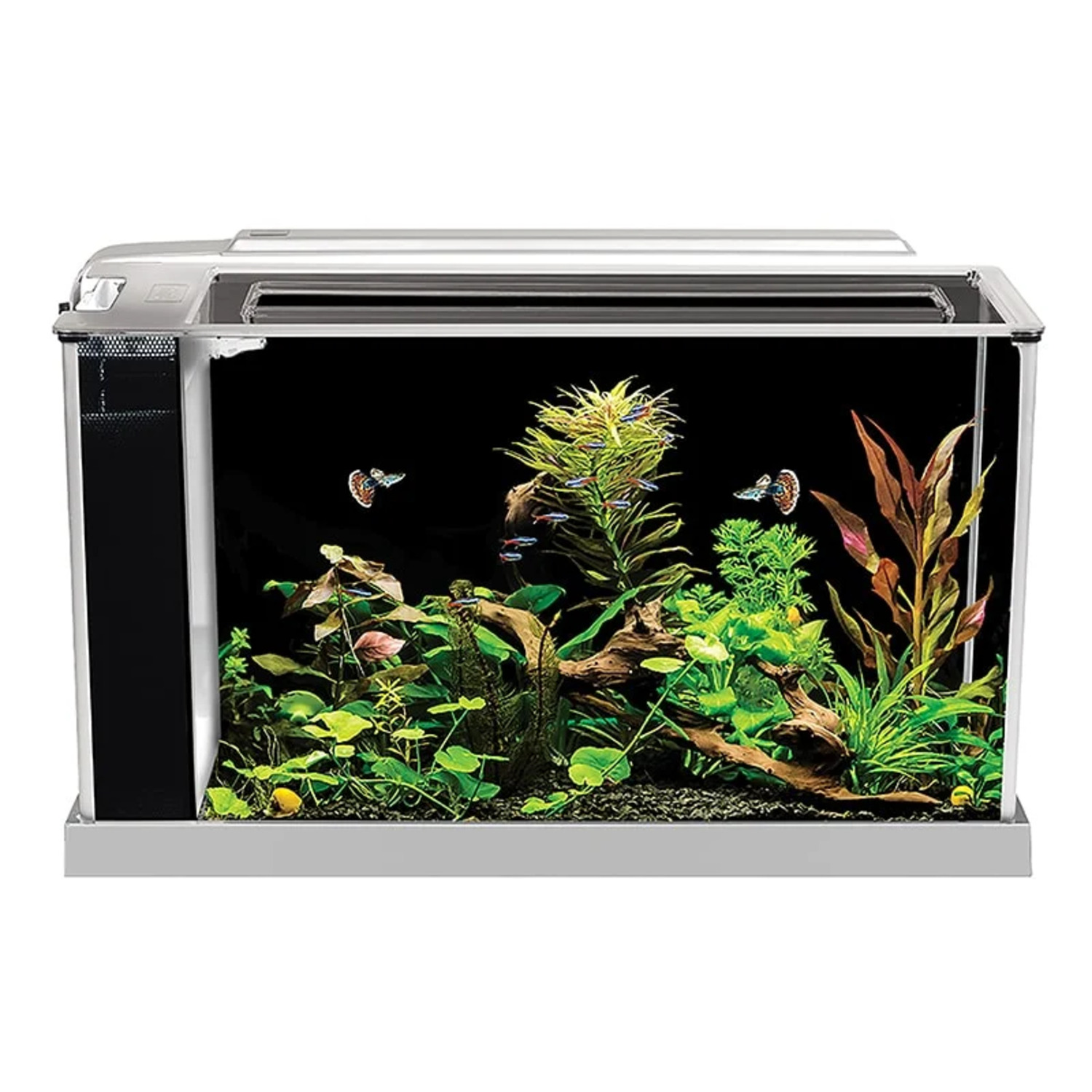
Aquarium
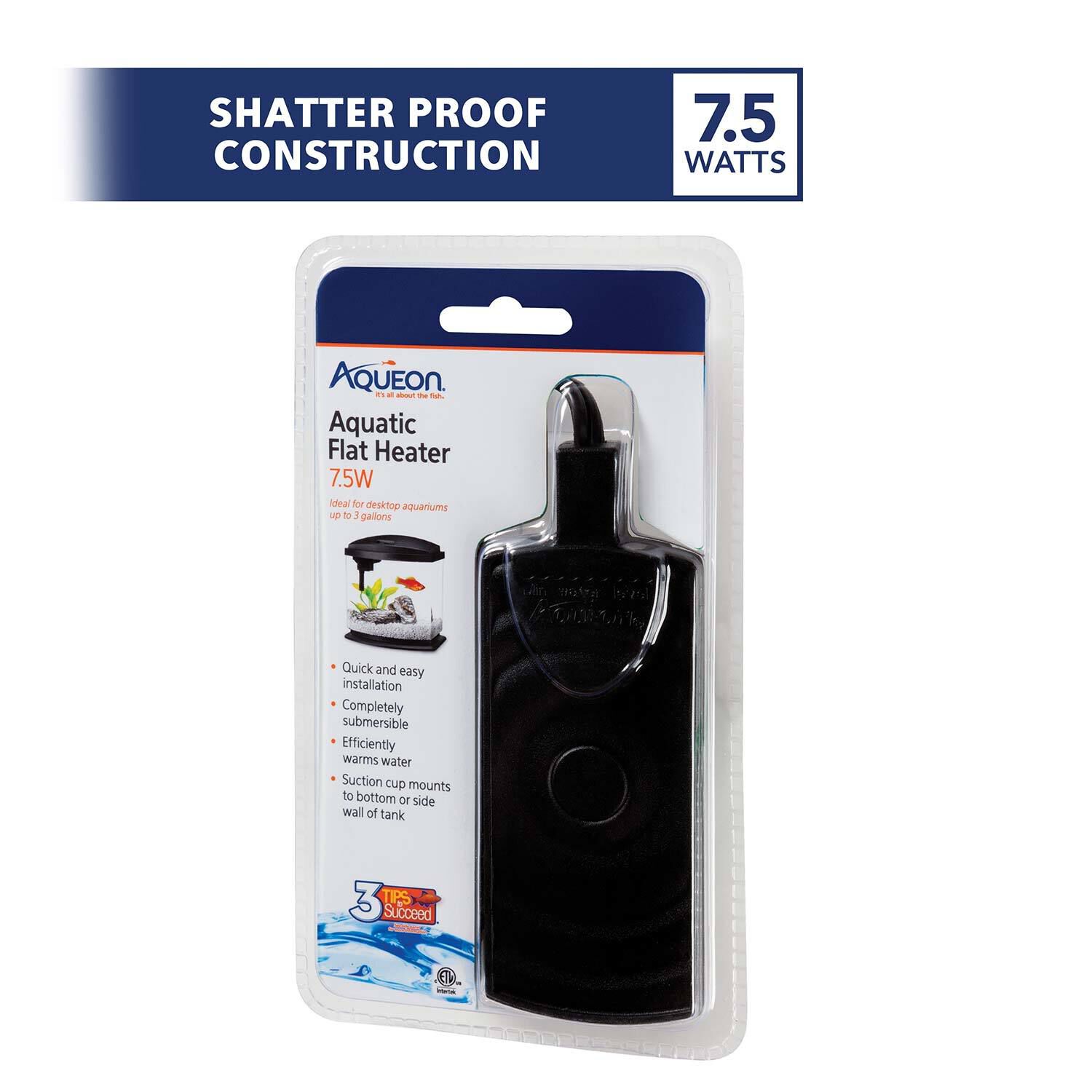
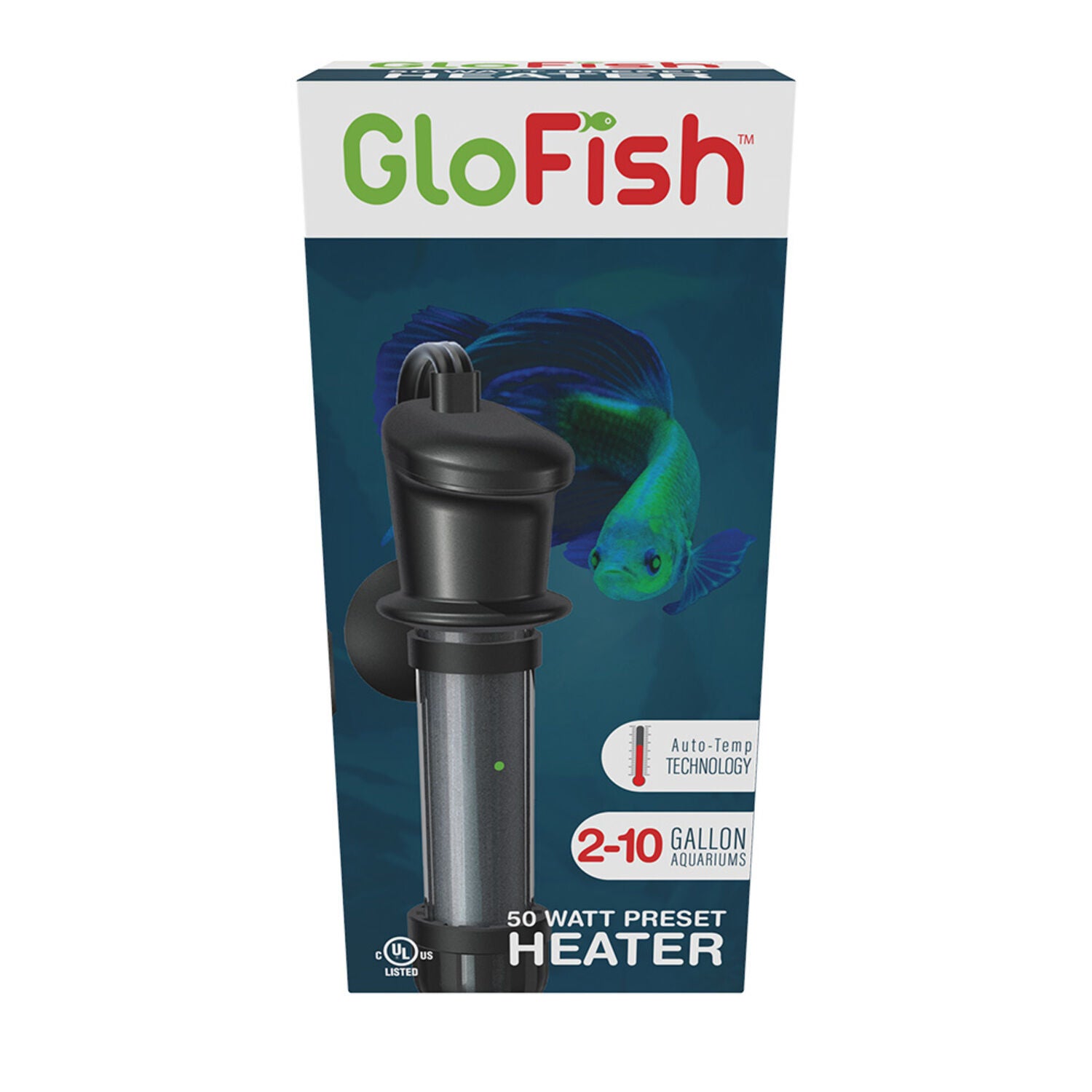
Heater
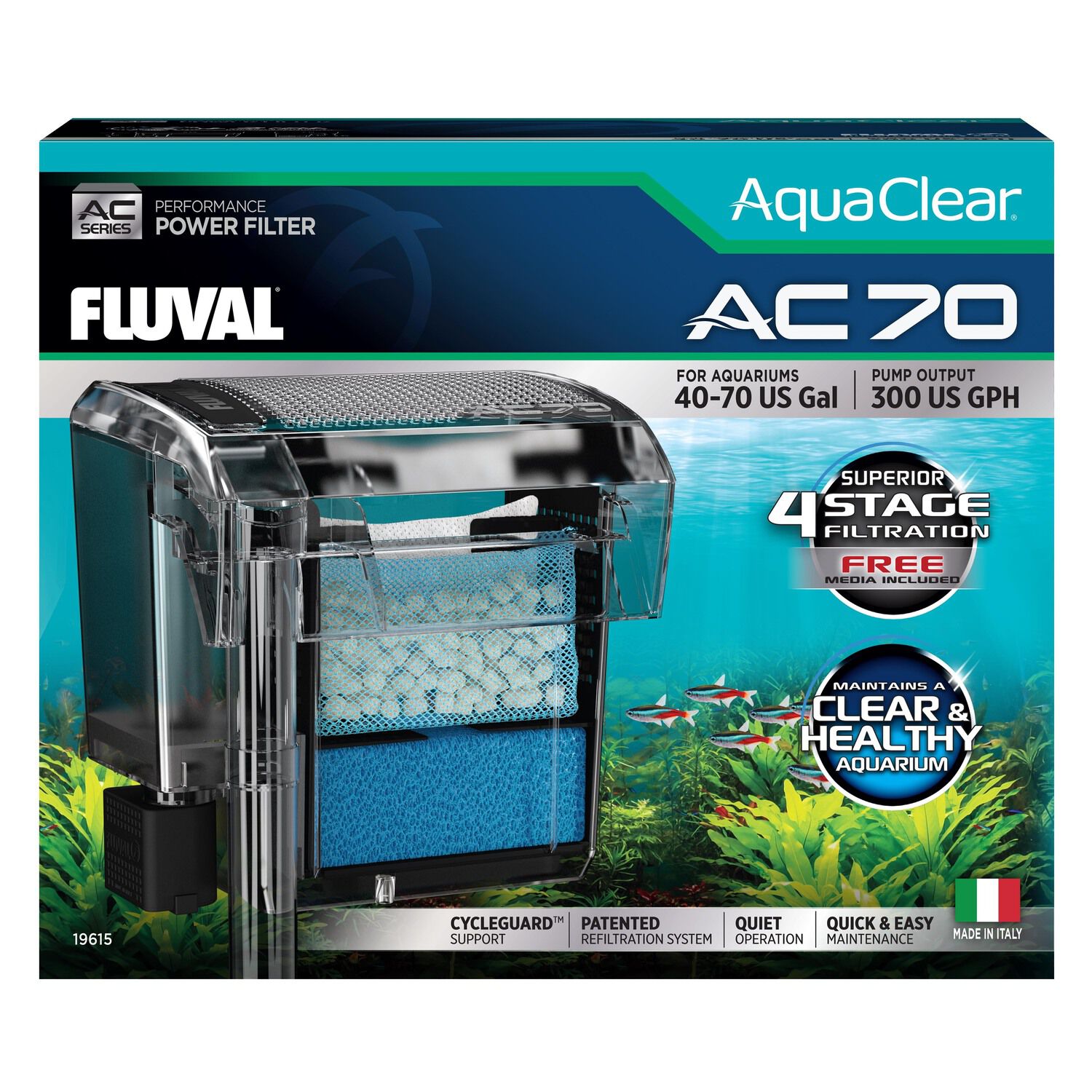
Filter
Thermometer
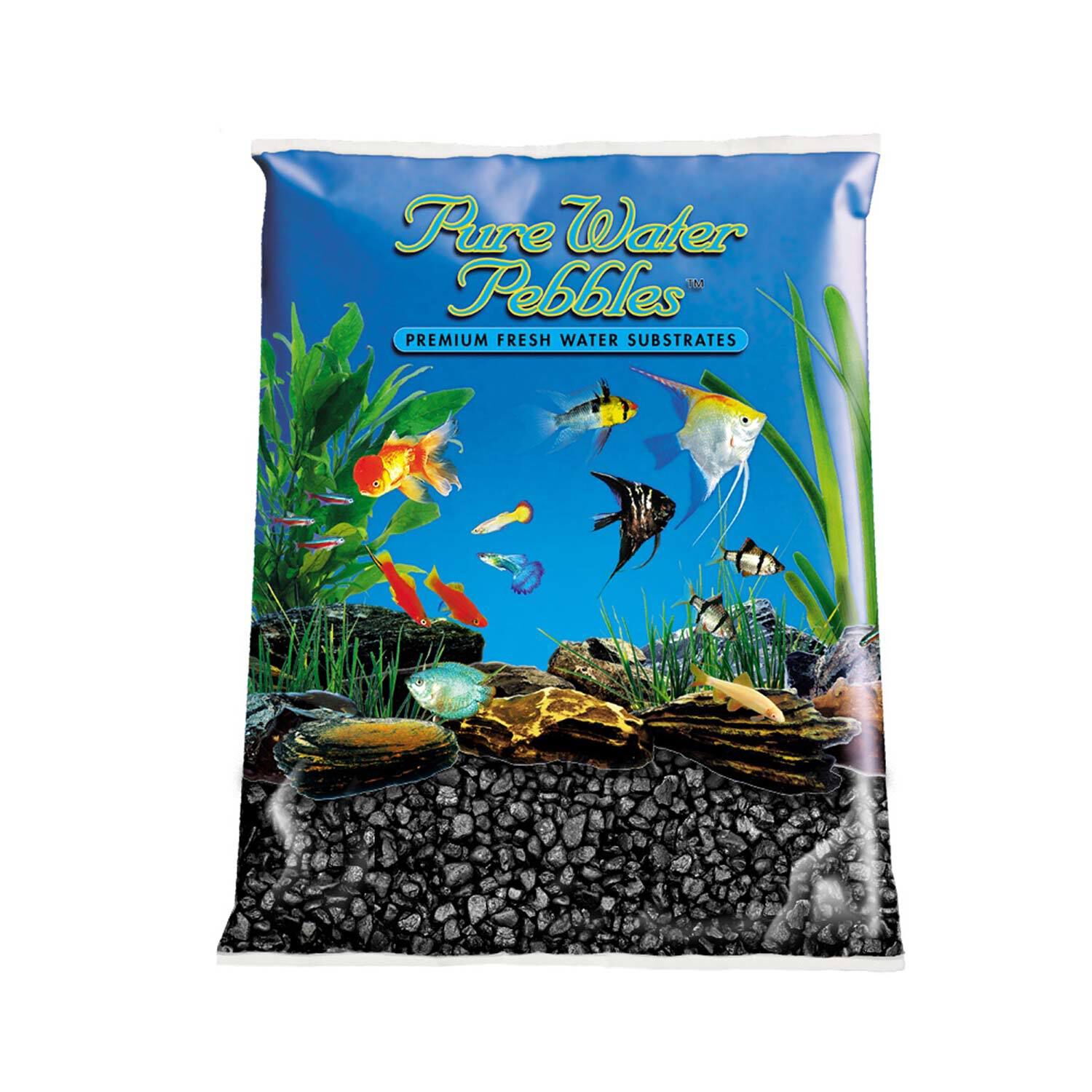
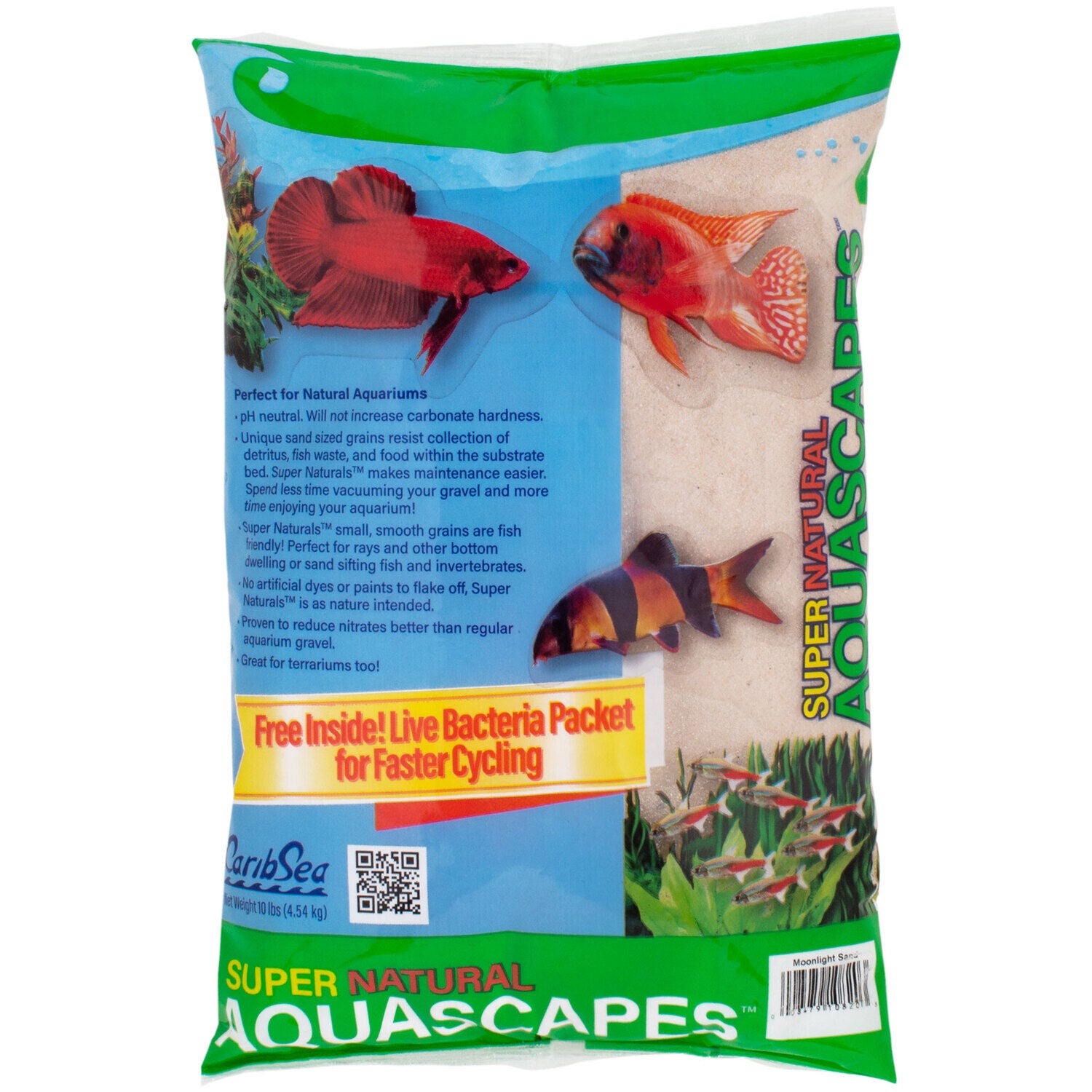
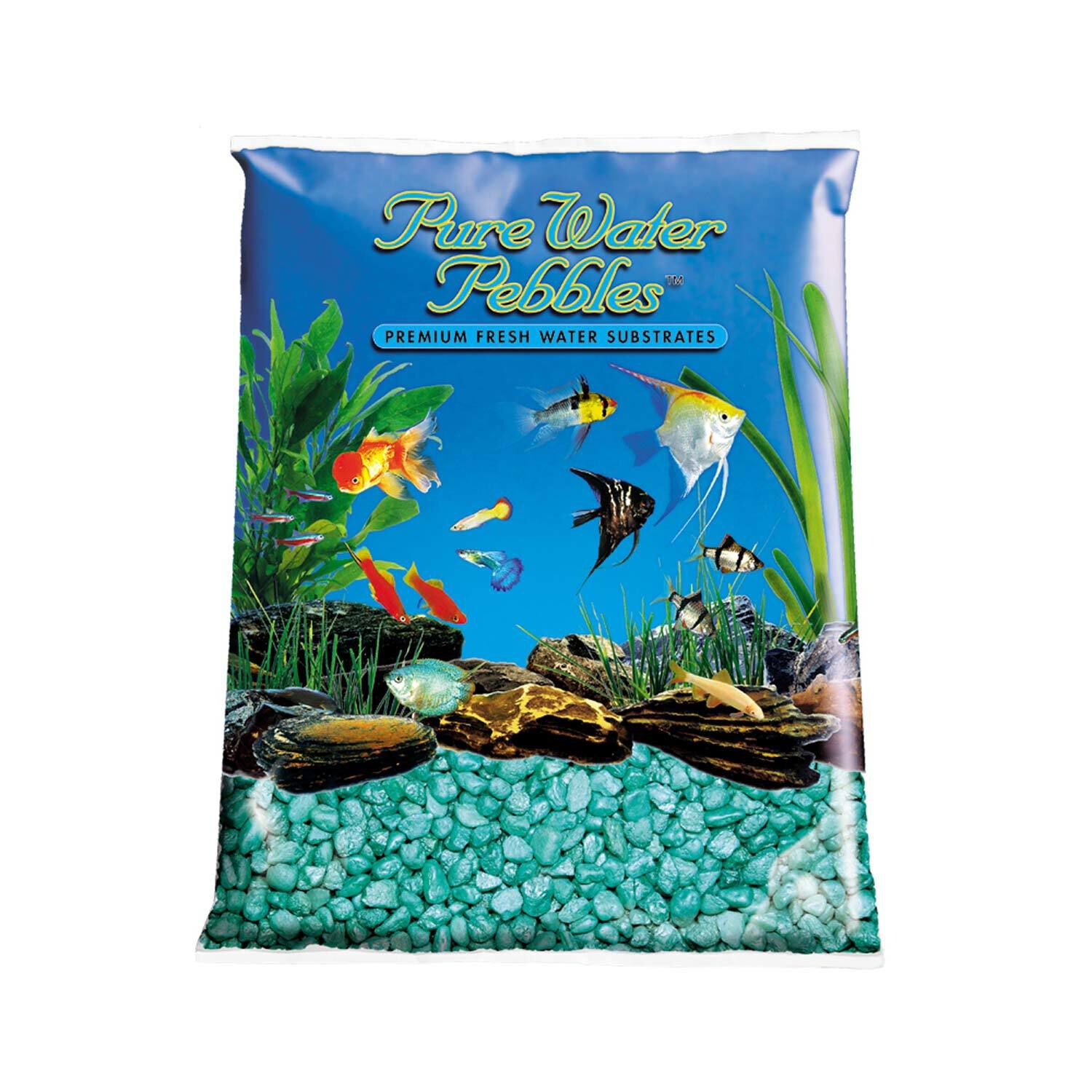
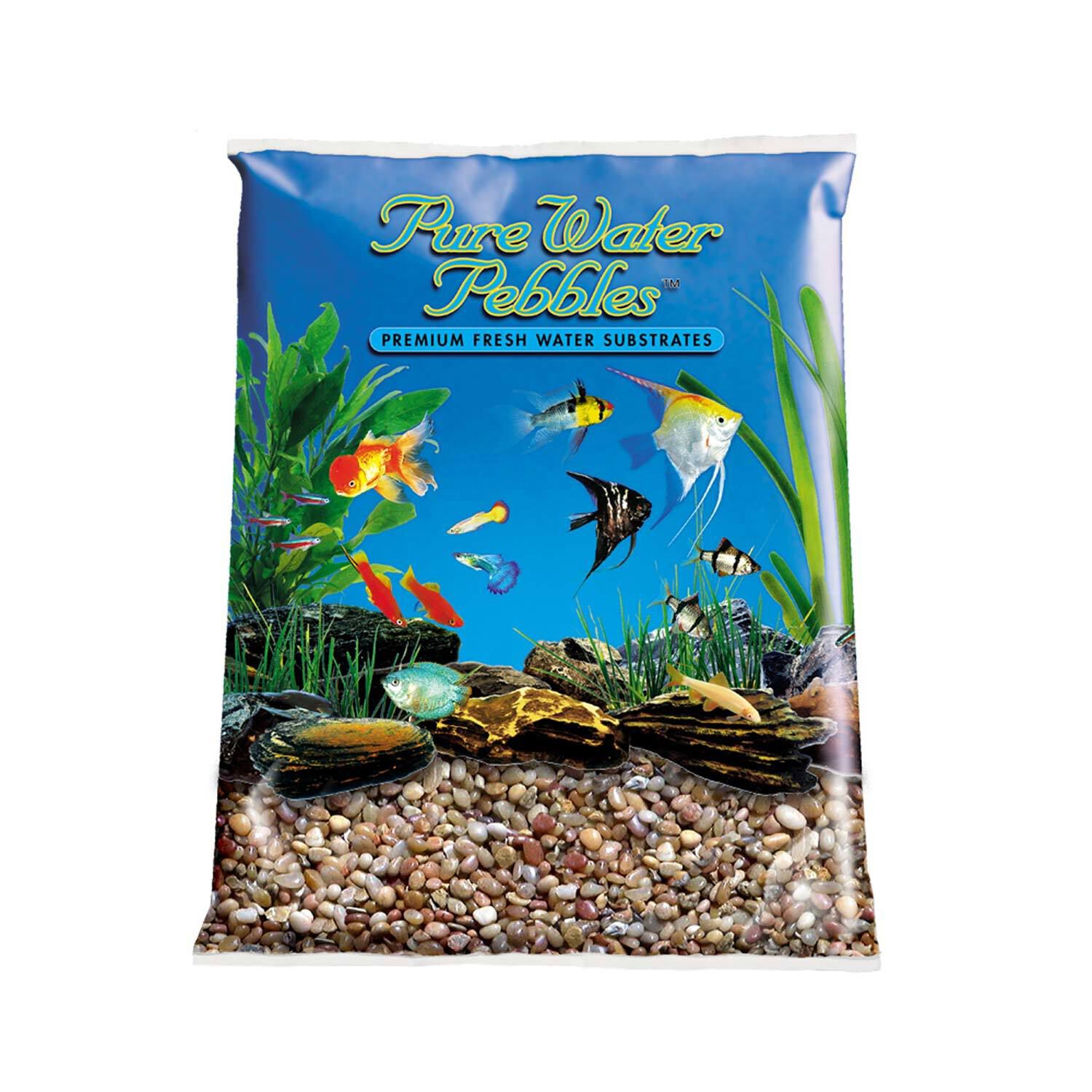
Substrate
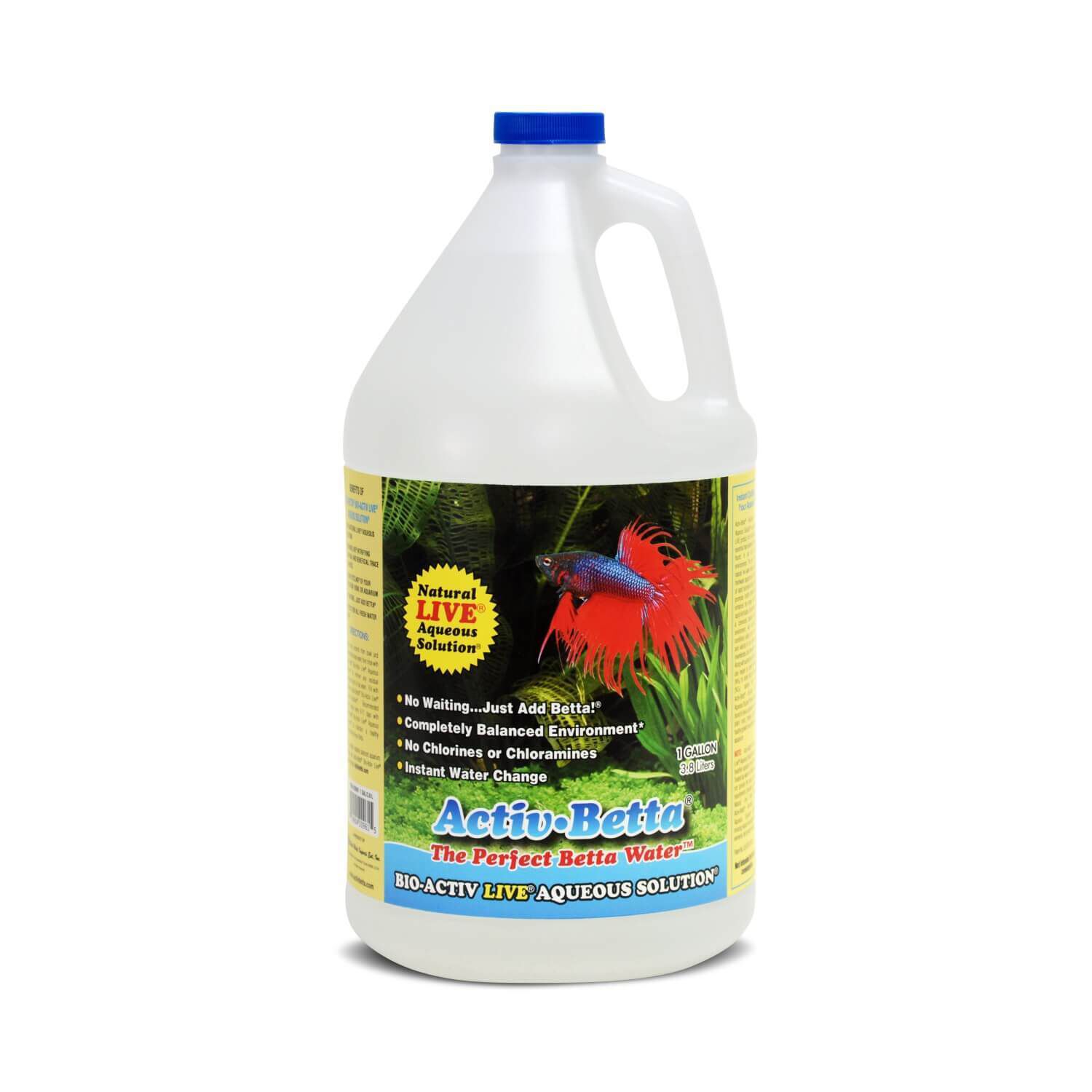
Water conditioner
Food
Hiding places (plants, caves, décor)
Test kit (optional) We offer free water testing!
Net
Algae scraper
Lighting
Lid
Everything your Semi-aggressive Fish needs, all in one place.
Shop Semi-aggressive Fish Supplies
Feeding Your Semi-aggressive Fish
Food & Water
- Offer a varied diet:
- High-quality flakes or pellets
- Frozen or live foods (brine shrimp, bloodworms, daphnia)
- Vegetables (blanched peas, zucchini, spinach)
- Feed small amounts 1–2 times daily – only what they can eat in 2–3 minutes.
- Keep water clean and well-oxygenated. Most semi-aggressive fish prefer stable conditions.
- Ideal water parameters (general):
- Temperature: 72–78°F
- pH: 6.5–7.5
- Ammonia & Nitrite: 0 ppm
- Nitrate: < 20 ppm
Semi-aggressive Fish Habitat
Caging & Environment
- Choose an aquarium of at least 20 gallons for small species and 30+ gallons for larger species or community setups.
- Provide plenty of hiding spots using live plants, rocks, driftwood, and caves to reduce stress and aggression.
- Maintain a gentle to moderate current with good filtration.
- Dim or moderate lighting works best for most species.
- A tight-fitting lid is recommended as some species may jump.
Handling Your Semi-aggressive Fish
Behavior & Handling
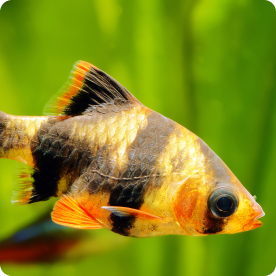
- Semi-aggressive fish are territorial and may show aggression toward tankmates, especially in smaller tanks or with similar-looking fish.
- Best kept with fish that are similar in size and temperament.
- Gouramis can be territorial, especially males.
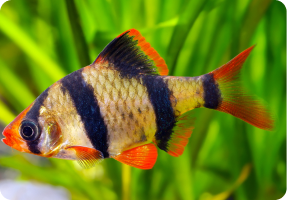
- Barbs may nip fins if kept in too small of a group – keep them in groups of 5 or more.
- Observe fish closely when adding new tankmates.
Common Health Problems
Semi-aggressive Fish Health and Well-being
Safety
- Keep decorations smooth – avoid sharp or rough surfaces.
- Ensure equipment (heater, filter, lights) is in good working order.
- Avoid sudden water changes that can stress fish.
- Some gouramis (3-spot, dwarf) and barbs can jump – always keep a lid on the tank.
- Wash hands before and after tank maintenance to avoid transferring chemicals or bacteria.
- Keep chemicals, medications, and cleaning supplies away from tanks.
405 Results
405 Results
No products found for selected filters. Please try with different filters.
Showing 0 of 0