Aggressive Fish Care Guide
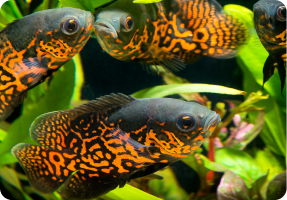
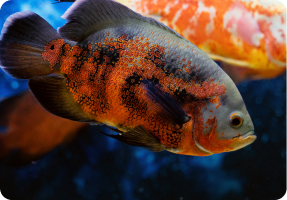
Get to Know Your Aggressive Fish
Basic Information
CICHLIDS & OTHER VARIETIES
Common Name
Aggressive Freshwater Fish
Scientific Name
Various species
Size
3” - 12”+
Life span
5 - 15+ years
Checklist for Your Aggressive Fish
Essential Items
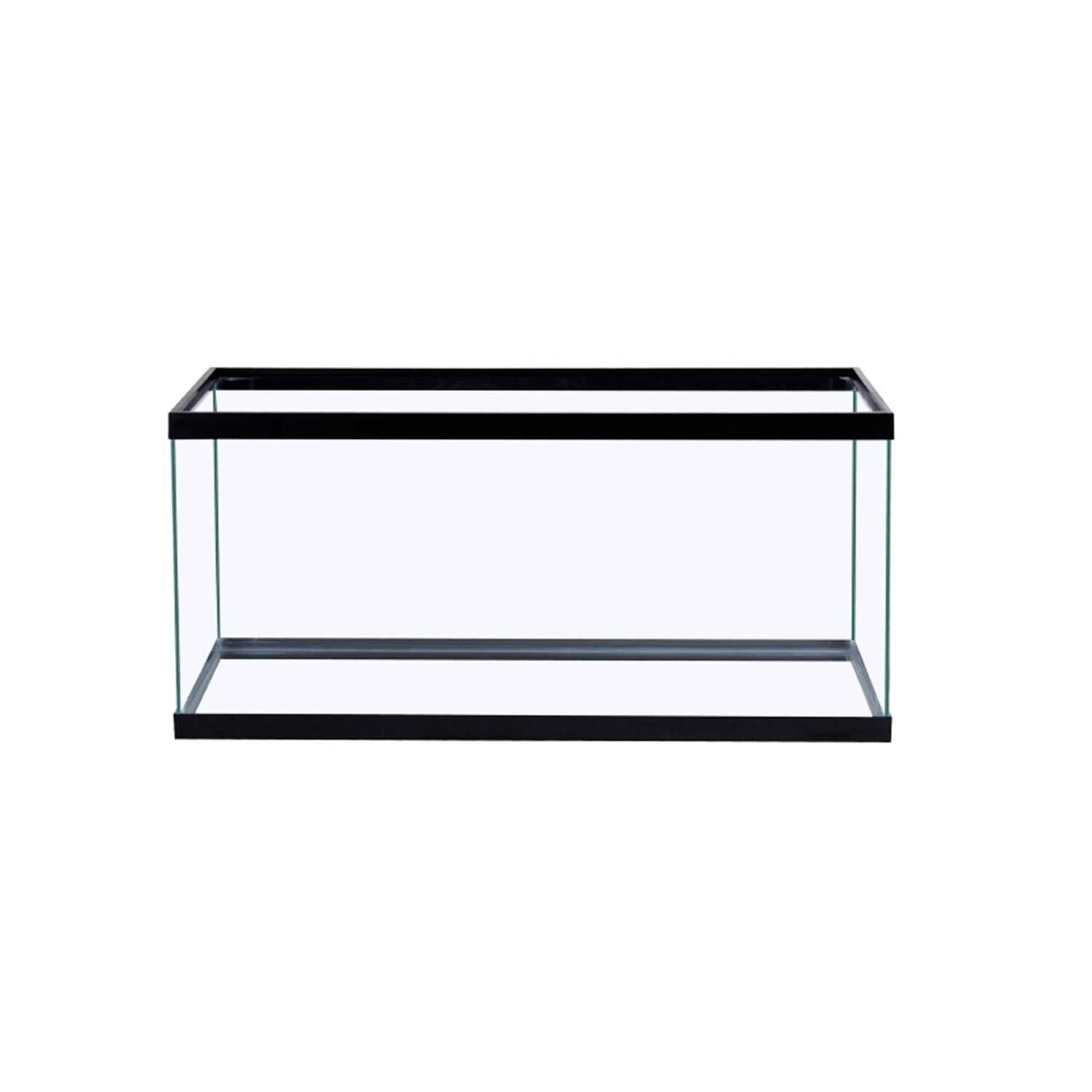
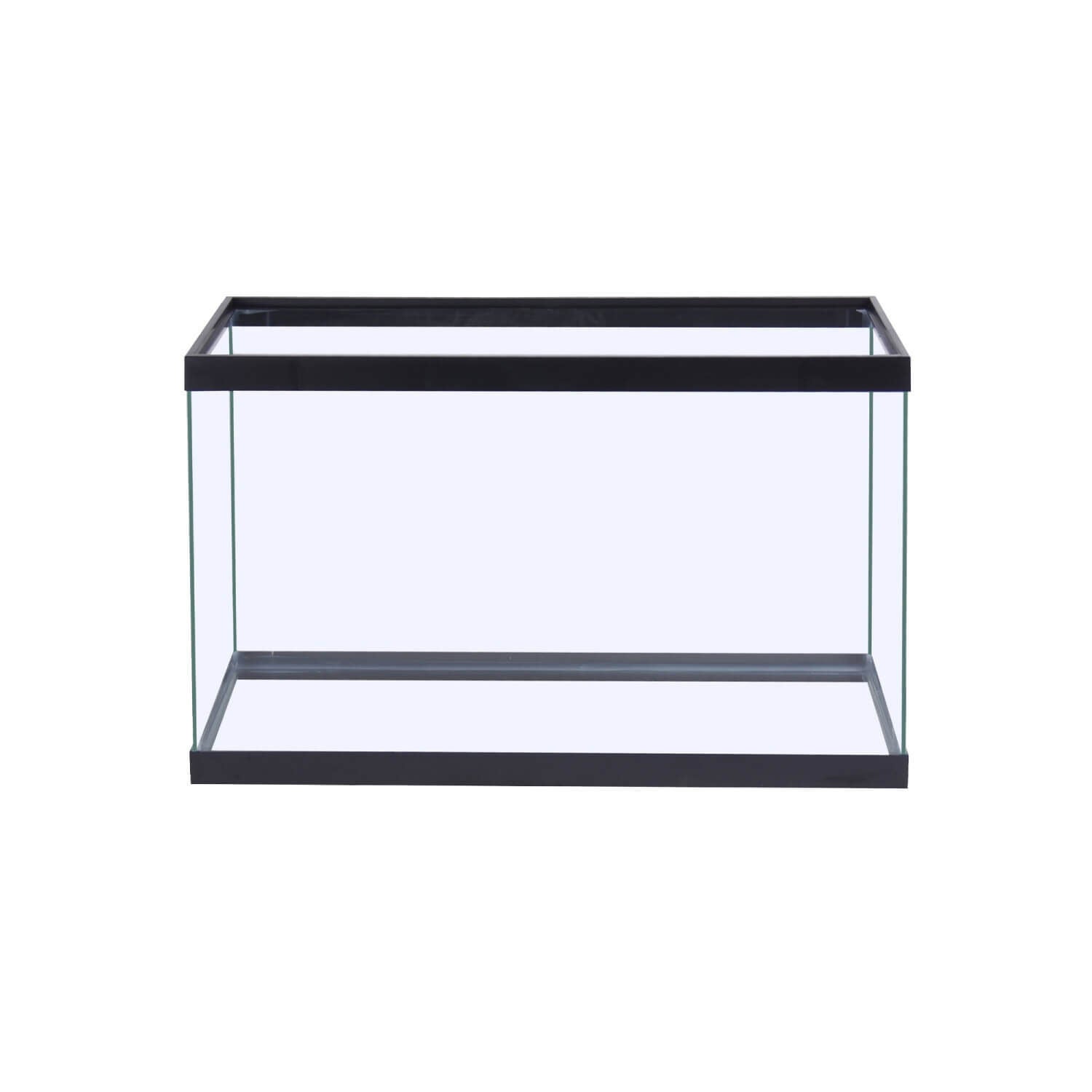
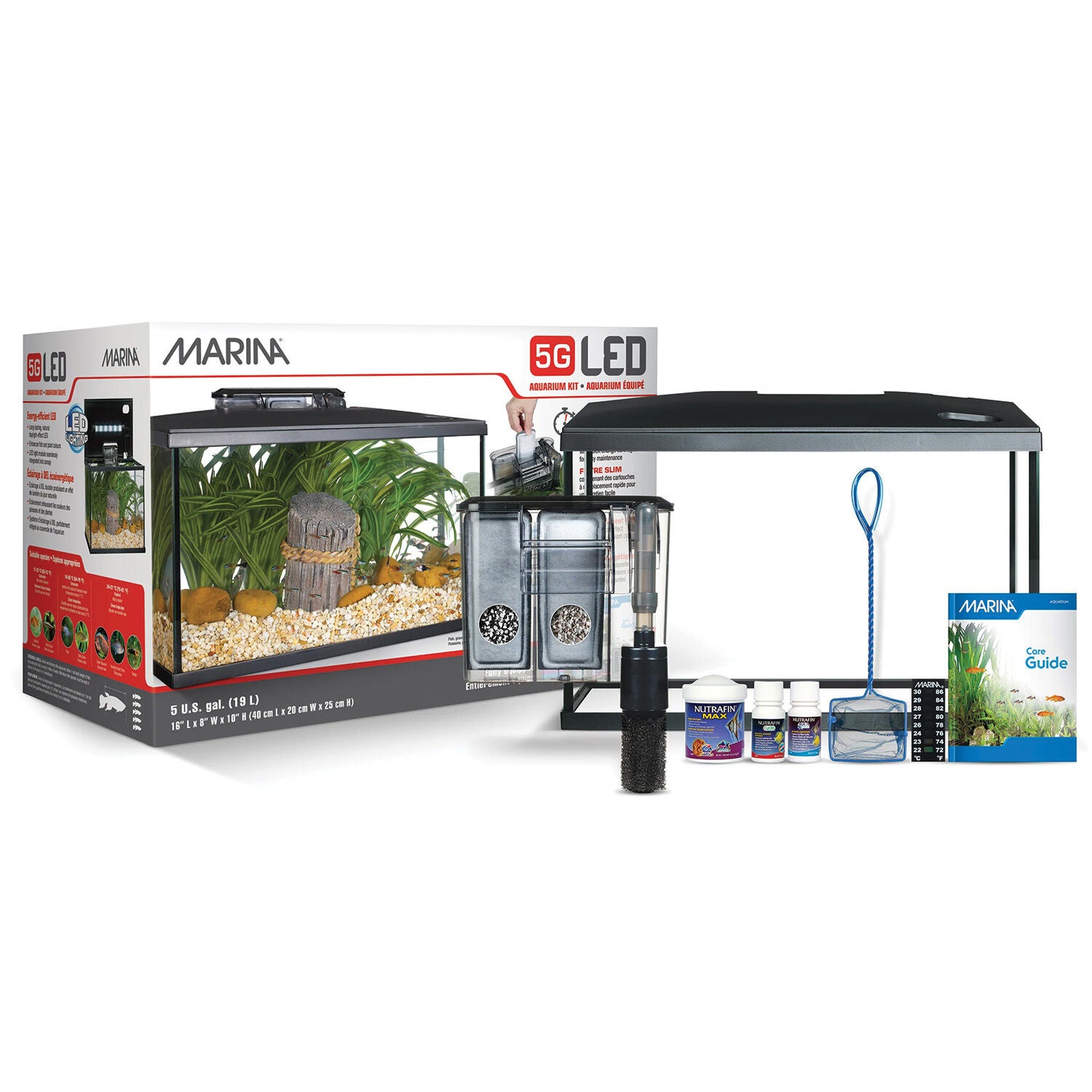
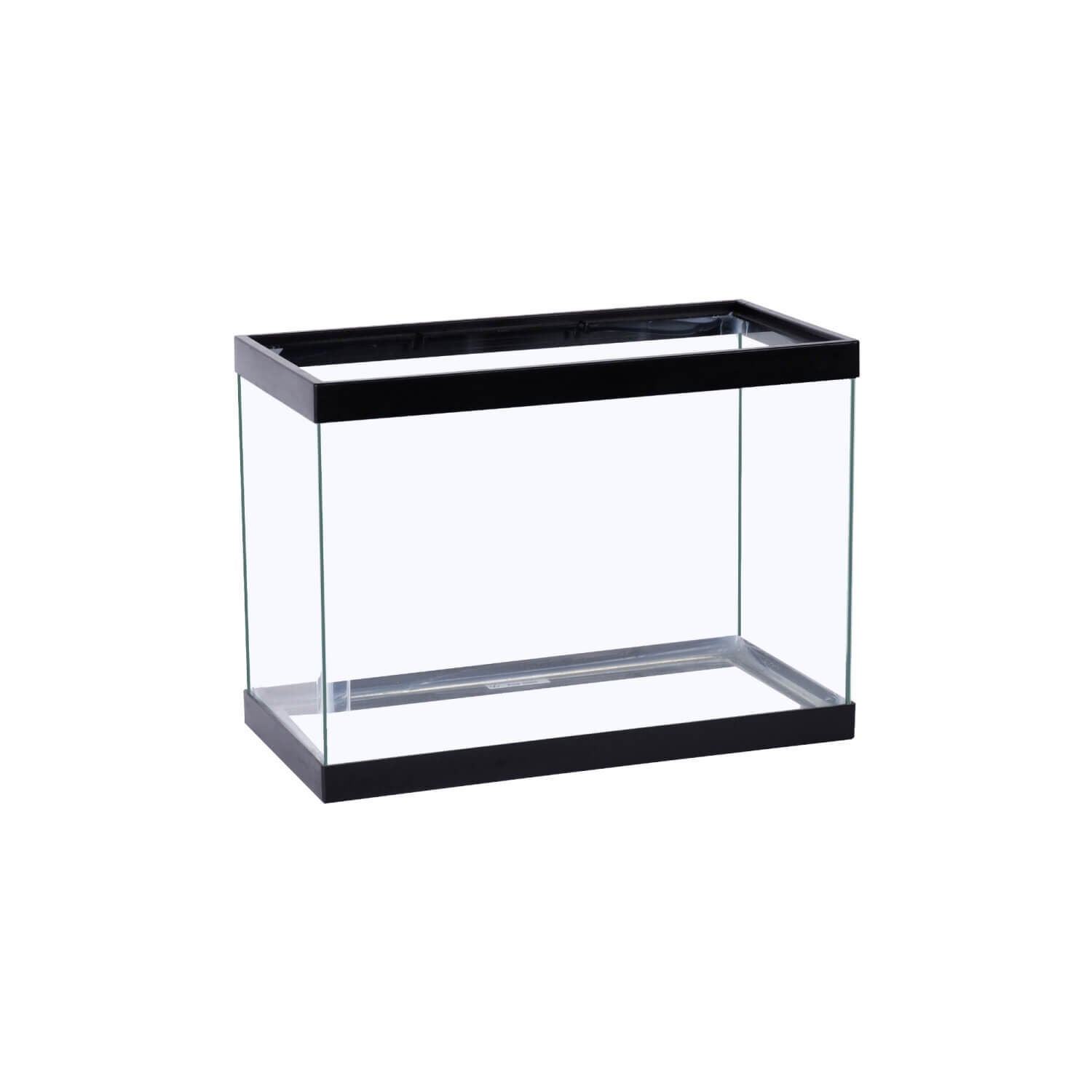
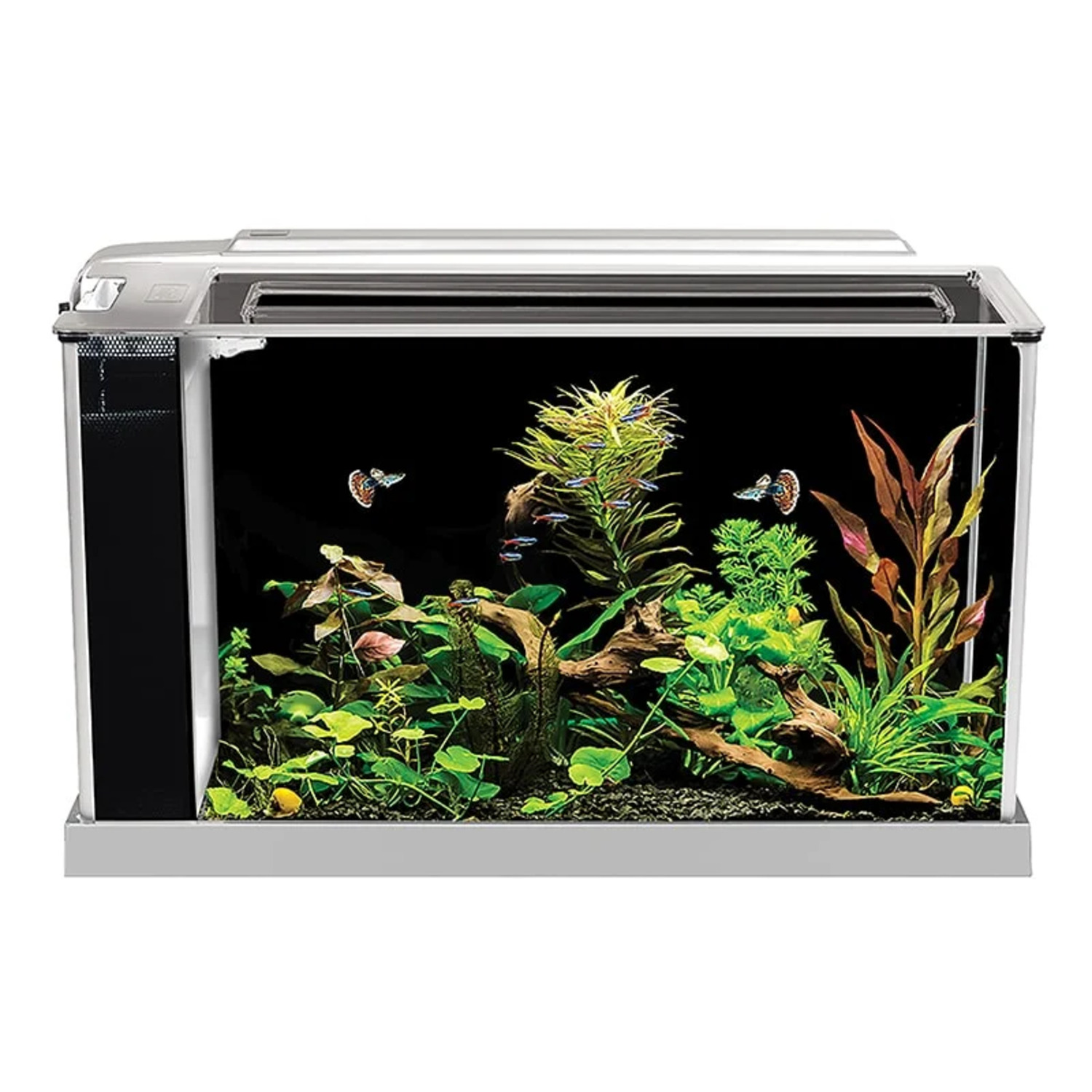
Aquarium (75 gallon+ depending on species)
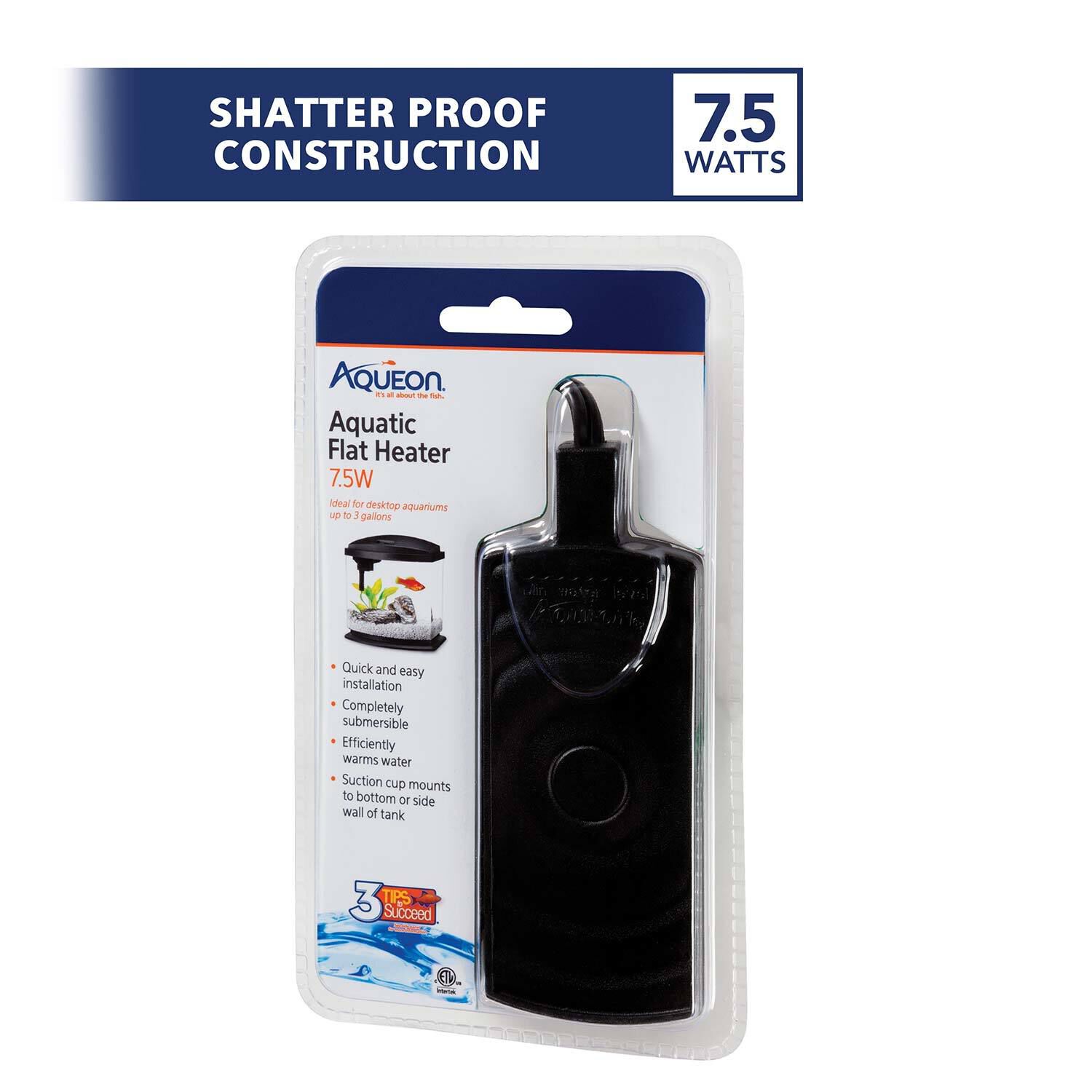
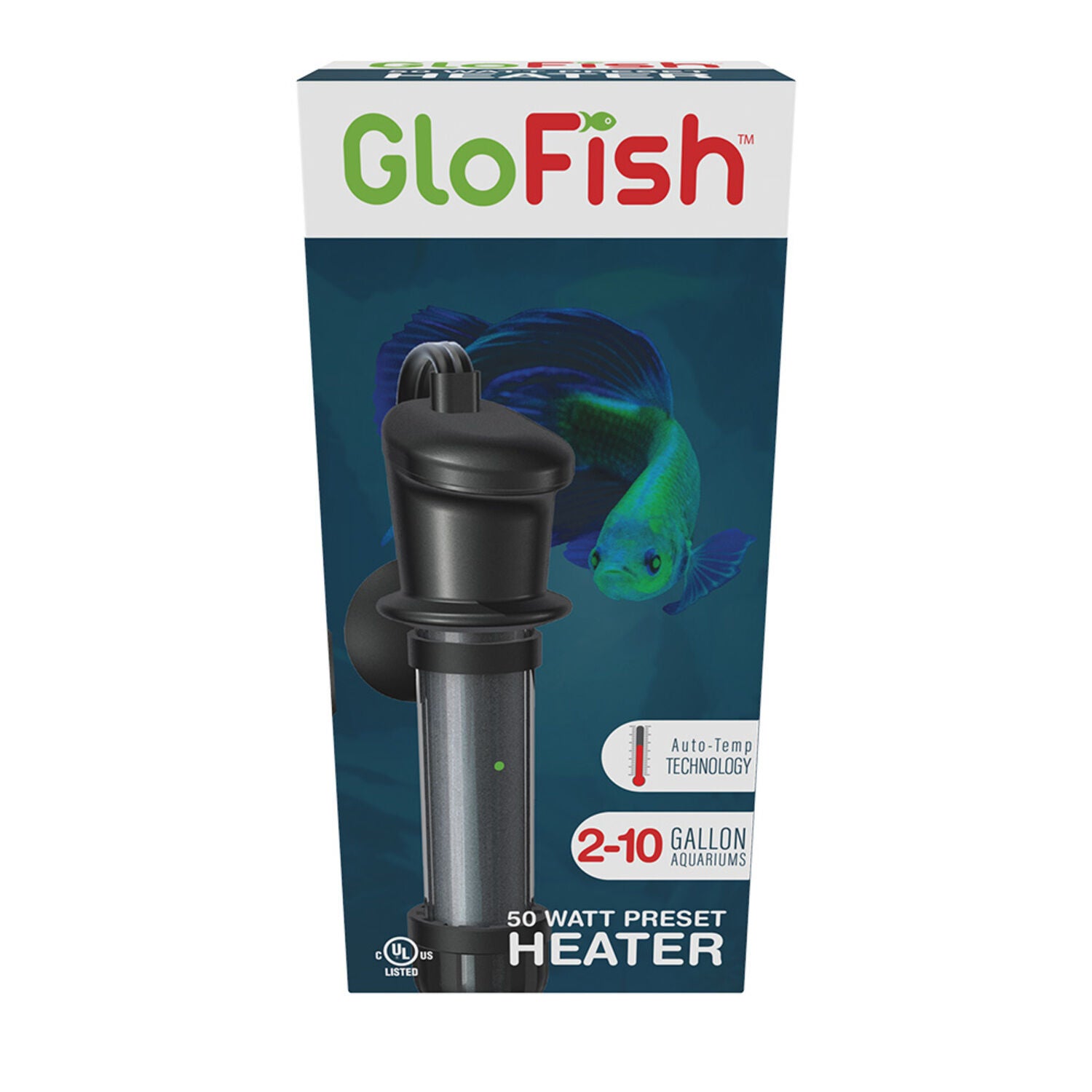
Heater
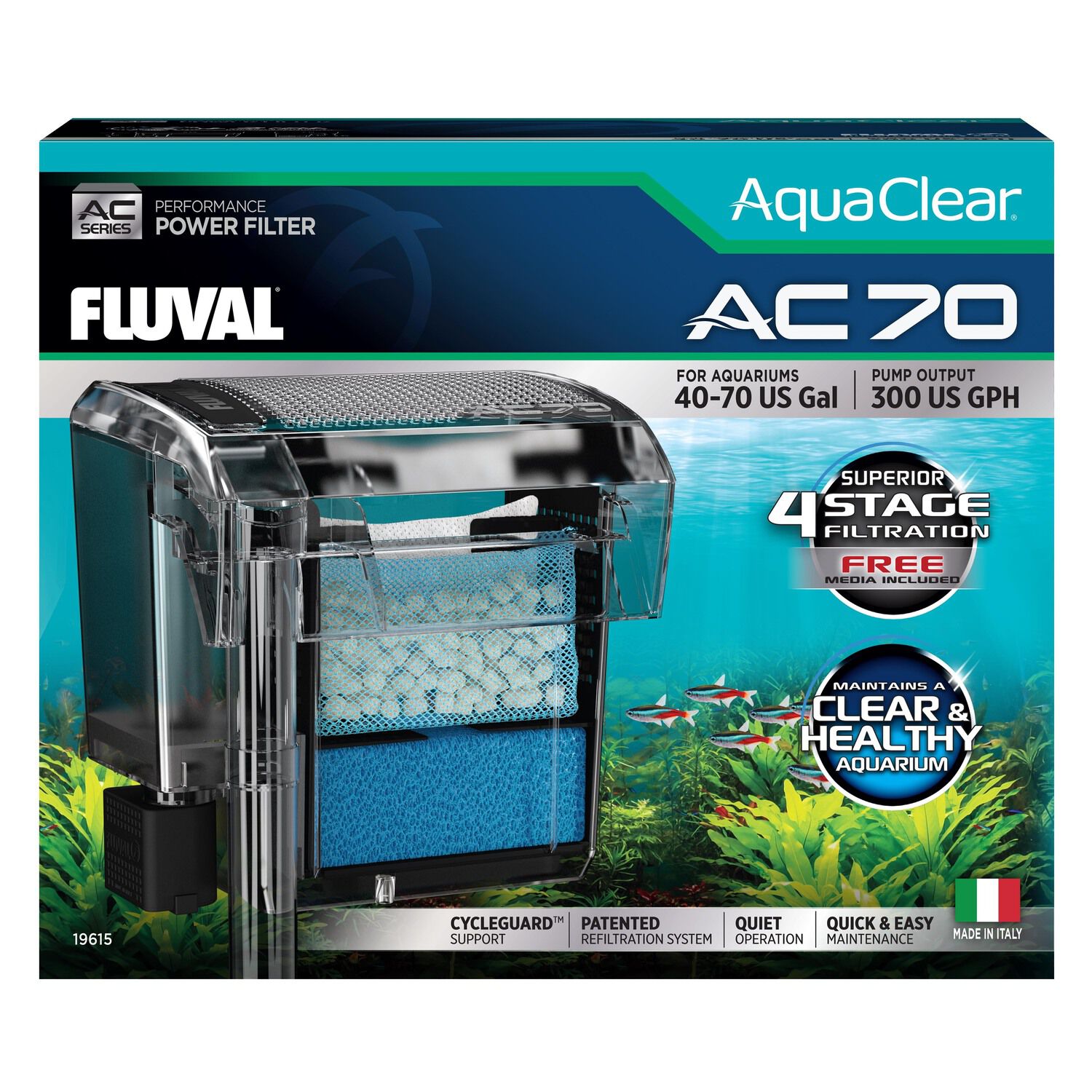
Filter (highly recommended external canister filter)
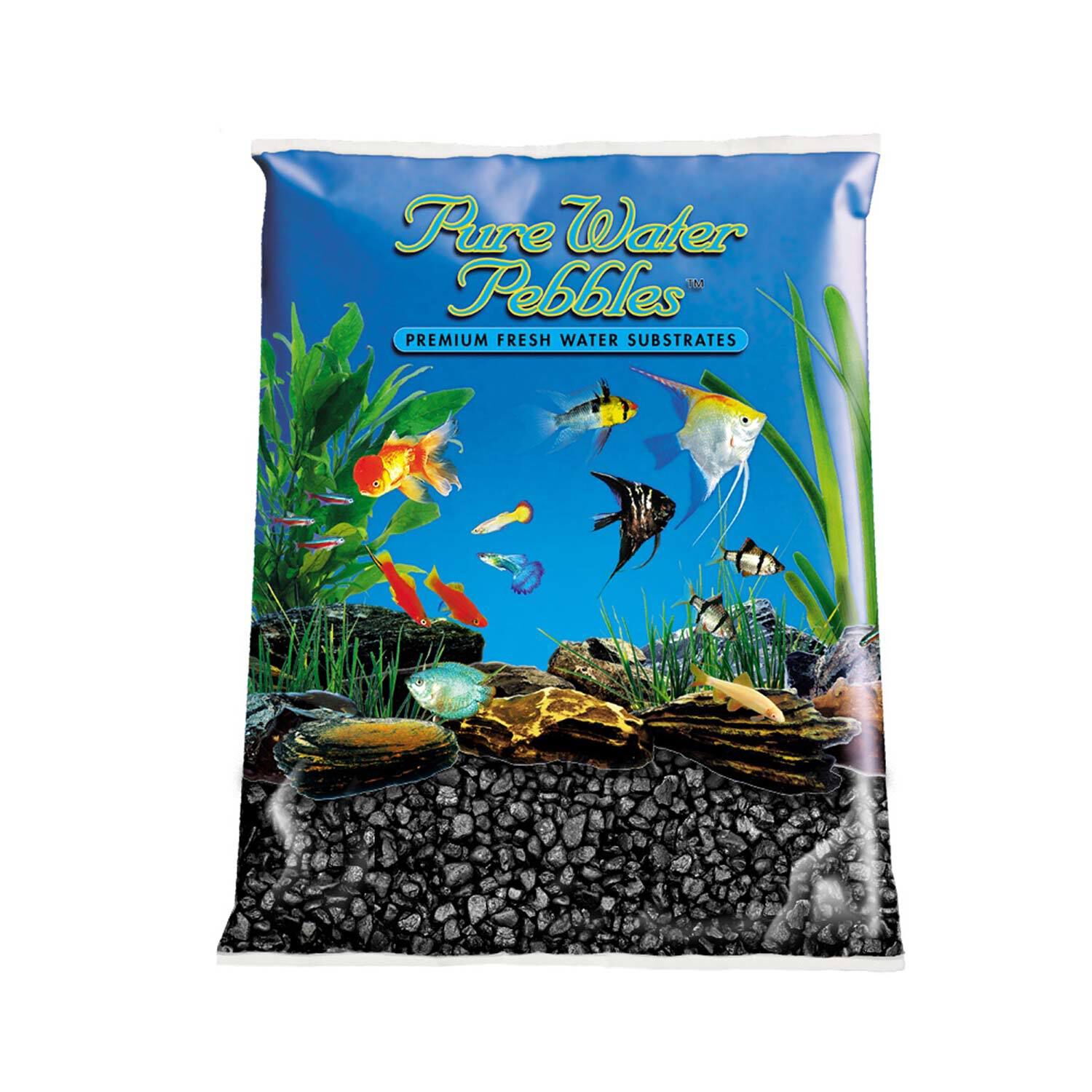
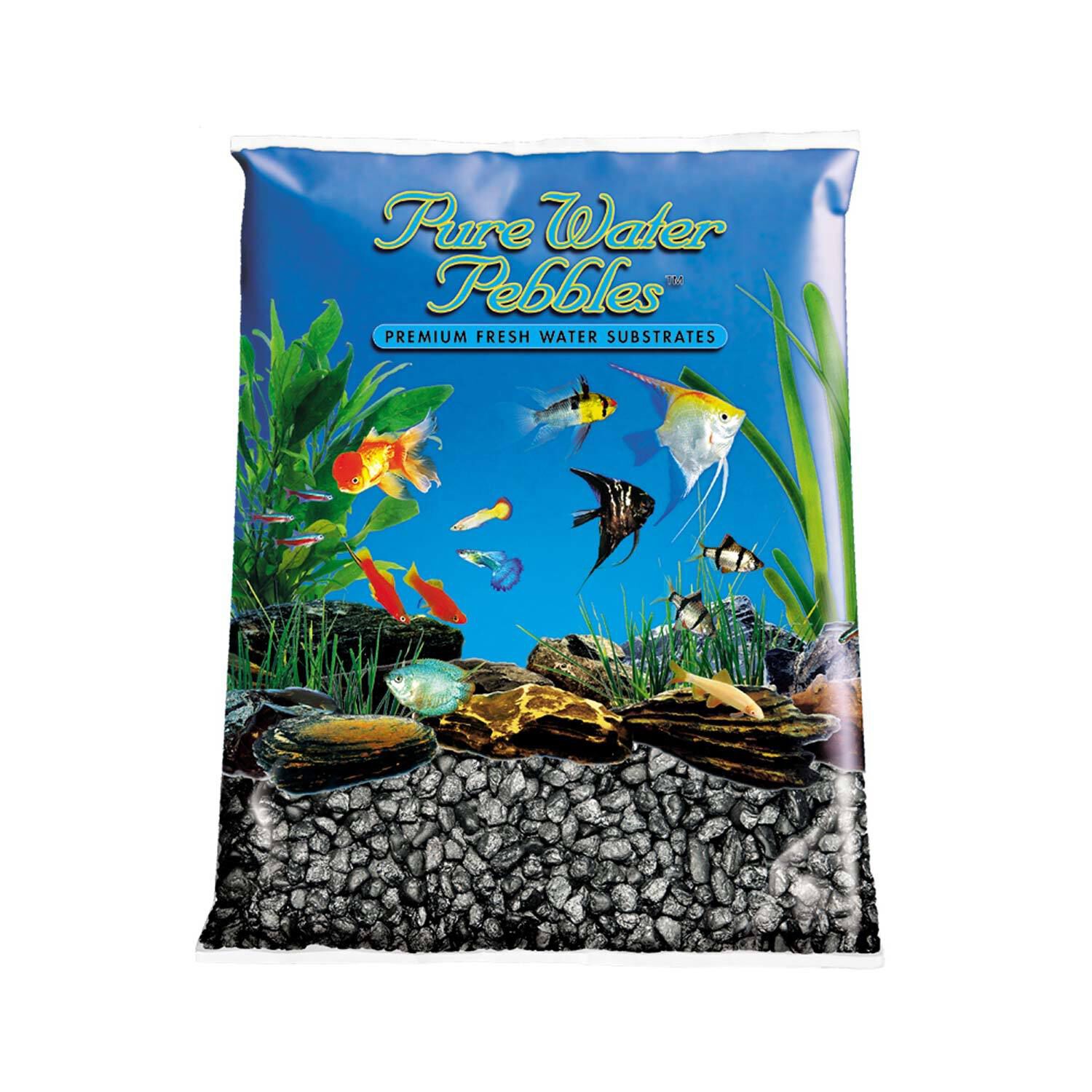
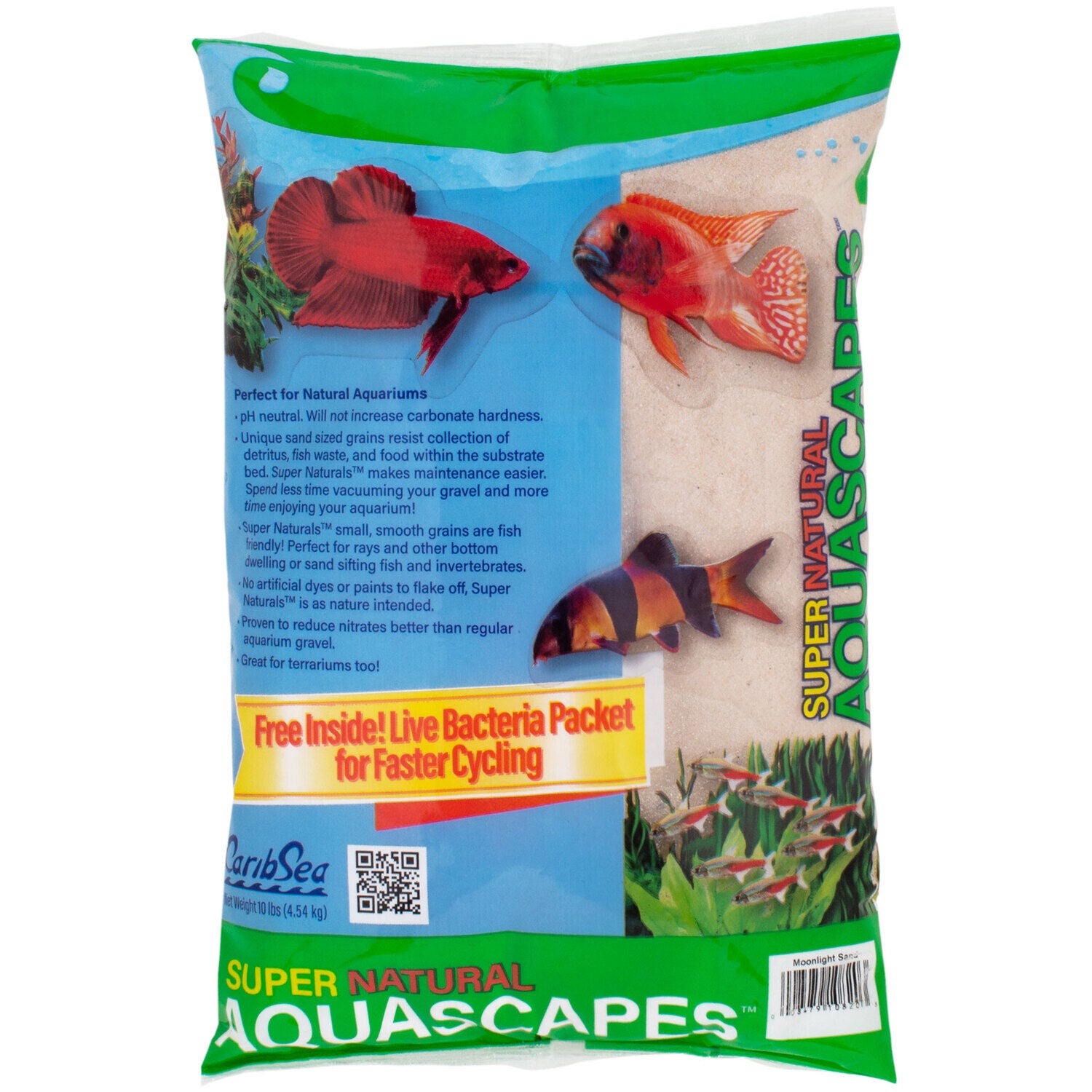
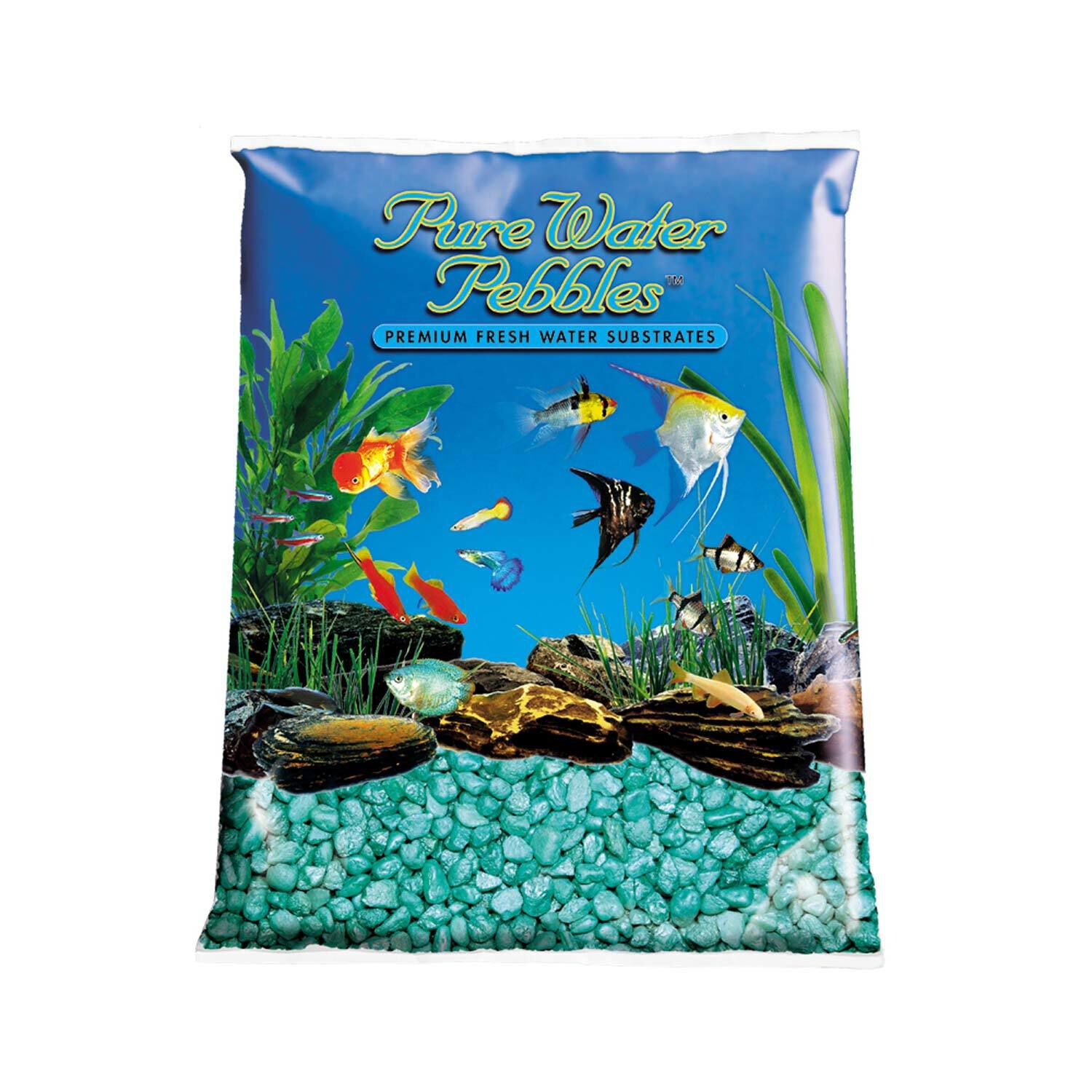
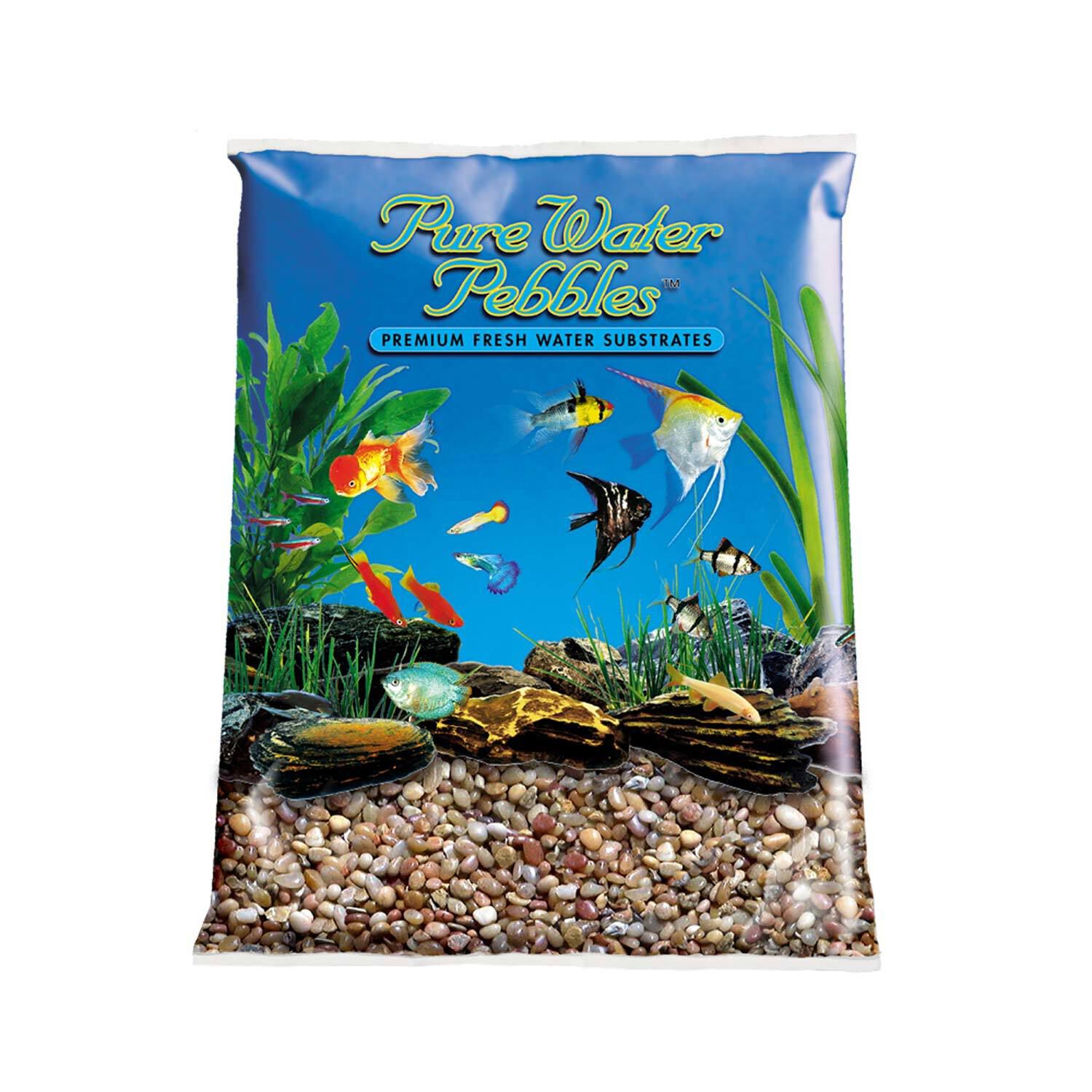
Substrate (sand or smooth pebbles)
Hiding caves & décor
Water test kit (optional) – we offer free water testing!
Water conditioner
Aquarium salt (when applicable)
Fish net
Fish food (variety)
Algae wafers
Thermometer
Gravel vacuum
Tank divider (for quarantine or rehoming)
Backup air pump (optional)
Everything your Aggressive Fish needs, all in one place.
Shop Aggressive Fish Supplies
Feeding Your Aggressive Fish
Food & Water
- Feed a varied diet to support health and vibrant colors.
- High-quality cichlid pellets or sinking sticks
- Frozen or live foods (bloodworms, brine shrimp, krill)
- Vegetables (spirulina, zucchini, peas, spinach)
- Occasional treats
- Feed 1-2 times daily, only what they can consume in 2-3 minutes.
- Maintain water temperature 75°F - 82°F (24°C - 28°C).
- pH range 6.5 - 8.0 depending on species.
- Perform partial water changes (25-30%) weekly.
Aggressive Fish Habitat
Caging & Environment
- Provide a spacious tank with plenty of swimming room and territories.
- Minimum tank size: 75 gallons for most species; larger for multiple fish.
- Use rocks, driftwood, and caves to create hiding spots and territories.
- Aggressive fish can be territorial—arrange décor to break line of sight.
- Use sand or smooth substrate to prevent injury.
- Keep lighting moderate; some species prefer dimmer areas.
- Cover the tank—aggressive fish may jump.
- Quarantine new fish for 2-4 weeks before adding to main tank.
Handling Your Aggressive Fish
Behavior & Handling
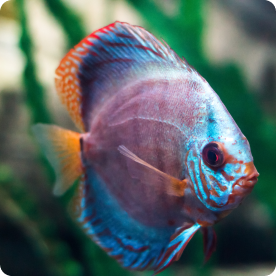
- These fish are territorial and may be aggressive toward other tank mates, especially those of similar shape or color.
- Best kept with other fish of similar size and temperament.
- Not recommended for community tanks with small or peaceful fish.
- Provide plenty of hiding places to reduce stress and aggression.
- Do not mix multiple males of the same species unless in a very large tank.
- Observe fish behavior regularly and be prepared to separate if aggression occurs.
Common Health Problems
Aggressive Fish Health and Well-being
Safety
- Aggressive fish have strong jaws and can inflict injury on tank mates or even fingers—use caution during tank maintenance.
- Ensure tank is secure—some species are powerful and can break glass lids or jump.
- Overstocking or poor water quality can increase stress and aggression.
- Provide a balanced diet to reduce stress-related aggression.
- Always wash hands before and after handling aquarium equipment.
405 Results
405 Results
No products found for selected filters. Please try with different filters.
Showing 0 of 0