Freshwater Shrimp, Crabs & Crayfish Care Guide
Get to Know Your Freshwater Shrimp, Crabs & Crayfish
Basic Information
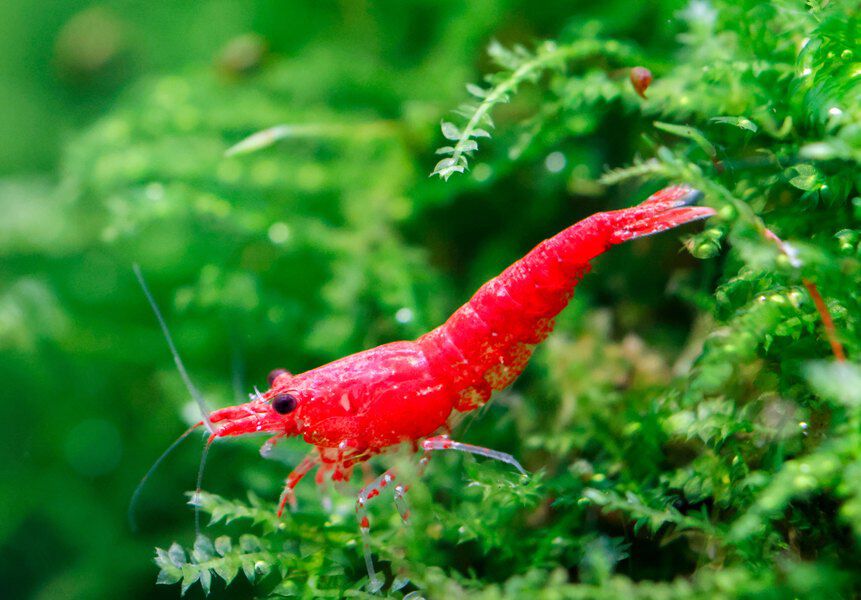
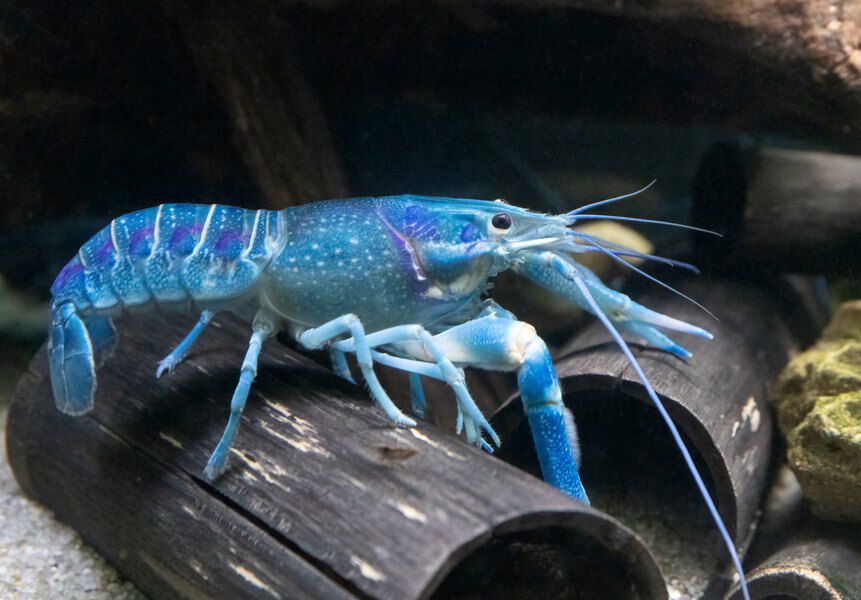
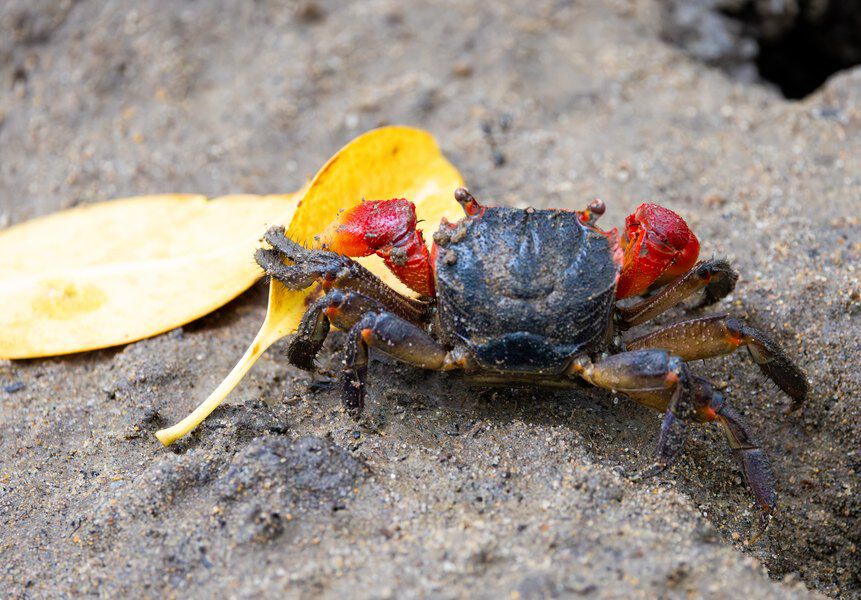
Includes popular species such as Neocaridina shrimp, Gold Claw and Red Claw crabs, and Florida & Electric Blue crayfish
Common Names
Freshwater shrimp, freshwater crabs, freshwater crayfish
Scientific Names
Varies by species (e.g. Neocaridina spp., Cardisoma spp., Procambarus spp.)
Size
Shrimp: 1/2 - 1.5 inches, Crabs: 1 - 3 inches, Crayfish: 2 - 6 inches (varies by species)
Life span
Shrimp: 1 - 3 years, Crabs: 2 - 5 years, Crayfish: 2 - 6 years (with proper care)
Temperament
Generally peaceful (community safe with proper tank mates)
Checklist for Your Freshwater Shrimp, Crabs & Crayfish
Essential Items
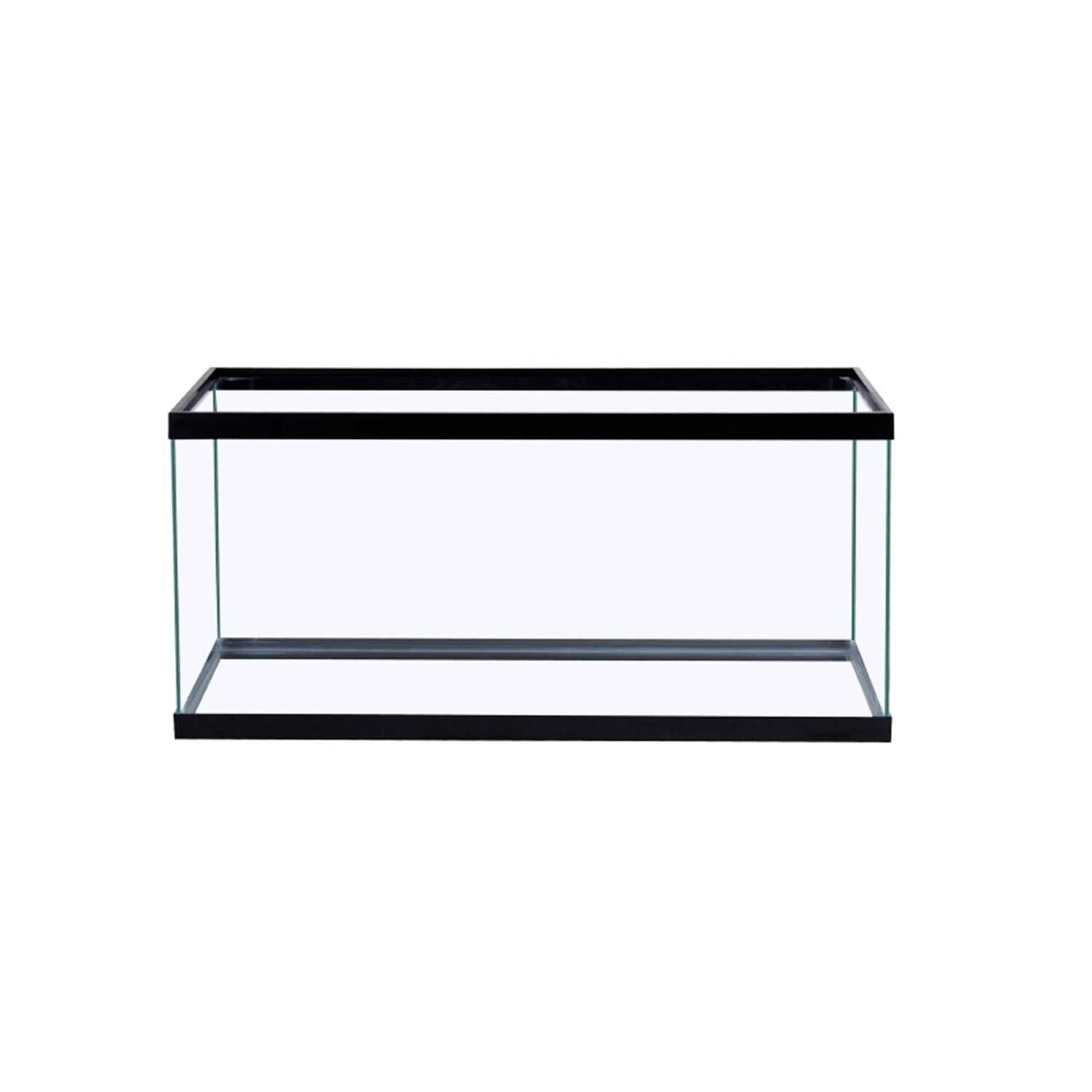
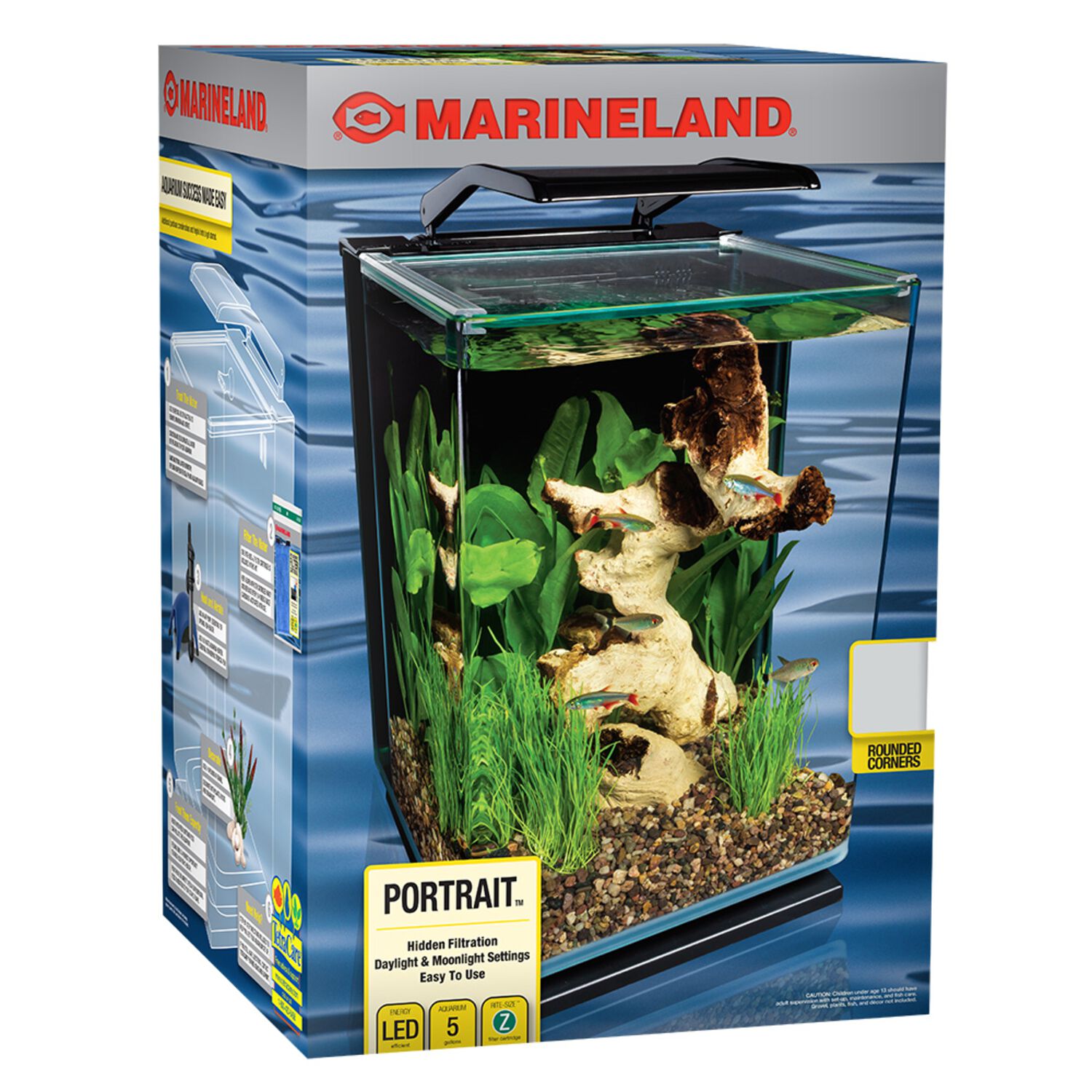
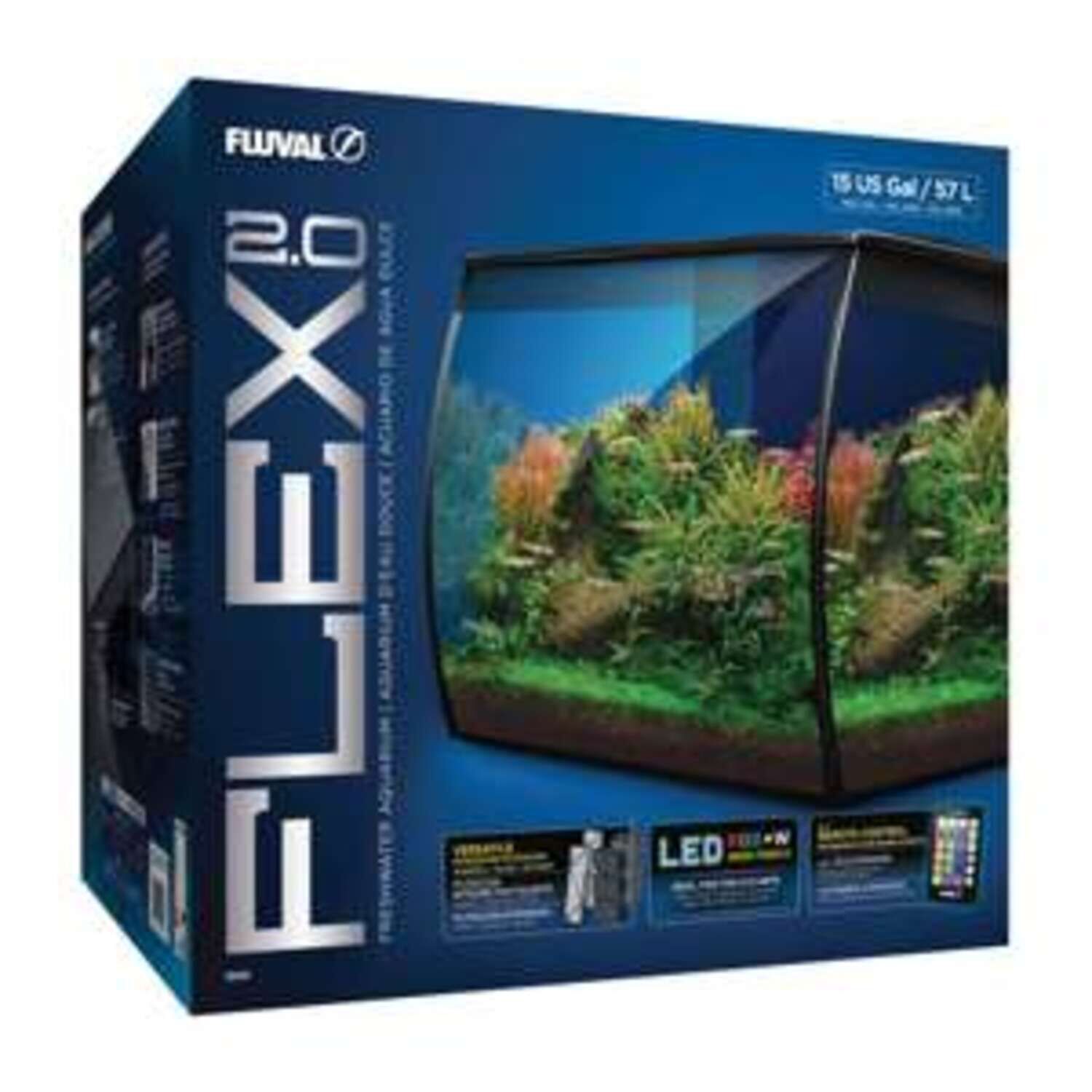
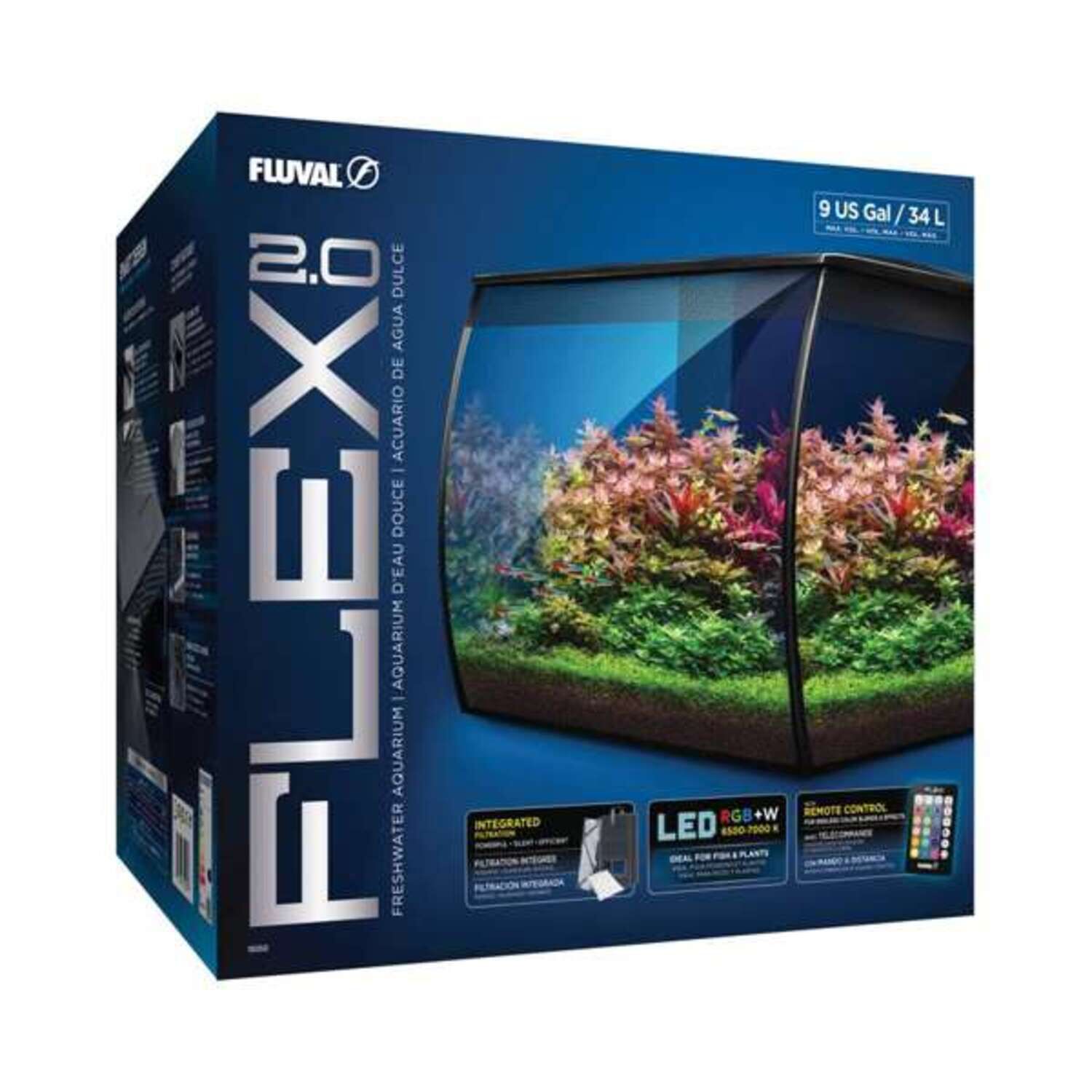
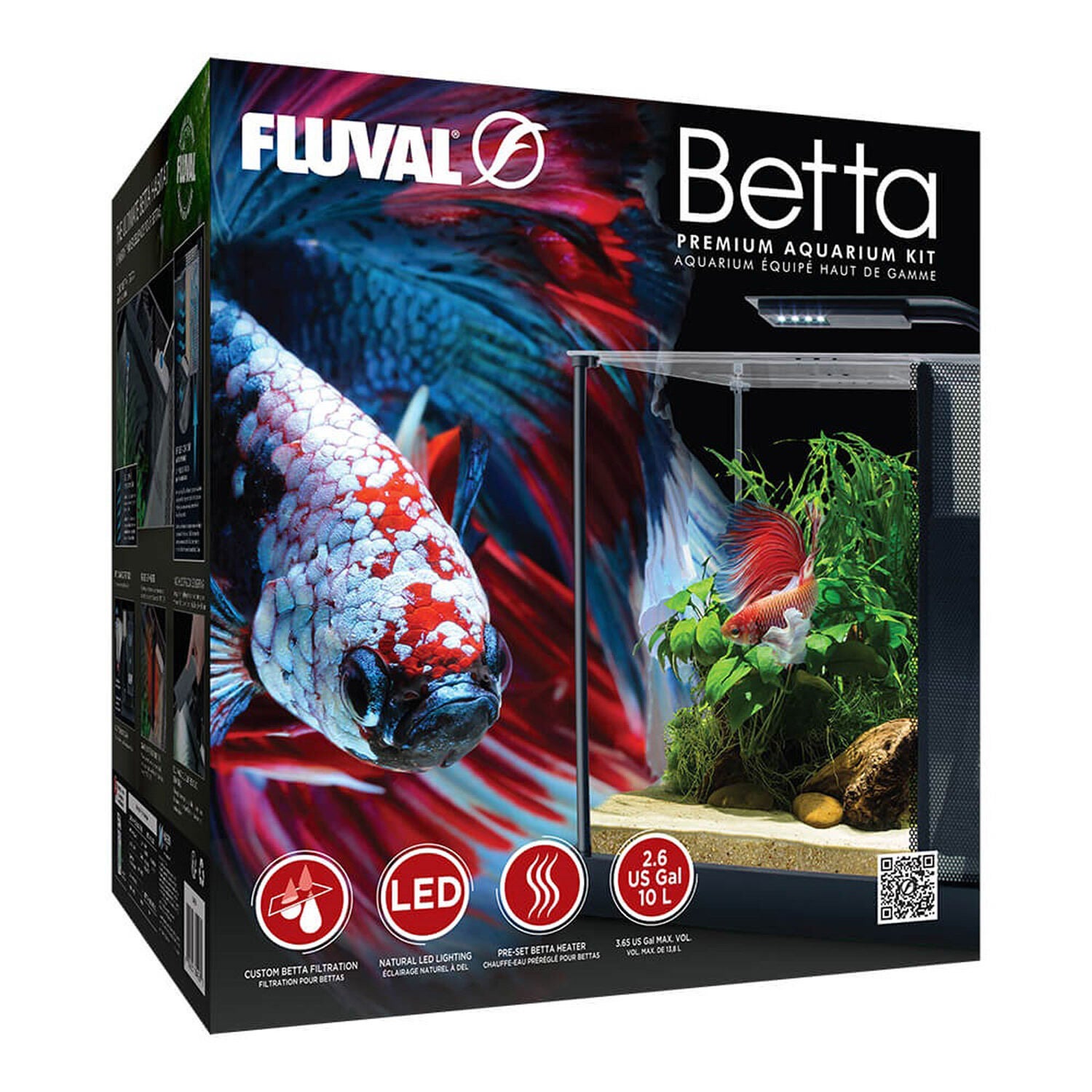
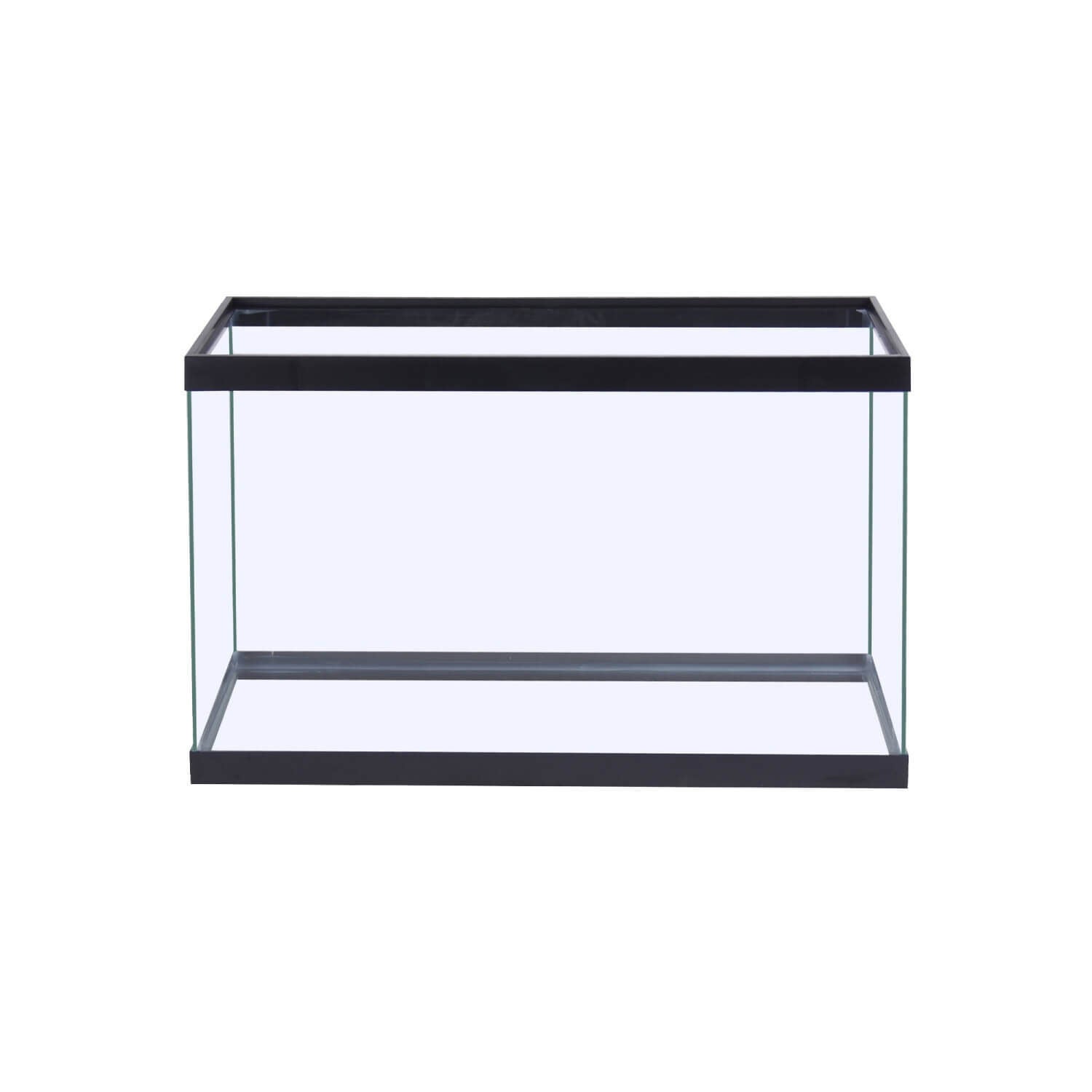
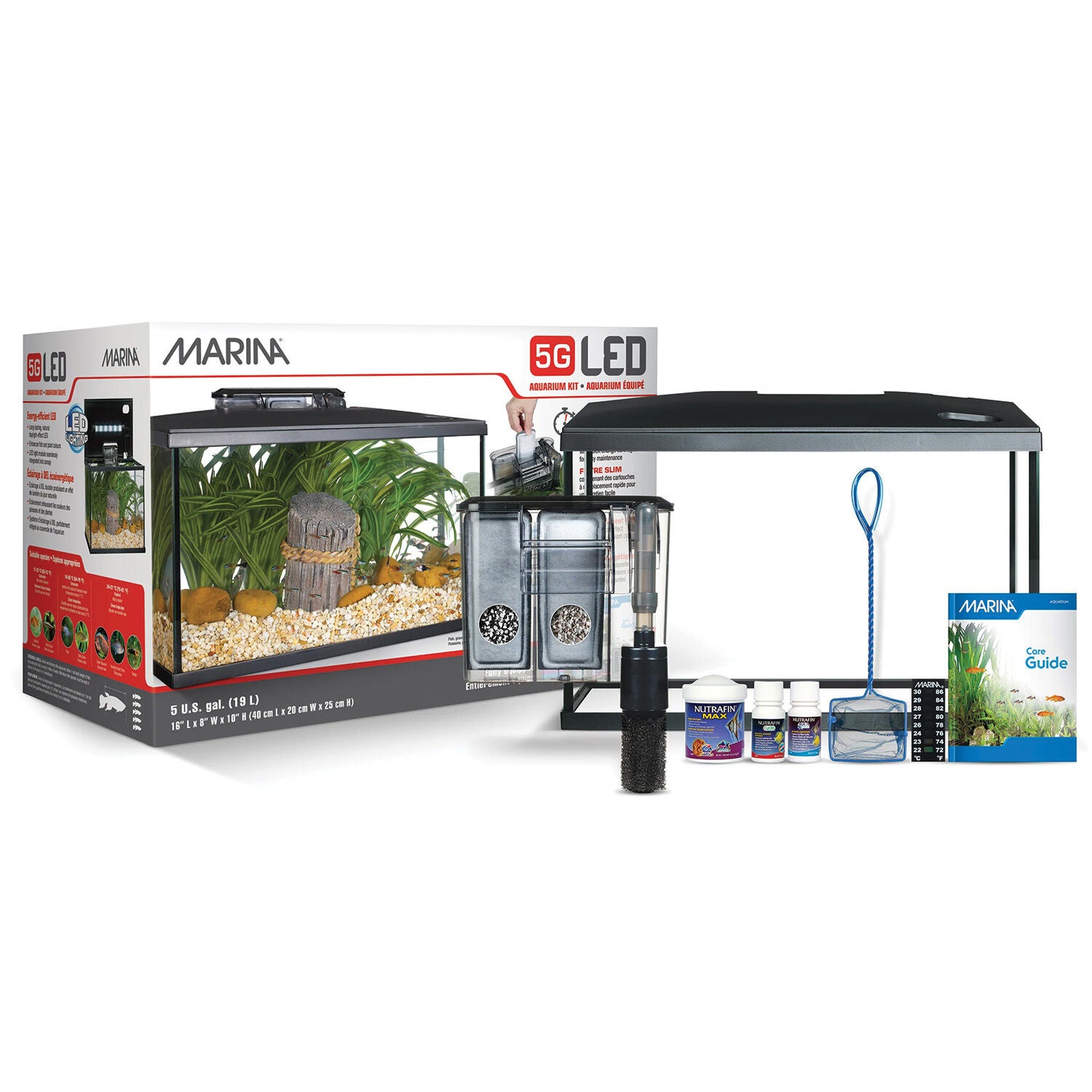
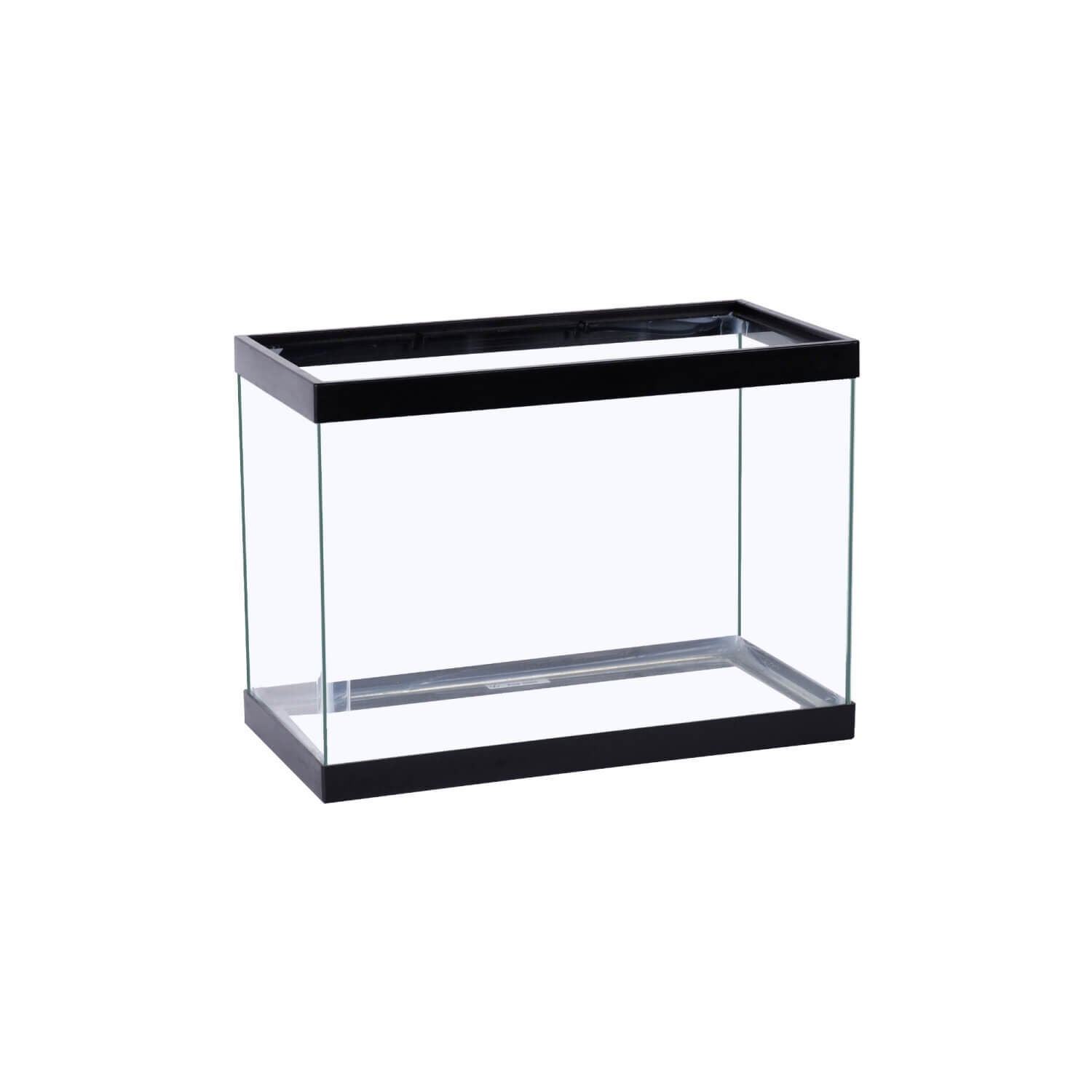
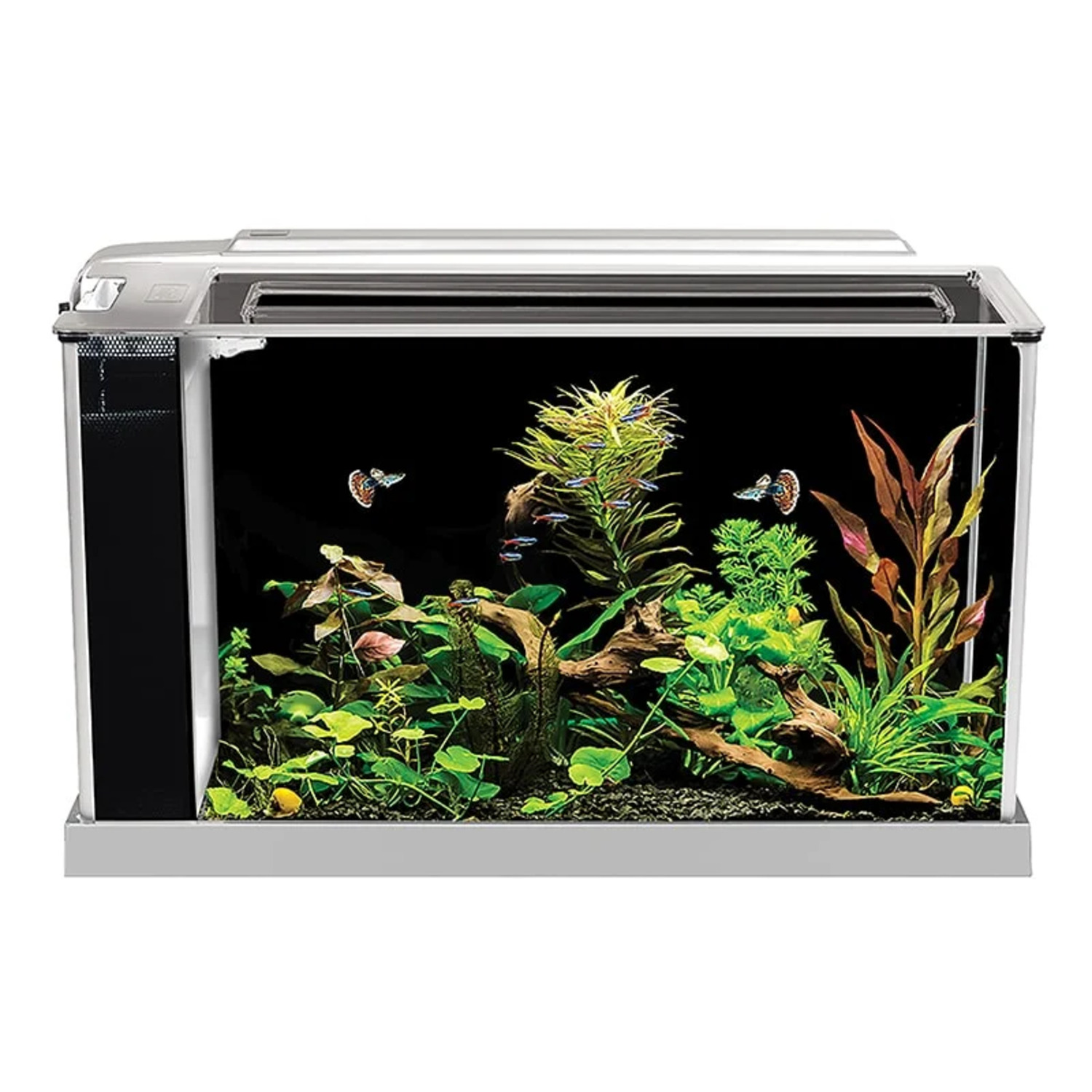
Appropriately sized aquarium with secure lid
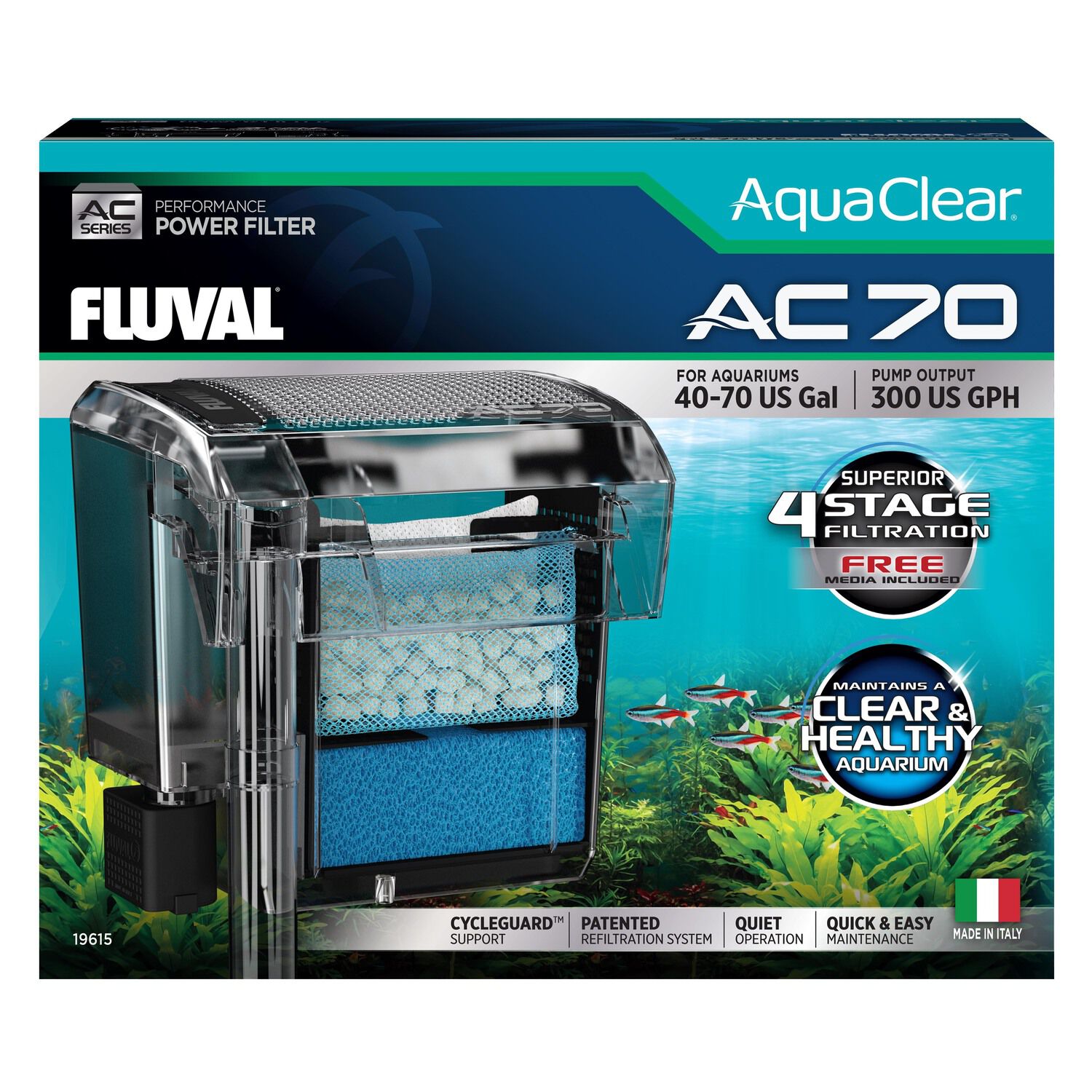
Filtration (sponge filter recommended)
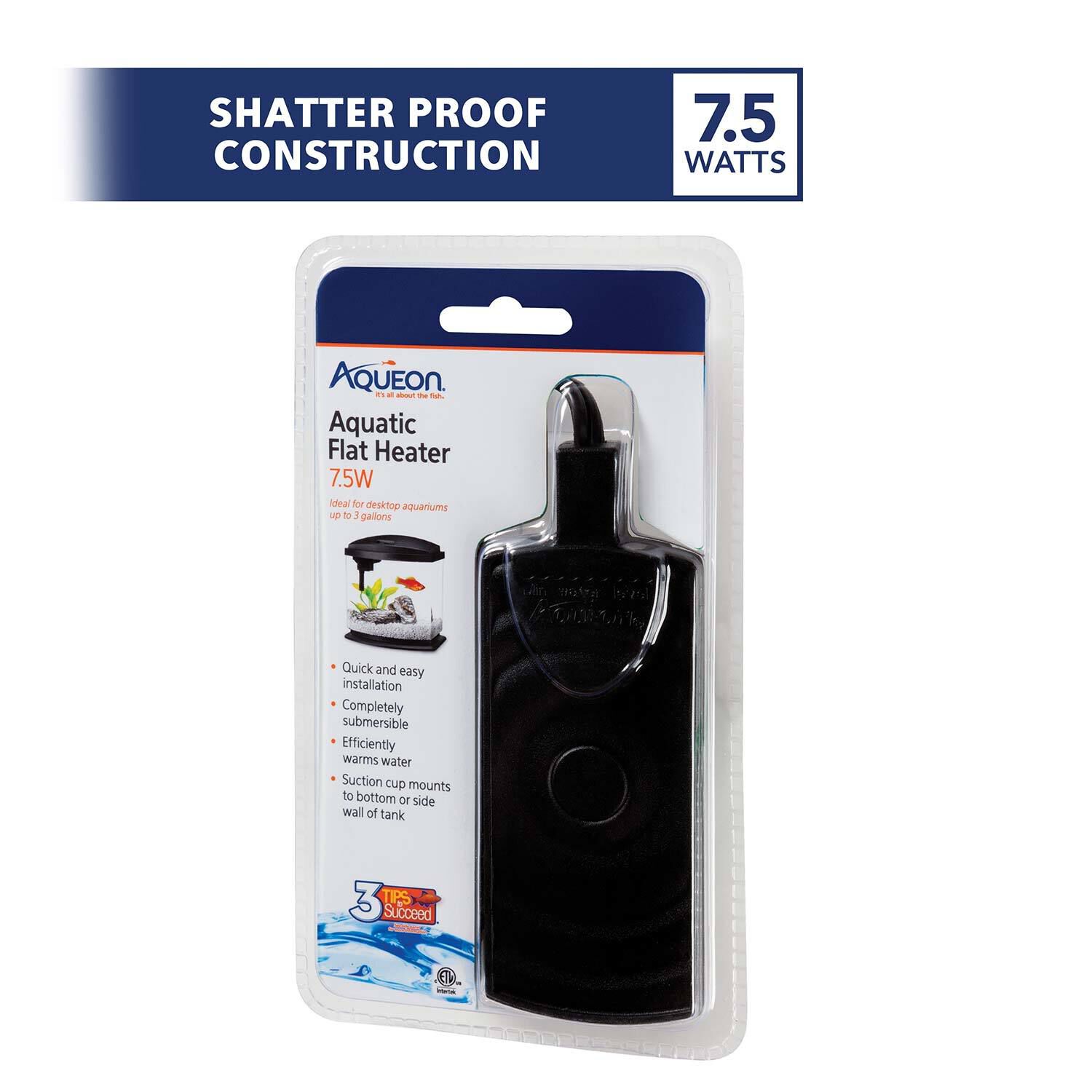
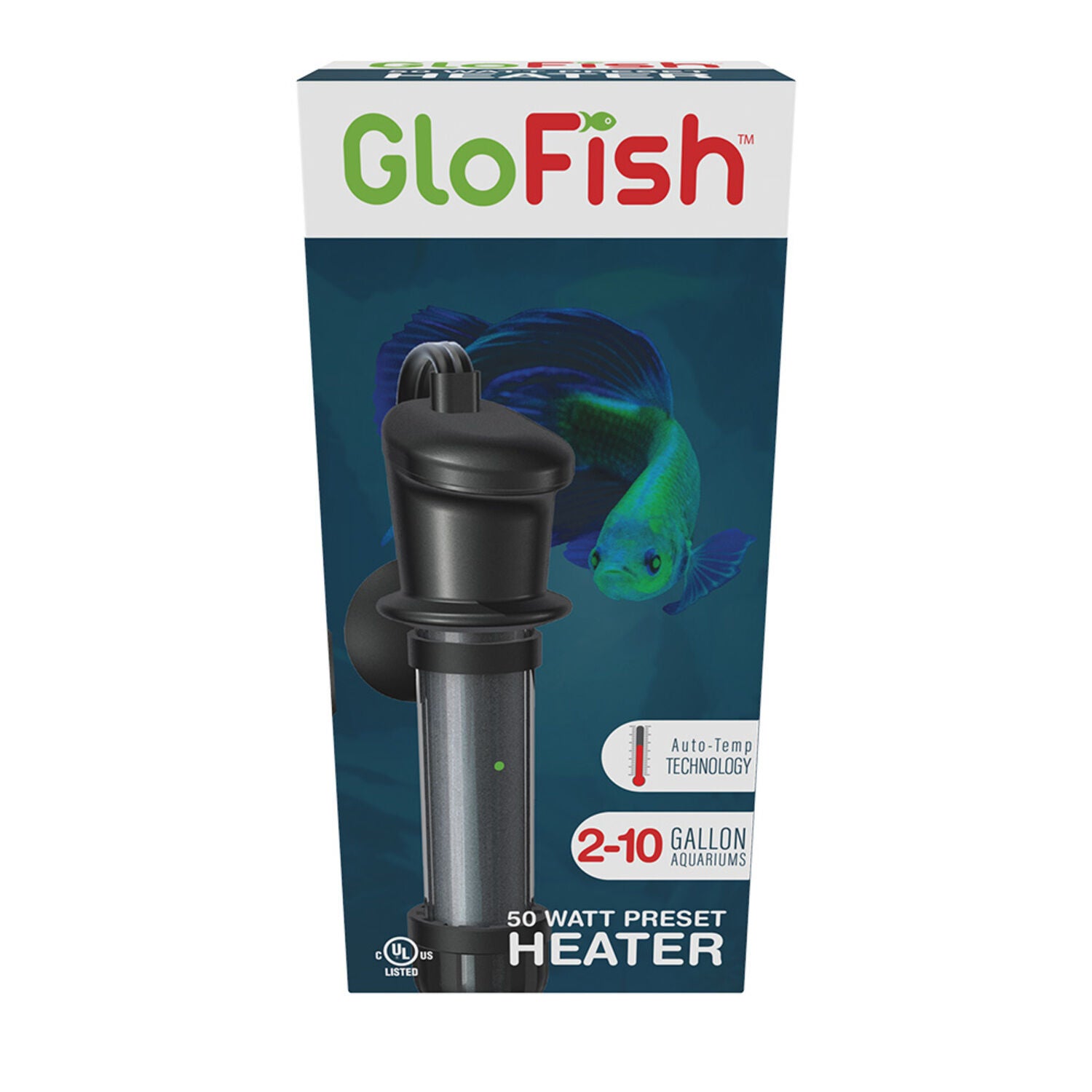
Heater (as needed)
Thermometer
pH, ammonia, nitrite, nitrate test kit
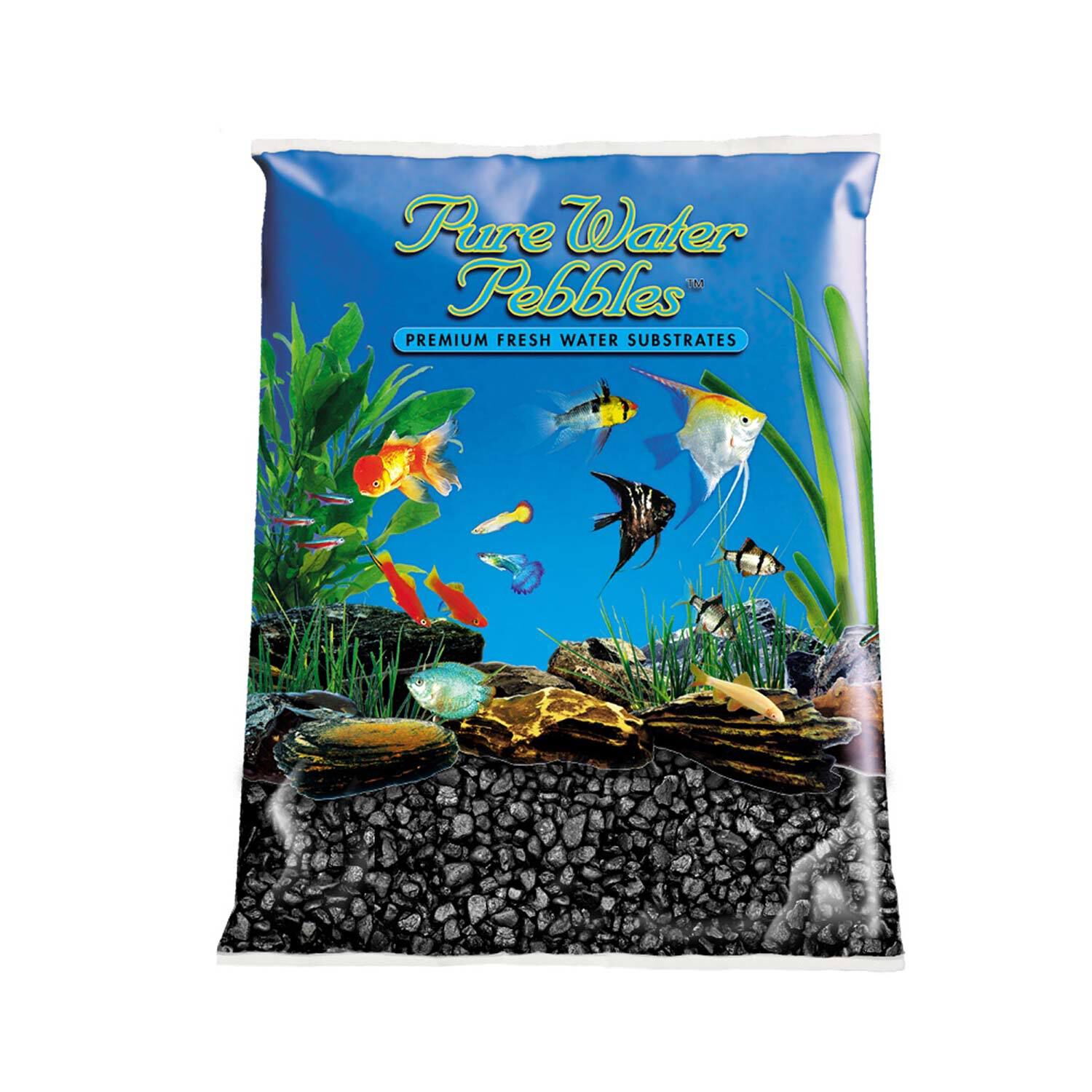
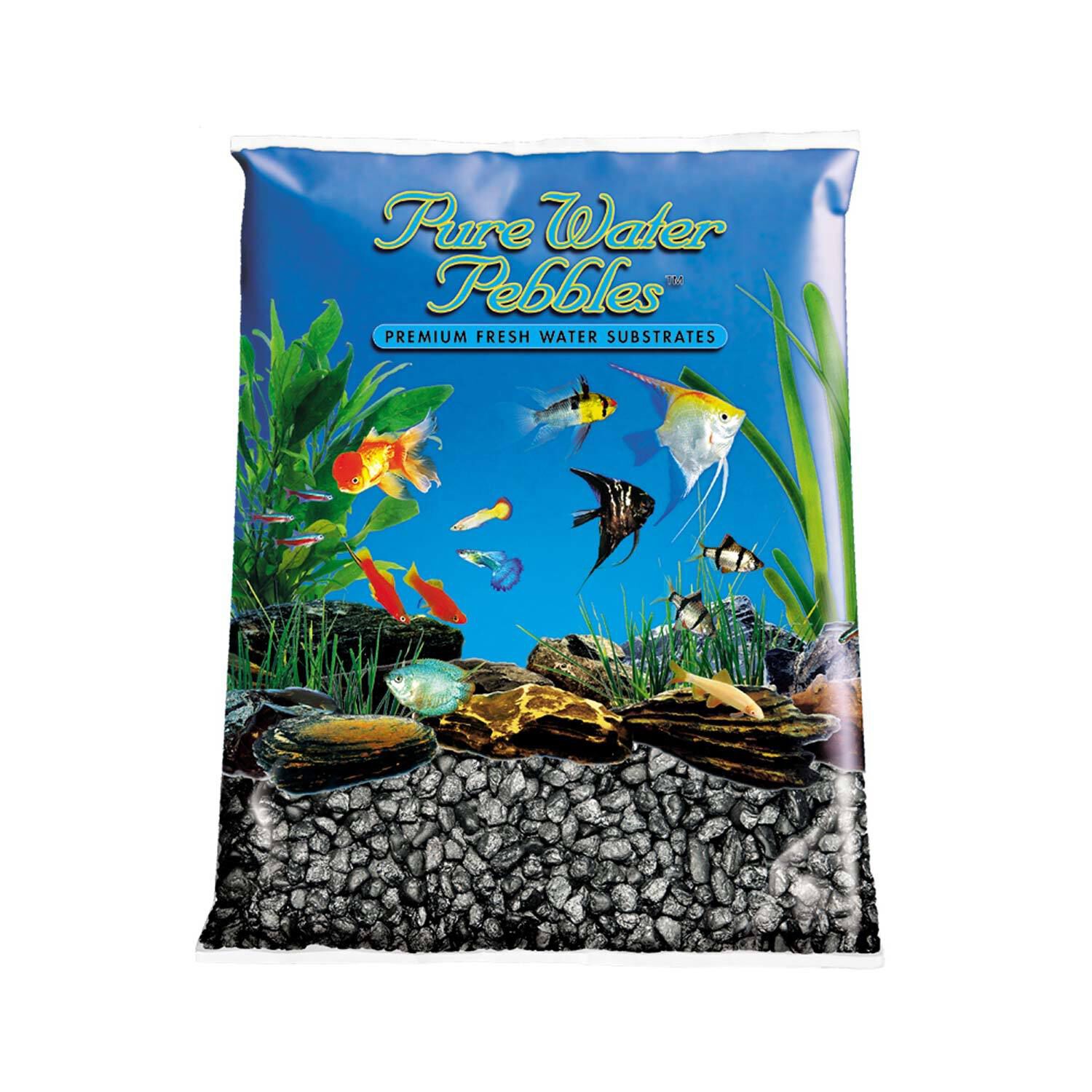
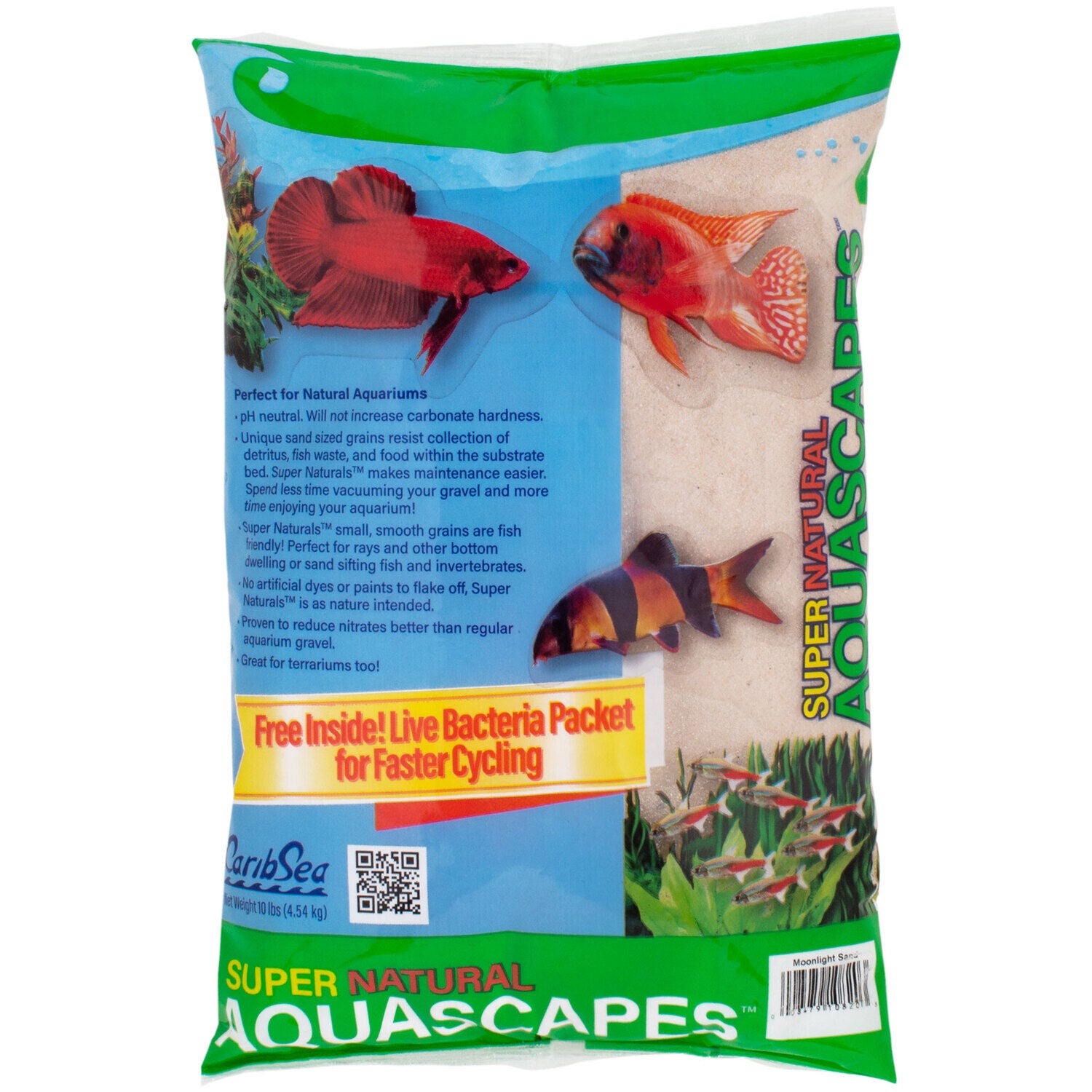
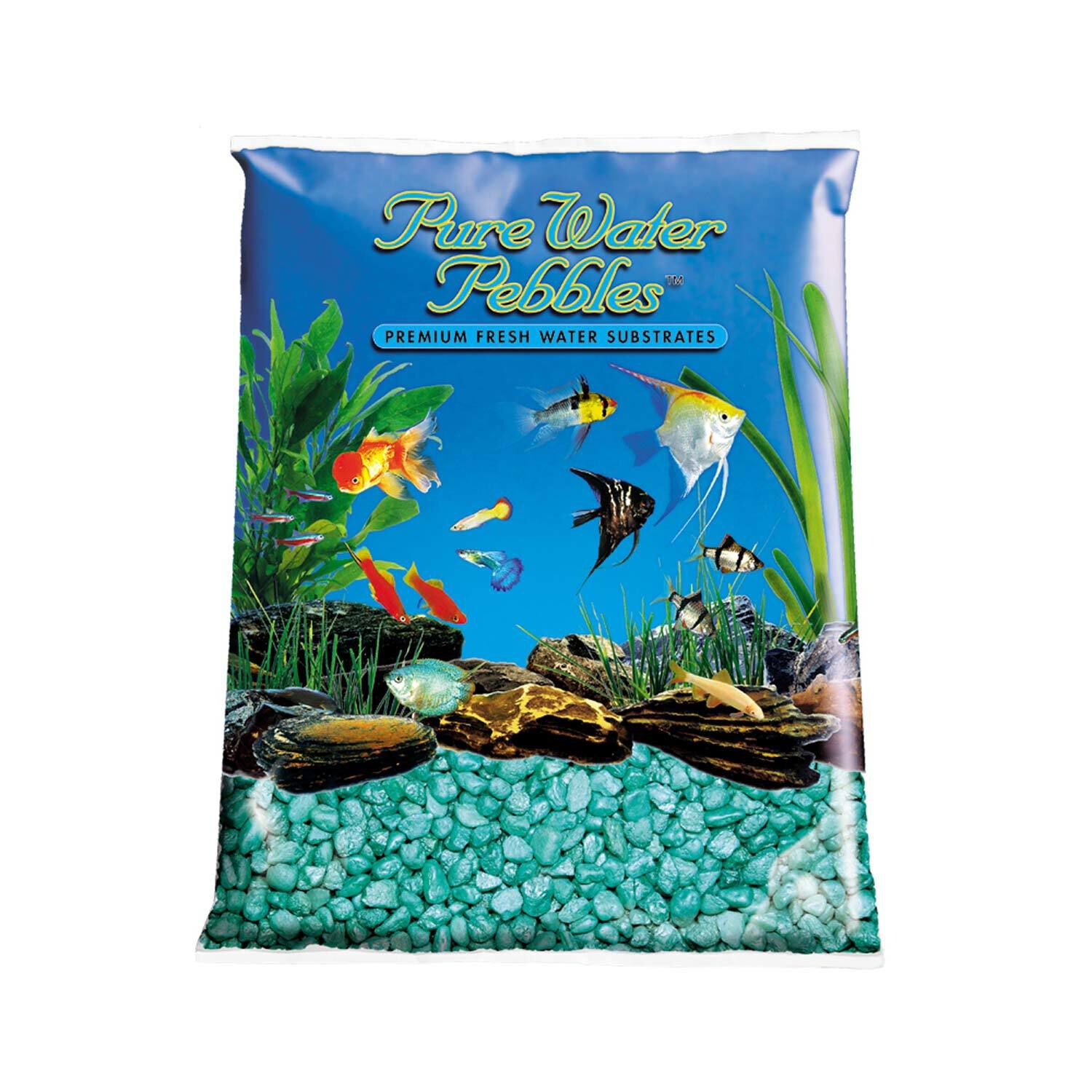
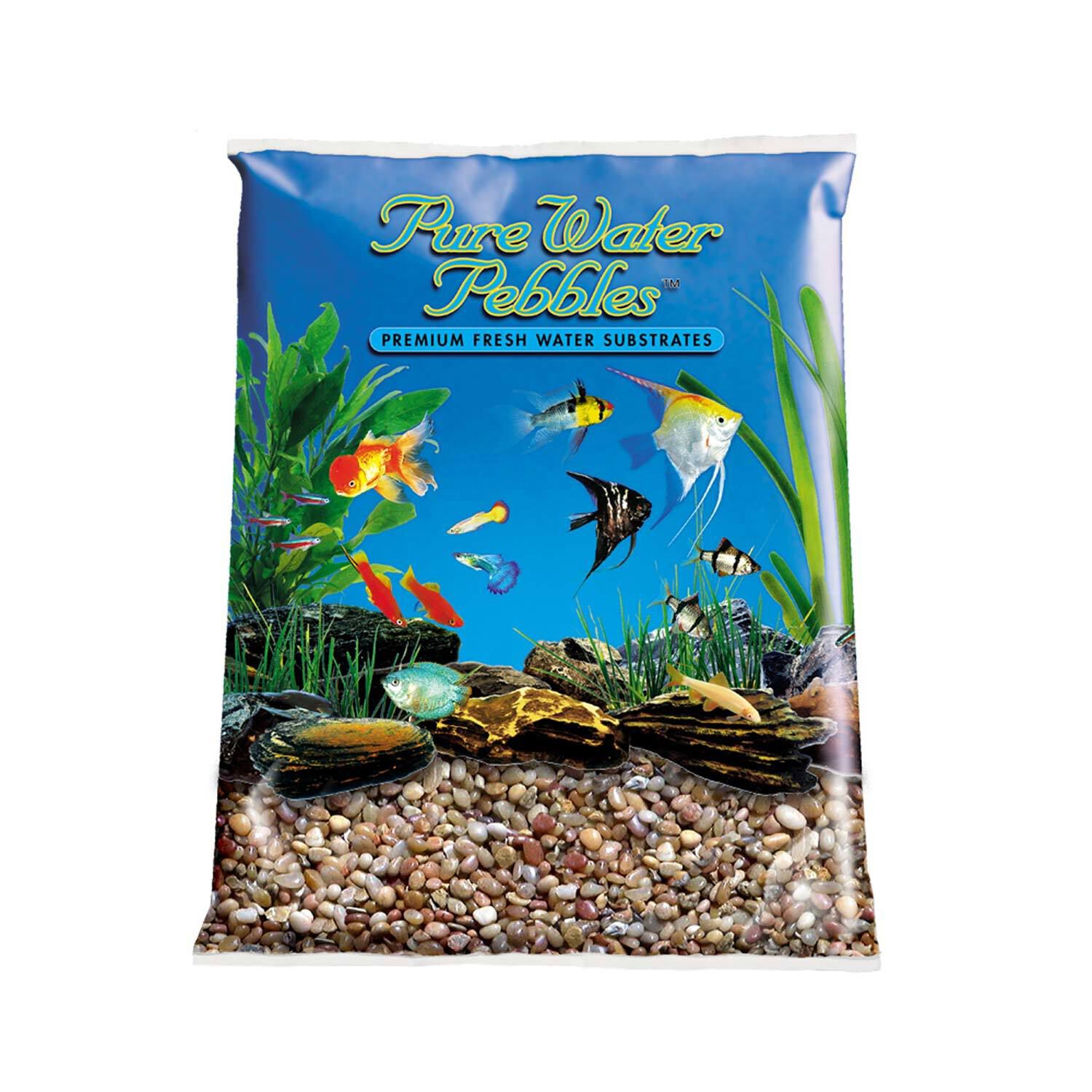
Substrate (sand or fine gravel)
Live or artificial plants
Hiding places (rocks, driftwood, caves, leaf litter)
Food (species appropriate)
Calcium source (cuttlebone or mineral block)
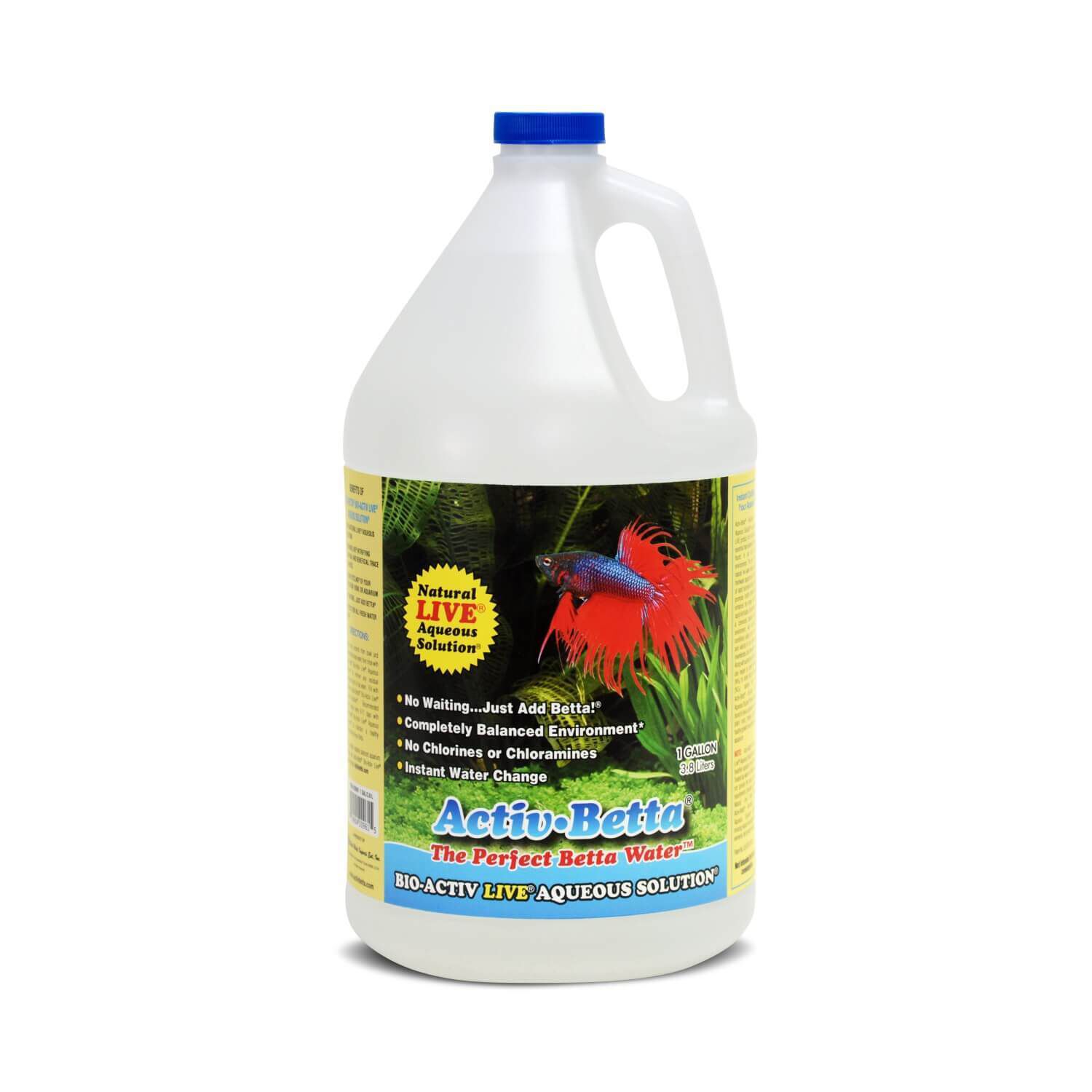
Water conditioning products
Algae and biofilm (natural food source)
Everything your Freshwater Shrimp, Crabs & Crayfish needs, all in one place.
Shop Freshwater Shrimp, Crabs & Crayfish Supplies
Feeding Your Freshwater Shrimp, Crabs & Crayfish
Diet
- Omnivorous scavengers - eat algae, biofilm, detritus and a variety of foods.
- Offer a balanced diet, including:
- Sinking shrimp/crab pellets
- Algae wafers
- Blanched vegetables (zucchini, spinach, peas, carrots)
- Leaf litter (Indian almond leaves)
- Occasional protein foods (insect larvae, bloodworms, brine shrimp, etc.)
- Feed small amounts 1 - 2 times daily.
- Remove uneaten food after a few hours to maintain water quality.
- Provide a calcium source (cuttlebone or mineral block) to support healthy molting and shell growth.
Freshwater Shrimp, Crabs & Crayfish Habitat
Caging & Environment
Housing & Environment
- Suitable for freshwater aquariums with plenty of hiding places and plants.
- Recommended minimum tank size:
- Shrimp: 5 - 10 gallons (larger is better)
- Crabs: 10 - 20 gallons (with land area for some species)
- Crayfish: 20 gallons (larger is better)
- Use a well-filtered aquarium (sponge filters are safest for shrimp and small crabs).
- Provide live plants, driftwood, rocks, caves and leaf litter for hiding and natural behavior.
- Use a secure lid – all three can climb and may escape.
- A soft substrate (sand or smooth gravel) is recommended.
- Maintain stable water parameters (see Water Parameters).
Water Parameters
- Temperature: 68 - 78°F (20 - 26°C) (most species do well in this range)
- pH: 6.5 - 8.0
- Ammonia: 0 ppm
- Nitrite: 0 ppm
- Nitrate: Below 20 ppm
- Perform 25 - 50% water changes weekly to maintain water quality.
- Use a water conditioner to remove chlorine and chloramines.
Plants & Décor
- Live plants provide food, hiding places and help maintain water quality.
- Use driftwood, rocks, caves and leaf litter to create hiding spots and natural territory.
- Floating plants can help reduce stress and provide cover.
- Ensure décor is stable to prevent injury during digging or climbing.
Compatibility
- Neocaridina shrimp are peaceful and work well in community aquariums with other small, peaceful fish and invertebrates.
- Crabs and crayfish can be territorial and may eat smaller tank mates – best kept with similar-sized or larger, hardy species.
- Provide plenty of hiding places to reduce aggression and stress.
Handling Your Freshwater Shrimp, Crabs & Crayfish
Behavior
- Active and interesting to watch.
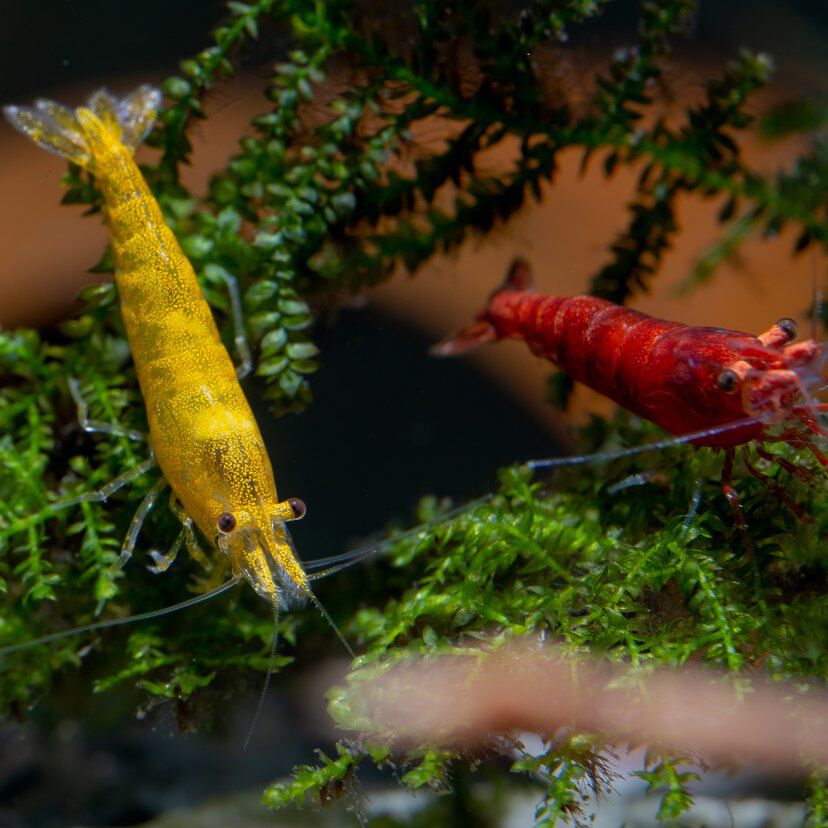
- Shrimp constantly graze on algae and biofilm.
- Crabs are excellent climbers and may spend time both in and out of the water.
- Crayfish dig, explore and establish territories.
- All can molt - provide calcium and stable water conditions to support healthy molting.
Common Health Problems
Freshwater Shrimp, Crabs & Crayfish Health and Well-being
Health & Safety
- Keep water clean and well-maintained.
- Monitor for signs of illness, such as lethargy, loss of appetite or abnormal behavior.
- Remove dead animals promptly.
- Avoid copper-based medications, as they can be toxic to shrimp, crabs and crayfish.
- Always wash your hands before and after handling.
405 Results
405 Results
No products found for selected filters. Please try with different filters.
Showing 0 of 0