Community Fish Care Guide
Get to Know Your Community Fish
Basic Information
Common Name
Varies
Scientific Name
Varies
Distribution
Varies
Size
Varies
Life span
Varies
Checklist for Your Community Fish
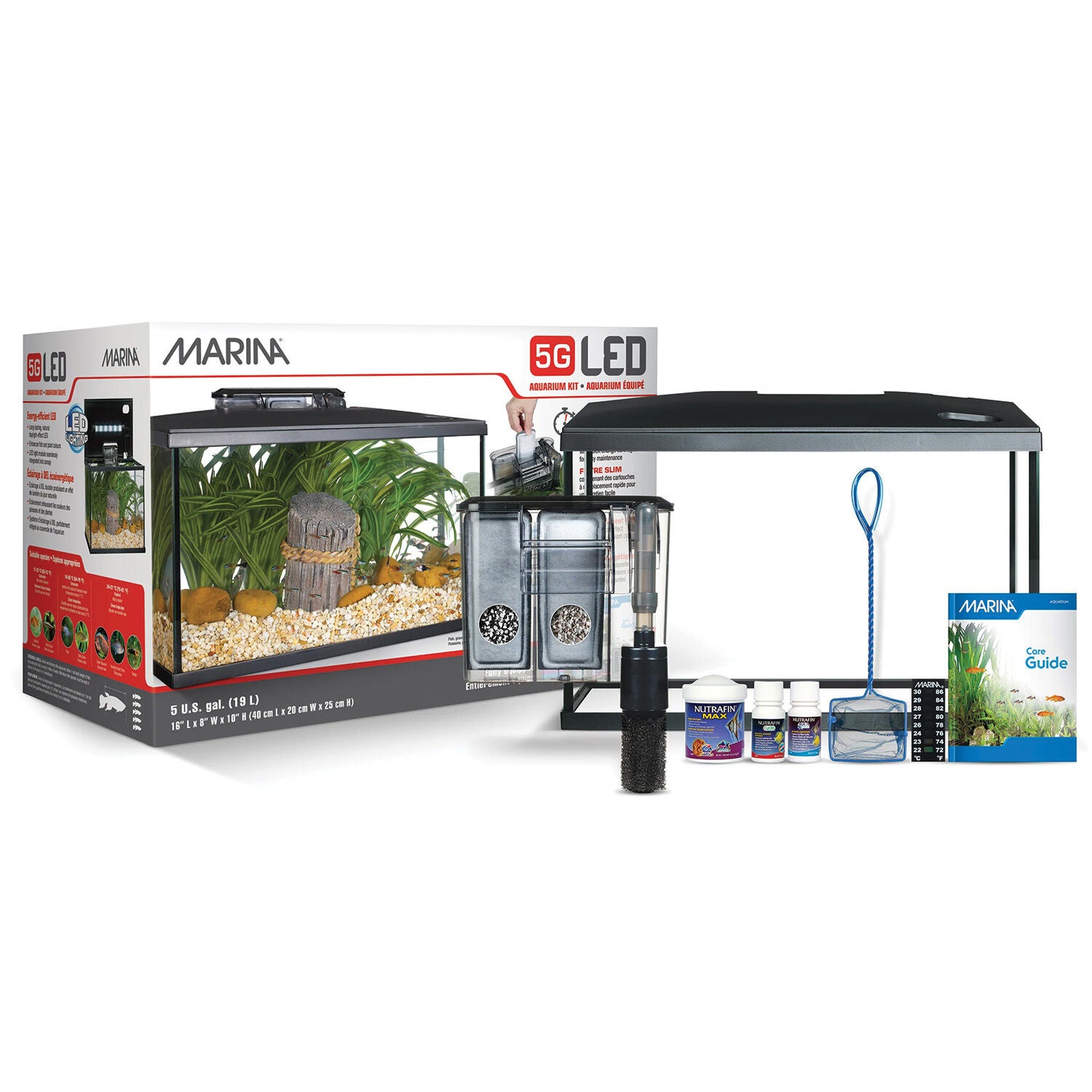
Essential Items
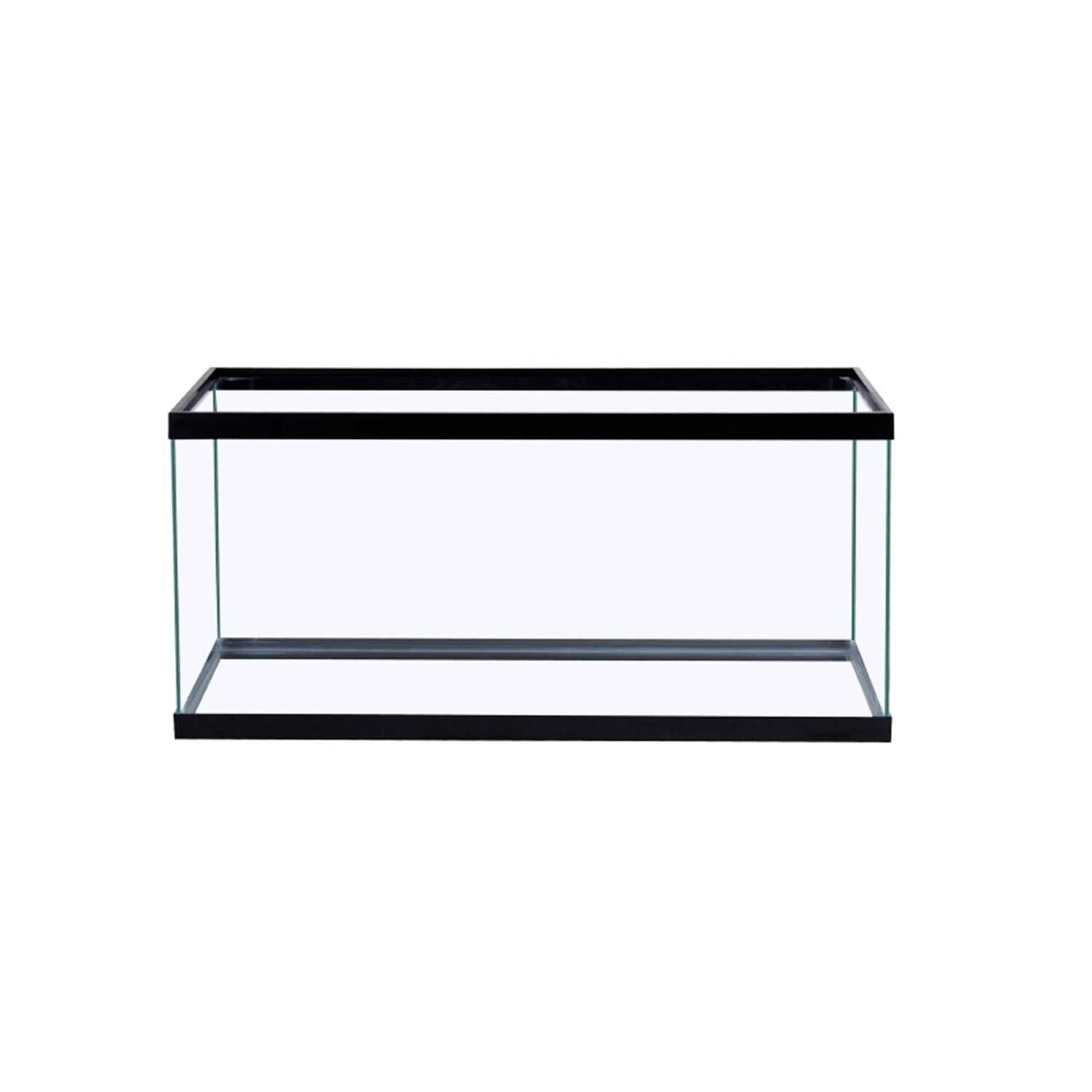
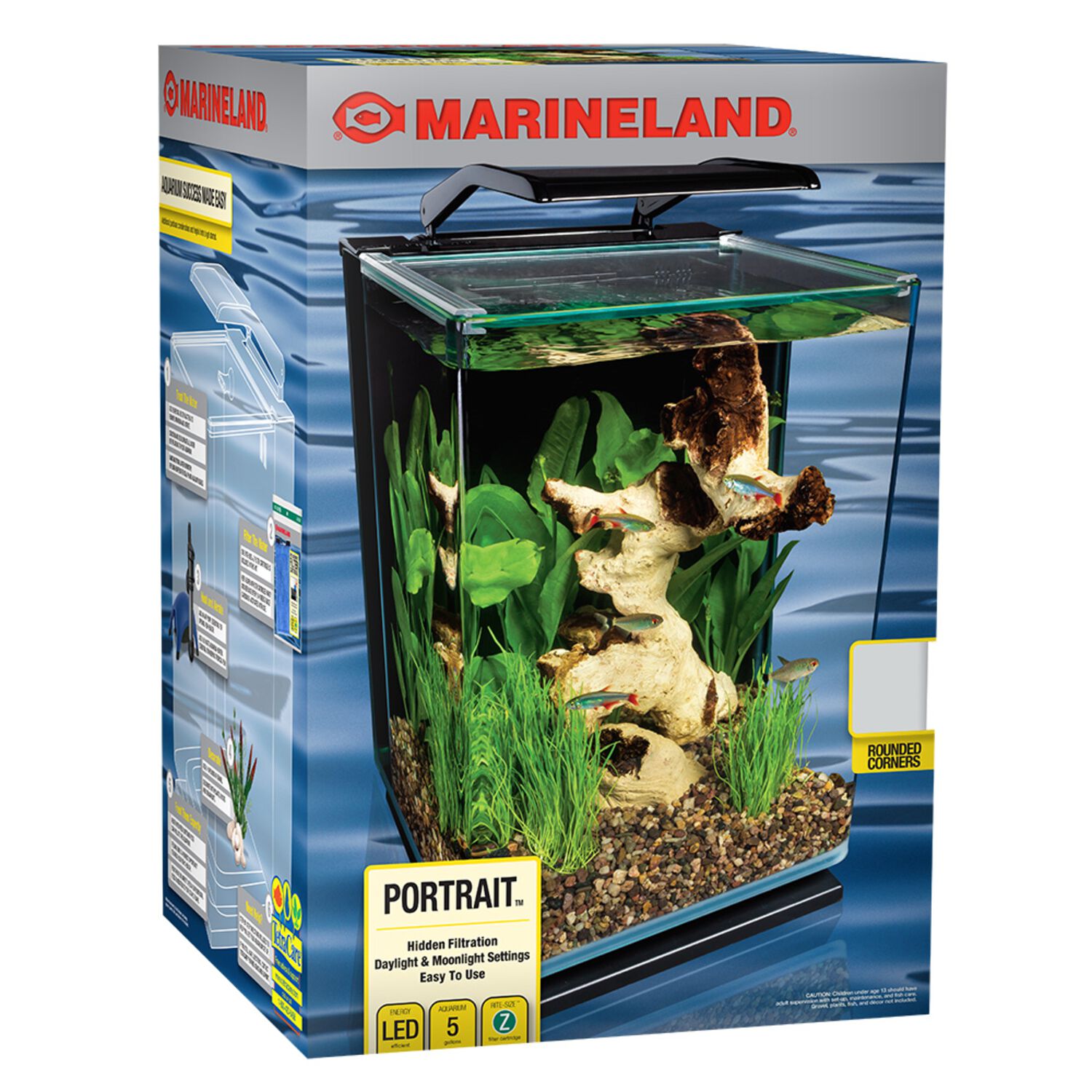
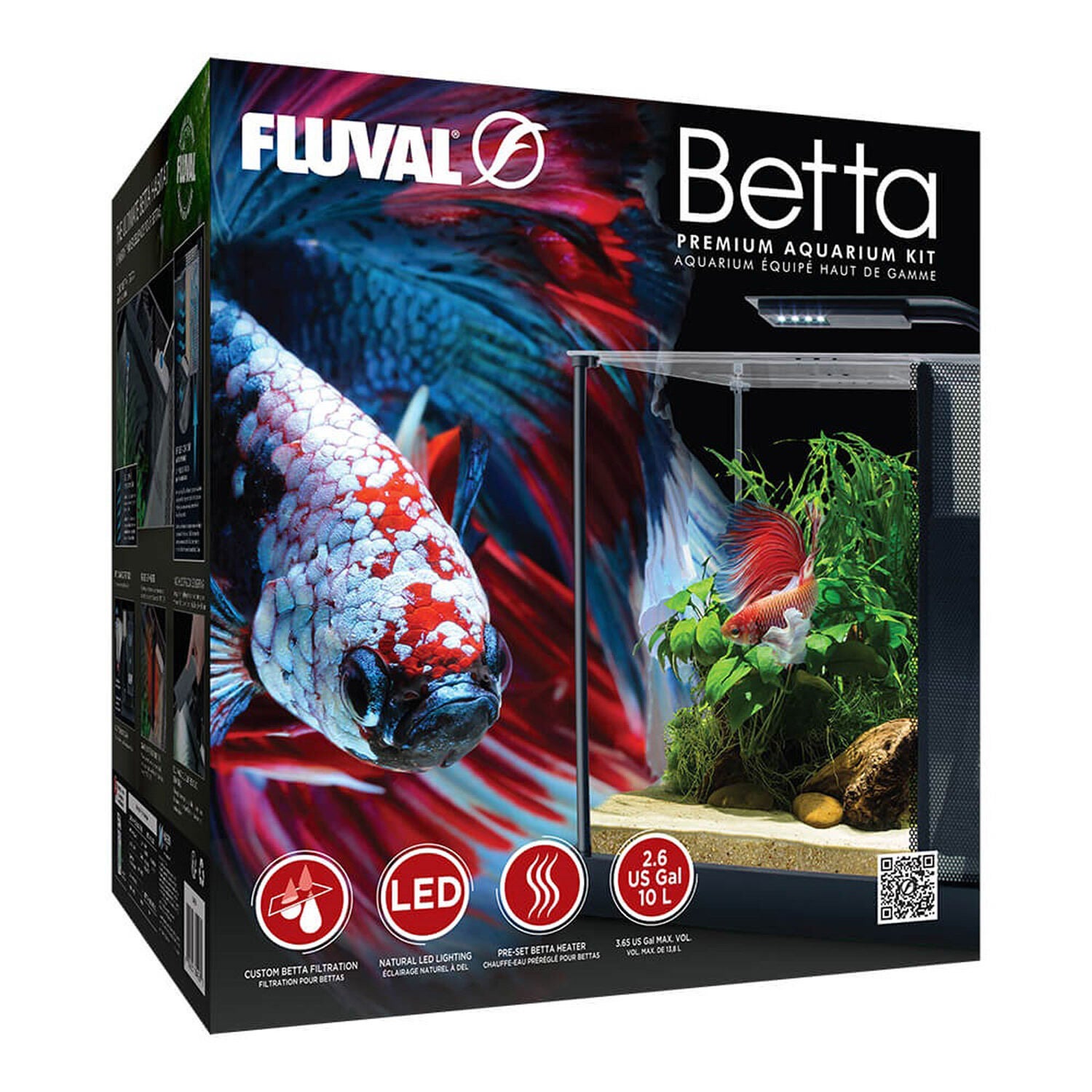
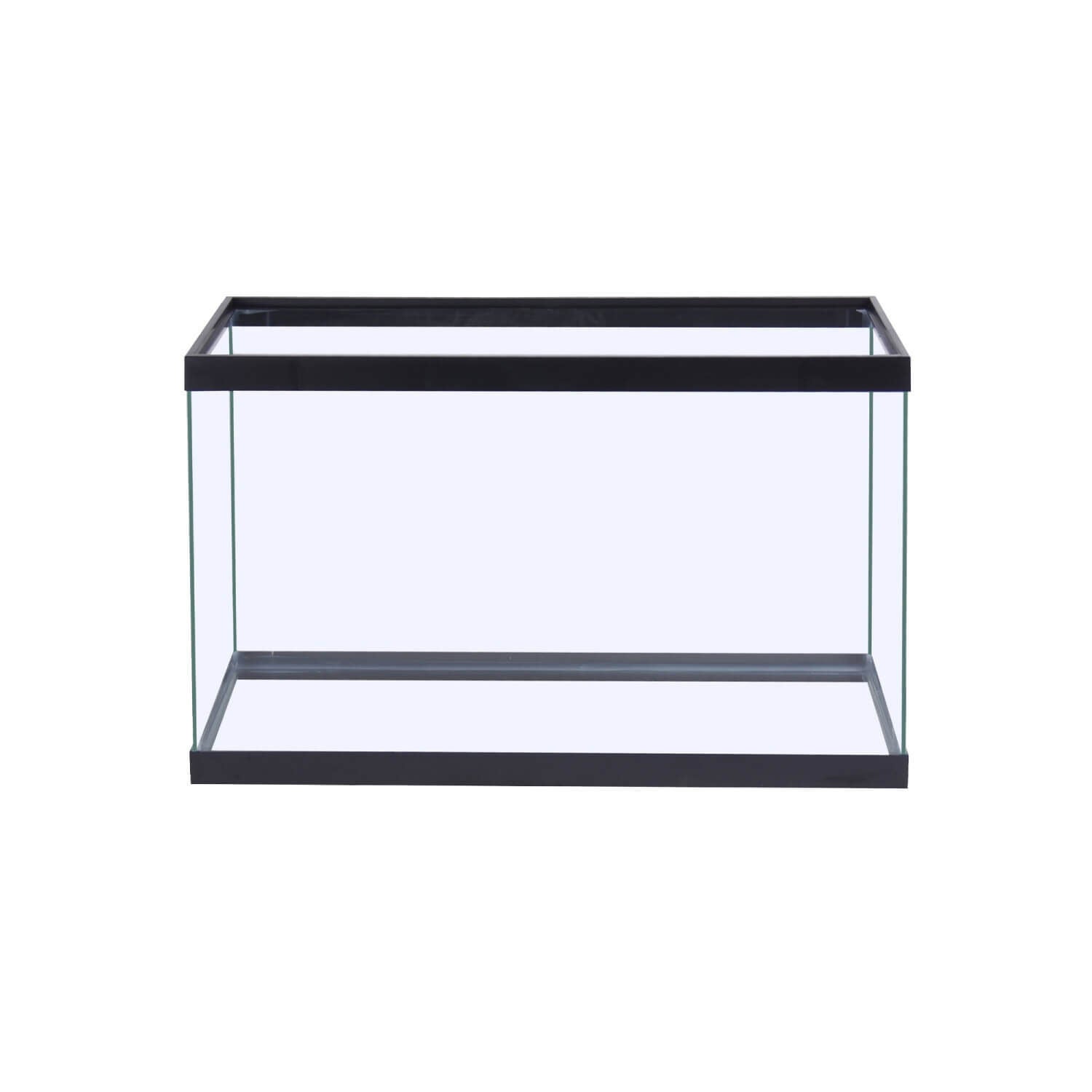
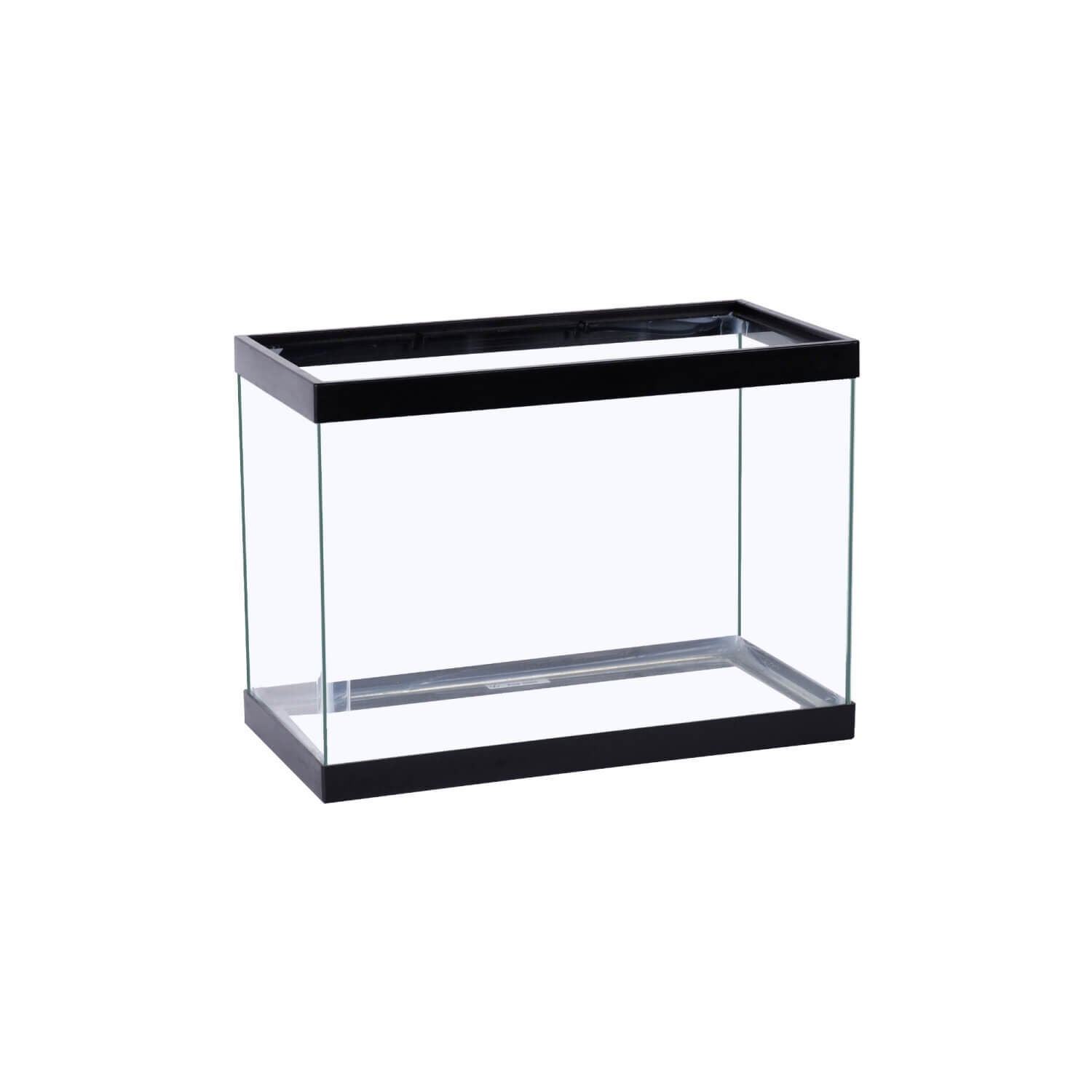
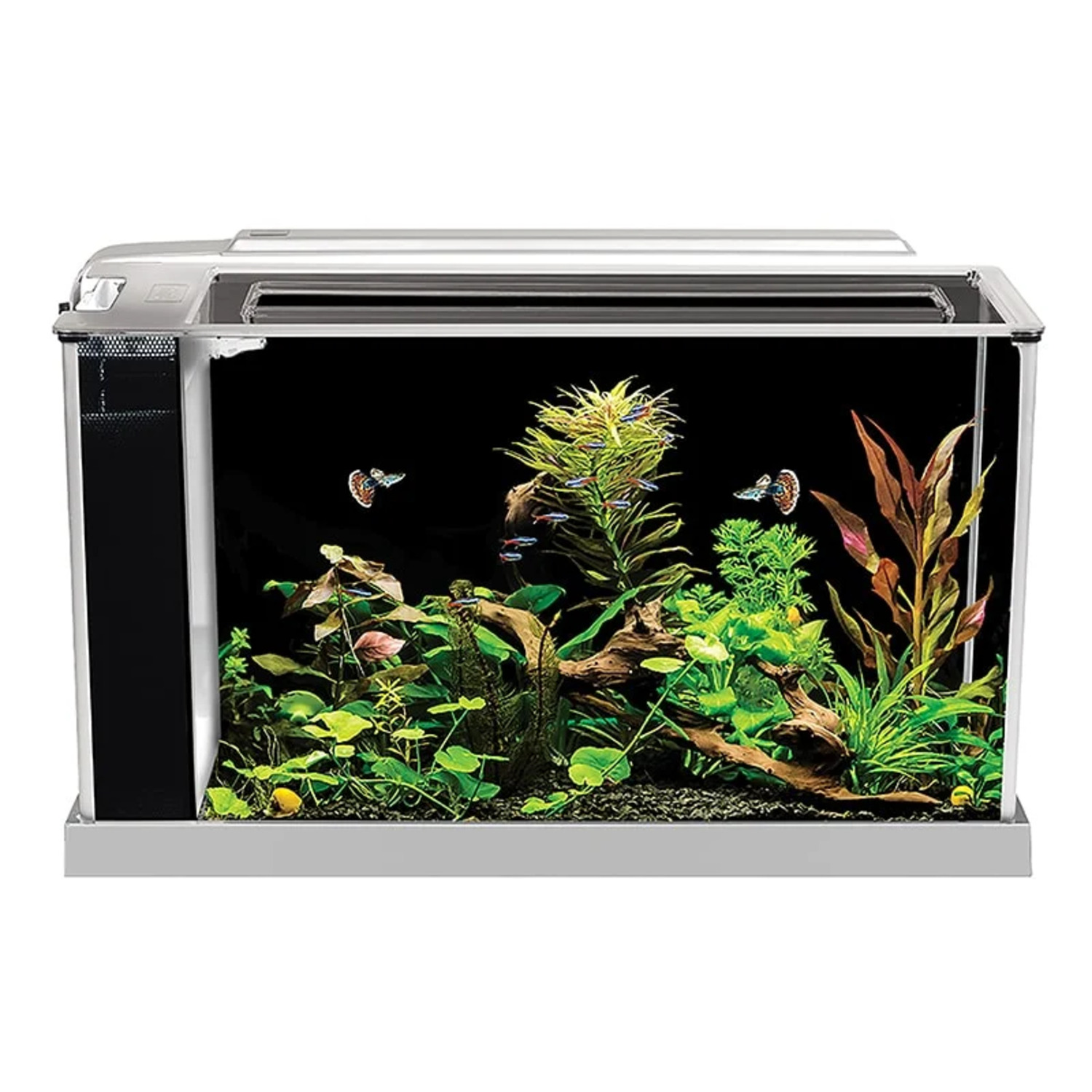
Aquarium
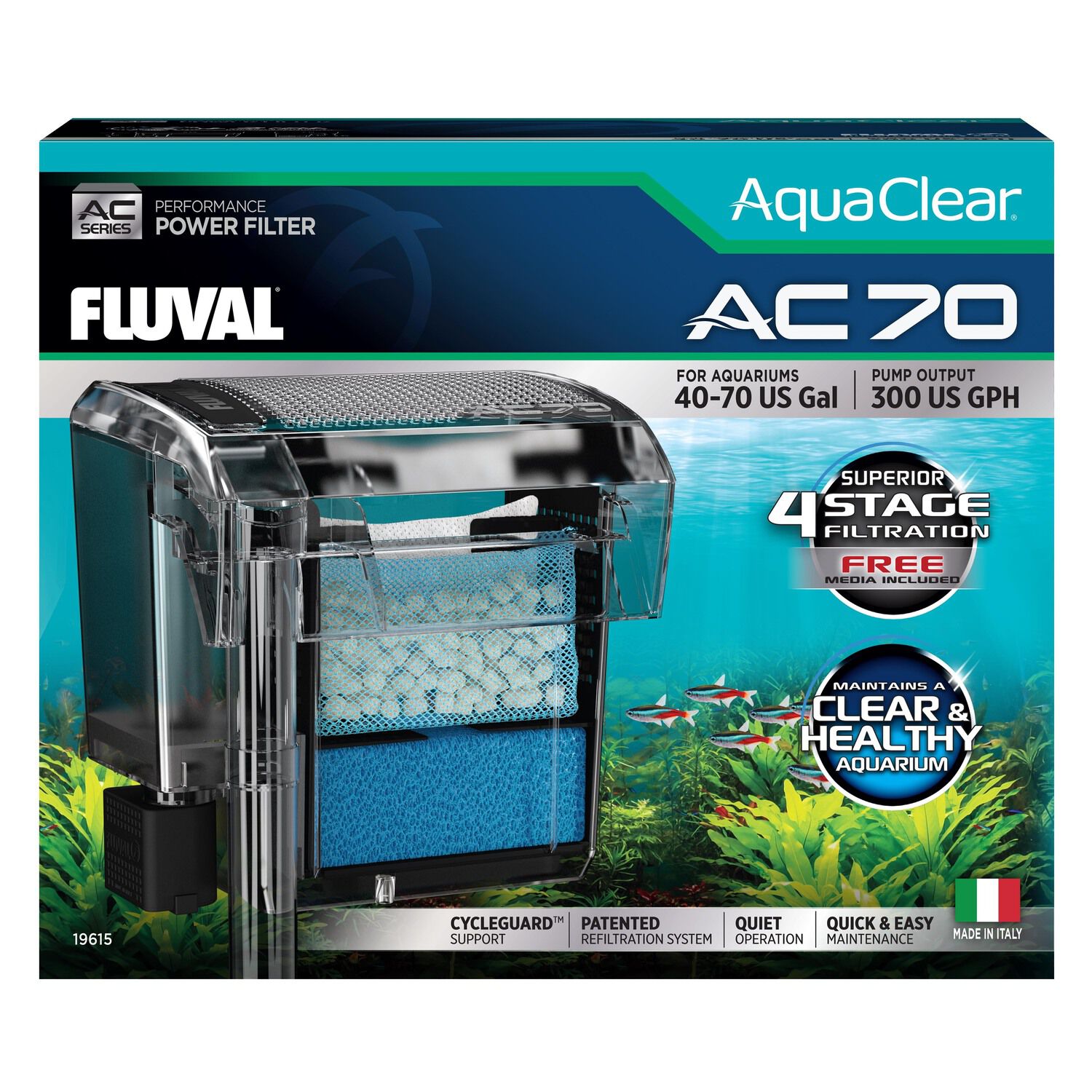
Filter
Net
Algae Scraper
Aquarium Salt
Lighting
Hood
Food
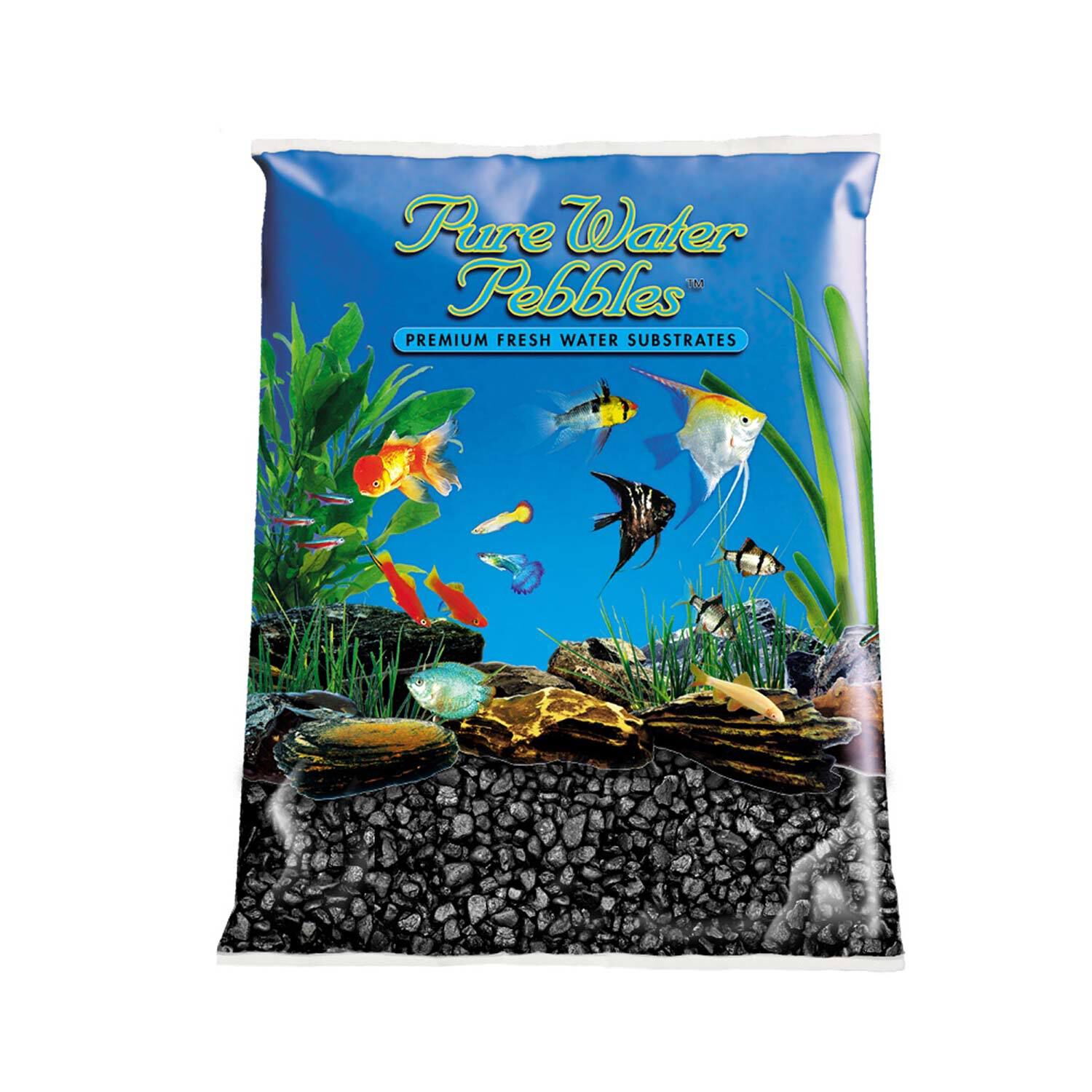
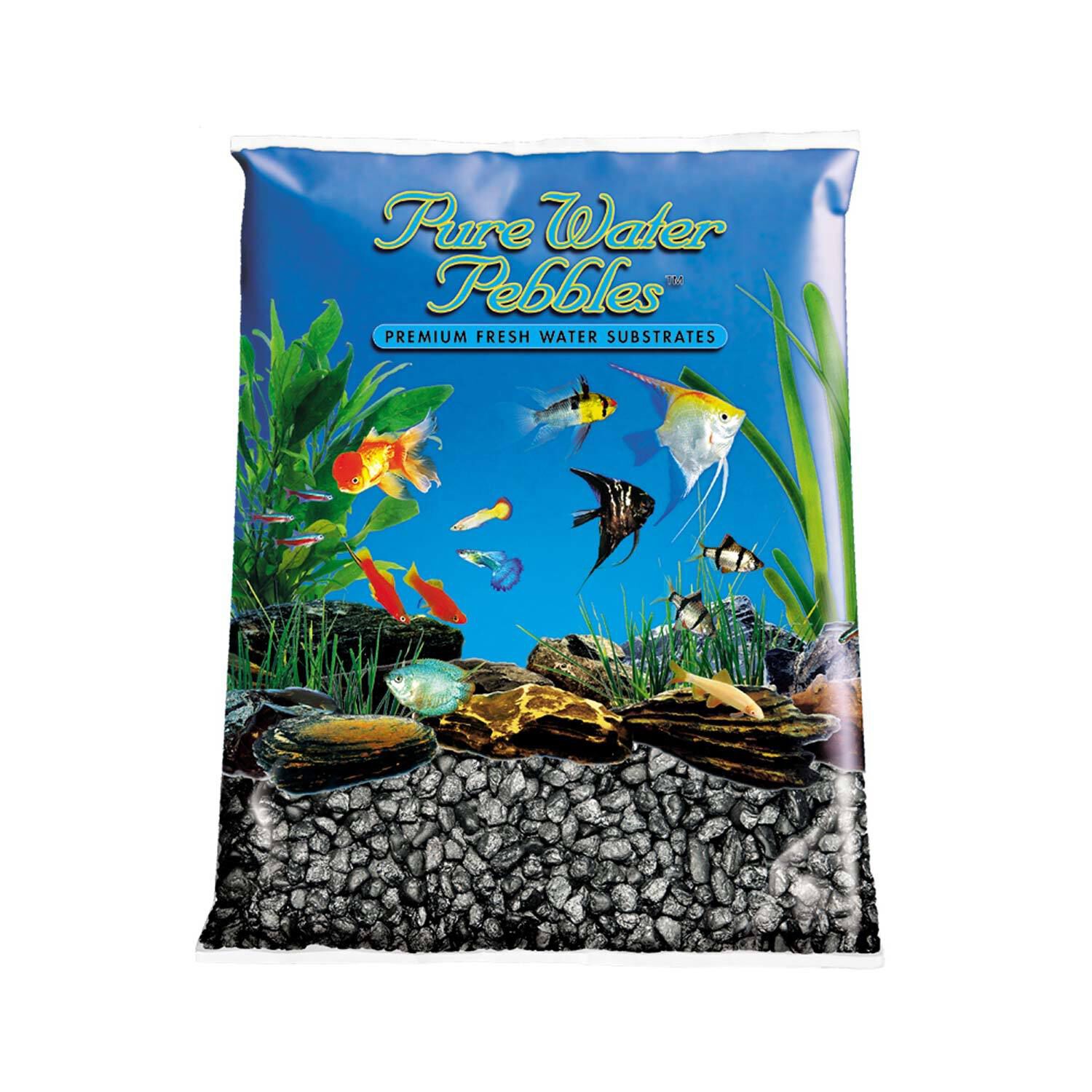
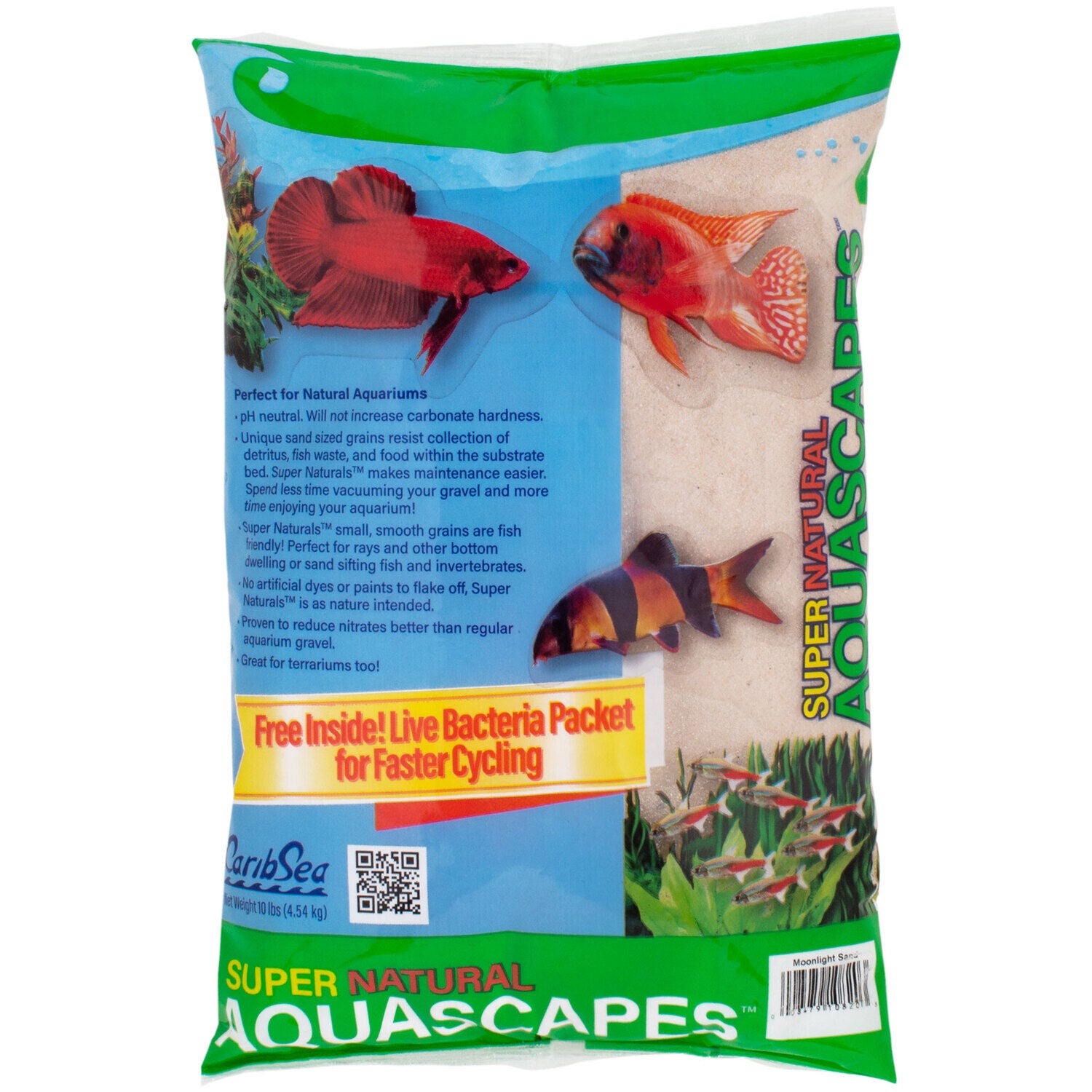
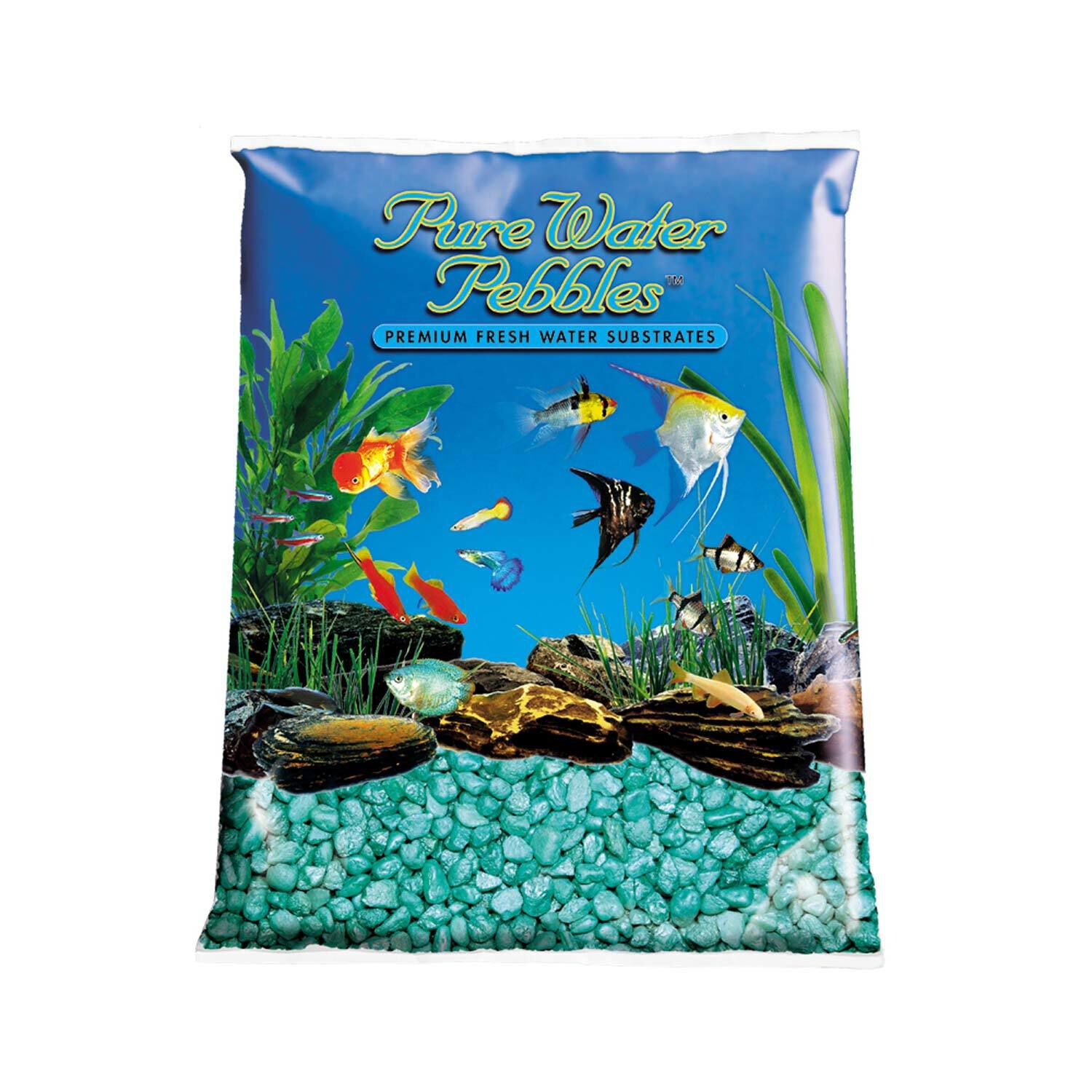
Substrate
Water Conditioner
Bacteria Additive
Thermometer
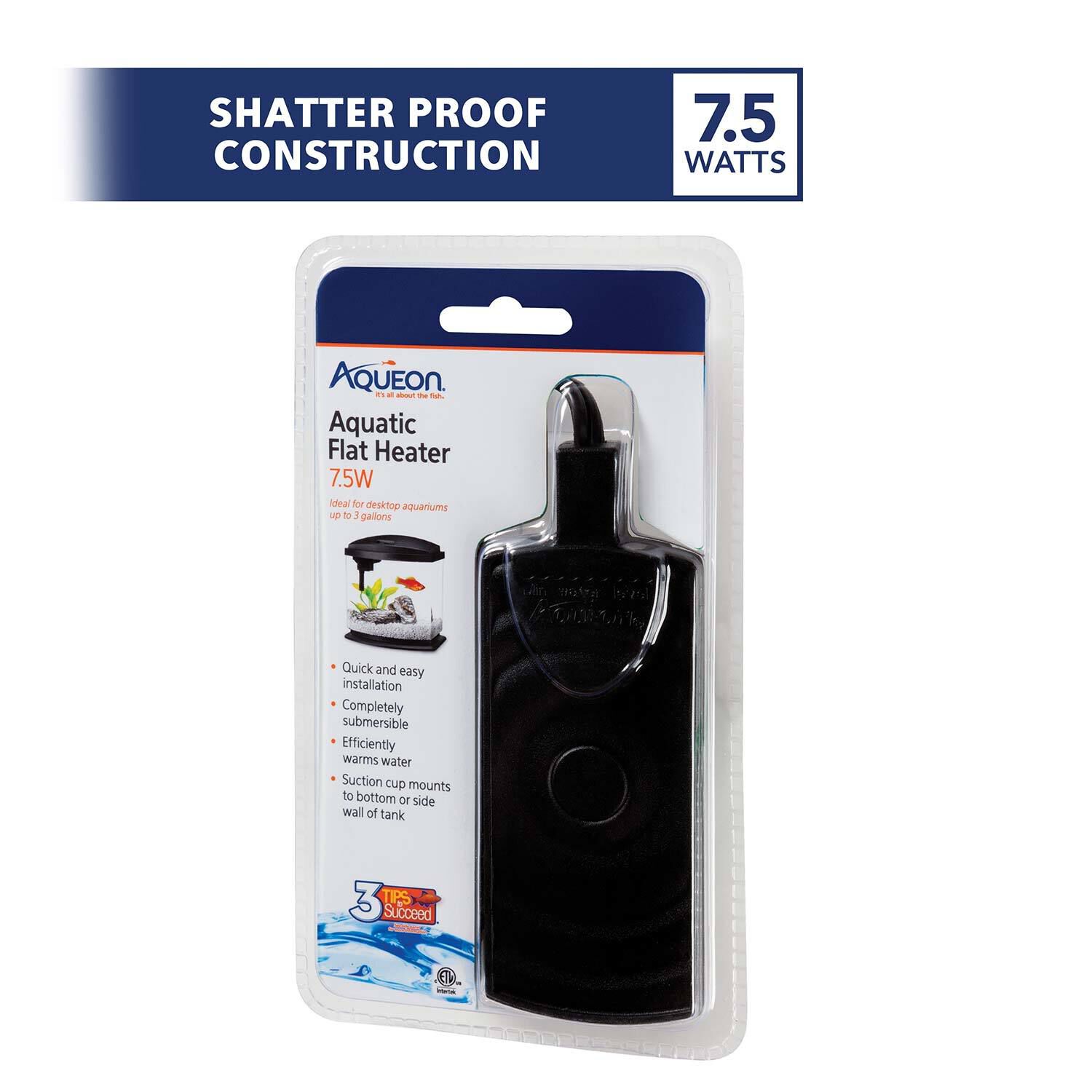
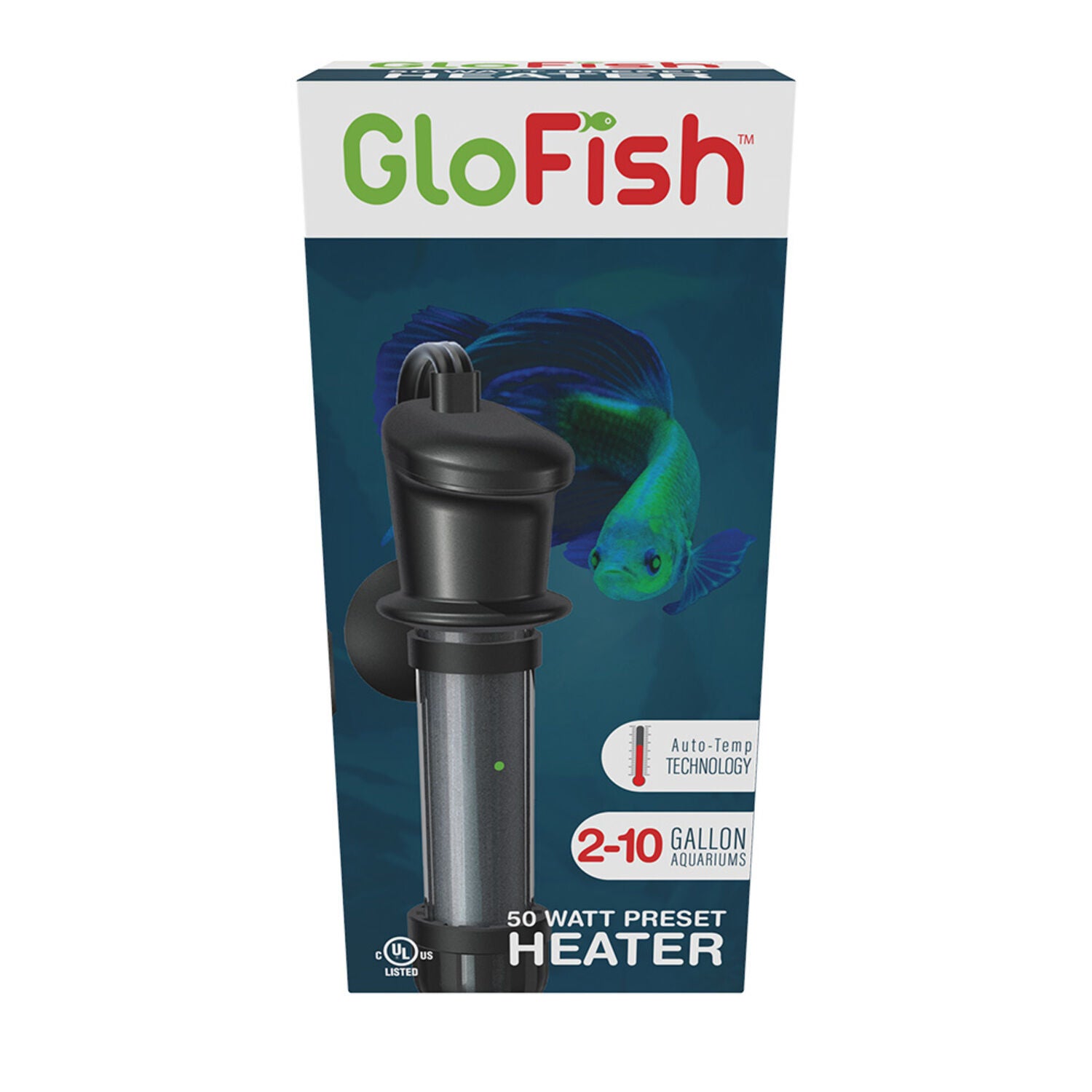
Heater
Decoration
Plants (Live and/or Artificial)
Everything your Community Fish needs, all in one place.
Shop Community Fish Supplies
Feeding Your Community Fish
Food
- When feeding think about the three feeding zones:
- Top zone — surface feeders
- Mid-zone — middle feeders
- Bottom zone — bottom feeders
- Each requires a different type of food.
- Tropical flake food — suitable for most fish.
- Frozen food (i.e., brine shrimp & bloodworms) — suitable for most fish.
- Thaw the frozen food first in a cup of water, before putting in the fish tank.
- Pellet food — for large fish or mid-level swimmers.
- Tablets — best for bottom feeders.
- Treats — suitable for most fish. Freeze dried (i.e., tubifex & bloodworms) can be fed once or twice a week.
- When feeding, feed only what they can consume in 1-2 minutes.
- Fish will always act like they’re hungry. A fish stomach is no larger than their eye. Overfeeding is common and can lead to unhealthy fish and water.
Community Fish Habitat
Caging & Environment
Habitat
- A minimum of a 10 gallon tank or larger.
- Rule of thumb one inch fish per gallon at adult size.
- Schooling fish like Tetras need to be in groups of 6 or more. Keep this in mind when purchasing an aquarium.
- Maintaining a healthy aquarium requires great filtration. You will want a three-stage filter — biological, chemical, and mechanical.
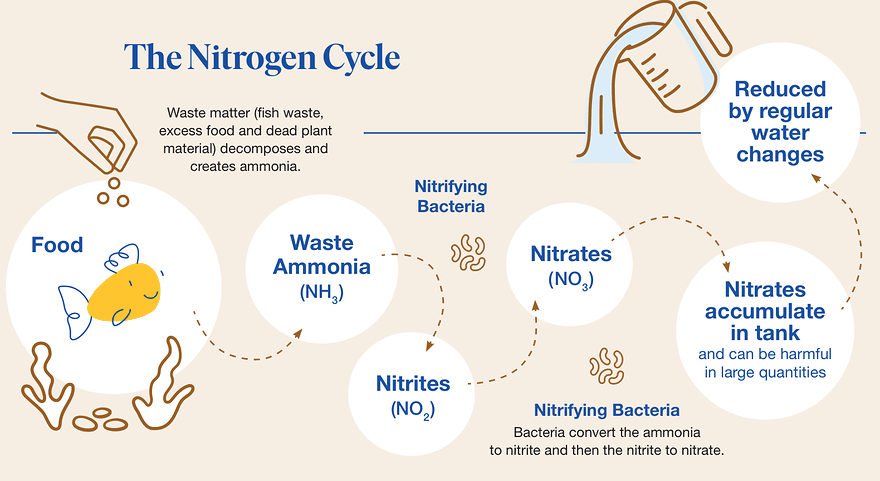
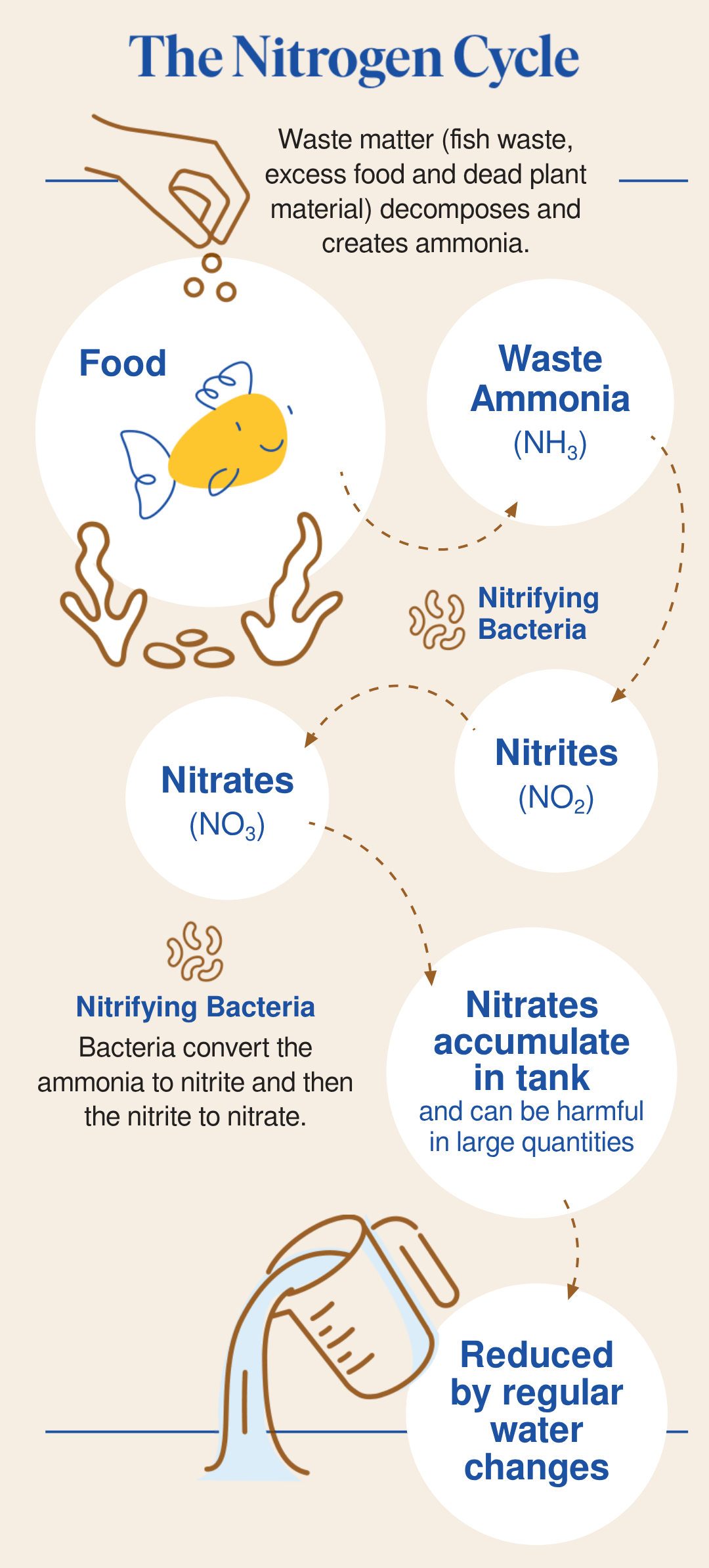
- Biological filtration refers to the use of naturally occurring bacteria to break down toxic ammonia and nitrites into less toxic compounds (the nitrogen cycle).
- Chemical filtration refers to the use of chemical (carbon) media to chemically trap or bond with dissolved organics (food) and other pollutants that can cause odor or discoloration in the water.
- Mechanical filtration refers to the physical removal of debris and particles from the water with the use of foam pads, filter floss, or filter cartridges.
- For cleaner water and healthier fish you will need to replace your filter cartridge once a month and perform a 25 percent water change every two to four weeks.
- A heater should be used to prevent fluctuations of temperature. Ideal temperatures must be between 72-82 degrees.
- Water conditioner is needed to remove harmful chlorine and chloramines from tap water.
- Aquarium salt is recommended for all freshwater fish. Salt is a natural additive to help prevent and cure diseases. (Increases slime coat production)
- Lighting — You will want a full hood for the top of your fish tank. Full hoods have a glass plate to keep water/condensation from getting on the bulb. They also help reduce water loss from evaporation, keep airborne particles from entering the water, and help prevent the loss of any jumping fish. Fluorescent bulbs produce strong, balanced light and are applicable for any size aquarium. LED are great for fish tanks too; LED’s produce little heat and can last for years.
- Decorations create an atmosphere for your fish to thrive in. Having places to hide will reduce stress. This also breaks up territory, allowing all fish to have their space.
Substrate
- Gravel is the most common substrate used in freshwater fish tanks. Rule of thumb is 1½ lbs. per gallon.
- Rinsing the gravel prior to adding to the tank removes dust that your filters would otherwise have to pull out.
Water Quality
- Community fish prefer 6.8 to 7.8 pH level depending on the species.
- Test kits are important to check the quality of your water. Common tests are pH, ammonia, nitrite and nitrate.
- pH — Measures the level of acid and base where 7.0 is neutral. Below 7 is acidic and above 7 is alkaline. Fish require consistent levels; small changes can be stressful.
- Ammonia — Fish continually release ammonia directly into the aquarium through their gills and solid waste. In addition, uneaten food and other decaying matter also add ammonia to the water. Ammonia will cause stress to the fish, stopping the immune system and increasing the likelihood of disease and death. Ammonia level should always be 0 ppm. You will see a spike if the tank is new, however, once established it will drop back down.
- Nitrite — Toxic waste product when good filter bacteria are not functioning. Causes severe fish stress and affects their breathing (noticeable when fish breathe fast and labored). Below 0.5 ppm, 0 is ideal.
- Nitrate — Waste product resulting from beneficial bacteria that builds up over time. High levels can stress fish and cause algae blooms. Below 40 ppm is ideal.
Common Community Fish
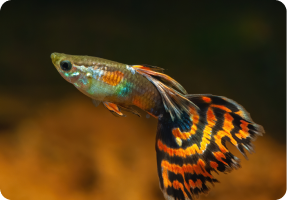
- Guppies
- Mollies
- Swordtails
- Zebra Danios
- Rasboras
- Tetras
- Platys
- Small Plecostomus
- Cory Cats
Common Health Problems
Community Fish Health and Well-being
New Tank Syndrome
- New Tank Syndrome occurs when ammonia or nitrite is not properly converted to nitrates and your aquarium water becomes toxic to your fish. This happens primarily when too many fish are added to a new tank and the bacterial populations cannot grow fast enough to keep up with demands. This is easily prevented by adding only a few starter fish and by using bacterial additives.
Fish Symptoms
- Fish suffering from New Tank Syndrome often lose their color, lie at the bottom of the aquarium, and or hide in corners with clamped fins. An immediate partial water change (25%) is required to lower the toxic levels of ammonia and nitrite to try to save the fish.
- Only by testing the water will you know if you lowered the ammonia and nitrite levels enough.
Water is hazy, gray or cloudy.
- There is a bacterial bloom in your aquarium. When the starter fish were added helpful bacteria was also added. While these bacteria generally live on the surfaces throughout the aquarium, they will initially “float” through the water as they begin to multiply and establish themselves in their new home. This cloud should dissipate on its own in a few days to a week.
- Occasionally the tank may get stuck and take a little longer. This is usually caused because too many fish were added to the tank at once or overfeeding. Water changes, reduce feeding and adding a bacterial additive will help.
405 Results
405 Results
No products found for selected filters. Please try with different filters.
Showing 0 of 0