Quaker Parrot Care Guide
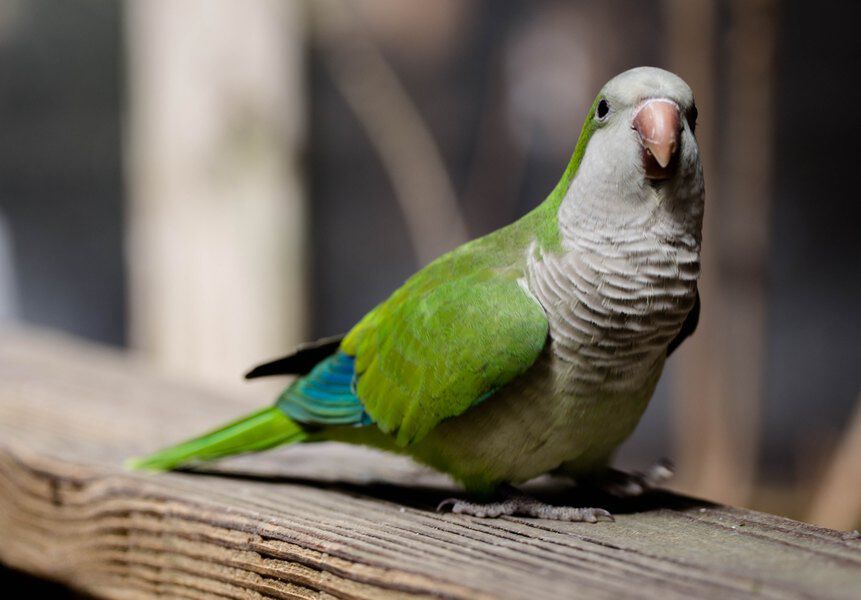
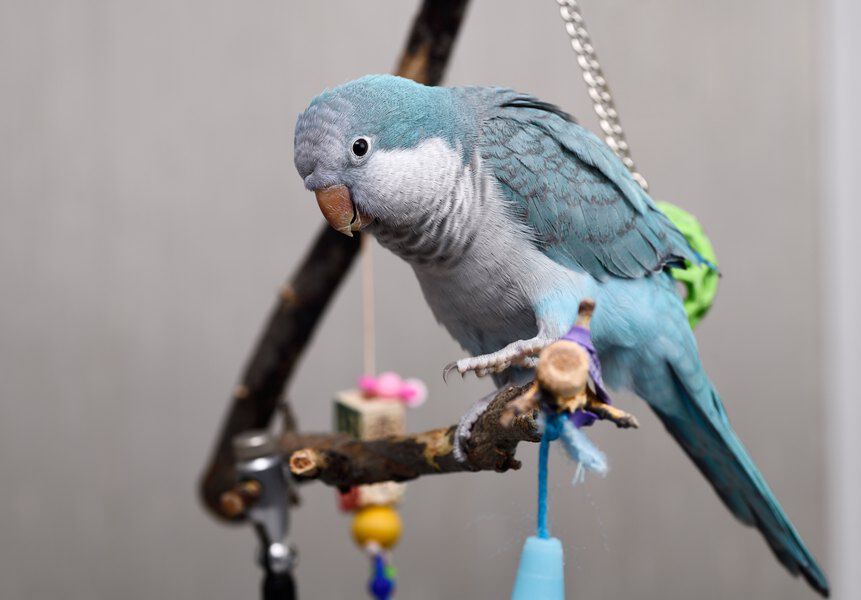
Get to Know Your Quaker Parrot
Basic Information
Common Name
Quaker Parrot
Scientific Name
Myiopsitta monachus
Size
11 - 12”
Life span
20 - 30 years
Checklist for Your Quaker Parrot
Essential Items
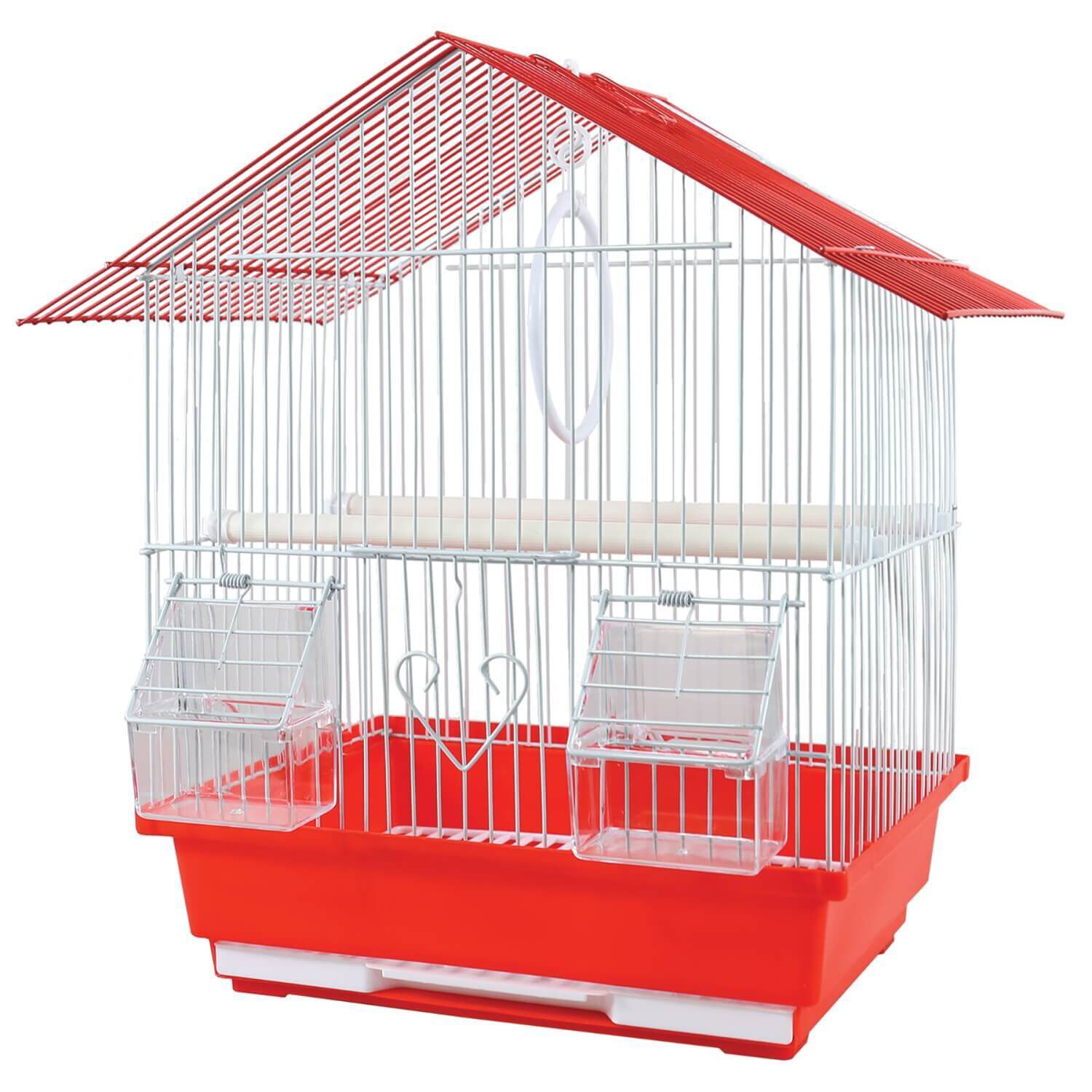
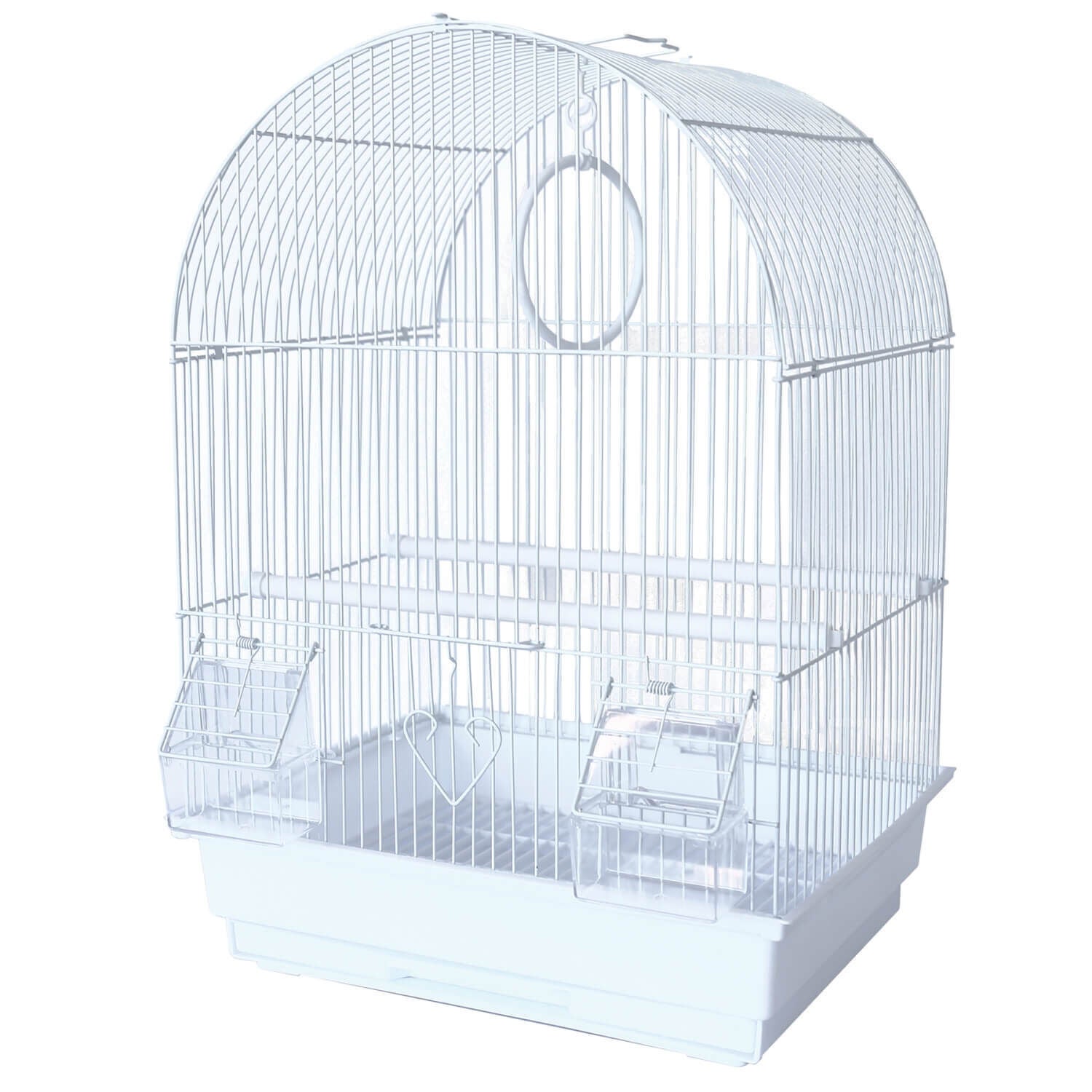
Cage
Cage liner & litter
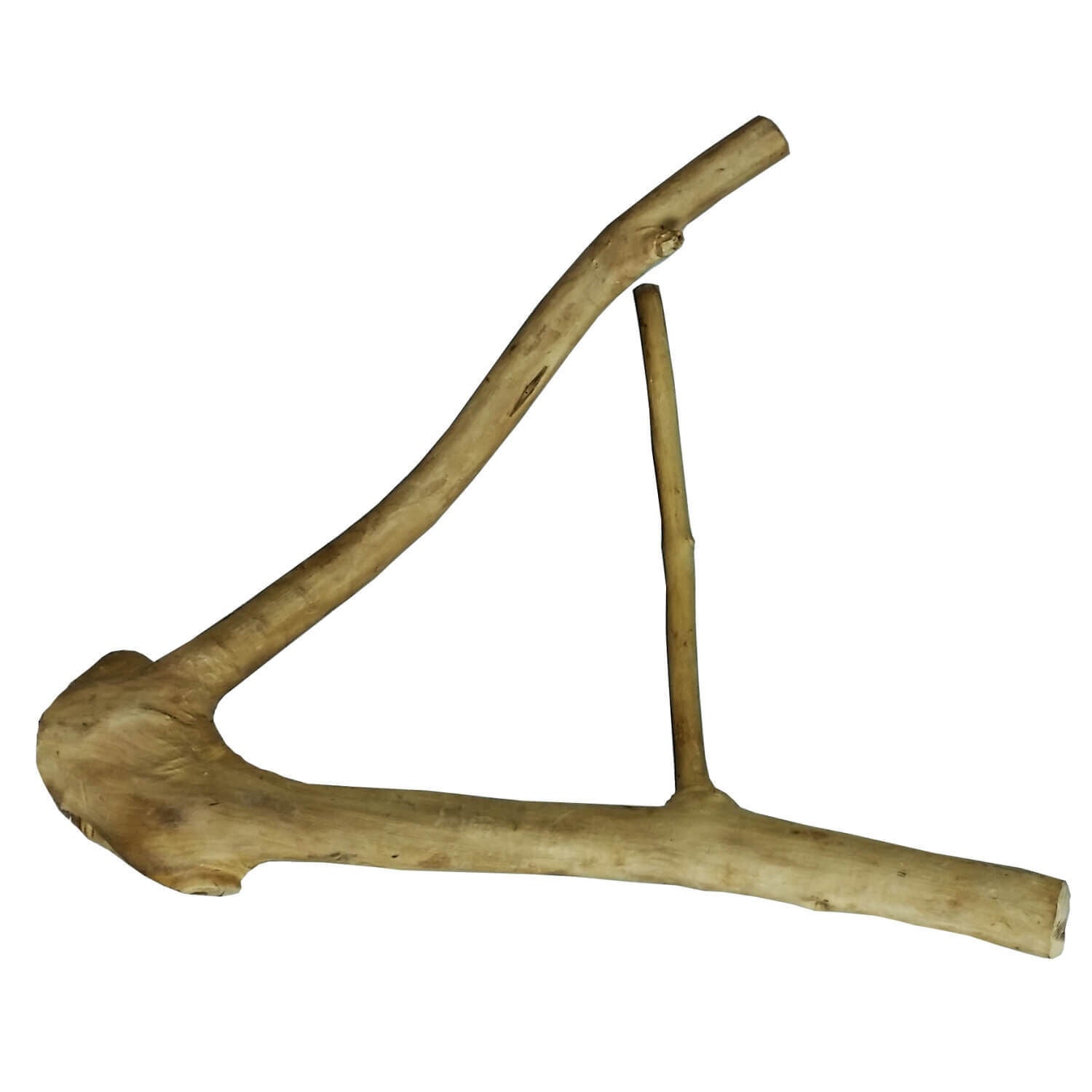
Perch – wood or ropes
Food
Spray millet
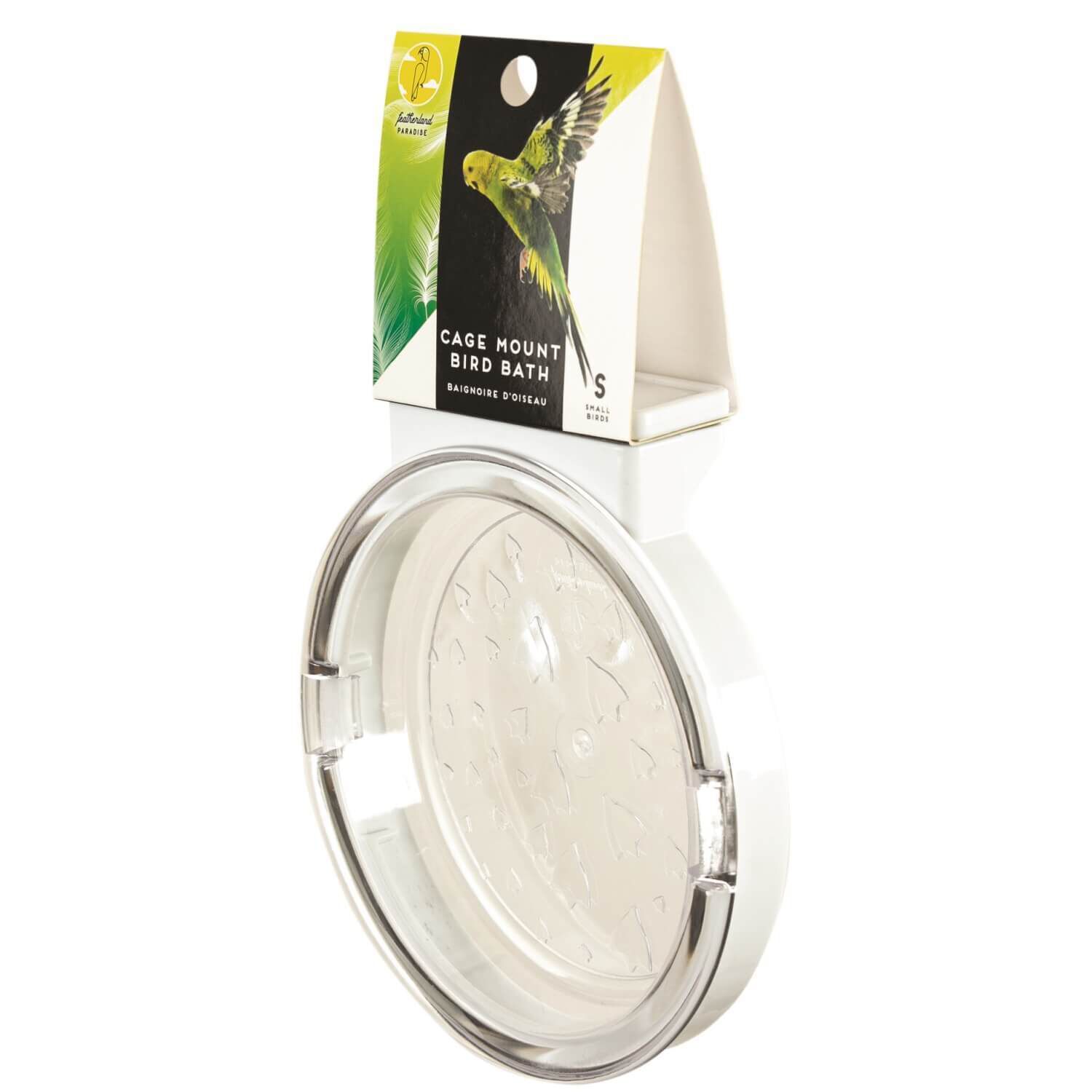
Feeder cups for food & water
Treats
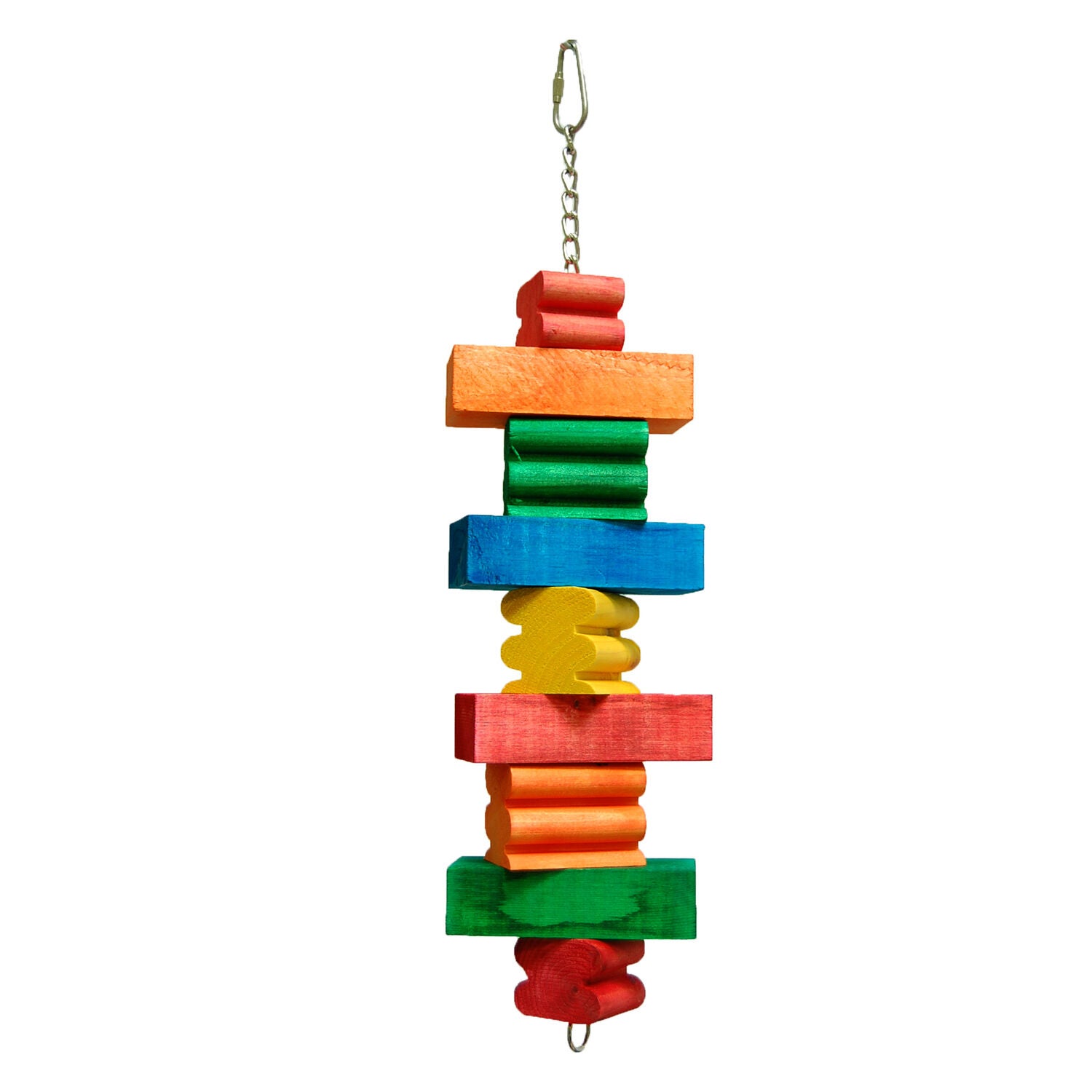
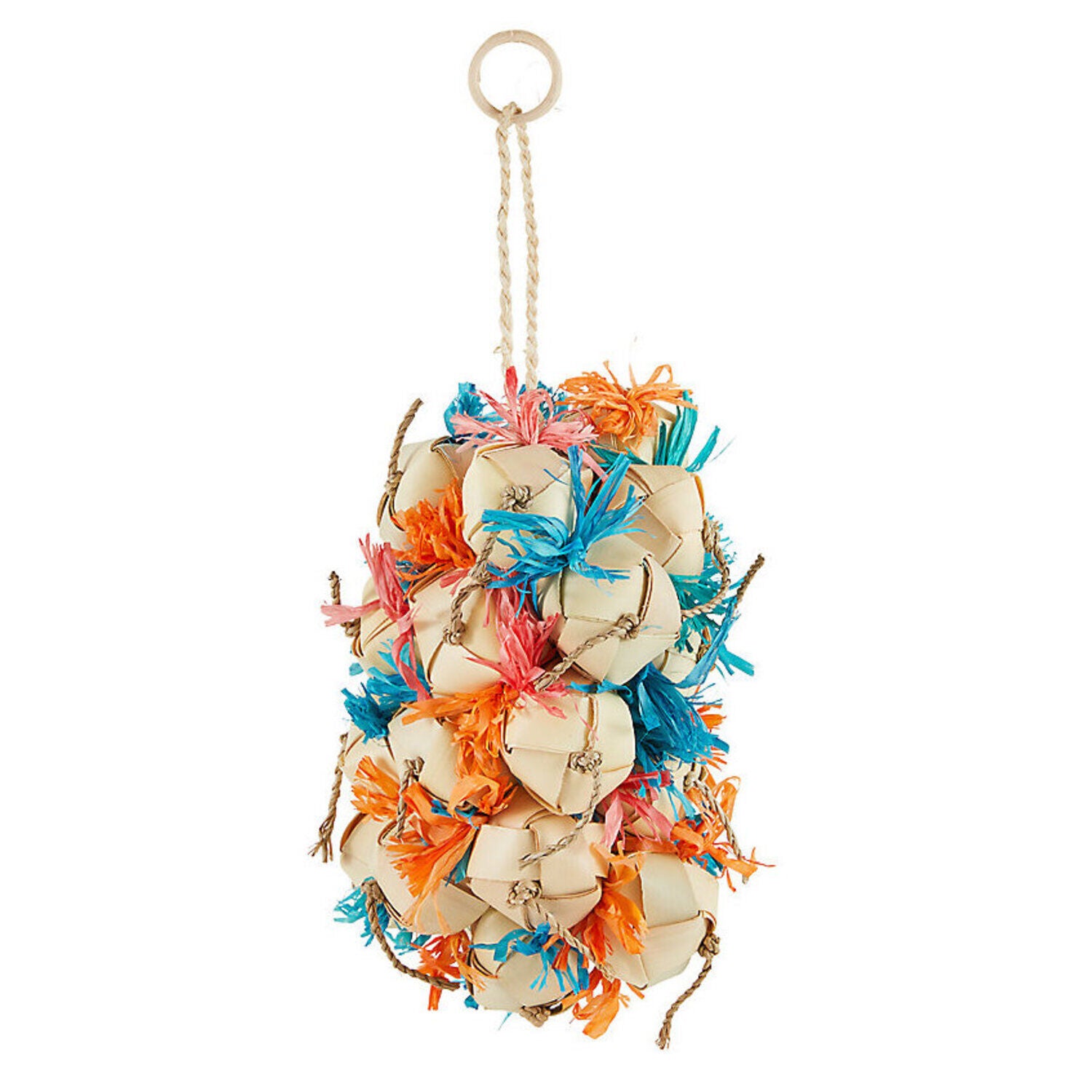
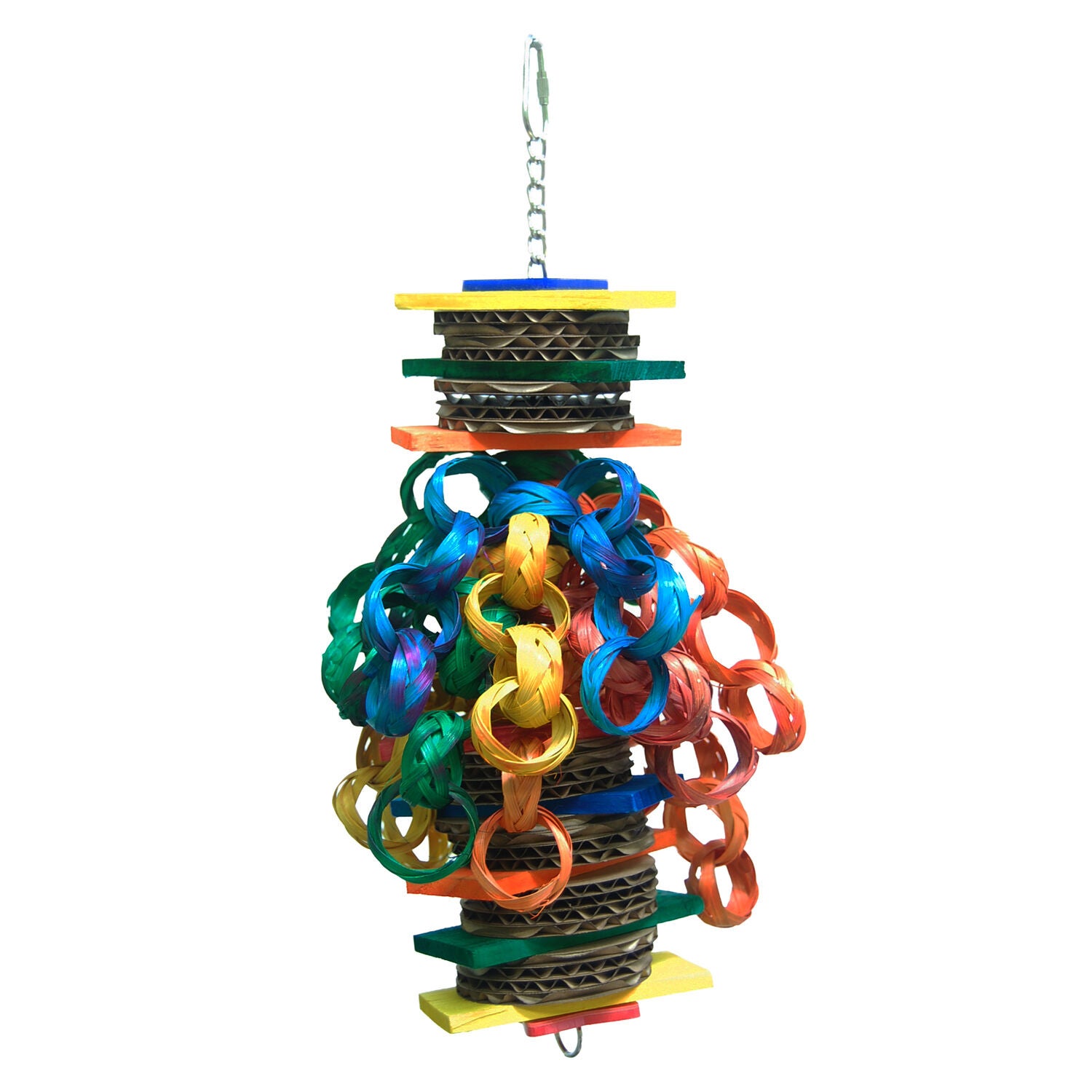
Toys
Ladders & swings
Mite repellent
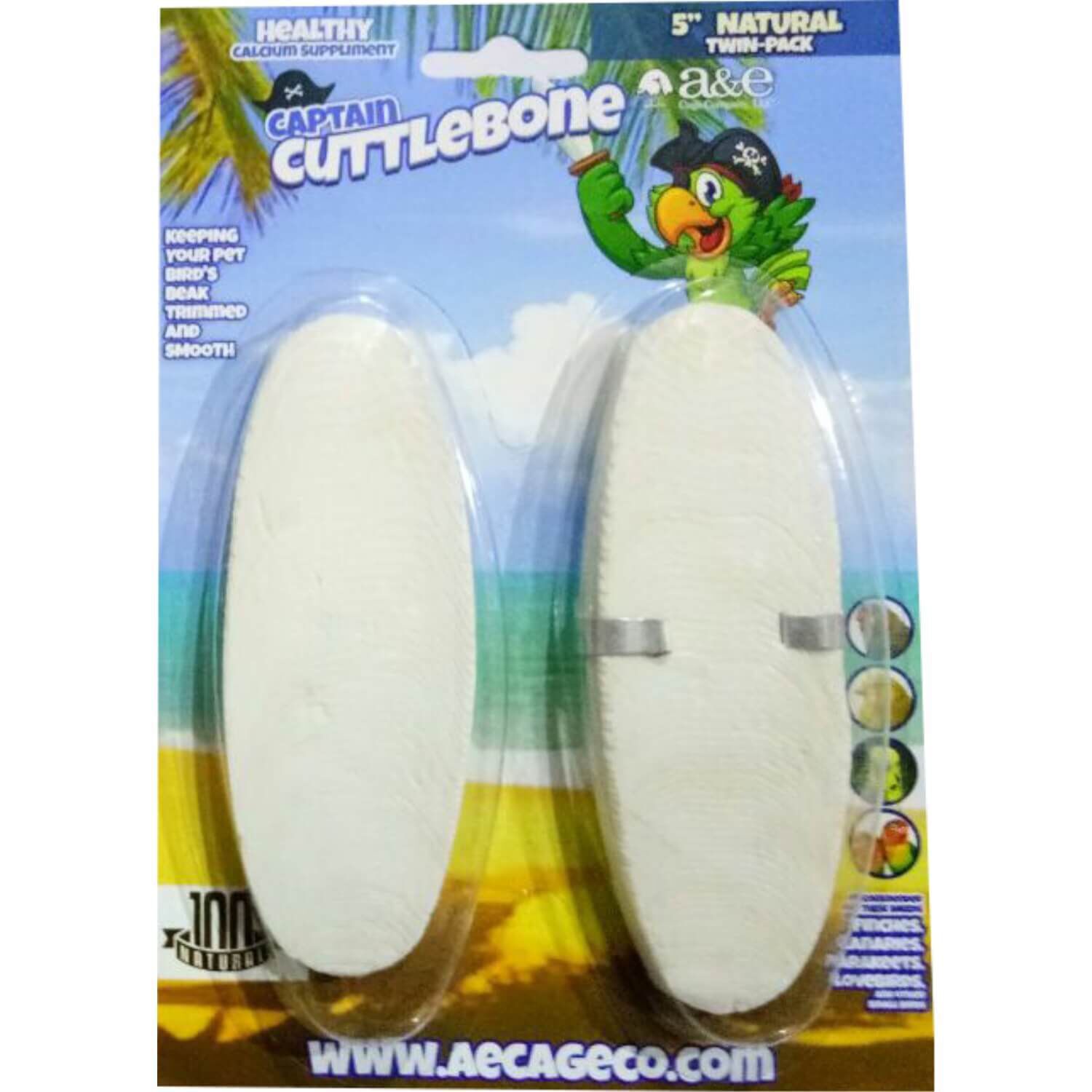
Cuttlebone
Everything your Quaker Parrot needs, all in one place.
Shop Quaker Parrot Supplies
Feeding Your Quaker Parrot
Food & Water
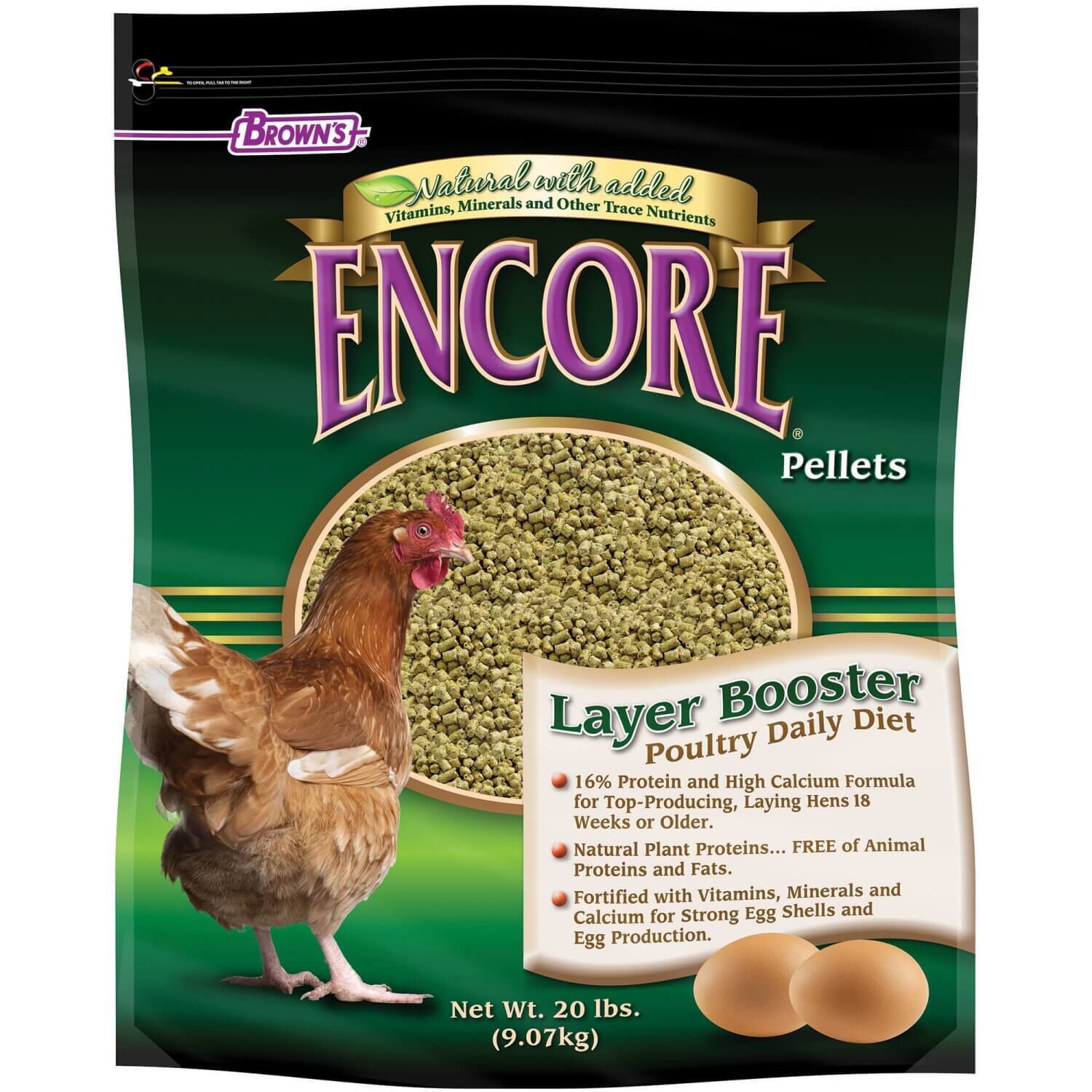
- Quaker parrot seed or pellet with a pellet mix:
- 50% seed
- 50% pellet
- Fresh dark leafy greens:
- Collard greens, spinach, kale, watercress, turnip greens, etc.
- Fresh fruits:
- Berries, apples, grapes, melon, banana, pears, pineapple, etc.
- Spray millet
- Treats may consist of prepackaged bird treats
Avoid
Chocolate & other candy
Onions
Avocados
Quaker Parrot Habitat
Caging & Environment
- Quaker parrots can be housed in any cage that features 1/2” bar spacing, but also need enough surface area to extend their wings.
- They should have several perches, preferably made of different materials – wood, rope, etc. with varying diameters.
- Provide a water cup, seed cup, and fresh food cup as well as a cuttlebone.
- Toys from each category should be provided: destructible, communication, enrichment, and exercise
Handling Your Quaker Parrot
Behavior & Handling
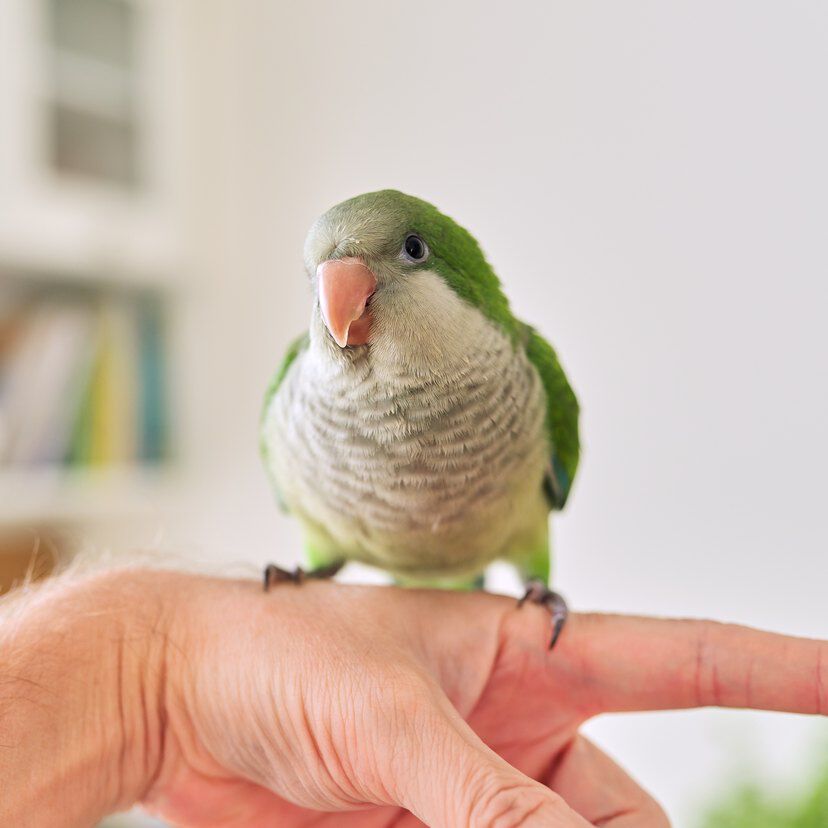
- Quaker parrots require daily mental stimulation. If not provided with something to do at all times, they may become destructive or pluck their feathers.
- A Quaker parrot’s cage should be located in an area of the home that is most used by the family – they love to interact! If they feel ignored, they will often scream to get your attention.
- Although not the best talkers, Quaker parrots will try to mimic what they hear.
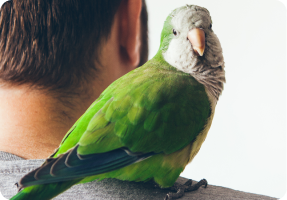
- Quakers love to cuddle! Give them a soft hide area, like a Happy Hut. They enjoy a lot of handling and nuzzling with their owners.
Common Health Problems
Quaker Parrot Health and Well-being
Safety
- Birds have much more sensitive respiratory systems than humans. Certain airborne toxins that are relatively safe for humans can cause illness or even death in our feathered friends.
- Overheated non-stick surfaces containing Teflon, such as those found on cookware, drip pans, irons, and self-cleaning ovens, can emit odorless fumes that are rapidly fatal to birds.
- Other sources of toxic fumes include spray pesticides, paints and sealants, rug cleaners, wood smoke, air fresheners, incense, scented candles, hair sprays, perfumes, cleaning products, and burning plastics.
- Be aware that in general, anything that gives off strong fumes or smoke is a potential hazard to your pet.
157 Results
157 Results
No products found for selected filters. Please try with different filters.
Showing 0 of 0