Finch Care Guide
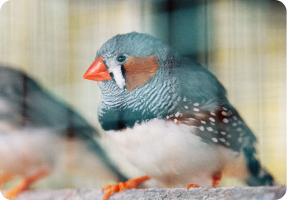
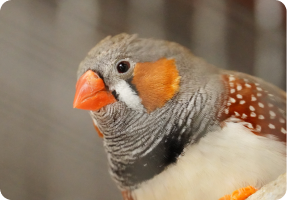
Get to Know Your Finch
Basic Information
Common Name
Finch
Scientific Name
Fringillidae
Distribution
Americas, Eurasia and Africa
Size
3” - 10”
Life span
Up to 10 Years
Checklist for Your Finch
Essential Items
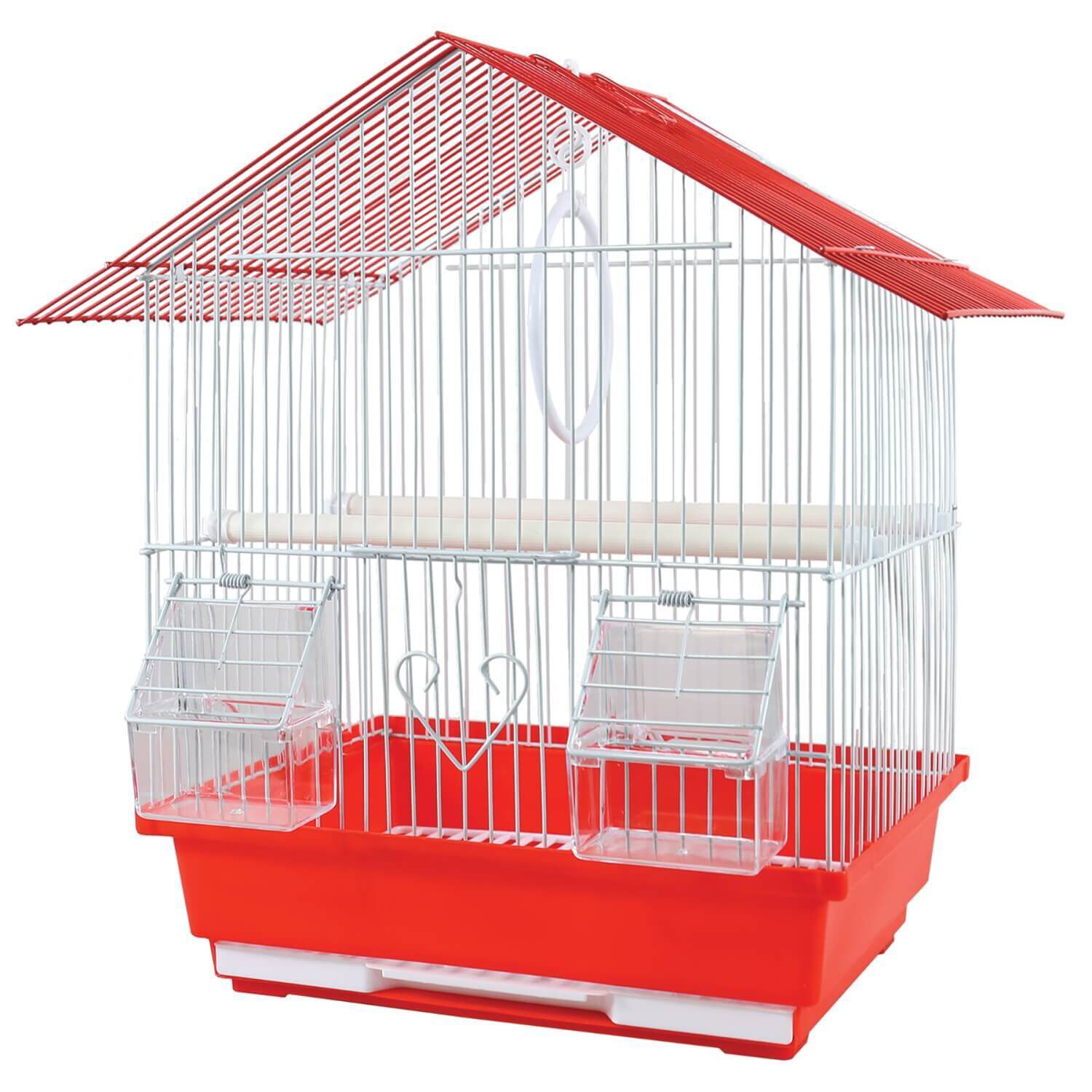
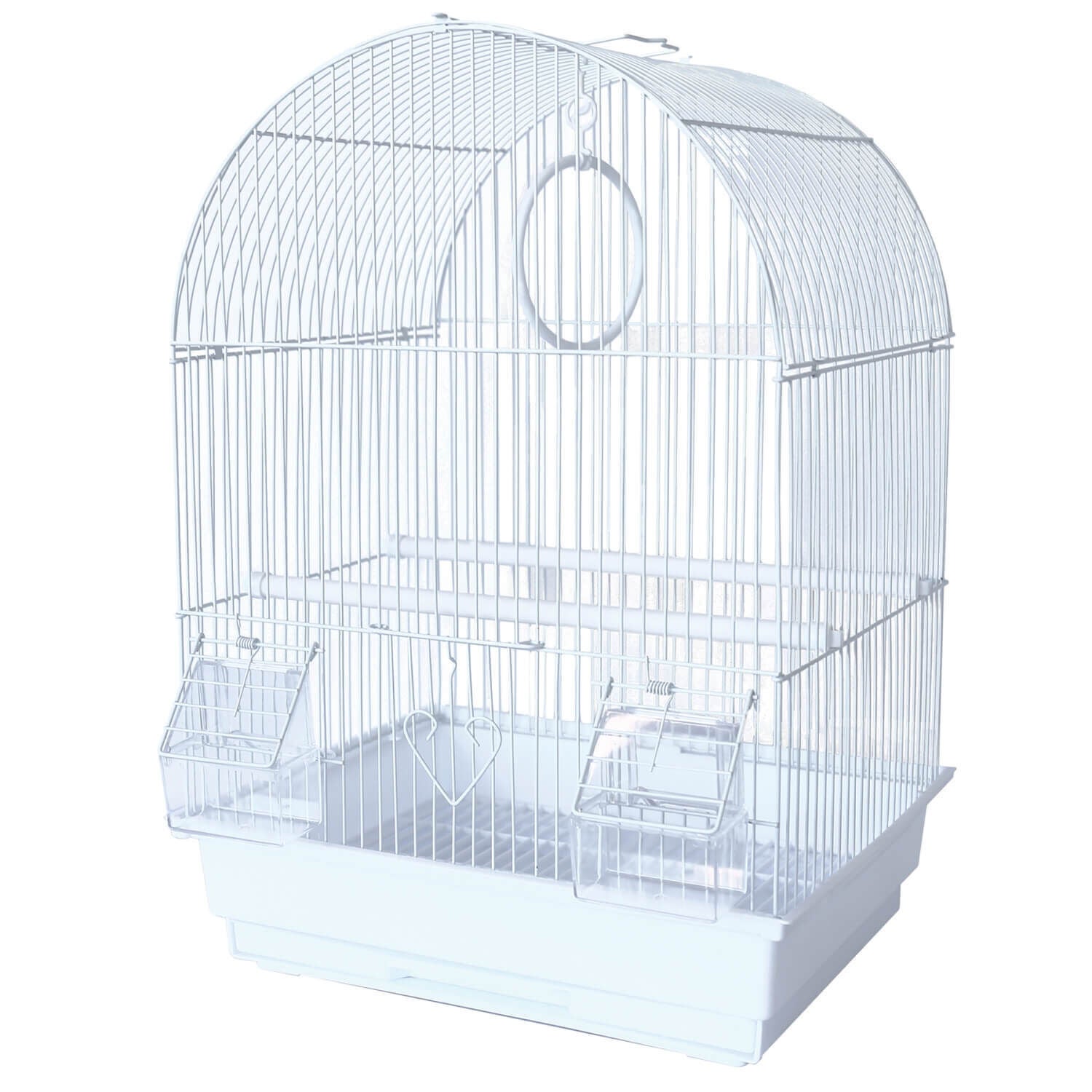
Cage
Cage liner & litter
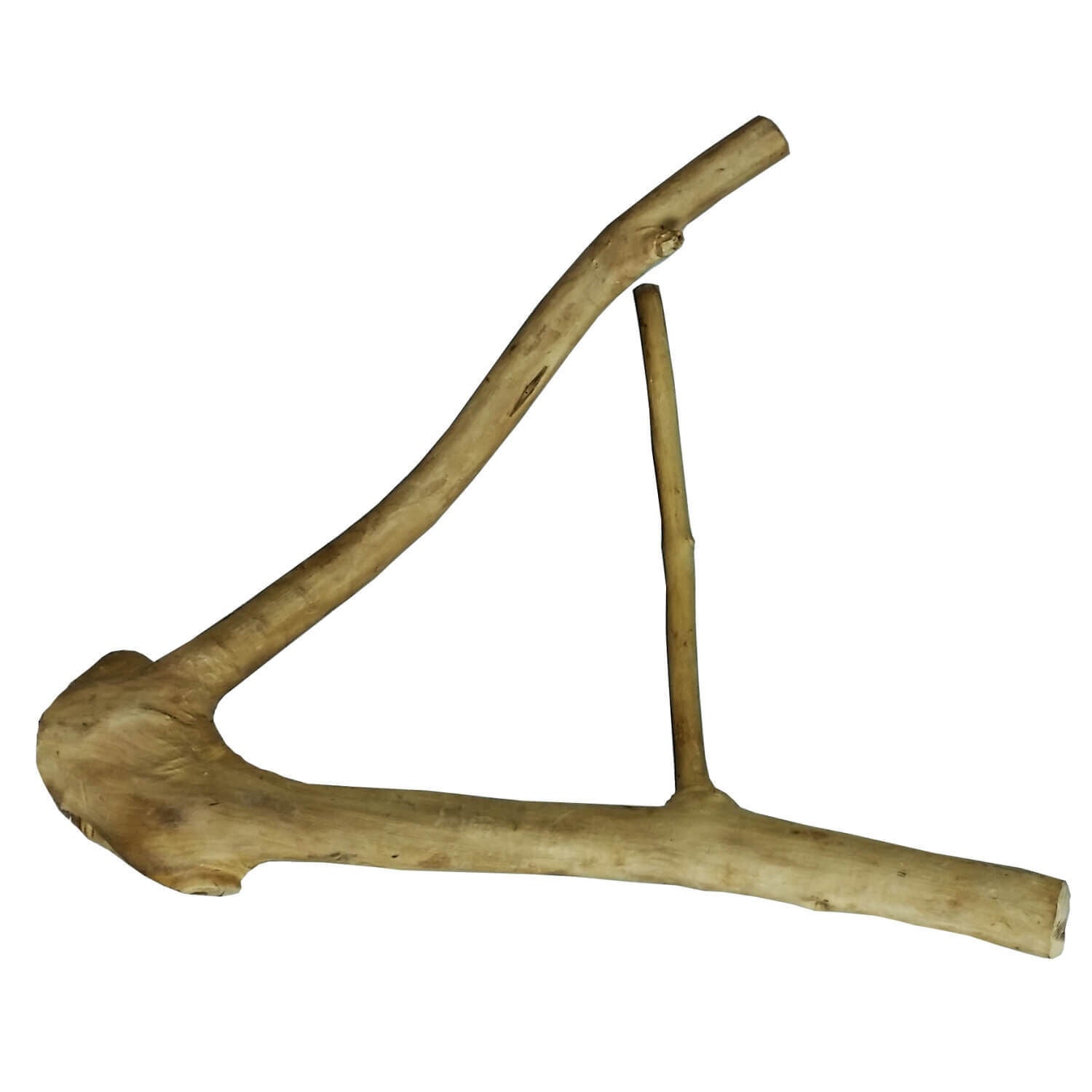
Perch – Wood, Ropes
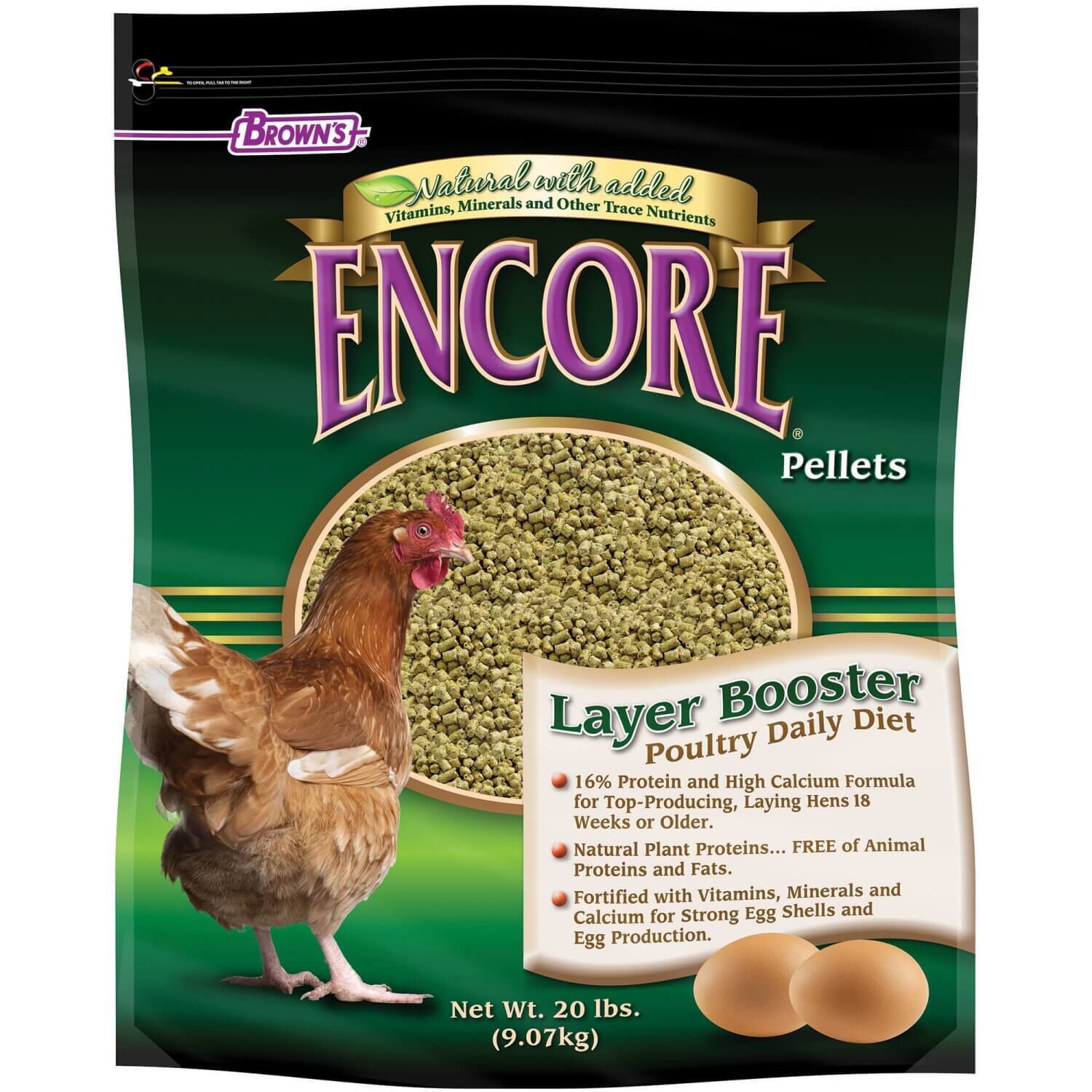
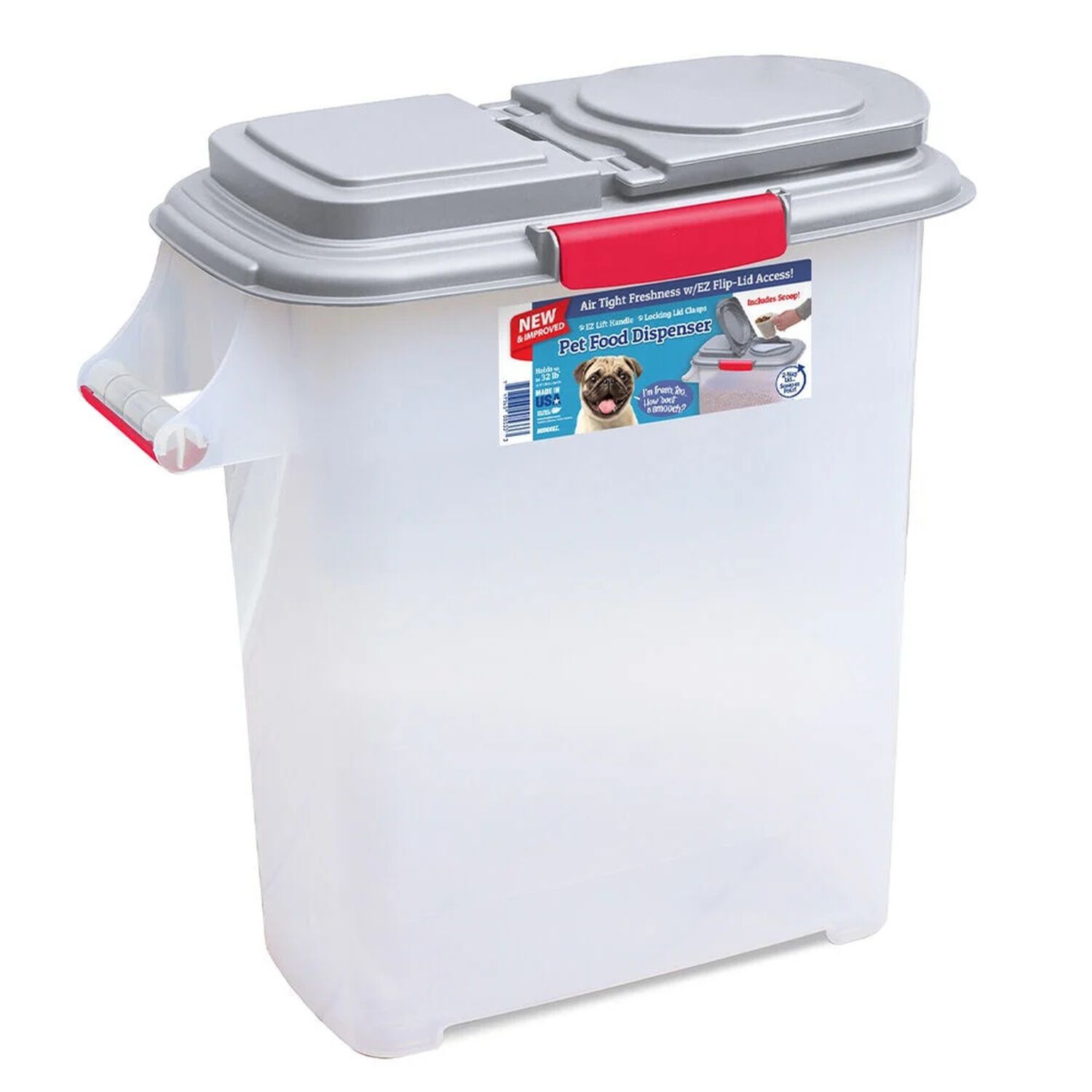
Food
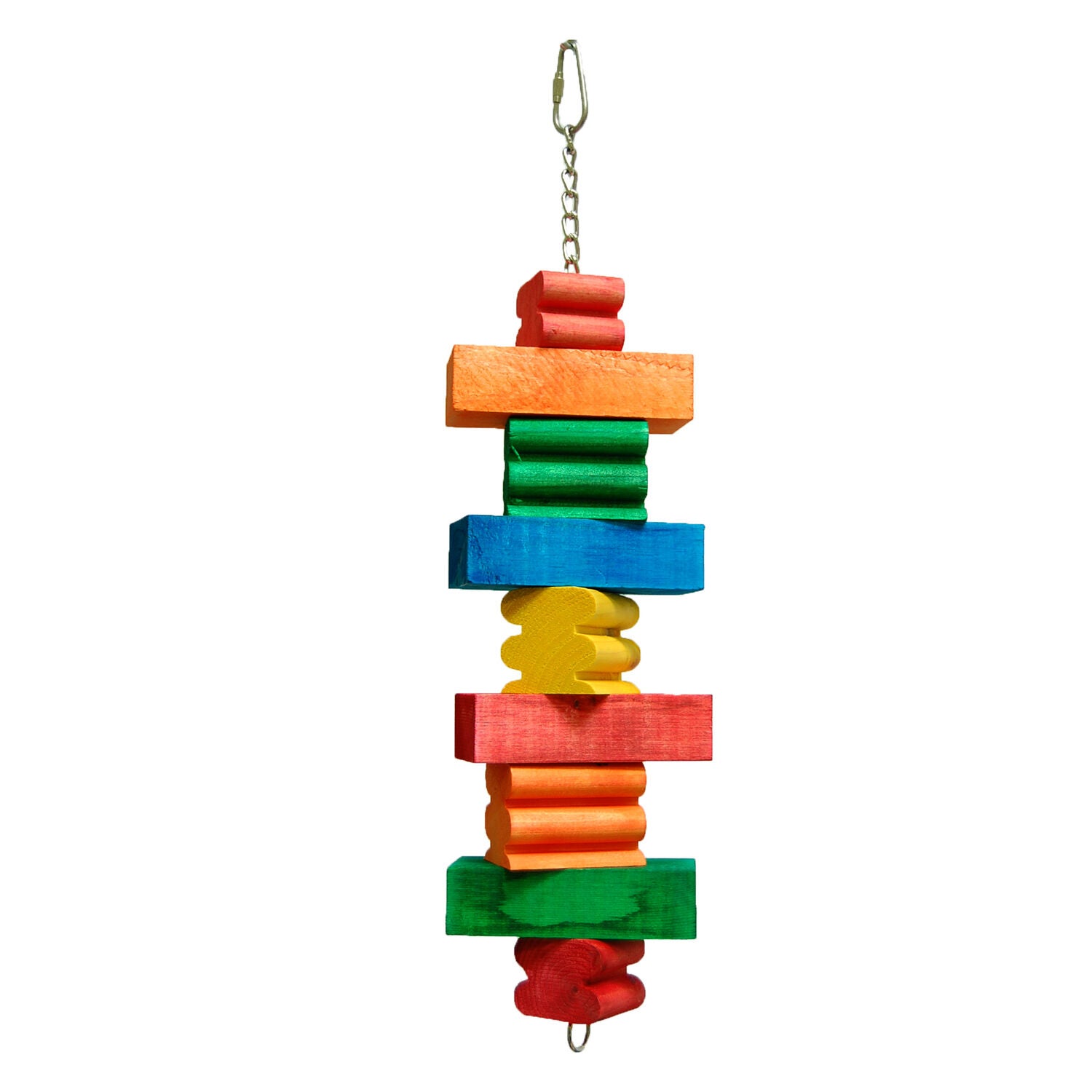
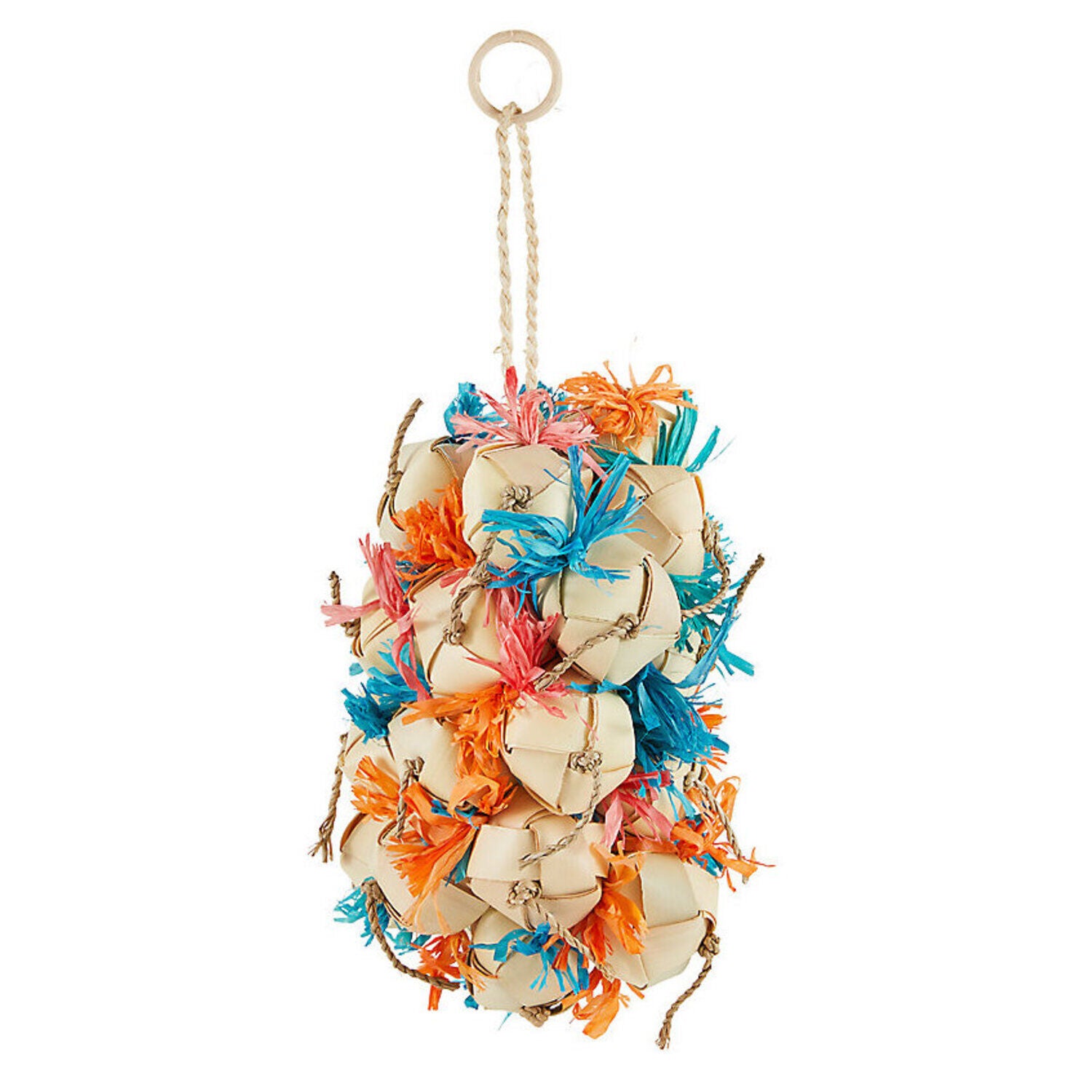
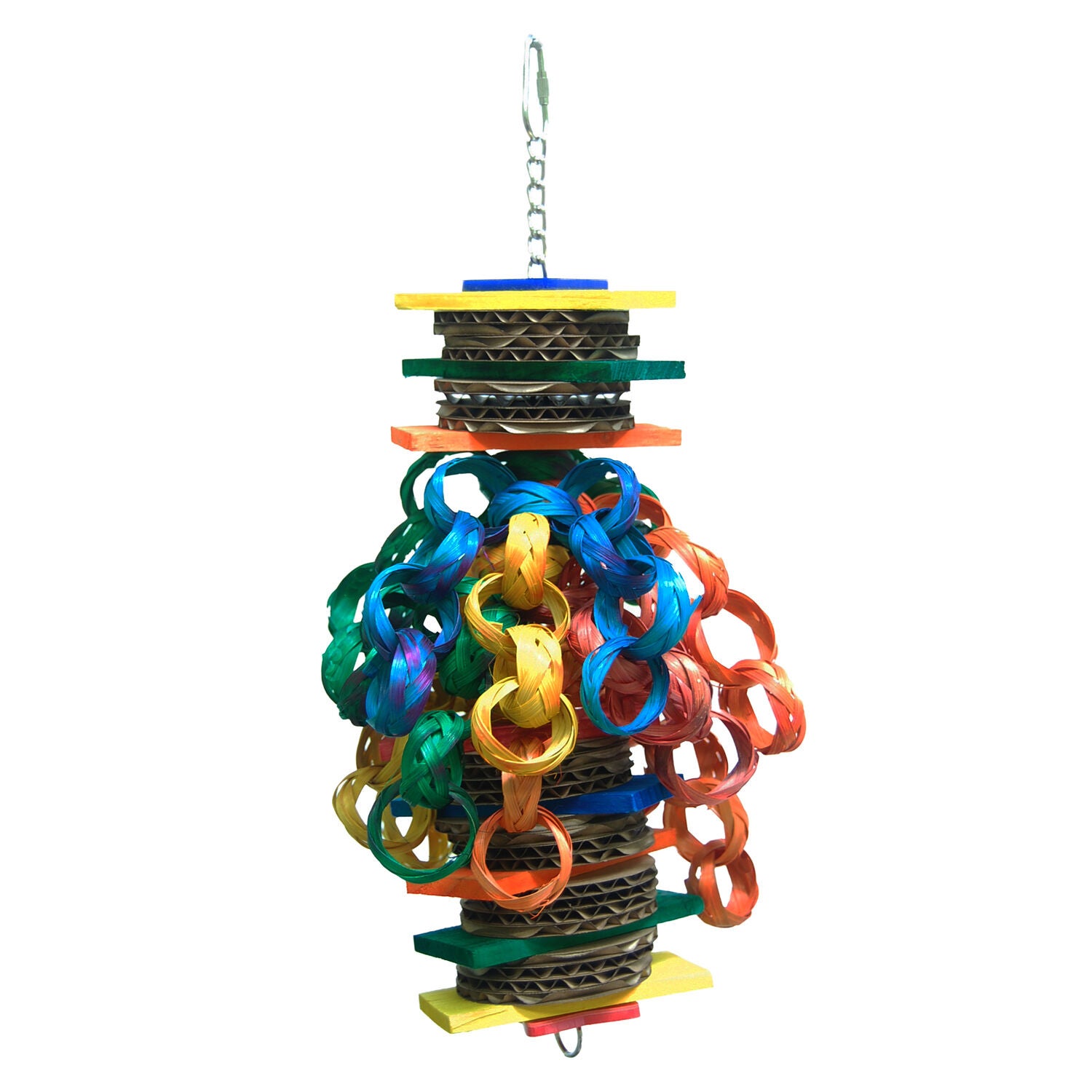
Toys
Spray millet
Feeder cups for food & water
Treats
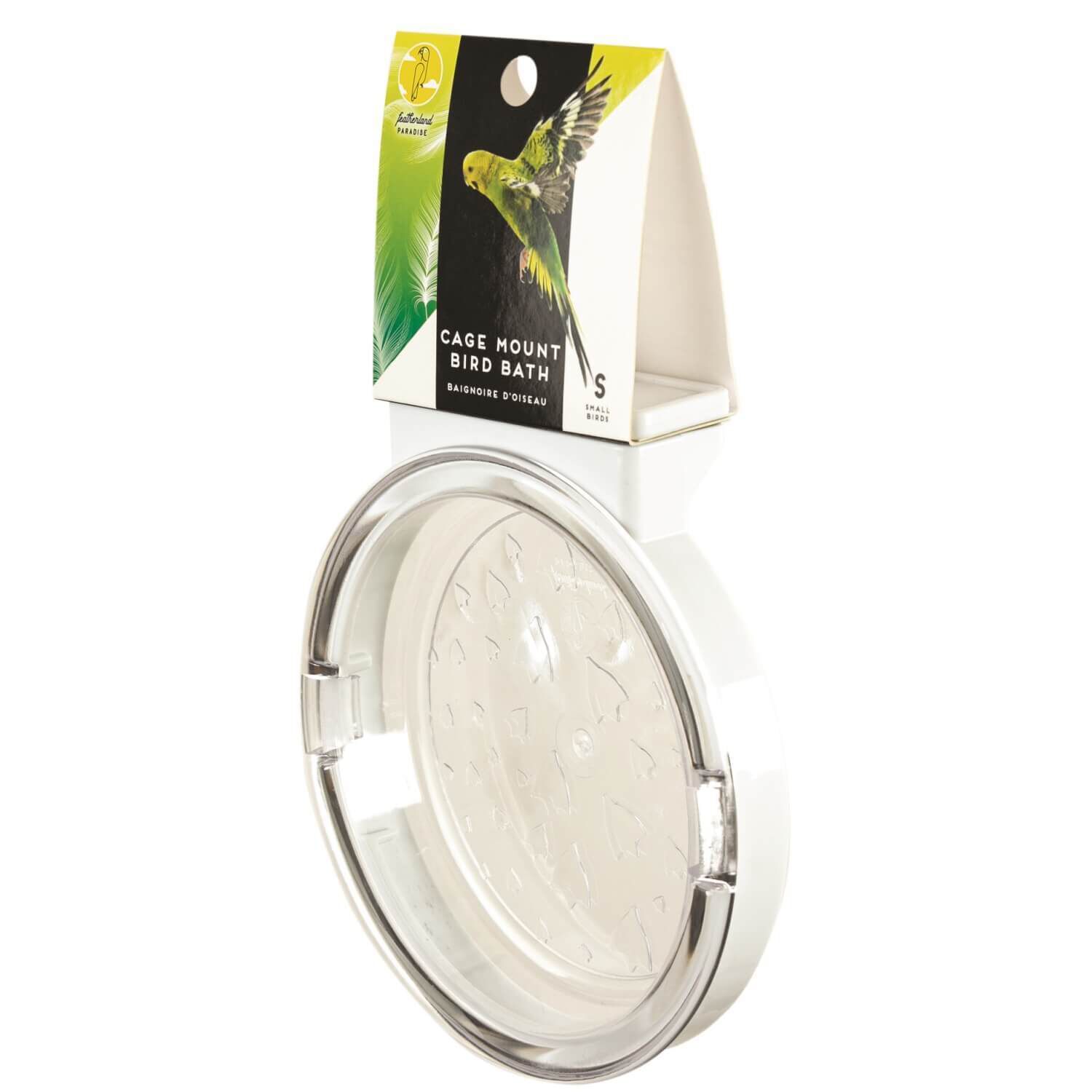
Bird bath
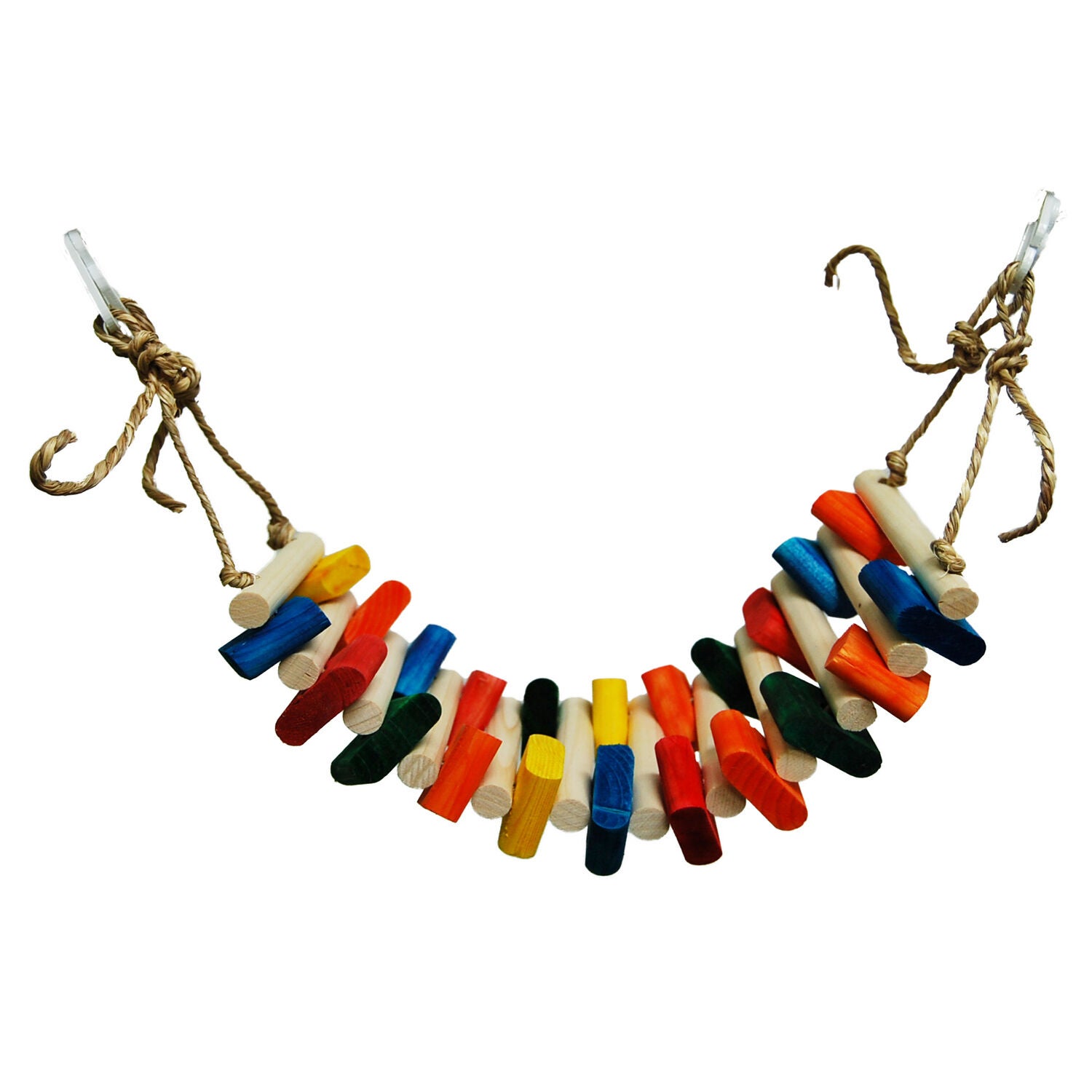
Ladders & swings
Mite repellent
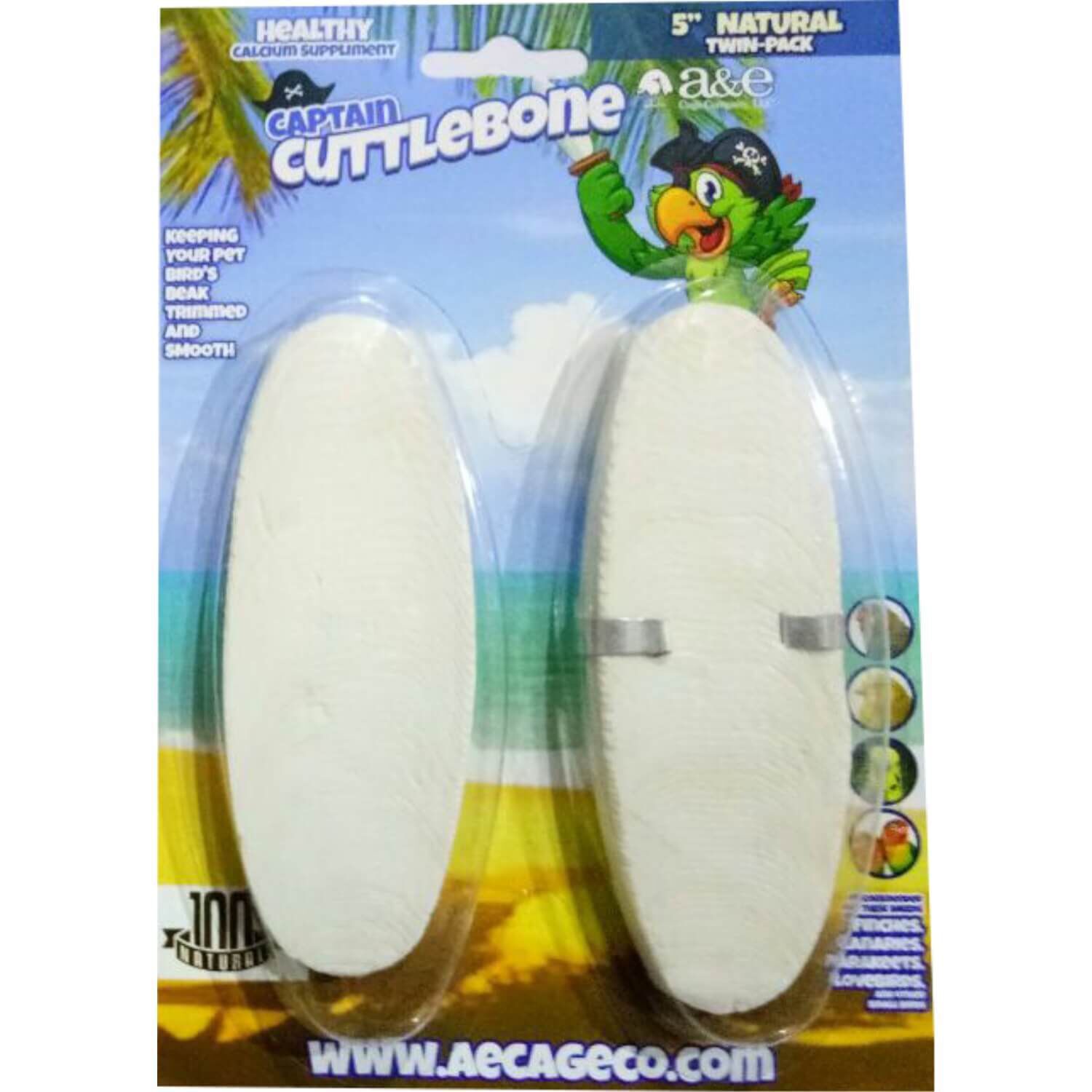
Cuttlebone
Everything your Finch needs, all in one place.
Shop Finch Supplies
Feeding Your Finch
Food & Water
- Fresh water daily
- Finch Food
- 25% seed, 75% pellet
- Fresh dark leafy greens - chop finely to accommodate their tiny beaks
- Collard greens, Spinach, Kale, Watercress, Turnip Greens etc.
- Fresh Fruits - chop finely to accommodate their tiny beaks.
- Berries, Apples, Guava, Nectarines, Bananas, Pears, Pineapple etc.
- Spray Millet
- Treats should not exceed 10% of their food intake
Safe to Feed
Prepackaged bird treats
Avoid
Chocolate & other candy
Onions
Avocados
Highly salted foods
Finch Habitat
Caging & Environment
- Finches can be housed in any cage that features ½” bar spacing.
- They must have several perches (preferably made of different materials – wood, rope, etc.). A variety of perches in diameter will support your canaries’ feet, which will prevent pressure sores.
- Do not overcrowd the cage as the finches must have space to fly around for exercise.
- Provide a nest and nesting material when housing pairs.
- Society finches will foster eggs of other species if given a chance.
- Provide a water cup, seed/pellet cup, and fresh food cup as well as a cuttlebone. Cuttlebones provide extra calcium and will help keep your birds beak trim.
- Finches do need stimulation and will play with toys. Enrichment, exercise, bells, swings, and ladders are all great toys.
- Fumes: Place the finch cage in a safe place with clean fresh air to breathe. Overheated non-stick surfaces containing Teflon, such as those found on cookware, drip pans, irons, and self-cleaning ovens, can emit odorless fumes that are rapidly fatal to birds. Birds have sensitive respiratory systems, keep this in mind when finding the best place for your bird.
Cleaning
- Spot clean your cage daily.
- Replace substrate or liners weekly.
- Deep clean monthly. Move your finch to a secure place away from your cleaning space (preferably in a travel carrier or small cage for birds). Clean all bowls, toys, and perches. Wooden perches must be scrubbed gently with a brush (do not wet. Do not use cleaning agents around your bird.
- Thoroughly dry the habitat and ensure it is odor free before returning your bird.
- Replace worn toys, dishes and perches as needed.
- Monthly is the best time to rotate toys.
Compatibility
- The following groups of finches could live in harmony
- Zebra, Society, Orange Cheek, Good Breast Waxbill, Lavender, Crimson Rump, Cordon Bleu and Fire Finch
- Orange Weaver, Spice, Pintail Wydah and Cutthroat
- Gouldian, Owl, Cordon Bleu and any Waxbill
Handling Your Finch
Behavior & Handling
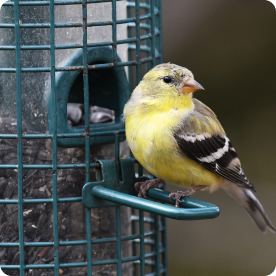
- A finch will need friends, they are very social. House finches with one or more other finches. Most finches can be housed in multiple pairs; however, if the cage is not spacious enough, males may start to fight. See compatibility chart to the left.
- Finches are vocal and their tone can be very pleasant.
- Most pet birds are diurnal species, meaning that they get up at dawn and settle in to sleep at dusk. Most birds do best with 10-12 hours of sleep a night. Cover the birds cage at night. Exposing companion birds to artificially long days via household lights or televisions can result in sleep deprivation.
- Your bird needs a bath. Bathing your bird is important to its feathers, skin, and sinuses. Some birds prefer bath bowls while others prefer to be misted. Experiment with both to find out what your bird enjoys. Birds should be bathed one to two times weekly. Finch wings are not clipped be careful when opening the cage.
- Due to their high activity always provide millet for extra added calories.
157 Results
157 Results
No products found for selected filters. Please try with different filters.
Showing 0 of 0