Parrots Care Guide
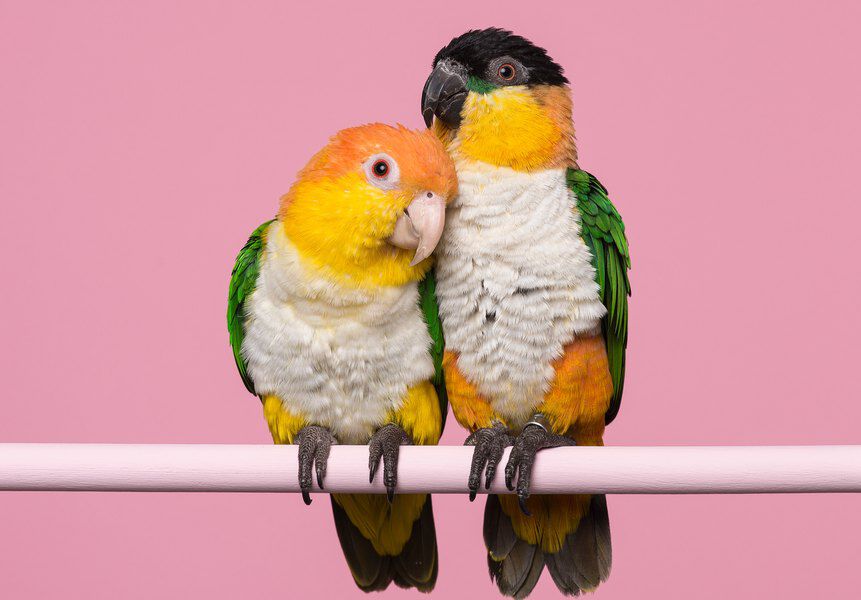
Get to Know Your Parrot
Basic Information
Includes commonly kept pet parrots such as Budgies, Cockatiels, Conures, Lovebirds, Quakers, African Greys, Amazons, Eclectus, Macaws and more
Common Name
Parrot
Scientific Name
Various species (e.g. Melopsittacus undulatus, Nymphicus hollandicus, Aratinga spp., Psittacus spp., etc.)
Adult Size
Varies by species, Budgie: 7 - 8 in, Cockatiel: 12 - 14 in, Conure: 10 - 13 in, Quaker: 11 - 12 in, African Grey: 12 - 14 in, Amazon: 13 - 15 in, Macaw: 30 - 40 in (varies by species)
Life span
10 - 60+ years (varies by species)
Temperament
Highly intelligent, social and interactive. Can be loud and strong willed, but make rewarding companions with proper care and training.
Checklist for Your Parrot
Essential Items
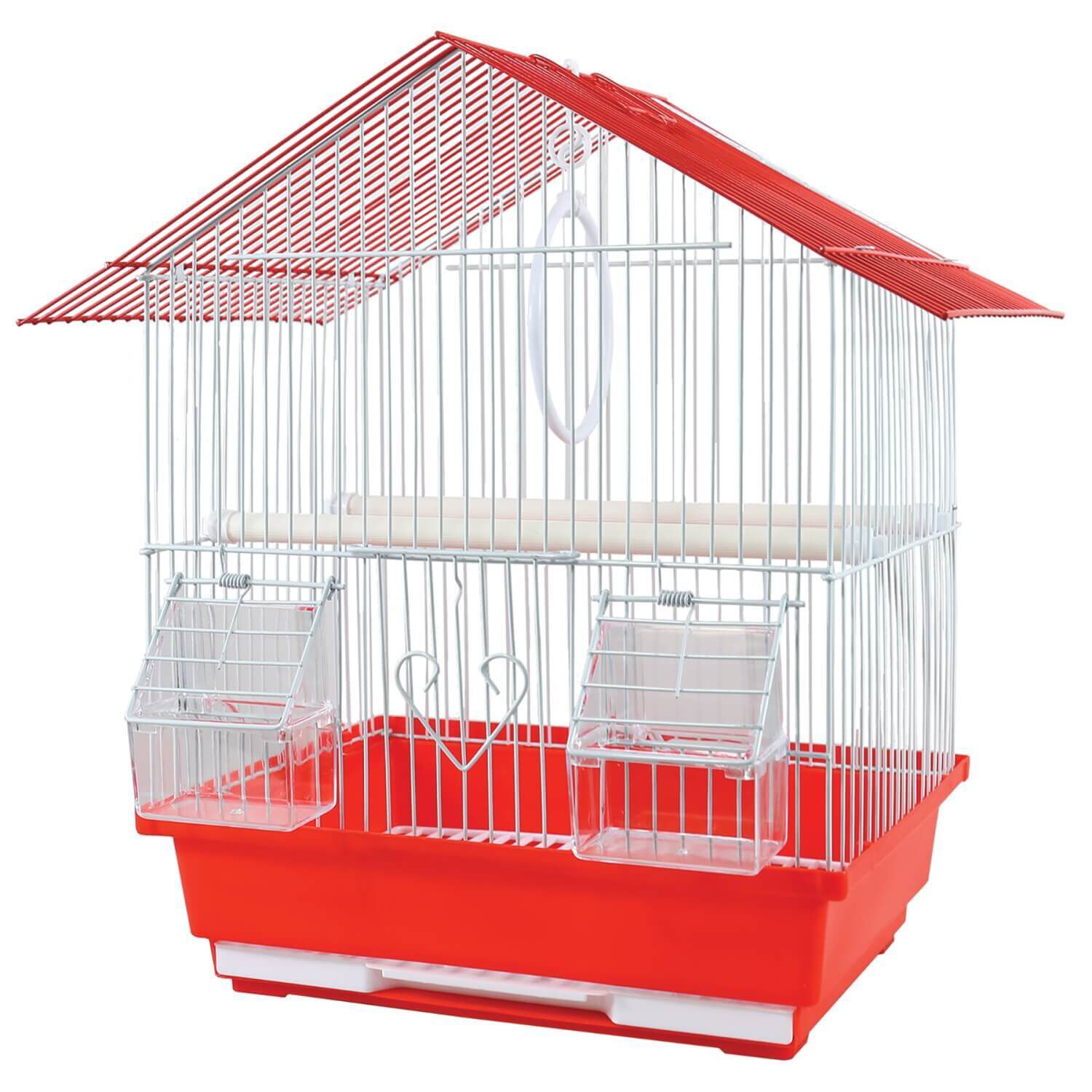
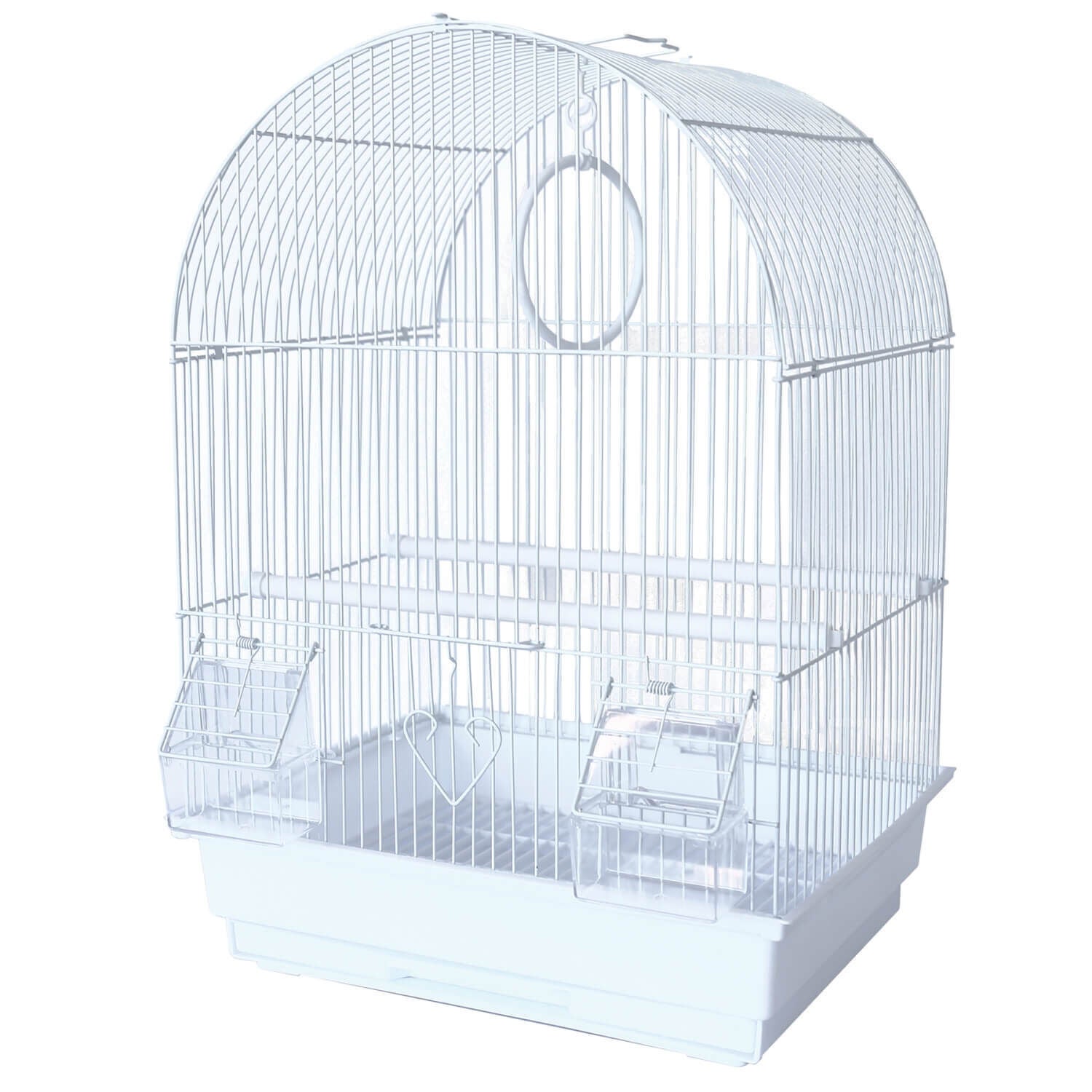
Appropriately sized cage
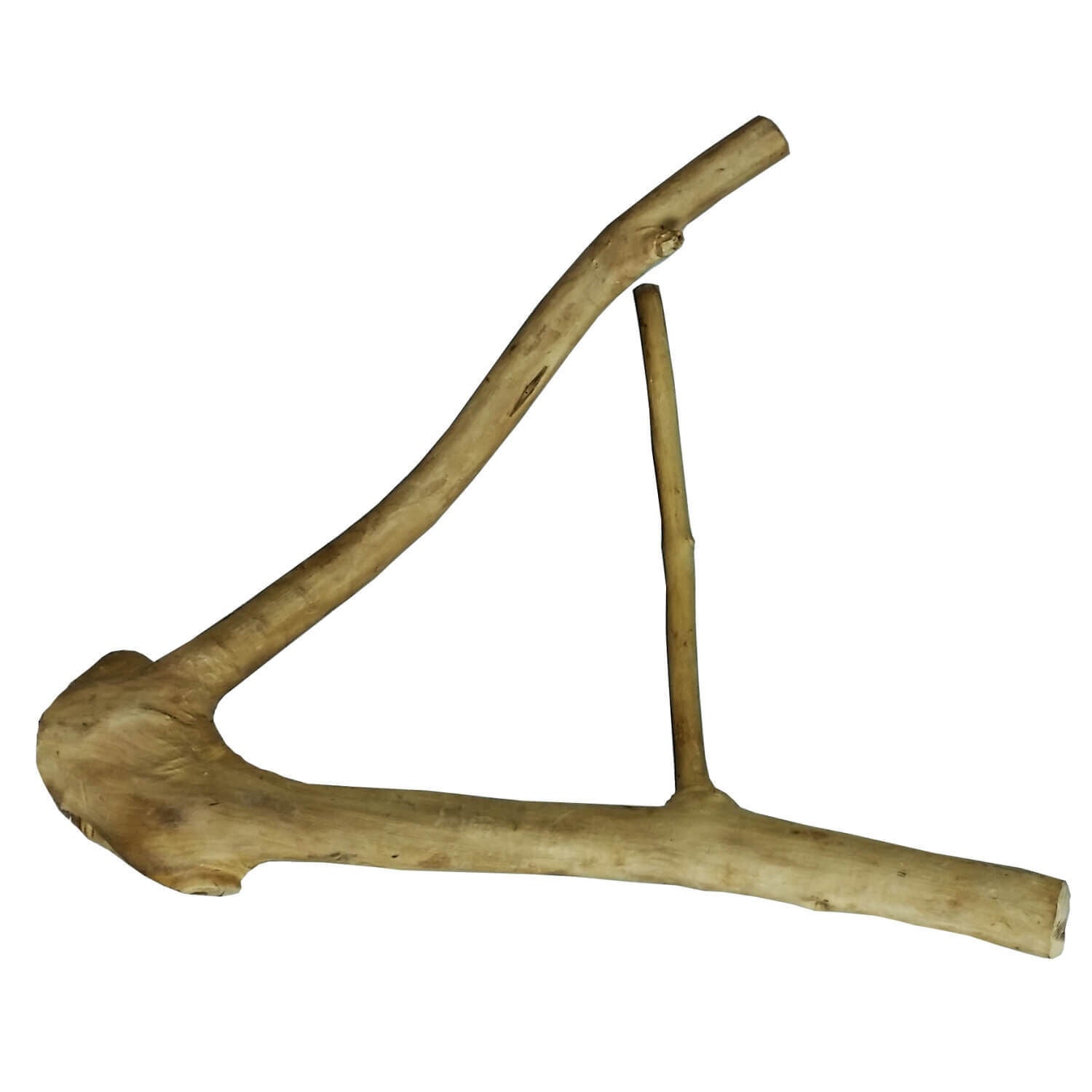
Variety of perches (natural wood, safe materials, different diameters)
Food and water dishes (stainless steel recommended)
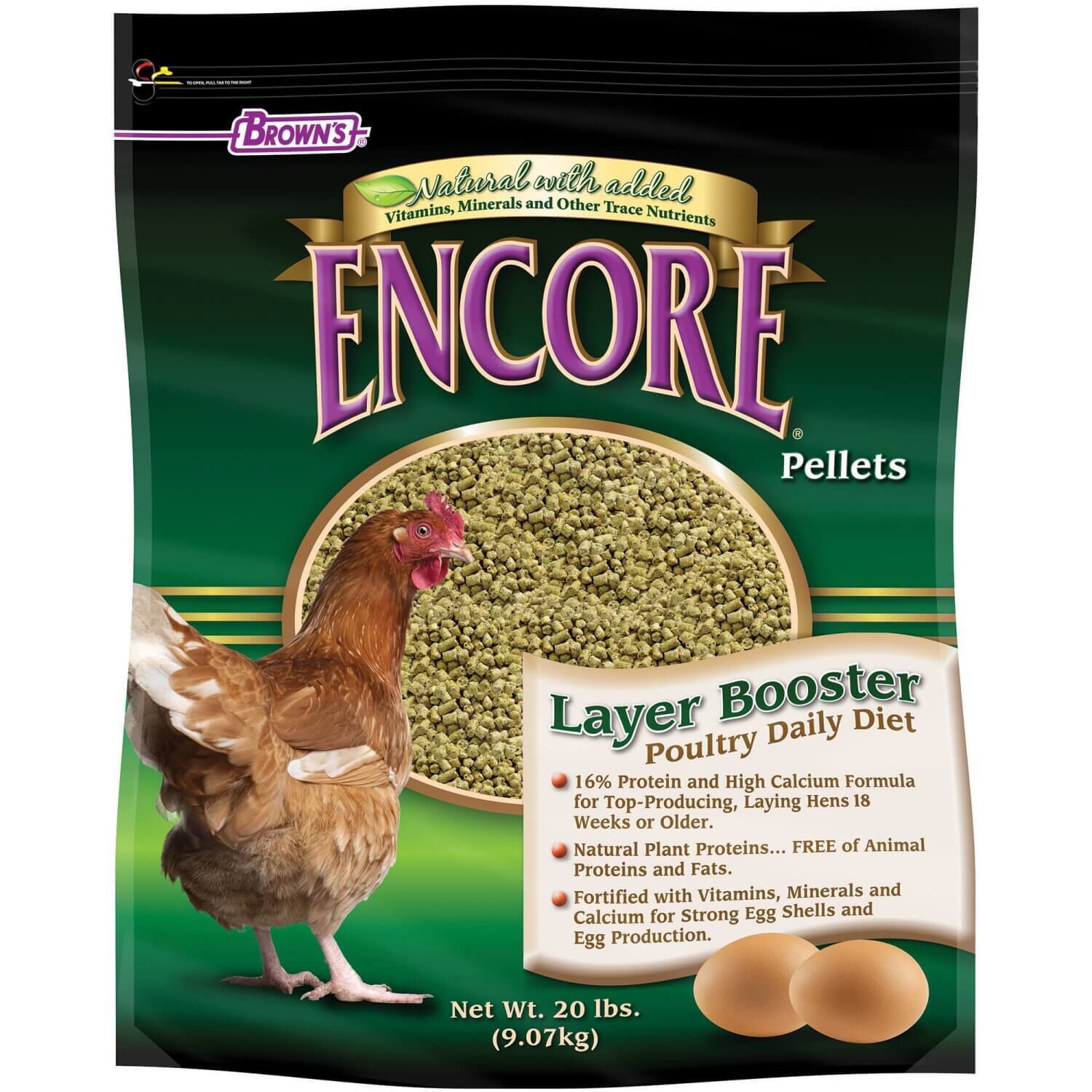
High-quality pellet food
Fresh fruits and vegetables
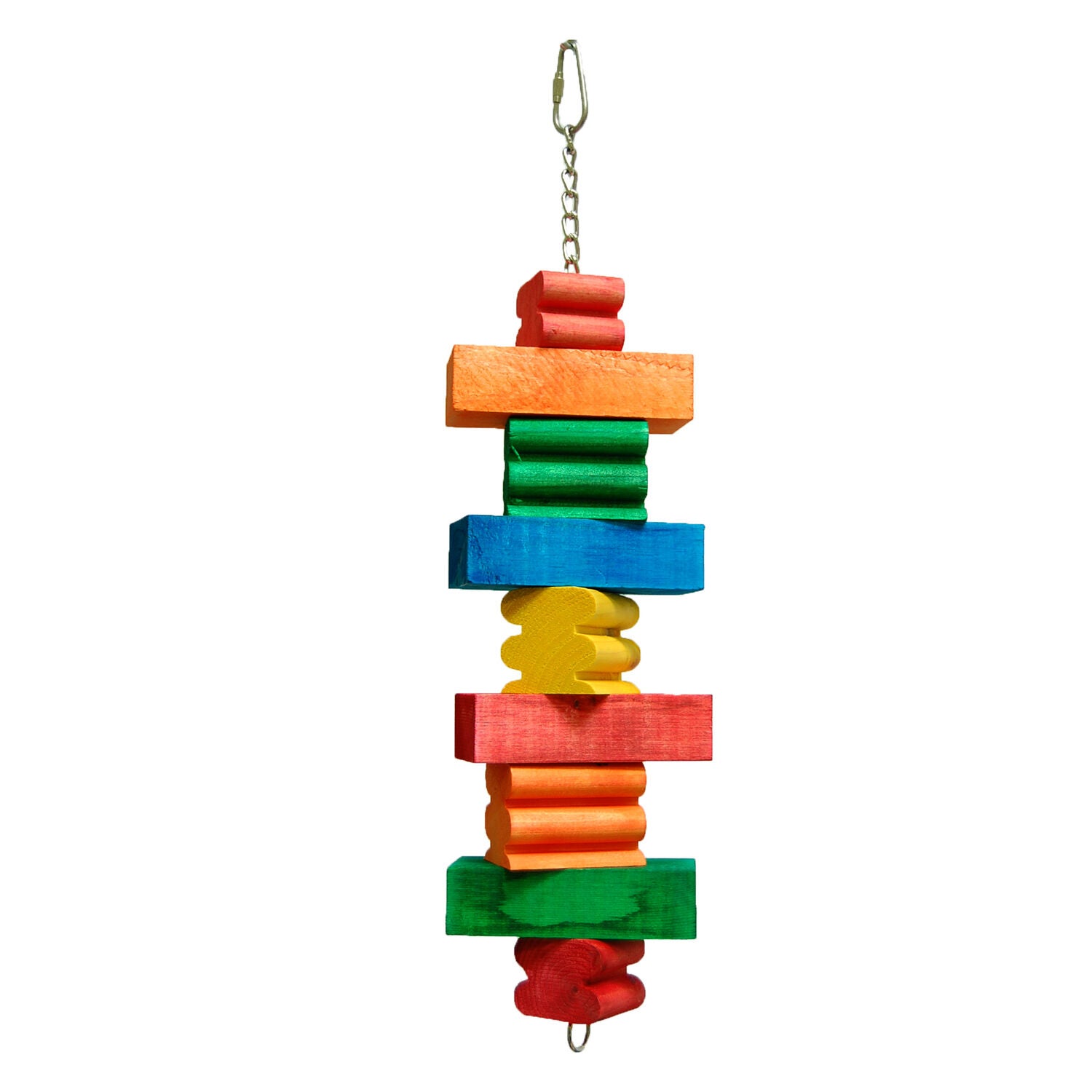
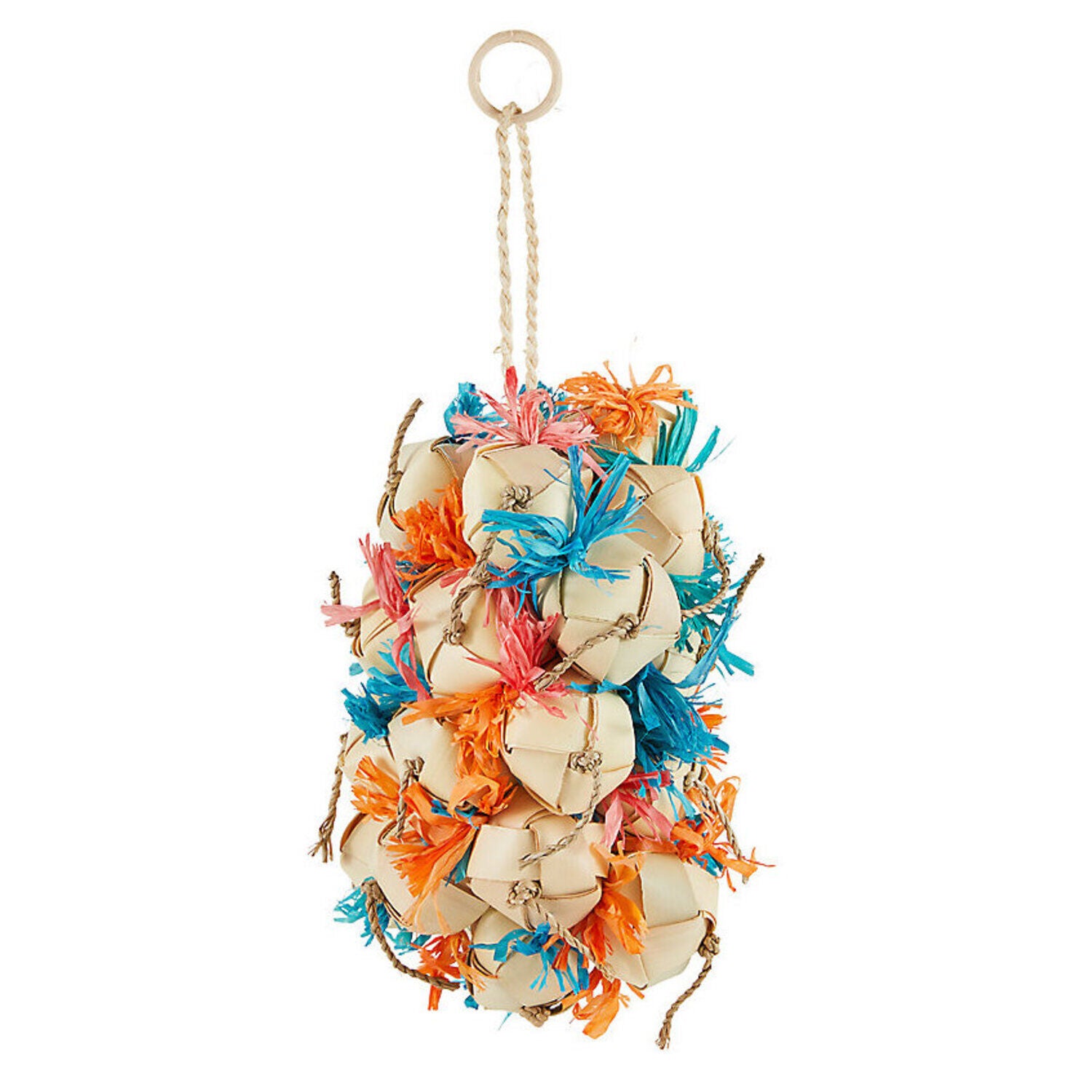
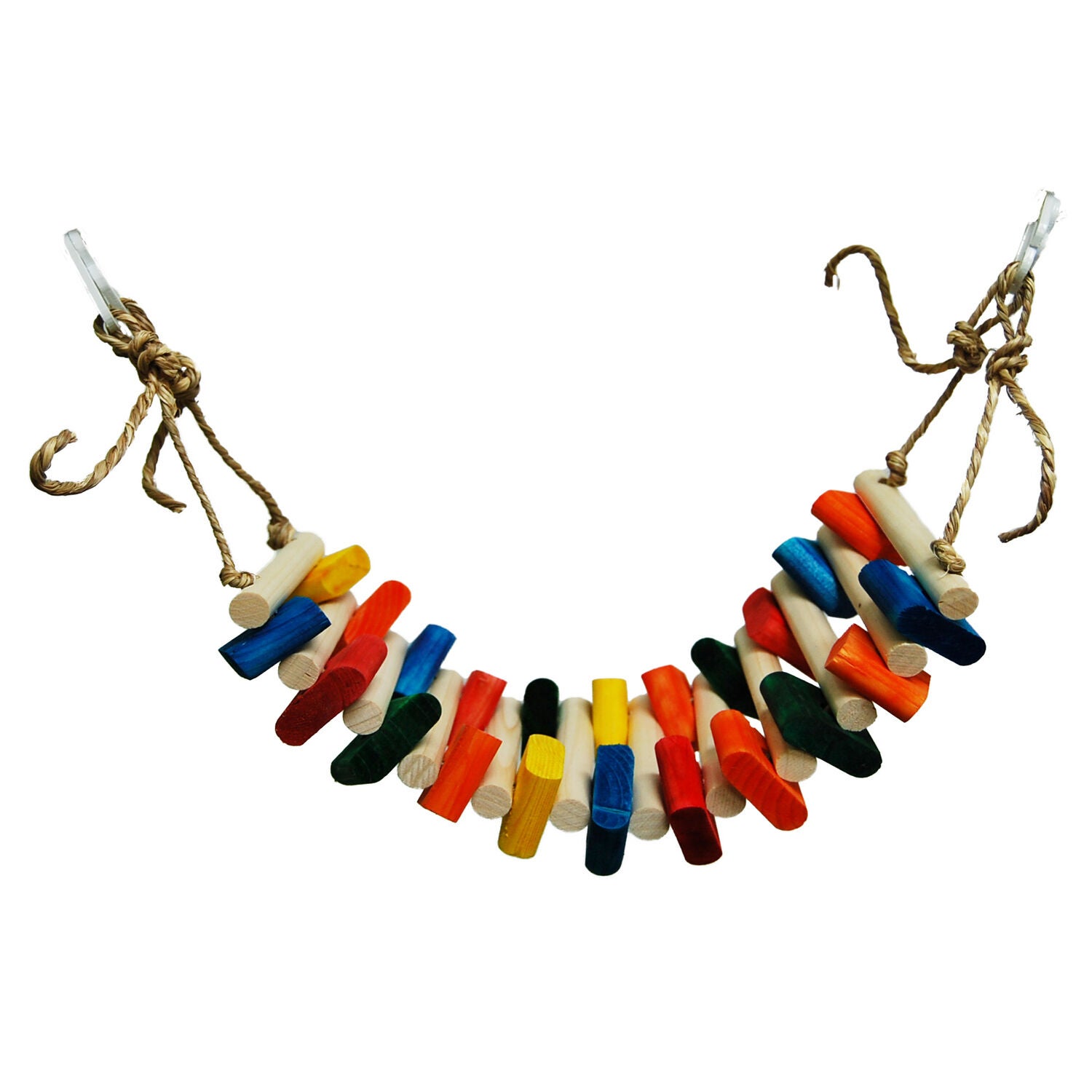
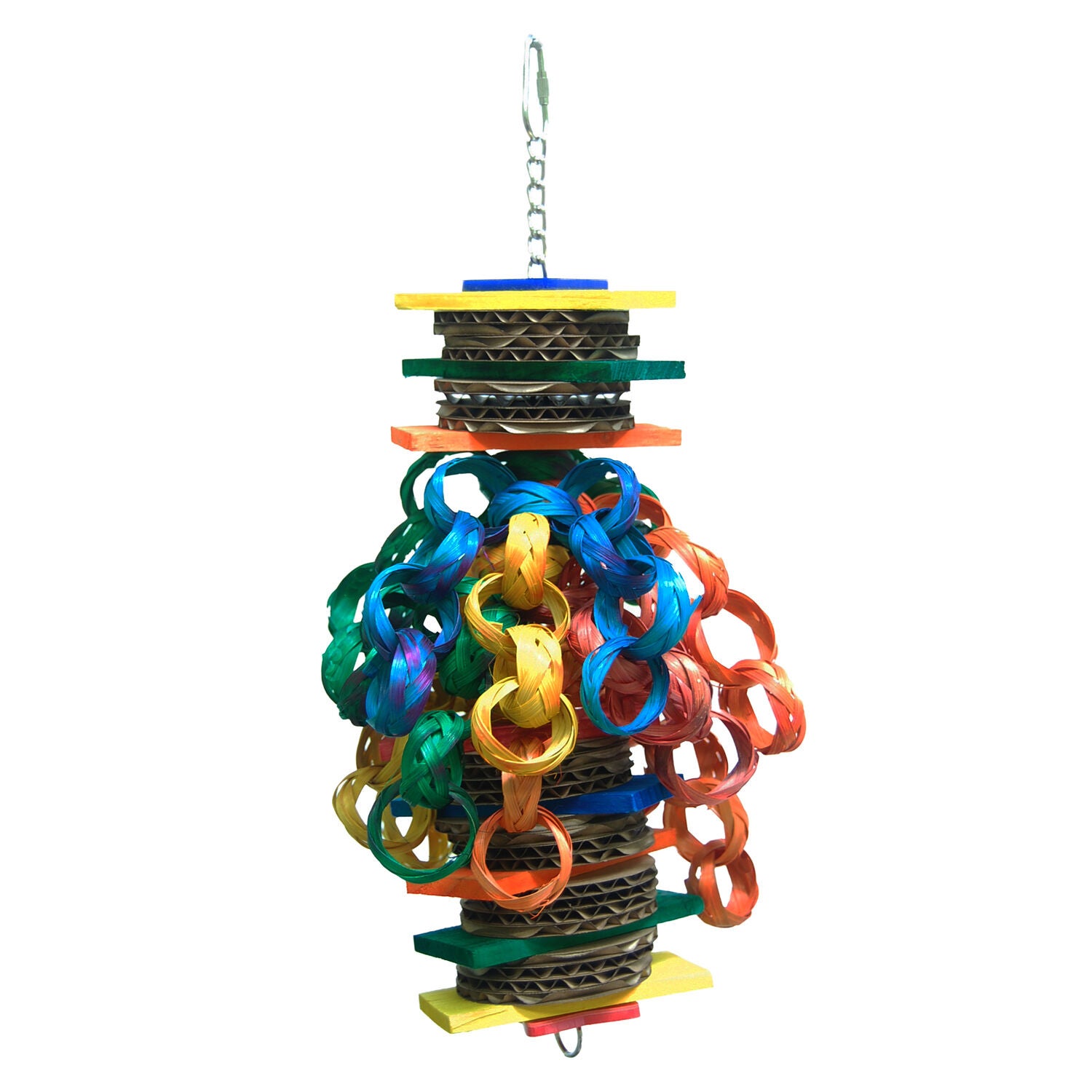
Toys (foraging, chewing, shredding)
Cage liner (paper or recycled paper)
Cage cover (for sleep)
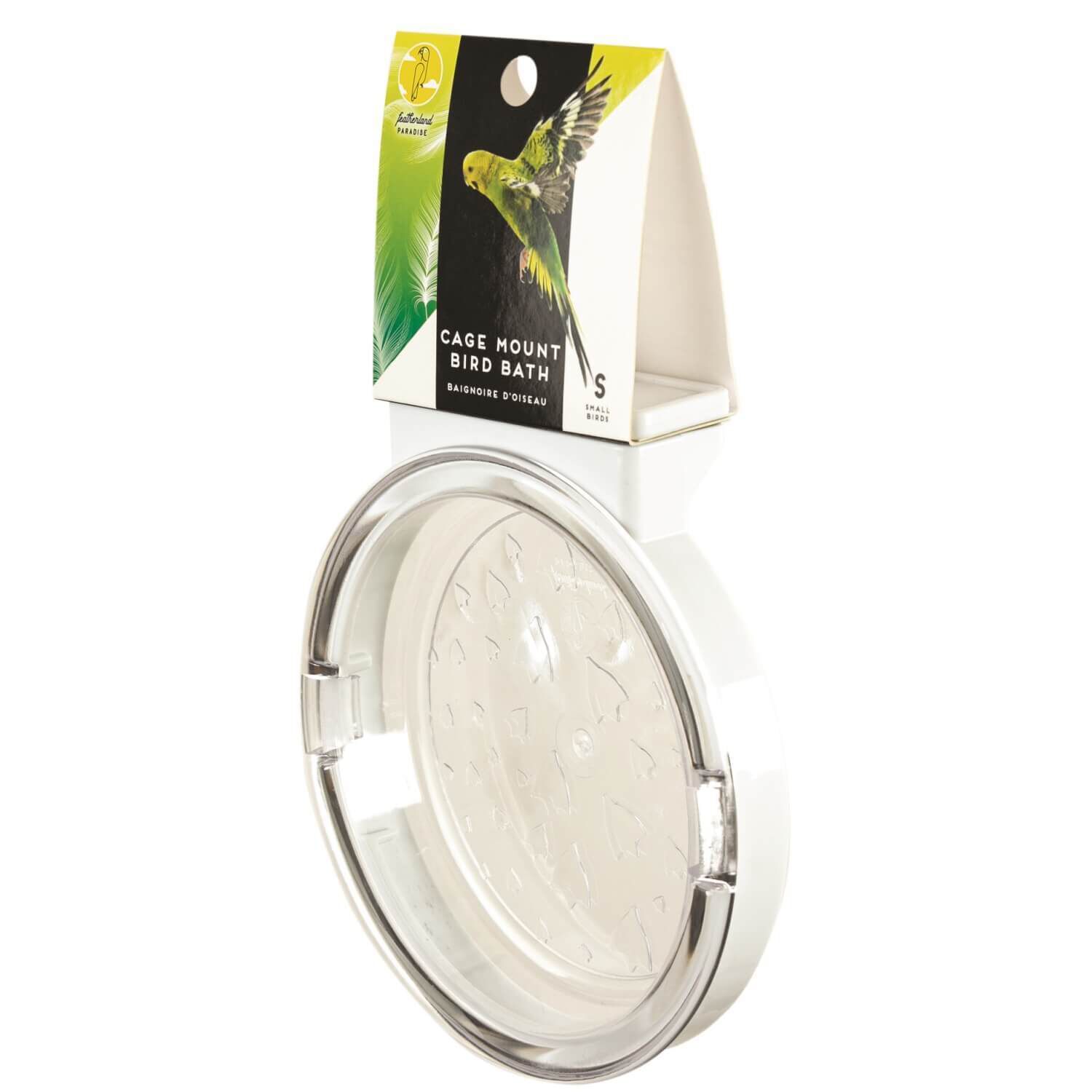
Bathing options (shallow dish or misting)
Nail trimmer and grooming supplies
Travel carrier
Air purifier (recommended)
Everything your Parrot needs, all in one place.
Shop Parrot Supplies
Feeding Your Parrot
Diet
- Offer a high-quality, species-appropriate pellet diet as the base of their nutrition.
- Supplement daily with fresh fruits and vegetables (leafy greens, carrots, bell peppers, broccoli, squash, berries, etc.).
- Offer small amounts of healthy grains, legumes and sprouted seeds.
- Limit high-fat seeds, nuts and treats.
- Always provide fresh, clean water daily.
- Avoid avocado, chocolate, caffeine, alcohol, salty foods and processed foods (toxic to birds).
- Offer foraging opportunities to encourage natural feeding behavior.
Parrot Habitat
Caging & Environment
Housing & Environment
- Provide the largest cage possible for the species. Bigger is always better.
- Minimum cage size (examples):
- Budgie: 18” L x 18” W x 24” H
- Cockatiel: 24” L x 24” W x 30” H
- Conure: 24” L x 24” W x 36” H
- Quaker: 24” L x 24” W x 36” H
- African Grey: 32” L x 24” W x 36” H
- Amazon: 36” L x 24” W x 48” H
- Macaw: 48” L x 36” W x 60” H
- Bar spacing: 1/2” - 3/4” for small to medium birds, 1” - 1.5” for large birds.
- Use a variety of natural perches (different diameters and textures) to promote foot health.
- Provide safe, bird-friendly toys and rotate them regularly to prevent boredom.
- Keep the cage in a low-traffic area away from drafts, direct sunlight and strong odors (no smoke, candles, non-stick cookware fumes, or aerosol cleaners).
- Allow daily out-of-cage time in a bird-safe room for exercise and mental stimulation.
Temperature & Lighting
- Ideal temperature: 65 - 80°F (18 - 27°C).
- Avoid sudden temperature changes and drafts.
- Provide 10 - 12 hours of natural daylight or full-spectrum lighting daily.
- Ensure a dark, quiet environment for 10 - 12 hours of sleep each night.
- Avoid placing the cage near kitchens, open windows, fans or HVAC vents.
Enrichment & Toys
- Provide a variety of toys to encourage chewing, foraging and problem-solving.
- Include toys made of natural wood, rope, paper, palm, and other bird-safe materials.
- Rotate toys regularly to keep your bird mentally stimulated.
- Offer foraging toys to encourage natural searching behavior.
- Provide play stands and safe climbing structures outside of the cage.
- Social interaction and positive training are important for a happy, well-adjusted bird.
Handling Your Parrot
Behavior & Handling
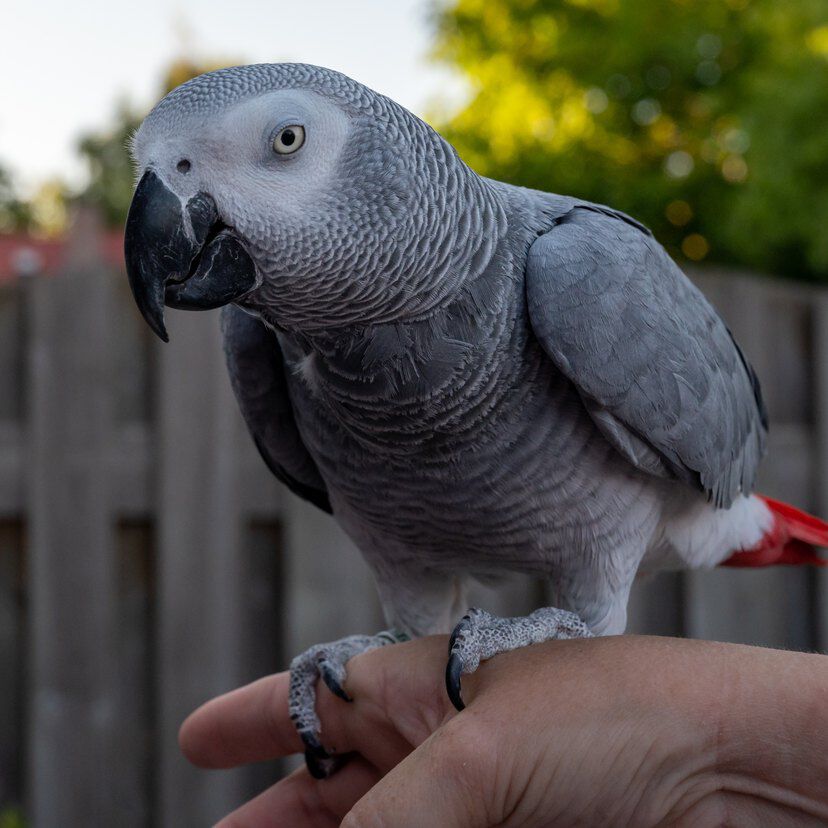
- Parrots are intelligent, social animals and thrive on interaction.
- Allow time for your bird to adjust to their new home (1 - 2+ weeks).
- Use positive reinforcement training (treats and praise).
- Handle gently and respectfully, allowing your bird to step up on your hand.
- Supervise out-of-cage time at all times.
- Be patient and consistent to build trust.
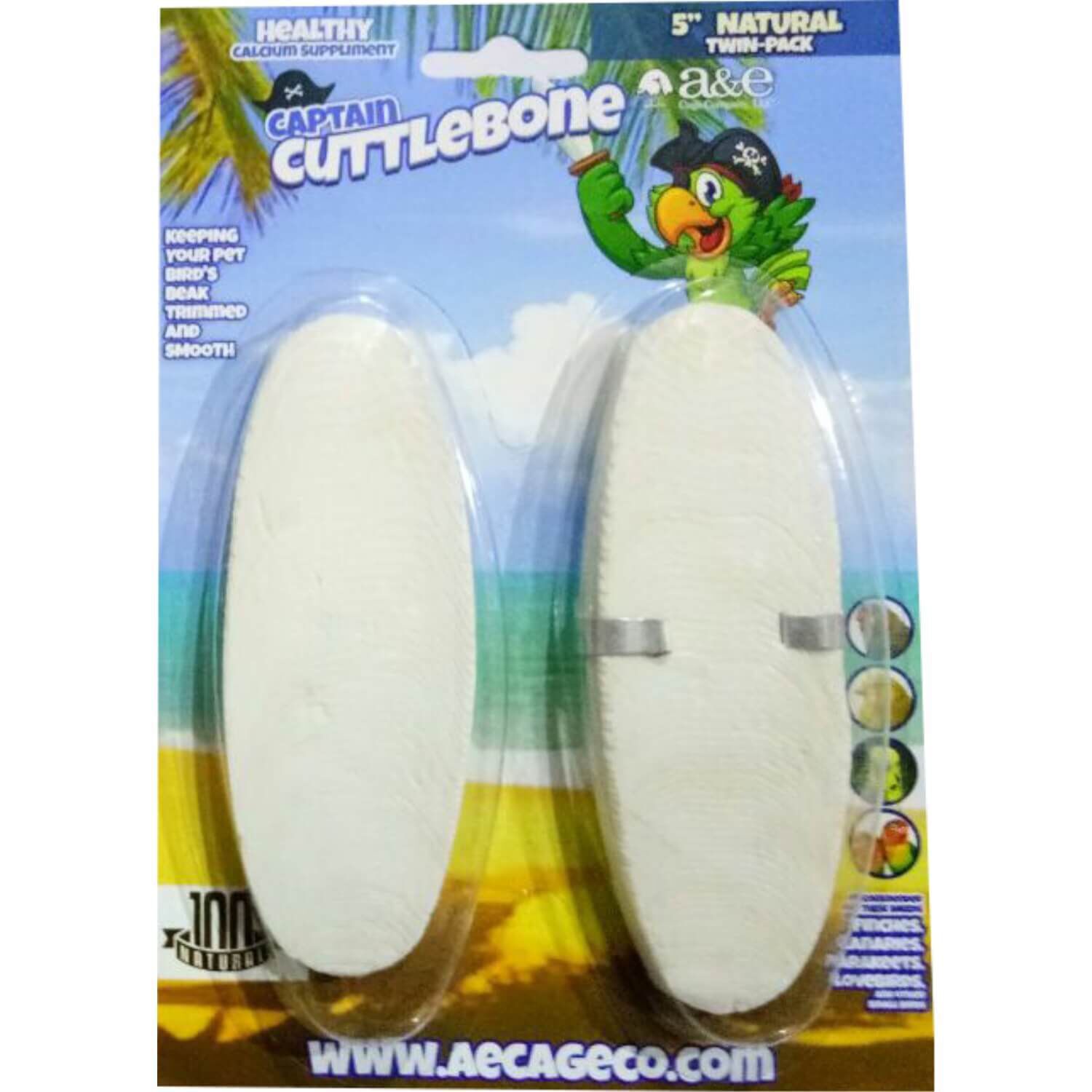
- Keep nails and beak trimmed as needed.
Common Health Problems
Parrot Health and Well-being
Health & Safety
- Keep the enclosure clean and change cage liners regularly.
- Provide a varied diet and proper enrichment to support overall health.
- Monitor for signs of illness: fluffed feathers, lethargy, changes in droppings, loss of appetite, labored breathing or discharge from eyes/nose.
- Schedule regular avian vet checkups.
- Avoid exposure to non-stick cookware fumes, harsh chemicals, smoke and aerosols.
- Always wash your hands before and after handling.
157 Results
157 Results
No products found for selected filters. Please try with different filters.
Showing 0 of 0