Live Mealworms
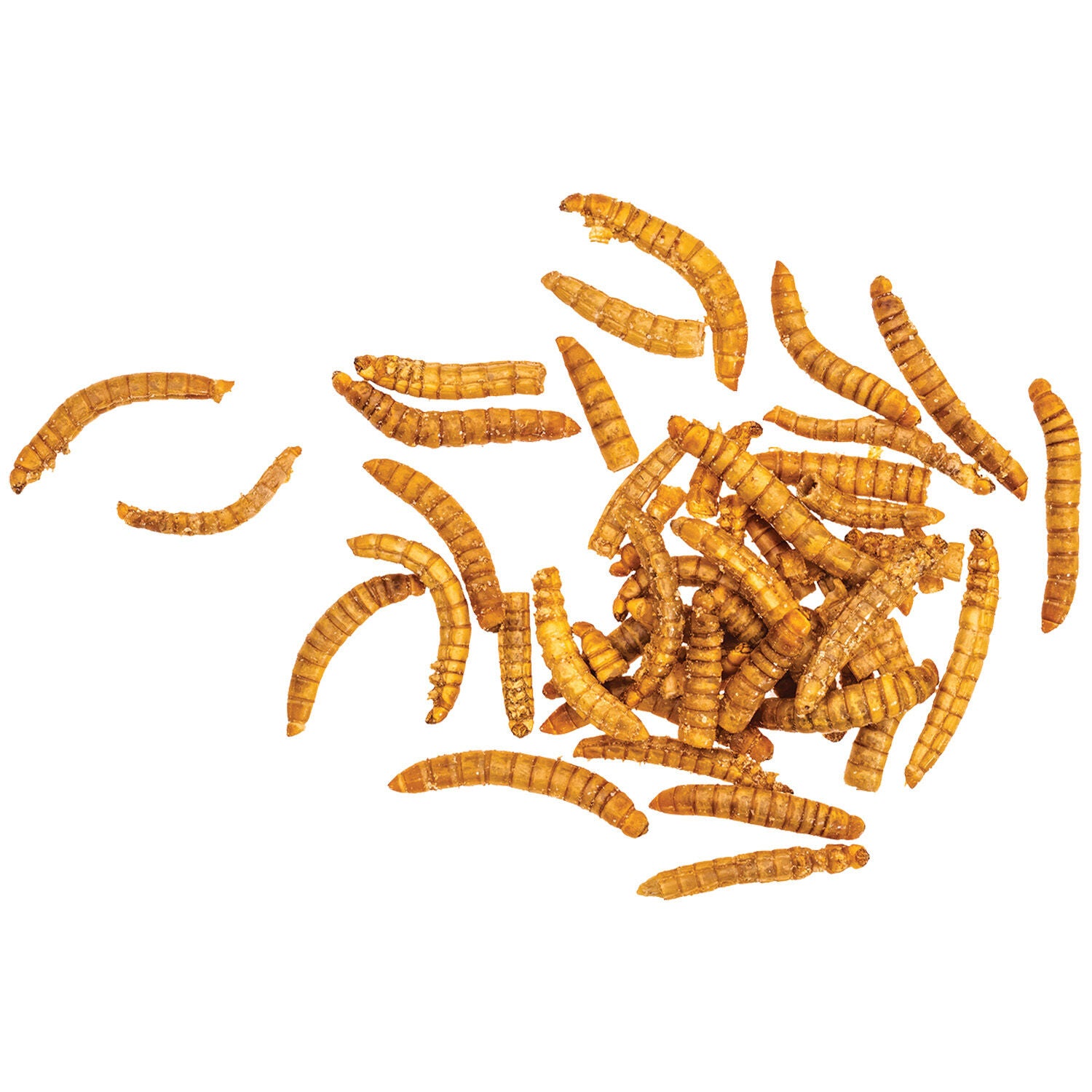
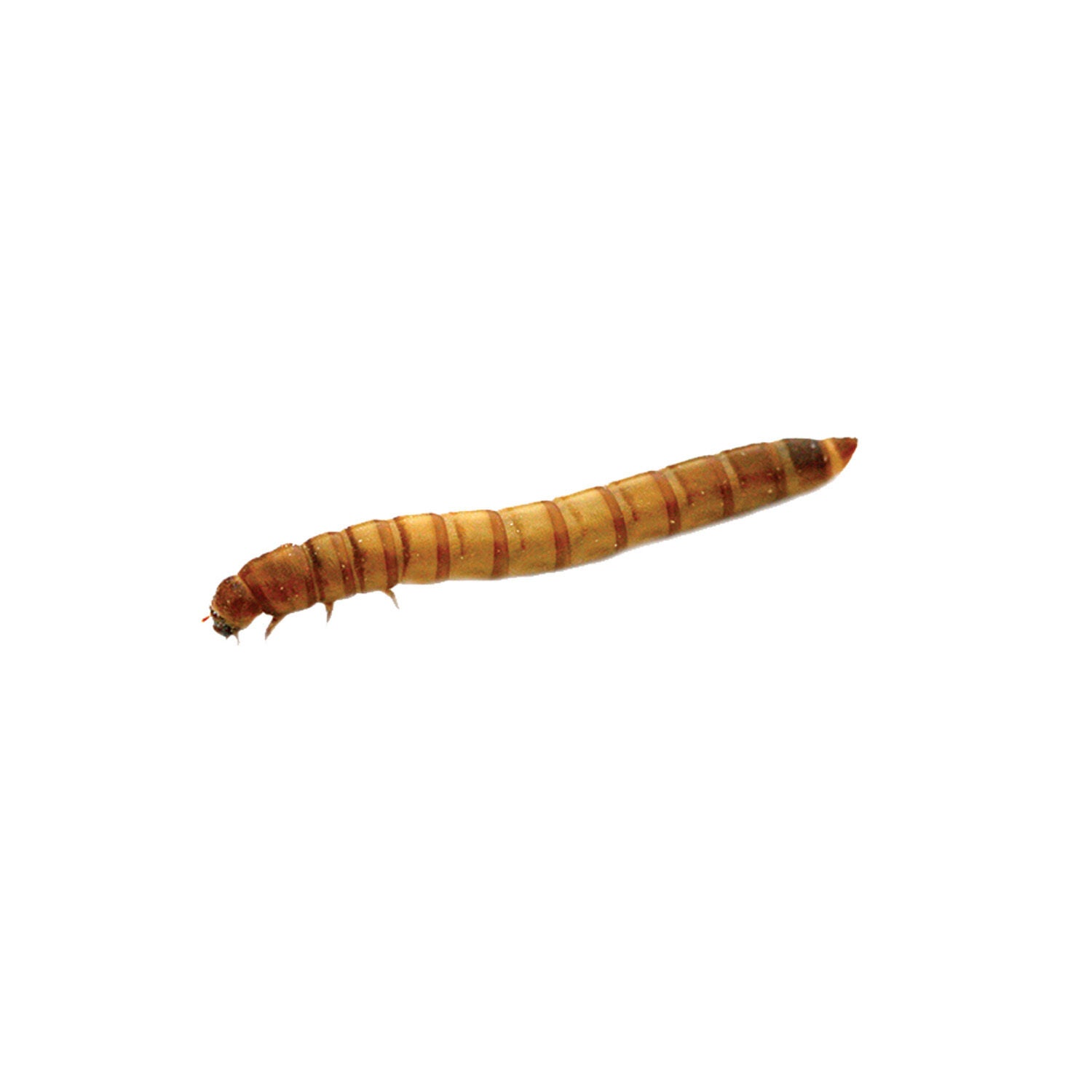

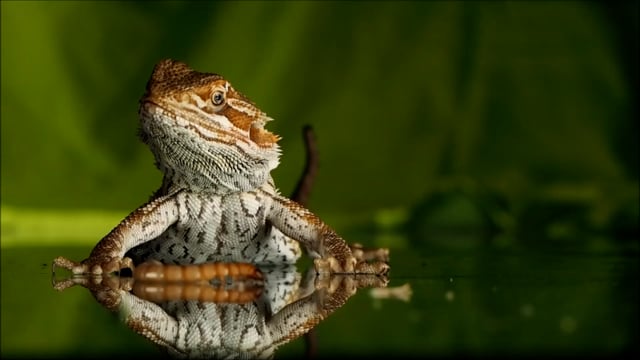
Live Mealworms
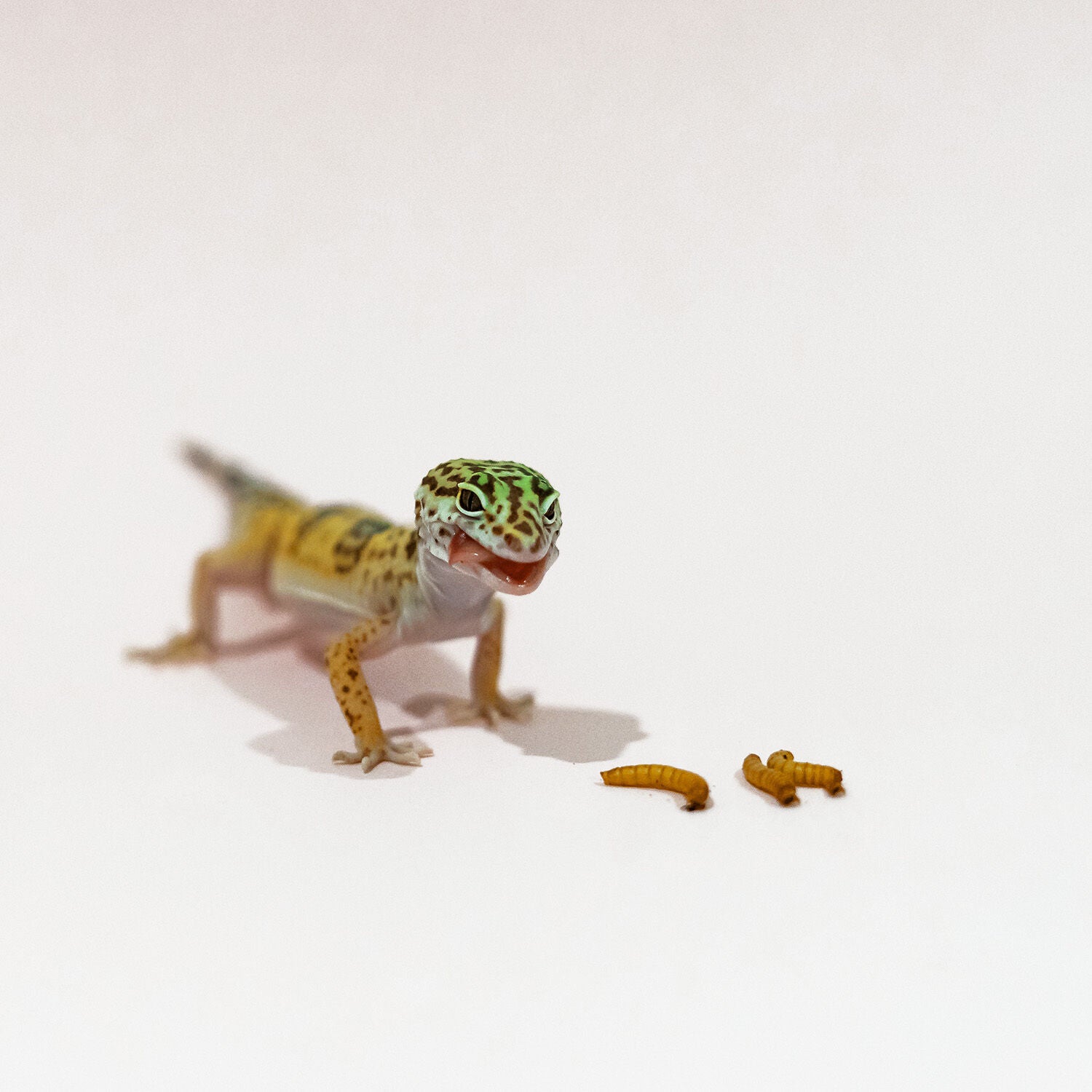
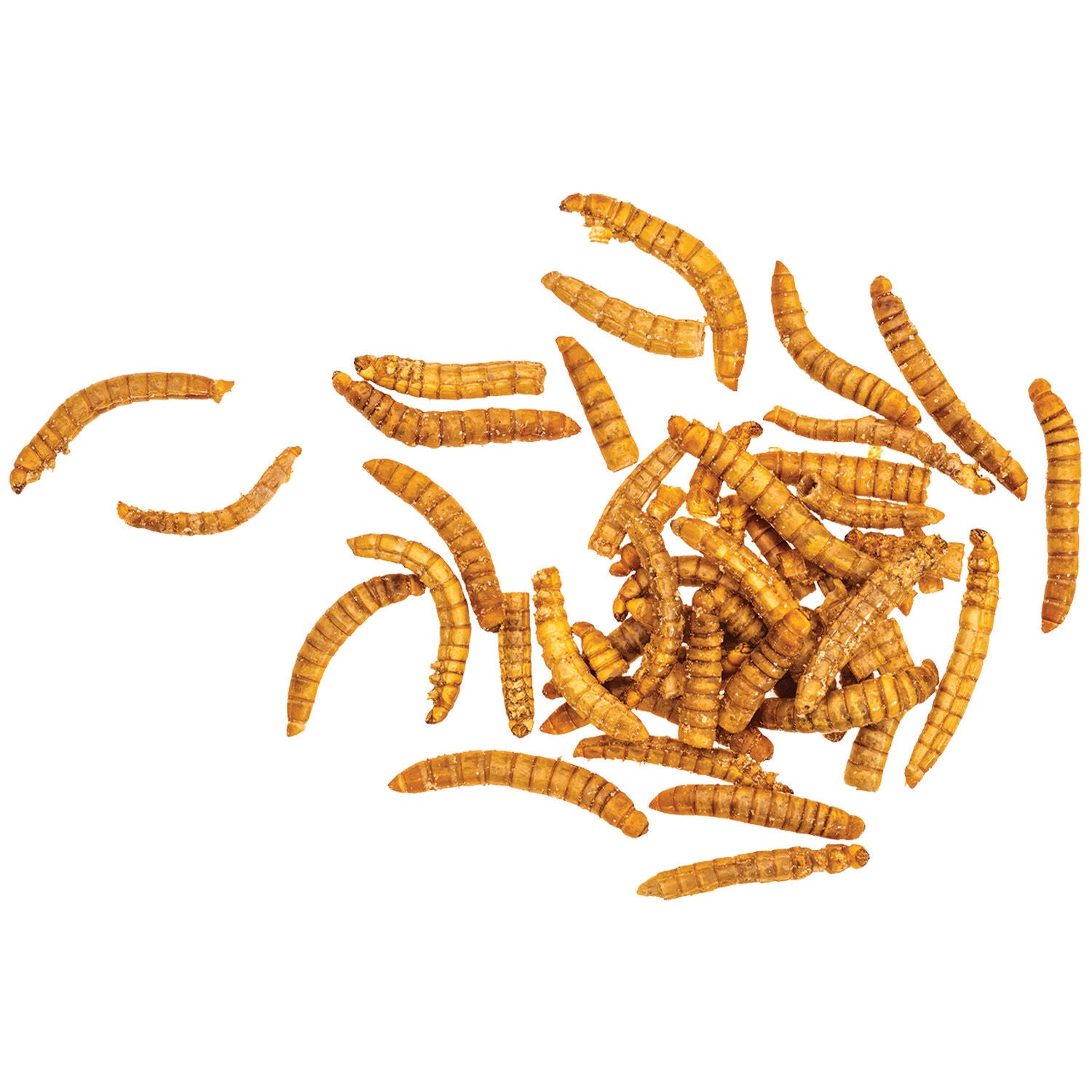
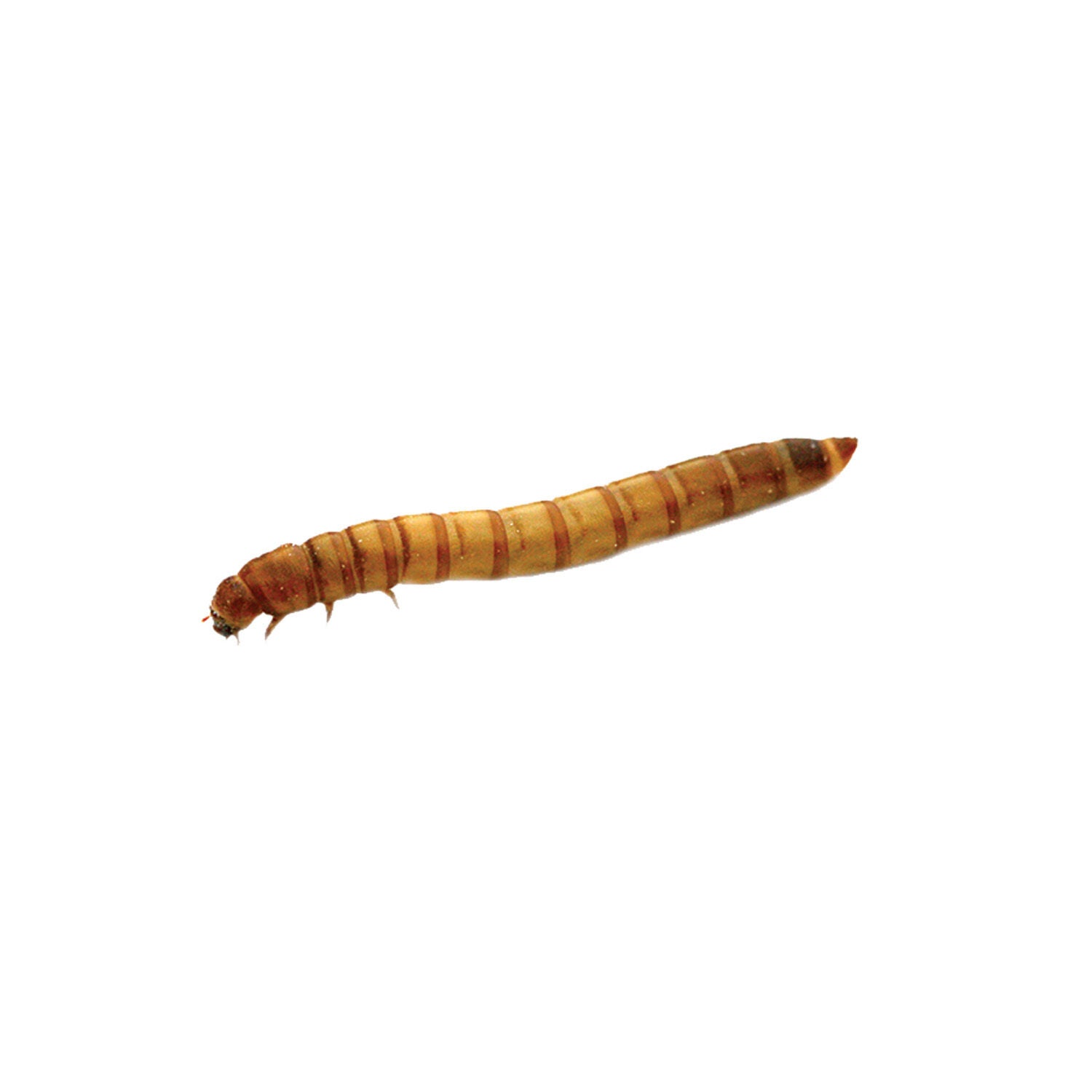
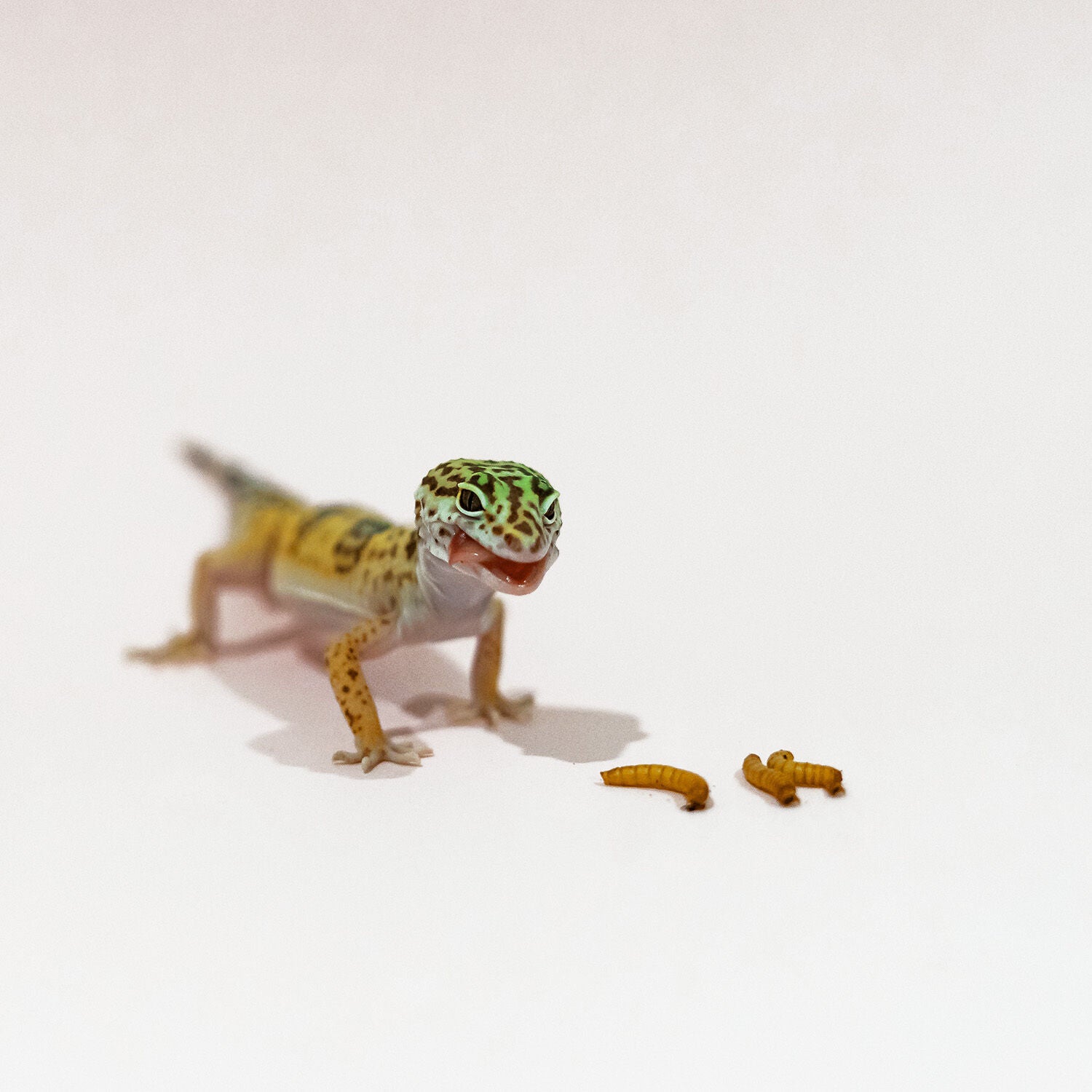
Mealworms are a great choice for your reptile, amphibian and bird. Easy to store in the refrigerator. For long lasting healthy worms, remove from refrigerator for twenty four hours and feed chopped apple pieces or other moisture source.


Product Details
Product Description
Product Description
Mealworms are a great choice for your reptile, amphibian and bird. Easy to store in the refrigerator. For long lasting healthy worms, remove from refrigerator for twenty four hours and feed chopped apple pieces or other moisture source.
Feeding Instructions
Feeding Instructions
Quantity: Incorporate a few mealworms per feeding session, starting with 3-5 mealworms. Adjust the quantity based on your pet’s size, health, and dietary needs.
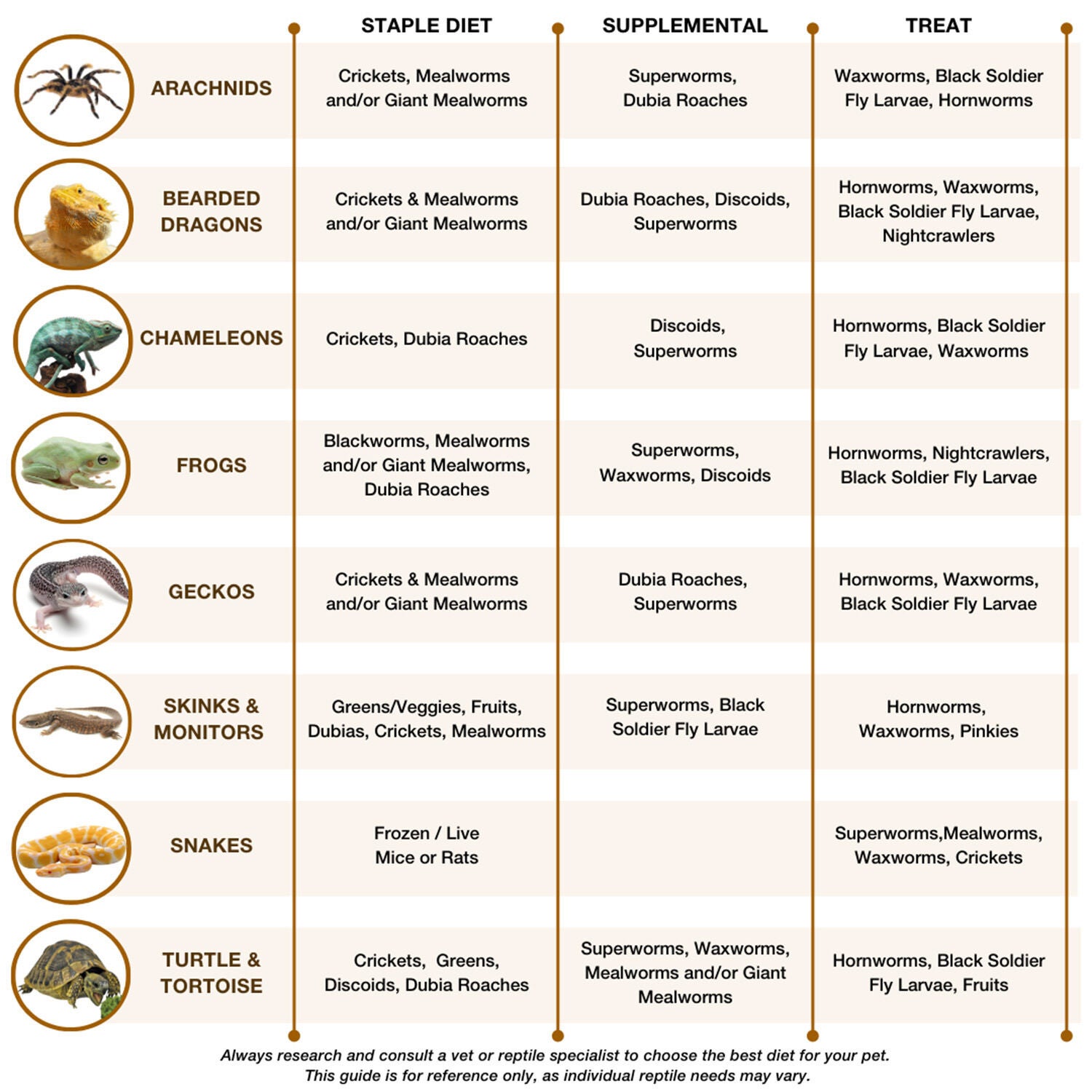
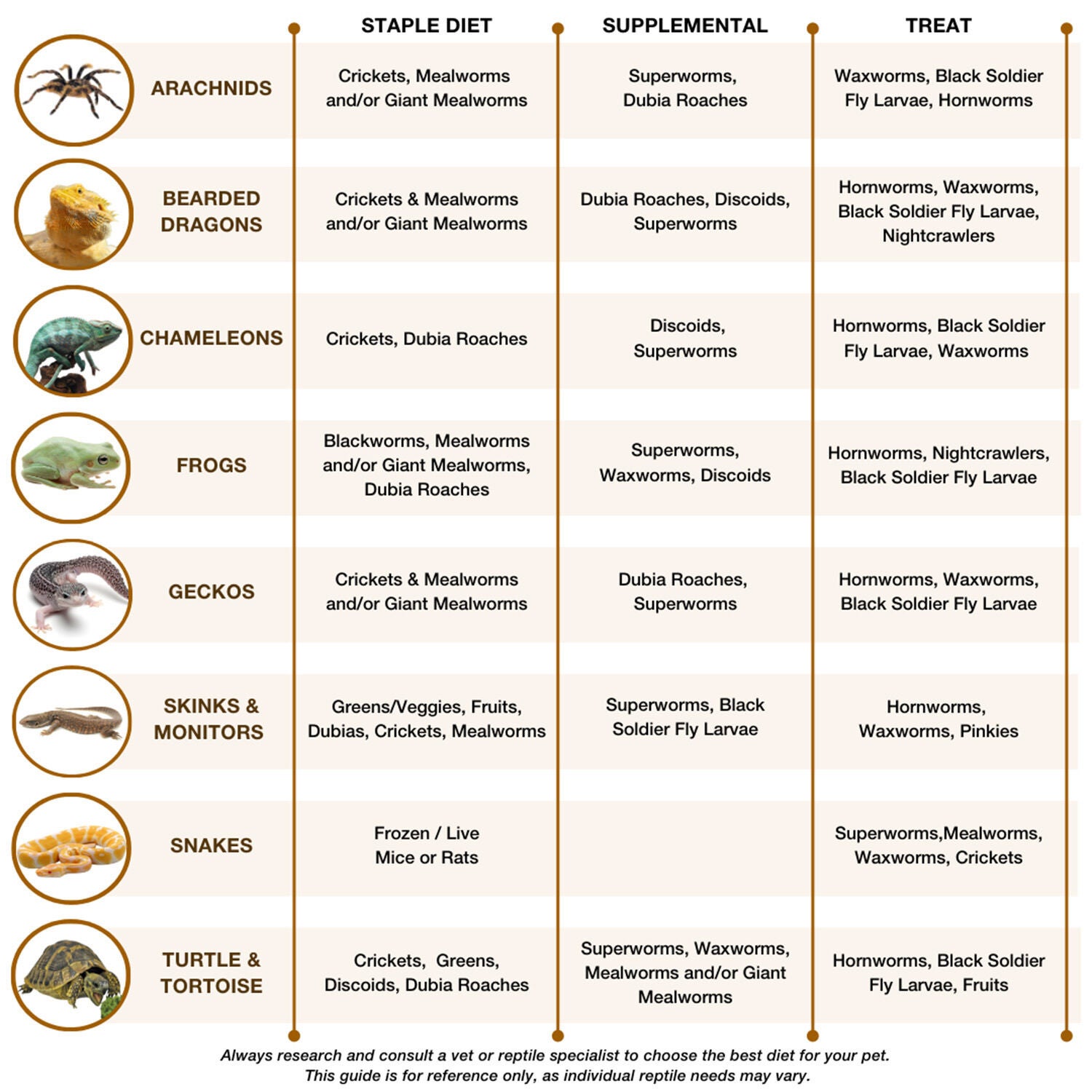
Frequency: Feed mealworms to your reptile around 3-5 times a week as part of a varied diet. Mealworms should complement the main dietary needs and not be the sole item in your reptile's diet due to potential nutritional gaps. Include other feeder insects and appropriate food items to provide a balanced diet.
Preparation: Ensure the mealworms are gut-loaded by providing them with nutritious foods such as bran, oats, and slices of fruits and vegetables like apples, carrots, and potatoes for at least 24 hours before feeding. This enhances their nutritional value for your reptile.
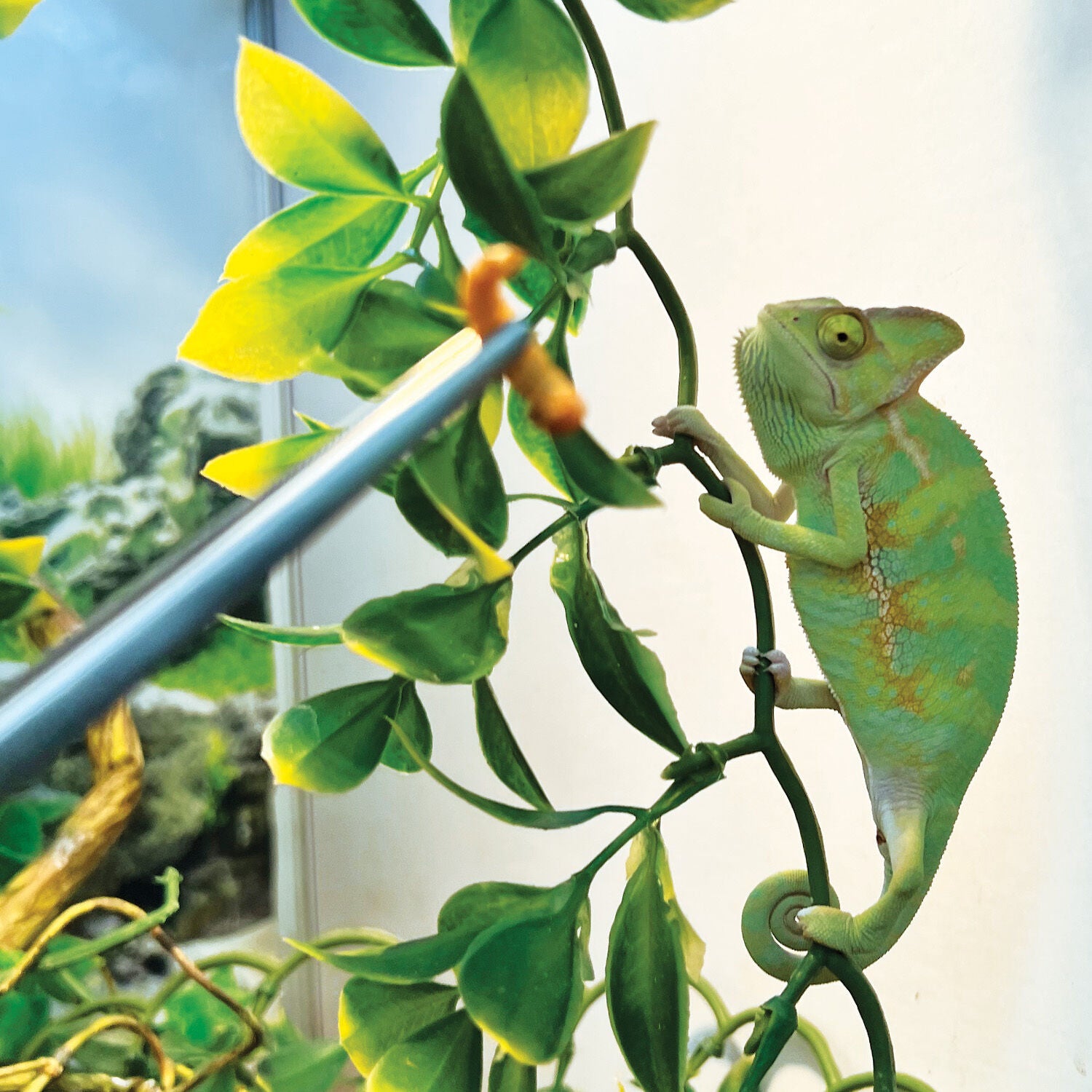
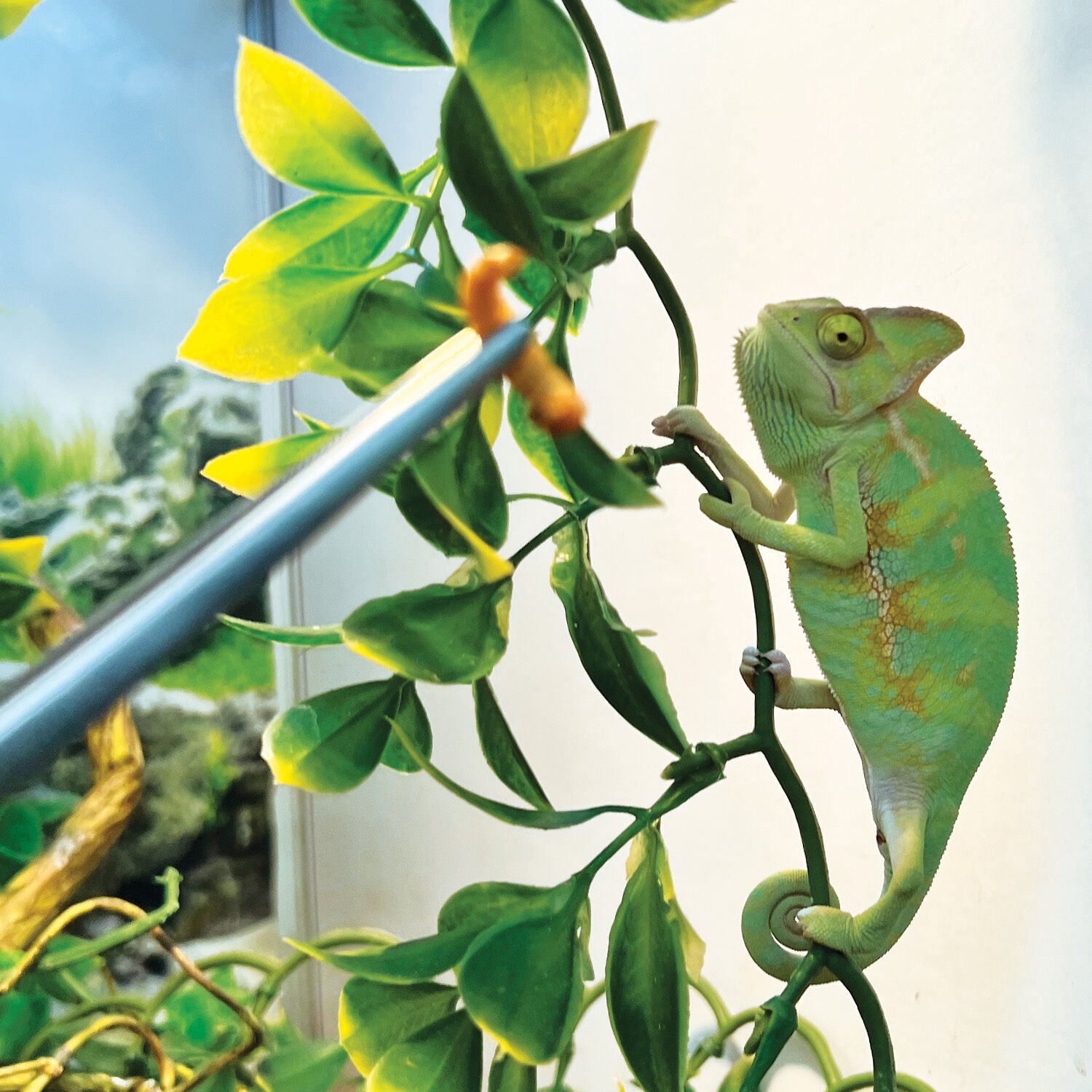
Presentation: Use feeding tongs to pick up a mealworm and present it to your reptile. Wiggle the worm slightly to stimulate your reptile's feeding response. Ensure the mealworm is properly grasped by your reptile before releasing it.
Monitoring: Observe your reptile during and after feeding to ensure they consume the mealworms safely. Monitor their health and behavior closely, and adjust the quantity and frequency of mealworms as needed to ensure a balanced intake of nutrients. Remove any uneaten mealworms to prevent them from burrowing into the substrate and potentially harming your reptile.
Habitat and Care
Habitat and Care
Habitat and Care
Housing: Keep mealworms in a ventilated container with a substrate such as wheat bran or oatmeal to maintain cleanliness and provide a food source. Ensure the container is spacious enough to prevent overcrowding and stress among the worms.
Temperature: Store at temperatures between 45-55°F to naturally slow their metabolism and prolong their lifespan. Periodically allow the mealworms to warm up to room temperature and feed them to reactivate their digestive processes.
Feeding: Provide the mealworms with fresh vegetable slices like carrots or apples every week to maintain their nutrition and hydration. This not only keeps the worms healthy but also enhances their nutritional value when fed to your pets.
Hydration: Mealworms typically obtain moisture from their feed, but additional sources like vegetables can help ensure they are sufficiently hydrated, making them a more nutritious and appealing food source.
Mealworms are a great choice for your reptile, amphibian and bird. Easy to store in the refrigerator. For long lasting healthy worms, remove from refrigerator for twenty four hours and feed chopped apple pieces or other moisture source.
Quantity: Incorporate a few mealworms per feeding session, starting with 3-5 mealworms. Adjust the quantity based on your pet’s size, health, and dietary needs.
Frequency: Feed mealworms to your reptile around 3-5 times a week as part of a varied diet. Mealworms should complement the main dietary needs and not be the sole item in your reptile's diet due to potential nutritional gaps. Include other feeder insects and appropriate food items to provide a balanced diet.
Preparation: Ensure the mealworms are gut-loaded by providing them with nutritious foods such as bran, oats, and slices of fruits and vegetables like apples, carrots, and potatoes for at least 24 hours before feeding. This enhances their nutritional value for your reptile.
Presentation: Use feeding tongs to pick up a mealworm and present it to your reptile. Wiggle the worm slightly to stimulate your reptile's feeding response. Ensure the mealworm is properly grasped by your reptile before releasing it.
Monitoring: Observe your reptile during and after feeding to ensure they consume the mealworms safely. Monitor their health and behavior closely, and adjust the quantity and frequency of mealworms as needed to ensure a balanced intake of nutrients. Remove any uneaten mealworms to prevent them from burrowing into the substrate and potentially harming your reptile.
Habitat and Care
Housing: Keep mealworms in a ventilated container with a substrate such as wheat bran or oatmeal to maintain cleanliness and provide a food source. Ensure the container is spacious enough to prevent overcrowding and stress among the worms.
Temperature: Store at temperatures between 45-55°F to naturally slow their metabolism and prolong their lifespan. Periodically allow the mealworms to warm up to room temperature and feed them to reactivate their digestive processes.
Feeding: Provide the mealworms with fresh vegetable slices like carrots or apples every week to maintain their nutrition and hydration. This not only keeps the worms healthy but also enhances their nutritional value when fed to your pets.
Hydration: Mealworms typically obtain moisture from their feed, but additional sources like vegetables can help ensure they are sufficiently hydrated, making them a more nutritious and appealing food source.