8 Results
|

Goldfish Food for Pond

Goldfish Food for Pond

8 Results
No products found for selected filters. Please try with different filters.
$2.99 - $13.99
$29.99 - $52.99
$4.17 - $7.37
$7.37
$11.49
$14.99
$9.49 - $58.99
$17.99

You May Also Like

$8.49
$7.49 - $15.99
$4.49
$7.99
$7.49 - $22.99
$4.49 - $19.99
$12.99
$13.49
$13.49 - $21.49
$9.99
$6.99
$5.67

About Goldfish Food for Pond

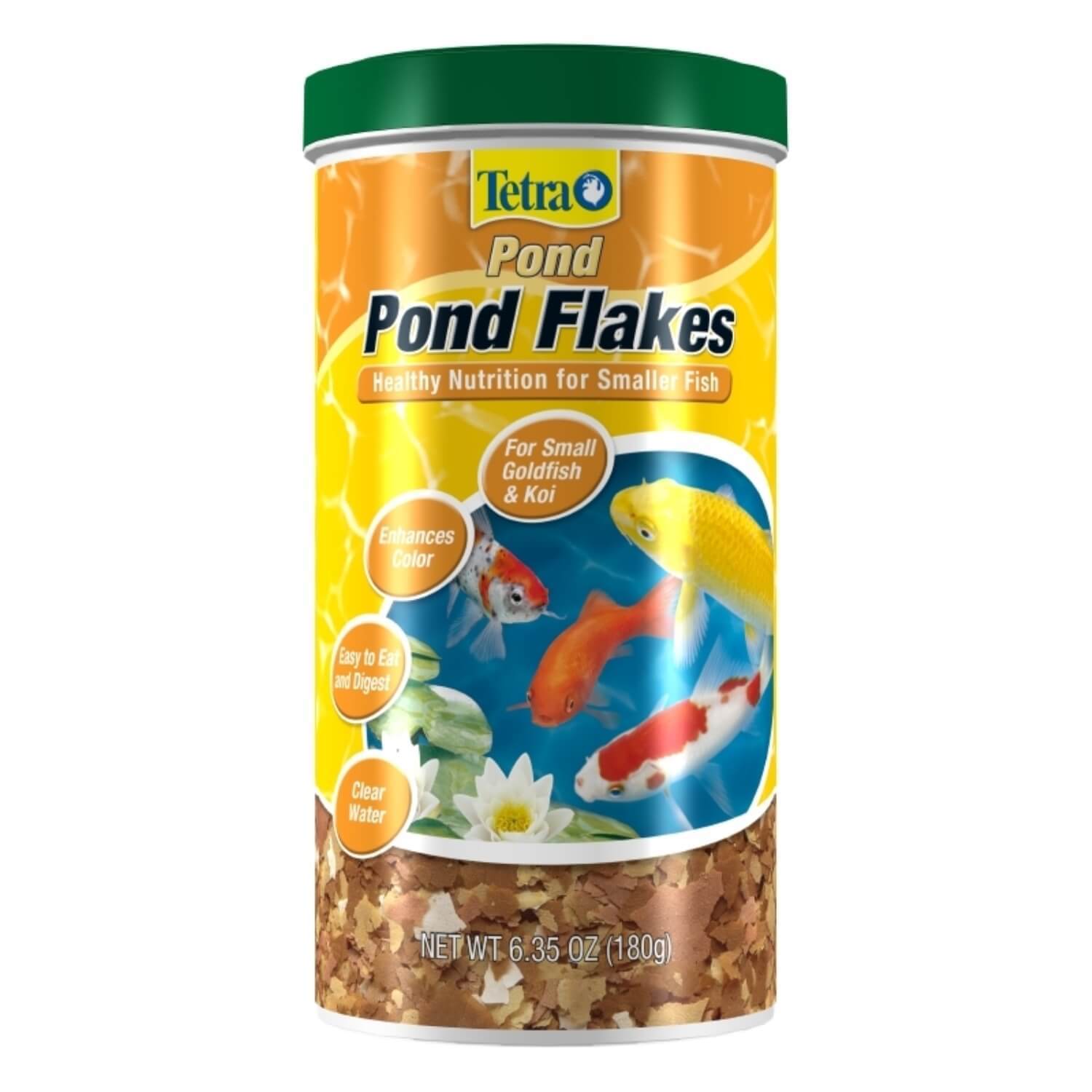
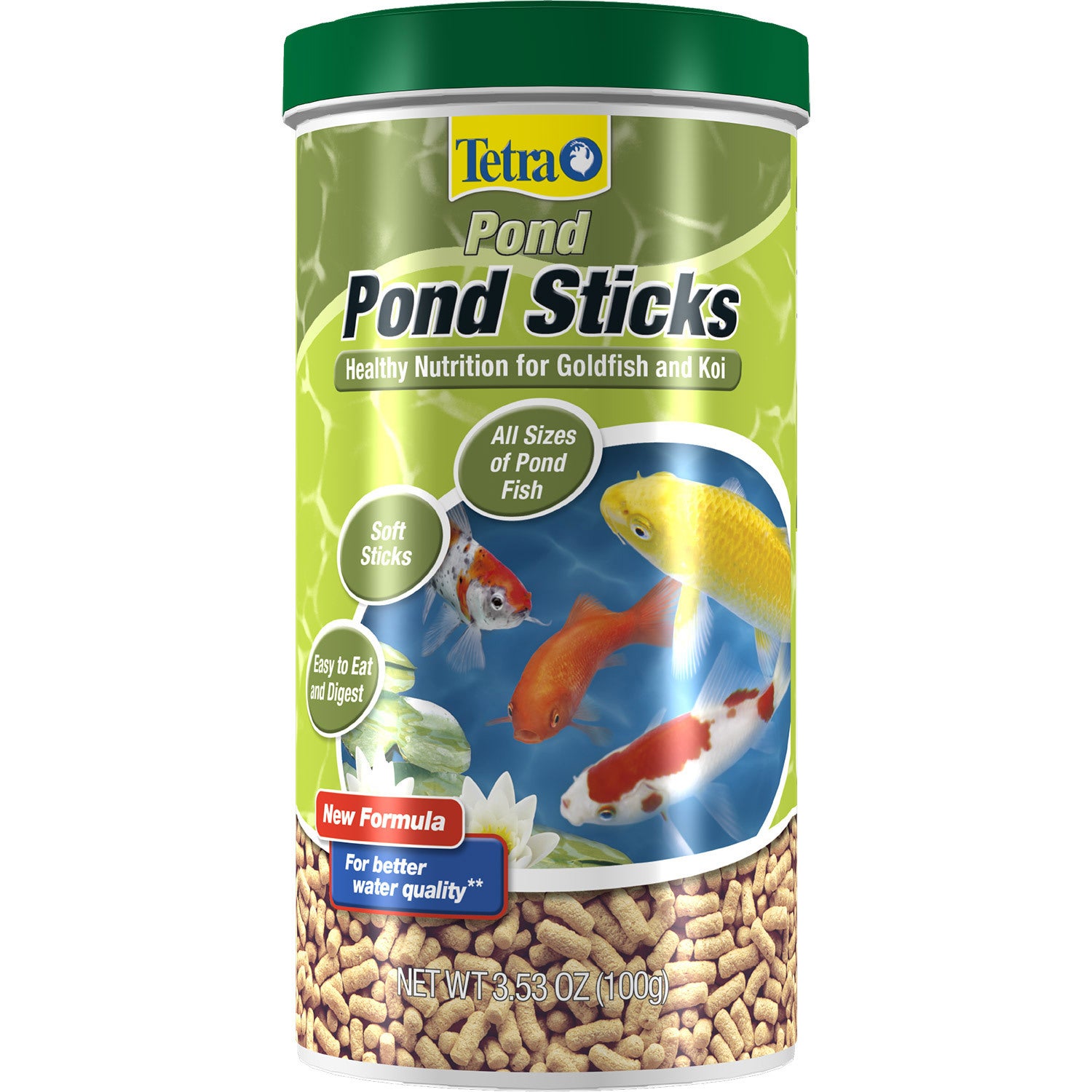
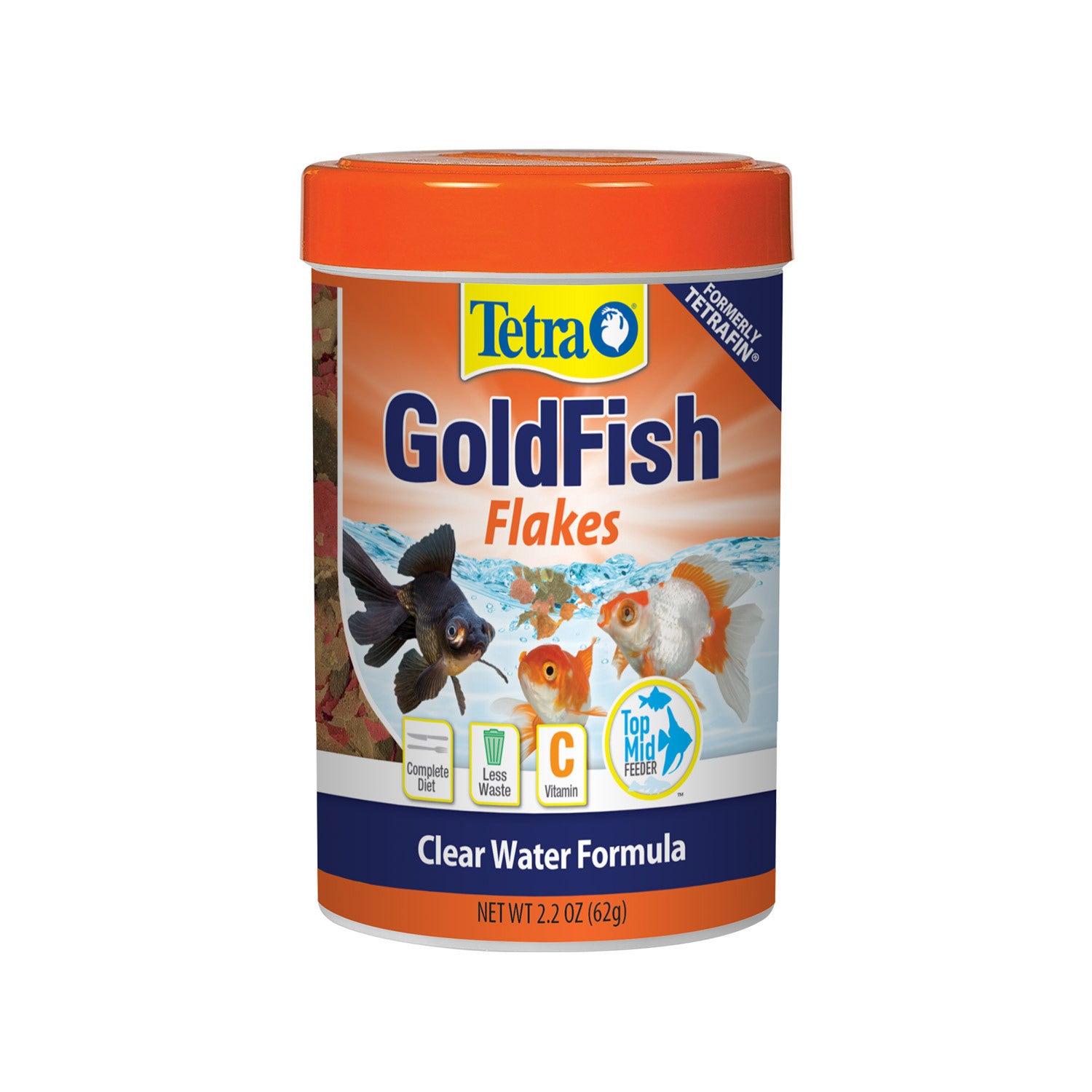
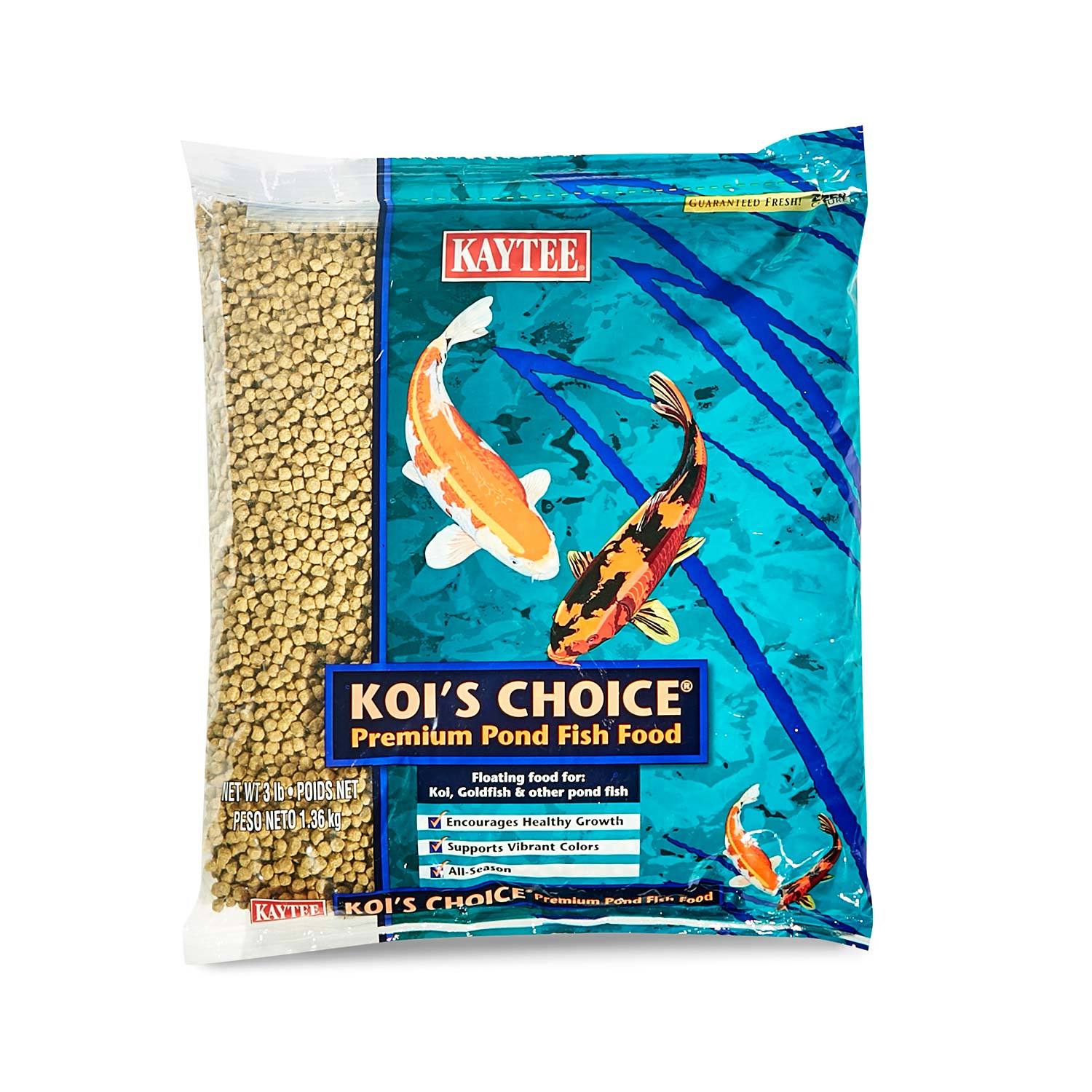
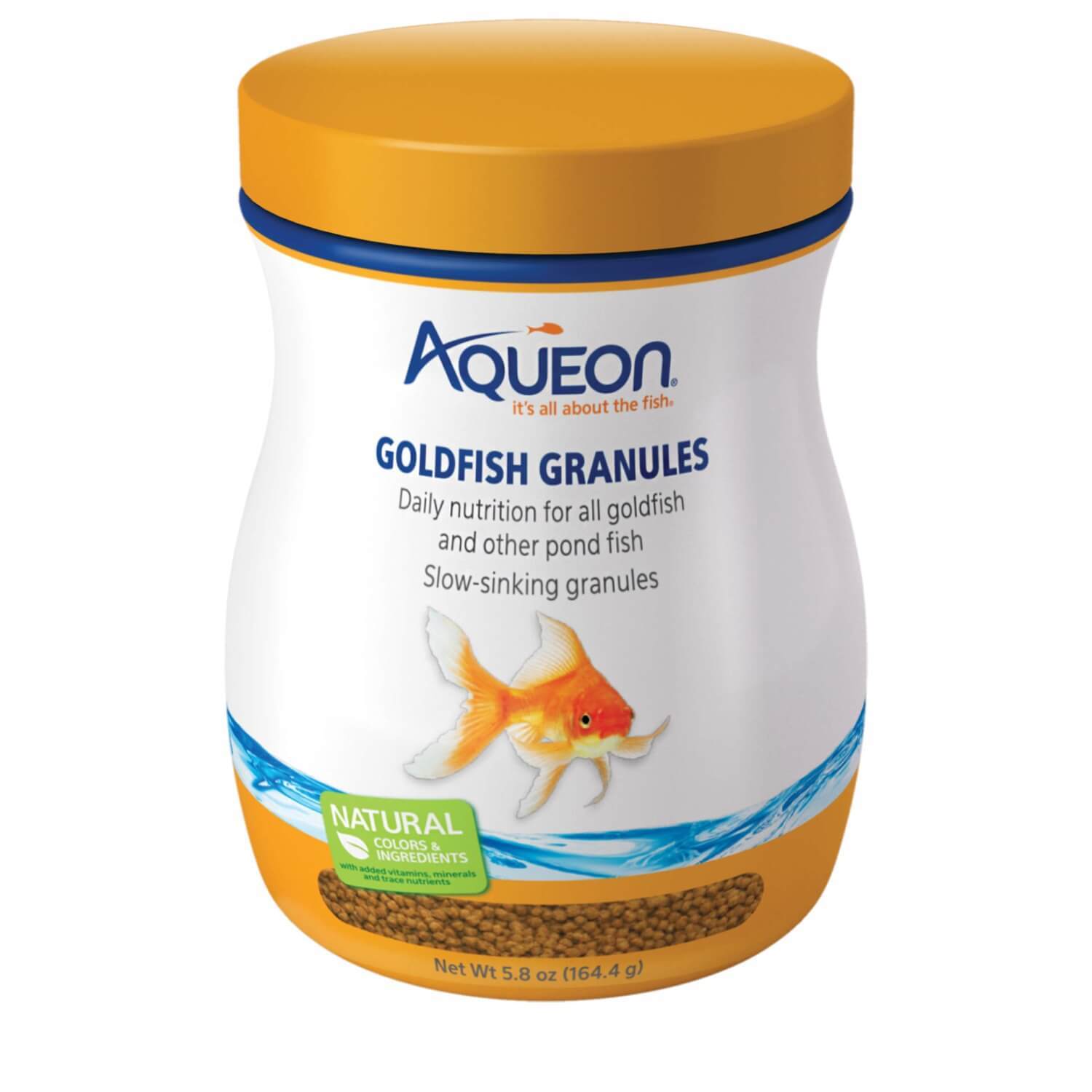
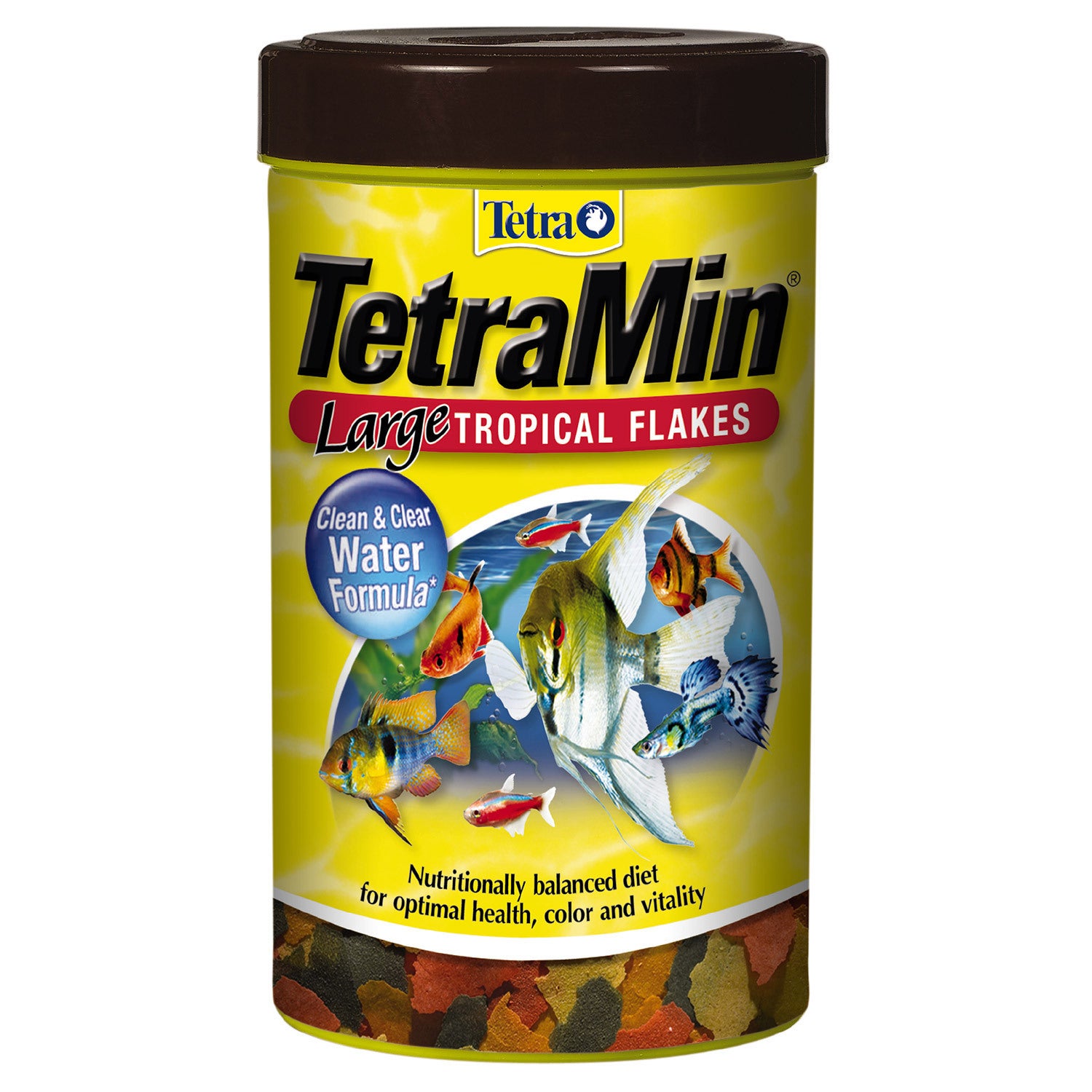
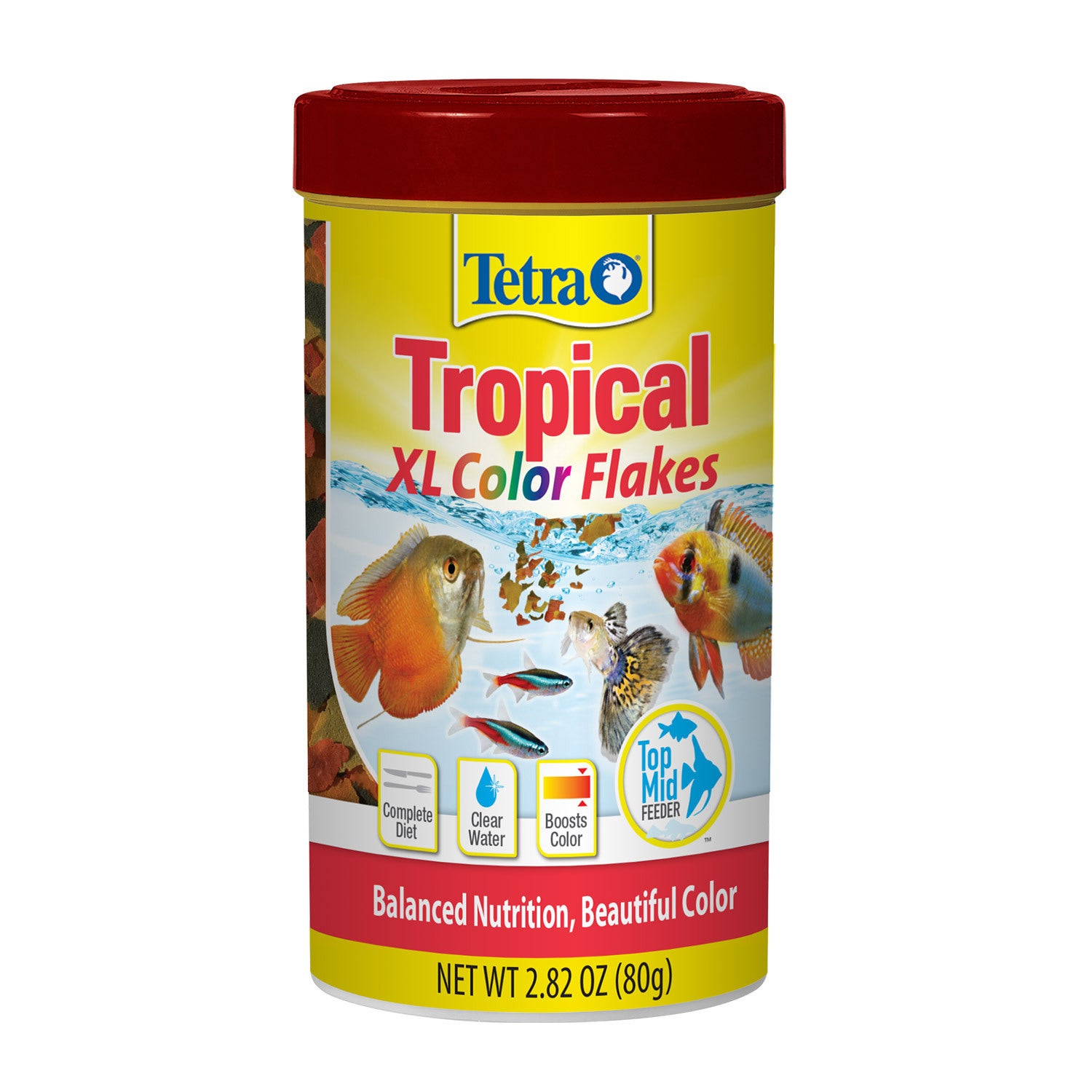
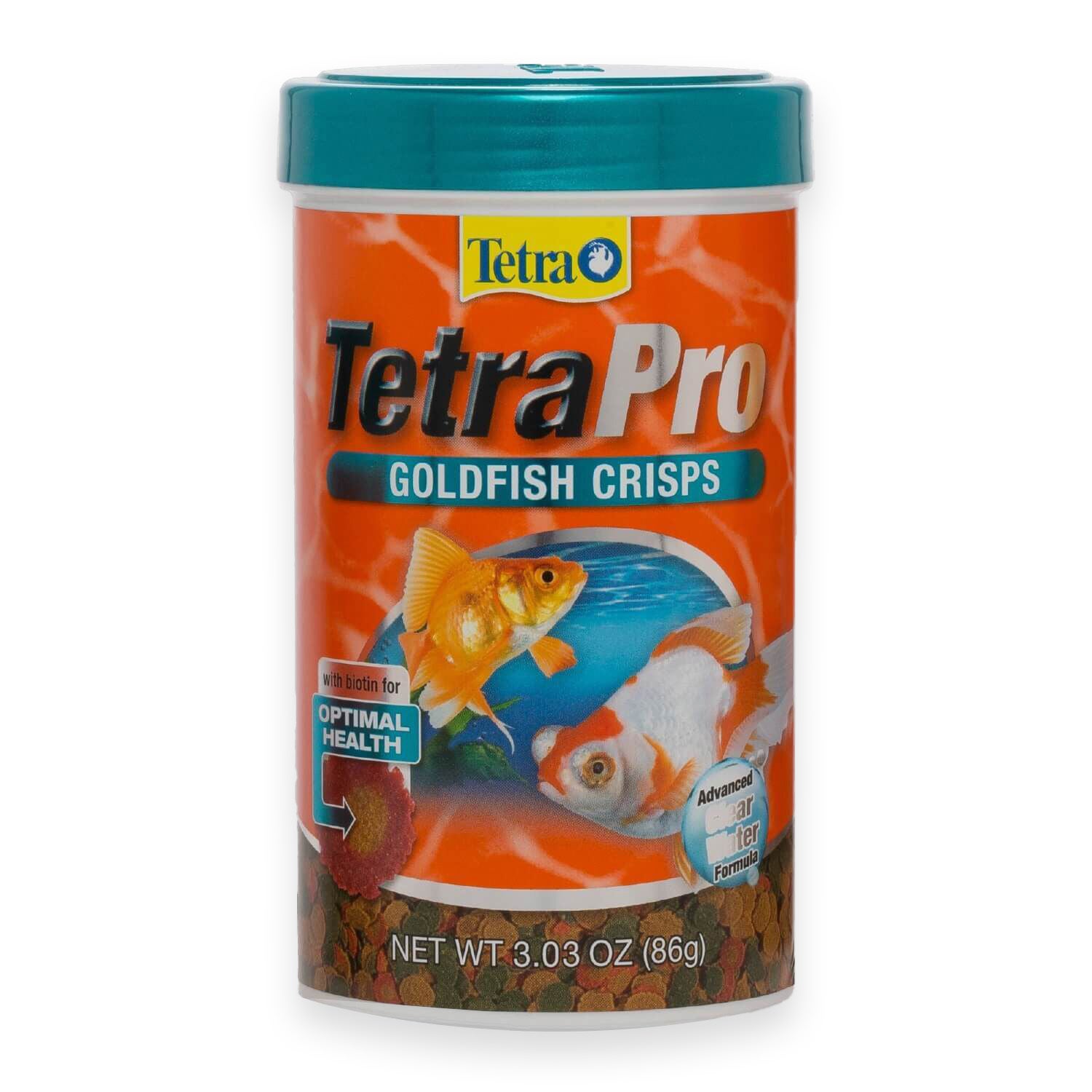
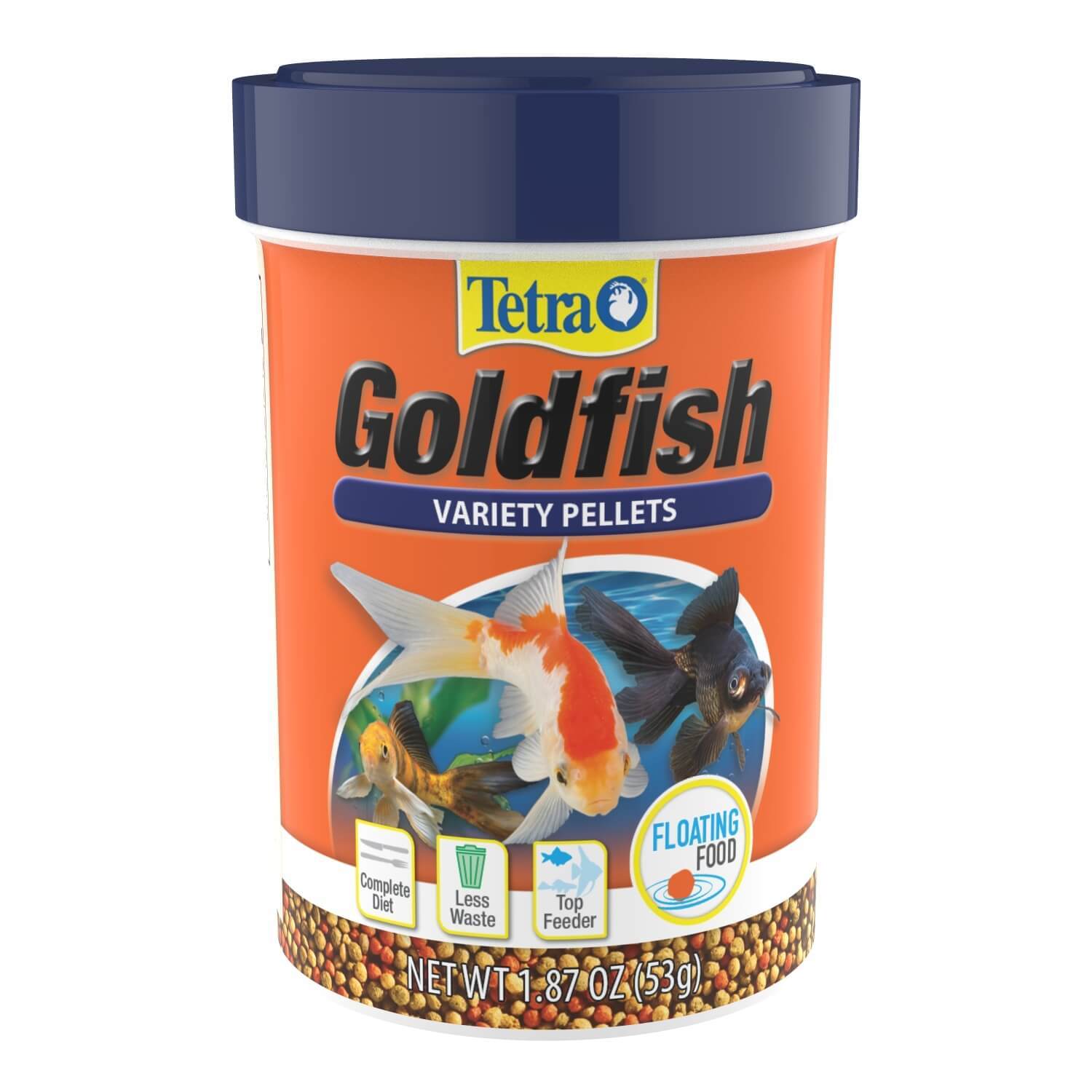
Goldfish food for ponds is specifically designed to meet the nutritional needs of goldfish and other pond-dwelling fish, ensuring they thrive in their aquatic environment. These foods come in various forms, including flakes, pellets, and sticks, providing a balanced diet rich in essential vitamins, minerals, and proteins. Formulated to enhance color, promote growth, and support overall health, these foods are ideal for maintaining a vibrant and active pond ecosystem.

Whether you have a small backyard pond or a larger water feature, selecting the right goldfish food is crucial for your fish's well-being. Many options are designed to float, allowing fish to feed naturally at the surface, while others sink to cater to bottom feeders. With high-quality ingredients that are easily digestible, goldfish food for ponds helps reduce waste and maintain water clarity, contributing to a healthier pond environment.

What type of food is best for goldfish in a pond?

  • High-quality goldfish food specifically formulated for ponds is best, as it provides balanced nutrition and is designed to meet the dietary needs of goldfish in an outdoor setting.

How often should I feed goldfish in a pond?

  • Goldfish should be fed 1-2 times a day, offering only as much food as they can consume in a few minutes to prevent overfeeding and maintain water quality.

Can goldfish eat regular fish food?

  • While goldfish can eat regular fish food, it is best to provide food specifically formulated for goldfish to ensure they receive the right nutrients for their health and growth.

Is it necessary to feed goldfish in the winter?

  • In winter, when water temperatures drop significantly, goldfish enter a state of reduced activity and may not require feeding. If the water temperature is below 50°F, it’s best to stop feeding them until spring.

What are the signs of overfeeding goldfish?

  • Signs of overfeeding include uneaten food floating on the surface, cloudy water, and fish exhibiting lethargy or swimming erratically. Monitoring feeding habits can help prevent these issues.