7 Results
|

Beef Trachea for Dogs

Beef Trachea for Dogs

7 Results
No products found for selected filters. Please try with different filters.
$7.99
$7.49
$3.99
$4.99
$9.99
$4.97
$6.97

You May Also Like

$1.39
$6.49
$1.99
$11.99
$2.49
$3.99
$28.99
$5.99
$6.49 - $11.99
$3.99
$4.99
$3.49

About Beef Trachea for Dogs

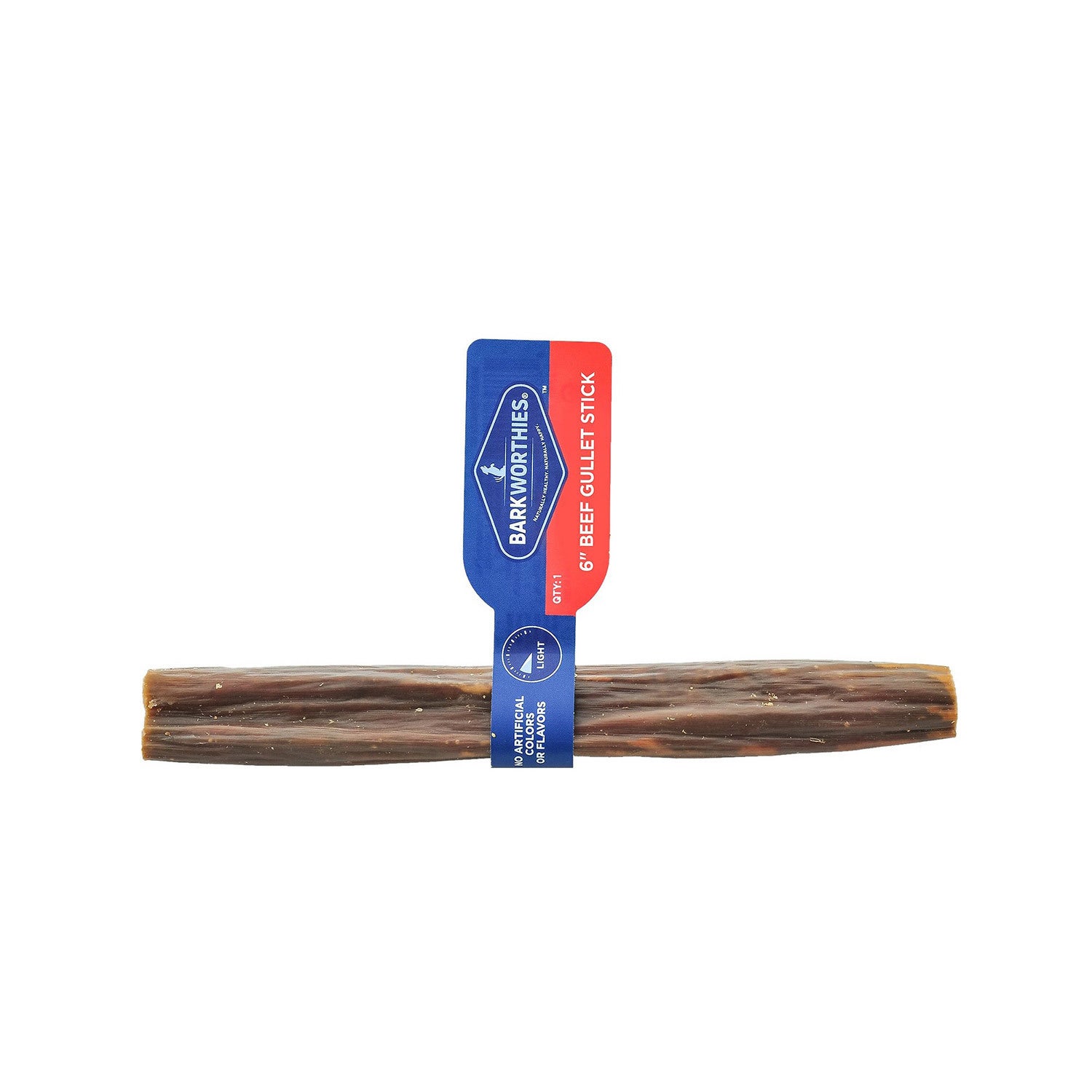
Beef trachea for dogs is a highly nutritious and flavorful chew that provides a satisfying experience for your furry friend. Rich in protein and essential nutrients, these natural treats are not only delicious but also promote dental health by helping to reduce plaque and tartar buildup as dogs chew. The unique texture of beef trachea encourages chewing, which can keep your dog engaged and entertained for hours.

These treats are ideal for dogs of all sizes and can be used as a reward during training or simply as a tasty snack. With their high digestibility and low-fat content, beef trachea is a great option for maintaining a balanced diet while satisfying your dog's natural chewing instincts. Plus, they are free from artificial additives, ensuring that your pet enjoys a wholesome and healthy treat.

What are the benefits of beef trachea for dogs?

  • Beef trachea provides a rich source of protein and essential nutrients, supports dental health, and satisfies your dog's natural chewing instincts.

Is beef trachea safe for dogs to eat?

  • Yes, beef trachea is safe for dogs when given in moderation. It is a natural treat that is easily digestible and free from harmful additives.

How often can I give my dog beef trachea?

  • Beef trachea can be given as an occasional treat or reward, but it’s best to limit the frequency to avoid excessive calorie intake. Always monitor your dog while they chew.

Can beef trachea help with my dog's dental health?

  • Yes, chewing on beef trachea can help reduce plaque and tartar buildup, promoting better dental health as your dog gnaws on the treat.

Are there any allergens in beef trachea?

  • Beef trachea is generally hypoallergenic, but if your dog has specific allergies or sensitivities, it's best to consult with your veterinarian before introducing new treats.