Why Pet Birds Need a Variety of Toys:
Keep Their Beaks Busy & Minds Sharp

Birds are brilliant. They’re curious, active, and social animals with instincts that don’t disappear just because they live indoors. That’s why the toys you choose for your pet bird play a big role in their happiness and health.
At Pet Supermarket, we believe playtime isn’t optional — it’s essential. The right mix of bird toys can prevent boredom, promote mental and physical stimulation, and support natural behaviors like foraging, preening, and shredding.
Why Do Birds Need Toys?
In the wild, birds spend their days flying, exploring, building nests, finding food, and socializing. Pet birds, on the other hand, spend a lot of their time inside cages—which makes enrichment more important than ever. Toys help fill that gap by:
• Stimulating natural instincts like foraging and nest building
• Encouraging physical activity like climbing, swinging, and chewing
• Supporting mental development and problem-solving skills
• Preventing boredom and behavioral issues like feather-picking or screaming
Just like dogs need walks and cats need scratching posts, birds need toys to thrive.
4 Types of Bird Toys Every Cage Should Have
To keep your bird mentally and physically engaged, variety is key. Here are the main types of bird toys and how they support your feathered friend:
1. Destructible Toys
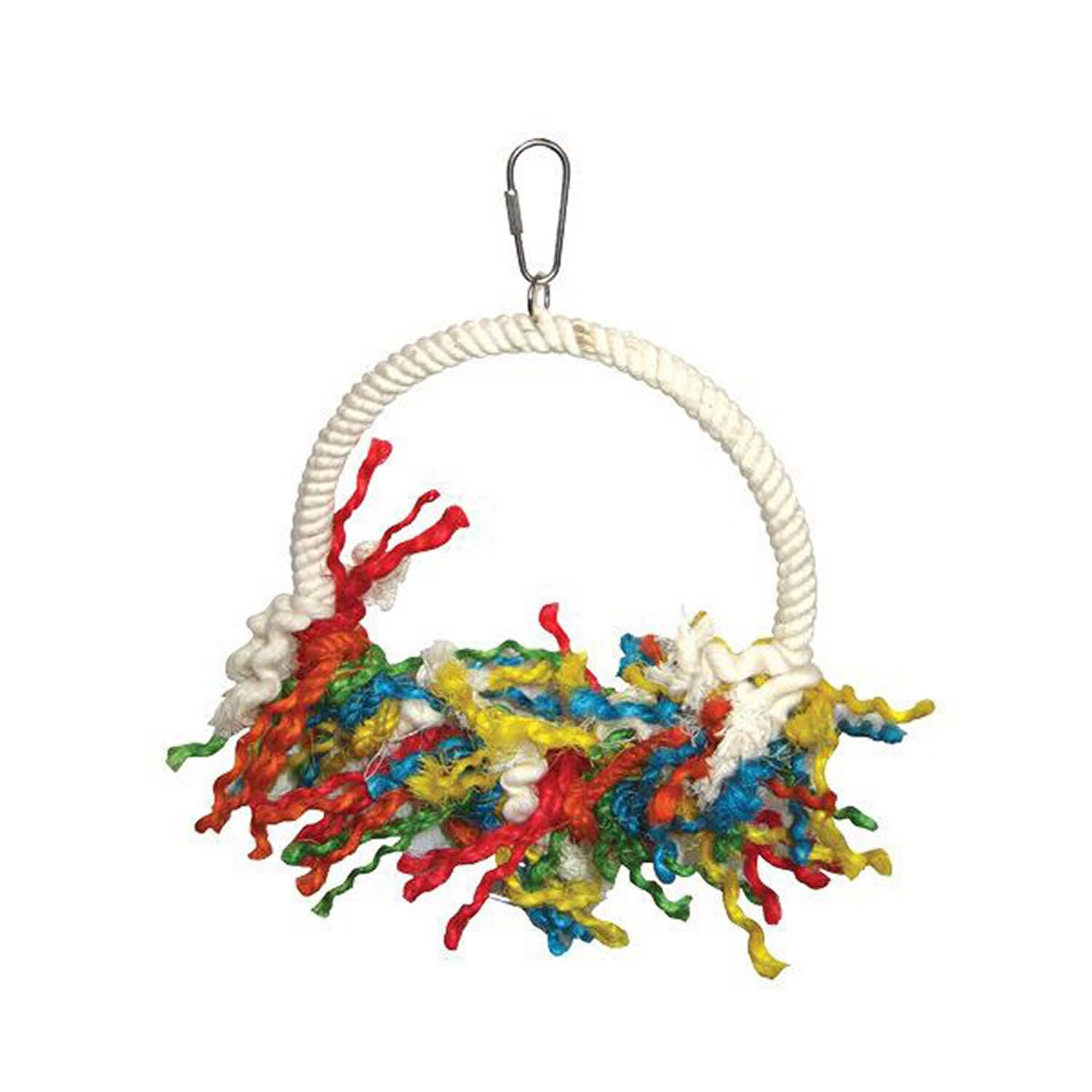
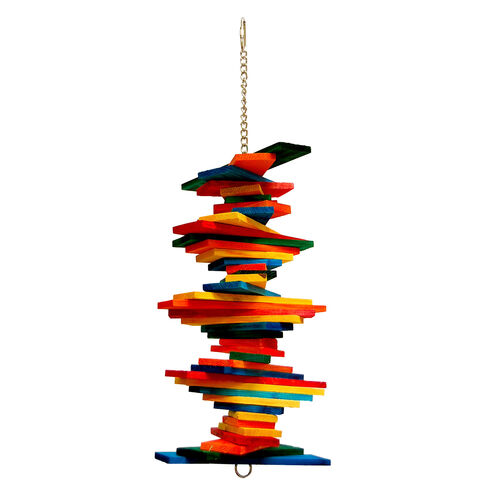
Think wood, sisal, cotton, or paper. These chewable toys allow birds to shred, tear, and chew—helping satisfy their natural beak-work needs. Bonus: chewing also helps with beak health and keeps your bird from gnawing on household items.
Tip: Make sure the toy is sized appropriately—too small can be a choking hazard for larger birds, and too big can overwhelm smaller ones.
2. Foraging Toys
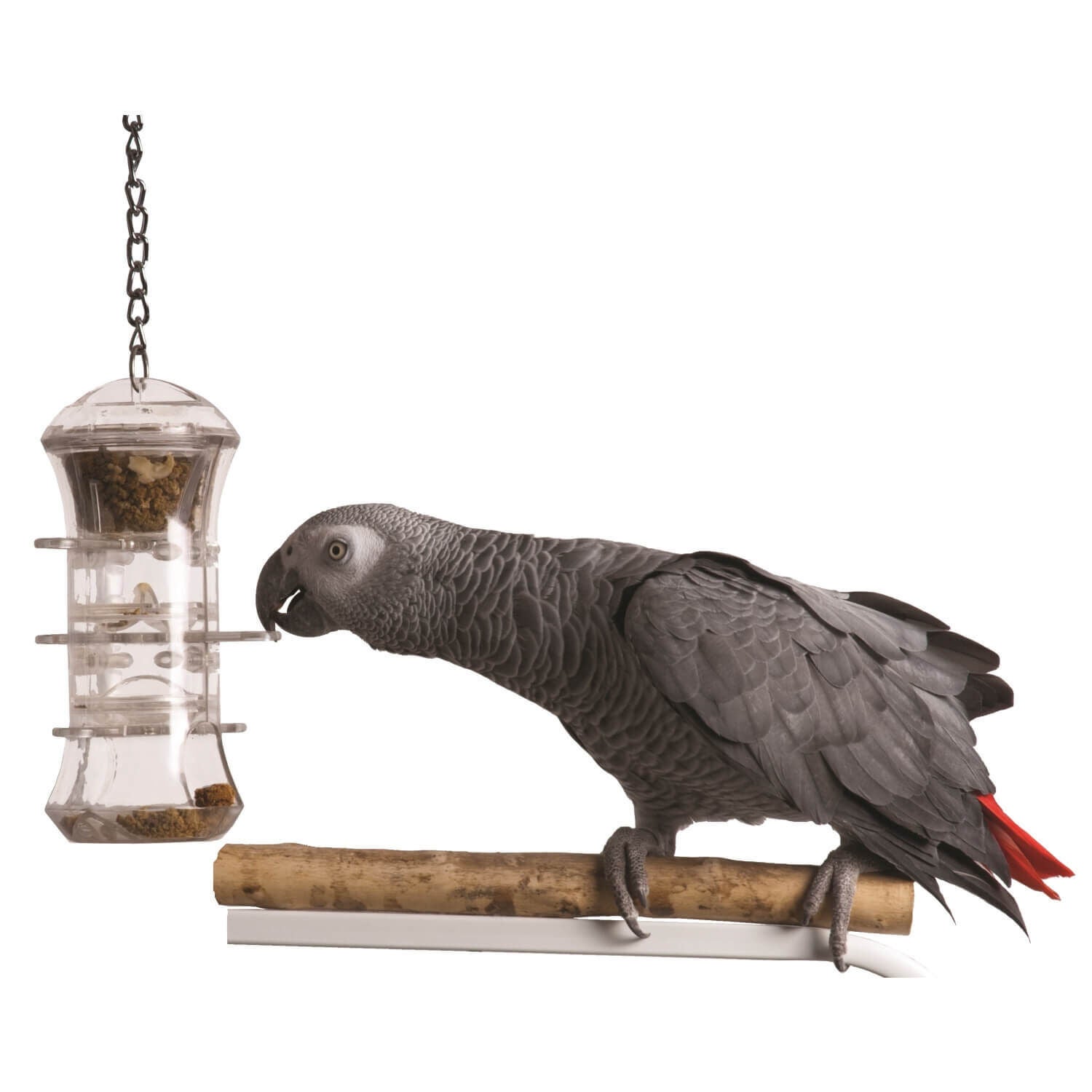
Foraging toys challenge your bird to find treats or food inside puzzles or hidden compartments. These toys tap into a bird’s natural instinct to search for food and encourage daily mental stimulation, which helps prevent obesity and stress.
Mix it up! Include toys with different textures, colors, and levels of difficulty to keep things interesting.
3. Exercise Toys & Accessories
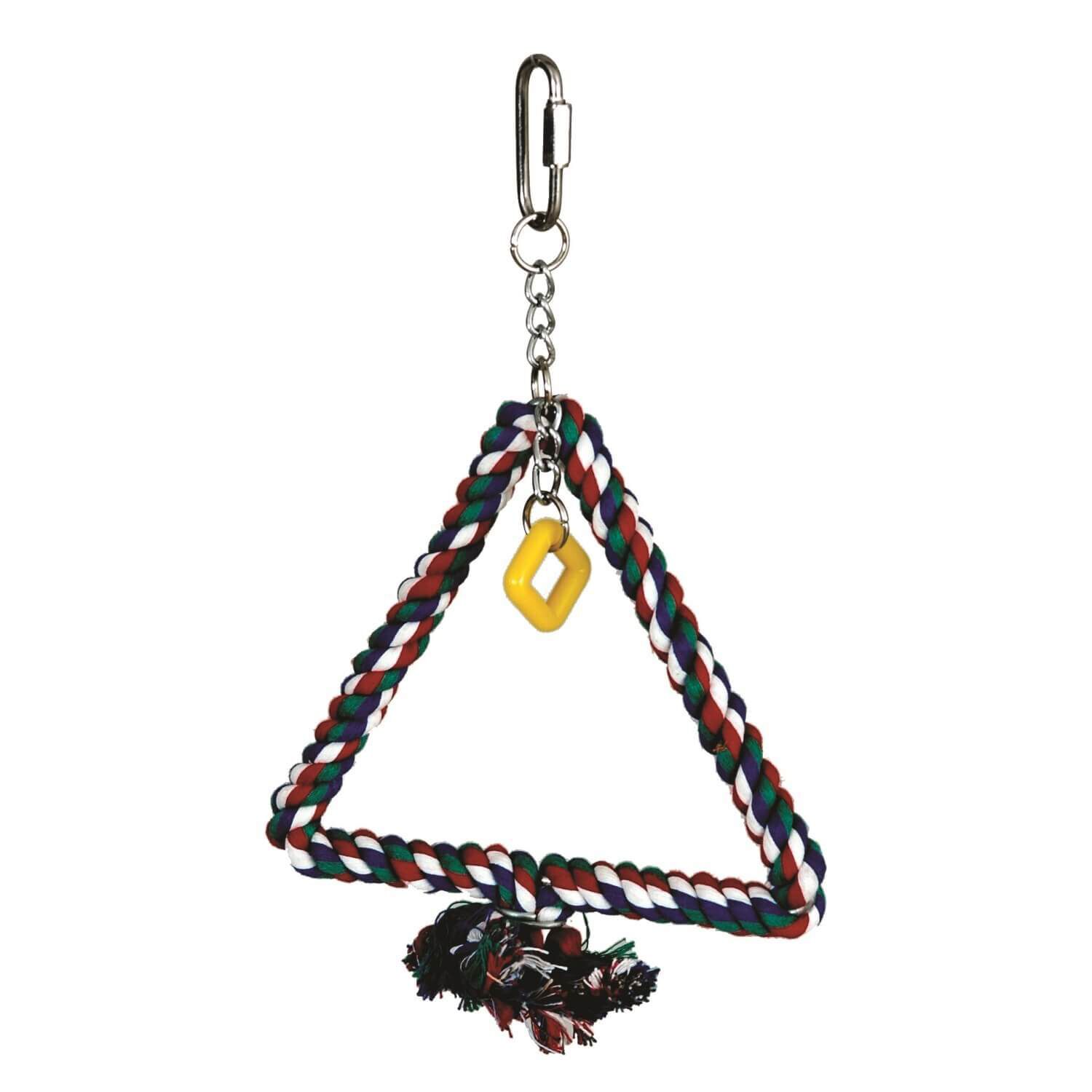
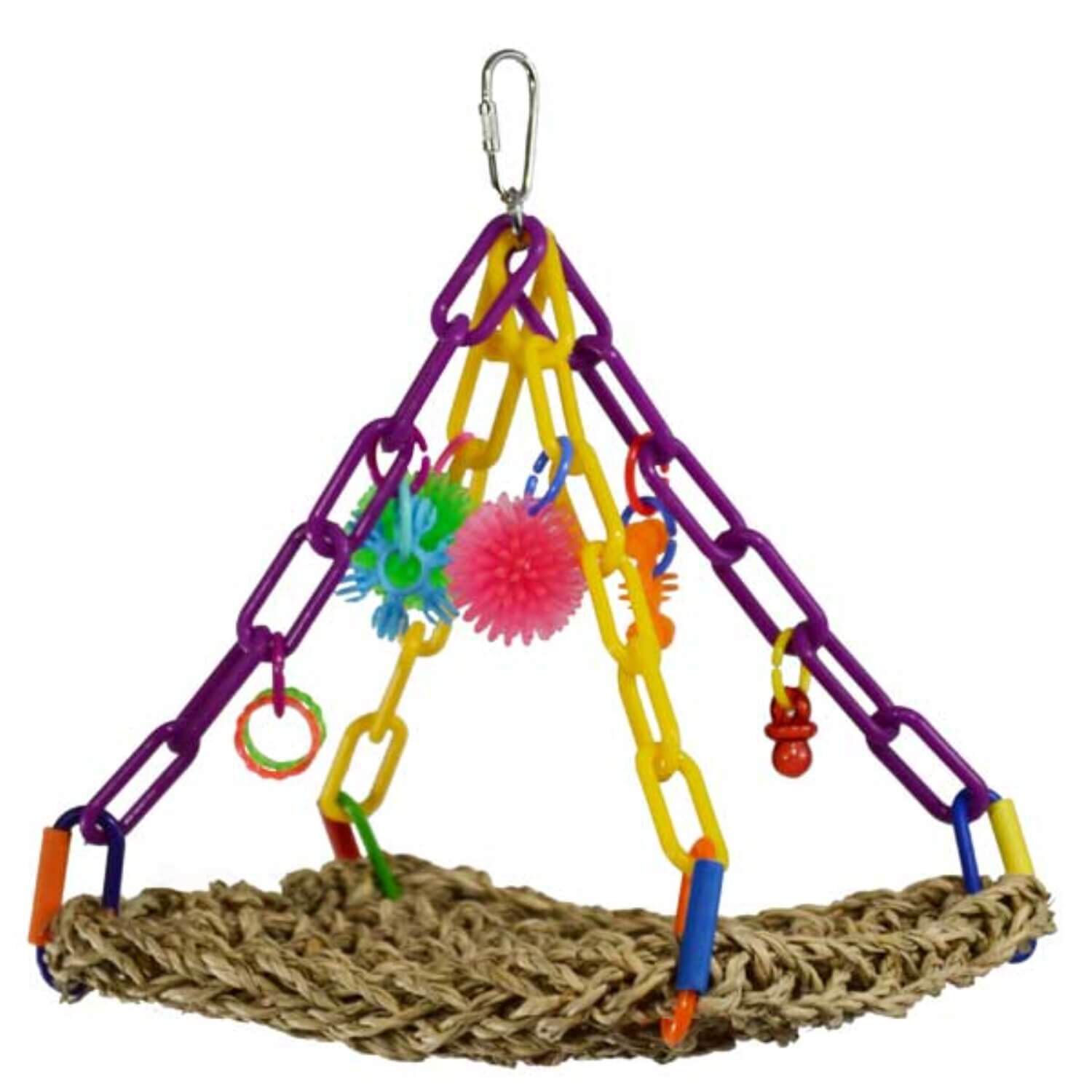
Perches, swings, ladders, and climbing ropes aren’t just fun—they’re functional. Since birds perch all day (and night), movement-based toys encourage physical activity and coordination, which are critical to your bird’s long-term health.
4. Comfort & Preening Toys
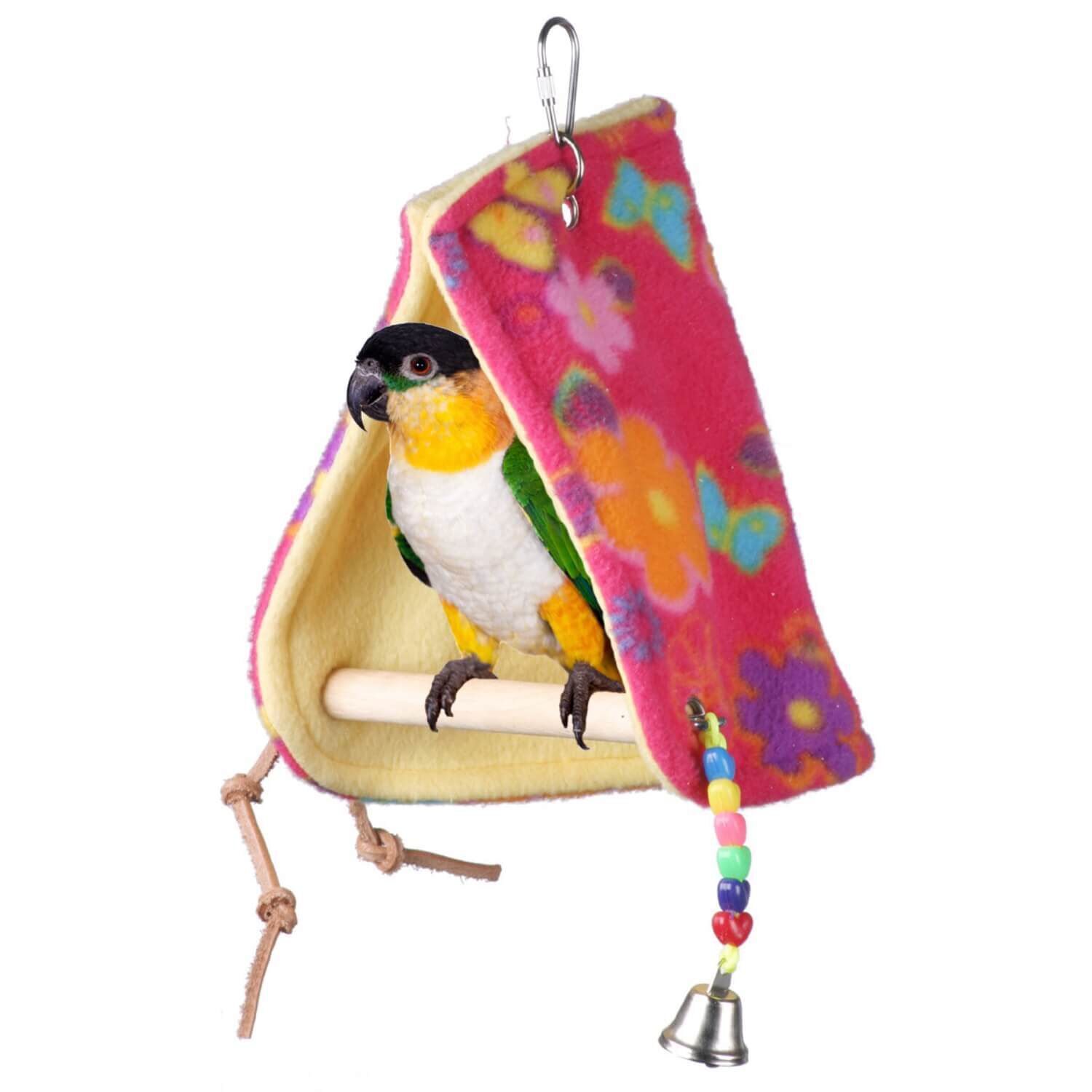
Soft materials or textured surfaces help birds feel secure and allow them to groom and preen. These toys can be especially helpful for birds prone to anxiety or feather-plucking.
How to Choose the Best Bird Toys
Every bird is unique. Some love puzzles; others go wild for wood blocks. Here are a few tips to help you pick the perfect playthings:
• Observe your bird’s personality. Is your bird bold and curious or cautious and shy? Choose toys that match their energy.
• Rotate toys regularly. Even the most loved toys can lose their novelty. Swap in new ones to keep things fresh.
• Check for safety. Avoid toys with loose threads or small parts that could pose a choking hazard. Always supervise your bird with a new toy.
• Mix materials. Natural wood, soft rope, crinkle paper, and bells all provide different forms of enrichment.
And remember: toys that are too worn, frayed, or broken should be replaced. A well-loved toy is a good sign — but safety comes first.
Keep Playtime a Priority
Toys aren’t just entertainment — they’re part of your bird’s daily enrichment routine. From promoting healthy behaviors to preventing boredom and stress, the right mix of toys can help your bird live a fuller, happier life.
We carry a wide variety of safe, stimulating, and bird-approved toys to match every size and personality. Stop by your local store or shop online to find your bird’s next favorite toy.