Mini Lop Ear Bunny
Mini Lop Ear Bunny


Product Details
Product Description
Product Description
- They benefit from daily exercise outside of their enclosure and love to explore in a safe environment.
- Mini Lop rabbits are intelligent and can often be litter trained, making them a great choice for indoor pet owners.
- Life Expectancy: 6–8 years
- Max Size: Up to 3 lbs
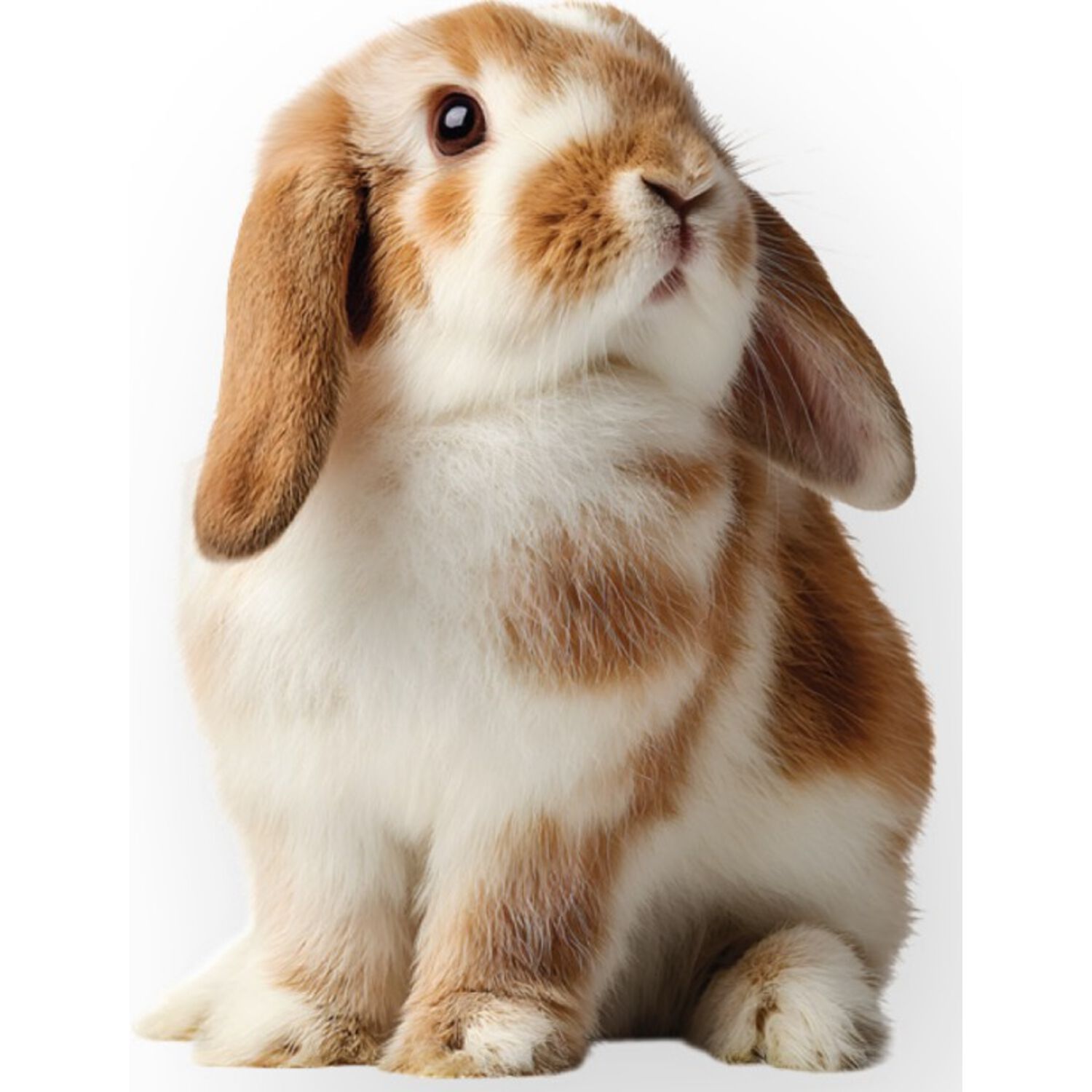
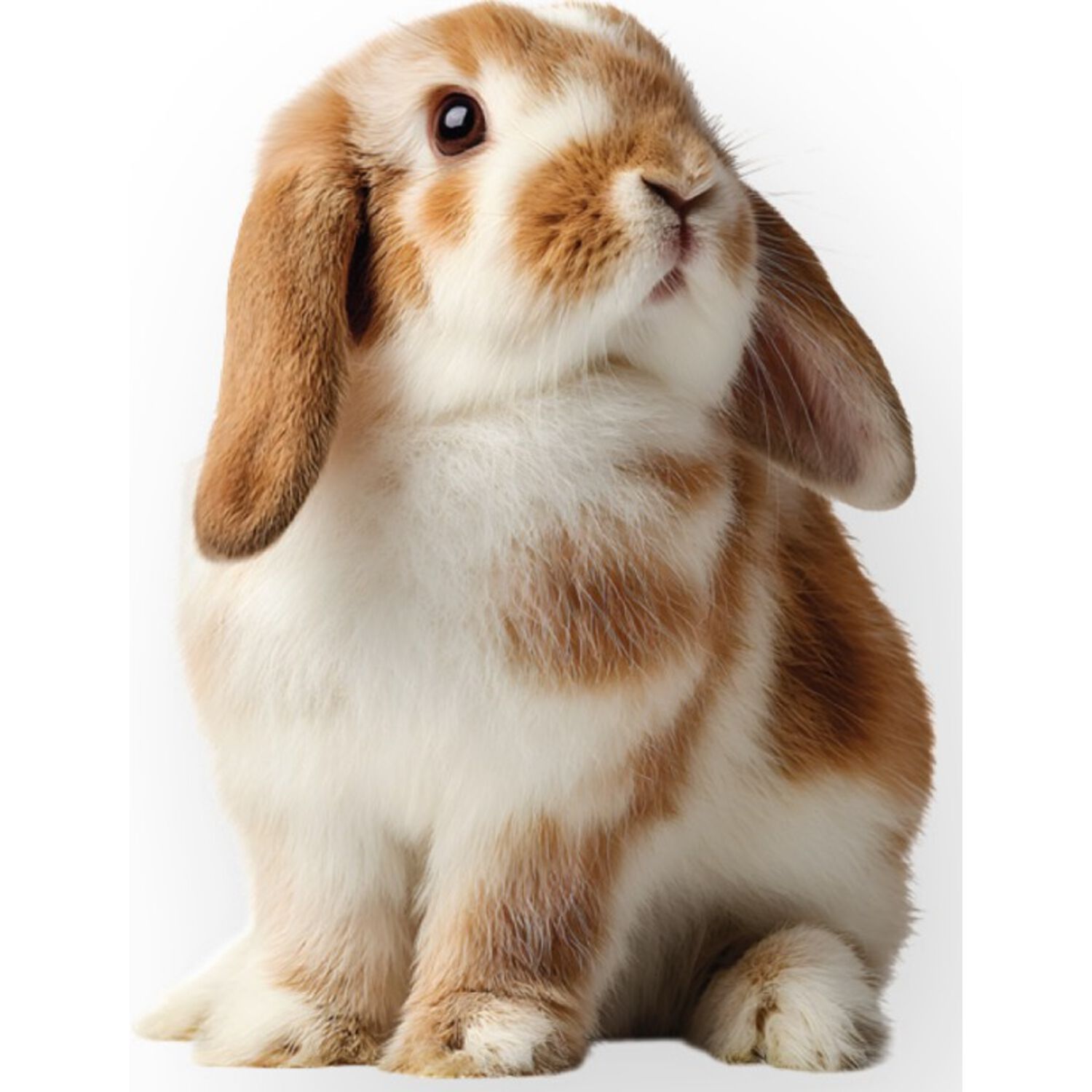
Mini Lop Ear Bunnies have been selectively bred for their compact, rounded bodies, small size, and signature floppy ears that give them their irresistibly cute appearance. Compared to traditional rabbits, they are shorter, sturdier, and more cuddly in build. These gentle rabbits make wonderful companions when provided with proper housing, space, and daily care. With regular handling, Mini Lops can become very friendly, social, and enjoy interacting with their owners.
Feeding Instructions
Feeding Instructions
Provide daily fresh water, rabbit food, and Timothy hay. Treats formulated for rabbits can be offered on occasion.
Habitat and Care
Habitat and Care
Habitat and Care
Mini Lop Ear Bunnies require a spacious habitat to stay happy and healthy. A minimum enclosure size of 36" x 18" is recommended for a single rabbit, with larger spaces needed for multiple rabbits. Supervised playtime outside of their habitat is essential, and using a secure playpen is highly recommended to give them room to exercise and explore safely.
While generally considered a beginner to intermediate care pet, Mini Lops thrive with regular interaction and attention. They are naturally curious and active, requiring daily enrichment and hands-on care to support their physical and mental well-being. Strong bonds are formed through consistent interaction during playtime.
These intelligent rabbits can often be litter trained when given proper guidance and supervised out-of-cage time. Providing a variety of rabbit-safe toys and treats helps keep them engaged and prevents boredom.
A proper daily diet should include fresh hay, food, and clean water. Regular grooming is important, including nail trimming every few weeks. Their habitat should be spot cleaned daily, with a thorough deep cleaning performed once a week to maintain a clean and healthy environment.
- They benefit from daily exercise outside of their enclosure and love to explore in a safe environment.
- Mini Lop rabbits are intelligent and can often be litter trained, making them a great choice for indoor pet owners.
- Life Expectancy: 6–8 years
- Max Size: Up to 3 lbs
Mini Lop Ear Bunnies have been selectively bred for their compact, rounded bodies, small size, and signature floppy ears that give them their irresistibly cute appearance. Compared to traditional rabbits, they are shorter, sturdier, and more cuddly in build. These gentle rabbits make wonderful companions when provided with proper housing, space, and daily care. With regular handling, Mini Lops can become very friendly, social, and enjoy interacting with their owners.
Provide daily fresh water, rabbit food, and Timothy hay. Treats formulated for rabbits can be offered on occasion.
Habitat and Care
Mini Lop Ear Bunnies require a spacious habitat to stay happy and healthy. A minimum enclosure size of 36" x 18" is recommended for a single rabbit, with larger spaces needed for multiple rabbits. Supervised playtime outside of their habitat is essential, and using a secure playpen is highly recommended to give them room to exercise and explore safely.
While generally considered a beginner to intermediate care pet, Mini Lops thrive with regular interaction and attention. They are naturally curious and active, requiring daily enrichment and hands-on care to support their physical and mental well-being. Strong bonds are formed through consistent interaction during playtime.
These intelligent rabbits can often be litter trained when given proper guidance and supervised out-of-cage time. Providing a variety of rabbit-safe toys and treats helps keep them engaged and prevents boredom.
A proper daily diet should include fresh hay, food, and clean water. Regular grooming is important, including nail trimming every few weeks. Their habitat should be spot cleaned daily, with a thorough deep cleaning performed once a week to maintain a clean and healthy environment.