Standing Day Gecko


Product Details
Product Description
Product Description
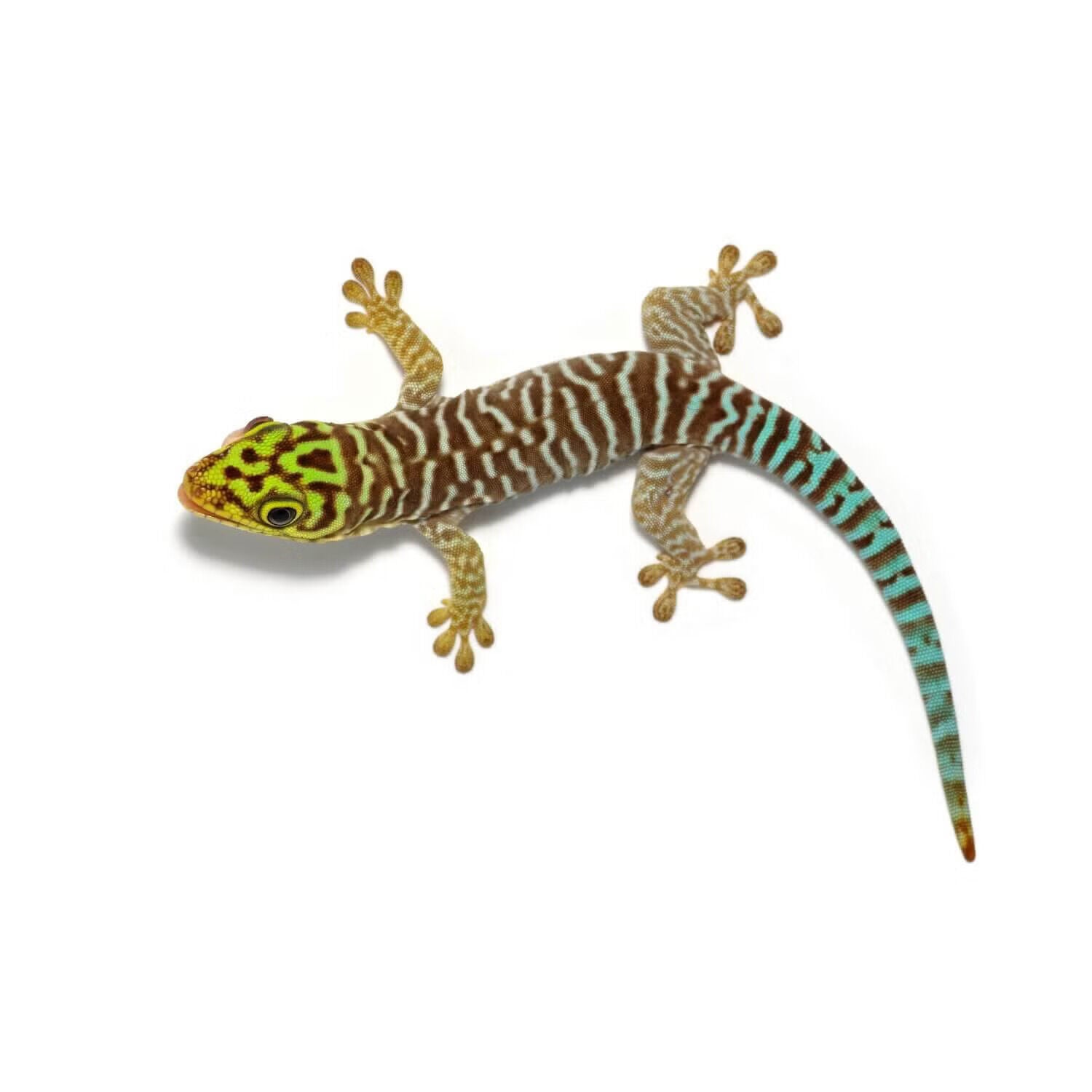
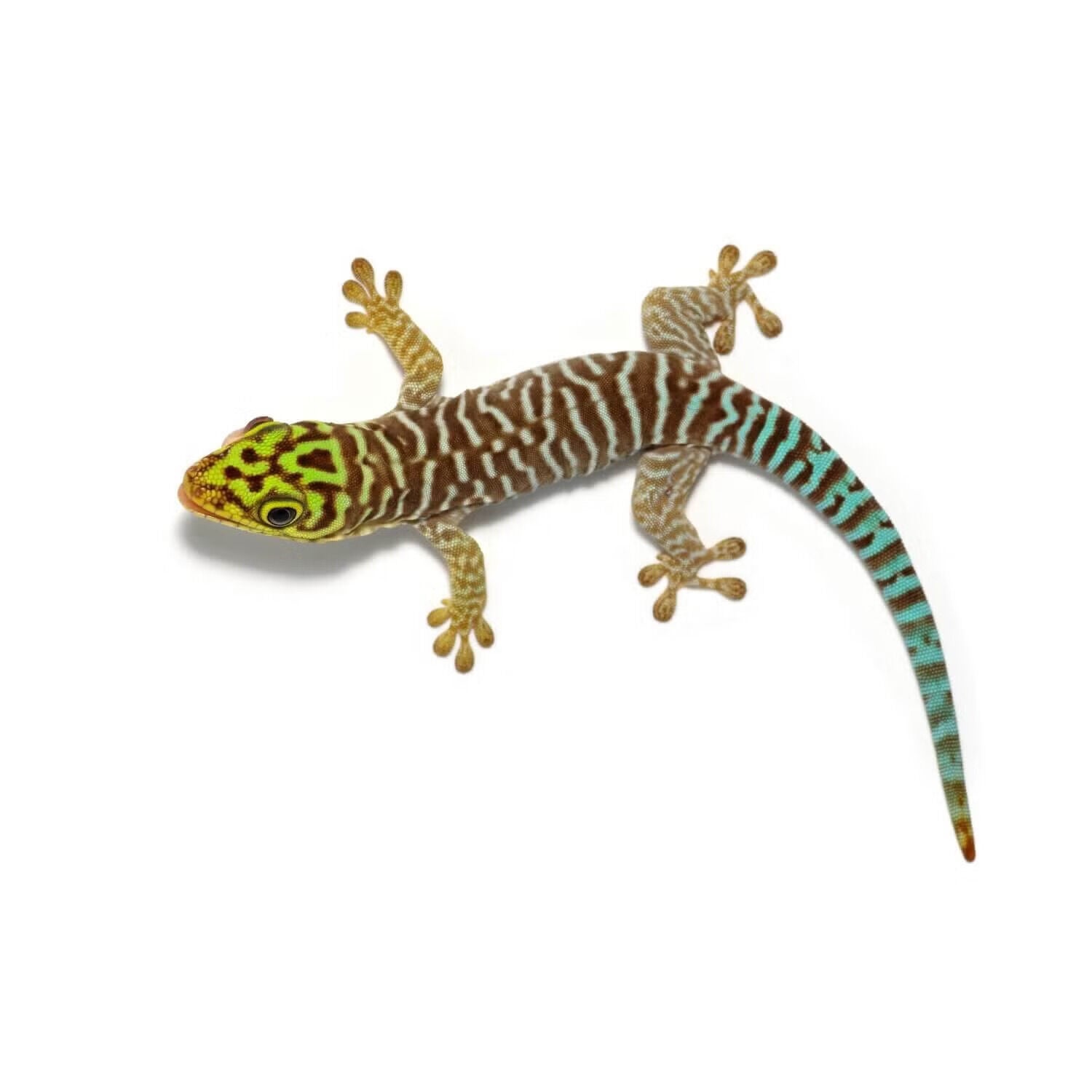
These stunning arboreal geckos, also known as 'banded day geckos', are admired for their vibrant blue-green russet bands on their bodies; although this species looks very different based on life stage.
- Standing day geckos reach an average adult length of 8-10 inches
- Lifespan of 15-20 years
Feeding Instructions
Feeding Instructions
Standing day geckos readily consume a variety of feeder insects, including medium to large crickets, roaches, mealworms, waxworms, silkworms, reptiworms, and hornworms. However, it's crucial to diversify their diet with both plant and animal-based foods to meet their nutritional needs. Additionally, adding reptile-approved prepared fruit puree products and ripe fruits like bananas and peaches can enhance their diet.
Habitat and Care
Habitat and Care
Habitat and Care
Standing day geckos thrive in climbing environments with ample vertical hiding spots. Being diurnal, they are most active during the day, so spacious cages are essential to accommodate their energy levels. They need plenty of bright, hot light and UVB, with basking spots reaching the low 90s°F and cooler areas dropping to the low 70s°F. While they prefer a sub-tropical to almost arid habitat, they adapt well to tropical setups too.
These stunning arboreal geckos, also known as 'banded day geckos', are admired for their vibrant blue-green russet bands on their bodies; although this species looks very different based on life stage.
- Standing day geckos reach an average adult length of 8-10 inches
- Lifespan of 15-20 years
Standing day geckos readily consume a variety of feeder insects, including medium to large crickets, roaches, mealworms, waxworms, silkworms, reptiworms, and hornworms. However, it's crucial to diversify their diet with both plant and animal-based foods to meet their nutritional needs. Additionally, adding reptile-approved prepared fruit puree products and ripe fruits like bananas and peaches can enhance their diet.
Habitat and Care
Standing day geckos thrive in climbing environments with ample vertical hiding spots. Being diurnal, they are most active during the day, so spacious cages are essential to accommodate their energy levels. They need plenty of bright, hot light and UVB, with basking spots reaching the low 90s°F and cooler areas dropping to the low 70s°F. While they prefer a sub-tropical to almost arid habitat, they adapt well to tropical setups too.