

Live Mealworms
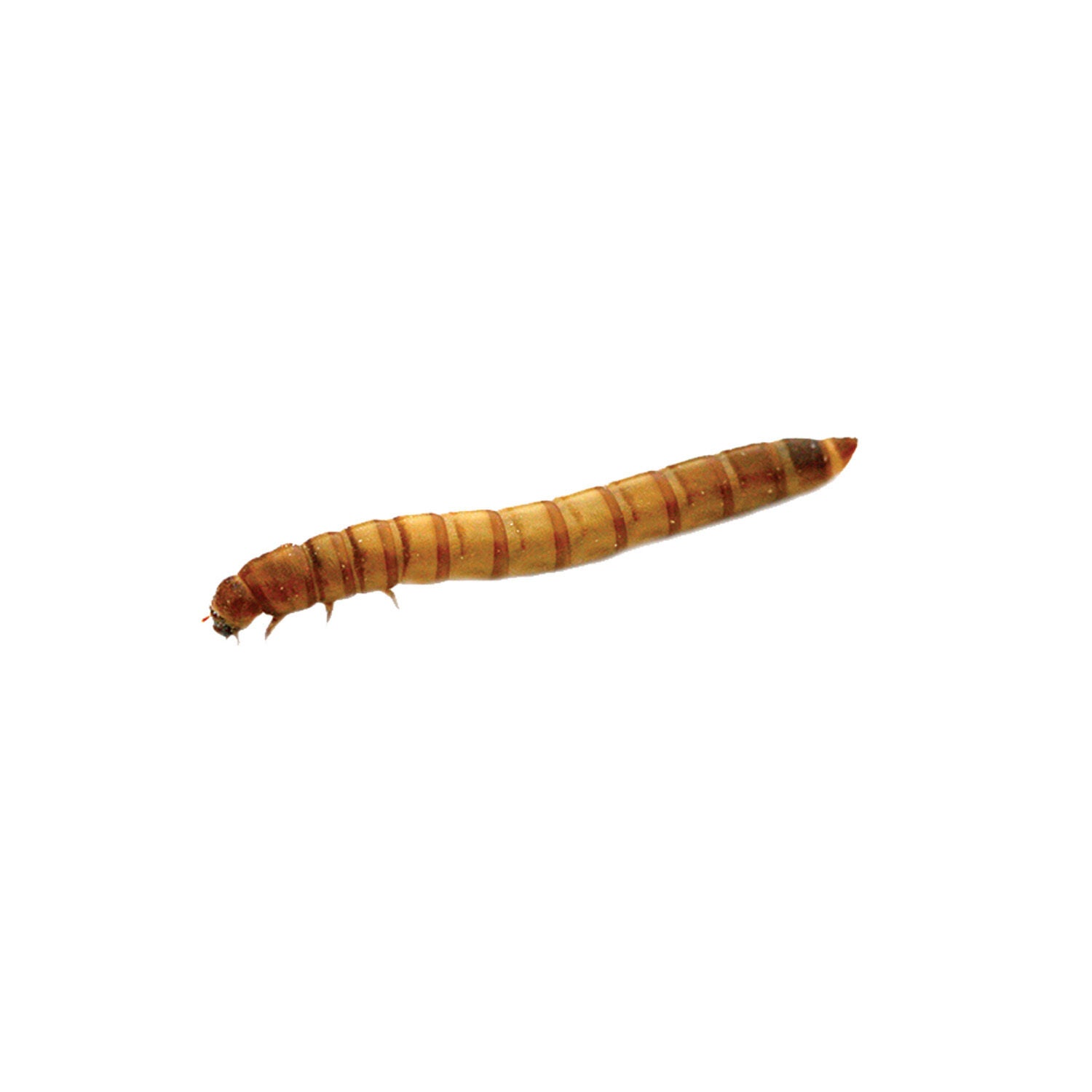
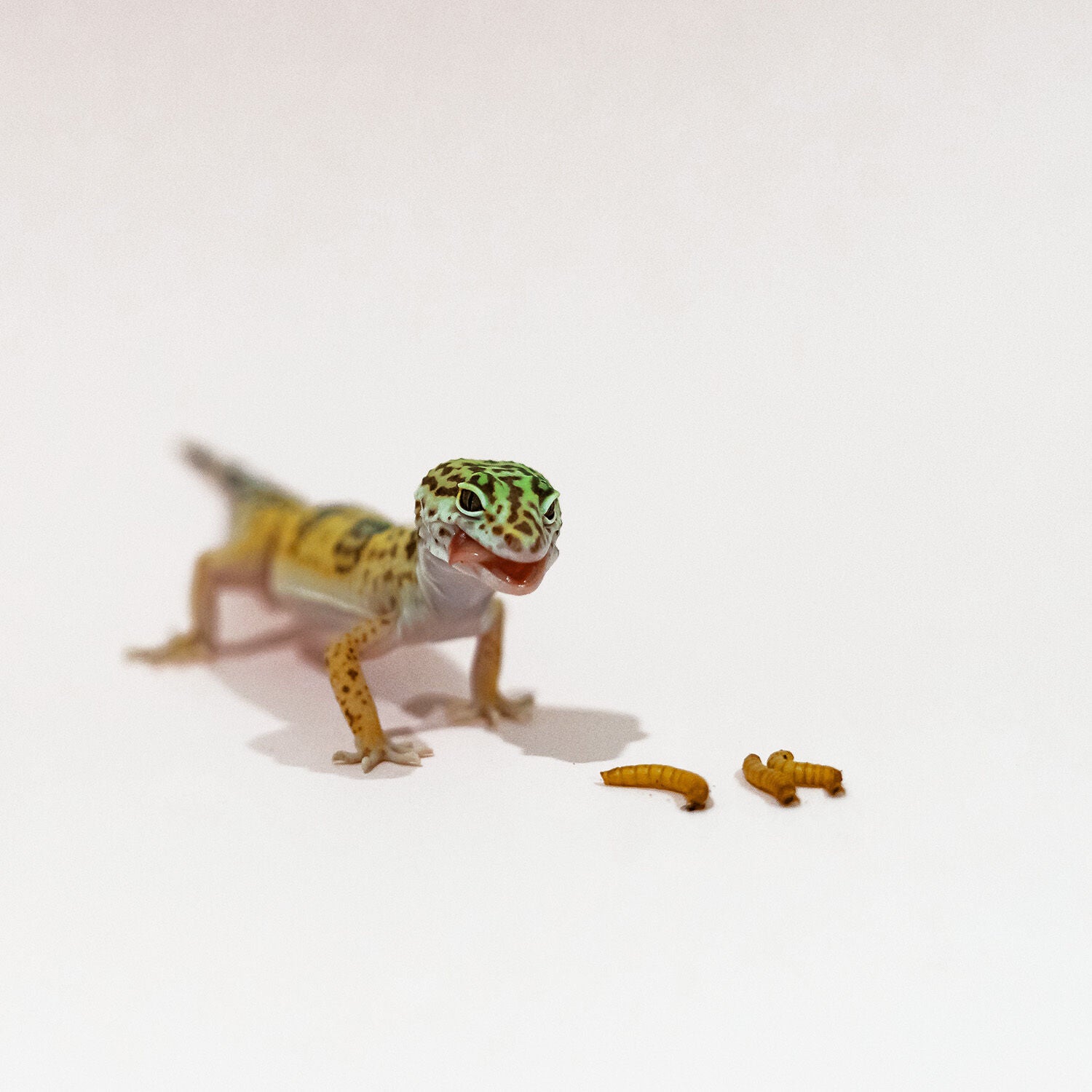
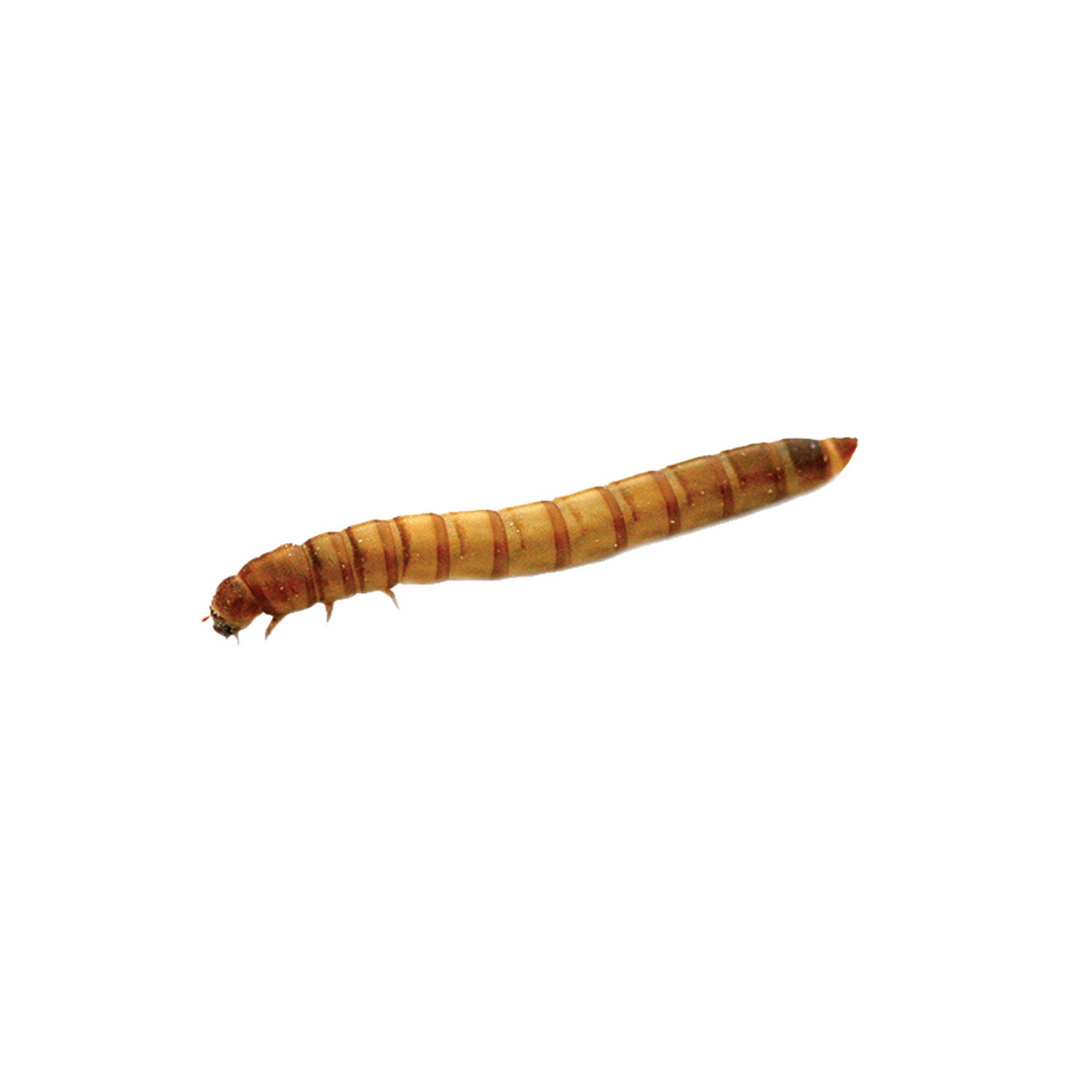
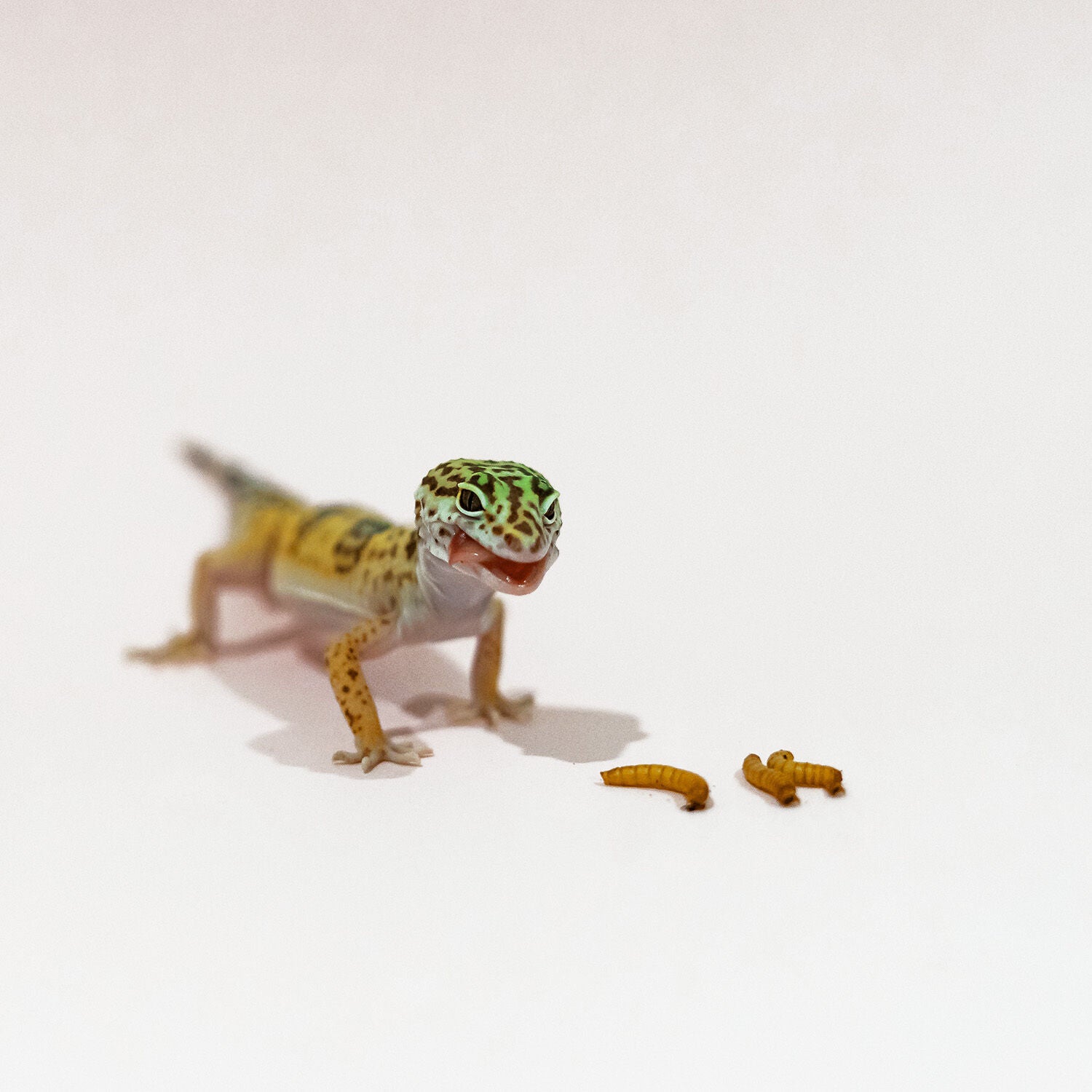
Mealworms are an excellent dietary choice for a wide variety of pets, including reptiles, amphibians, and birds. These smaller-sized worms are convenient to store and offer a balanced blend of protein and fat that is essential for the health and growth of your pets. Easy to digest and naturally enticing, they make for an ideal snack or supplement to regular feedings.


Description
Description
Product Description
Mealworms are an excellent dietary choice for a wide variety of pets, including reptiles, amphibians, and birds. These smaller-sized worms are convenient to store and offer a balanced blend of protein and fat that is essential for the health and growth of your pets. Easy to digest and naturally enticing, they make for an ideal snack or supplement to regular feedings.
Feeding Instructions
Quantity: Start with small quantities and gradually increase depending on your pet’s health and dietary needs. Feed your pets 2-4 mealworms per feeding session.
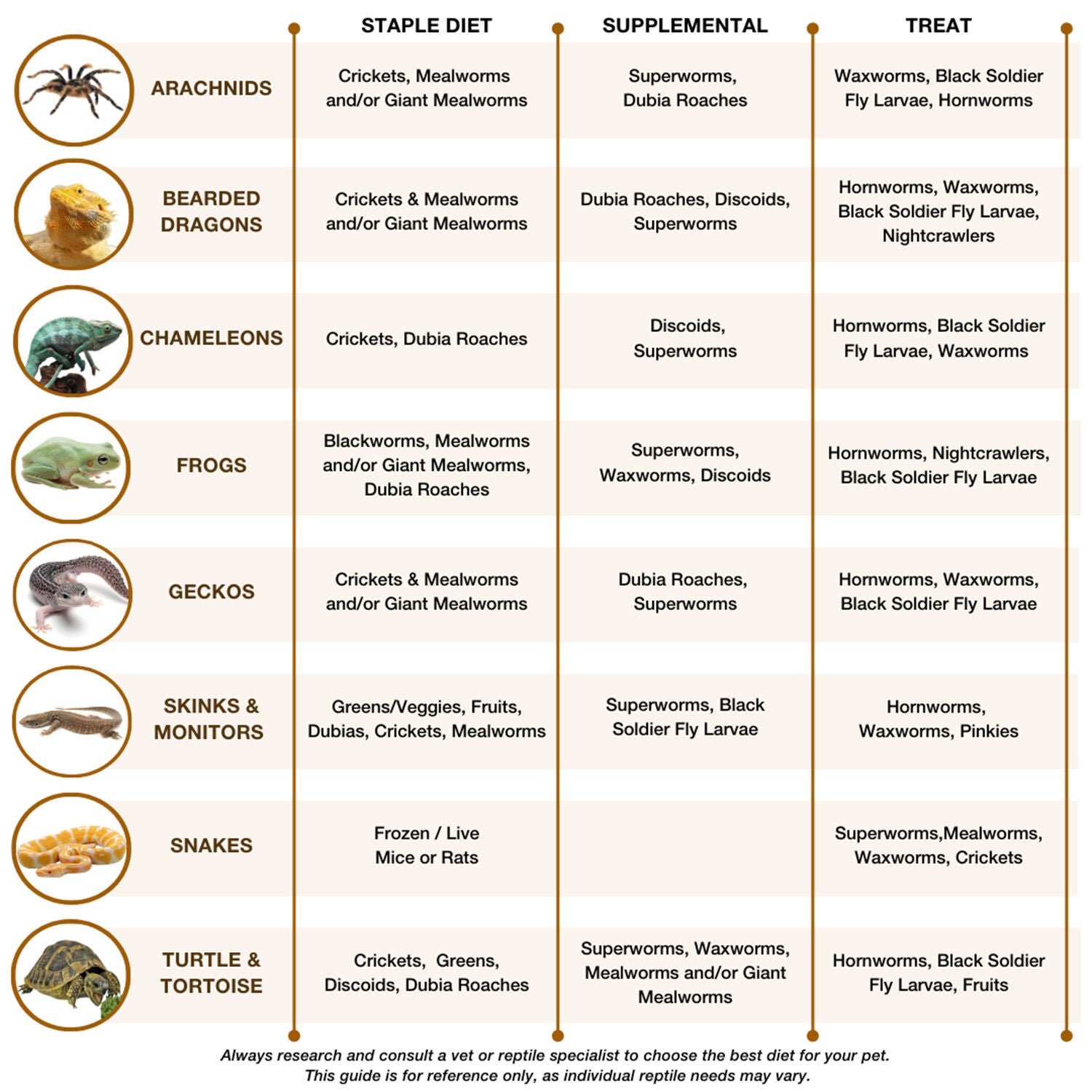
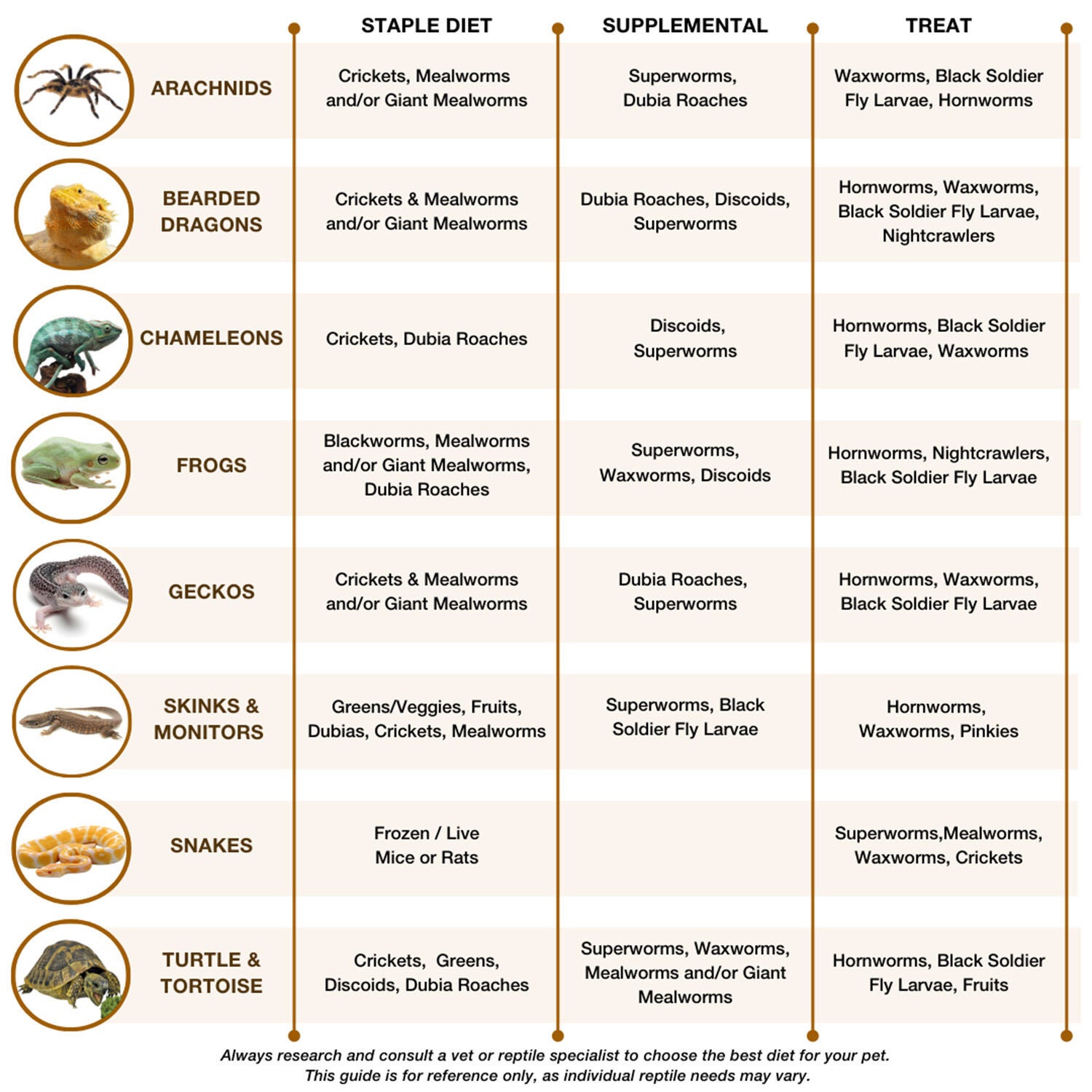
Frequency: Feed mealworms to your reptile a few times per week as part of a varied diet. Mealworms should not be the sole item in your reptile's diet due to potential nutritional gaps. Include other feeder insects and appropriate food items to provide a balanced diet.
Preparation: Ensure the mealworms are gut-loaded by providing them with nutritious foods such as bran, oats, and slices of fruits and vegetables like apples, carrots, and potatoes for at least 24 hours before feeding. This enhances their nutritional value for your reptile.
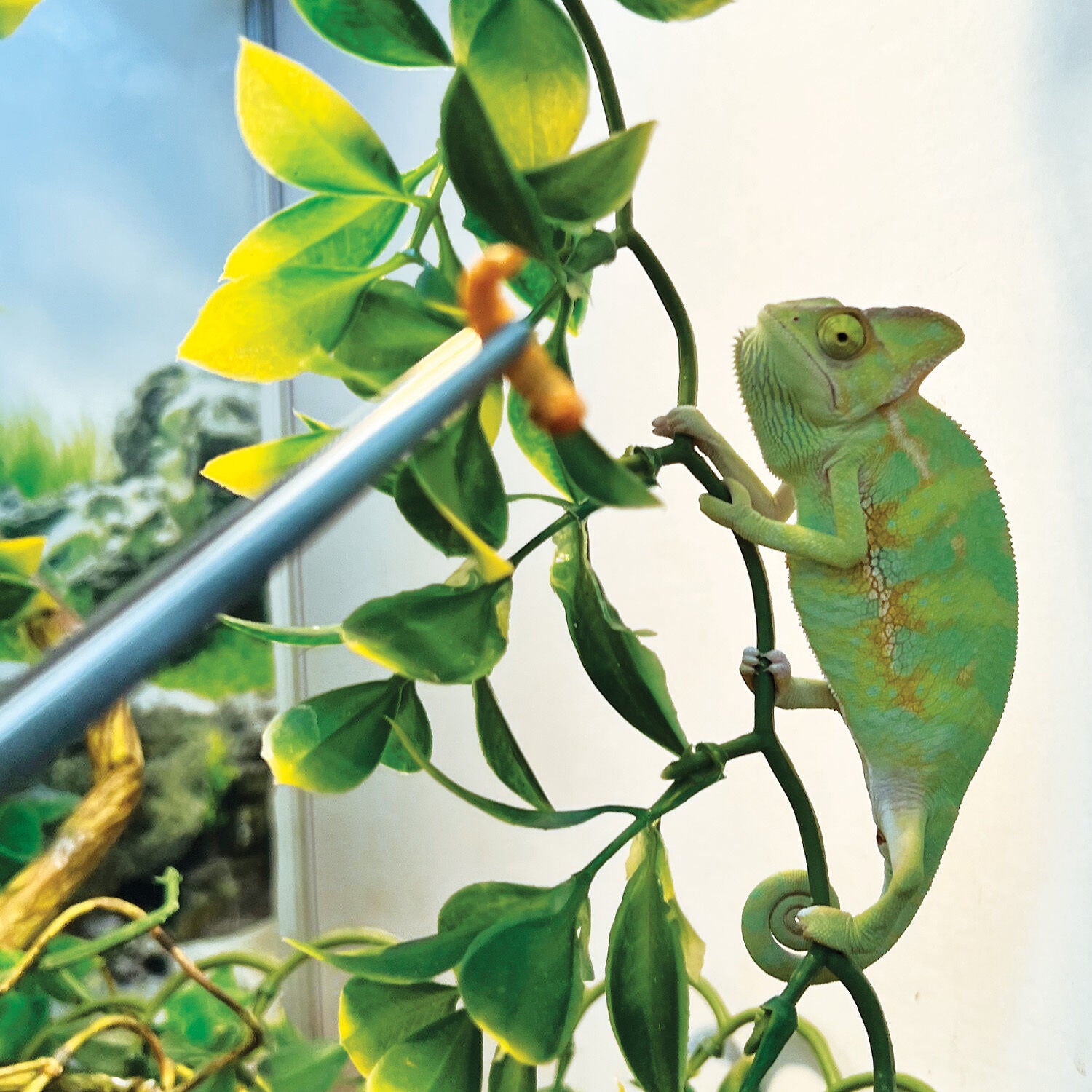
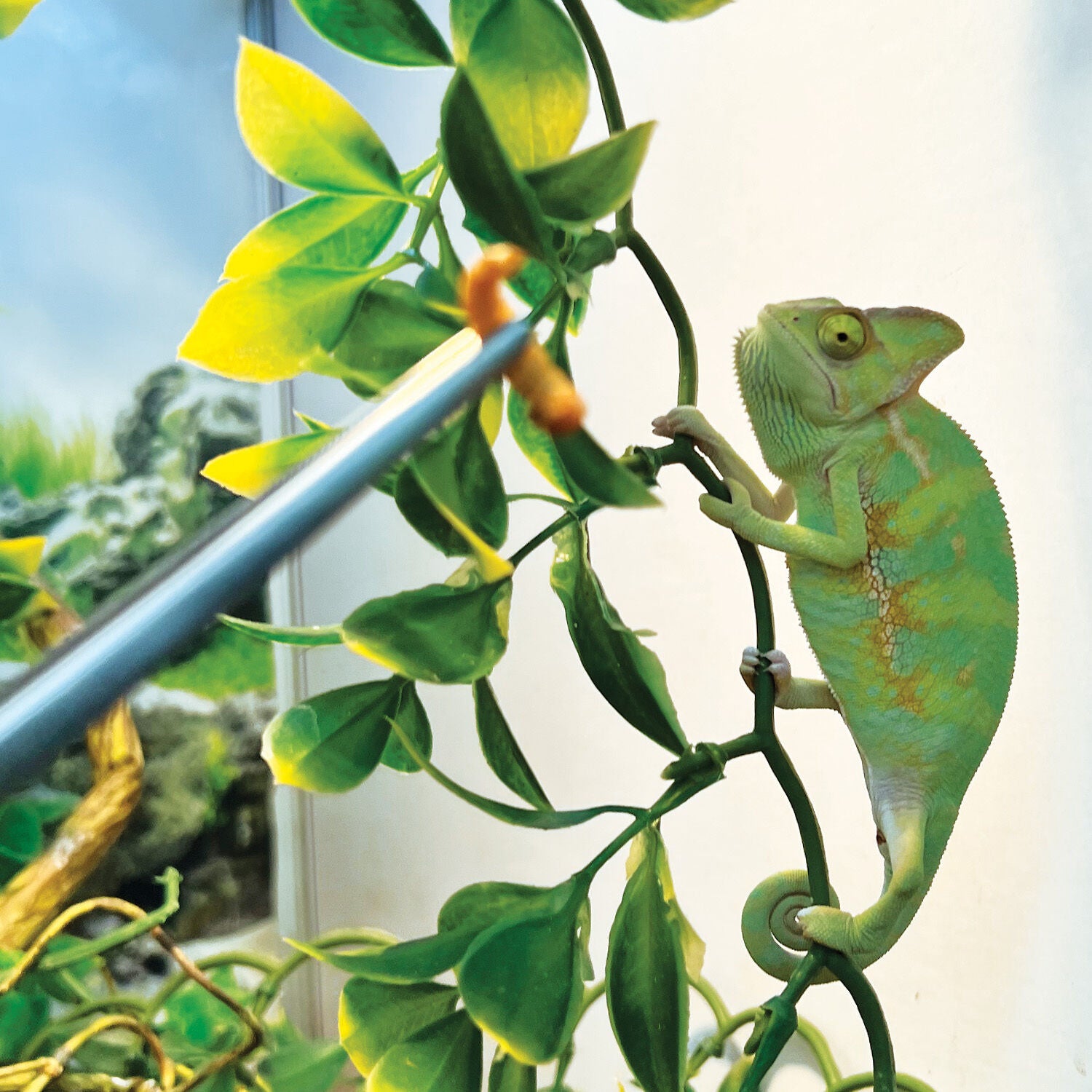
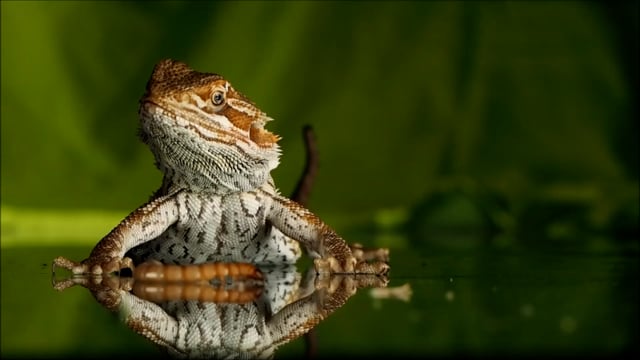
Presentation: Use feeding tongs to pick up a mealworm and present it to your reptile. Wiggle the worm slightly to stimulate your reptile's feeding response. Ensure the mealworm is properly grasped by your reptile before releasing it.
Habitat and Care
Habitat and Care
Housing: Store giant mealworms in a cool, ventilated container with a suitable substrate like wheat bran or cornmeal to keep them dry and clean. Avoid overcrowding to maintain their health and vitality.
Temperature: Maintain storage temperatures between 45-55°F to slow down their metabolism and extend their lifespan. Remove from the refrigerator periodically to allow them to warm up and feed, enhancing their nutritional value when fed to pets.
Feeding: Feed the giant mealworms every 7-10 days with fresh slices of carrots or apples to provide necessary nutrients and hydration.
Hydration: While giant mealworms typically derive moisture from their food, ensuring a moist substrate or providing occasional moist food items can help maintain their hydration level, making them more palatable and nutritious for pets.
Product Description
Mealworms are an excellent dietary choice for a wide variety of pets, including reptiles, amphibians, and birds. These smaller-sized worms are convenient to store and offer a balanced blend of protein and fat that is essential for the health and growth of your pets. Easy to digest and naturally enticing, they make for an ideal snack or supplement to regular feedings.
Feeding Instructions
Quantity: Start with small quantities and gradually increase depending on your pet’s health and dietary needs. Feed your pets 2-4 mealworms per feeding session.
Frequency: Feed mealworms to your reptile a few times per week as part of a varied diet. Mealworms should not be the sole item in your reptile's diet due to potential nutritional gaps. Include other feeder insects and appropriate food items to provide a balanced diet.
Preparation: Ensure the mealworms are gut-loaded by providing them with nutritious foods such as bran, oats, and slices of fruits and vegetables like apples, carrots, and potatoes for at least 24 hours before feeding. This enhances their nutritional value for your reptile.
Presentation: Use feeding tongs to pick up a mealworm and present it to your reptile. Wiggle the worm slightly to stimulate your reptile's feeding response. Ensure the mealworm is properly grasped by your reptile before releasing it.
Habitat and Care
Housing: Store giant mealworms in a cool, ventilated container with a suitable substrate like wheat bran or cornmeal to keep them dry and clean. Avoid overcrowding to maintain their health and vitality.
Temperature: Maintain storage temperatures between 45-55°F to slow down their metabolism and extend their lifespan. Remove from the refrigerator periodically to allow them to warm up and feed, enhancing their nutritional value when fed to pets.
Feeding: Feed the giant mealworms every 7-10 days with fresh slices of carrots or apples to provide necessary nutrients and hydration.
Hydration: While giant mealworms typically derive moisture from their food, ensuring a moist substrate or providing occasional moist food items can help maintain their hydration level, making them more palatable and nutritious for pets.