Live Hornworms
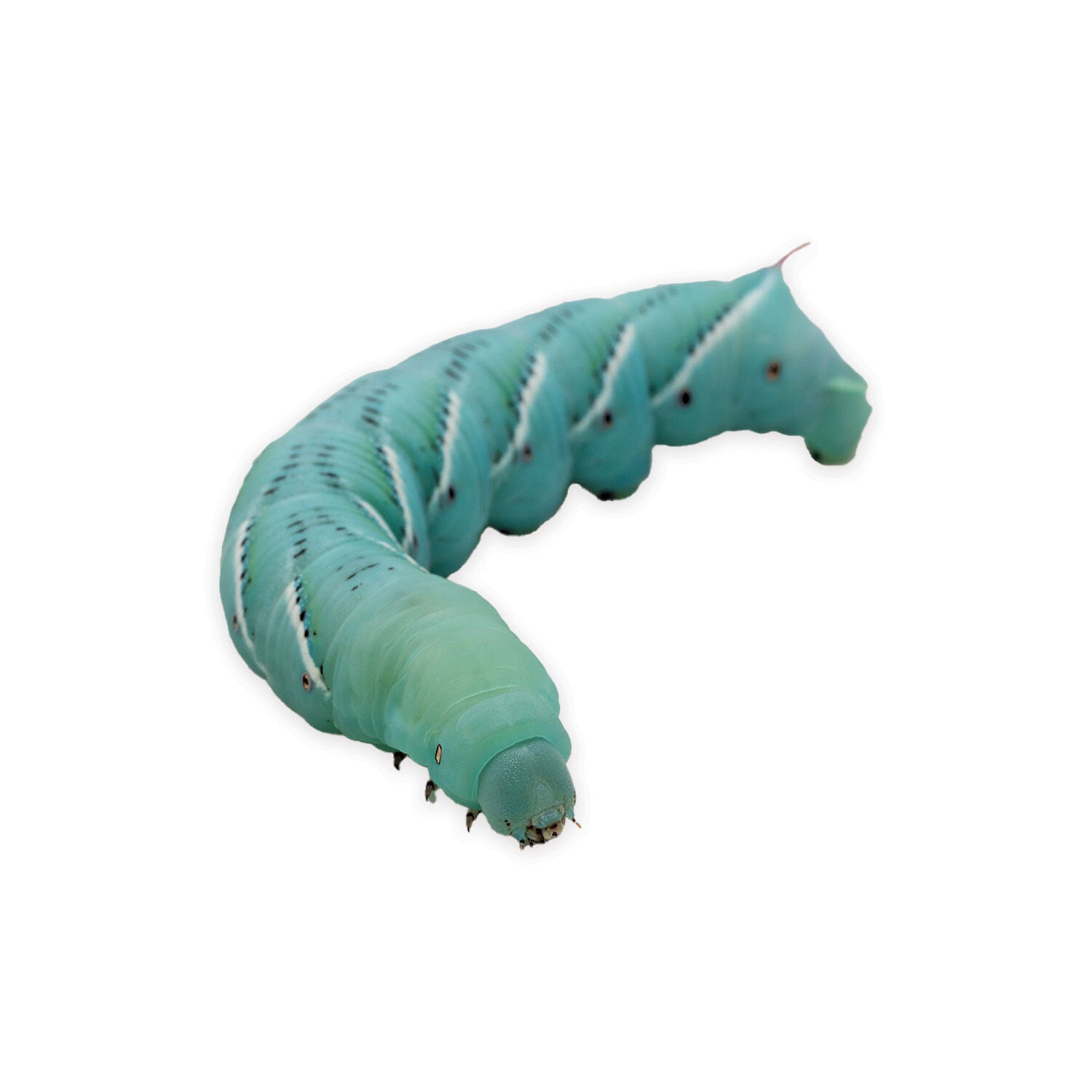
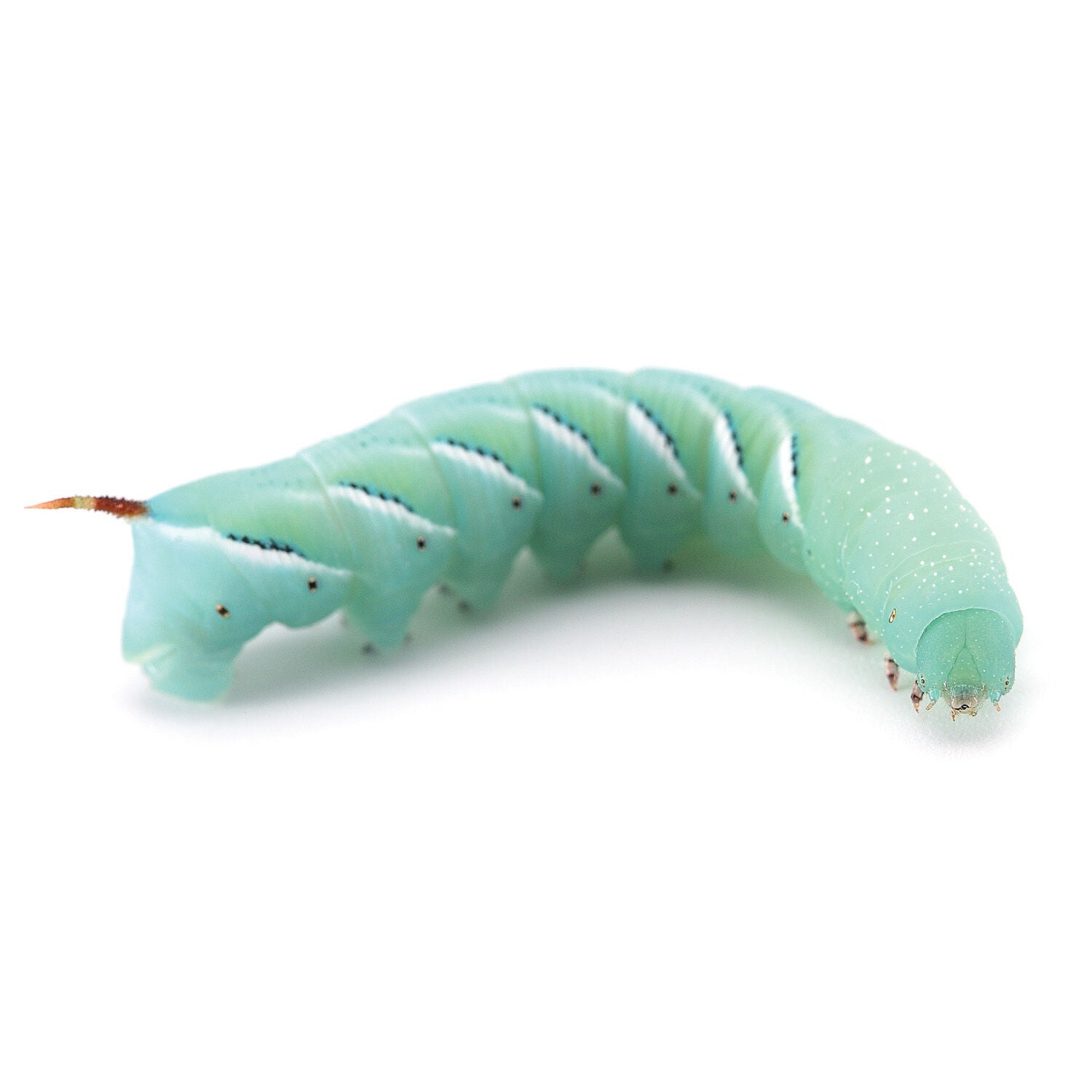
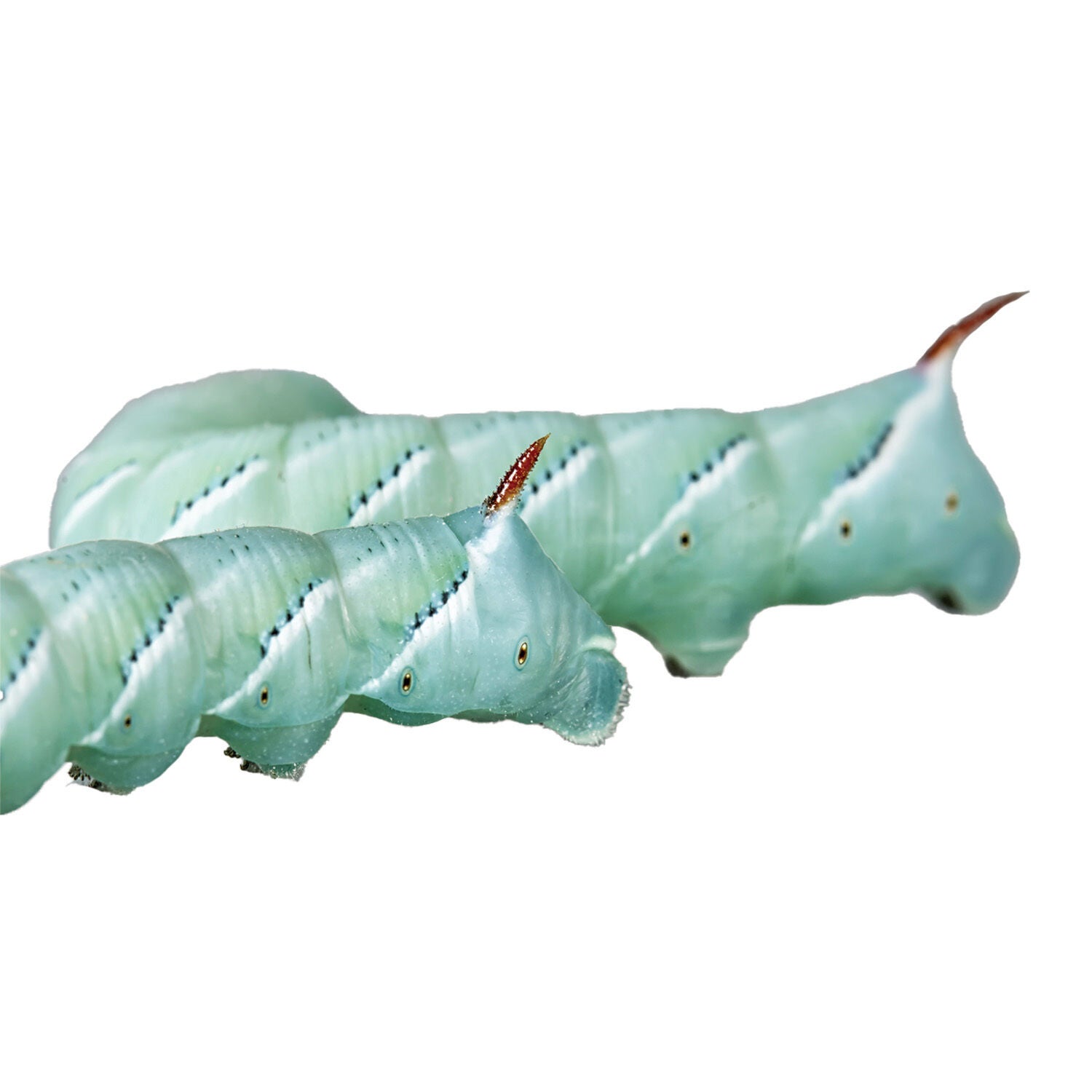
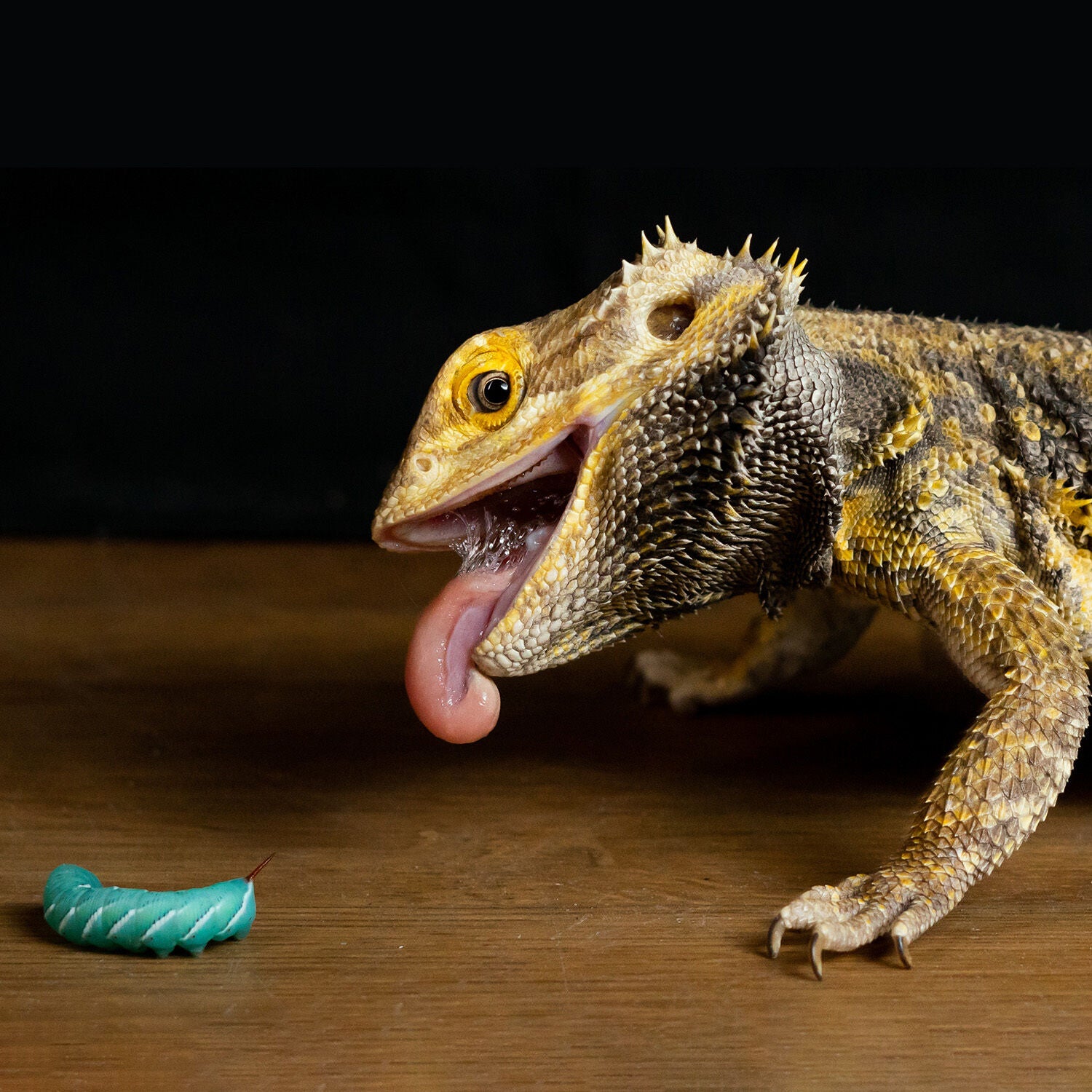
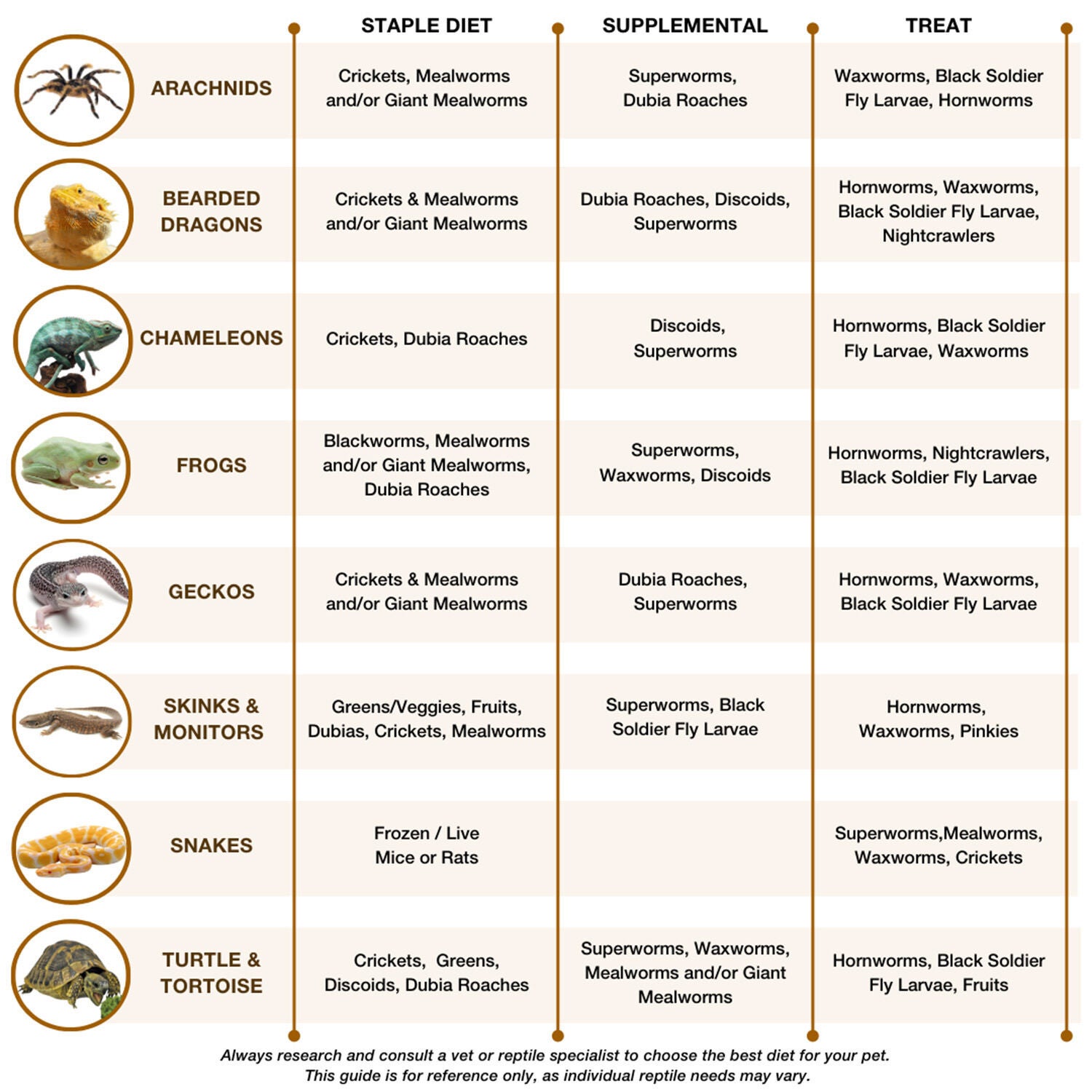
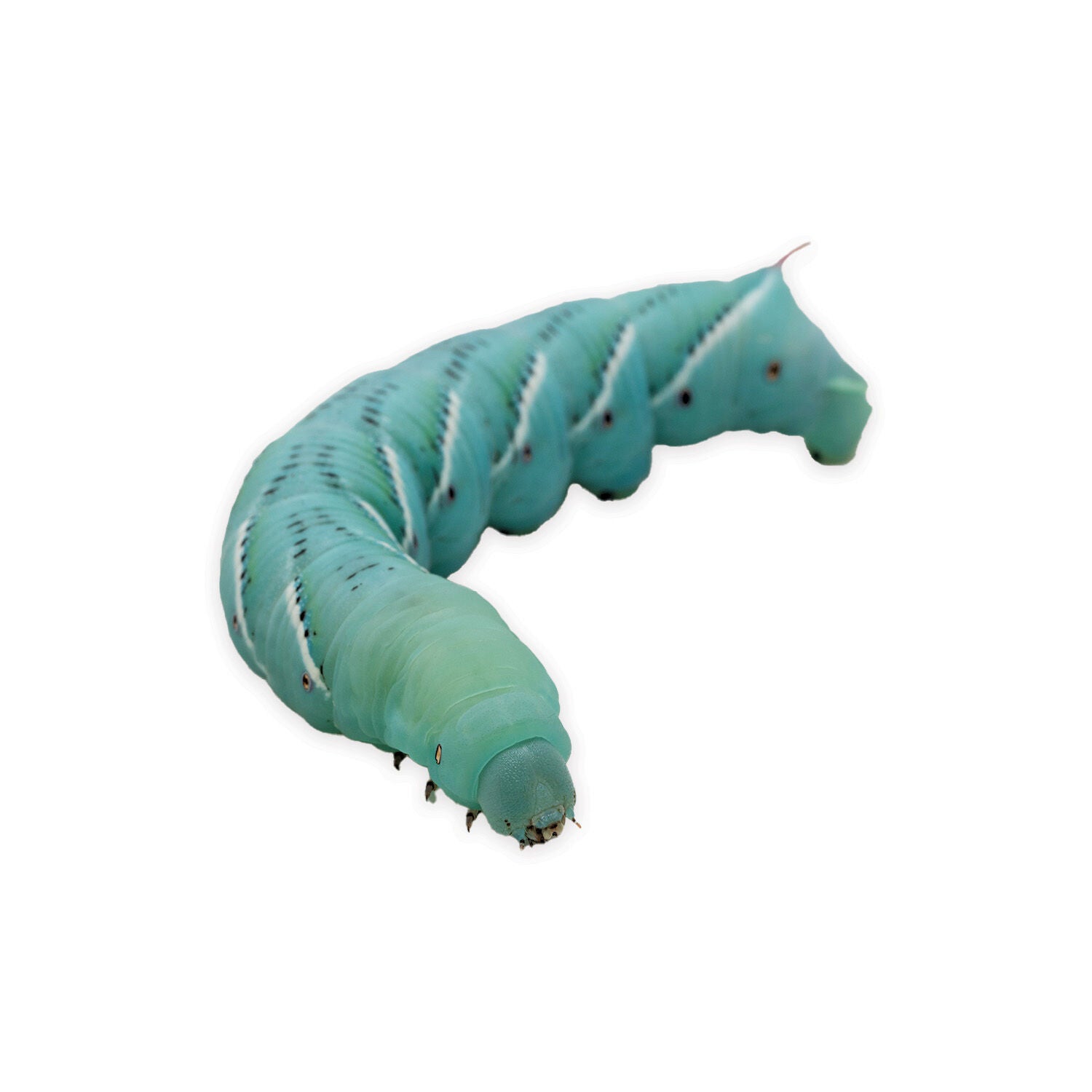
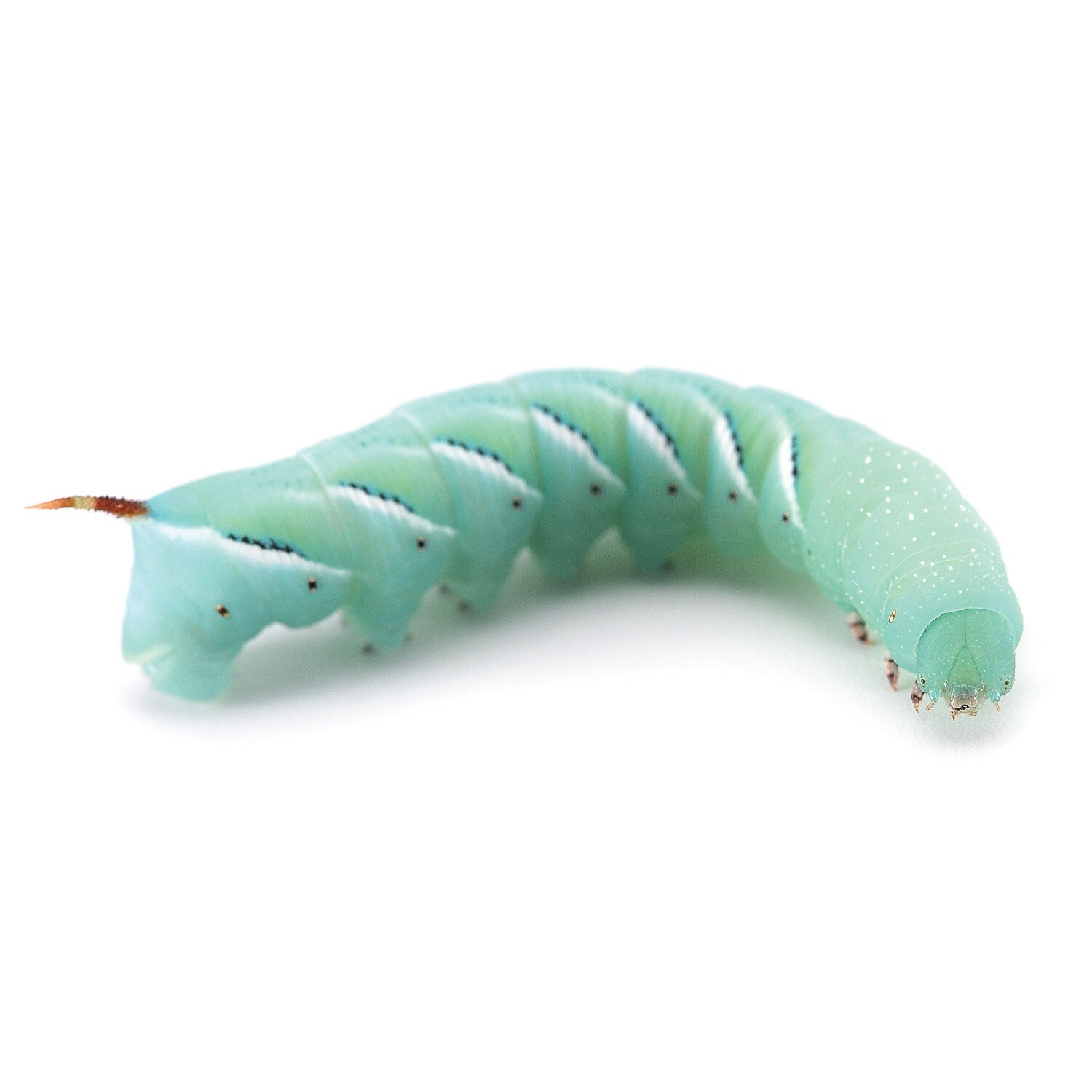
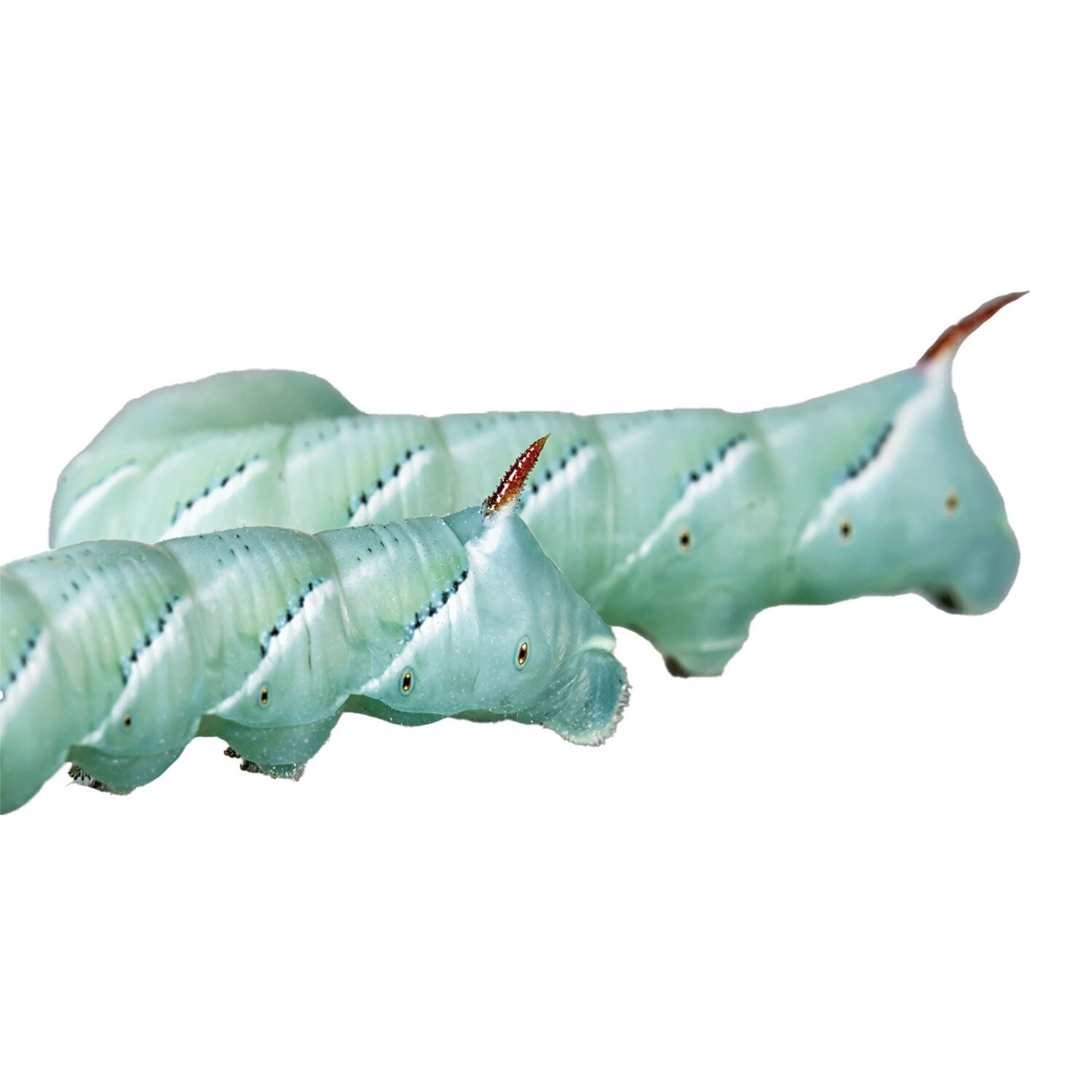
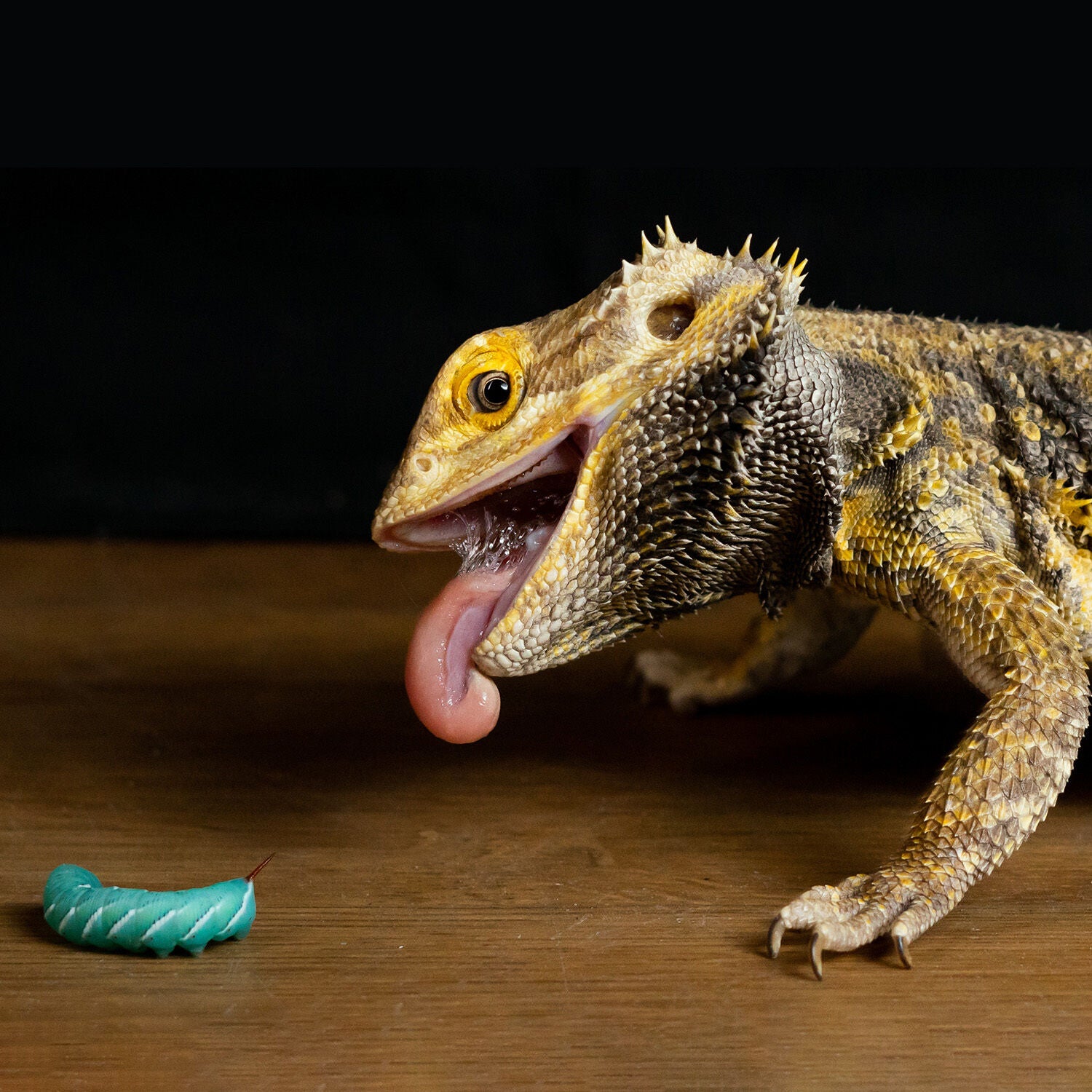
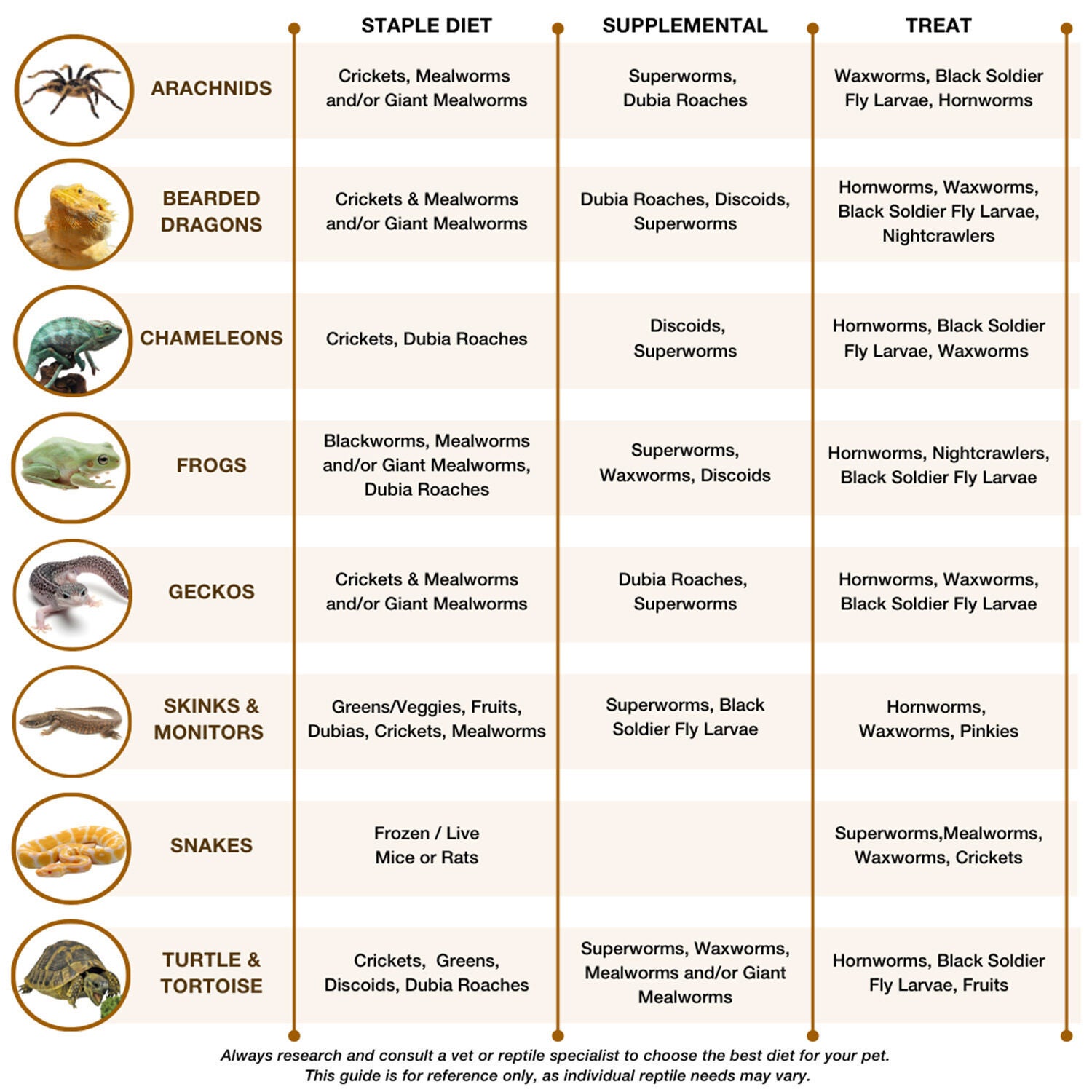
Hornworms serve as an exceptional snack for bearded dragons, leopard geckos, chameleons, and other reptiles and pets. Their green hue entices finicky eaters, and they require very little care. These worms are rich in calcium and low in fat, with no chitin (hard outer shell), making them easy to digest.


Description
Description
Product Description
Hornworms serve as an exceptional snack for bearded dragons, leopard geckos, chameleons, and other reptiles and pets. Their green hue entices finicky eaters, and they require very little care. These worms are rich in calcium and low in fat, with no chitin (hard outer shell), making them easy to digest.
Feeding Instructions
Quantity: Start with a few hornworms per feeding session, typically 2-3 times per week. Monitor your pet's reaction and behavior to ensure they are tolerating the hornworms well. Adjust feeding quantities as needed.
Frequency: Feed hornworms in moderation to your reptile a few times per week as part of a varied diet. Hornworms should not be the sole item in your reptile's diet due to potential nutritional imbalances. Include other feeder insects and appropriate food items to provide a balanced diet.
Preparation: Ensure hornworms are properly sized for your reptile. Monitor their growth closely, as they can grow rapidly and may become too large for your reptile to consume safely.
Presentation: Use feeding tongs to pick up a hornworm and present it to your reptile. Wiggle the worm slightly to stimulate your reptile's feeding response. Ensure the hornworm is properly grasped by your reptile before releasing it.
Monitoring: Observe your reptile during and after feeding to ensure they consume the hornworms safely. Monitor their health and behavior closely, and adjust the quantity of hornworms as needed. Remove any uneaten hornworms to prevent them from causing issues in the habitat.
Habitat and Care
Habitat and Care
Housing: Store worms in a container with a substrate like oatmeal or bran for mealworms and a specialized hornworm diet for hornworms. Ensure proper ventilation.
Temperature: Keep mealworms at 50-60°F for slow growth or room temperature for faster growth. Hornworms thrive at room temperature.
Feeding: Worms generally feed on their bedding (e.g., oatmeal for mealworms). Hornworms will need their specific diet replaced as they consume it or grow.
Hydration: Most worms get sufficient moisture from their food. However, hornworms may require additional hydration through their diet gel.
Product Description
Hornworms serve as an exceptional snack for bearded dragons, leopard geckos, chameleons, and other reptiles and pets. Their green hue entices finicky eaters, and they require very little care. These worms are rich in calcium and low in fat, with no chitin (hard outer shell), making them easy to digest.
Feeding Instructions
Quantity: Start with a few hornworms per feeding session, typically 2-3 times per week. Monitor your pet's reaction and behavior to ensure they are tolerating the hornworms well. Adjust feeding quantities as needed.
Frequency: Feed hornworms in moderation to your reptile a few times per week as part of a varied diet. Hornworms should not be the sole item in your reptile's diet due to potential nutritional imbalances. Include other feeder insects and appropriate food items to provide a balanced diet.
Preparation: Ensure hornworms are properly sized for your reptile. Monitor their growth closely, as they can grow rapidly and may become too large for your reptile to consume safely.
Presentation: Use feeding tongs to pick up a hornworm and present it to your reptile. Wiggle the worm slightly to stimulate your reptile's feeding response. Ensure the hornworm is properly grasped by your reptile before releasing it.
Monitoring: Observe your reptile during and after feeding to ensure they consume the hornworms safely. Monitor their health and behavior closely, and adjust the quantity of hornworms as needed. Remove any uneaten hornworms to prevent them from causing issues in the habitat.
Habitat and Care
Housing: Store worms in a container with a substrate like oatmeal or bran for mealworms and a specialized hornworm diet for hornworms. Ensure proper ventilation.
Temperature: Keep mealworms at 50-60°F for slow growth or room temperature for faster growth. Hornworms thrive at room temperature.
Feeding: Worms generally feed on their bedding (e.g., oatmeal for mealworms). Hornworms will need their specific diet replaced as they consume it or grow.
Hydration: Most worms get sufficient moisture from their food. However, hornworms may require additional hydration through their diet gel.