




Frequently Asked Questions About Dog Food
How much dog food should I feed my dog per day?
The amount of dog food you should feed your dog per day depends on several key factors: their age, weight, activity level, breed, and the calorie density of the food itself.
As a general guideline based on ideal weight:
- Toy / Small Dogs (under 10 lbs): ~⅓ to 1 cup per day
- Medium Dogs (20–50 lbs): ~1½ to 2¾ cups per day
- Large Dogs (50–90 lbs): ~2¾ to 4½ cups per day
- Giant Breeds (90+ lbs): 4½+ cups per day (plus ½ cup per 10 lbs over 90 lbs)
Always check the feeding guidelines printed on your bag of premium dog food or freeze dried dog food, as calorie counts vary. Active dogs and working breeds require more calories, while seniors or less active dogs need less. When switching to a high protein dog food, serving sizes are often smaller because the nutrient density is higher.
What does 'complete and balanced' mean on dog food labels?
When a vet recommended dog food label states it is "complete and balanced," it means the food contains all the essential nutrients: protein, healthy fats, vitamins, and minerals, in the exact proportions required for your dog's specific life stage (e.g., puppy, adult maintenance, or all life stages), as established by the Association of American Feed Control Officials (AAFCO).
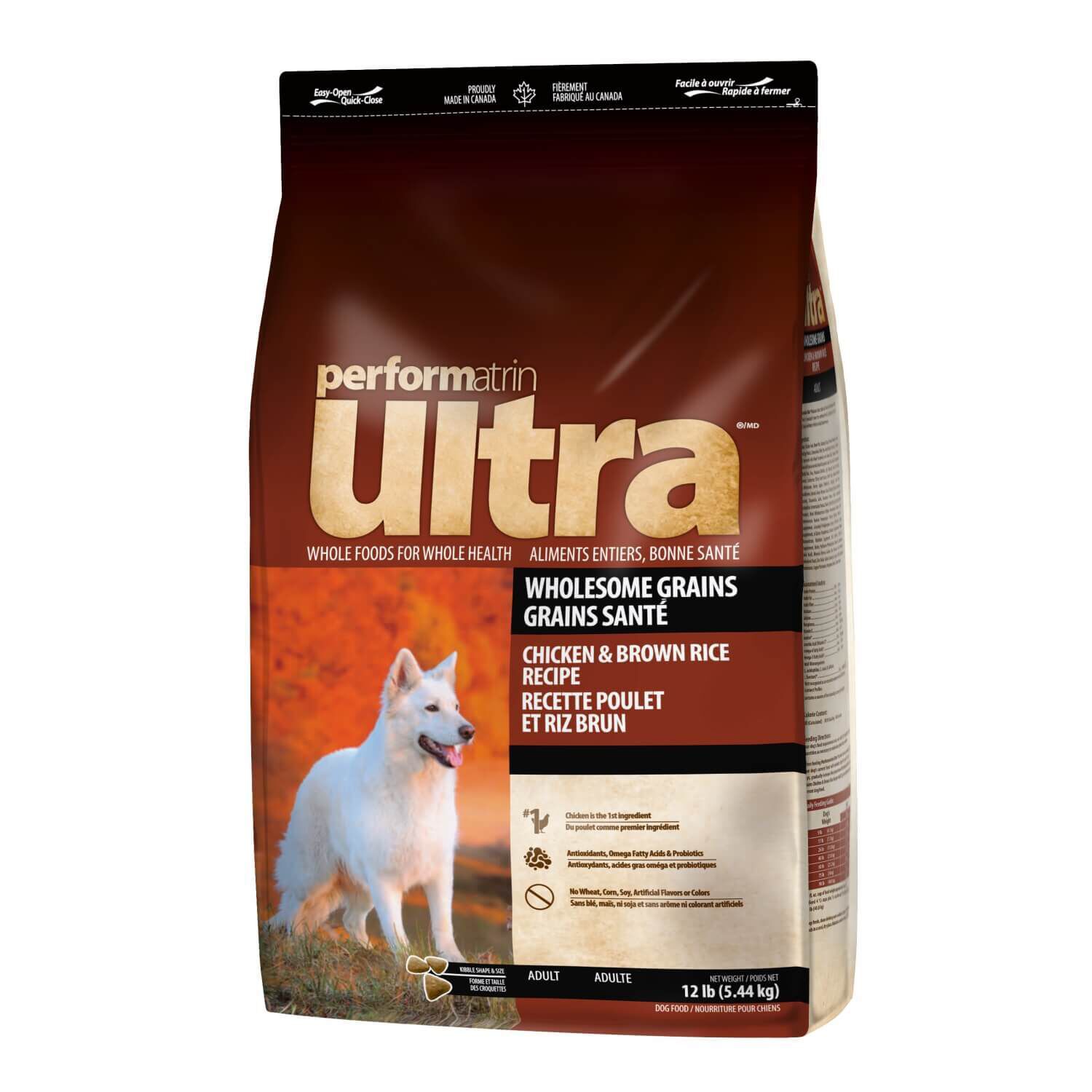
A "complete" formula means the diet requires no extra supplementation, while "balanced" ensures the nutrient ratios are correct so your dog avoids nutritional deficiencies or toxic excesses. Look for formula featuring dog food with real chicken or meat as the first ingredient to guarantee a high-quality nutrient profile.
Is grain free dog food good for dogs?
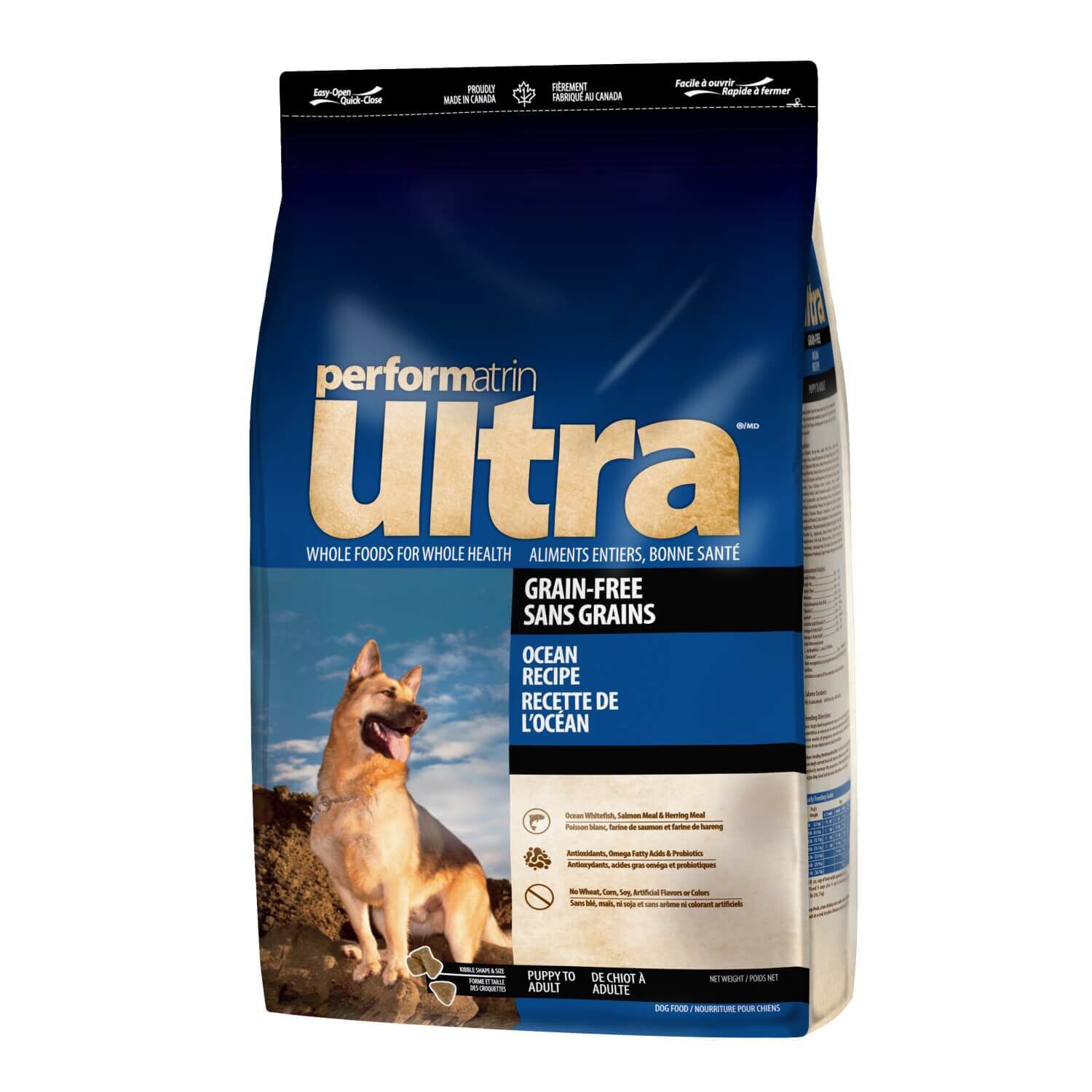
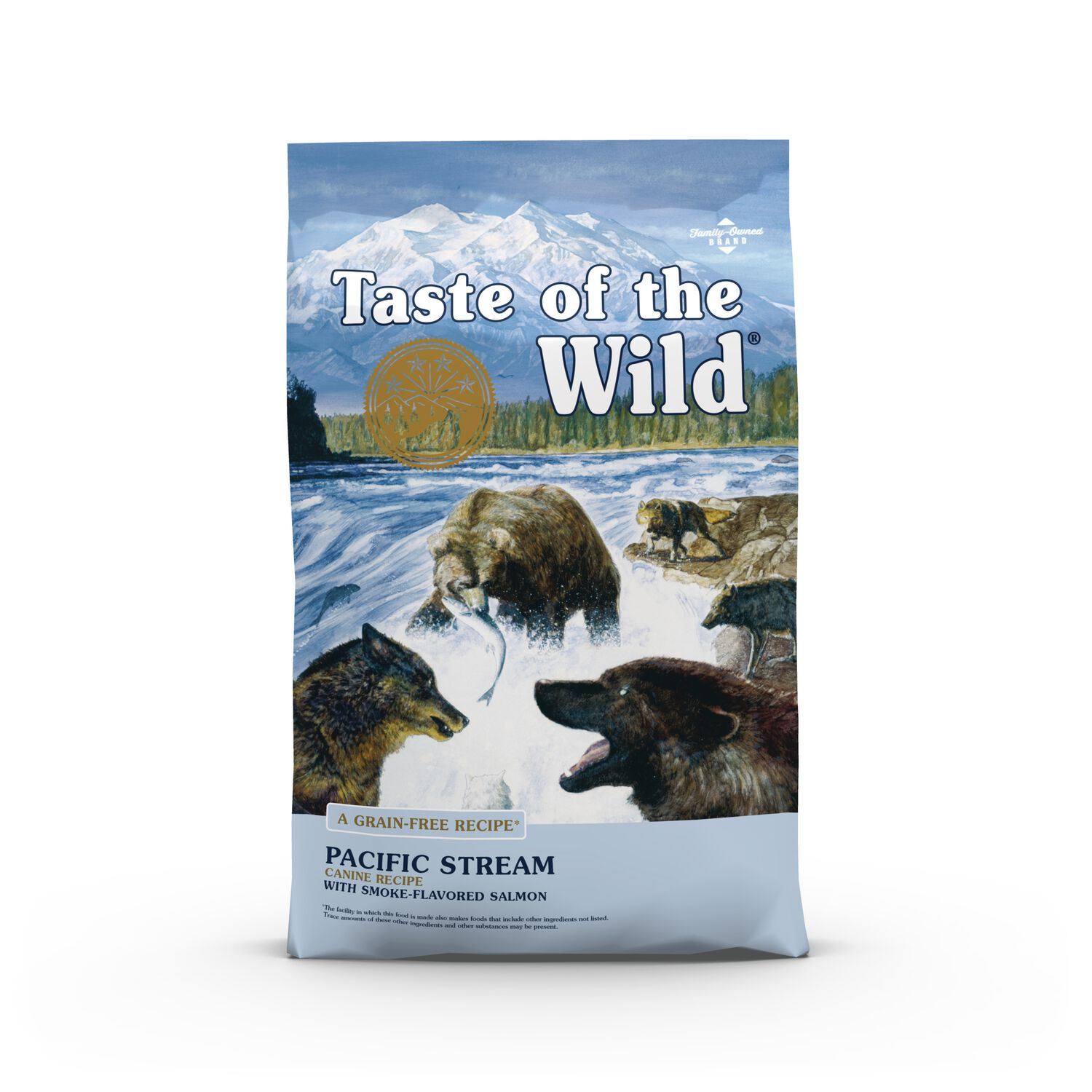
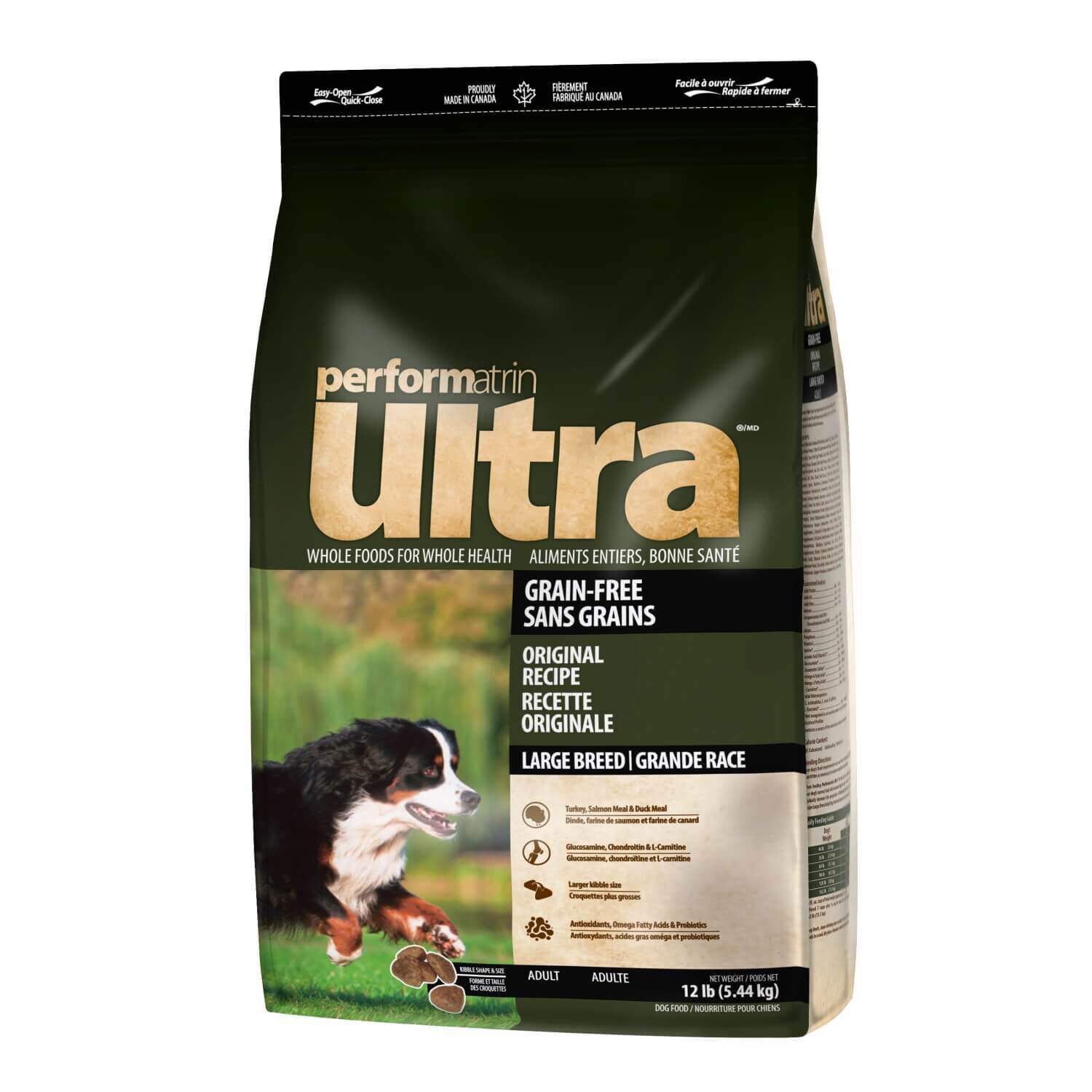
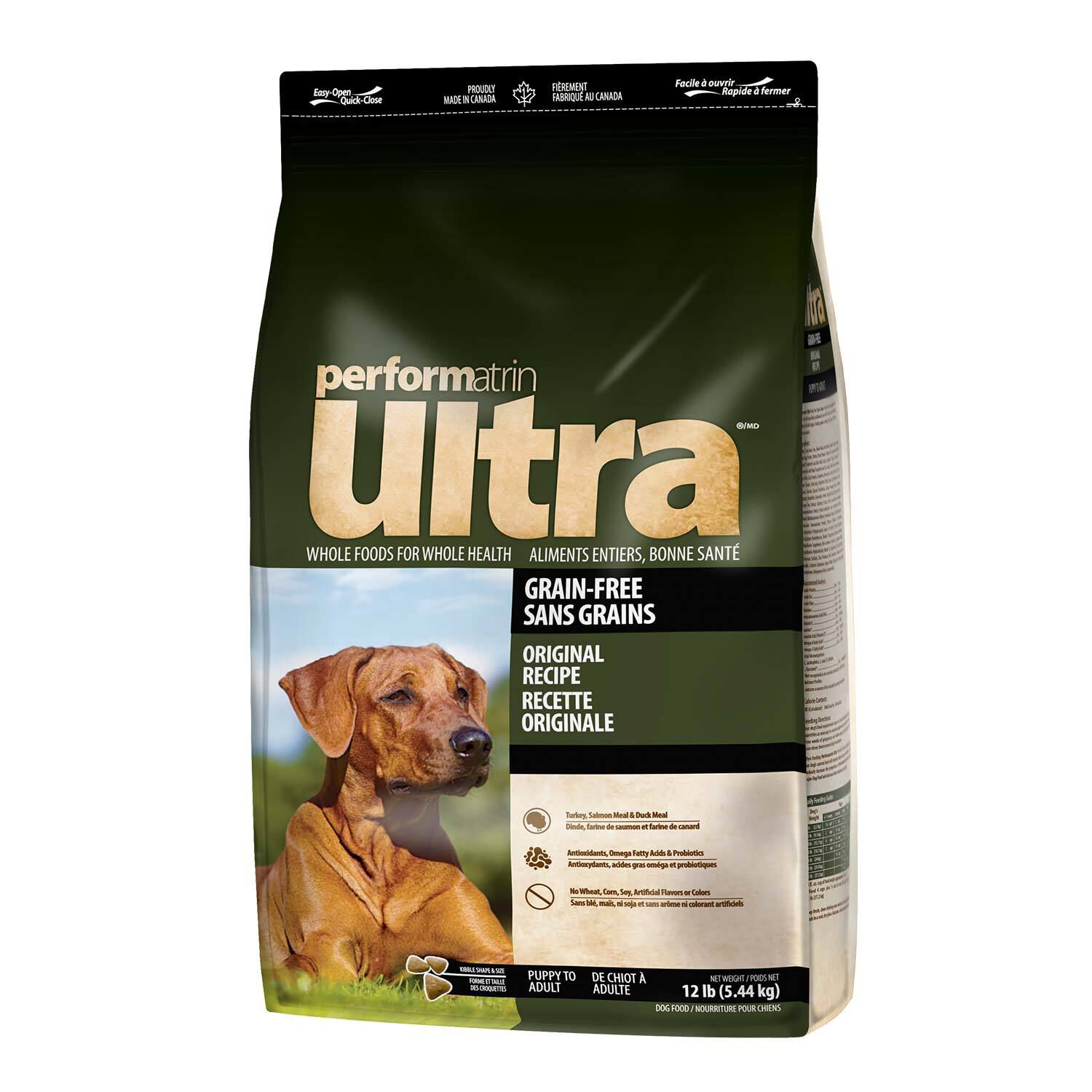
Grain free dog food can be an excellent option for dogs with confirmed grain sensitivities, allergies, or digestive troubles. Many dog owners choose grain-free recipes to focus on higher animal protein sources and easily digestible carbs like sweet potatoes or peas.
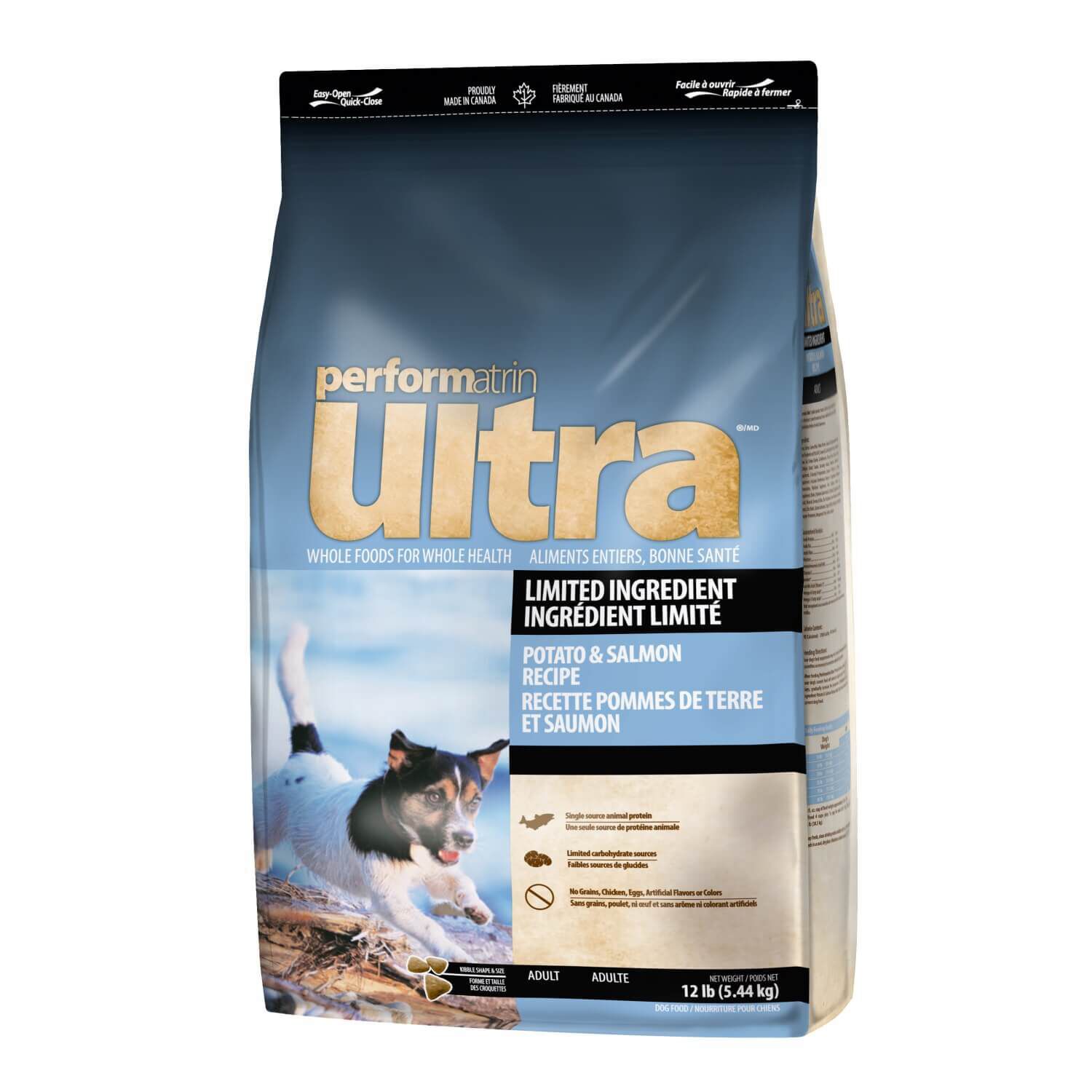
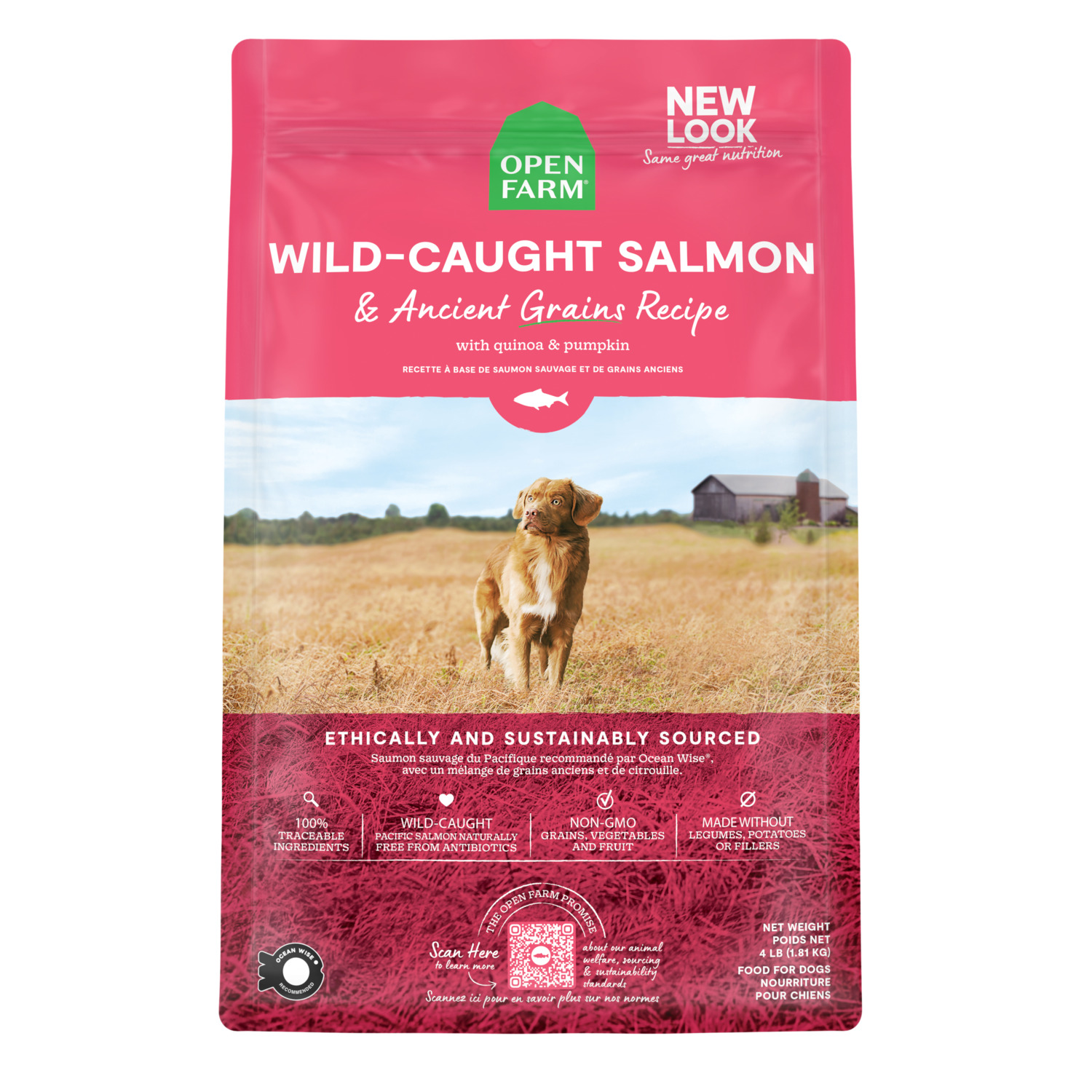
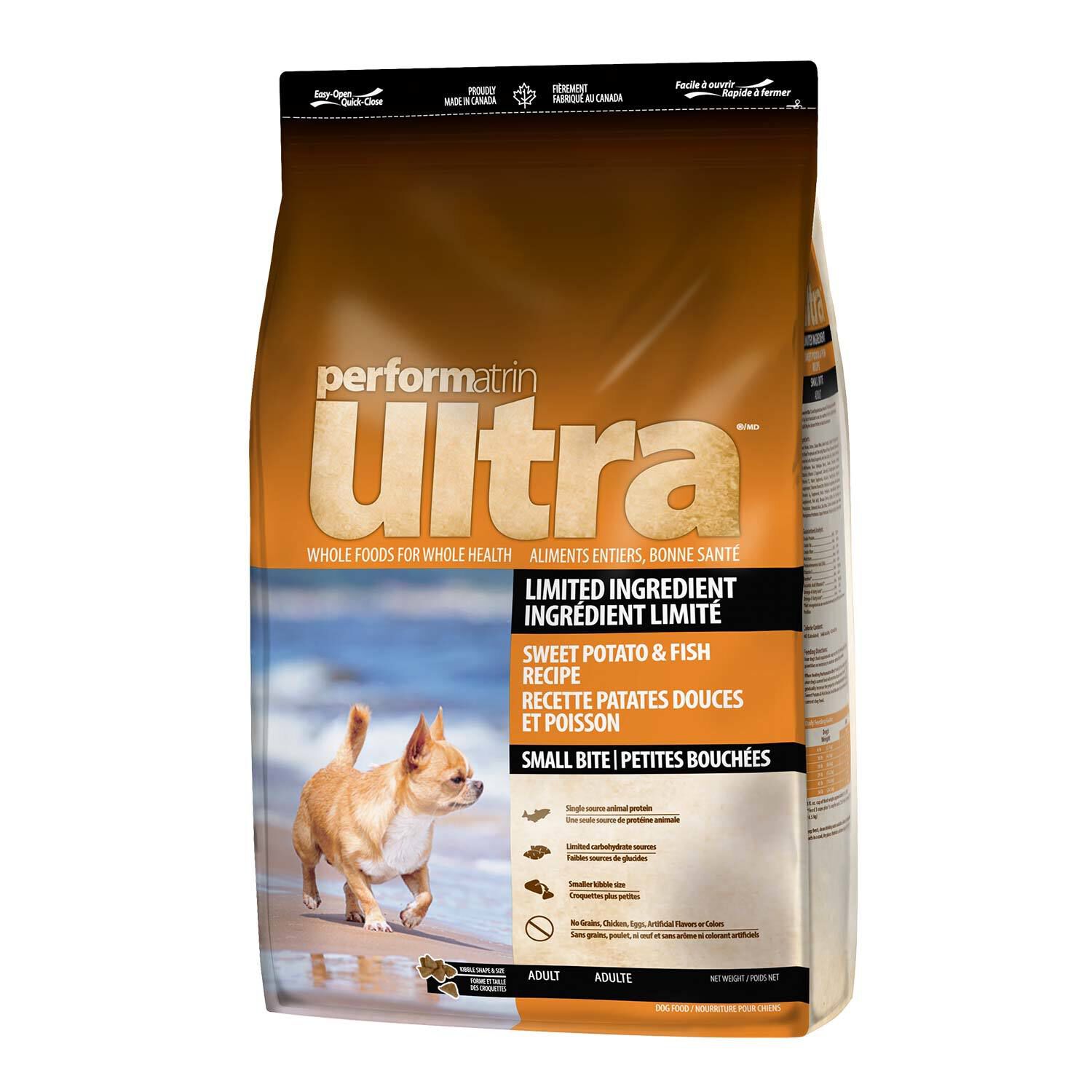
However, grains like rice, oats, and barley provide healthy fibers and energy for most healthy dogs. If you are considering transitioning to a grain-free diet, consult your veterinarian to evaluate your pet's individual dietary needs, especially if you are selecting a dog food for sensitive stomachs or a limited ingredient dog food to pinpoint specific dietary triggers.
How do I choose the best dog food for my dog's specific needs?
To find the best dog food for your pet, focus on key indicators of quality:
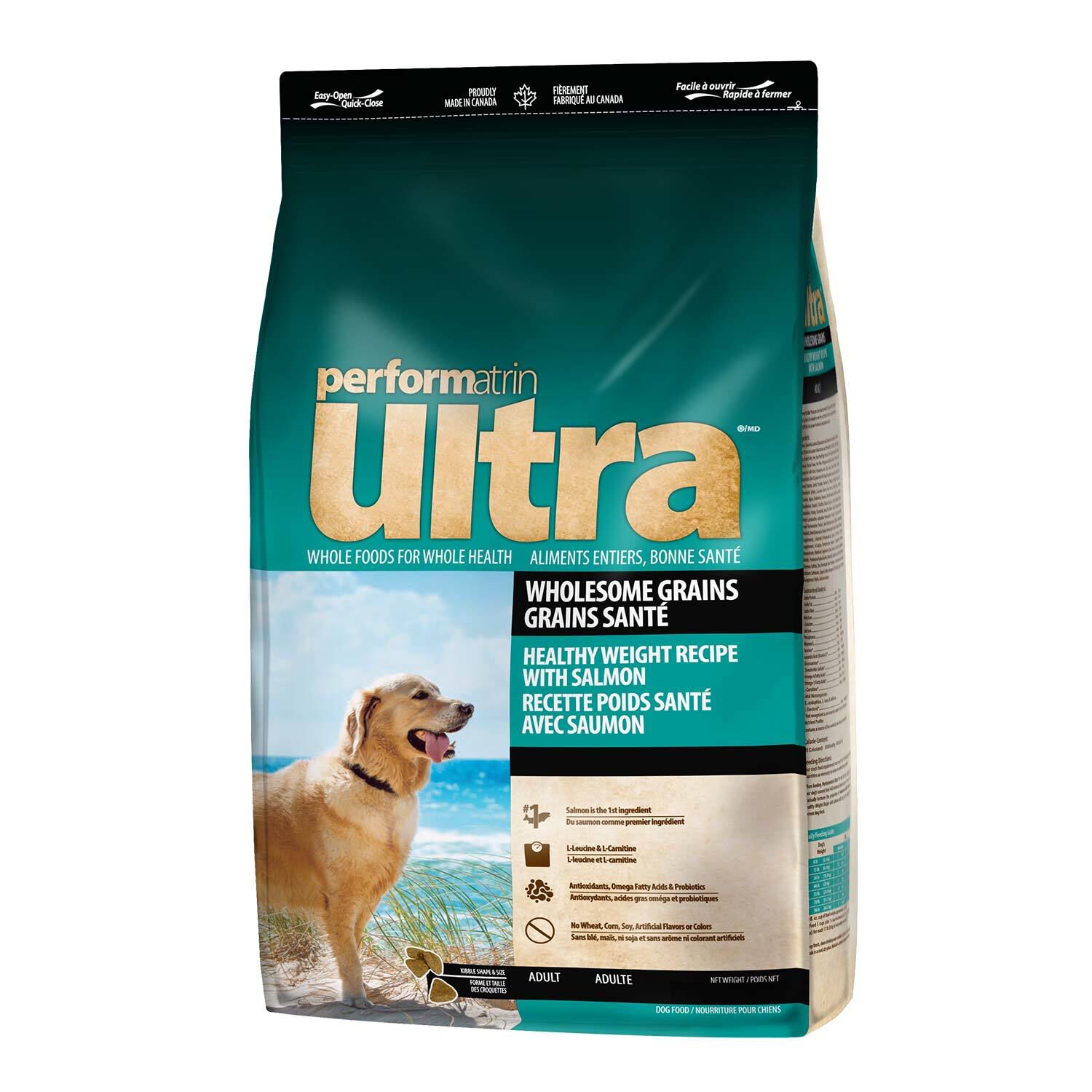
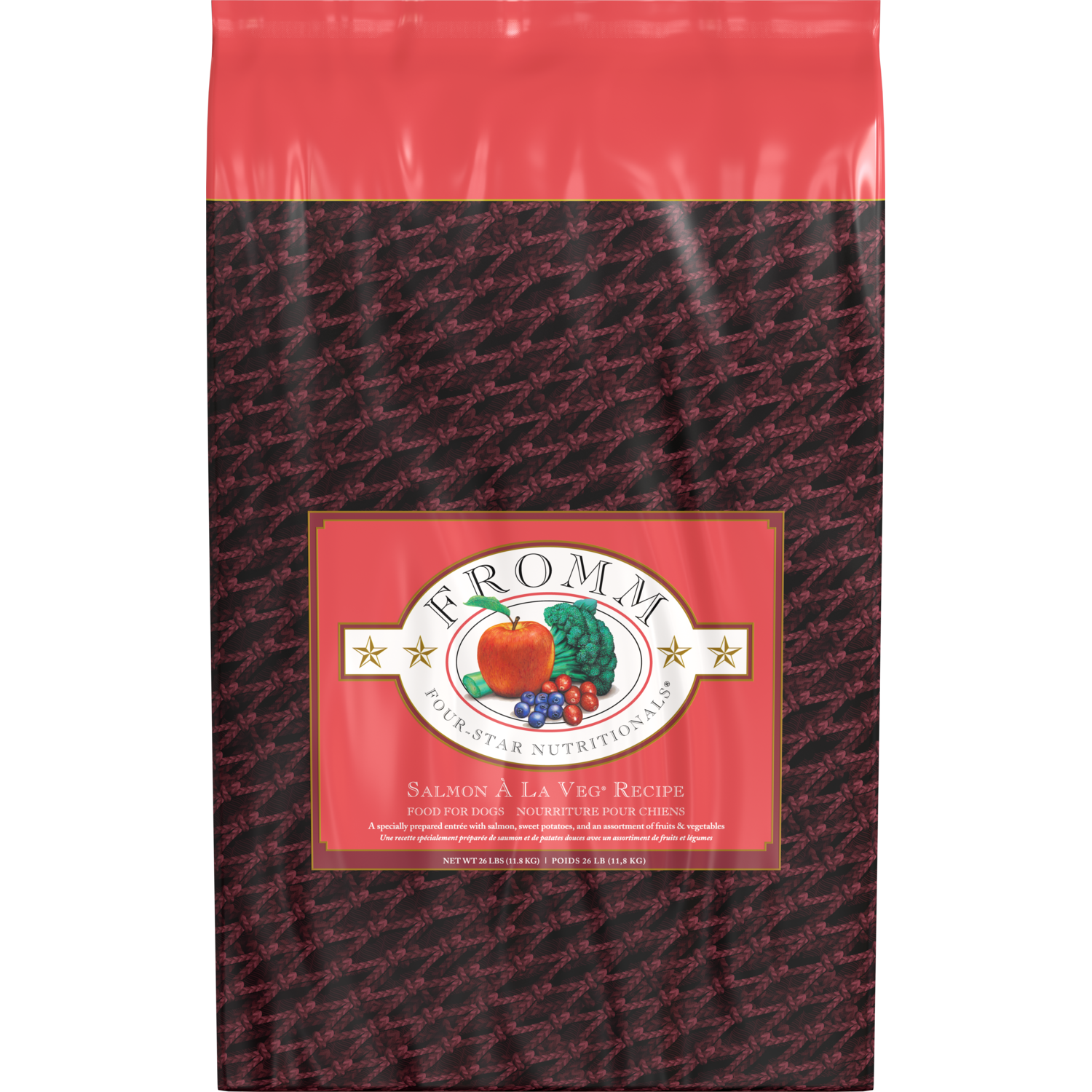
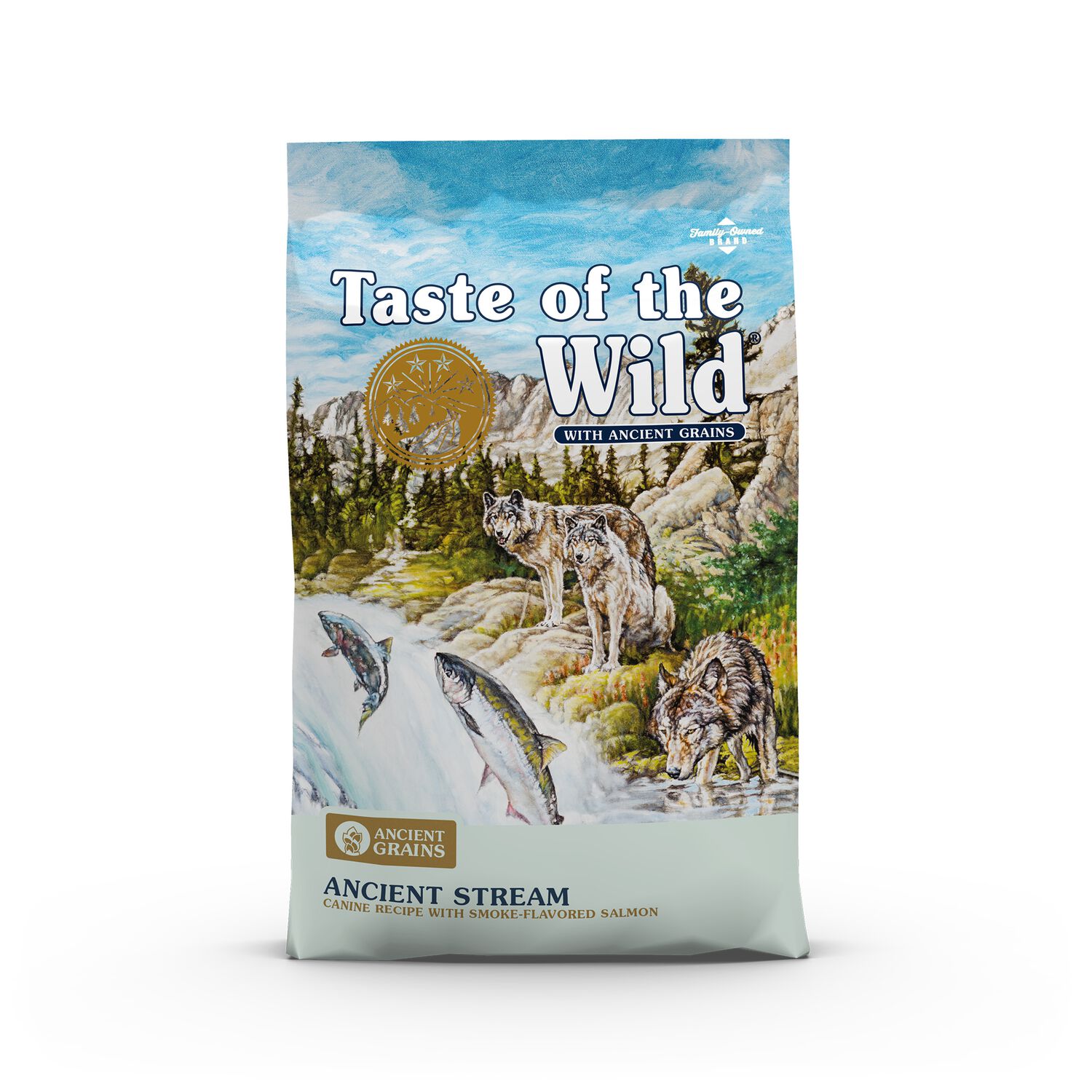
- Real Whole Meat First: Choose recipes made with identifiable meats, such as dog food with real chicken, beef, or salmon.
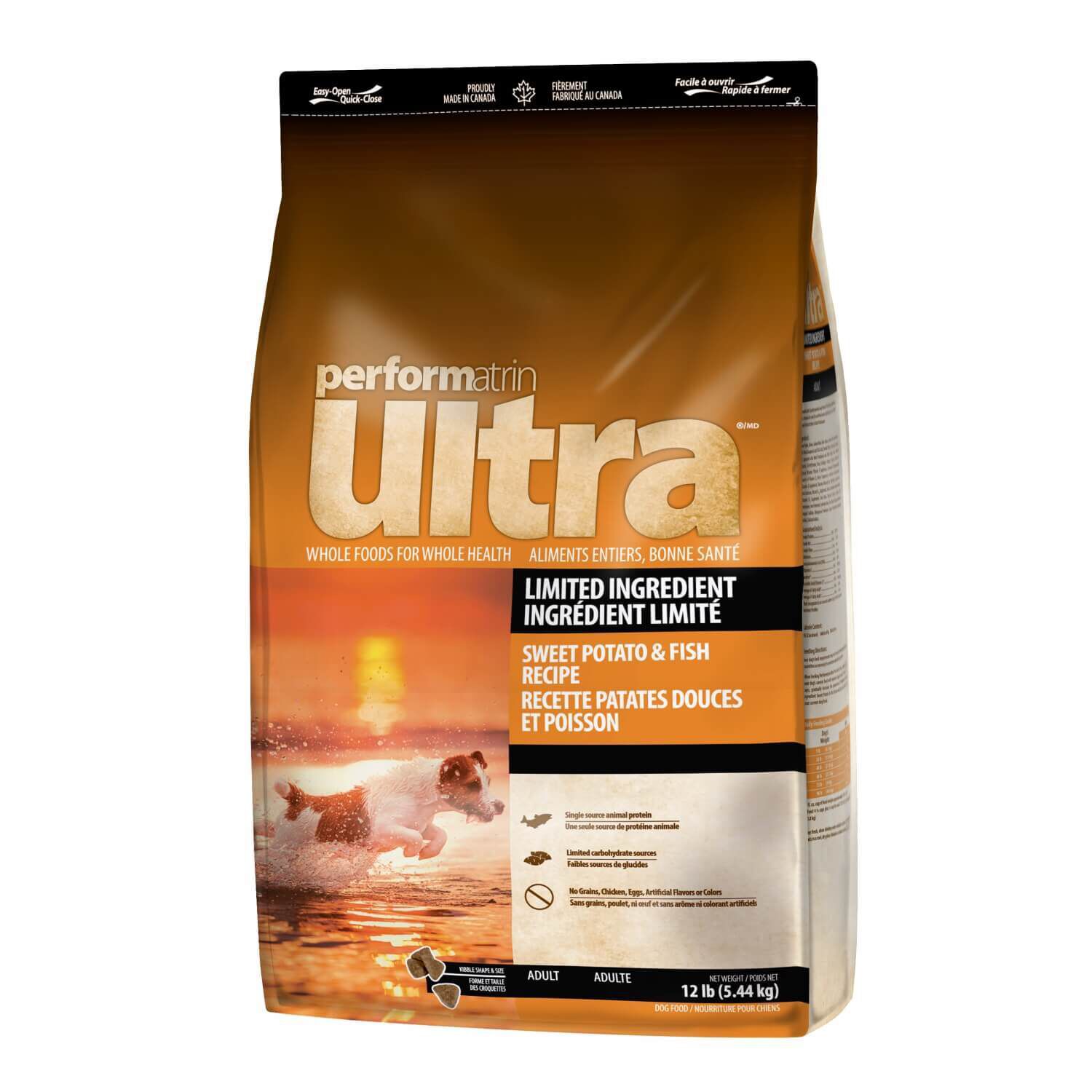
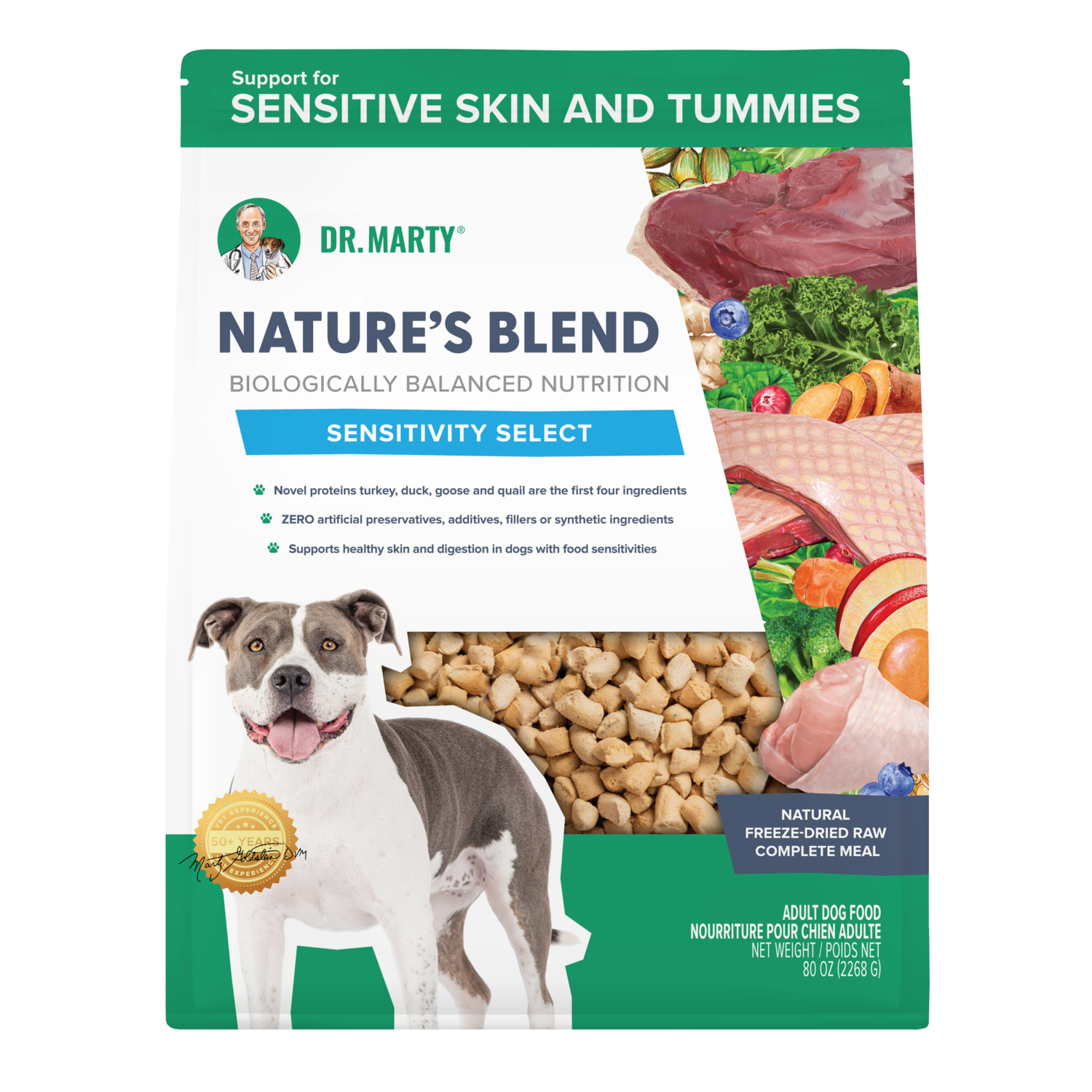
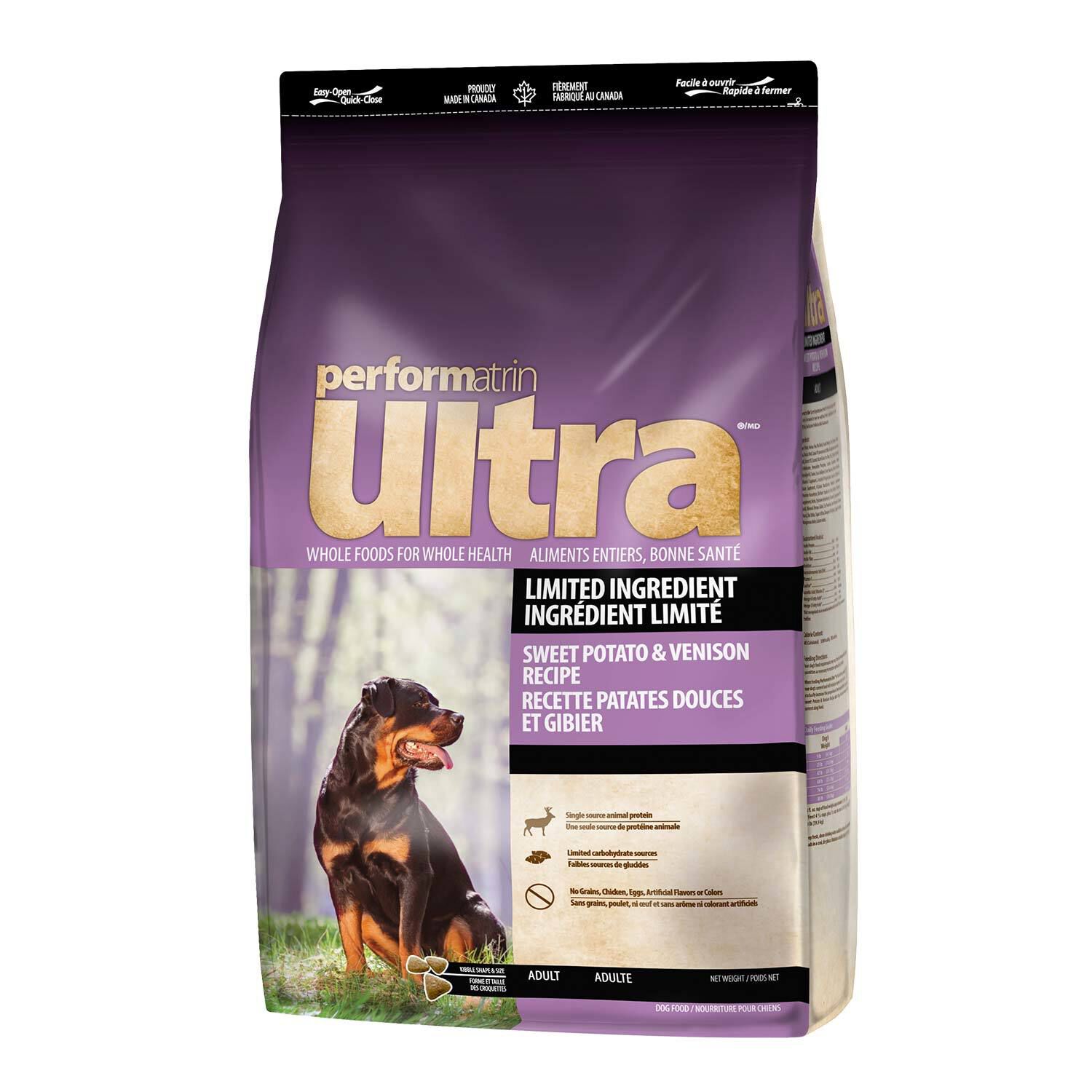
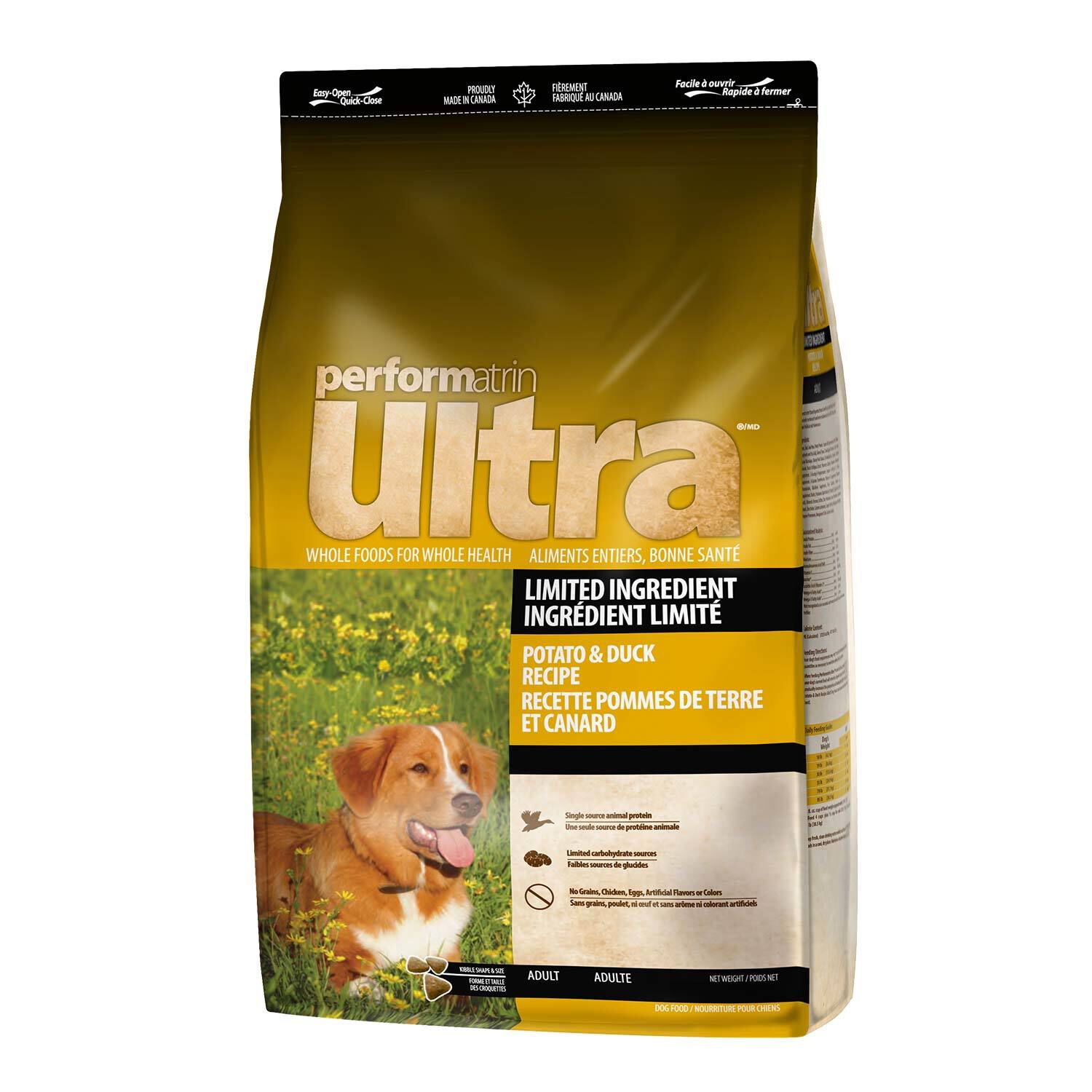
- Digestibility: If your dog experiences gas or loose stools, opt for a dog food for sensitive stomachs or a limited ingredient dog food with clean, simple formulas.
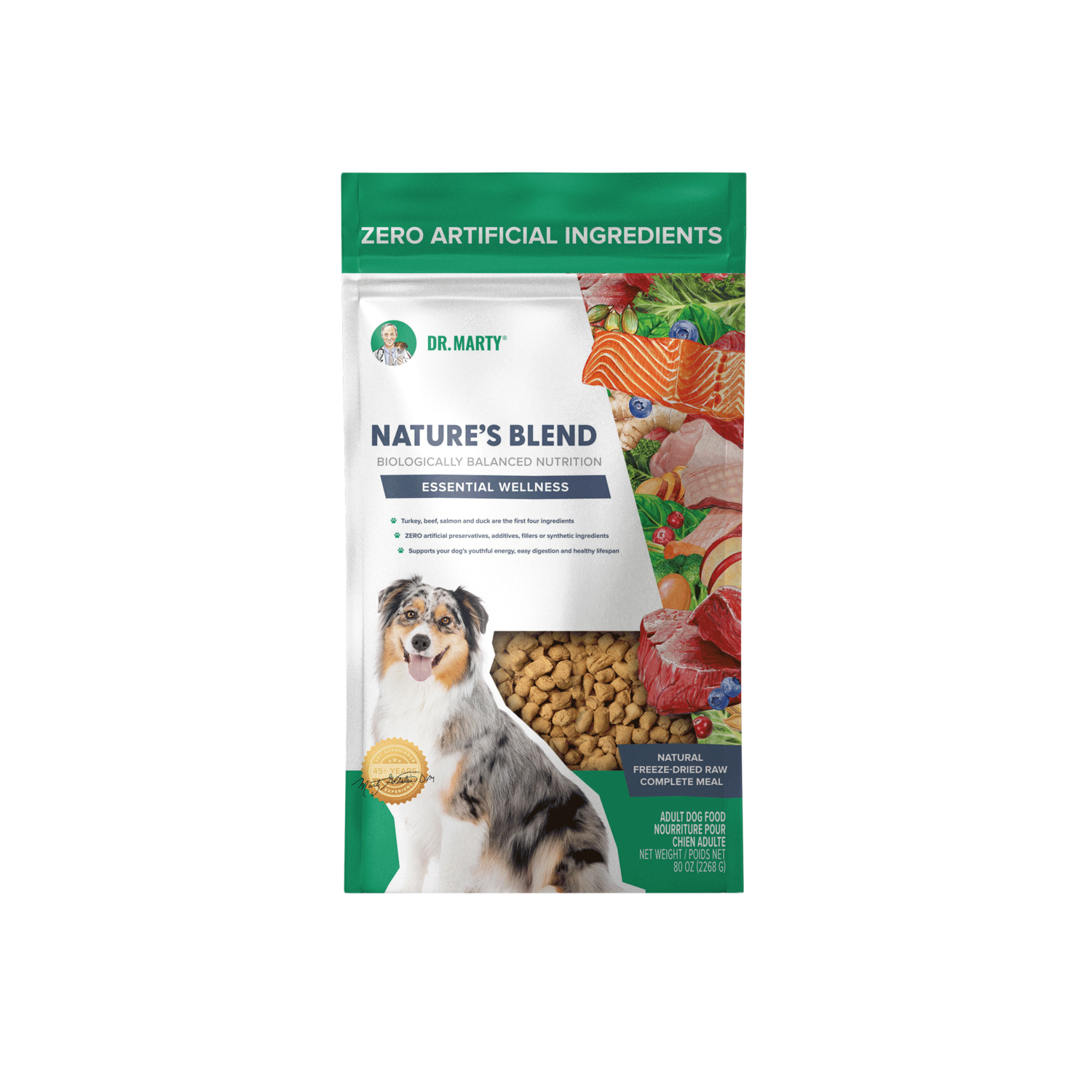
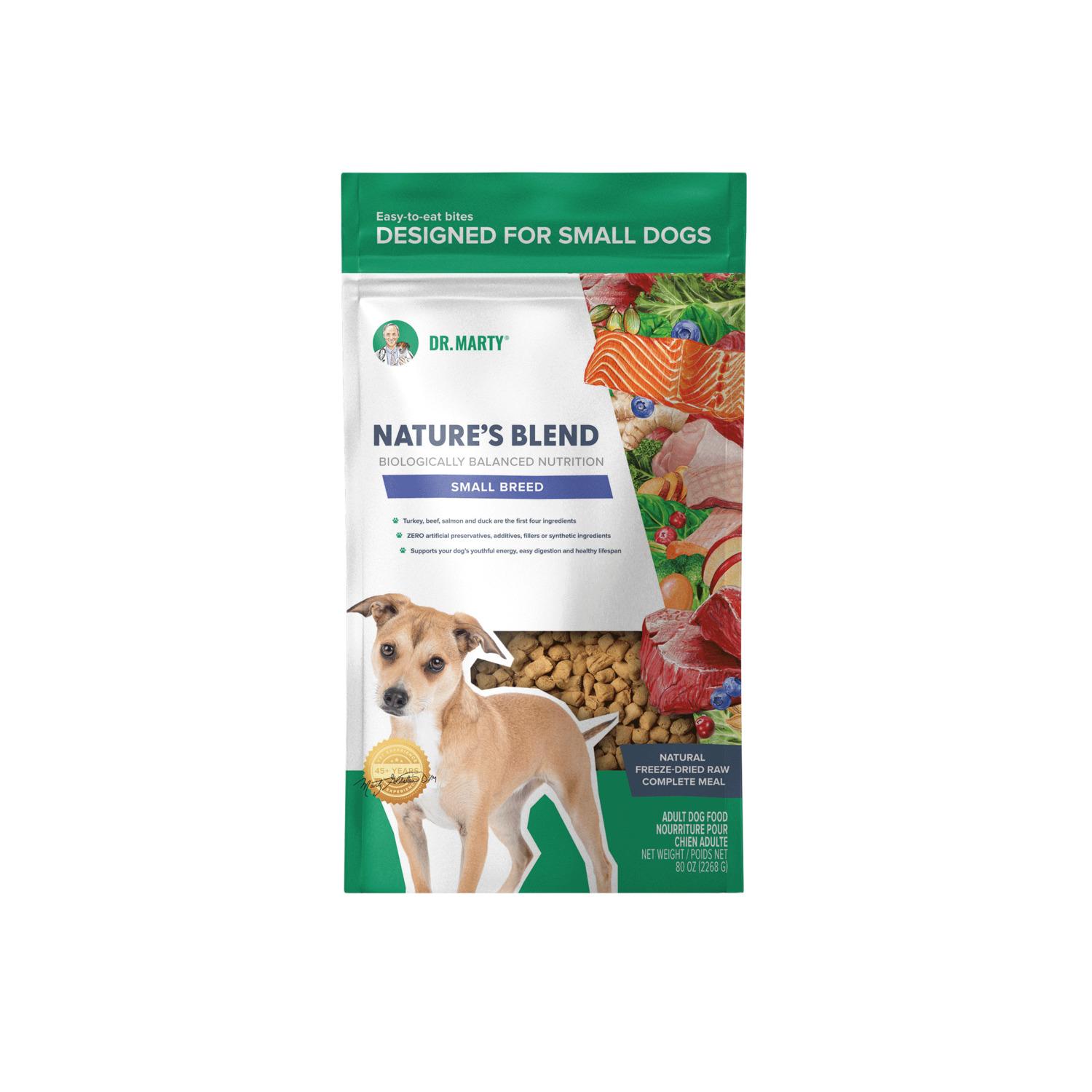
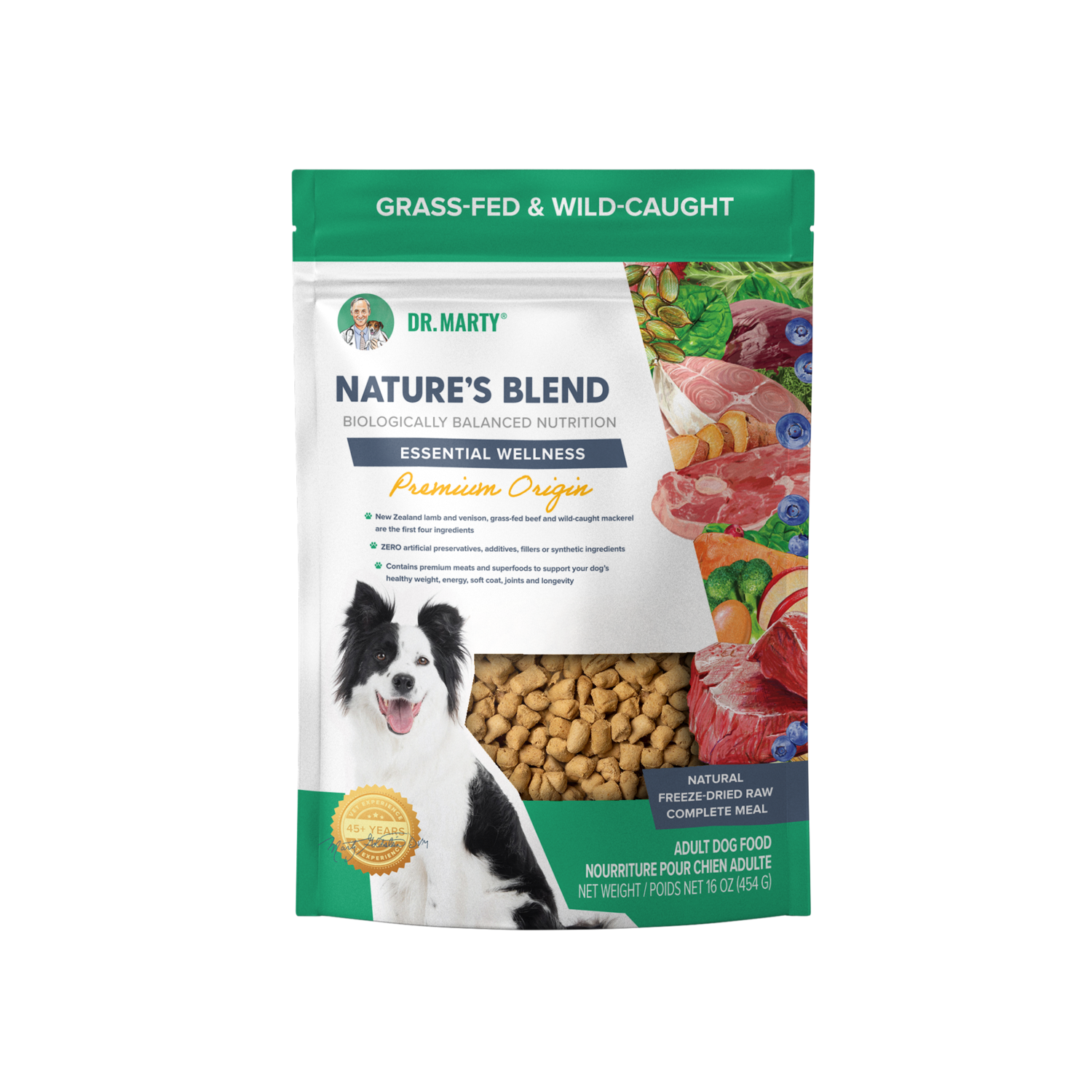
- Nutrient Processing: Consider raw-nourishment options like freeze dried dog food, which preserve natural enzymes and nutrients while delivering maximum flavor.
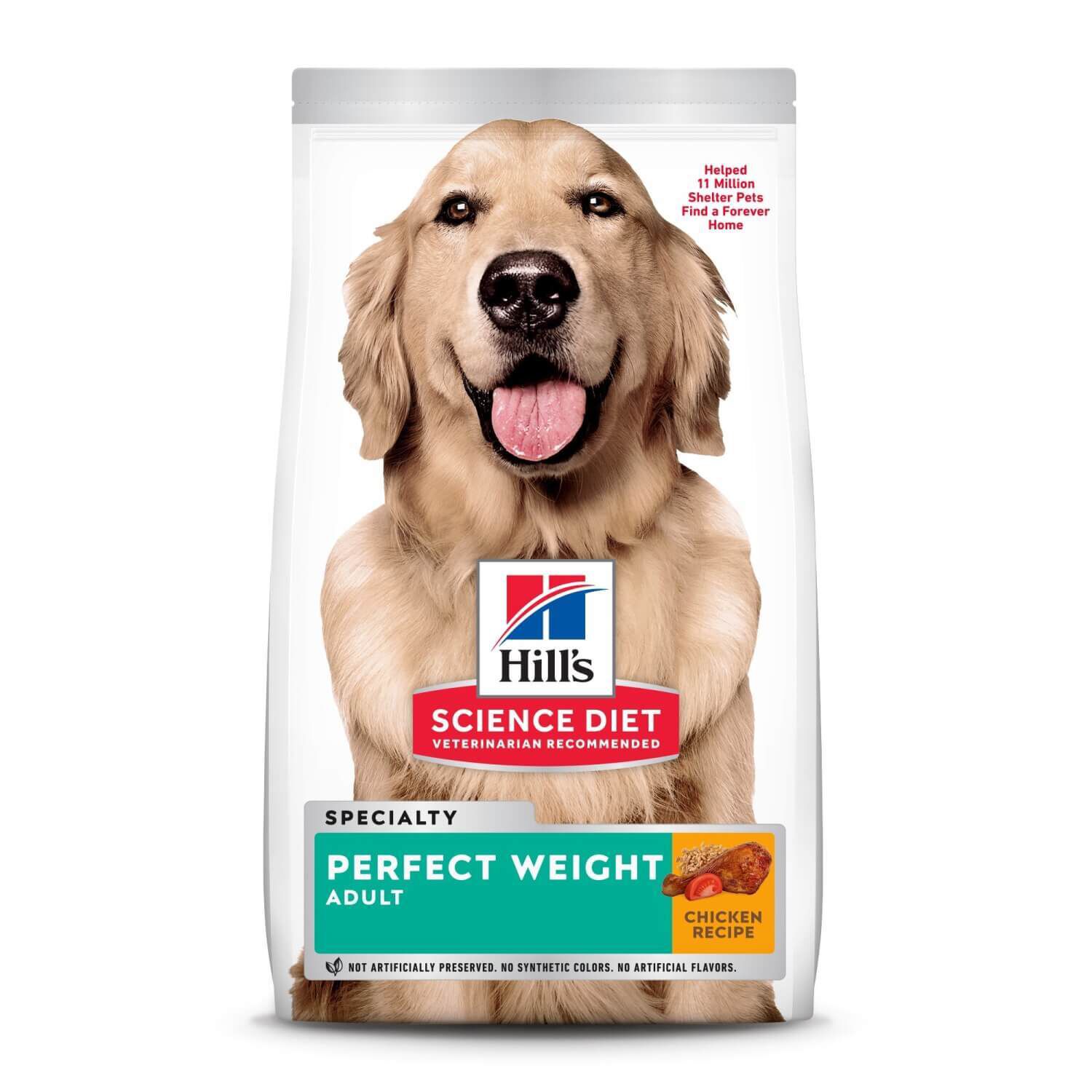
- Veterinary Approval: Choose a vet recommended dog food backed by nutritional adequacy standards to ensure safe, long-term health benefits.
