1 Results
|

UVB Light Distances for Bearded Dragons

UVB Light Distances for Bearded Dragons

1 Results
No products found for selected filters. Please try with different filters.
$79.99

You May Also Like

$29.99
$51.99 - $89.99
$62.99
$27.99 - $36.99
$27.99 - $36.99
$22.99
$31.99
$9.99 - $18.99
$30.99
$27.99 - $36.99
$179.99 - $249.99
$27.49

About UVB Light Distances for Bearded Dragons

Understanding UVB light distances for bearded dragons is crucial for their health and well-being. Proper UVB exposure helps these reptiles synthesize vitamin D3, which is essential for calcium absorption and bone health. The distance between the UVB light source and your bearded dragon's basking area plays a significant role in ensuring they receive the right intensity of UVB rays, which can vary based on the type of bulb used and the specific needs of your pet.

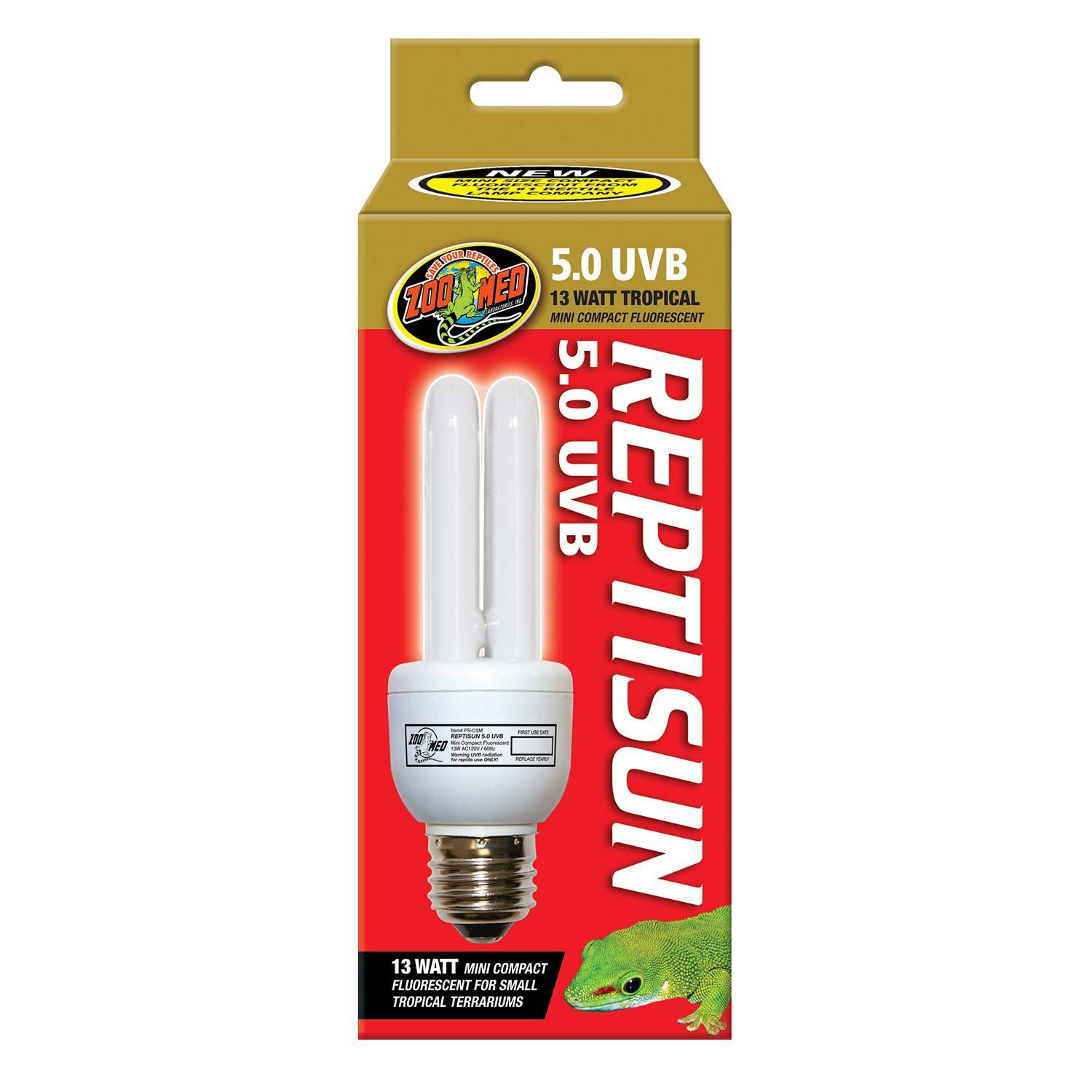
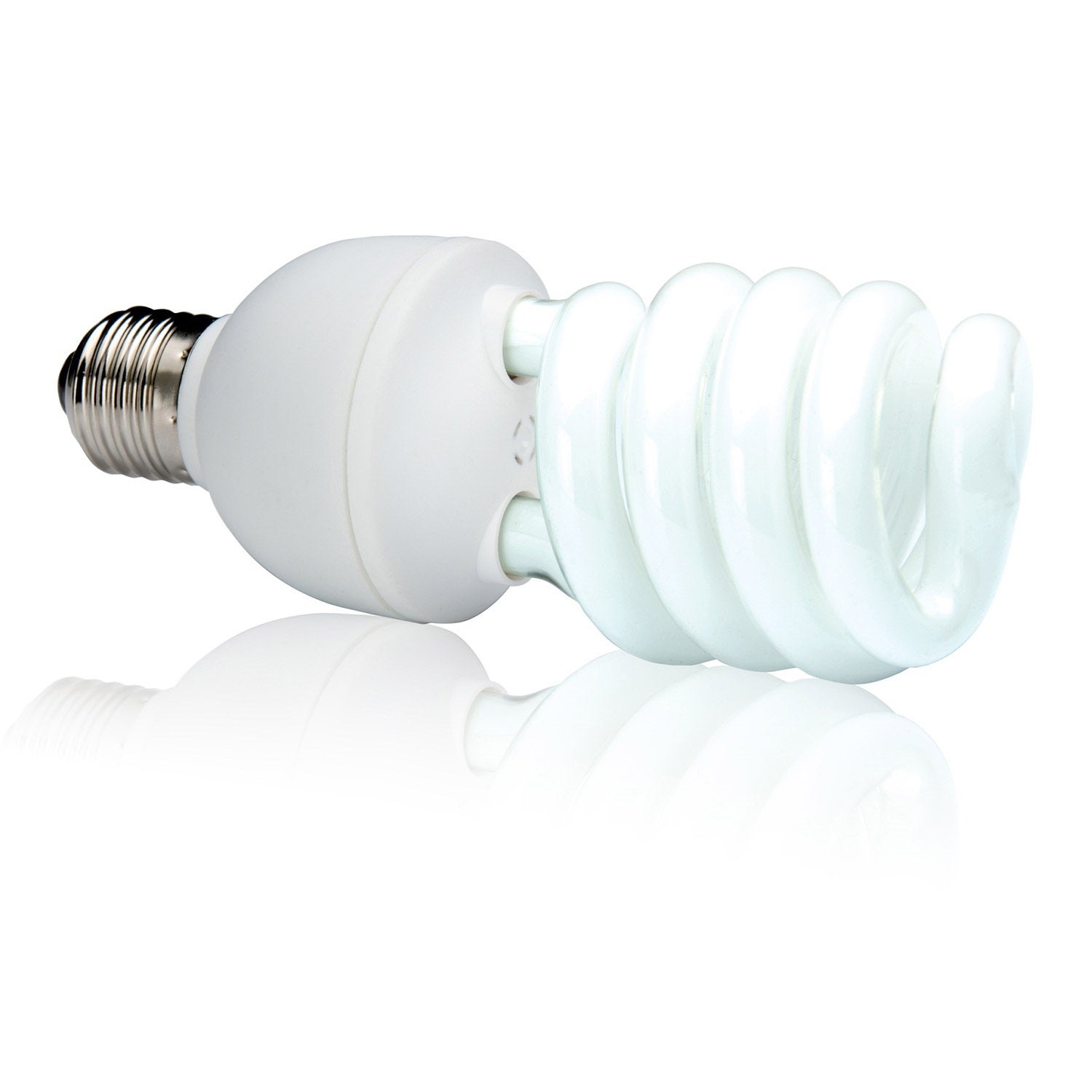
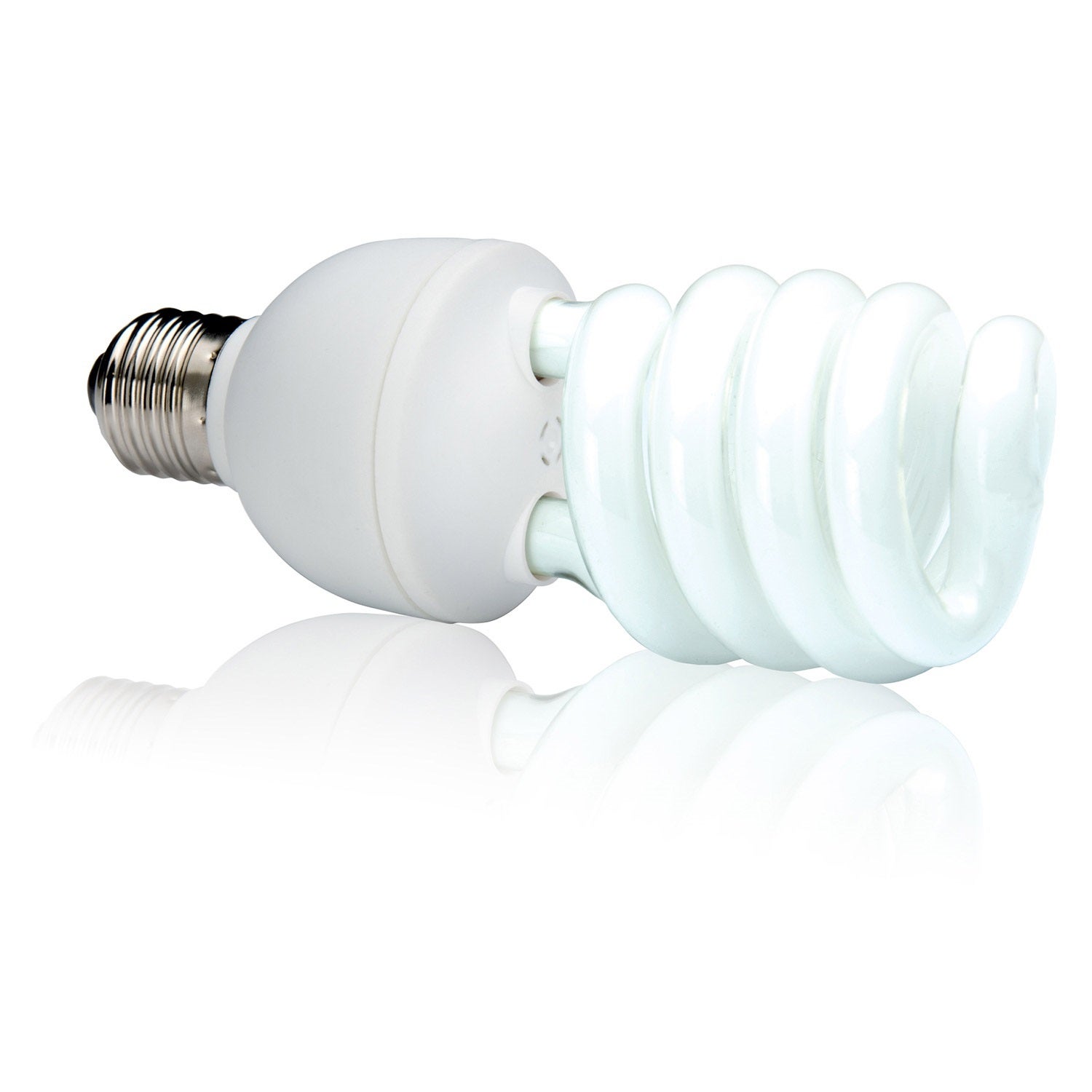
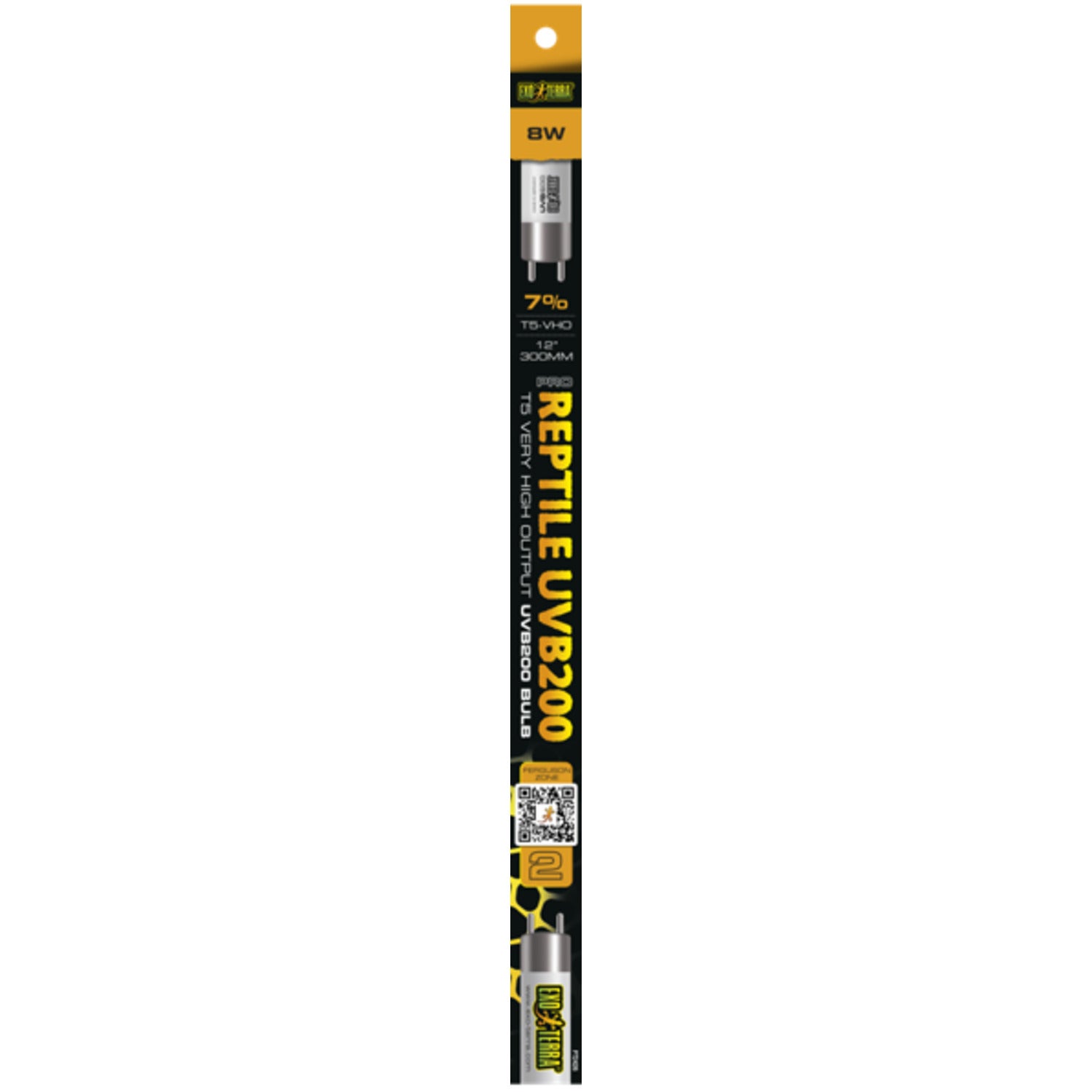
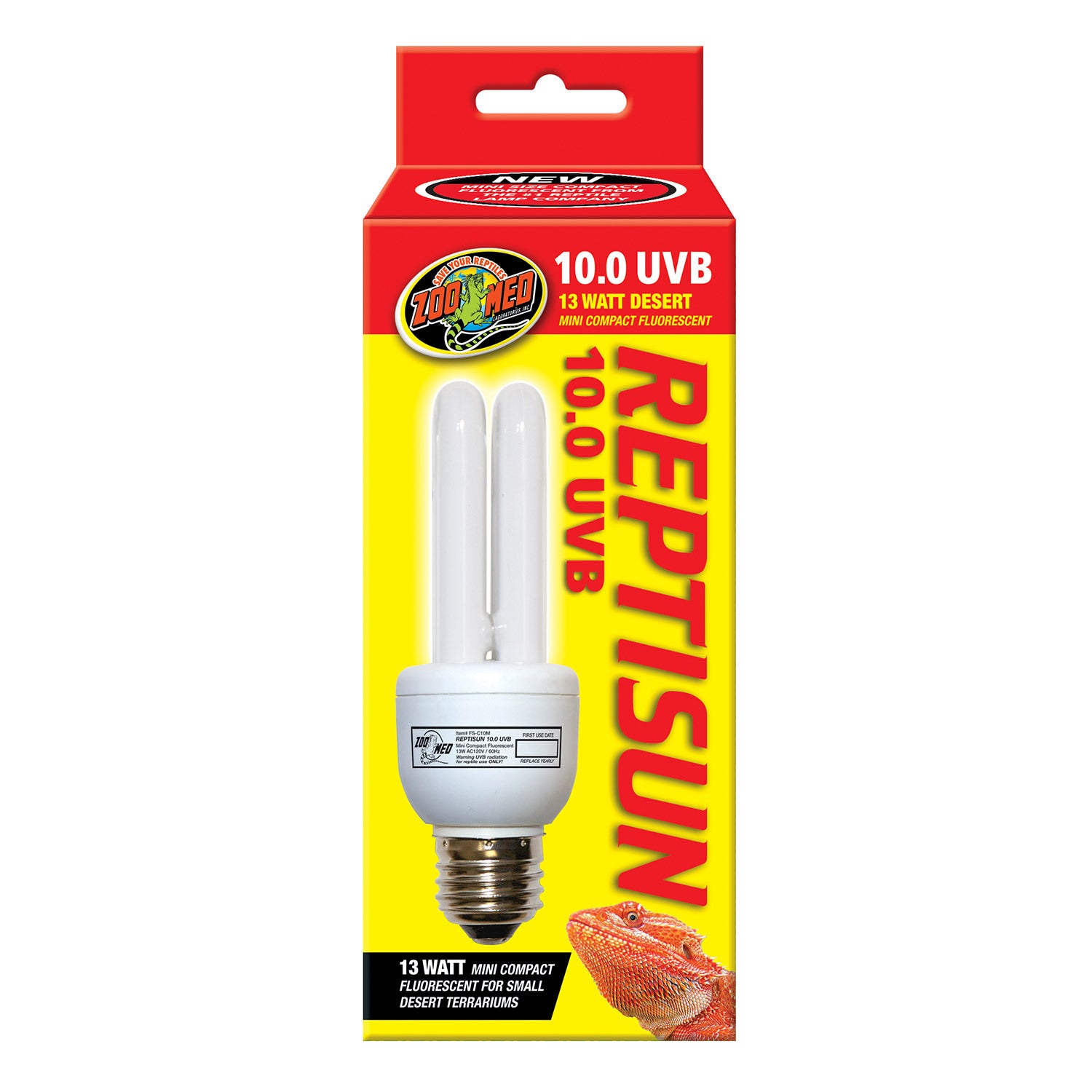
When setting up your bearded dragon's habitat, it's important to consider the recommended distances for different UVB bulbs. Generally, compact fluorescent bulbs require a closer placement than linear fluorescent tubes to deliver effective UVB levels. By following guidelines for UVB light distances, you can create a safe and healthy environment that supports your bearded dragon's natural behaviors and promotes optimal health.

What is the ideal UVB light distance for bearded dragons?

  • The ideal UVB light distance for bearded dragons typically ranges from 12 to 18 inches, depending on the type of bulb used. Always refer to the manufacturer's guidelines for specific recommendations.

How often should I replace UVB bulbs for my bearded dragon?

  • UVB bulbs should generally be replaced every 6 to 12 months, as their effectiveness diminishes over time, even if the light is still functioning. Regular replacement ensures your bearded dragon receives adequate UVB exposure.

Can bearded dragons get enough UVB from natural sunlight?

  • Yes, bearded dragons can benefit from natural sunlight, but it's essential to ensure they are not exposed to direct sunlight for too long to avoid overheating. A few hours of sunlight can provide excellent UVB, but always monitor their temperature and hydration.

What happens if my bearded dragon doesn't get enough UVB light?

  • Insufficient UVB exposure can lead to metabolic bone disease, calcium deficiencies, and other health issues in bearded dragons. It's crucial to provide adequate UVB lighting to support their overall health and prevent these conditions.

How can I measure UVB light intensity in my bearded dragon's habitat?

  • You can measure UVB light intensity using a UV meter, which provides readings of the UVB output in your bearded dragon's basking area. This helps ensure that your pet is receiving the appropriate levels of UVB for optimal health.