22 Results
|

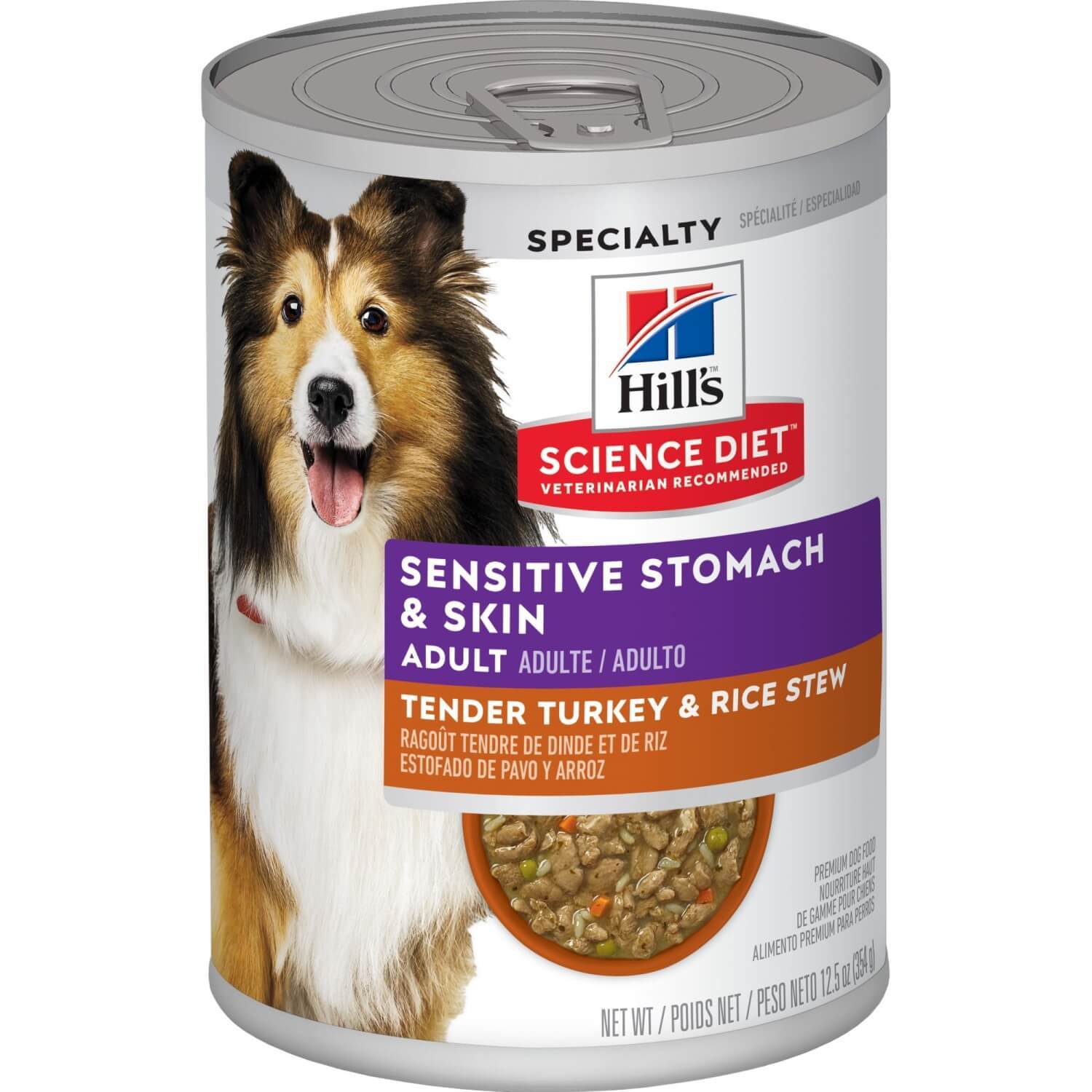
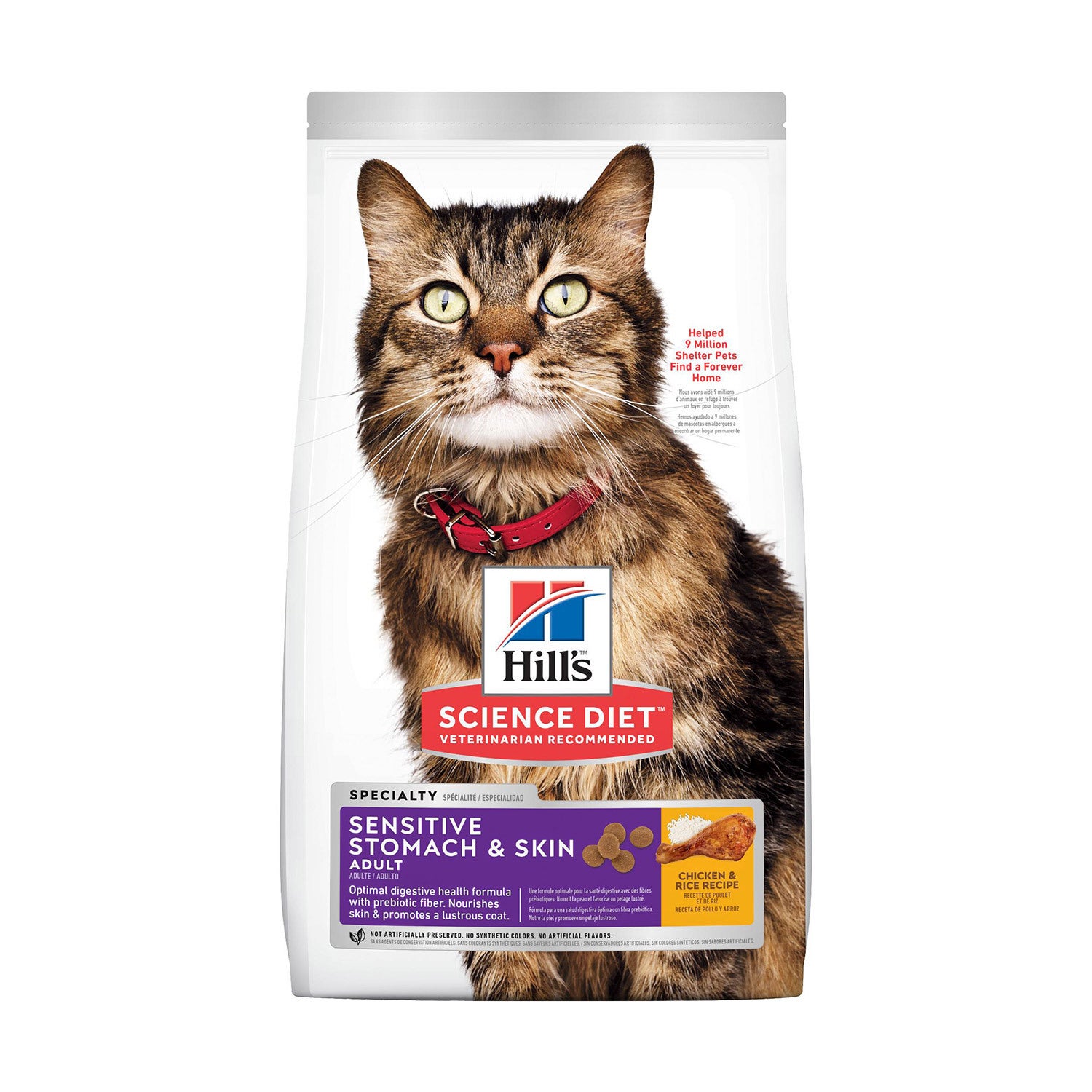
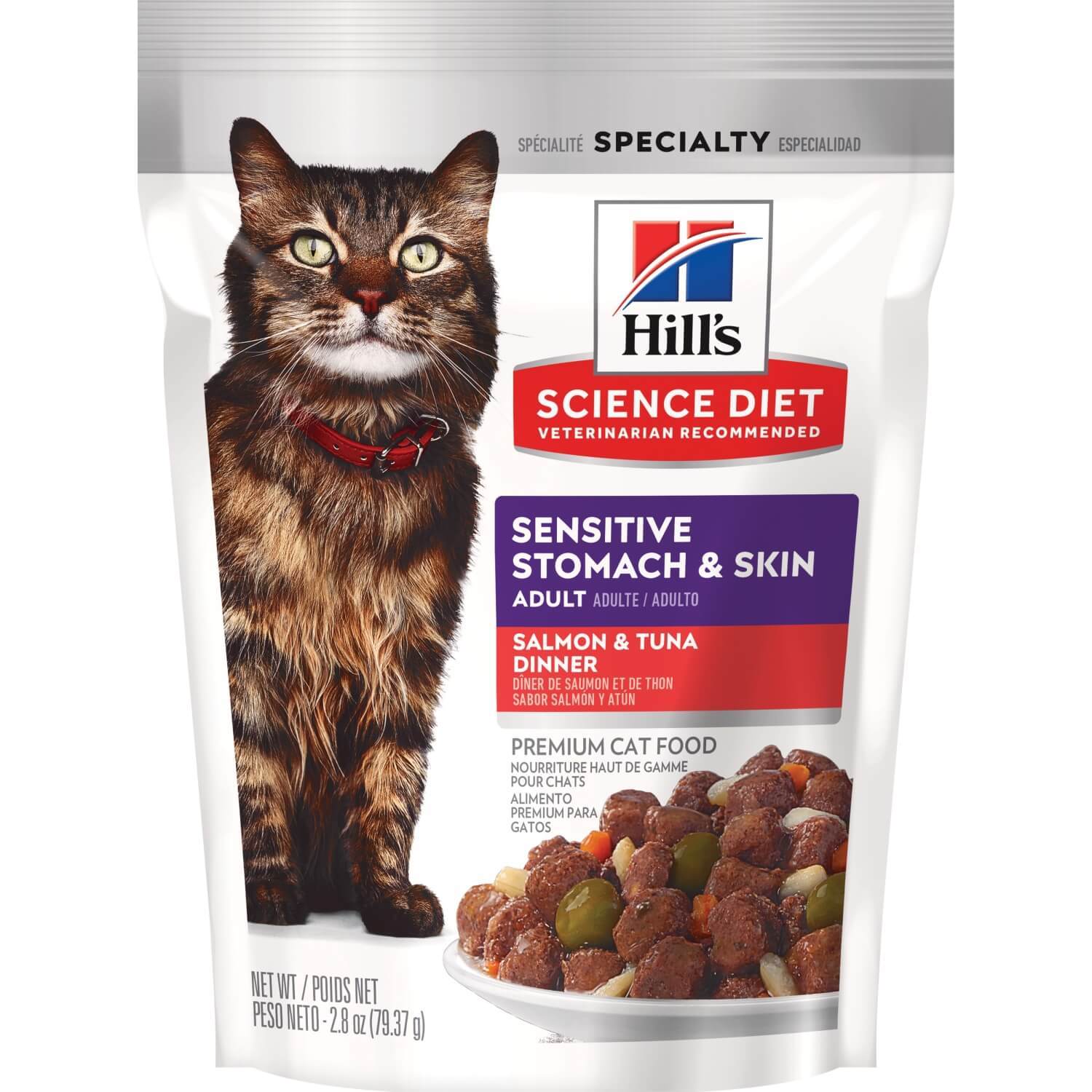
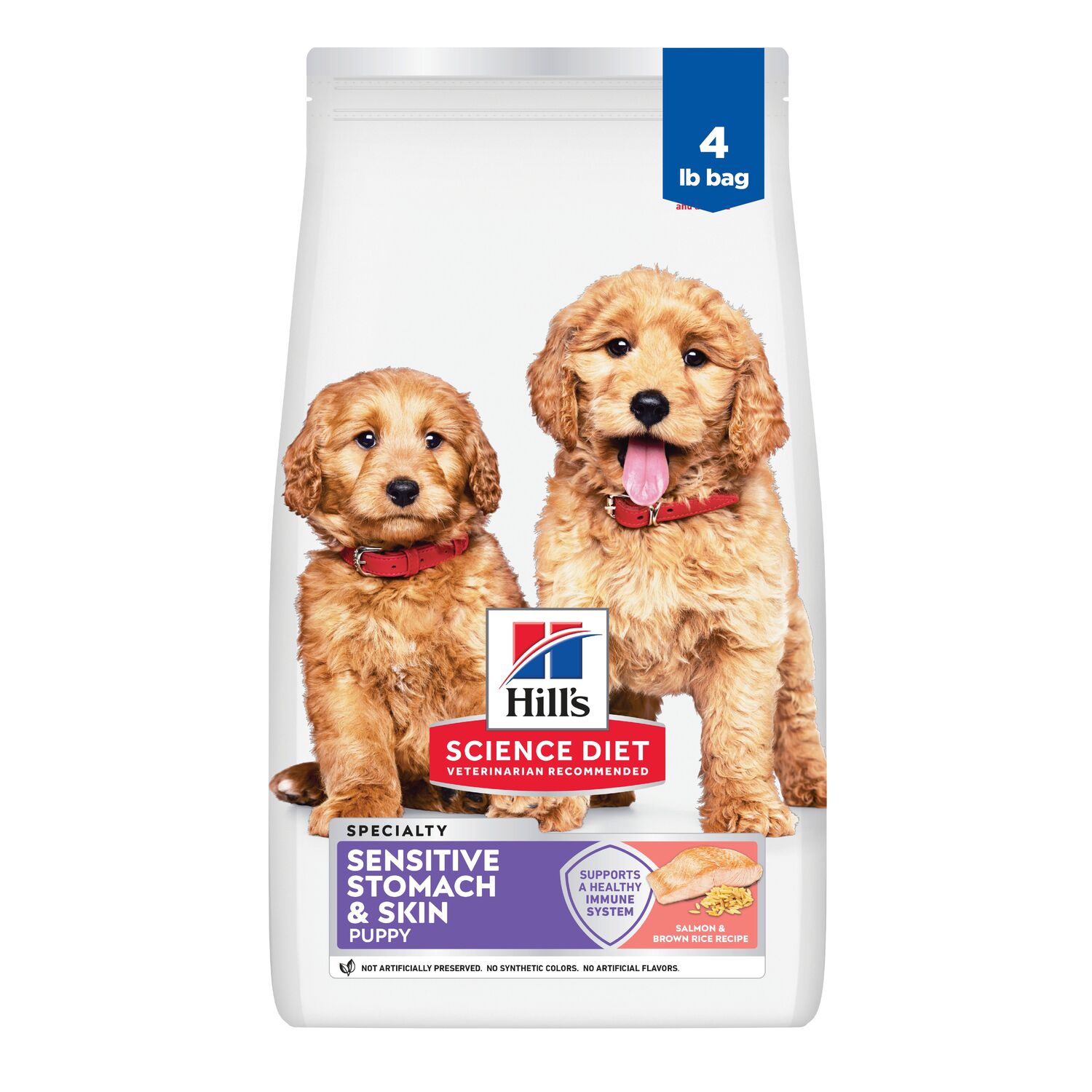
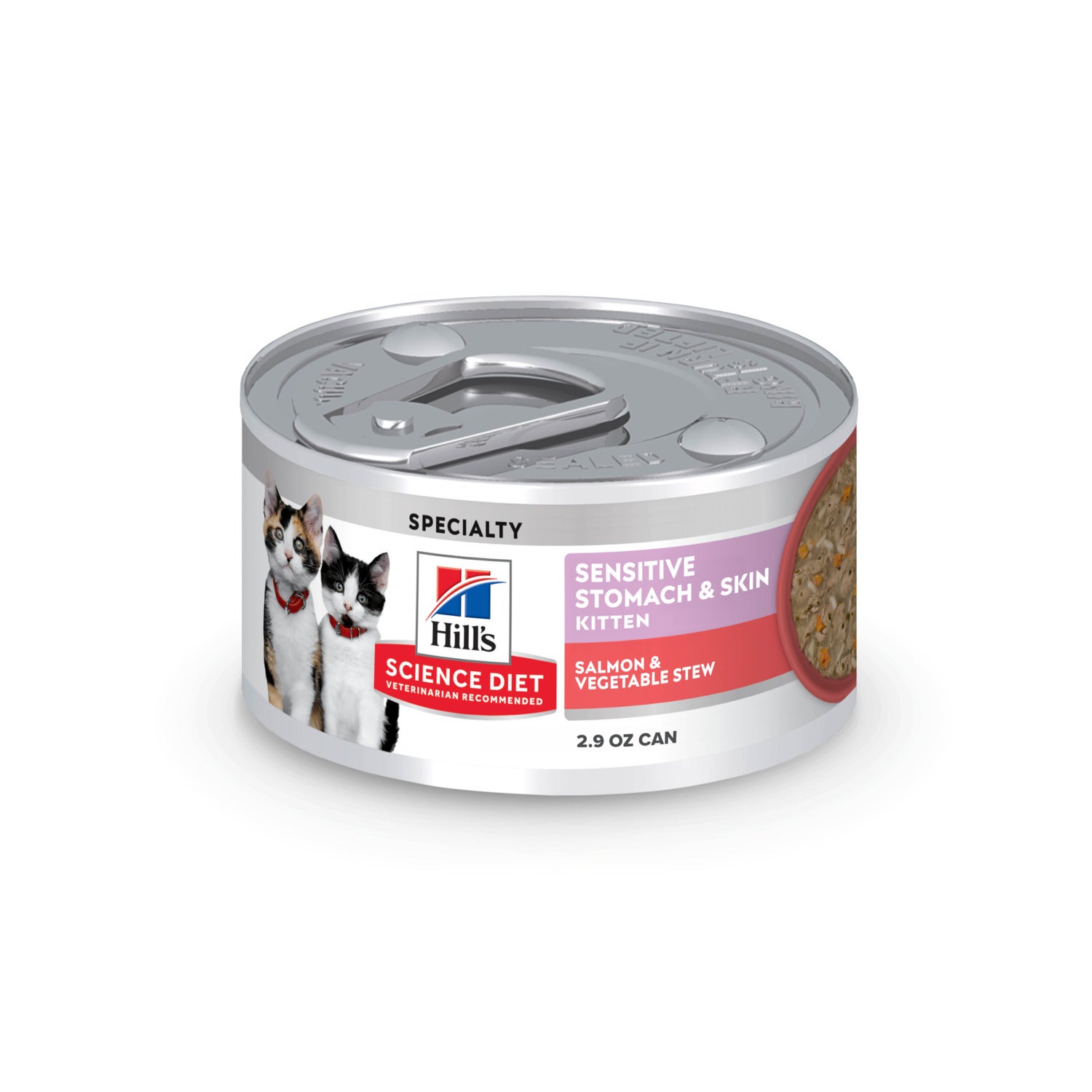
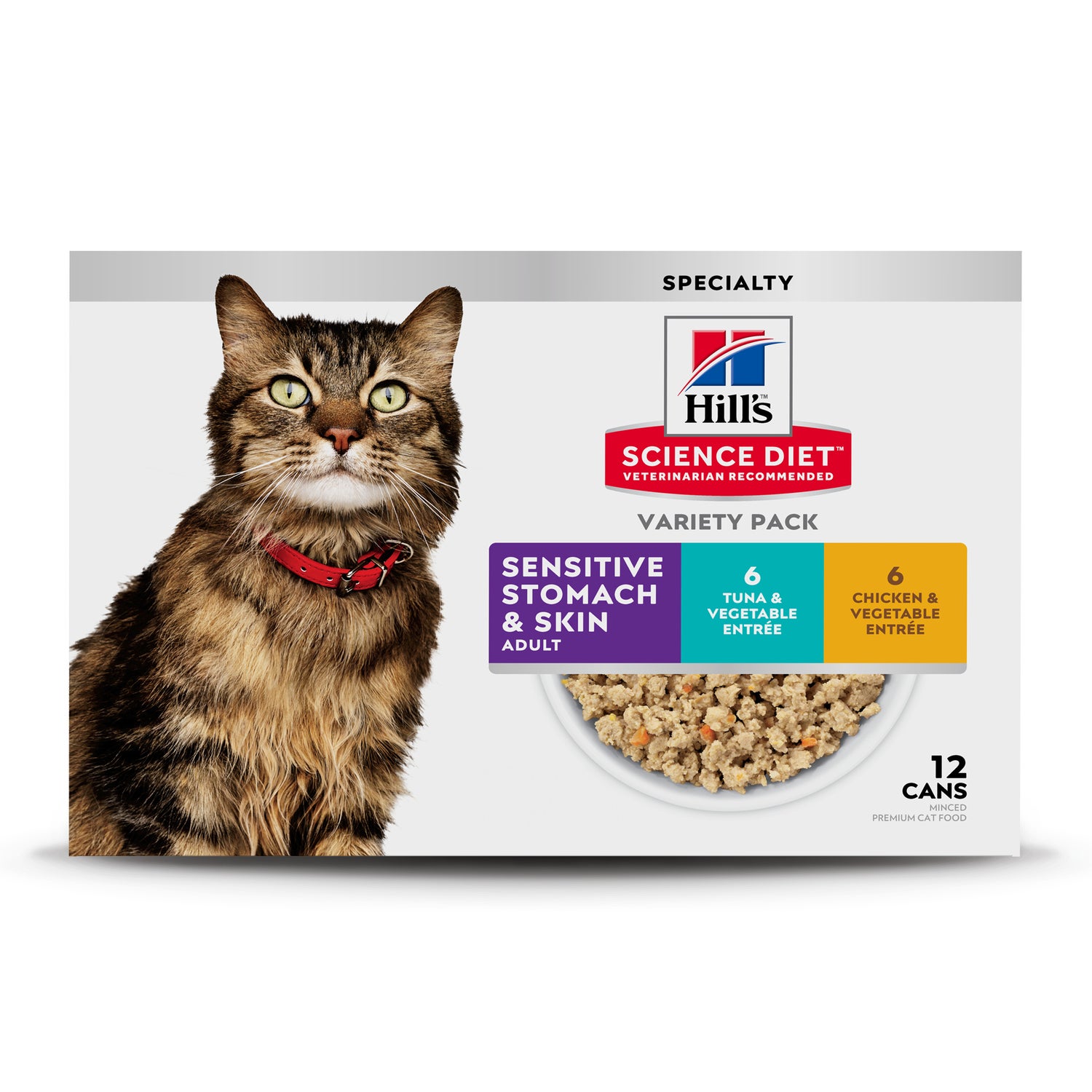
Hill's Science Diets for Food Sensitivities

Hill's Science Diets for Food Sensitivities

22 Results
No products found for selected filters. Please try with different filters.
$23.99 - $89.99
$89.99
$67.99
$23.99 - $62.99
$4.09 - $49.08
$4.09 - $49.08
$89.99
$2.49
$4.09 - $49.08
$23.99 - $67.99
$2.49
$23.99
$4.09
$1.98 - $47.52
$49.08
$1.98 - $47.52
$26.99 - $64.99
$23.99 - $38.99
$31.99 - $47.99
$22.99 - $34.99
$1.76
$23.76

About Hill's Science Diets for Food Sensitivities

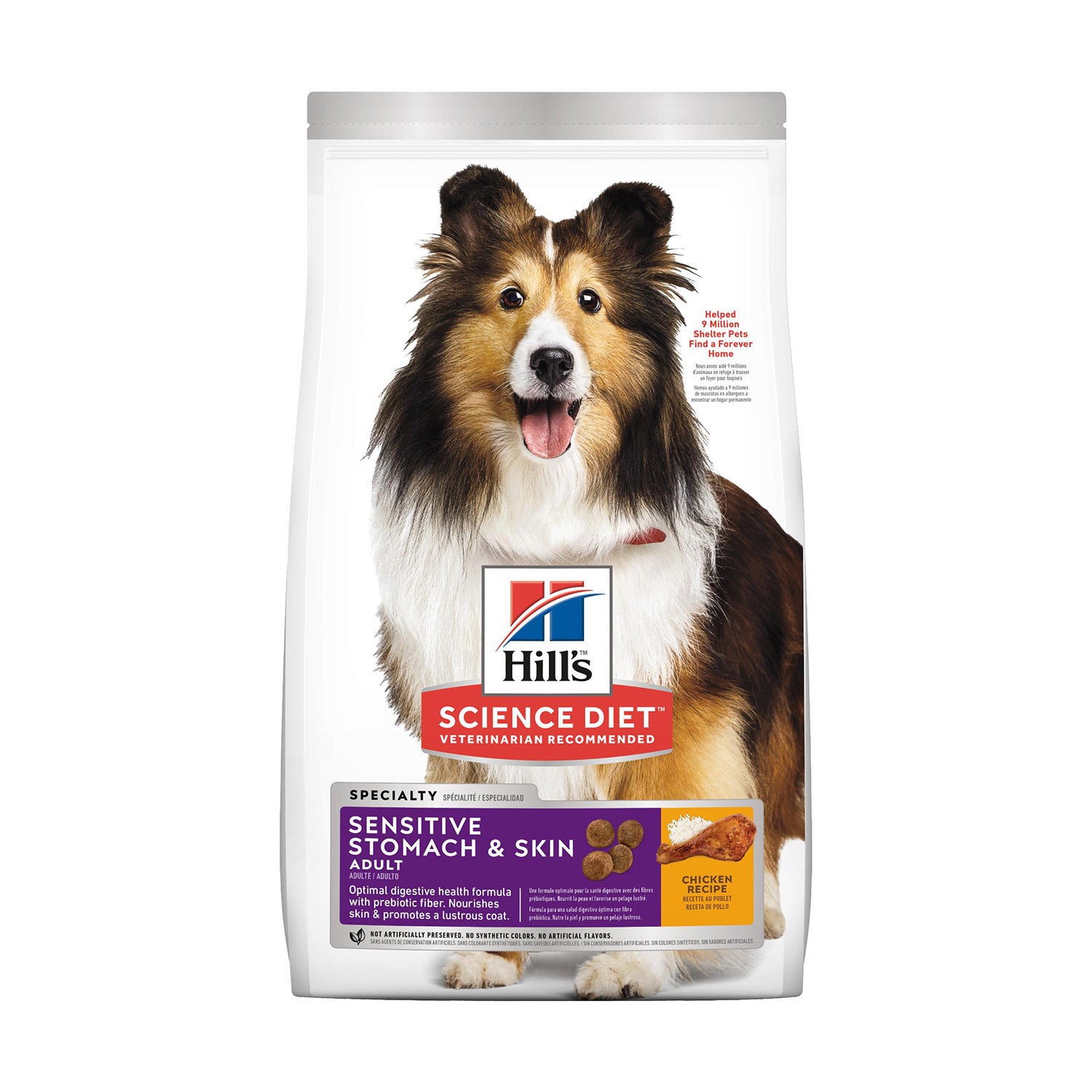
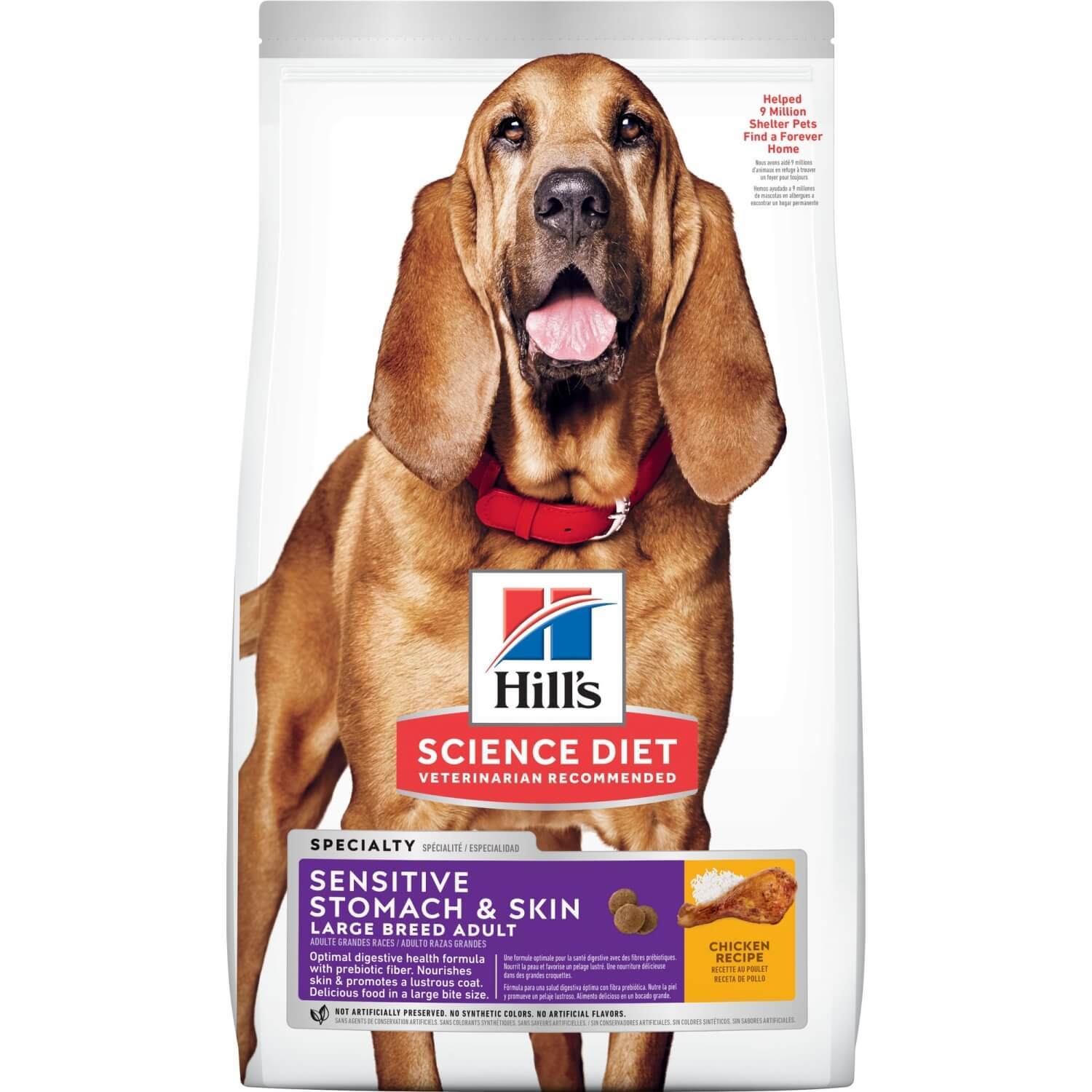
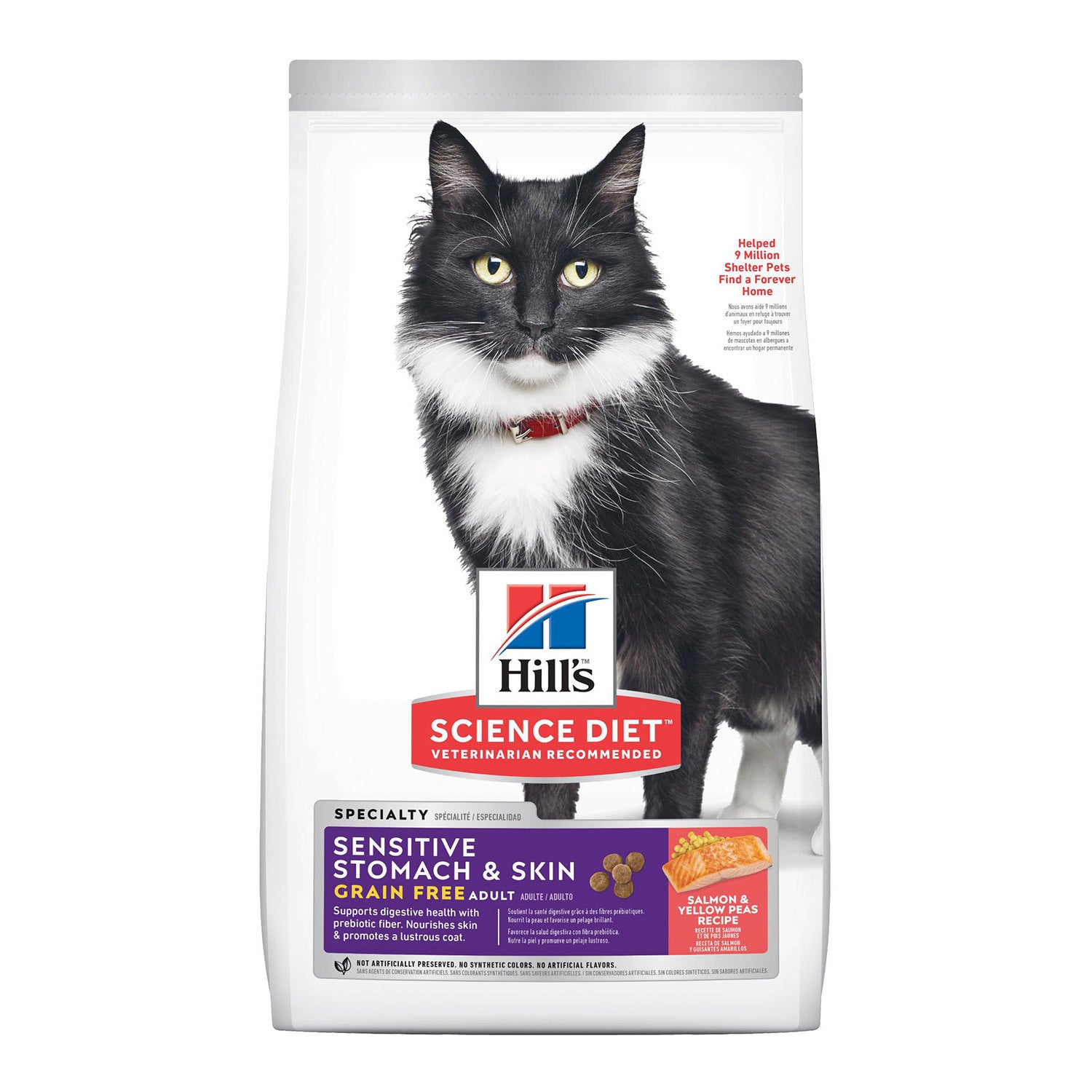
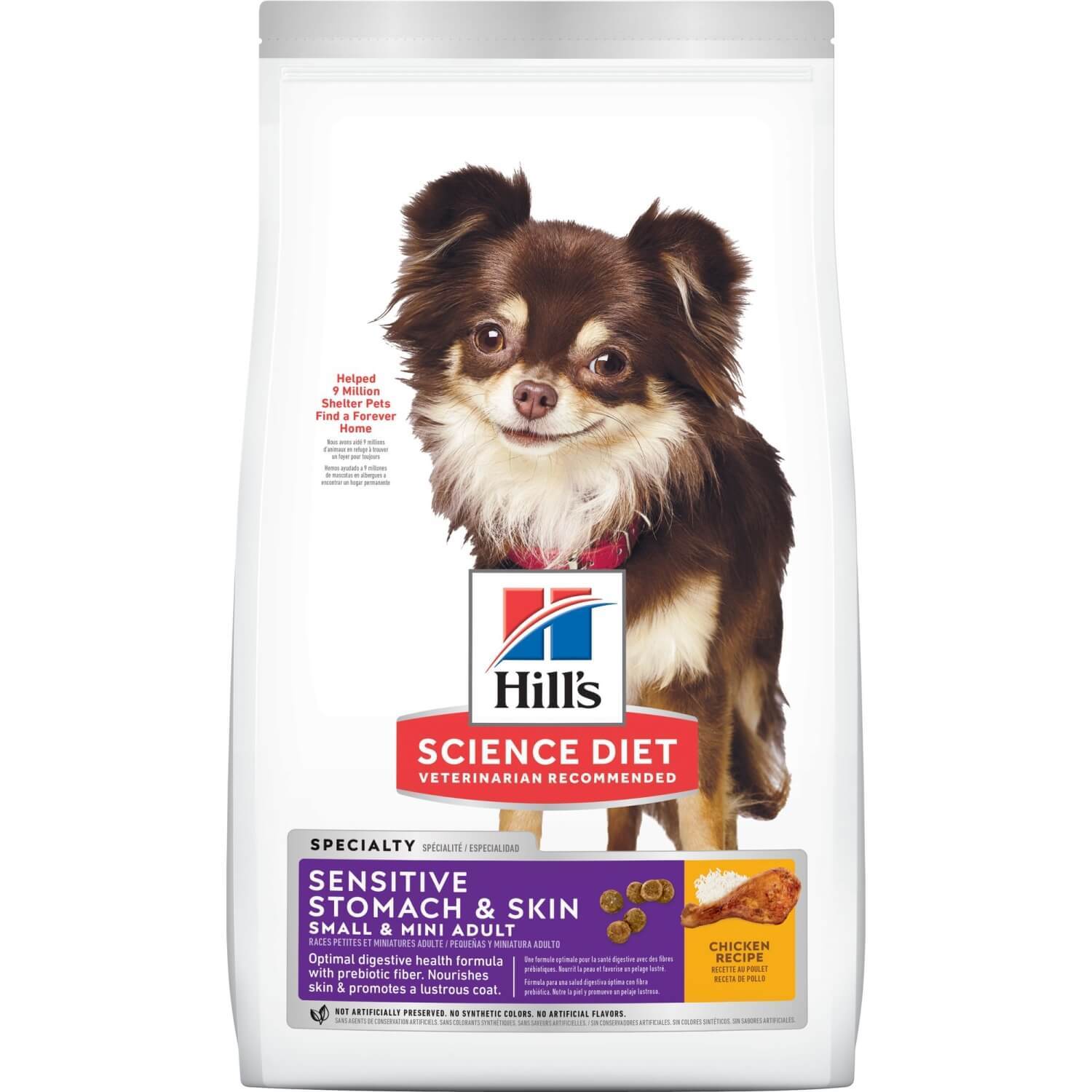
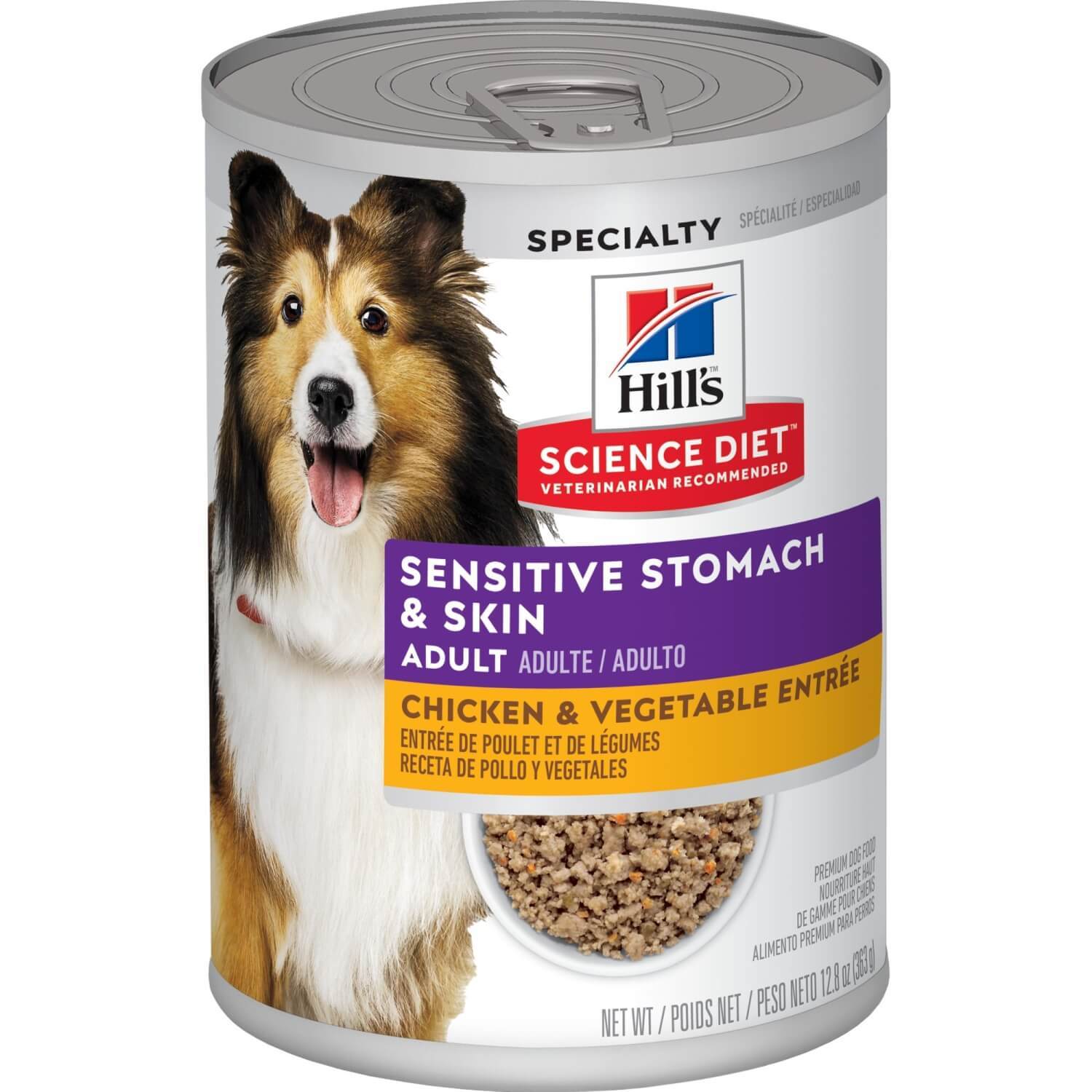
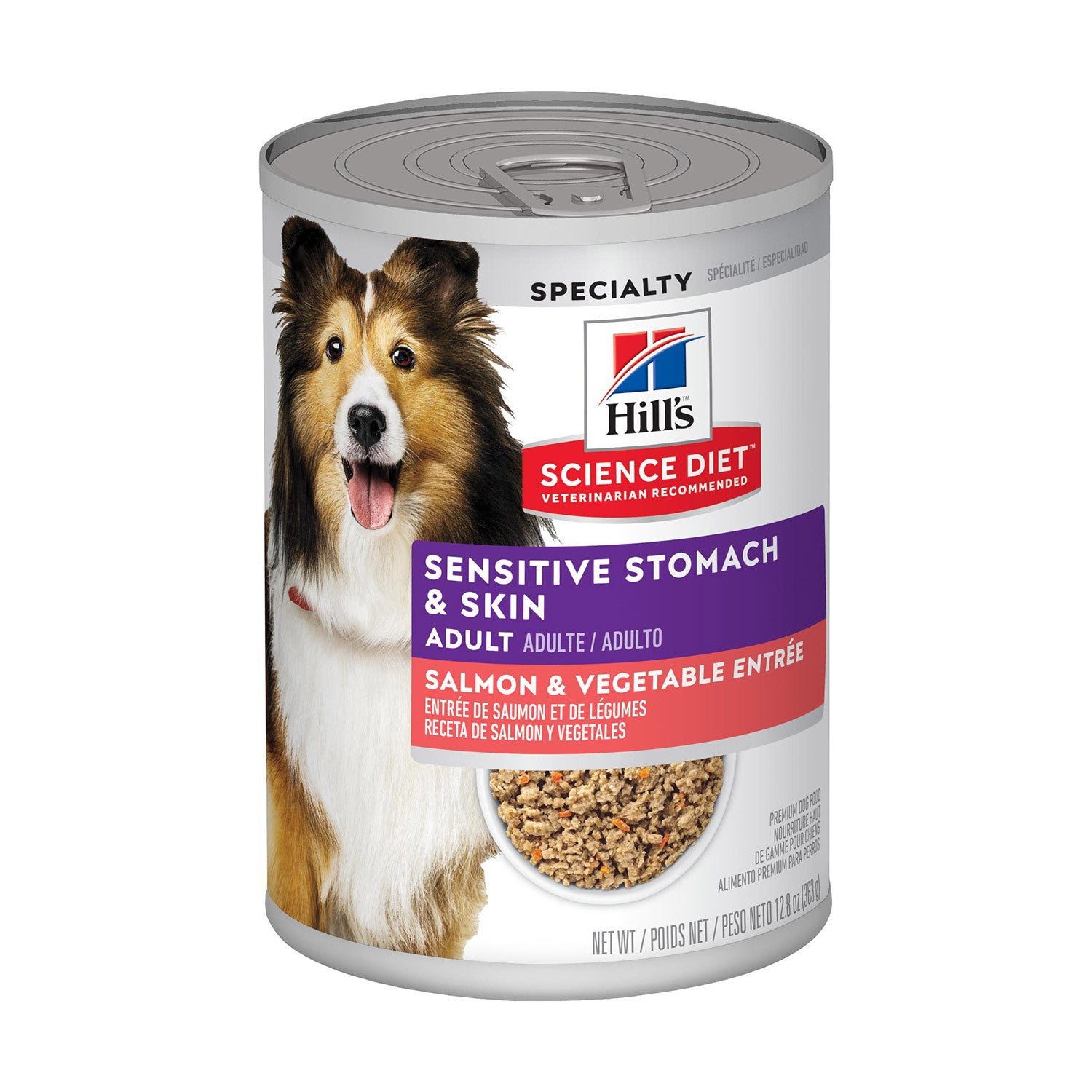
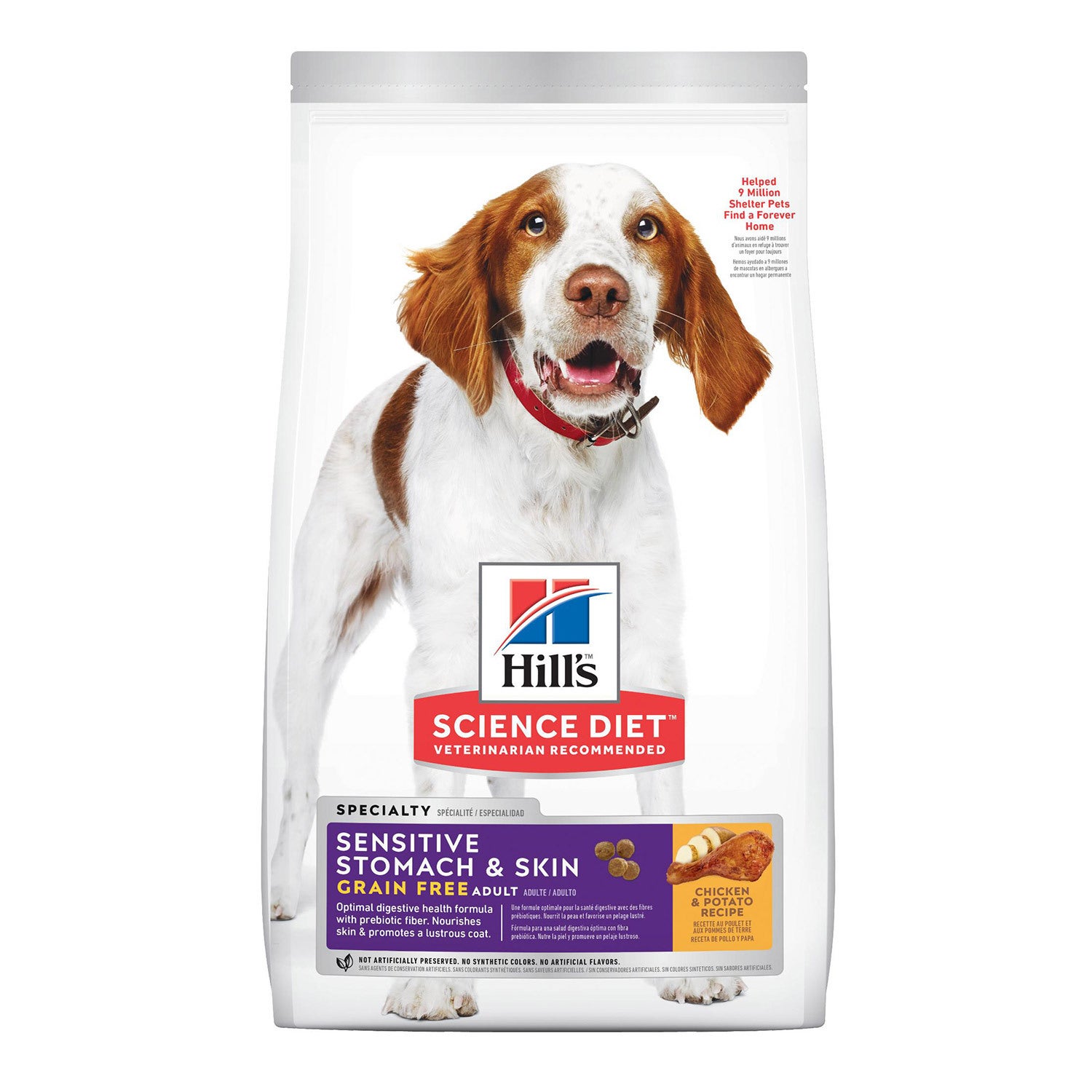
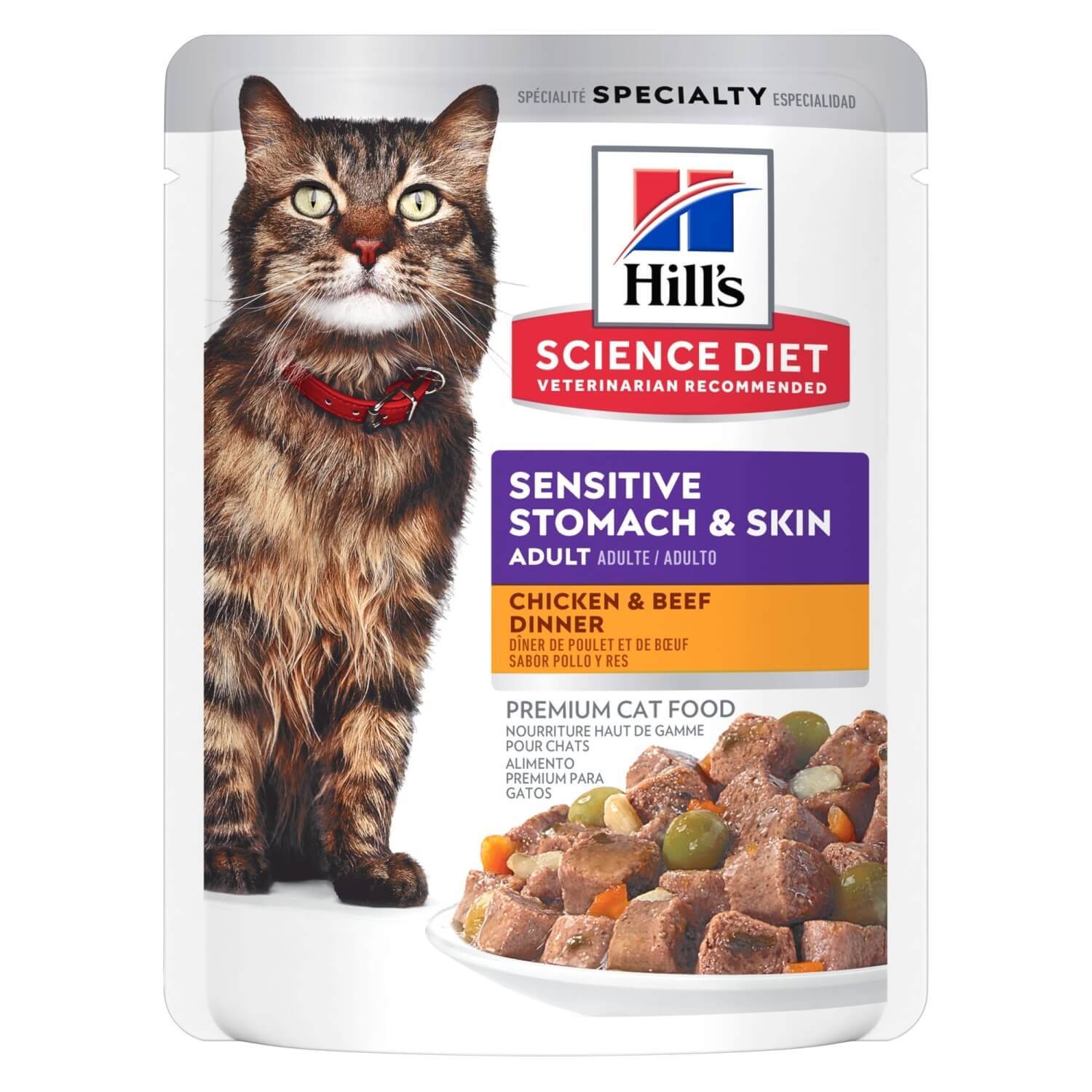
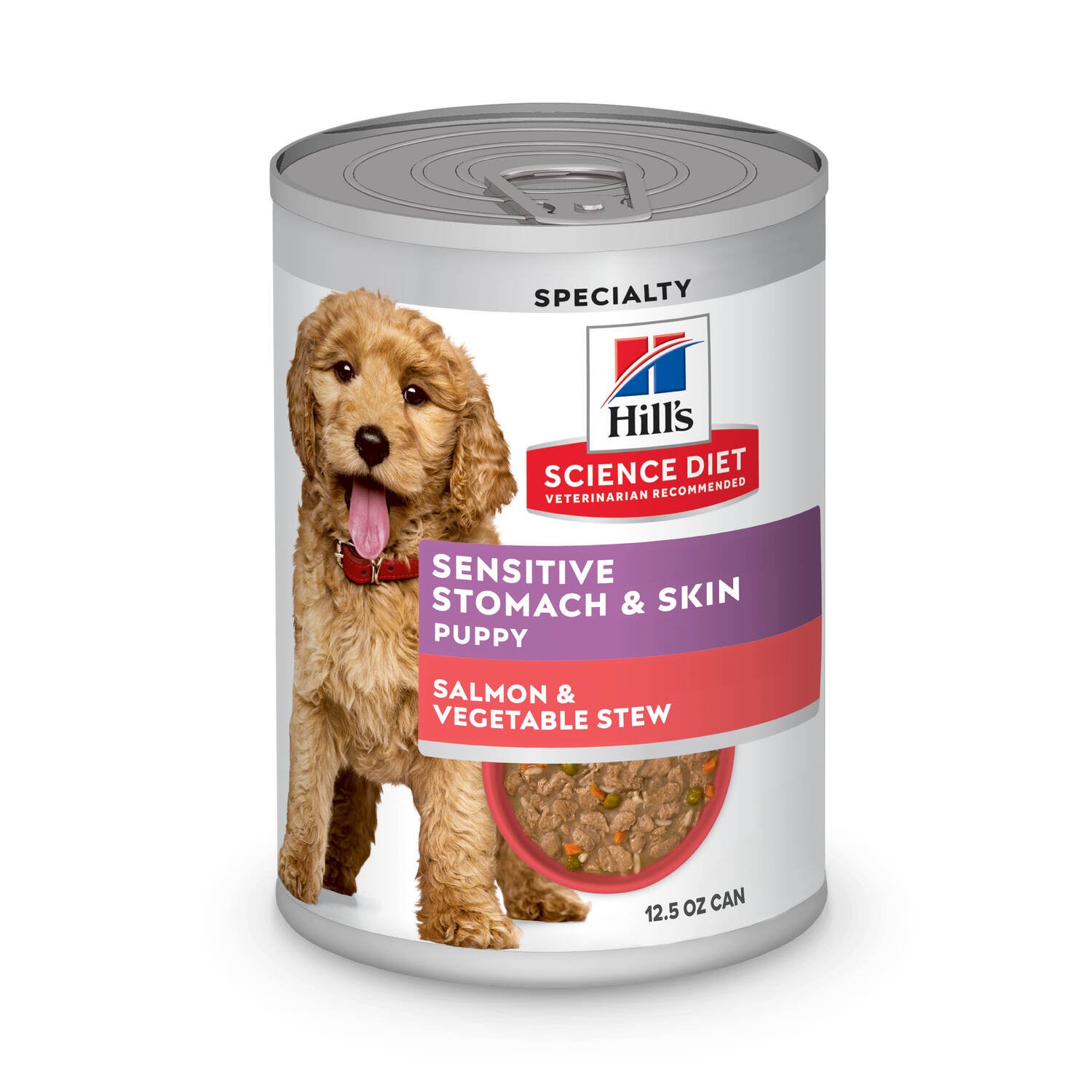
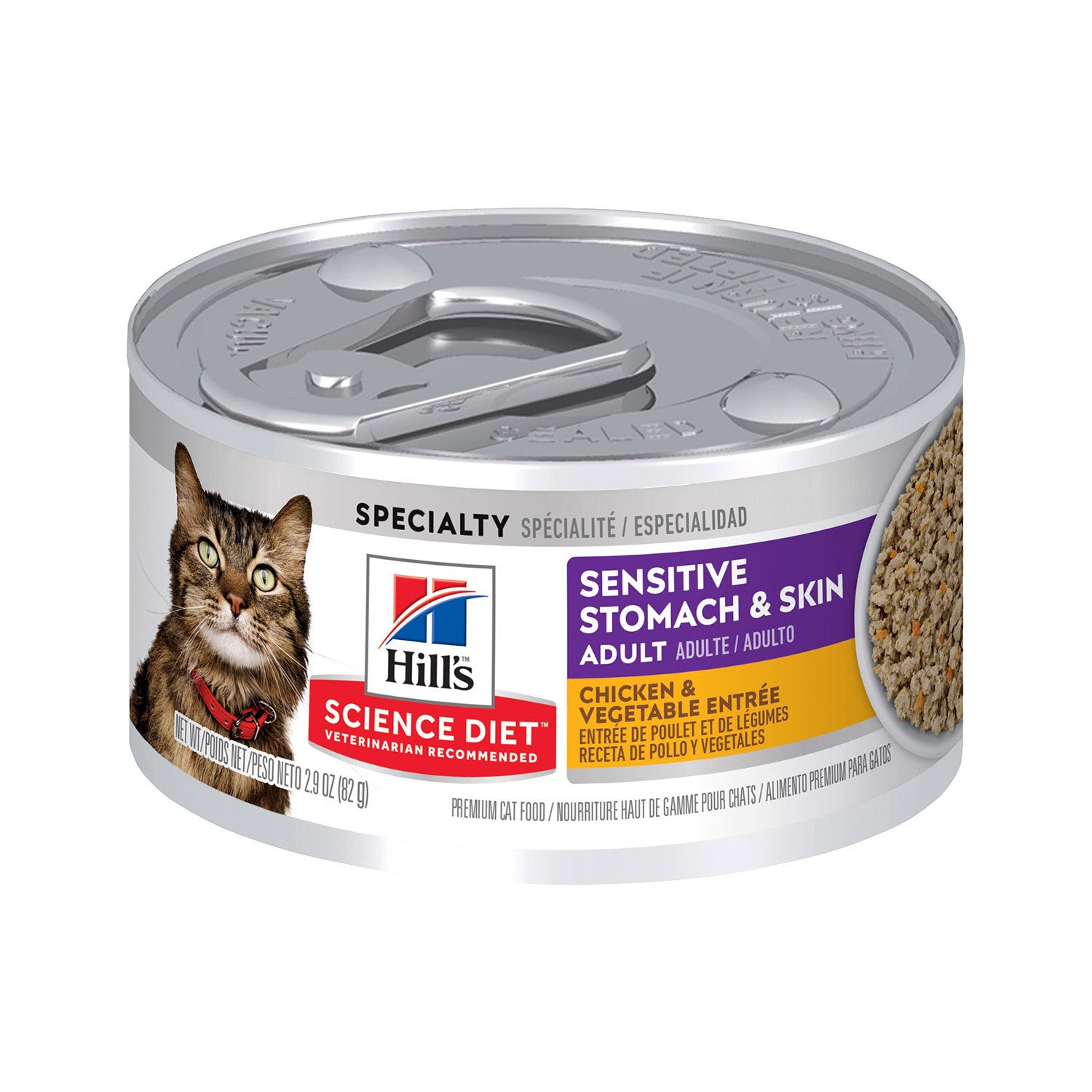
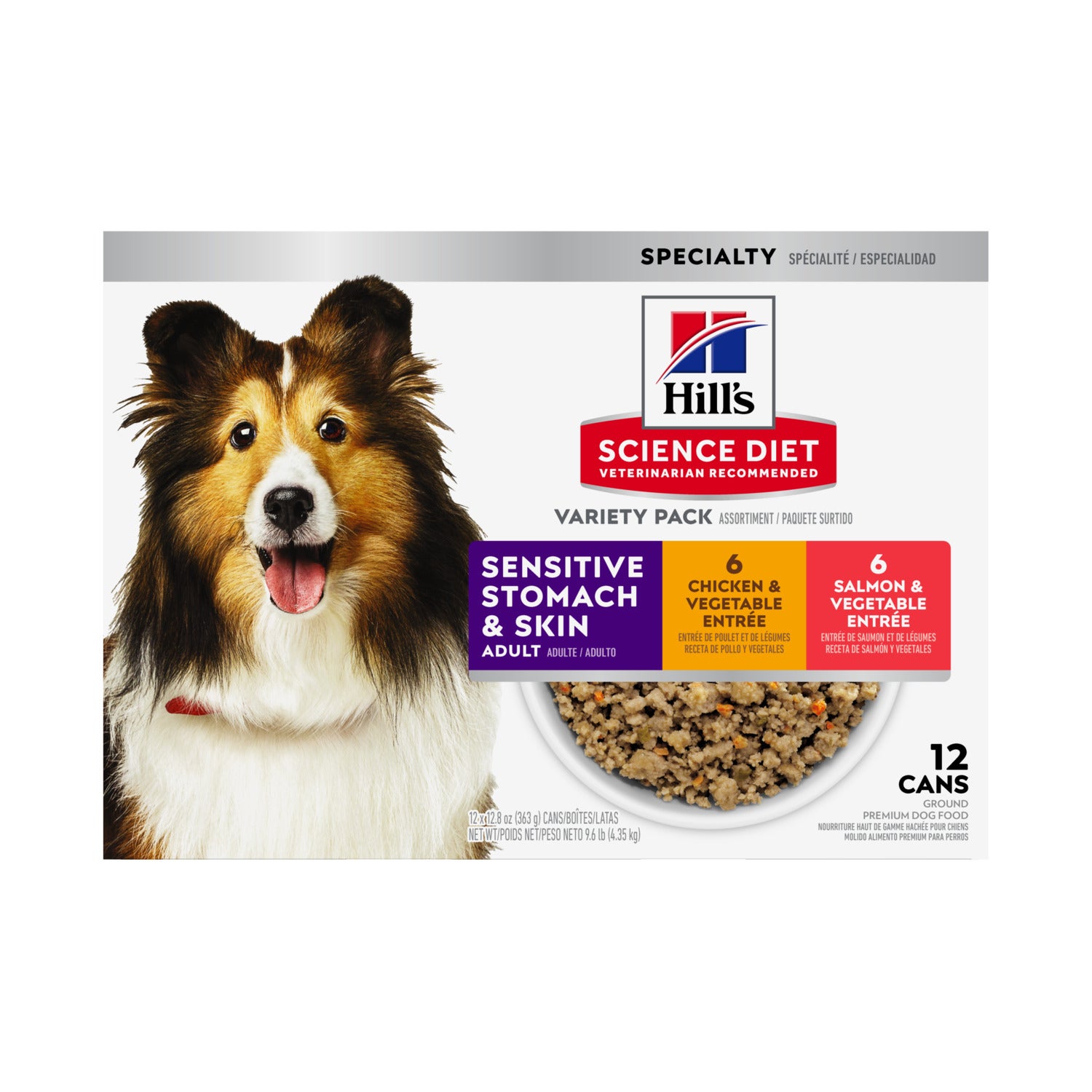
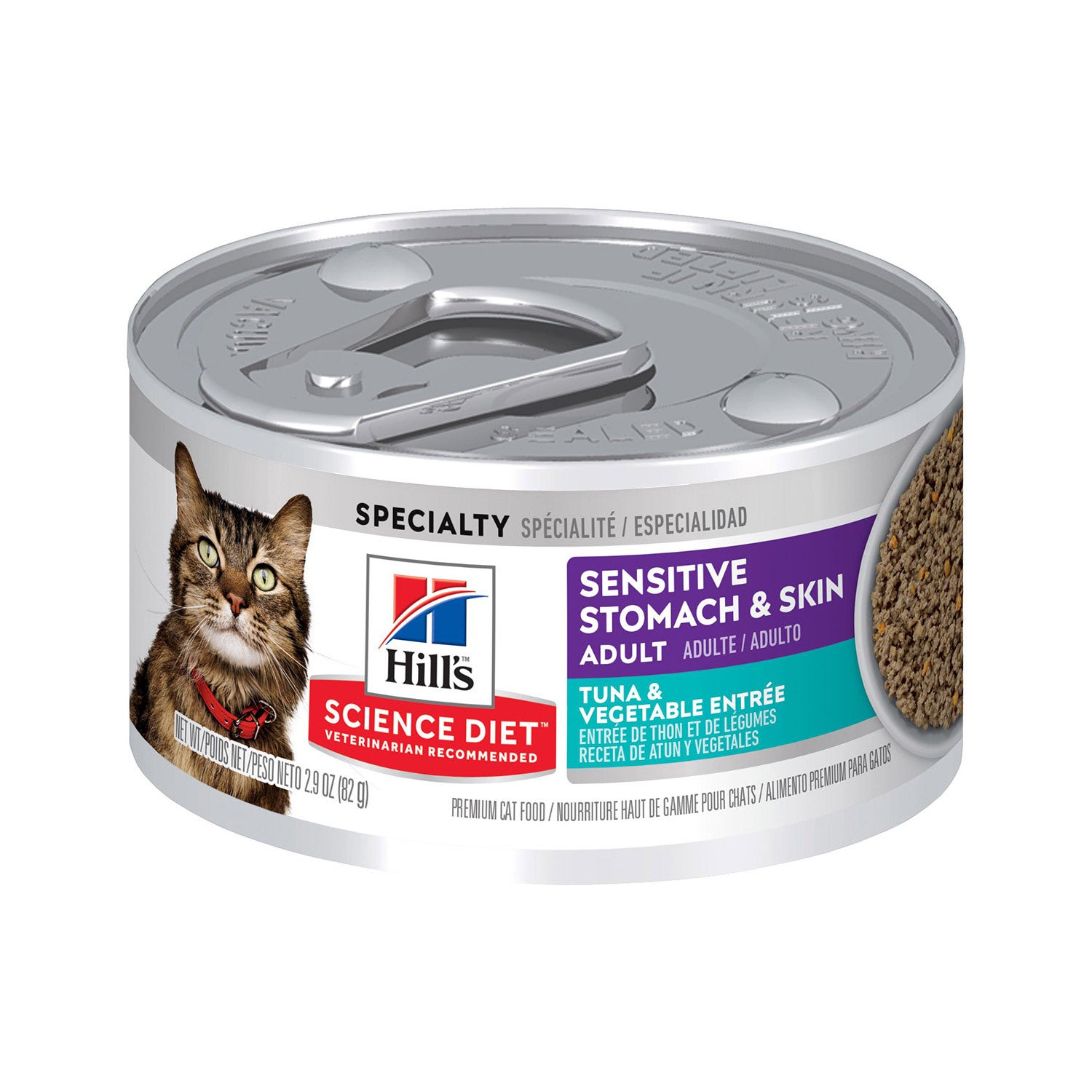
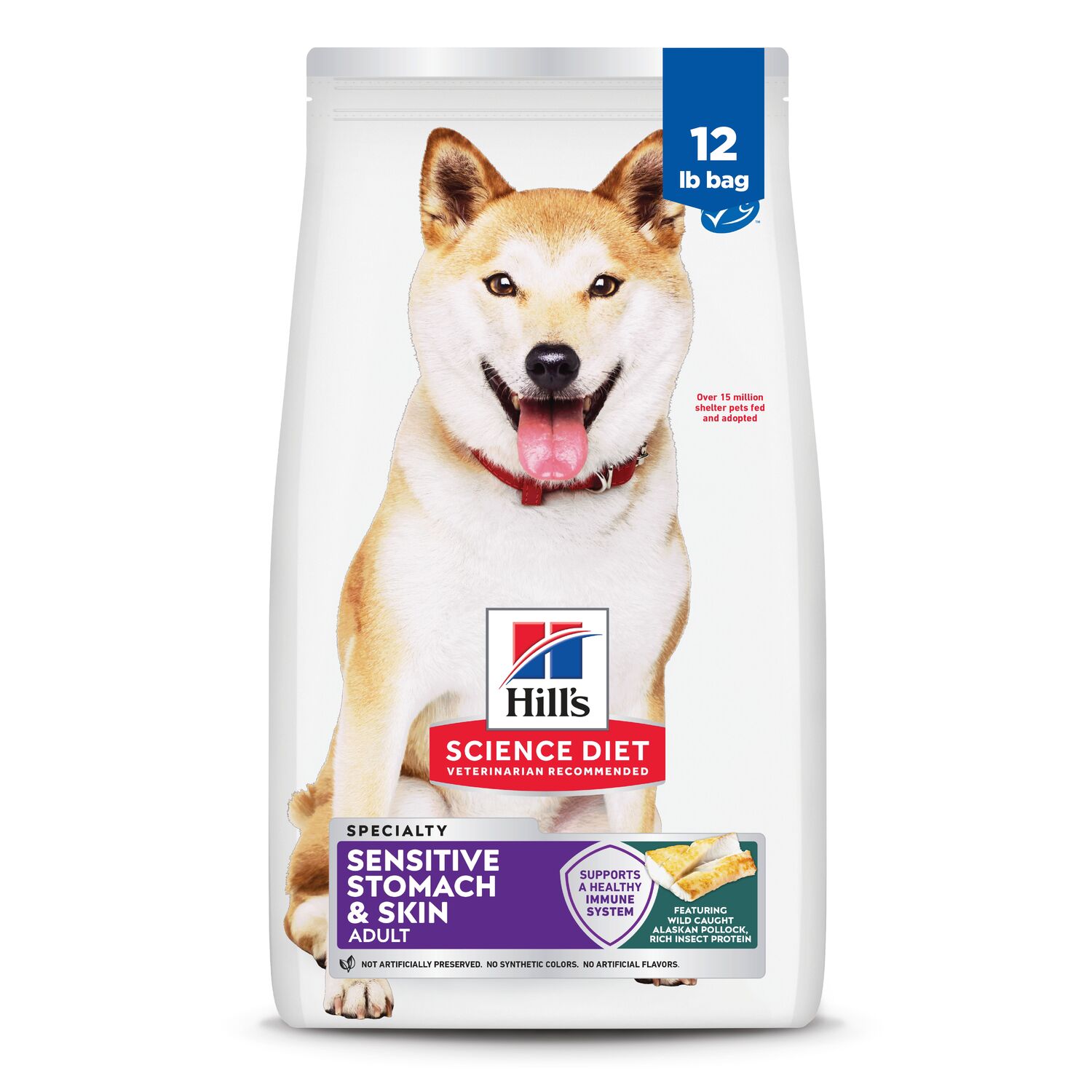
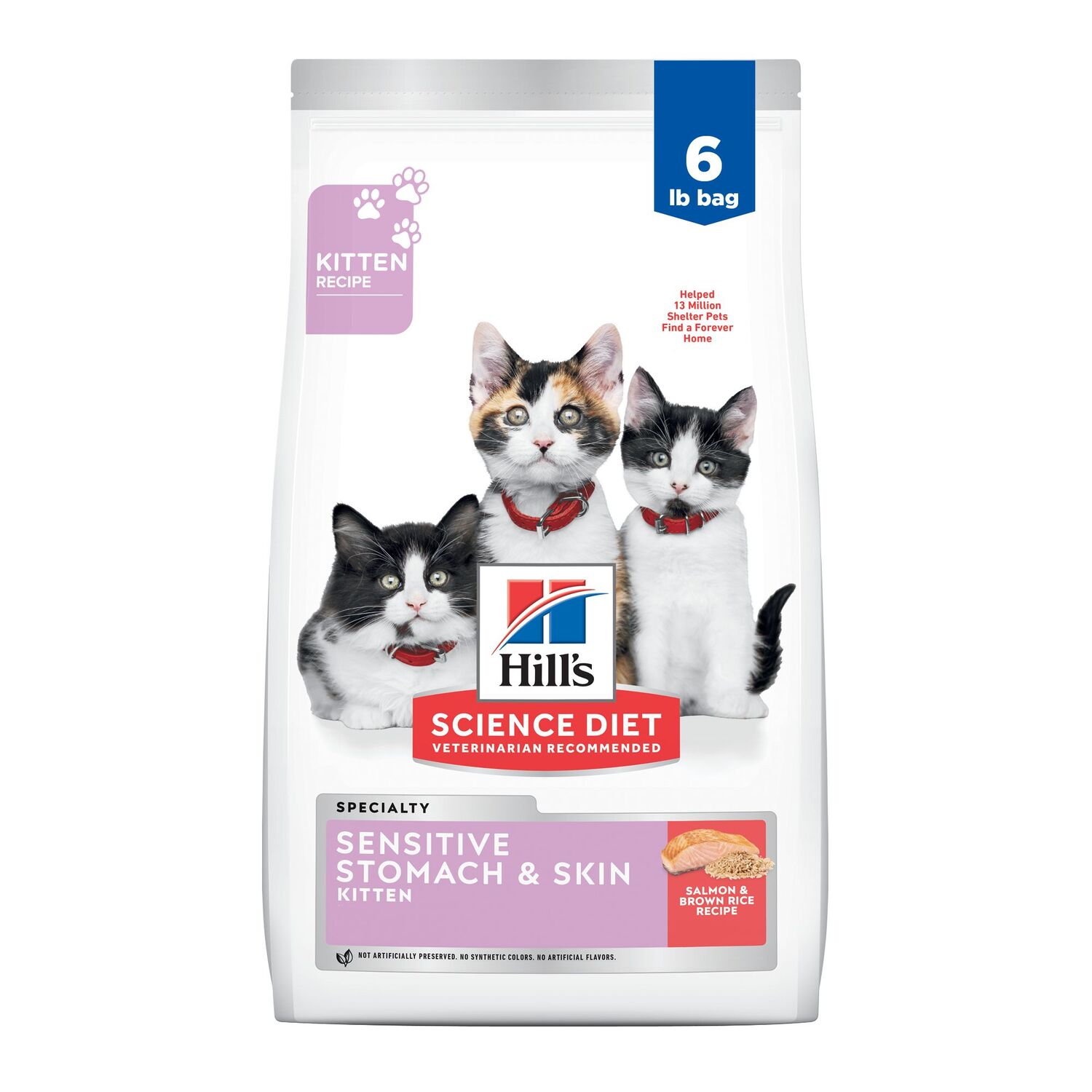
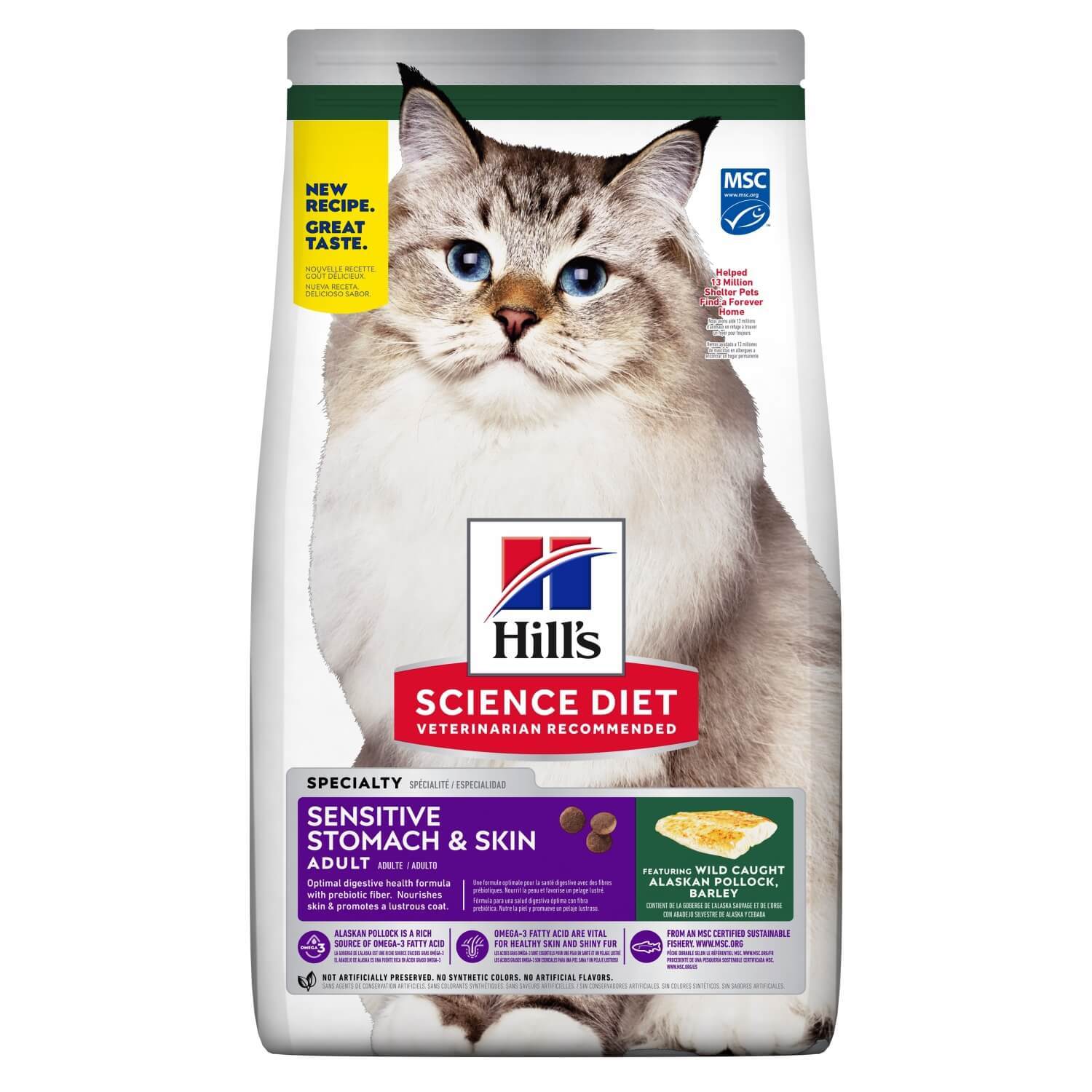
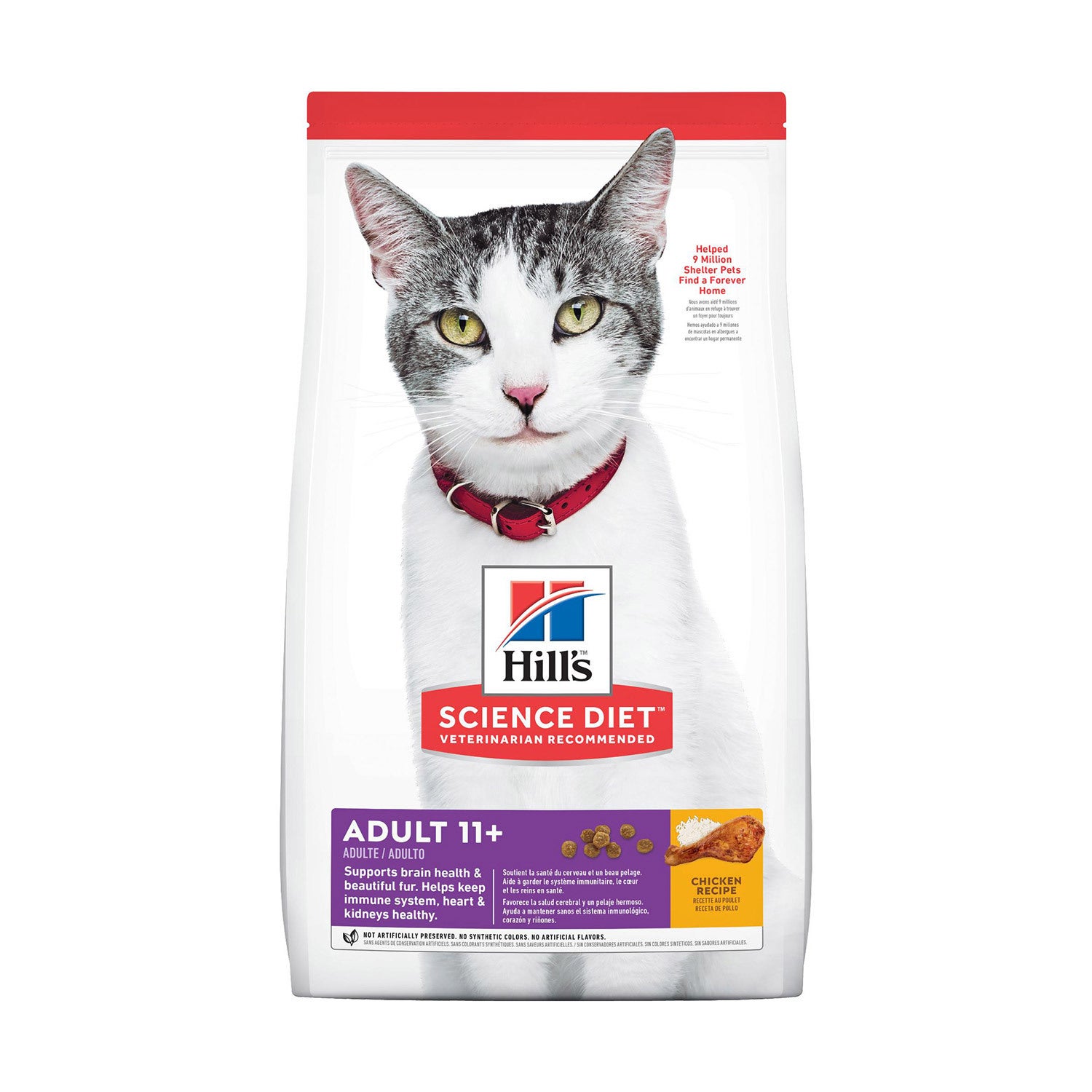
Hill's Science Diets for food sensitivities are expertly formulated to cater to pets with specific dietary needs, ensuring they receive optimal nutrition without triggering adverse reactions. These diets typically feature easily digestible ingredients, limited protein sources, and essential nutrients that support skin health and digestive balance. With a focus on high-quality proteins and wholesome grains or vegetables, these recipes help maintain your pet's overall well-being while minimizing the risk of food-related sensitivities.

Designed for both dogs and cats, these specialized diets offer a variety of textures and flavors to satisfy even the pickiest eaters. Whether your pet requires a grain-free option or a recipe tailored for sensitive stomachs, these diets provide balanced nutrition that promotes healthy skin, a shiny coat, and optimal digestive function. By choosing a diet specifically formulated for food sensitivities, you can help your furry friend thrive while avoiding discomfort and digestive issues.

What are the signs of food sensitivities in pets?

  • Common signs include gastrointestinal upset, such as vomiting or diarrhea, as well as skin irritations, itching, or excessive scratching. If you notice these symptoms, it may be time to evaluate your pet's diet.

How can I determine if my pet has a food sensitivity?

  • Consulting with a veterinarian is essential. They may recommend an elimination diet to identify specific ingredients that could be causing adverse reactions in your pet.

Are there specific ingredients to avoid for pets with food sensitivities?

  • Common allergens include beef, dairy, wheat, and certain grains. However, each pet is unique, so it's important to identify the specific ingredients that may trigger sensitivities in your pet.

Can I switch my pet to a food sensitivity diet immediately?

  • It's best to transition gradually to avoid digestive upset. Start by mixing the new food with your pet's current diet over several days, increasing the proportion of the new food gradually.

How long does it take to see improvements after switching to a food sensitivity diet?

  • Improvements can vary, but many pet owners notice positive changes within a few weeks. It's important to monitor your pet's response and consult your veterinarian if issues persist.